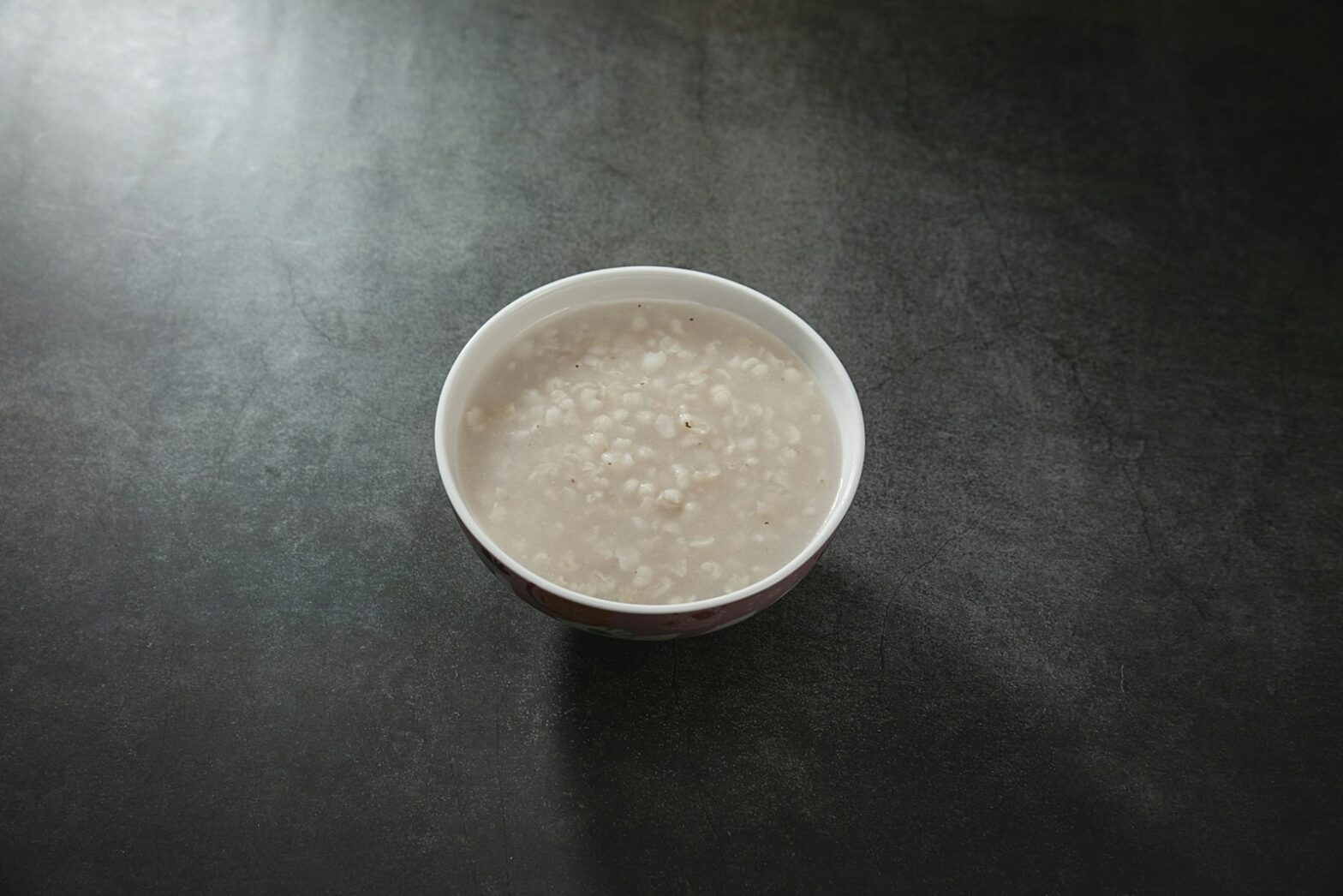

Lactose intolerance affects millions of people worldwide, making it difficult to consume traditional dairy products without discomfort. For those living with this condition, finding suitable alternatives to milk is essential for maintaining a balanced diet without sacrificing taste or nutrition. One of the most popular and versatile substitutes is coconut milk. Derived from the white flesh of mature coconuts, coconut milk offers a creamy texture, a rich taste, and a wealth of health benefits—making it an ideal choice for those seeking dairy-free alternatives.
This article explores why coconut milk is a perfect substitute for individuals with lactose intolerance, its nutritional profile, how to use it in everyday cooking, and some potential concerns to keep in mind.
Understanding Lactose Intolerance
Lactose intolerance occurs when the body lacks sufficient amounts of lactase, the enzyme responsible for breaking down lactose—the sugar found in dairy milk. When undigested lactose passes into the colon, it can cause a range of unpleasant symptoms, including:
- Bloating
- Gas
- Diarrhea
- Abdominal pain
- Nausea
Although it is not life-threatening, lactose intolerance can significantly impact daily comfort and dietary options. This has led to a growing demand for lactose-free alternatives like almond milk, soy milk, oat milk, and most notably, coconut milk.
What Is Coconut Milk?
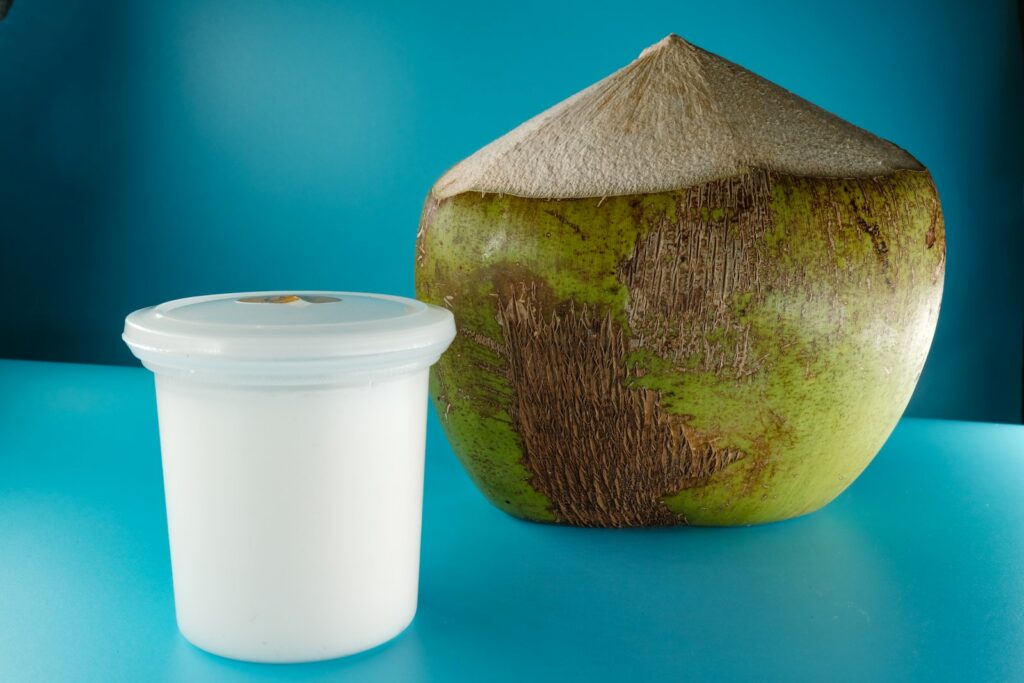
Coconut milk is a plant-based liquid made by blending grated coconut meat with water and then straining it. Unlike coconut water, which is the clear liquid inside green coconuts, coconut milk is thick, white, and creamy.
There are two main types of coconut milk:
- Canned Coconut Milk: Thick and rich, often used in cooking (e.g., curries, soups, desserts).
- Carton Coconut Milk (Beverage): Thinner and lighter, often fortified with vitamins and used as a milk alternative for drinking or with cereal.
Coconut milk is naturally free of lactose, making it a safe and delicious option for those with lactose intolerance.
Nutritional Benefits of Coconut Milk
Coconut milk offers several nutritional benefits that make it an attractive dairy substitute:
1. Lactose-Free and Dairy-Free
The most obvious advantage for lactose-intolerant individuals is that coconut milk is entirely plant-based. It contains no lactose, casein, or whey, all of which are problematic for those with dairy sensitivities or allergies.
2. Rich in Healthy Fats
Coconut milk contains medium-chain triglycerides (MCTs)—a type of saturated fat that the body digests easily and uses for quick energy. MCTs are associated with:
- Improved metabolism
- Enhanced brain function
- Satiety and appetite control
However, due to the fat content, moderation is key.
3. Vitamins and Minerals
Depending on the brand and whether it’s fortified, coconut milk can be a good source of:
- Calcium (in fortified versions)
- Vitamin D and B12 (in fortified beverages)
- Iron, magnesium, and potassium (in natural or canned versions)
These nutrients support bone health, energy production, and overall wellness—especially important when you’re cutting out dairy.
4. Low in Carbohydrates
For those following a low-carb or ketogenic diet, coconut milk offers a low-glycemic alternative to cow’s milk, which can contain natural sugars (lactose).
Culinary Versatility

Coconut milk is extremely versatile and can replace dairy milk in almost any recipe. Here are some ways to incorporate it into your lactose-free diet:
1. In Beverages
- Use it in smoothies, shakes, coffee, or tea.
- Pour it over cereal or granola.
- Mix it into hot chocolate or golden turmeric milk.
2. In Cooking
- Add it to curries, soups, and stews for a creamy texture.
- Use in sauces, marinades, and gravies.
- Make dairy-free mashed potatoes or pasta sauces.
3. In Baking
- Substitute coconut milk for cow’s milk in cake, muffin, or pancake recipes.
- Use it to create dairy-free puddings, ice creams, and custards.
The mild, slightly sweet flavor of coconut milk enhances many dishes without overpowering them.
Choosing the Right Coconut Milk

With many coconut milk products available, it’s important to choose one that suits your needs:
Canned Coconut Milk
- Best for cooking due to its thickness and fat content.
- Look for brands with minimal additives or preservatives.
- Shake before using, as it may separate.
Carton Coconut Milk (Beverage)
- Great for drinking or pouring over cereal.
- Often fortified with calcium, vitamin D, and B12.
- Check for added sugars—opt for unsweetened versions.
Coconut Cream
- Even thicker than canned milk.
- Ideal for making dairy-free whipped cream or decadent desserts.
Potential Downsides and Considerations
While coconut milk is generally a great choice for lactose-intolerant individuals, there are a few things to consider:
1. Caloric Content
Canned coconut milk is calorie-dense due to its high fat content. Overconsumption may contribute to weight gain if not balanced with other foods. Lighter versions or diluted milk beverages are better for daily use.
2. Allergies
Though rare, some individuals may be allergic to coconut. Always introduce it slowly if you’ve never consumed it before.
3. Nutrient Gaps
Unlike dairy milk, natural coconut milk is not a good source of protein. If you switch to coconut milk, be sure to get protein from other plant-based sources like legumes, nuts, seeds, or protein-rich grains.
4. Additives and Preservatives
Many commercial coconut milks include thickeners, emulsifiers, and sweeteners. Always read labels and opt for products with minimal ingredients.
Coconut Milk vs. Other Non-Dairy Alternatives
How does coconut milk compare with other popular lactose-free options?
| Milk Alternative | Protein | Fat | Calcium (fortified) | Taste/Texture |
|---|---|---|---|---|
| Coconut Milk | Low | High (MCTs) | Yes (if fortified) | Creamy, mild coconut flavor |
| Almond Milk | Low | Low | Yes (if fortified) | Light, nutty flavor |
| Oat Milk | Moderate | Moderate | Yes (if fortified) | Slightly sweet, creamy |
| Soy Milk | High | Moderate | Yes | Neutral, closest to dairy milk |
Coconut milk stands out for its rich texture and unique flavor, though it may be lower in protein than soy milk.
Final Thoughts
Coconut milk is a nutritious, flavorful, and versatile option for individuals who are lactose intolerant or simply looking to reduce dairy in their diet. Its creamy consistency makes it ideal for both sweet and savory dishes, while its health benefits add to its appeal as a staple in lactose-free kitchens.
When used mindfully and in combination with a balanced diet, coconut milk can help you maintain a healthy, enjoyable, and dairy-free lifestyle—without missing out on taste or nutrition.
Disclaimer: This article is for informational purposes only and does not constitute medical advice. Always consult with a healthcare provider or nutritionist when making significant changes to your diet, especially if you have food allergies or chronic health conditions.