

Tag: milk

  • Coconut Milk for Babies: Is It Safe?

    Coconut Milk for Babies: Is It Safe?

    As parents, choosing the right foods and drinks for your baby is a significant responsibility. With the rise of plant-based diets and food sensitivities, many families are exploring alternatives to traditional dairy — and coconut milk often comes up as a potential substitute. But is coconut milk safe for babies? Can it provide the nutrition infants need for proper growth and development?

    This article explores the safety, nutritional value, and guidelines for giving coconut milk to babies, helping you make an informed decision for your little one.


    What Is Coconut Milk?

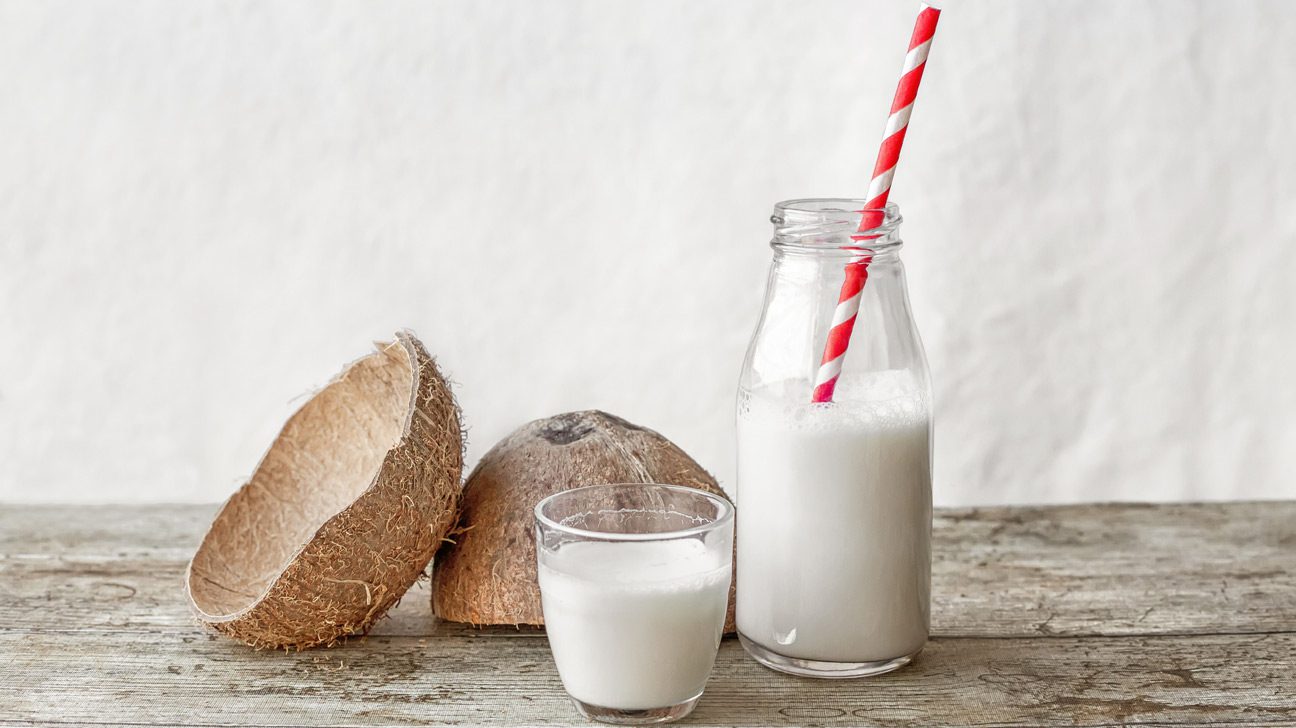
    Coconut milk is a creamy, white liquid made from the grated meat of mature coconuts mixed with water. It comes in two main forms:

    • Canned Coconut Milk: Thick, rich, and high in fat — typically used in cooking.
    • Carton Coconut Milk (Beverage): Found in the refrigerated or shelf-stable sections, this version is often diluted and fortified with vitamins.

    Coconut milk has a naturally sweet, nutty flavor and is dairy-free, making it a popular option for those avoiding cow’s milk due to allergies, lactose intolerance, or lifestyle choices.


    Is Coconut Milk Safe for Babies?

    Short Answer:

    Yes, coconut milk can be safe for babies in small amounts and in specific contexts — but it is not a suitable replacement for breast milk, infant formula, or cow’s milk before age 1.

    Here’s a more detailed breakdown:

    1. Under 6 Months Old

    For babies under 6 months, the only recommended source of nutrition is:

    • Breast milk
    • Infant formula (iron-fortified)

    Coconut milk — or any other plant-based milk — should not be introduced at this stage, as it lacks the essential nutrients and calories required for an infant’s rapid growth and brain development.

    2. 6 to 12 Months Old

    After 6 months, as solid foods are introduced, small amounts of coconut milk may be used in cooking or to prepare foods like oatmeal or purees. However:

    • It should not replace breast milk or formula.
    • It should be used sparingly and not as a beverage.
    • Choose unsweetened versions with no additives or thickeners like carrageenan.

    While coconut milk is safe to use in small quantities in recipes, it does not provide enough protein, calcium, or vitamin D for babies to thrive on its own.

    3. After 12 Months

    After a baby’s first birthday, the American Academy of Pediatrics (AAP) typically recommends transitioning to:

    • Whole cow’s milk
    • Or a nutritionally equivalent fortified plant-based milk (like soy milk)

    Coconut milk can be included in your toddler’s diet, but it shouldn’t be the primary milk source unless approved and supervised by a pediatrician or dietitian.


    Nutritional Profile of Coconut Milk

    To understand whether coconut milk is suitable for babies, it’s important to compare its nutritional content with breast milk or formula.

    Unsweetened Coconut Milk (Carton) – 1 cup

    • Calories: 45–60
    • Protein: 0–1g
    • Fat: 4–5g (mostly saturated fat)
    • Calcium: ~300mg (if fortified)
    • Vitamin D: ~2.5mcg (if fortified)
    • Sugar: 0g

    Breast Milk – 1 cup

    • Calories: ~170
    • Protein: 2g
    • Fat: 10g
    • Carbohydrates: 17g (natural sugars)
    • Calcium: ~80mg
    • Vitamin D: Low (supplements usually needed)

    Key Differences:

    • Low protein: Babies need protein for muscle and organ development.
    • Low calories: Babies require energy-dense foods.
    • Low carbs and essential fats: Important for brain growth.
    • Low or missing vitamins and minerals (unless fortified).

    This shows why coconut milk alone is not nutritionally adequate for infants and toddlers who need higher levels of protein, energy, and micronutrients.


    Potential Benefits of Coconut Milk for Babies (in Moderation)

    Although coconut milk lacks certain critical nutrients, it still has some qualities that may be beneficial when used occasionally in meals:

    Dairy-Free Option

    For babies with cow’s milk protein allergy or lactose intolerance, coconut milk offers a non-dairy alternative that’s typically easier to digest.

    Healthy Fats

    Coconut milk contains medium-chain triglycerides (MCTs) — a type of fat that is easily absorbed and may provide quick energy.

    Creamy Texture for Weaning Foods

    Its smooth consistency can help make purees and cereals more palatable for babies transitioning to solid food.


    Concerns and Considerations

    ⚠️ Lacks Essential Nutrients

    Coconut milk doesn’t provide enough protein, iron, vitamin B12, calcium, or vitamin D — all crucial for a baby’s development.

    ⚠️ Possible Additives

    Some commercial coconut milk beverages contain:

    • Added sugars
    • Preservatives
    • Emulsifiers like carrageenan, which may irritate sensitive tummies

    Always check the label and choose a plain, unsweetened, additive-free version.

    ⚠️ Allergies

    While coconut allergies are rare, they’re still possible. Coconuts are considered fruits (not true tree nuts), but if your baby has other food allergies, consult a pediatrician before introducing coconut milk.


    How to Introduce Coconut Milk Safely
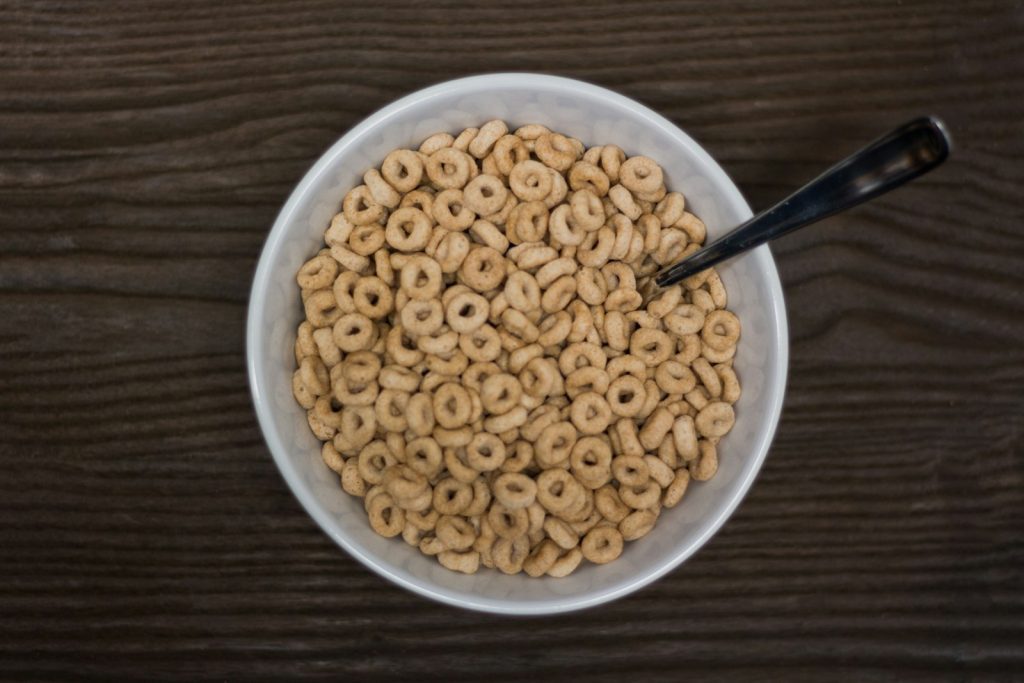
    If your pediatrician gives the green light, follow these tips when introducing coconut milk:

    Use for Cooking, Not Drinking

    Use small amounts to prepare baby food like:

    • Mashed sweet potatoes
    • Porridge or baby cereals
    • Vegetable purees

    Choose the Right Type

    • Look for unsweetened, additive-free coconut milk in cartons (not cans).
    • Avoid products with artificial flavors, thickeners, or added sugars.

    Watch for Reactions

    After the first introduction, monitor for signs of intolerance or allergy, such as:

    • Rash or hives
    • Vomiting or diarrhea
    • Breathing difficulties (seek medical help immediately)

    Keep it in Balance

    Use coconut milk alongside other healthy fats and proteins — such as avocado, full-fat yogurt (if tolerated), eggs, or legumes — to ensure your baby receives a balanced diet.


    When Is Coconut Milk an Appropriate Milk Substitute?

    There are very few cases where coconut milk could be considered a primary milk substitute — and even then, only under medical guidance.

    If your child has a severe dairy allergy or metabolic condition and cannot tolerate formula, your pediatrician or pediatric dietitian may recommend a fortified plant-based milk. In most of these cases, soy milk or specialized formulas are preferred over coconut milk because they provide more protein and balanced nutrients.

    Coconut milk may be included in the rotation for flavor and variety, but it should not be the main source of nutrition unless heavily fortified and paired with supplements.


    Conclusion: Coconut Milk in Moderation, Not as a Main Milk

    Coconut milk can be a safe and useful ingredient in your baby’s meals after 6 months — especially when used for flavor, texture, and variety. However, it should never replace breast milk, formula, or cow’s milk during the first year of life.

    Even after 12 months, coconut milk shouldn’t be the primary beverage unless it’s fortified and part of a well-balanced diet. The key is moderation, balance, and making sure your baby receives all the essential nutrients they need to grow strong and healthy.

    Always consult your pediatrician before introducing coconut milk or any alternative milk into your baby’s diet.
  • Coconut Milk Production 2025: Powerful Environmental Pros and Cons

    Coconut Milk Production 2025: Powerful Environmental Pros and Cons

    environmental, coconut milk, production, milk

    Coconut milk has become one of the most popular plant-based alternatives to dairy. From coffee shops to vegan recipes, its creamy texture and rich taste make it a staple in kitchens across the world. However, as the demand for this product grows, so does the conversation about its environmental consequences. While coconut milk may appear to be a more sustainable choice compared to animal-based milk, the reality is more nuanced. Understanding the environmental impact of coconut milk production requires a closer look at agriculture, trade, and ecological systems that shape this industry.


    Coconut Farming and Global Demand

    environmental, coconut milk, production, milk

    Coconuts are primarily grown in tropical regions such as Indonesia, the Philippines, India, and Sri Lanka. These countries supply the majority of the world’s coconuts, which are processed into milk, oil, water, and other by-products. Unlike soybeans or almonds, coconuts are typically cultivated in smallholder farms rather than massive industrial plantations. This small-scale farming model often reduces the risk of large-scale deforestation. In fact, many coconut trees are intercropped with other plants, which helps preserve biodiversity.

    However, the global rise in demand for coconut-based products, particularly coconut milk, has placed new pressures on these farming systems. While coconut trees themselves may not require extensive water or synthetic pesticides, the scaling of production to meet international markets brings its own set of environmental challenges.


    Land Use and Deforestation Concerns

    One of the key environmental debates surrounding plant-based products is deforestation. In comparison to soy or palm oil, coconuts do not have the same level of association with widespread land clearing. Coconut trees are grown in tropical regions that are already rich in vegetation, and in many cases, they replace other crops rather than virgin forests.

    That being said, there is still concern about biodiversity loss. Coconut farming, when expanded at a large scale, can reduce habitat variety in tropical regions. Monoculture practices, where large areas are planted with a single crop, may also threaten local ecosystems. While the direct deforestation footprint of coconut milk production remains smaller than that of palm oil or beef, the indirect impact on local wildlife and soil fertility cannot be ignored.


    Water and Soil Sustainability

    Compared to other plant-based alternatives such as almond milk, coconut milk production is less water-intensive. Almonds require vast amounts of irrigation, especially in regions like California where water scarcity is already a problem. Coconuts, on the other hand, are grown in naturally humid, tropical climates that provide sufficient rainfall. This makes coconut farming relatively sustainable in terms of water use.

    However, soil health is another factor to consider. Coconut trees have long lifespans—often producing fruit for decades—which reduces the need for frequent replanting. Yet, when demand pushes for monoculture systems, soil nutrients can be depleted over time. Without proper management, this may lead to erosion and declining productivity in the long term.


    Transportation and Carbon Footprint

    One of the less obvious environmental costs of coconut milk production comes from transportation. The majority of coconuts are grown thousands of miles away from their primary consumer markets in Europe and North America. Once harvested, coconuts are processed into milk and packaged, often in cans or cartons, and shipped across continents.

    This long supply chain contributes significantly to the overall carbon footprint of coconut milk. While the farming process itself may be relatively low-impact compared to dairy milk, the emissions associated with international shipping, processing, and packaging add to its environmental burden. As a result, consumers who prioritize low-carbon diets should consider not only how coconut milk is grown but also how it travels from farm to table.


    Comparing Coconut Milk to Dairy Milk

    When comparing coconut milk to dairy milk, the environmental differences become clearer. Dairy production is one of the most resource-intensive agricultural practices in the world. Cows require large amounts of water, feed, and land, and they produce significant methane emissions, a powerful greenhouse gas. In contrast, coconut farming has a much smaller greenhouse gas footprint. Even with long-distance transportation, coconut milk tends to have lower carbon emissions than dairy milk.

    Moreover, dairy farming is often linked to deforestation for grazing land, water pollution from runoff, and overuse of antibiotics in livestock. Coconut farming does not share these particular challenges. Thus, for environmentally conscious consumers, coconut milk generally remains the more sustainable choice.


    Social and Ethical Dimensions

    Beyond the environment, coconut milk production also has social implications. Most coconuts are harvested in countries where farmworkers face low wages and limited labor protections. Reports of exploitative practices in some regions have sparked ethical concerns among consumers. While these issues are not directly environmental, they are closely tied to the sustainability of the industry as a whole. True sustainability involves protecting both ecosystems and the people who depend on them for their livelihoods.

    Fair trade certifications and ethical sourcing initiatives are helping address these challenges, but widespread change requires stronger collaboration between producers, governments, and international buyers. Consumers can play a role by supporting brands that prioritize transparency and fair trade practices.


    Packaging and Waste

    Packaging also plays a role in the environmental impact of coconut milk. Canned coconut milk is often packaged in metal containers, which are recyclable but energy-intensive to produce. Carton-based coconut milk, often sold as a beverage alternative, may be lined with plastic or aluminum, making recycling more difficult. Packaging waste contributes to environmental problems worldwide, particularly in countries lacking strong recycling infrastructure.

    As sustainability becomes a greater consumer priority, some companies are exploring eco-friendly packaging solutions. These include biodegradable cartons, reduced plastic use, and refill systems. Choosing coconut milk brands that invest in sustainable packaging can help reduce the product’s overall footprint.


    Moving Toward Sustainable Coconut Milk

    While coconut milk is often a better environmental choice than dairy, there is room for improvement in its production and distribution. Some strategies for making coconut milk more sustainable include:

    1. Agroforestry practices – Encouraging intercropping and mixed farming to maintain biodiversity and soil health.
    2. Fair trade certification – Ensuring farmers receive fair wages and work under ethical conditions.
    3. Eco-friendly packaging – Supporting innovations that reduce waste and improve recyclability.
    4. Local alternatives – Exploring plant-based milk options made from crops grown closer to consumer markets, such as oats or soy, to reduce transportation emissions.
    5. Consumer awareness – Making informed choices and supporting responsible brands that prioritize sustainability across their supply chains.

    Conclusion

    Coconut milk production carries both environmental advantages and hidden costs. On one hand, coconut farming requires less water, fewer chemical inputs, and produces lower greenhouse gas emissions compared to dairy milk. On the other hand, challenges such as transportation emissions, monoculture risks, and packaging waste highlight that no product is entirely impact-free.

    For consumers who care about sustainability, coconut milk remains a relatively eco-friendly option, especially when compared to dairy. However, conscious choices—such as supporting ethical brands, considering packaging, and balancing coconut milk consumption with other local alternatives—can make an even greater difference. Ultimately, the path toward a sustainable future involves not just what we consume, but how thoughtfully we consume it.

Secret Link