Many people are confused when they see these 2 products, namely coconut sugar and palm sugar. For some people, these two products are the same and only marketing techniques are the difference. But is this assumption true? Let's take a closer difference palm and coconut sugar
The Color Of Coconut Sugar Is Lighter?
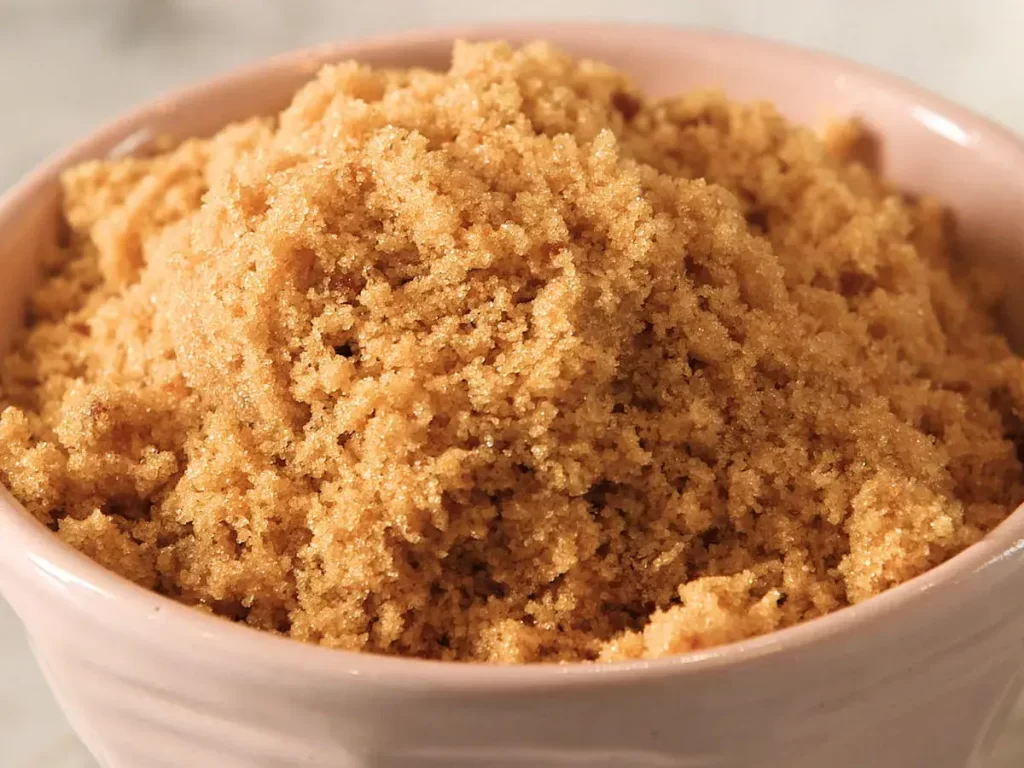
Coconut sugar has a distinctive color, the color of coconut sugar is yellowish brown, this is because the raw material for coconut sugar, namely coconut sap, is bright brown. However, it is possible if the coconut sap turns dark brown. This can happen in certain weather such as the rainy season. While on the other hand, palm sugar has a darker base color than coconut sugar. This is because the palm tree sap has a darker color. Just like coconut sugar, the color of palm sap can turn darker in certain weathers such as the rainy season.
Is Coconut Sugar Tasted Good?
Coconut sugar has a distinctive taste compared to other natural sweeteners. Is Coconut sugar tasted good? The answer is, Yes. It has a unique caramel flavor compared to the sweetener of cooked cane sugar. Coconut sugar also has a "soft" sweet taste making it suitable for use for "baking" activities.
In line with Coconut Sugar, Palm Sugar also has a taste that is almost similar to coconut sugar products. However, there is a slightly different taste when compared to coconut sugar. The taste of palm sugar has a slightly "burnt" taste, which makes it more delicious on the tongue when you consume palm sugar.
Texture Difference Palm And Coconut Sugar
The texture of coconut sugar and palm sugar can be said to be very similar. Because these 2 products are both in powder form. But fortunately, the texture of the coconut sugar supplied by Global Coco Sugar can be adjusted as needed.
How To Use Coconut Sugar And Palm Sugar
The method of use for coconut sugar and palm sugar is the same as the use of cane sugar that we usually find. The ratio of coconut sugar or palm sugar to cane sugar is 1:1. Even so, coconut sugar and palm sugar have advantages over cane sugar, namely a low glycemic index.
Source Materials
The raw material for coconut sugar products is sap from coconut trees. Coconut tree sap is harvested and then cooked until it crystallizes. Coconut sap is the sap that will come out of a coconut tree, how to take it is by cutting a little on the coconut tree trunk, then later the coconut sap will drip from the coconut tree trunk.
Furthermore, after the coconut sap has been cooked for sufficient time, the sap will change from a liquid form to a solid and crystallize form. After the sap is in powder form, it can be said that the sap has become a coconut sugar product. However, so that the coconut sugar can get a lower dryness level, the coconut sugar will be put in the oven to reduce the water content.
Unlike coconut sugar, palm sugar is made from the sap of palm trees. As we previously informed, palm trees have a darker sap color than coconut sugar. After the sap from the palm tree has been collected, the sap will go through the same process as processing coconut sugar.
Fun Fact Of Coconut Sugar and Palm Sugar
The unique fact is that coconut trees and palm trees, although different types of trees, are still in the same family, namely palm trees. This is the reason why even though the two products have different names, the shape, taste, and quality can be said to be almost similar to each other.
Besides that, another unique fact is that coconut trees that have been used as ingredients for making coconut sugar, in the end will not be able to bear coconut anymore. Therefore, it is necessary to consider making coconut tree sap as a raw material for making coconut sugar
Conclusion
The conclusion is that coconut sugar and palm sugar have many similarities both in taste, color, shape, and texture. However, despite the many similarities between these two products, coconut sugar and palm sugar have different raw materials. Coconut sugar is made from coconut tree sap, while palm sugar is made from palm tree sap. The two trees are 2 different tree species, but still in one family, namely palm tree. From all the facts of these two products (coconut sugar and palm sugar), so what do you think? Are these two products the same or different?