
In recent years, there has been growing interest in natural sweeteners as people seek alternatives to refined sugars and artificial sweeteners. One such sweetener that has garnered attention is coconut blossom nectar, a syrup-like product made from the sap of the coconut palm tree. Often marketed as a healthier alternative to traditional sweeteners, coconut nectar is touted for its unique nutrient profile and lower glycemic index compared to refined sugar. This article will explore the nutritional benefits of coconut nectar, compare it to traditional sweeteners, and examine how it can be integrated into a healthier diet.
What is Coconut Blossom Nectar?
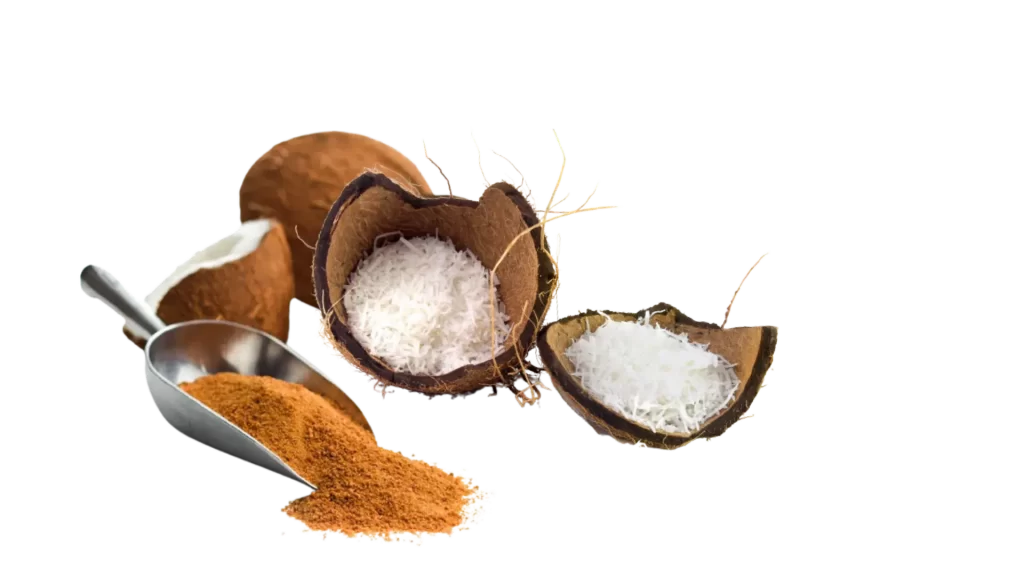
Coconut nectar is derived from the sap of the coconut tree’s flower buds, known as "toddy." The sap is harvested by tapping the coconut palm tree, similar to how maple syrup is extracted. After collection, the sap is evaporated to remove excess water, leaving behind a thick, golden syrup with a rich, slightly caramel-like flavor. The syrup can be used as a sweetener in various culinary applications, including baking, beverages, smoothies, and as a topping for pancakes or waffles.
Coconut nectar has gained popularity for its perceived health benefits and its status as a more natural alternative to processed sweeteners. But what exactly sets coconut nectar apart nutritionally from traditional sweeteners like refined sugar, high fructose corn syrup (HFCS), and agave syrup?
Nutritional Composition of Coconut Nectar
The nutritional composition of coconut blossom nectar is one of the key reasons it is often considered a better alternative to traditional sweeteners. Here's a closer look at the key nutrients present in coconut nectar:
1. Vitamins and Minerals
Coconut blossom nectar contains a variety of vitamins and minerals, which are typically absent in refined sugars. Some of the key nutrients found in coconut nectar include:
- Iron: Coconut blossom nectar contains a moderate amount of iron, an essential mineral involved in oxygen transport, red blood cell production, and overall energy metabolism. A 100-gram serving of coconut nectar can provide up to 2.5 milligrams of iron, which is about 14% of the recommended daily intake for an adult woman.
- Magnesium: This mineral plays a crucial role in over 300 biochemical reactions in the body, including energy production, muscle function, and bone health. Coconut blossom nectar contains small amounts of magnesium, which can help supplement the body’s needs.
- Potassium: Potassium is important for regulating fluid balance, nerve function, and muscle contractions. Coconut blossom nectar is a good source of potassium, which supports cardiovascular health and helps in managing blood pressure.
- Zinc: Another essential mineral found in coconut nectar is zinc, which supports the immune system, wound healing, and protein synthesis. While coconut nectar isn’t a high source of zinc, it still contributes to daily intake when used as part of a balanced diet.
- Vitamin C: Unlike many traditional sweeteners, coconut nectar contains a small but notable amount of vitamin C, an antioxidant that supports immune function and skin health.
2. Low Glycemic Index
One of the most significant advantages of coconut nectar over traditional sweeteners is its low glycemic index (GI). The glycemic index measures how quickly a carbohydrate-containing food raises blood sugar levels after consumption. Refined sugar and high-fructose corn syrup (HFCS) have high glycemic indices, meaning they cause rapid spikes in blood sugar, which can lead to energy crashes and contribute to conditions like insulin resistance, obesity, and type 2 diabetes.
Coconut flower nectar, on the other hand, has a much lower glycemic index, typically ranging between 35 and 54, depending on the source. This makes coconut nectar a suitable option for people seeking to manage their blood sugar levels or those with concerns about blood sugar regulation. The lower GI of coconut nectar is largely due to its higher content of inulin, a type of prebiotic fiber that slows down the absorption of sugar into the bloodstream.
3. Prebiotic Fiber (Inulin)
Coconut nectar contains inulin, a type of soluble fiber that has several health benefits. Inulin is a prebiotic fiber, which means it helps stimulate the growth and activity of beneficial gut bacteria. By promoting a healthy gut microbiome, inulin can improve digestion, boost immunity, and reduce inflammation. Prebiotics like inulin may also help with weight management by enhancing satiety, as they slow down digestion and make you feel full longer.
Inulin has also been shown to improve blood sugar control, which can be particularly beneficial for individuals with insulin resistance or type 2 diabetes. The presence of inulin in coconut flower nectar may help reduce the glycemic impact of the sweetener and support better long-term metabolic health.
4. Antioxidants
Coconut flower nectar contains antioxidants, which help protect the body from oxidative stress and damage caused by free radicals. Free radicals are highly reactive molecules that can damage cells, DNA, and proteins, contributing to aging, chronic diseases, and even cancer. The antioxidants in coconut flower nectar, including polyphenols, help neutralize these free radicals and protect cells from damage.
While coconut blossom nectar is not as rich in antioxidants as other superfoods like berries or green tea, it still provides a modest source of these protective compounds, which is an added benefit when compared to refined sugar, which has no antioxidant properties.
5. Lower Fructose Content
Traditional sweeteners like HFCS and agave syrup are high in fructose, a type of sugar that has been linked to several health issues, including fatty liver disease, obesity, and metabolic syndrome. While coconut flower nectar does contain some fructose, it is present in much lower quantities than in these processed sweeteners. Coconut nectar has a relatively balanced ratio of glucose and fructose, which allows for a steadier release of energy and a lower risk of negative metabolic effects.
Comparison to Traditional Sweeteners
1. Refined Sugar
Refined sugar, or sucrose, is one of the most commonly used sweeteners worldwide. It is made from either sugar cane or sugar beets and undergoes extensive processing, which strips away any vitamins, minerals, or beneficial compounds. Nutritionally, refined sugar provides only empty calories—pure carbohydrates in the form of glucose and fructose—without any significant vitamins or minerals.
In contrast, coconut blossom nectar provides a more nutrient-dense option, with its combination of vitamins, minerals, fiber, and antioxidants. Furthermore, due to its lower glycemic index, coconut flower nectar is a better option for those seeking to avoid the rapid blood sugar spikes that come with refined sugar.
2. High-Fructose Corn Syrup (HFCS)
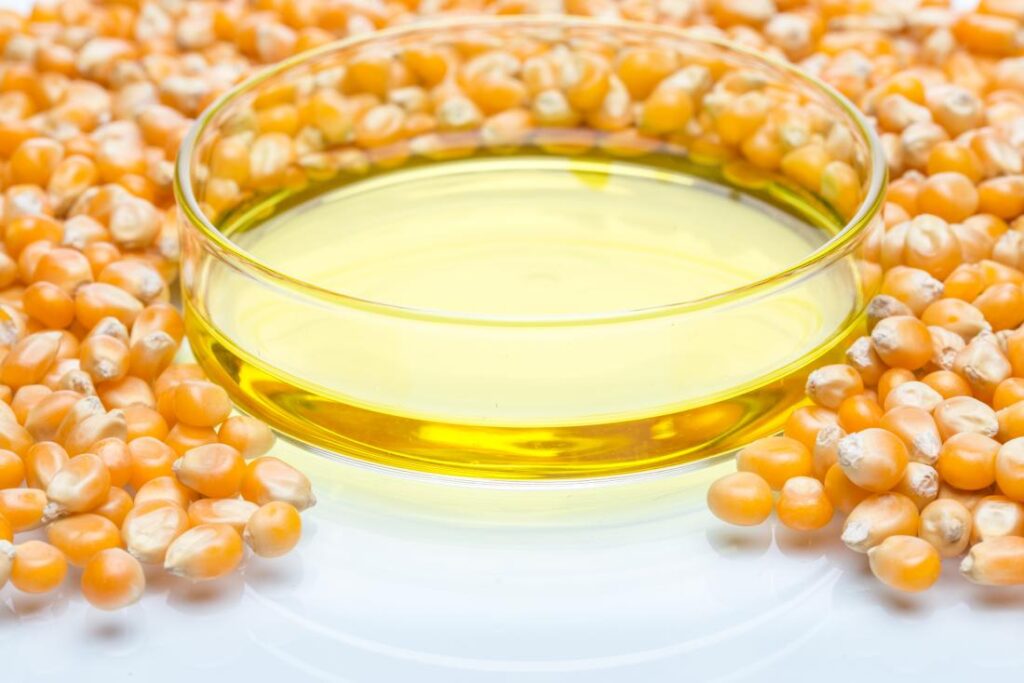
HFCS is a highly processed sweetener derived from corn that has a high concentration of fructose. Like refined sugar, HFCS provides little to no nutritional value and has been linked to obesity, insulin resistance, and other metabolic disorders. Its high fructose content can strain the liver, contributing to fatty liver disease and other chronic conditions.
Coconut nectar, on the other hand, contains significantly less fructose and offers a more balanced sweetness with a lower glycemic impact, making it a more health-conscious alternative to HFCS.
3. Agave Syrup
Agave syrup, often marketed as a healthier alternative to sugar, is a highly processed sweetener derived from the agave plant. It contains a high level of fructose, which can negatively impact liver health and contribute to insulin resistance. While agave syrup has a lower glycemic index than refined sugar, its high fructose content poses similar health risks as HFCS.
Coconut nectar is a more balanced option, with a lower fructose-to-glucose ratio, making it a safer choice for those concerned about the negative effects of excessive fructose consumption.
Conclusion

Coconut nectar is a versatile and nutrient-rich alternative to traditional sweeteners like refined sugar, HFCS, and agave syrup. It offers a wide range of health benefits, including essential vitamins and minerals, a lower glycemic index, prebiotic fiber, and antioxidants. Its lower fructose content and the presence of inulin make it a more metabolically friendly option, especially for individuals with blood sugar concerns or those looking to maintain a healthy weight.
While coconut nectar is not a "free pass" for overindulgence—it's still a form of sugar and should be consumed in moderation—it can be a valuable addition to a balanced, health-conscious diet. For those seeking a natural and nutrient-dense sweetener, coconut nectar provides a better alternative to the overly processed sweeteners commonly found in modern diets.