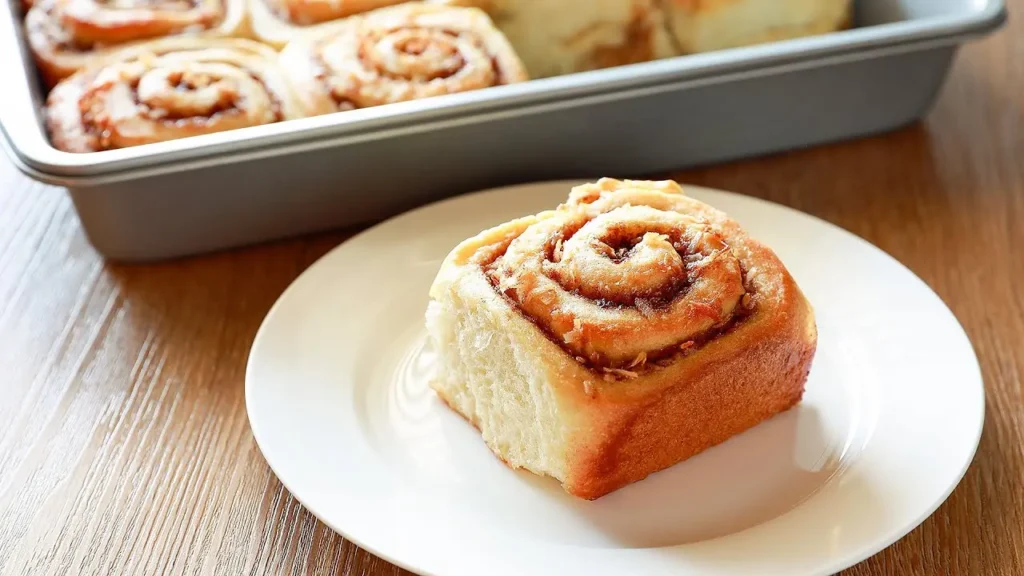
These coconut sugar cinnamon rolls combine tender yeast dough with a buttery cinnamon swirl and a mellow caramel-like sweetness.
Coconut sugar sweetens both the dough and the filling, while a simple vanilla glaze is optional. The most important secret is to let the dough rise until it looks puffy rather than following the clock too strictly.
For more inspiration beyond this recipe, explore our coconut sugar dessert ideas.
Coconut Sugar Cinnamon Rolls at a Glance
Yield: 9 rolls | Active prep: about 35–45 minutes | Bake: about 24–30 minutes
Rising time: roughly 90–140 minutes | Total estimate: 2 hours 45 minutes–3 hours 45 minutes
Oven: 350°F (175°C) | Pan: 9 × 9-inch (23 × 23 cm) baking pan
These times are planning estimates, not tested results. Dough rises faster in a warm kitchen and more slowly in a cool one. You will also need a mixing bowl, rolling pin, spatula, and sharp knife or unflavored dental floss.
Ingredients for Coconut Sugar Cinnamon Rolls
For the Dough
- 3 cups (360 g) all-purpose flour, plus a little for dusting
- 1/4 cup (about 45–50 g) coconut sugar
- 2 1/4 teaspoons (7 g) instant yeast
- 3/4 cup (180 ml) lukewarm milk, about 95–105°F (35–40°C)
- 1 large egg, at room temperature
- 4 tablespoons (57 g) unsalted butter, melted and cooled slightly
- 1 teaspoon (5 g) fine salt
For the Coconut Sugar Cinnamon Filling
- 4 tablespoons (57 g) unsalted butter, softened
- 1/2 cup (about 90–100 g) coconut sugar
- 1 1/2 tablespoons ground cinnamon
- A small pinch of fine salt
For the Optional Vanilla Glaze
- 3/4 cup (about 90 g) confectioners’ sugar
- 1–2 tablespoons milk, added gradually
- 1/2 teaspoon vanilla extract
Note: Coconut sugar varies in crystal size and packing density, so gram weights are more reliable than cup measurements. Break up any firm sugar clumps before mixing. The optional glaze contains conventional confectioners’ sugar; leave it off if you prefer the rolls without frosting.
How to Make Coconut Sugar Cinnamon Rolls
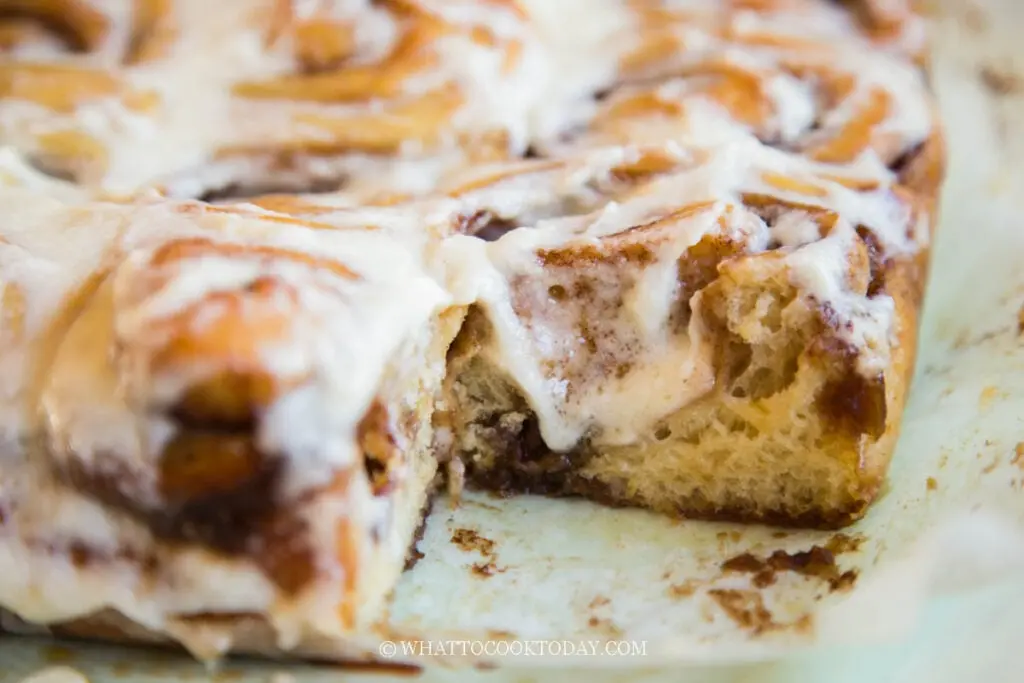
Step 1: Prepare the Yeast Dough
In a large bowl, whisk the flour, instant yeast, and salt together. In another bowl, stir the coconut sugar into the lukewarm milk; it does not need to dissolve completely.
Whisk in the egg and melted, slightly cooled butter. Add the wet mixture to the flour and stir until a rough dough forms.
Step 2: Knead and Let the Dough Rise
Knead on a lightly floured surface for about 8–10 minutes, or use a stand mixer with a dough hook for around 5–7 minutes, until the dough feels smooth, elastic, and a little tacky.
Avoid adding large amounts of extra flour. Transfer to a lightly greased bowl, cover, and let rise until roughly doubled, usually 60–90 minutes depending on room temperature.
Step 3: Mix the Coconut Sugar Cinnamon Filling
While the dough rises, stir the coconut sugar, cinnamon, and pinch of salt together. Keep the butter soft and spreadable; melted butter can run out when the dough is rolled.
Step 4: Roll, Fill, and Shape
On a lightly floured surface, roll the dough into a rectangle about 12 × 15 inches (30 × 38 cm). Spread softened butter over the dough, leaving a narrow border along one long edge.
Sprinkle the coconut sugar mixture evenly over the butter and press it lightly into place. Starting with the opposite long edge, roll the dough into a snug 15-inch log and pinch the seam closed.
Step 5: Cut and Proof the Rolls Again
Cut the log into 9 even pieces using a sharp knife or unflavored dental floss. Arrange them cut-side up in a greased 9-inch square pan, three by three.
Cover loosely and let rise for approximately 30–50 minutes, until noticeably puffy and beginning to touch. A cool kitchen may require more time.
Step 6: Bake Until Cooked Through
Near the end of the second rise, preheat the oven to 350°F (175°C). Bake the rolls on the center rack for about 24–30 minutes. The edges should look golden and the center rolls should be set rather than doughy.
Coconut sugar can make the filling appear darker, so use doneness cues rather than color alone. If the tops brown too quickly, cover loosely with foil near the end.
Step 7: Glaze and Serve
Allow the rolls to cool in the pan for roughly 10 minutes. For the optional glaze, whisk the confectioners’ sugar, vanilla, and enough milk to reach a pourable consistency. Drizzle over warm—not piping-hot—rolls and serve.
Tips for Soft and Fluffy Coconut Sugar Cinnamon Rolls
Soft rolls depend more on dough handling than on a single exact rising time. Keep these points in mind:
- Use lukewarm milk, not hot milk, so the yeast remains active.
- Knead until elastic and only slightly tacky; excess bench flour can leave the dough dry.
- Allow the dough to become visibly puffy during both rises before baking.
- Spread the filling evenly, then roll snugly without squeezing all the air out.
- Check the middle rolls for doneness and avoid baking much longer than necessary.
For a useful explanation of why rising times are approximate, see King Arthur Baking’s cinnamon roll proofing and baking guidance. For wider ingredient and substitution advice, browse our baking with coconut sugar tips.
Why Use Coconut Sugar in Cinnamon Rolls?

Coconut sugar adds a toffee-like, caramel-style flavor that pairs naturally with cinnamon and butter. Its darker color can also make the swirls look richer than a typical white-sugar filling. Because different brands vary in crystal size, breaking up clumps helps create a more even layer.
King Arthur Baking describes coconut sugar’s characteristics in its guide to different types of sugars. If you are exploring ingredient options for home baking or food production, learn more about organic coconut sugar from Indonesia.
Coconut sugar is still an added sugar. Using it does not make cinnamon rolls sugar-free, low-sugar, or automatically suitable for a particular medical diet.
How to Store and Reheat Cinnamon Rolls
For rolls without a perishable frosting, cool fully and store tightly covered at room temperature for about 1–2 days.
For longer storage, wrap and freeze unglazed rolls for up to 2 months; thaw and warm gently before serving. Refrigerate rolls with dairy-rich or cream cheese frosting, and follow the storage instructions for that frosting.
To reheat, warm a roll briefly in the microwave or in a low oven until just heated through.
For an overnight option, cover the shaped rolls and refrigerate them before the second rise, for up to about 12 hours.
The next day, allow them to become visibly puffy at room temperature before baking; the required time will vary.
This make-ahead method should be checked alongside the final tested recipe.
Explore Organic Coconut Sugar from Indonesia
Coconut sugar is useful well beyond cinnamon rolls, from everyday baking to food manufacturing.
Global Coco Sugar supplies organic coconut sugar for international sourcing needs.
Importers, distributors, and food manufacturers looking for product specifications or bulk supply options can contact our export team to discuss their requirements.
Frequently Asked Questions
Can I use coconut sugar instead of brown sugar in cinnamon rolls?
Often, yes. Both provide sweetness and a darker filling, but coconut sugar can have a drier texture and different crystal size. A weight-based substitution is more predictable than packing both sugars into a measuring cup in the same way.
Can I use coconut sugar in both the dough and filling?
Yes. This recipe is formulated with coconut sugar in both places. It contributes sweetness to the dough and a caramel-like note to the cinnamon filling. Because ingredient brands and dough conditions vary, check the texture during mixing and proofing.
Why did my coconut sugar cinnamon rolls turn out dense?
Common reasons include adding too much flour, under-kneading, insufficient proofing, inactive yeast, or overbaking. Before baking, the rolls should look noticeably expanded and airy, not tight and compact.
Can I make the cinnamon rolls the night before?
You can prepare and cut the rolls, cover the pan, and refrigerate overnight before the second rise. Give them enough time to puff up after removing them from the refrigerator; do not bake straight from the fridge if they still look dense.