Category: Recipes & Cooking Tips

  • How to Use Desiccated Coconut in Savory Cooking (With Recipes)

    How to Use Desiccated Coconut in Savory Cooking (With Recipes)

    When most people think of organic desiccated coconut, they picture sweet confections—cakes, cookies, and tropical desserts.

    But this humble ingredient, especially when organic, has far more to offer than just sugar-laced treats.

    Across the globe, chefs and home cooks alike are rediscovering the savory potential of desiccated coconut, incorporating it into soups, salads, main dishes, and condiments that surprise and delight the palate.

    In this article, we’ll explore the versatility of organic desiccated coconut, share innovative savory recipes, and offer tips on how to integrate this ingredient into your everyday cooking in unexpected and delicious ways.

    Why Choose Organic Desiccated Coconut?

    Before diving into the recipes, let’s take a moment to appreciate the organic difference. Organic desiccated coconut is made from fresh, mature coconuts that are grown without synthetic fertilizers or pesticides. The result is a purer, more flavorful product with a natural coconut aroma and texture.

    Compared to fresh coconut, desiccated coconut is shelf-stable, easy to store, and readily available. It contains no added sugar or preservatives, making it a nutrient-dense, high-fiber, and healthy fat-rich option for your savory dishes.

    How to Use Desiccated Coconut in Savory Dishes

    As a coating or crust

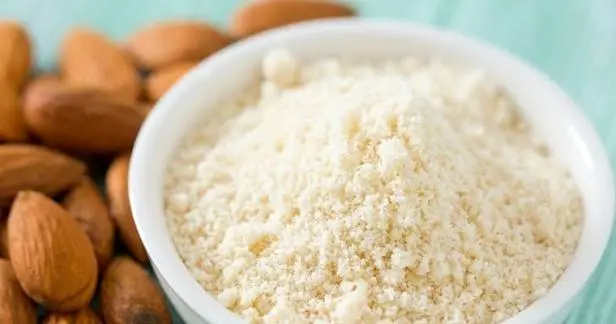
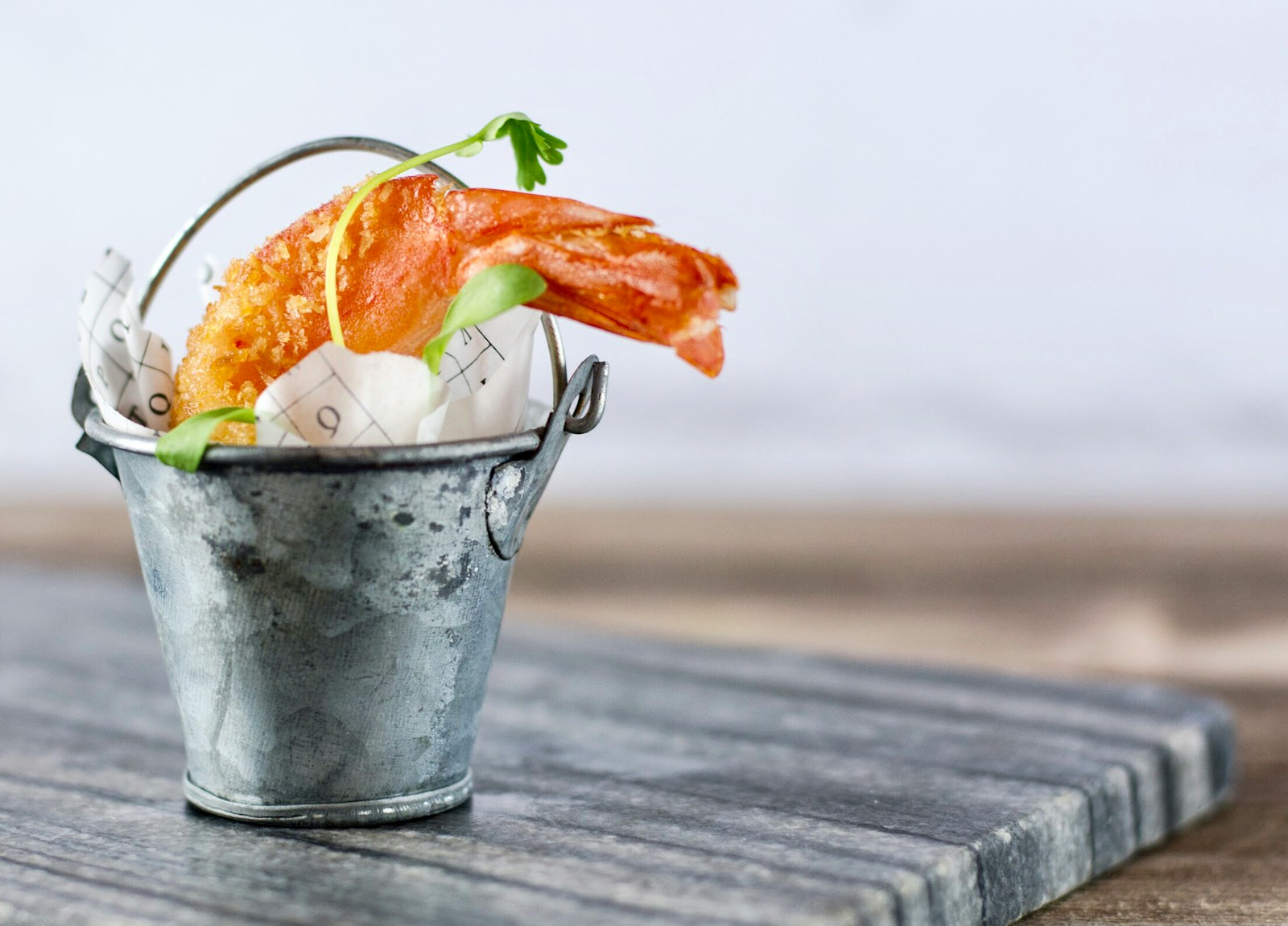
    Mix with breadcrumbs or almond flour to coat chicken, fish, tofu, or shrimp before pan-frying or baking. The fine texture adheres well and creates a crispy, golden exterior with natural coconut flavor.

    As a thickener for sauces and curries

    Stir 2–3 tablespoons directly into simmering curry, soup, or stew. The dry coconut absorbs liquid and slowly releases its natural oils, adding body and creaminess without coconut milk.

    As a topping or garnish

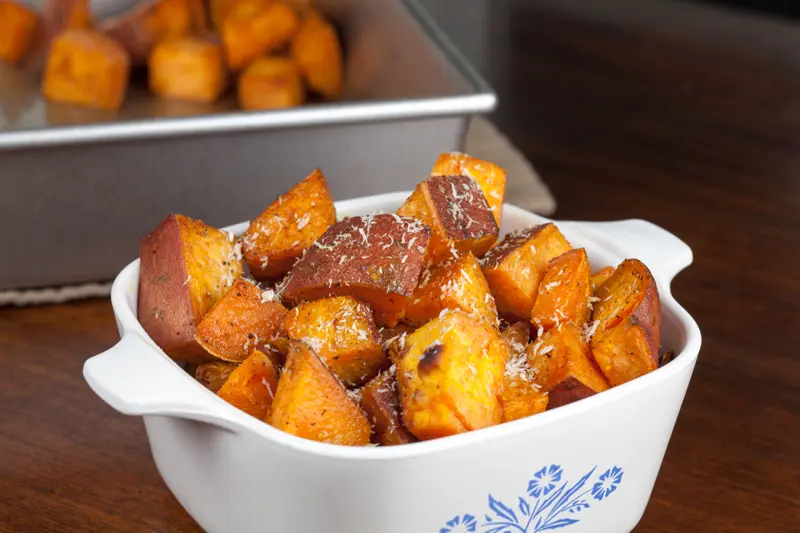
    Toast in a dry pan for 2–3 minutes until golden, then sprinkle over salads, noodle dishes, roasted vegetables, or rice bowls for texture and nutty flavor.

    As a spice blend base

    Combine with cumin, coriander, chili, and garlic powder to create a dry rub for meats. This is the technique behind classic South Indian preparations like serundeng (Indonesian spiced coconut) and thoran (Kerala stir-fry).

    How much to use

    As a general rule: 2–4 tbsp per 4 servings in soups and sauces, 3–5 tbsp as a coating for 4 portions of protein, 1–2 tbsp as a topping per serving.

    Unexpected Ways to Use Desiccated Coconut in Savory Recipes

    1. Coconut-Lentil Soup with Spices (inspired by South Indian Dal)

    Aromatic and hearty, this coconut-lentil soup brings together warming spices and the creaminess of desiccated coconut for a comforting dish.

    Ingredients:

    • 1 cup red lentils
    • 1 onion, diced
    • 2 cloves garlic, minced
    • 1 tsp turmeric
    • 1 tsp cumin
    • ½ cup organic desiccated coconut
    • 4 cups vegetable broth
    • Salt and pepper to taste
    • Fresh cilantro for garnish

    Instructions:

    1. Sauté onions and garlic in a pot until soft.
    2. Add turmeric and cumin, then stir in lentils and broth.
    3. Bring to a boil, then simmer for 20 minutes.
    4. Add desiccated coconut and simmer for another 10 minutes.
    5. Blend partially for a creamy texture, garnish with cilantro, and serve.

    Pro tip: Add a squeeze of lime juice to brighten the flavors.

    2. Coconut Crusted Tofu or Chicken

    This dish uses desiccated coconut as a crispy, flavorful coating, offering a tropical twist on a dinner classic.

    Ingredients:

    • 1 block firm tofu (or 2 chicken breasts), sliced
    • ½ cup desiccated coconut
    • ¼ cup breadcrumbs or almond meal
    • 1 tsp garlic powder
    • Salt and pepper
    • 1 egg (or plant-based substitute)
    • Olive oil for frying

    Instructions:

    1. Mix desiccated coconut, breadcrumbs, garlic powder, salt, and pepper in a bowl.
    2. Dip tofu/chicken slices in egg, then coat with the coconut mixture.
    3. Pan-fry until golden brown and crispy, about 4–5 minutes per side.
    4. Serve with a spicy dipping sauce or coconut yogurt.

    3. Southeast Asian Coconut Salad (Thai Yam Mamuang style)

    Inspired by Thai and Indonesian flavors, this salad is refreshing, zesty, and packed with texture.

    Ingredients:

    • 1 cup shredded cabbage
    • 1 grated carrot
    • ¼ cup desiccated coconut, toasted
    • 1 red chili, finely sliced
    • 2 tbsp chopped mint and cilantro
    • 1 tbsp fish sauce or soy sauce
    • 1 tbsp lime juice
    • 1 tsp palm sugar or honey
    • 1 tbsp roasted peanuts (optional)

    Instructions:

    1. Toast desiccated coconut in a dry pan until lightly golden.
    2. Combine all salad ingredients in a bowl.
    3. Mix fish sauce, lime juice, and sugar into a dressing.
    4. Toss and serve chilled or at room temperature.

    4. Coconut Rice Pilaf with Spices

    Desiccated coconut gives a nutty richness to this fragrant rice dish, perfect as a side or base for a curry.

    Ingredients:

    • 1 cup basmati rice
    • 2 tbsp desiccated coconut
    • 1 tsp mustard seeds
    • ½ tsp turmeric
    • 1 small onion, sliced
    • 1 tbsp oil or ghee
    • Salt to taste

    Instructions:

    1. Rinse and cook rice as usual.
    2. In a separate pan, heat oil, add mustard seeds until they pop, then sauté onions and turmeric.
    3. Stir in desiccated coconut and toast until slightly brown.
    4. Mix into the cooked rice and fluff with a fork.

    5. Coconut Chutney – A Savory Dip (South Indian Thenga Chutney)

    Traditionally served with South Indian dishes like dosa and idli, coconut chutney is a vibrant, savory condiment that can elevate any meal.

    Ingredients:

    • ½ cup desiccated coconut
    • 2 tbsp roasted chana dal or peanuts
    • 1 green chili
    • 1 small piece ginger
    • Salt to taste
    • Water (to blend)
    • Mustard seeds and curry leaves (for tempering)

    Instructions:

    1. Blend coconut, dal/peanuts, chili, ginger, and salt with a bit of water to make a thick paste.
    2. Heat oil in a small pan, add mustard seeds and curry leaves.
    3. Pour tempering over the chutney and serve.

    Try it with grilled meats, as a spread on wraps, or as a dip for roasted vegetables.

    6. Coconut-Stuffed Bell Peppers

    Bell peppers take on an exotic character when stuffed with a spiced coconut mixture.

    Ingredients:

    • 4 medium bell peppers
    • 1 cup cooked quinoa or rice
    • ½ cup sautéed onions and garlic
    • ¼ cup desiccated coconut
    • 1 tsp curry powder
    • Salt and pepper
    • Olive oil

    Instructions:

    1. Mix quinoa/rice with coconut, onions, spices, and seasonings.
    2. Cut tops off bell peppers and remove seeds.
    3. Fill with mixture, drizzle with oil, and bake at 375°F (190°C) for 25–30 minutes.

    7. Serundeng (Indonesian Spiced Coconut Floss)

    This traditional Indonesian coconut condiment adds a savory, aromatic crunch to rice dishes, grilled meats, and vegetables.

    Ingredients:

    • 200g desiccated coconut
    • 3 shallots
    • 2 cloves garlic
    • 1 tsp coriander
    • ½ tsp turmeric
    • 1 tbsp coconut sugar or palm sugar
    • 1 lemongrass stalk, sliced
    • 2 kaffir lime leaves
    • Salt to taste

    Instructions:

    1. Blend shallots, garlic, coriander, turmeric, coconut sugar, lemongrass, kaffir lime leaves, and salt into a paste.
    2. Sauté the spice paste over medium heat until fragrant.
    3. Add the desiccated coconut and cook over low heat for 20–25 minutes, stirring continuously.
    4. Continue cooking until the coconut becomes dry and golden brown.
    5. Let cool slightly, then serve as a condiment with rice or as a topping for meat and vegetable dishes.

    Tips for Cooking with Desiccated Coconut in Savory Dishes

    • Toast it lightly: Dry-toasting in a pan brings out deeper, nutty flavors.
    • Rehydrate as needed: For softer textures in soups or sauces, soak in warm water or broth for a few minutes before use.
    • Balance flavors: Coconut pairs well with sour (lime), salty (soy or fish sauce), spicy (chilies), and umami (miso or mushrooms).
    • Use as a thickener: Ground coconut can thicken curries and stews without the need for cream.

    Global Inspiration

    Different cuisines have been using coconut in savory dishes for centuries:

    • India: Coconut is used in curries, chutneys, and rice dishes.
    • Sri Lanka: Pol sambol, a coconut chili relish, is a staple.
    • Indonesia & Malaysia: Sambal kelapa (spiced coconut) is served with rice and vegetables.
    • Caribbean: Coconut milk and dried coconut appear in rice & peas, soups, and stews.

    By drawing from these traditions and adding modern twists, you can bring new life to your weekly meal plan using a simple pantry ingredient.

    Conclusion

    Organic desiccated coconut is a culinary chameleon—mild yet rich, versatile yet unique. Moving beyond its sweet associations, this ingredient deserves a place in every savory kitchen. Whether you’re whipping up a warming soup, crisping up tofu, or refreshing your salad routine, desiccated coconut brings a touch of depth and authenticity to global cooking styles.

    As more people embrace plant-based, natural, and sustainable eating, this underappreciated ingredient is ripe for discovery in new and exciting ways.

    All recipes above work best with high-quality, organic desiccated coconut that is consistently dry, fine-textured, and free from additives. At Global Coco Sugar, we produce and export certified organic desiccated coconut from Indonesia — available in fine, medium, and coarse grades for both retail and bulk food manufacturing.
    Contact Our Export Team >>>
    Explore our desiccated coconut products >>>
    Our Certifications & Company Profile >>>
  • What Is Desiccated Coconut Used For? 12 Cooking Uses, How to Toast & Rehydrate — Complete Guide

    What Is Desiccated Coconut Used For? 12 Cooking Uses, How to Toast & Rehydrate — Complete Guide

    Desiccated coconut is one of the most versatile coconut-derived ingredients in a kitchen — it appears in dishes from Australian Lamingtons to Indian curries, Sri Lankan coconut sambol to American coconut cream pie.

    Yet many home cooks and food manufacturers have only scratched the surface of what this ingredient can do.

    This complete guide covers everything you need to know: what desiccated coconut is and how it differs from related coconut products, all 12 major cooking uses across sweet and savory applications, step-by-step instructions for toasting and rehydrating, a grade selection guide, and storage tips.

    You can browse our desiccated coconut products from Indonesia for current specifications and availability.

    For context on the fascinating history of this ingredient — from its origins in Victorian-era Ceylon to today’s global food industry — see our article on the history of desiccated coconut.

    What Is Desiccated Coconut? Definition, Grades and How It Differs from Similar Products

    what is desiccated coconut

    Desiccated coconut is the dried, shredded or grated white meat of mature coconuts (Cocos nucifera), with most moisture removed — typically to below 3% moisture content.

    The drying process preserves the coconut meat’s flavor, natural fat content (approximately 60-68% on dry basis), and nutritional profile while extending shelf life to 12-18 months.

    ProductDescriptionMoistureBest Used For
    Desiccated coconut — fineVery small particles, almost powder-like< 3%Baking (cakes, cookies), coatings, chocolate fillings
    Desiccated coconut — mediumStandard shredded texture — most common< 3%Granola, snack bars, general baking, curries
    Desiccated coconut — coarse / long threadLonger strips, more visible texture< 3%Premium granola, decorative toppings, artisan baking
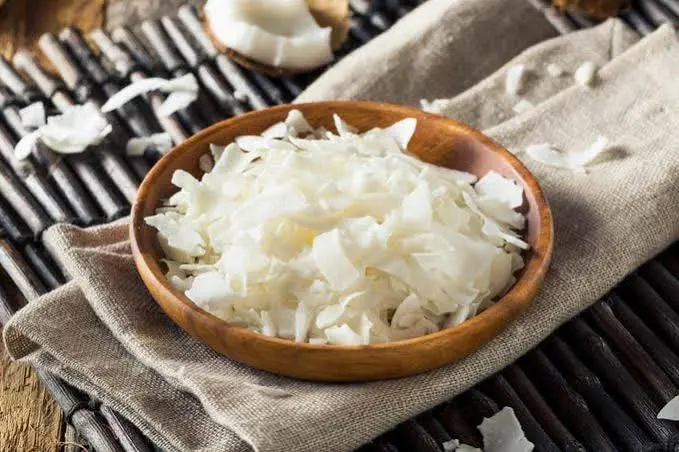
    Coconut flakesWide flat pieces — larger and more visual< 3%Decorative toppings, trail mix, toasting
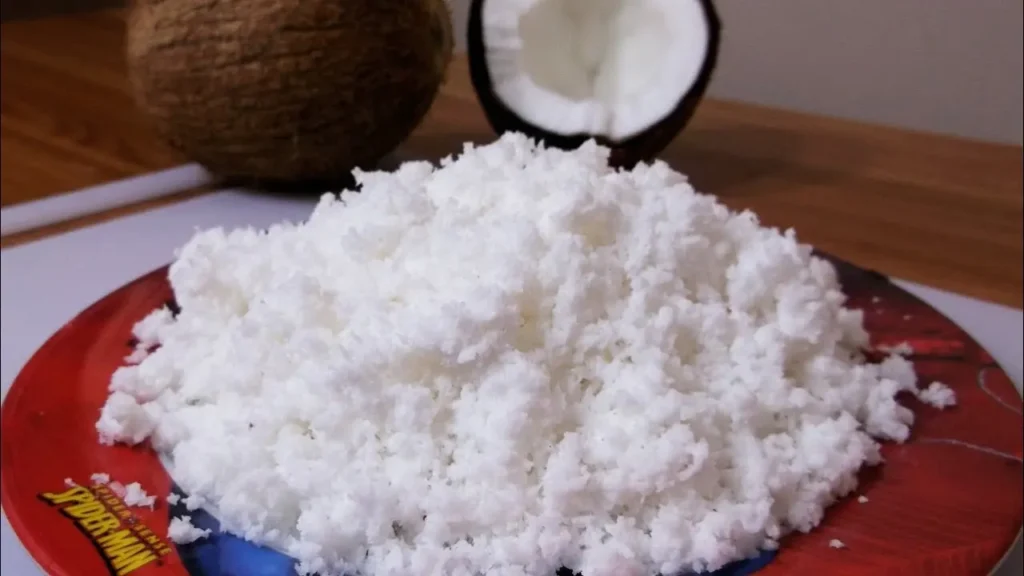
    Fresh grated coconutFreshly grated coconut meat — high moisture~50%Immediate use in Asian cuisines, coconut chutney
    Shredded coconut (sweetened)Desiccated coconut with added sugar and moisture10-15%American-style baking, coconut macaroons
    Coconut flourDefatted, finely ground coconut — high fiber< 12%Gluten-free baking alternative — different product
    Desiccated coconut vs shredded coconut vs grated coconut — are they the same?
    In bulk food trade and on product labels, ‘desiccated coconut’, ‘shredded coconut’ (unsweetened), and ‘grated coconut’ (dried) all refer to the same product — dried coconut meat. The difference is regional terminology: ‘desiccated coconut’ is standard in the UK, Australia, and international trade; ‘shredded coconut’ (unsweetened) is common in the US; ‘grated coconut’ is used in South and Southeast Asian contexts. For cooking purposes, they are interchangeable as long as they are unsweetened and similarly sized.

    How to Rehydrate Desiccated Coconut: Step-by-Step Guide

    How to Rehydrate Desiccated Coconut,
    desiccated coconut

    Rehydrating desiccated coconut restores some of its moisture, creating a texture closer to fresh grated coconut.

    This is useful for recipes where texture matters — curries, chutneys, coconut fillings, or any application where you want a softer, more yielding coconut texture rather than the firm, dry chew of desiccated coconut.

    Can you rehydrate desiccated coconut?

    Yes — desiccated coconut can be fully rehydrated. It will not return to fresh coconut consistency (some texture change is permanent with drying), but rehydrated desiccated coconut is a very good substitute for fresh grated coconut in most cooked applications.

    Method 1: Cold Water Soak (Best for Most Applications)

    1. Place the desiccated coconut in a bowl.
    2. Add just enough cold or room-temperature water to cover — use approximately 1 cup of water per 1 cup of desiccated coconut as a starting ratio.
    3. Let soak for 15-30 minutes, stirring occasionally.
    4. Drain excess water through a fine-mesh strainer, pressing gently to remove excess moisture.
    5. Use immediately. Do not store rehydrated coconut for more than 24 hours.

    Method 2: Hot Water Soak (Faster — Good for Cooking Applications)

    • Bring water to a boil, then let it cool slightly to approximately 80°C (not boiling).
    • Pour hot water over desiccated coconut — approximately 1:1 ratio.
    • Cover and let sit for 5-10 minutes.
    • Drain and press as above.
    • Best for curries, chutneys, and rice dishes where you will be cooking the coconut further.

    Method 3: Coconut Milk Soak (Most Flavorful — For Premium Applications)

    1. Substitute water with coconut milk or coconut cream.
    2. Soak for 30-60 minutes at room temperature.
    3. Do not drain — the remaining liquid can be incorporated into the recipe.
    4. Best for desserts, confectionery fillings, and applications where maximum coconut flavor is desired.
    ApplicationBest Rehydration MethodWater-to-Coconut RatioSoak Time
    Curries and Asian dishesHot water soak1:1 (water to coconut)5-10 minutes
    Coconut chutney or sambolCold water soak1:120-30 minutes
    Cake fillings and dessertsCoconut milk soak1:1 (coconut milk)30-60 minutes
    No-bake energy ballsCold water soak¾:1 (less water)15 minutes
    Fresh coconut substituteCold water soak1:130 minutes
    Tip: ratio matters more than time
    Using too much water makes rehydrated coconut soggy and dilutes flavor. Start with a 1:1 ratio and adjust. The coconut should absorb most of the water — if significant water remains after 30 minutes, you used too much. The goal is moist and tender, not waterlogged.

    How to Toast Desiccated Coconut: Stovetop and Oven Methods

    how to toast desiccated coconut

    Toasting desiccated coconut transforms it — the heat drives out residual moisture, triggers the Maillard reaction in the coconut’s natural sugars, and produces a deeply nutty, caramelized flavor and golden color that raw desiccated coconut cannot match.

    Toasted desiccated coconut is worth the extra 5 minutes in almost any application.

    Stovetop Method (Faster — Better for Small Quantities)

    1. Place a dry skillet (no oil) over medium heat.
    2. Add desiccated coconut in a thin, even layer — do not crowd the pan.
    3. Stir or shake continuously — desiccated coconut burns quickly once it starts browning.
    4. Toast for 3-5 minutes until golden brown and aromatic.
    5. Immediately transfer to a cool plate — it continues cooking in the hot pan if left.

    Oven Method (Better for Large Quantities)

    • Preheat oven to 160°C (325°F).
    • Spread desiccated coconut in a thin, even layer on a parchment-lined baking sheet.
    • Bake for 5-8 minutes, stirring every 2 minutes.
    • Watch carefully — the edges brown faster than the center.
    • Remove when mostly golden — it will continue to toast slightly from residual heat.
    Warning SignWhat To Do
    Coconut smells burnt before it looks goldenYour heat is too high — reduce by 20% and start over with fresh coconut
    Uneven browning (edges dark, center pale)Stir more frequently; use a wider, shallower pan; reduce quantity per batch
    Coconut clumping togetherBreak apart before toasting; ensure pan is completely dry — moisture causes clumping
    Coconut not browning after 8 minutesIncrease heat slightly; ensure pan is properly preheated before adding coconut

    12 Uses for Desiccated Coconut in Cooking: Sweet and Savory

    This is the most comprehensive section — covering all major applications from baking to curries to beverages, organized by category for easy reference.
    Sweet Applications

    • Baked goods (cakes, cookies, muffins): Desiccated coconut adds moisture retention, texture, and natural coconut flavor to batters and doughs. Fine or medium grade blends invisibly into the batter; coarse or flakes create visible texture. Use 50-100g per standard cake recipe. Our coconut sugar cookie recipe pairs coconut sugar with desiccated coconut for maximum coconut flavor.
    • Granola and muesli: Medium or long thread grade mixed with oats, nuts, and dried fruit. Toasted desiccated coconut is particularly valuable here — the caramelized flavor elevates the entire blend. Use 20-30% coconut by weight of the dry mix.
    • Coconut macaroons: The primary ingredient — desiccated coconut is mixed with egg whites and sugar, then baked. Fine or medium grade creates the classic dense, chewy texture.
    • Chocolate confectionery (truffles, bonbons, bounty-style bars): Fine desiccated coconut mixed with condensed milk or coconut cream creates the filling. The coconut acts as both flavor and structure.
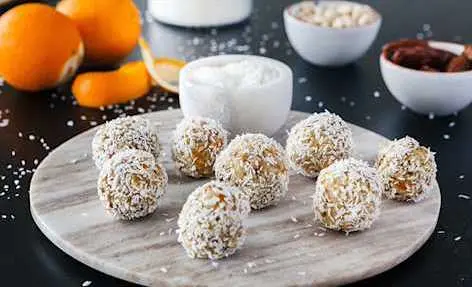
    • No-bake energy balls and protein balls: Desiccated coconut serves as a binder and flavor carrier when combined with dates, nut butter, or oats. Lightly rehydrated coconut creates a softer texture; dry coconut creates a firmer ball.
    • Dessert toppings and coatings: Toasted desiccated coconut or coconut flakes make an excellent topping for cakes, ice cream, panna cotta, and parfaits. The toasted version adds both visual appeal and textural contrast.

    Savory Applications

    • Curries (Thai, Indian, Sri Lankan, Indonesian): Desiccated coconut — typically rehydrated — is a foundational ingredient in curry pastes and sauces across South and Southeast Asian cuisines. It adds body, natural sweetness, and coconut flavor without the liquid of coconut milk. Toast first for deeper flavor, then rehydrate for texture.
    • Coconut chutney and sambol: South Indian coconut chutney and Sri Lankan pol sambol both use grated/desiccated coconut as their base. Rehydrate the desiccated coconut fully before processing with spices, chillies, and aromatics.
    • Crusting and coating for proteins: Coarse desiccated coconut or coconut flakes make an excellent coating for chicken, fish, or shrimp — mixed with breadcrumbs or used alone. The natural fat content helps achieve a golden crust in the oven or pan.
    • Rice dishes (coconut rice, nasi lemak): Toasted desiccated coconut mixed into cooked rice adds textural interest and flavor. In Indonesian and Malaysian cooking, coconut is integral to several rice preparations.
    • Salad toppings and grain bowl additions: Toasted coconut flakes or coarse desiccated coconut add crunch and flavor to salads, Buddha bowls, and grain dishes — a natural complement to tropical fruit, avocado, and lime-based dressings.
    • Soups and stews: Finely desiccated coconut can be ground or blended into soups for body and coconut flavor — a lighter alternative to coconut cream for calorie-conscious applications.
    Application CategoryBest GradeRaw or Toasted?Rehydrate First?
    Cakes and muffinsFine or MediumRawNo
    Cookies and biscuitsFine or MediumEitherNo
    Granola and snack barsMedium or CoarseToastedNo
    MacaroonsFine or MediumRawNo
    Confectionery fillingFineRawSometimes (for softer texture)
    Decorative toppingsFlakes or CoarseToastedNo
    Curries and Asian saucesMediumToasted firstYes — after toasting
    Coconut chutney/sambolMedium or FineRawYes — fully
    Protein coatingsCoarse or FlakesRawNo
    Coconut riceFine or MediumToastedNo
    Salad toppingsFlakes or CoarseToastedNo
    Soups for bodyFineRawYes — partially

    Substitutions and Conversions

    When a recipe calls for fresh grated coconut or shredded coconut but you only have desiccated coconut — or vice versa — here are the practical conversion guidelines:

    Recipe Calls ForUse Desiccated Coconut AtAdjustment Needed
    1 cup fresh grated coconut1 cup desiccated coconut (rehydrated)Rehydrate with ~½ cup water before using
    1 cup sweetened shredded coconut1 cup desiccated coconut (unsweetened) + 1-2 tbsp sugarAdjust sweetness; texture will be slightly drier
    1 cup coconut flakes1 cup coarse desiccated coconutMinimal adjustment needed — slightly finer texture
    2 tbsp fresh coconut (garnish)2 tbsp toasted desiccated coconutBetter visual result; toasted version preferred for garnish
    Coconut flour (in baking)NOT interchangeableCoconut flour and desiccated coconut have very different fiber, fat, and absorbency profiles

    Storage Tips: How to Keep Desiccated Coconut Fresh

    • Unopened package: Store in a cool, dry place away from direct sunlight. Shelf life: 12-18 months from production date. Check the ‘best before’ date on the package.
    • Opened package: Transfer to an airtight container immediately. Store in a cool, dry cupboard (not near the stove) or in the refrigerator. Use within 6 months of opening.
    • Freezer storage: Desiccated coconut freezes exceptionally well — freeze in airtight zip-lock bags for up to 12 months. No need to thaw before use in baking; it can be added directly to batters from frozen.
    • Toasted desiccated coconut: Store in an airtight container at room temperature for up to 2 weeks. The flavor will gradually diminish — toast fresh for best results.
    • Rehydrated desiccated coconut: Use immediately or within 24 hours. Store covered in the refrigerator. Do not freeze rehydrated coconut — ice crystals damage the texture.
    • Signs of spoilage: Discard if you notice a rancid smell (similar to old cooking oil), visible mold, or clumping due to moisture absorption. Properly stored desiccated coconut should smell fresh, nutty, and mildly sweet.

    For Food Manufacturers: Desiccated Coconut as a Food Ingredient

    desiccated coconut for food manufacturers

    For food manufacturers and product developers, desiccated coconut is one of the most versatile natural ingredients available — contributing texture, flavor, fat, and visual appeal simultaneously with clean-label credentials.

    Our article on applications of coconut products in the food industry covers the full range of industrial applications.

    For pricing, grade specifications, MOQ, and sourcing information for bulk desiccated coconut from Indonesia, our complete buyer’s guide on bulk desiccated coconut from Indonesia: grades, price & where to buy provides everything you need.

    At commercial scale, the two most important sourcing criteria for desiccated coconut are food safety certification and organic availability.

    Indonesia’s certified suppliers — including those holding BRCGS Food Safety Grade A certification — represent the highest standard for food manufacturing supply chains.

    For brands requiring organic desiccated coconut with EU Organic or USDA Organic certification, our guide on exporting organic coconut products from Indonesia covers the full documentation chain.

    Source certified desiccated coconut directly from Indonesia
    Global Coco Sugar supplies BRCGS Food Safety Grade A certified desiccated coconut from Indonesia — fine, medium, coarse, long thread, and flakes — in conventional and organic grades. For food manufacturers, importers, and brand owners sourcing at commercial scale.
    Contact Our Export Team >>>
    View Our Desiccated Coconut Range & Prices >>>
  • Coconut Sugar Cookie Recipe: Chewy Centers, Crispy Edges & Deep Caramel Flavor

    Coconut Sugar Cookie Recipe: Chewy Centers, Crispy Edges & Deep Caramel Flavor

    coconut sugar cookie recipe

    If you are looking for the perfect coconut sugar cookie recipe, you have found it. Swapping refined white sugar for coconut sugar creates something genuinely better.

    Coconut sugar cookies have crispy, golden edges, wonderfully chewy centers, and a deep caramel-like flavor that white sugar simply cannot replicate — all with no refined sugar whatsoever.

    This recipe has been tested to deliver the best texture result from coconut sugar’s unique properties — and we have included everything you need to know to make it work perfectly every time, including why coconut sugar behaves differently from white sugar, common mistakes to avoid, and how to customize it for your dietary needs.

    Recipe at a Glance
    Prep Time: 15 minutes  |  Chill Time: 30 minutes (recommended)  |  Bake Time: 10-12 minutes Yield: 18-20 cookies  |  Difficulty: Easy  |  Dietary: Refined sugar-free, can be made gluten-free or vegan

    What Is Coconut Sugar — and Why Use It in Cookies?

    coconut sugar

    Coconut sugar — also called coconut palm sugar or coconut blossom sugar — is a natural, minimally processed sweetener made from the sap of coconut palm flower buds.

    Unlike refined white sugar or brown sugar, coconut sugar undergoes very little processing: the sap is collected, gently heated to evaporate moisture, and granulated into the small, golden-brown crystals you see in the bag.

    Understanding how coconut sugar is produced in Indonesia helps explain why it retains trace minerals and a more complex flavor profile than refined sugar.

    For buyers who want to understand why buyers choose organic coconut sugar over conventional versions, the difference in farming and processing practices is significant.

    From a baking perspective, the most important thing to know is that coconut sugar is not a simple 1:1 flavor substitute for white sugar — it is an upgrade.

    Its glycemic index of approximately 35 (compared to white sugar’s GI of 60-65) reflects the presence of inulin fiber in the raw material, which also contributes to its distinctive caramel-butterscotch flavor that develops beautifully during baking.

    How Coconut Sugar Affects Cookie Texture: The Science Behind the Chew

    how coconut sugar affects

    This is the section most coconut sugar cookie recipes skip — and it is the reason many people end up with flat, crispy, or otherwise disappointing results when substituting coconut sugar for the first time.

    Coconut sugar behaves differently from white sugar in baking due to three key properties.

    For a deep technical comparison relevant to food manufacturing, our article on coconut sugar vs cane sugar for food manufacturing covers all the details. For home bakers, here is what matters most:

    PropertyWhite SugarCoconut SugarEffect on Cookies
    Moisture contentVery low — dry, fine crystalsSlightly higher — contains trace moistureCoconut sugar cookies spread slightly less and stay chewier
    Crystal sizeFine, uniform crystalsCoarser, irregular crystalsSlightly denser texture — more body per bite
    Caramelization temp~160°CSlightly lower due to fructose contentEdges brown faster — watch your oven at the end
    Maillard reactionModerateMore pronounced — complex compounds in raw sapDeeper flavor development — caramel, butterscotch notes
    HygroscopicityLow — doesn’t attract moistureHigher — attracts ambient moistureCookies stay chewier on day 2-3 vs white sugar cookies
    The most important practical implication: don’t overbake
    Because coconut sugar caramelizes at a slightly lower temperature than white sugar, the edges of your cookies will darken faster. The center may still look underdone when the edges are already golden — this is normal and correct. Pull the cookies from the oven when the edges are set and lightly golden, even if the center looks slightly soft. They will firm up to perfect chewiness as they cool on the baking sheet.

    Ingredients

    These ingredients are specifically chosen to work with coconut sugar’s properties — not just a generic cookie recipe with coconut sugar swapped in:

    IngredientAmountNotes
    Coconut sugar1 cup (200g)Use granulated coconut sugar — not liquid coconut nectar. Fine grind preferred for smoother texture.
    Unsalted butter½ cup (115g)Room temperature — softened, not melted. Melted butter = flat cookies.
    All-purpose flour1¾ cups (220g)Spoon and level — do not scoop directly from bag. Overpacking flour causes dry, crumbly cookies.
    Egg1 largeRoom temperature. Cold eggs don’t cream as well with butter and sugar.
    Egg yolk1 extra yolkThe secret weapon for extra chewiness — adds fat without extra liquid.
    Vanilla extract2 tspPure vanilla, not imitation. Coconut sugar’s caramel notes pair beautifully with vanilla.
    Baking soda1 tspBaking soda (not powder) promotes spread and helps develop the golden color.
    Cornstarch1 tspCreates tenderness and helps achieve the chewy center. Can substitute with arrowroot.
    Salt½ tspDo not skip — salt balances coconut sugar’s caramel sweetness and enhances all other flavors.

    Pro Tips Before You Start: 6 Secrets for Perfect Coconut Sugar Cookies

    coconut sugar cookie recipe

    These are the tips that separate a great coconut sugar cookie from a mediocre one — all tested specifically for coconut sugar’s unique properties:

    1. Cream the butter and coconut sugar thoroughly

    Because coconut sugar crystals are coarser than white sugar, they need more time to dissolve into the butter.

    Beat on medium-high speed for a full 3-4 minutes — until the mixture is noticeably lighter in color and fluffy. Under-creaming is the most common cause of dense, overly flat cookies.

    2. Refrigerate the dough — it makes a difference

    Chilling the dough for at least 30 minutes (ideally 60 minutes) before baking is strongly recommended with coconut sugar cookie dough.

    Cold dough spreads more slowly in the oven, giving the outside time to set while the center stays soft and chewy.

    You can refrigerate the dough for up to 72 hours — the flavor actually deepens as the dough rests.

    3. Use the ‘bang’ technique for crispy edges

    Immediately after removing cookies from the oven — while they are still on the hot baking sheet — lift the tray about 6 inches and let it drop onto the counter. Do this twice. This technique deflates the center slightly, creating the signature crispy edge / chewy center contrast. If you prefer uniformly soft cookies, skip this step.

    4. Don’t overbake — use the ‘underdone look’ as your cue

    Because coconut sugar browns faster than white sugar, cookies can look done before they actually are — or look perfect when they are actually a minute away from overbaking.

    The correct cue: pull from the oven when the edges are set and very lightly golden, and the center still looks slightly glossy or underdone.

    They will continue cooking on the hot pan for 2-3 minutes and will firm up as they cool.

    5. Room temperature ingredients are non-negotiable

    Both the butter and the egg should be at room temperature before you start. Cold butter will not cream properly with coconut sugar, leading to a greasy, dense dough.

    Cold eggs can cause the butter mixture to curdle. If you forgot to take them out: soften butter quickly by cutting into small cubes and resting for 15 minutes; warm eggs by placing in warm (not hot) water for 5 minutes.

    6. Weigh your flour

    Coconut sugar cookies are particularly sensitive to flour quantity because coconut sugar contributes less moisture than white sugar.

    Too much flour (which happens easily when measuring by volume) results in dry, crumbly cookies.

    Use a kitchen scale and weigh to 220g exactly. If you must use volume measurement, spoon the flour into the measuring cup and level off — never scoop directly from the bag.

    Step-by-Step Instructions

    Step 1: Prepare your equipment and ingredients

    1. Preheat your oven to 175°C (350°F). Line two baking sheets with parchment paper.
    2. Ensure butter and egg are at room temperature.
    3. Whisk together flour, baking soda, cornstarch, and salt in a medium bowl. Set aside.

    Step 2: Cream butter and coconut sugar

    • In a large bowl (or stand mixer with paddle attachment), beat softened butter and coconut sugar on medium-high speed for 3-4 minutes — until light, fluffy, and noticeably increased in volume.
    • The mixture should look slightly paler than the starting color of the coconut sugar. If it still looks dark and dense, keep beating.

    Step 3: Add wet ingredients

    • Add the whole egg, extra egg yolk, and vanilla extract. Beat on medium speed until fully combined, about 1 minute.
    • Scrape down the sides of the bowl to ensure even mixing.

    Step 4: Add dry ingredients

    • Add the flour mixture to the wet ingredients. Mix on low speed until just combined — do not overmix.
    • The dough will be thick and slightly sticky. This is correct.

    Step 5: Chill the dough (strongly recommended)

    1. Cover the bowl with plastic wrap and refrigerate for at least 30 minutes. 60 minutes or overnight is better.
    2. If you cannot wait, the cookies will still work — they will just spread more and have less pronounced chewy centers.

    Step 6: Portion and bake

    1. Scoop dough into balls approximately 1.5 tablespoons each (about 35g). Roll between your palms until smooth.
    2. Place on prepared baking sheets with 5cm (2 inches) between each cookie.
    3. Bake for 10-12 minutes. The edges should be set and lightly golden; the centers should still look slightly soft.
    4. Optional: immediately after removing from the oven, use a large round cookie cutter to ‘scoot’ each cookie into a perfect circle while still hot.

    Step 7: Cool and set

    1. Apply the ‘bang’ technique if desired (see Pro Tips above).
    2. Allow cookies to cool on the baking sheet for 5 minutes before transferring to a wire rack.
    3. Do not rush cooling — coconut sugar cookies firm up significantly as they cool. A cookie that seems too soft at 2 minutes will be perfectly chewy at 10 minutes.

    Substitution Guide: Adapting This Recipe for Different Needs

    Coconut sugar is the hero of this recipe, but there are situations where you might need to substitute.

    Our article on coconut nectar syrup vs other natural sweeteners provides helpful context on how different sweeteners compare in terms of flavor and baking properties.

    Substitution NeedRecommended SubstituteRatioExpected Result Change
    No coconut sugarLight brown sugar1:1Similar caramel notes but slightly sweeter, less complex flavor
    Gluten-free1:1 GF baking flour blend1:1 by weightTexture slightly different — add 1 tsp xanthan gum if not already in flour
    Vegan / no eggsFlax egg (1 tbsp ground flax + 3 tbsp water)1 flax egg per eggSlightly denser texture, less lift — still delicious
    No butterCoconut oil (solid, not melted)Same weightSlightly crispier, more pronounced coconut flavor
    No cornstarchArrowroot powder1:1Nearly identical result
    Reduce sweetnessUse ¾ cup coconut sugar instead of 1 cup75%Less sweet, more pronounced ‘cookie’ flavor over caramel
    Extra caramel flavorAdd 1 tbsp coconut nectar syrup to doughDeeper caramel notes, slightly chewier final cookie

    3 Variations to Try After You Master the Base Recipe

    Variation 1: Coconut Sugar Chocolate Chip Cookies

    The most popular variation — and for good reason. The caramel notes of coconut sugar pair exceptionally well with dark chocolate.

    Add 1 cup (175g) of dark chocolate chips (70% cacao or higher works best) to the dough after the dry ingredients are incorporated.

    The slight bitterness of dark chocolate balances coconut sugar’s sweetness perfectly. Bake as instructed.

    Variation 2: Gluten-Free Coconut Sugar Cookies

    Substitute the all-purpose flour with an equal weight (220g) of a 1:1 gluten-free baking flour blend that already contains xanthan gum. Everything else stays the same.

    The texture will be slightly more delicate — handle cookies with care when hot. Allow to cool completely on the baking sheet before moving.

    Variation 3: Coconut Sugar Oatmeal Cookies

    Replace ½ cup (65g) of the all-purpose flour with old-fashioned rolled oats (not instant). Add ½ teaspoon of cinnamon to the dry ingredients.

    The oats add a pleasant chew and nuttiness that complements coconut sugar’s caramel character beautifully. These cookies will be slightly thicker and stay chewy for longer.

    Storage, Make-Ahead Tips & Freezing

    One of the best things about coconut sugar cookies: they actually get better on day 2. The caramel flavor deepens overnight as the moisture redistributes through the cookie.

    Storage MethodDurationNotes
    Room temperature (airtight container)4-5 daysPlace a slice of bread in the container to maintain moisture and keep cookies chewy
    RefrigeratorUp to 1 weekBring to room temperature before eating, or warm briefly in oven at 150°C for 3-4 min
    Freezer (baked cookies)Up to 3 monthsFreeze in single layer first, then transfer to freezer bag. Thaw at room temperature.
    Freezer (unbaked dough balls)Up to 3 monthsFreeze portioned dough balls on a tray, then bag. Bake from frozen — add 2-3 minutes.
    Refrigerated dough (unbaked)Up to 3 daysDough actually improves with 24-48 hours of refrigeration — flavor deepens significantly
    For food manufacturers: source coconut sugar directly from Indonesia
    If you are a food manufacturer, bakery brand, or health food company looking to incorporate coconut sugar into your product line at commercial scale, Global Coco Sugar supplies BRCGS Grade A certified organic and conventional coconut sugar from Indonesia. Available in granulated and fine powder formats. Samples available for R&D evaluation.
    Contact Our Export Team >>>
    View Our Coconut Sugar Product Range >>>
  • 10 Best Coconut Sugar Desserts & Baking Guide

    10 Best Coconut Sugar Desserts & Baking Guide

    Coconut sugar has quickly become a favorite among health-conscious cooks and bakers. Made from the sap of coconut palm blossoms, this natural sweetener is less processed than white sugar and retains small amounts of minerals like potassium, zinc, and iron. It also has a lower glycemic index, which means it doesn’t spike blood sugar levels as dramatically as refined sugar. Beyond its health appeal, coconut sugar is loved for its rich, caramel-like flavor, which pairs beautifully with dessert of all kinds.

    If you’ve been curious about incorporating this natural sweetener into your cooking, the best place to start is with desserts. Below are some of the top coconut sugar dessert recipes you can try today—ranging from quick treats to indulgent baked goods.

    Professional Guide for Baking with Coconut Sugar

    Substituting refined white sugar with coconut sugar is generally a simple 1:1 ratio swap. However, because coconut sugar is a natural, unrefined crystal with distinct chemical properties, commercial bakers and pastry chefs should keep these three technical insights in mind:

    1. Moisture Retention: Coconut sugar is naturally hygroscopic (it absorbs and retains moisture). This keeps cookies chewy and cakes moist for a longer shelf life, which is highly beneficial for commercial bakery production.
    2. Melting Point & Burning: Coconut sugar has a slightly lower burning point than cane sugar. When baking delicate pastries or cookies, it is recommended to lower the oven temperature by about 10°C (or 15°F) to prevent premature browning.
    3. Color Profile: Because of its natural caramel shade, coconut sugar will turn batters and doughs into a rich golden-brown color. This is ideal for chocolate chip cookies, brownies, and spice cakes, but should be accounted for in pale or light-colored confections.

    1. Coconut Sugar Chocolate Chip Cookies

    Classic chocolate chip cookies get a healthy twist when made with coconut sugar. The sugar’s deep caramel flavor enhances the chocolate, resulting in a cookie that’s rich, chewy, and irresistible.

    How to make it:

    • Cream together butter (or coconut oil) and coconut sugar until fluffy.
    • Add eggs and vanilla extract.
    • Fold in flour, baking soda, and a pinch of salt.
    • Mix in dark chocolate chips.
    • Bake until golden around the edges but soft in the center. In the commercial snack sector, clean-label biscuit manufacturers utilize premium granular coconut sugar to fulfill the rising consumer demand for organic, low-glycemic cookies.

    These cookies pair wonderfully with a glass of almond milk or your favorite coffee.


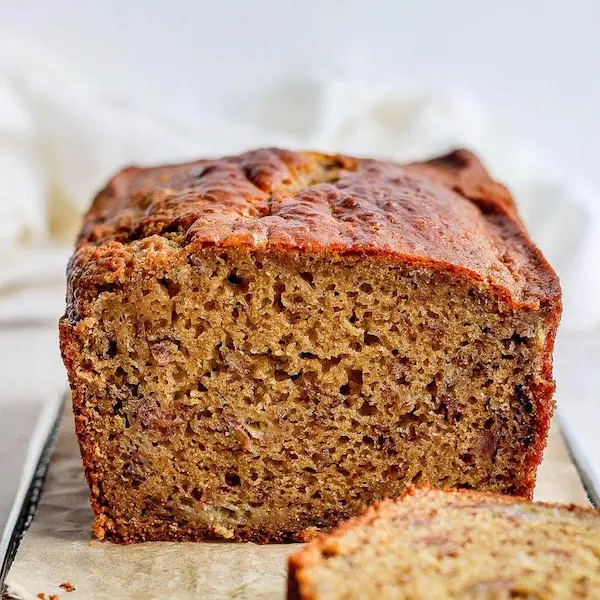
    2. Banana Bread with Coconut Sugar

    Banana bread is a comfort classic, and substituting coconut sugar makes it even more flavorful. The sugar complements ripe bananas with notes of toffee and caramel, resulting in a loaf that’s moist and naturally sweet.

    Tips for perfection:

    • Use overripe bananas for extra sweetness.
    • Add walnuts or pecans for crunch.
    • For a tropical twist, fold in shredded coconut or pineapple chunks.

    This recipe works well for breakfast, as a snack, or even as a dessert topped with cream cheese frosting.


    3. Coconut Sugar Brownies

    Brownies made with coconut sugar are rich, fudgy, and decadent without being overly sweet. Coconut sugar enhances the cocoa flavor, creating a well-rounded taste that feels indulgent yet slightly more wholesome.

    Recipe idea:

    • Melt butter with cocoa powder and stir in coconut sugar.
    • Add eggs and vanilla.
    • Fold in flour and a pinch of salt.
    • Bake until the top forms a shiny crust but the center stays gooey.

    Optional add-ins: dark chocolate chunks, walnuts, or swirls of peanut butter. For large-scale bakeries, sourcing bulk coconut sugar ensures flavor consistency across high-volume production lines.


    4. Coconut Sugar Caramel Sauce

    One of the simplest but most versatile desserts you can make with coconut sugar is caramel sauce. It has a rich butterscotch flavor that pairs beautifully with ice cream, pancakes, fruit, or baked goods.

    How to make:

    • Combine coconut sugar, butter, and cream in a saucepan.
    • Simmer until thickened.
    • Add a pinch of sea salt for salted caramel.

    Drizzle this sauce over apple crisp, brownies, or even your morning latte for a sweet upgrade.


    5. Oatmeal Cookies with Coconut Sugar

    Chewy oatmeal cookies are a timeless treat, and coconut sugar makes them even better. It balances the hearty oats with warm sweetness and pairs perfectly with cinnamon and raisins.

    Variations to try:

    • Add dark chocolate chips instead of raisins.
    • Mix in dried cranberries for a tart bite.
    • Use almond flour for a gluten-free version.

    These cookies are great for snacking, lunchbox treats, or serving alongside tea.


    6. Coconut Sugar Apple Crisp

    Apple crisp is one of the easiest desserts to make, and it tastes incredible with coconut sugar in both the filling and topping. The sugar caramelizes as it bakes, giving the apples a warm, deep sweetness.

    Steps:

    • Toss sliced apples with lemon juice, cinnamon, and coconut sugar.
    • Prepare a topping with oats, flour, butter, and more coconut sugar.
    • Bake until golden and bubbling.

    Serve warm with a scoop of vanilla ice cream or a dollop of whipped cream.


    7. Coconut Sugar Chocolate Cake

    For special occasions or indulgent moments, try baking a chocolate cake with coconut sugar. It creates a moist, rich cake with just the right amount of sweetness.

    Pro tips:

    • Use buttermilk or coconut milk for extra moisture.
    • Add espresso powder to deepen the chocolate flavor.
    • Frost with chocolate ganache or cream cheese frosting sweetened with coconut sugar.

    This cake makes a stunning centerpiece for birthdays or celebrations.


    8. Coconut Sugar Panna Cotta

    If you’re looking for something elegant yet simple, panna cotta sweetened with coconut sugar is a must-try. The creamy custard base infused with coconut sugar has a subtle caramel flavor that feels luxurious.

    How to make:

    • Heat cream (or coconut milk for a dairy-free option) with coconut sugar until dissolved.
    • Add bloomed gelatin and stir until smooth.
    • Pour into ramekins and chill until set.

    Top with fresh berries or a drizzle of coconut sugar caramel sauce for a show-stopping dessert.


    9. No-Bake Energy Bites

    For a healthier “dessert” that doubles as a snack, no-bake energy bites with coconut sugar are perfect. They satisfy sweet cravings without refined sugar and provide sustained energy.

    Basic recipe:

    • Blend oats, nut butter, coconut sugar, chia seeds, and a splash of vanilla.
    • Roll into small balls.
    • Coat with shredded coconut or cocoa powder.

    These bites are portable, kid-friendly, and great for pre- or post-workout fuel.


    10. Coconut Sugar Ice Cream

    Homemade ice cream takes on a whole new depth when sweetened with coconut sugar. The caramel undertones create a flavor similar to dulce de leche or brown sugar ice cream.

    Flavor ideas:

    • Vanilla coconut sugar ice cream with caramel swirls.
    • Chocolate ice cream with toasted coconut flakes.
    • Banana-coconut sugar ice cream for a tropical treat.

    You don’t need an ice cream maker—many no-churn recipes work beautifully with coconut sugar.


    Why Coconut Sugar Works So Well in Desserts

    Coconut sugar doesn’t just replace refined sugar—it transforms desserts. Its caramel notes intensify the flavor of chocolate, coffee, cinnamon, and fruit-based recipes. It also retains moisture, keeping cakes, cookies, and breads soft for longer.

    Best of all, coconut sugar can be substituted 1:1 for white sugar in most recipes, making it an easy swap. While it still contains calories, its lower glycemic index and trace minerals make it a better choice for those who want a natural sweetener without sacrificing flavor.

    Bulk Coconut Sugar Supply for Commercial Bakeries & F&B Brands
    Creating healthy, organic, and clean-label desserts at an industrial scale requires a certified ingredient partner. Global Coco Sugar (GCS) is a leading Indonesian manufacturer specializing in high-capacity supply of premium organic coconut sugar tailored for global food manufacturing, industrial baking, and confectionery brands.
    – Our Standards: 100% Organic Certified (USDA, EU), Halal, and Kosher compliant.
    – Supply Capability: High-volume consistency with reliable global shipping logistics.
    – Customizations: Mesh size and moisture content parameters tailored to your factory’s technical specifications.

    📧 Inquire Today for Bulk Pricing & Free Commercial Samples

    Final Thoughts

    Desserts are about joy, indulgence, and comfort—and coconut sugar allows you to enjoy them with a healthier, more natural twist. From chewy cookies and fudgy brownies to silky panna cotta and homemade ice cream, coconut sugar can elevate almost any recipe. Its deep, caramel-like flavor makes it a versatile pantry staple for both everyday treats and special occasions.

    So next time you’re in the mood for something sweet, skip the refined sugar and give these coconut sugar dessert recipes a try. You’ll not only satisfy your sweet tooth but also discover a world of flavor that’s both indulgent and nourishing.


  • Savory Recipes with Coconut Flakes: Beyond the Sweet Side

    Savory Recipes with Coconut Flakes: Beyond the Sweet Side

    When people think of coconut flakes, their minds often jump to cookies, cakes, and other desserts. While coconut is undeniably delicious in sweet dishes, it’s a mistake to overlook its savory potential. Coconut flakes bring a unique depth of flavor, adding nuttiness, crunch, and a subtle sweetness that enhances both traditional and modern savory dishes. From curries and soups to salads and snacks, coconut flakes can be an exciting way to elevate your cooking repertoire.

    This article explores how coconut flakes move “beyond the sweet side,” highlighting their versatility, health benefits, practical cooking tips, and inspiring savory recipes.


    Why Use Coconut Flakes in Savory Cooking?

    Coconut flakes aren’t just tasty—they’re also nutrient-rich and versatile. Here’s why they deserve a spot in your savory pantry:

    1. Texture Boost – Toasted flakes add crunch, while soaked flakes bring softness and body to sauces or fillings.
    2. Flavor Balance – Their natural sweetness balances bold spices like chili, turmeric, or curry blends.
    3. Nutritional Benefits – Packed with fiber, healthy fats (MCTs), and minerals like iron and manganese, they enrich your meals.
    4. Versatility – Coconut flakes can be used as a garnish, breading substitute, or base for broths and curries.

    Tips for Cooking Savory Dishes with Coconut Flakes

    • Toast Before Using – Light toasting brings out a nutty aroma that pairs well with savory meals.
    • Hydrate for Softness – Soak flakes in warm broth or coconut milk for creamy textures.
    • Blend for Coconut Milk – Simmer flakes in hot water and strain for homemade coconut milk.
    • Pair with Herbs and Spices – Complements cumin, coriander, lemongrass, ginger, and chili.
    • Use as Coating – Substitute for breadcrumbs in veggie patties, tofu, or tempeh.

    Savory Recipes with Coconut Flakes

    1. Coconut-Crusted Tofu Bites

    Ingredients:

    • 400 g firm tofu, pressed and cubed
    • 1 cup coconut flakes
    • ½ cup breadcrumbs (or panko)
    • 2 tbsp cornstarch
    • ½ cup plant-based milk
    • 1 tsp smoked paprika
    • Salt and pepper to taste
    • Oil for frying or baking

    Instructions:

    1. Mix coconut flakes and breadcrumbs in one bowl.
    2. In another, combine cornstarch, paprika, salt, and pepper. Add plant milk to make a light batter.
    3. Dip tofu cubes into the batter, then coat with coconut-breadcrumb mixture.
    4. Fry until golden or bake at 200°C (400°F) for 20 minutes.
    5. Serve with spicy chili sauce or peanut dip.

    2. Coconut Vegetable Curry

    Ingredients:

    • 2 tbsp oil
    • 1 onion, diced
    • 3 cloves garlic, minced
    • 1 tbsp ginger, grated
    • 2 tbsp curry paste
    • 2 cups mixed vegetables (carrot, beans, cauliflower)
    • 1 cup coconut flakes (soaked in warm water)
    • 2 cups coconut milk
    • Fresh cilantro, for garnish

    Instructions:

    1. Heat oil and sauté onion, garlic, and ginger until fragrant.
    2. Stir in curry paste and cook for 1–2 minutes.
    3. Add vegetables, soaked coconut flakes, and coconut milk.
    4. Simmer until vegetables are tender and curry thickens.
    5. Garnish with cilantro and serve with steamed rice.

    3. Coconut and Herb Rice Pilaf

    Ingredients:

    • 1 cup basmati rice
    • 1 ½ cups vegetable broth
    • ½ cup coconut flakes (lightly toasted)
    • 1 tbsp oil
    • ½ onion, chopped
    • 2 cloves garlic, minced
    • 2 tbsp fresh parsley or cilantro
    • Salt to taste

    Instructions:

    1. Heat oil and sauté onion and garlic.
    2. Add rice, stirring to coat with oil.
    3. Pour in broth, bring to boil, then reduce heat.
    4. Stir in toasted coconut flakes and cover until rice is cooked.
    5. Finish with fresh herbs before serving.

    4. Coconut Chutney (South Indian Style)

    Ingredients:

    • 1 cup coconut flakes (unsweetened)
    • 2 tbsp roasted chana dal (optional)
    • 1 green chili
    • 1 small piece of ginger
    • ½ cup water (as needed)
    • Salt to taste
    • 1 tsp mustard seeds
    • 1 tsp oil
    • Fresh curry leaves

    Instructions:

    1. Blend coconut flakes, chana dal, chili, ginger, and salt into a paste.
    2. Heat oil, add mustard seeds and curry leaves until they splutter.
    3. Pour seasoning over chutney.
    4. Serve with dosa, idli, or grilled vegetables.

    5. Spicy Coconut Soup

    Ingredients:

    • 1 tbsp oil
    • 1 onion, sliced
    • 2 cloves garlic, chopped
    • 1 tbsp lemongrass, minced
    • 1 red chili, sliced
    • 1 cup coconut flakes
    • 4 cups vegetable broth
    • 1 tbsp soy sauce
    • Juice of 1 lime
    • Fresh basil or cilantro

    Instructions:

    1. Heat oil and sauté onion, garlic, lemongrass, and chili.
    2. Add coconut flakes and toast lightly.
    3. Pour in vegetable broth and simmer for 15 minutes.
    4. Strain or blend for smoother texture.
    5. Add soy sauce and lime juice, garnish with herbs.

    6. Coconut-Crusted Eggplant Steaks

    Ingredients:

    • 2 medium eggplants, sliced into rounds
    • 1 cup coconut flakes
    • ½ cup flour
    • ½ cup plant milk
    • 1 tsp paprika
    • Salt and pepper

    Instructions:

    1. Dip eggplant slices in flour, then milk, then coconut flakes mixed with paprika.
    2. Bake at 200°C (400°F) for 25 minutes, flipping halfway.
    3. Serve with tahini or tomato-based sauce.

    More Creative Uses

    • Sprinkle on Salads – Add crunch to leafy greens or slaws.
    • Mix into Stir-Fries – Combine with peanuts or cashews for extra texture.
    • Top Noodle Dishes – Adds depth to Asian-inspired bowls.
    • In Stuffings – Mix with breadcrumbs, herbs, and spices for stuffed peppers or mushrooms.

    Final Thoughts

    Coconut flakes are far more than just a baking ingredient. They shine in savory recipes, transforming simple dishes into flavorful, nutrient-rich meals. Their ability to balance spices, add texture, and provide natural creaminess makes them a versatile staple in global cuisines. From crispy tofu bites to fragrant curries, coconut flakes bring warmth and complexity that take savory cooking to a new level.

    So, the next time you reach for coconut flakes, think beyond cookies and desserts—embrace their savory side and let them inspire new culinary creations.

  • Can You Substitute Coconut Sugar for White Sugar? Yes, and Here’s How

    Can You Substitute Coconut Sugar for White Sugar? Yes, and Here’s How

    Sugar is a staple in kitchens around the world, but as health awareness grows, people are seeking alternatives to refined white sugar. One of the most popular natural substitutes gaining traction is coconut sugar. Derived from the sap of the coconut palm flower, coconut sugar is less processed than white sugar and retains some nutrients, making it appealing to health-conscious consumers.

    But can you actually substitute coconut sugar for white sugar in your favorite recipes? The short answer is yes—but there are some important considerations to keep in mind. Let’s explore how coconut sugar compares to white sugar, when and how to substitute it, and tips for achieving the best results in cooking and baking.


    Understanding Coconut Sugar vs. White Sugar

    To use coconut sugar effectively, it’s essential to understand its differences from white sugar.

    1. Source and Processing
      • White sugar is made from refined sugar cane or sugar beets, stripped of natural molasses and nutrients to produce pure sucrose crystals.
      • Coconut sugar, on the other hand, is produced by evaporating the sap from the coconut palm flower. It undergoes minimal processing and is less refined.
    2. Flavor Profile
      • White sugar tastes purely sweet and neutral, which is why it’s so versatile.
      • Coconut sugar has a subtle caramel-like flavor, similar to brown sugar but less intense. This makes it an excellent addition to baked goods, sauces, and even coffee.
    3. Nutritional Value
      • White sugar provides empty calories with no vitamins or minerals.
      • Coconut sugar contains small amounts of iron, zinc, calcium, potassium, and antioxidants. While the amounts are modest, it’s still more nutrient-dense than white sugar.
    4. Glycemic Index (GI)
      • Coconut sugar has a GI of about 35, compared to white sugar’s GI of around 60. This means it causes a slower rise in blood sugar levels, making it a slightly better choice for blood sugar management. However, it’s still sugar and should be consumed in moderation.

    How to Substitute Coconut Sugar for White Sugar

    One of the greatest advantages of coconut sugar is that it can be used in a 1:1 ratio for white sugar in most recipes. However, there are a few adjustments you may need to make depending on the dish.

    1. Baked Goods

    Coconut sugar works well in cookies, cakes, muffins, and quick breads. It blends seamlessly into batters and doughs. However, because it is less sweet than white sugar, the final product may be slightly less sugary. For those who prefer a rich but balanced sweetness, this is actually a benefit.

    Tip: If you want the same sweetness level, you may need to add a tablespoon or two extra, depending on the recipe.

    2. Texture Considerations

    Coconut sugar is coarser and drier than white sugar. This can affect the texture of delicate baked goods like meringues or light sponge cakes, where white sugar’s fine crystals are essential. In such cases, coconut sugar may not produce the same airy result.

    Tip: For a smoother texture, pulse coconut sugar in a food processor to create a finer consistency before using.

    3. Moisture Balance

    Unlike brown sugar, coconut sugar doesn’t retain as much moisture. This means baked goods may turn out slightly drier.

    Tip: Compensate by adding an extra teaspoon of liquid (milk, water, or oil) to the batter.

    4. Color Changes

    Coconut sugar has a natural brown hue, which can darken baked goods. Cookies and cakes may appear deeper golden or brown compared to when white sugar is used.

    Tip: Embrace the color change—it often enhances the rustic look and complements the caramel-like flavor.


    When Coconut Sugar Shines Best

    Coconut sugar isn’t just a substitute—it can actually improve some recipes.

    1. Coffee and Tea
      Coconut sugar’s mild caramel taste enhances hot drinks without being overpowering. It’s a favorite among those who want a natural sweetener in lattes or herbal teas.
    2. Cookies and Bars
      Recipes like chocolate chip cookies, brownies, or oat bars benefit from the deeper flavor of coconut sugar. It adds richness and complexity to baked treats.
    3. Sauces and Marinades
      Coconut sugar works beautifully in barbecue sauces, stir-fry glazes, or marinades, where its caramel undertone balances savory and spicy elements.
    4. Breakfast Dishes
      Sprinkling coconut sugar on oatmeal, yogurt, or pancakes gives a warm, natural sweetness. It pairs especially well with cinnamon, vanilla, and nutmeg.

    When to Think Twice Before Substituting

    While coconut sugar is versatile, it’s not perfect for every culinary situation.

    1. Whipped Creams and Meringues
      These recipes require white sugar’s ability to stabilize egg whites and cream. Coconut sugar lacks the same structure-building properties, so results may be disappointing.
    2. Delicate Pastries
      Pastries like macarons or angel food cake rely heavily on white sugar’s fine crystals and neutral taste. Coconut sugar’s coarseness and caramel notes may not be suitable here.
    3. Recipes Where Color Matters
      If you’re baking a white cake or making light-colored frostings, coconut sugar will tint the final product brown.

    Health Considerations

    Many people choose coconut sugar because it feels like a “healthier” option. While it does contain trace nutrients and has a lower glycemic index, it’s important to remember that coconut sugar is still sugar.

    • Calories: Both coconut sugar and white sugar contain about 15–16 calories per teaspoon.
    • Fructose Content: Coconut sugar contains less fructose than high-fructose corn syrup and table sugar, which may reduce metabolic stress on the liver.
    • Moderation is Key: While coconut sugar may be a better alternative, consuming too much can still contribute to weight gain, dental issues, and blood sugar spikes.

    Practical Tips for Substituting Coconut Sugar

    1. Start Gradually
      If you’re new to coconut sugar, try replacing half of the white sugar in a recipe first. This helps you adjust to the flavor and texture differences.
    2. Use in Recipes That Welcome Depth
      Choose recipes where caramel notes enhance flavor—like chocolate desserts, banana bread, or curries.
    3. Store Properly
      Coconut sugar can harden if exposed to moisture. Store it in an airtight container in a cool, dry place.
    4. Pair with Complementary Flavors
      Coconut sugar pairs well with warm spices (cinnamon, ginger, nutmeg), chocolate, coffee, and tropical fruits.

    Conclusion

    So, can you substitute coconut sugar for white sugar? Absolutely—most of the time. Coconut sugar works as a 1:1 replacement in many recipes, offering a richer flavor profile and slight nutritional advantages. While it may not be ideal for every delicate pastry or meringue, it shines in baked goods, beverages, sauces, and everyday cooking.

    Beyond its culinary versatility, coconut sugar offers a more sustainable option, as coconut palms require fewer resources compared to sugarcane. Choosing coconut sugar not only enhances your recipes but can also support environmentally friendly agriculture.

    The next time you bake cookies, whip up a sauce, or sweeten your morning coffee, try reaching for coconut sugar. With its natural sweetness and caramel notes, it just might become your new pantry essential.


  • 5 Mistakes to Avoid When Cooking with Coconut Milk

    5 Mistakes to Avoid When Cooking with Coconut Milk

    Coconut milk has become a kitchen favorite for both home cooks and professional chefs. Its creamy texture, rich flavor, and versatility make it a go-to ingredient for curries, soups, desserts, and even beverages. However, while coconut milk can elevate a dish, it’s also an ingredient that requires careful handling. Many people unknowingly make mistakes when cooking with coconut milk, resulting in curdled sauces, bland flavors, or wasted product.

    If you love cooking with coconut milk or are just getting started, it’s important to understand how to treat it properly. Below are the five most common mistakes to avoid when cooking with coconut milk—along with practical tips to make sure every dish turns out creamy, flavorful, and delicious.


    Mistake 1: Choosing the Wrong Type of Coconut Milk

    One of the biggest mistakes people make is not realizing that not all coconut milk is the same. There are different types available—full-fat, light, canned, carton, and even powdered—and each serves a specific purpose.

    • Full-Fat Coconut Milk (Canned): Thick, creamy, and ideal for curries, desserts, and sauces where richness is desired.
    • Light Coconut Milk: Has reduced fat, making it thinner and less flavorful. It can be used in soups or drinks but may not provide the same creaminess.
    • Carton Coconut Milk: Usually marketed as a dairy alternative for coffee or cereal. It’s often diluted and not suitable for cooking complex dishes.
    • Coconut Cream: Thicker than full-fat coconut milk, best used for desserts, whipped toppings, or very rich curries.
    • Powdered Coconut Milk: A convenient alternative for travel or baking, but may not match the depth of flavor in fresh or canned versions.

    The fix: Always read labels carefully. For cooking, especially in curries or stews, choose unsweetened, full-fat canned coconut milk. If you’re making a lighter dish, dilute full-fat milk with water rather than buying pre-diluted versions, as this gives you more control over texture.


    Mistake 2: Adding Coconut Milk Too Early or Too Late

    Timing matters when using coconut milk in cooking. Many beginners add it at the wrong stage of cooking, which can either dull its flavor or ruin its texture.

    • Adding it too early (especially at high heat) can cause the milk to separate or curdle, leaving behind a grainy texture instead of a silky sauce.
    • Adding it too late might prevent it from blending properly with the other flavors, resulting in a dish that tastes disjointed.

    The fix: Add coconut milk towards the middle to later stages of cooking. For curries and soups, stir it in after your spices, aromatics, and base ingredients are cooked. Allow it to simmer gently so that the flavors meld together. For desserts, incorporate it carefully into batters or mixtures, avoiding rapid boiling.


    Mistake 3: Cooking Coconut Milk on High Heat

    Another common error is cooking coconut milk over very high heat. Since it contains natural fats and proteins, coconut milk is prone to separating when exposed to intense heat. The result? A broken sauce with an oily layer floating on top.

    • High heat damages the delicate balance of fat and water in coconut milk.
    • Boiling coconut milk rapidly not only causes separation but can also dull its fresh, nutty flavor.

    The fix: Cook coconut milk over low to medium heat. Gentle simmering preserves its creamy consistency while still allowing it to infuse with spices and ingredients. If you need to thicken a dish, reduce it slowly rather than cranking up the heat. For desserts like custards or puddings, a double boiler can help maintain even temperatures.


    Mistake 4: Ignoring the Importance of Stirring and Separation

    Coconut milk naturally separates in the can, with thick cream rising to the top and watery liquid settling at the bottom. Some cooks pour it straight into the dish without mixing, which can throw off consistency.

    • Using only the top layer (coconut cream) may make a dish too thick and fatty.
    • Using only the bottom layer can result in a thin, bland dish.

    The fix: Before opening the can, shake it well to combine the layers. Once opened, stir it thoroughly. If your recipe calls for creamier texture (like in Thai curries), scoop out some of the top cream layer first to sauté with spices, then add the liquid part later. This technique enhances flavor and gives a silky consistency.


    Mistake 5: Not Considering the Flavor Balance

    Coconut milk has a distinct, sweet, and nutty flavor. While delicious, it can overpower a dish if not balanced correctly. Many home cooks add too much, expecting it to act like dairy cream, only to end up with overly sweet or cloying results.

    • Using too much coconut milk in savory dishes can drown out spices and herbs.
    • In desserts, relying solely on coconut milk may create an overwhelmingly coconut-forward flavor.

    The fix: Use coconut milk in moderation and balance it with other ingredients. In savory dishes, pair it with tangy elements (like lime, tamarind, or tomatoes), salty notes (like soy sauce or fish sauce), and bold spices (like turmeric, cumin, or chili). In desserts, balance coconut milk with vanilla, chocolate, or fresh fruit to prevent monotony.


    Bonus Tip: Storing Coconut Milk Properly

    Beyond cooking mistakes, many people store coconut milk incorrectly, leading to spoilage.

    • Unopened cans can last for months in the pantry.
    • Opened cans should be transferred to an airtight container (not left in the can) and refrigerated, where they last for 4–7 days.
    • Freezing is an option, but thawed coconut milk may separate, so whisk well before using.

    Proper storage ensures you don’t waste this valuable ingredient.


    Conclusion

    Cooking with coconut milk can transform an ordinary dish into something rich, flavorful, and satisfying. However, to unlock its full potential, it’s important to avoid common pitfalls. By choosing the right type of coconut milk, adding it at the right stage, cooking it gently, stirring it properly, and balancing flavors, you’ll be able to make the most of this versatile ingredient.

    From creamy curries to decadent desserts, coconut milk deserves a place in every kitchen—but only if it’s treated with care. With these tips, you can avoid the five common mistakes and ensure that your dishes always turn out smooth, delicious, and perfectly balanced.


  • Creative Ways to Use Desiccated Coconut in Everyday Cooking

    Creative Ways to Use Desiccated Coconut in Everyday Cooking

    Coconut has long been celebrated as one of the most versatile ingredients in global cuisine. From tropical desserts to savory stews, every part of the coconut can be used in cooking. Among its many forms, desiccated coconut—which is simply finely grated, dried coconut meat—stands out as a pantry staple that combines long shelf life with flavor and texture. Often overlooked in favor of fresh or canned coconut products, desiccated coconut can be a game-changer in everyday cooking, bringing nutty sweetness, chewy texture, and a dose of nutrition to countless dishes.

    This article explores creative and practical ways to use desiccated coconut in everyday cooking, spanning breakfast, savory dishes, baked goods, snacks, and beverages.


    Why Desiccated Coconut?

    Before diving into its culinary uses, it’s worth noting why desiccated coconut deserves more attention:

    1. Long Shelf Life: Unlike fresh coconut, which spoils quickly, desiccated coconut can be stored for months in an airtight container.
    2. Convenience: Ready to use without cracking, grating, or squeezing a fresh coconut.
    3. Nutritional Value: Rich in healthy fats, fiber, iron, and manganese, desiccated coconut adds both texture and nutrients to meals.
    4. Versatility: Works in both sweet and savory applications across diverse cuisines.

    Because of these qualities, desiccated coconut is not just a baking ingredient but a versatile addition to daily cooking.


    Breakfast Boosters

    Breakfast is often called the most important meal of the day, and desiccated coconut can elevate it with ease.

    • Smoothie Bowls and Oatmeal: A sprinkle of desiccated coconut adds crunch and tropical flavor. Pair it with mango, pineapple, or banana for a refreshing breakfast.
    • Granola: Mix desiccated coconut into homemade granola for extra aroma and chewy texture. It toasts beautifully, enhancing the nutty flavor.
    • Pancakes and Waffles: Incorporate desiccated coconut into batter or use it as a topping with honey or maple syrup. Coconut pancakes with lime zest create a tropical morning treat.
    • Energy Bars: Combine desiccated coconut with oats, nut butter, and dried fruits to make no-bake breakfast bars.

    These simple uses make breakfast both nutritious and flavorful, while avoiding the monotony of plain cereals or bread.


    Savory Dishes

    Desiccated coconut is often associated with sweets, but it plays an equally important role in savory dishes.

    • Curries and Stews: In Indian and Southeast Asian cooking, desiccated coconut is used to thicken sauces and add depth. When lightly roasted and ground with spices, it imparts a rich, nutty flavor.
    • Coating for Proteins: Use desiccated coconut mixed with breadcrumbs to coat chicken, fish, or tofu before frying or baking. The result is a crispy, golden crust with a tropical twist.
    • Rice Dishes: Stir a handful into steamed rice along with curry leaves and spices for a fragrant coconut rice, common in South Indian cuisine.
    • Vegetable Stir-Fries: Add to sautéed greens, beans, or carrots for an earthy crunch. Many Sri Lankan recipes use coconut as a key flavor enhancer in vegetable dishes.

    By incorporating desiccated coconut into savory meals, you can create a bridge between familiar comfort foods and exotic flavors.


    Baking Beyond Basics

    One of the most common uses of desiccated coconut is in baking, but it can be applied far beyond standard coconut macaroons.

    • Cakes and Muffins: Fold desiccated coconut into the batter for added texture. A coconut and carrot cake is a healthier spin on the classic carrot cake.
    • Cookies: From coconut chocolate chip to chewy coconut oatmeal cookies, this ingredient enhances both flavor and texture.
    • Pie Crusts: Blend with crushed biscuits and butter for a tropical pie crust base. Perfect for key lime pie or coconut cream pie.
    • Bread: Enrich bread dough with desiccated coconut for a slightly sweet, nutty loaf. It pairs well with curries and soups.

    Its natural sweetness and chewiness make it an excellent addition to almost any baked good.


    Snacks and Nibbles

    Desiccated coconut shines in quick snacks that can be prepared at home with minimal effort.

    • Energy Balls: Blend desiccated coconut with dates, almonds, and cocoa powder to create bite-sized, nutrient-dense snacks.
    • Trail Mix: Toss with nuts, dried fruit, and seeds for a portable and energizing snack.
    • Coconut Chips: Toast desiccated coconut with a touch of salt and chili powder for a crunchy, savory snack.
    • Stuffed Dates: Roll dates stuffed with nut butter in desiccated coconut for a sweet, bite-sized treat.

    These easy snacks are healthier alternatives to processed packaged foods while satisfying sweet and savory cravings.


    Beverages and Smoothies

    Desiccated coconut can also be used to enrich beverages, whether hot, cold, or blended.

    • Smoothies: Add directly to fruit smoothies for texture and flavor. It pairs well with tropical fruits and almond milk.
    • Coconut Milk Substitute: Blend desiccated coconut with warm water and strain to make quick coconut milk for curries, soups, or hot chocolate.
    • Coconut Lattes: Stir into coffee with a touch of cinnamon for a nutty coconut latte.
    • Cocktails: Use as a garnish for piña coladas, mojitos, or rum-based cocktails for an authentic tropical presentation.

    For anyone seeking plant-based options, homemade coconut milk from desiccated coconut is an affordable and sustainable alternative to store-bought cartons.


    Healthy Twists

    Aside from taste, desiccated coconut offers health benefits that align with modern dietary preferences.

    • Keto and Low-Carb Diets: Its high fat and fiber content make it suitable for keto-friendly recipes like fat bombs and coconut bread.
    • Vegan Desserts: Works as a binding agent in no-bake vegan desserts.
    • Gluten-Free Recipes: Naturally gluten-free, it can replace flour in some baking applications.

    This adaptability ensures it fits into various dietary lifestyles while maintaining delicious flavor.


    Cultural Inspirations

    Looking around the world, desiccated coconut plays a role in many beloved dishes:

    • Indian Cuisine: Coconut ladoos (sweet balls made with condensed milk and desiccated coconut).
    • Middle Eastern Cuisine: Coconut basbousa, a semolina cake soaked in syrup.
    • Caribbean Cuisine: Coconut drops—chewy candies made with sugar and ginger.
    • Southeast Asian Cuisine: Coconut pancakes and desserts like kueh, a bite-sized snack made with rice flour and coconut.

    These cultural uses show the ingredient’s timeless appeal and its ability to cross culinary boundaries.


    Tips for Cooking with Desiccated Coconut

    To maximize flavor and texture, here are some tips:

    1. Toast Before Use: Toasting enhances its nuttiness and prevents sogginess in baked goods.
    2. Hydrate When Needed: Soak in warm milk or water if a softer texture is desired, such as for cakes or puddings.
    3. Use Moderately: Its flavor is strong—balance it with other ingredients to avoid overpowering dishes.
    4. Store Properly: Keep in an airtight container in a cool, dry place to avoid rancidity.

    These small techniques help transform desiccated coconut from a simple pantry item into a star ingredient.


    Conclusion

    Desiccated coconut is more than just a baking ingredient—it’s a versatile, nutrient-rich, and flavorful addition to everyday cooking. From breakfast bowls to savory curries, quick snacks to gourmet desserts, it brings texture, taste, and cultural depth to the table. Its long shelf life and ease of use make it a practical staple for home cooks and professional chefs alike.

    By experimenting with desiccated coconut in both traditional and modern recipes, you can unlock a world of creative culinary possibilities. Whether you’re looking to add a tropical flair to your morning oatmeal, craft a crispy coconut-coated chicken, or stir up a batch of chewy cookies, desiccated coconut proves itself time and again as an ingredient worth celebrating in daily cooking.


  • Why Chefs Are Turning to Coconut Nectar for Gourmet Dishes

    Why Chefs Are Turning to Coconut Nectar for Gourmet Dishes

    In the ever-evolving world of gastronomy, chefs are constantly searching for new ingredients that elevate flavor, enhance nutrition, and support sustainability. One such ingredient gaining momentum in professional kitchens around the globe is coconut nectar. Derived from the sap of coconut blossoms, coconut nectar has long been valued in traditional cuisines across Southeast Asia, but it is now finding a new place in gourmet dining.

    From Michelin-starred restaurants to innovative farm-to-table eateries, chefs are embracing coconut nectar not just as a natural sweetener, but as a versatile and sustainable culinary tool. This article explores why coconut nectar has become a staple in gourmet kitchens, covering its production, flavor profile, nutritional benefits, sustainability credentials, and diverse culinary applications.


    What Is Coconut Nectar?

    Coconut nectar is made by tapping the flower buds of coconut trees to collect their sweet sap, which is then gently heated to produce a rich, amber-colored syrup. Unlike highly refined sweeteners such as white sugar, coconut nectar undergoes minimal processing, retaining more of its natural nutrients and complex flavors.

    The result is a sweetener that is less cloying than refined sugar, with subtle notes of caramel, fruit, and even umami. Its layered taste profile makes it especially appealing to chefs looking to add depth to their dishes.


    A Flavor Profile Chefs Love

    At the heart of coconut nectar’s appeal is its sophisticated flavor complexity. Unlike one-dimensional sweeteners, coconut nectar delivers a nuanced sweetness that chefs can harness in both sweet and savory dishes.

    • Caramel-like richness: Similar to molasses but lighter and smoother.
    • Slightly fruity undertones: Adding brightness to sauces and dressings.
    • Hint of umami: Enhancing savory preparations like marinades or glazes.

    This multidimensional flavor allows chefs to experiment creatively, layering sweetness in a way that complements rather than overwhelms other ingredients.


    Nutritional and Health Benefits

    Modern diners are increasingly health-conscious, and chefs are adapting their menus to meet these demands. Coconut nectar provides several advantages over traditional sweeteners:

    1. Low Glycemic Index (GI): Coconut nectar has a GI of around 35, which means it causes a slower rise in blood sugar compared to refined sugar. This makes it appealing to health-conscious diners, including those managing blood sugar levels.
    2. Nutrient-Rich: It contains trace amounts of vitamins (such as vitamin C and B-complex vitamins) and minerals like potassium, magnesium, and zinc.
    3. Unrefined and Natural: Unlike refined sugars, it is minimally processed, retaining its natural nutrients and avoiding chemical additives.

    While chefs prioritize taste first, the added nutritional appeal allows them to offer indulgent dishes that align with consumer demand for wellness-driven dining.


    Sustainability and Ethical Sourcing

    Another reason chefs are embracing coconut nectar is its sustainability profile. The production of coconut nectar is considered eco-friendly because:

    • No trees are cut down: Tapping the blossoms does not harm the coconut tree, which can continue producing coconuts and sap simultaneously.
    • Minimal processing: It requires far less energy compared to refining sugar or producing high-fructose corn syrup.
    • Support for small farmers: Much of the world’s coconut nectar comes from smallholder farmers in Southeast Asia, especially the Philippines and Indonesia. Choosing coconut nectar supports local communities and fair-trade practices.

    For chefs who want their menus to reflect sustainable sourcing and ethical practices, coconut nectar provides an ideal solution. Diners increasingly appreciate transparency and environmental responsibility in restaurants, making coconut nectar a compelling choice.


    Coconut Nectar in Gourmet Applications

    1. Pastries and Desserts

    Coconut nectar is a natural fit for desserts, lending depth and complexity to cakes, mousses, tarts, and ice creams. Its caramel notes pair beautifully with chocolate, nuts, and tropical fruits. Chefs often use it as a replacement for honey or maple syrup in recipes that call for a more subtle sweetness.

    2. Glazes and Marinades

    The sticky, syrupy texture of coconut nectar makes it excellent for glazes on roasted meats or vegetables. It caramelizes beautifully, creating glossy finishes on duck, pork belly, or even root vegetables. Combined with soy sauce, garlic, and ginger, it becomes a rich marinade that balances savory and sweet flavors.

    3. Dressings and Sauces

    Chefs incorporate coconut nectar into vinaigrettes and dipping sauces, where its fruity undertones brighten the overall flavor. It is particularly effective in Asian-inspired dressings, balancing acidity from lime or vinegar.

    4. Beverages and Mixology

    Coconut nectar is increasingly used by bartenders for craft cocktails. Its viscosity makes it a natural sweetener for tropical cocktails like mojitos, margaritas, and tiki-inspired drinks. Its caramel notes also enhance coffee-based drinks, giving lattes and cold brews a unique twist.

    5. Fine Dining Plating Techniques

    In high-end restaurants, chefs use coconut nectar as a drizzle or reduction for plating, adding both visual appeal and a burst of flavor. Its glossy texture allows it to double as a finishing element in gourmet presentations.


    Chef Perspectives

    Top chefs around the world are vocal about their appreciation for coconut nectar. Many cite its versatility and ethical sourcing as key reasons for its adoption. For example:

    • Chefs in plant-based restaurants embrace it as a natural, vegan-friendly alternative to honey.
    • Pastry chefs highlight its ability to add depth to desserts without overpowering delicate flavors.
    • Chefs in fusion cuisine find it bridges the gap between sweet and savory dishes, especially in Southeast Asian–inspired menus.

    The ingredient’s adaptability across cuisines and styles makes it a powerful addition to a chef’s pantry.


    Meeting Consumer Demand for Natural and Exotic Ingredients

    Today’s diners are more adventurous, seeking exotic flavors and natural ingredients. Coconut nectar appeals to this trend by offering something both new and traditional:

    • New to Western diners: It introduces a fresh flavor profile unfamiliar to many.
    • Rooted in tradition: It connects to Southeast Asian culinary heritage, adding authenticity to dishes inspired by the region.

    Chefs who use coconut nectar not only enhance flavor but also tell a story about cultural appreciation and sustainability—an increasingly important aspect of modern dining experiences.


    Challenges and Considerations

    Despite its many benefits, there are challenges in adopting coconut nectar in professional kitchens:

    1. Cost: It is generally more expensive than refined sugar, which may affect menu pricing.
    2. Availability: While growing in popularity, coconut nectar is not as widely available in bulk compared to other sweeteners.
    3. Storage and Shelf Life: As a natural product, it may crystallize or ferment if not stored properly.

    Chefs often navigate these challenges by using coconut nectar strategically in high-value dishes or as a specialty ingredient rather than a bulk sweetener.


    The Future of Coconut Nectar in Gourmet Dining

    The rise of coconut nectar is part of a larger culinary trend toward natural, ethical, and globally inspired ingredients. As consumer awareness grows, more restaurants are likely to incorporate it into their offerings. Additionally, as production scales and distribution improves, costs may decrease, making it more accessible for chefs worldwide.

    We can expect to see coconut nectar used not only in traditional applications like desserts but also in cutting-edge gastronomy, where chefs push the boundaries of flavor and texture. With its unique ability to bridge health, sustainability, and taste, coconut nectar seems poised to remain a prominent fixture in the gourmet culinary world.


    Conclusion

    Chefs are turning to coconut nectar for its complex flavor, health-conscious appeal, and sustainable production methods. From elegant desserts to savory glazes and craft cocktails, this versatile ingredient is redefining how sweetness is expressed in gourmet cuisine.

    More than just a sweetener, coconut nectar represents a shift in culinary values—toward authenticity, sustainability, and a deeper appreciation of natural ingredients. For diners, it offers not only a delicious taste but also the assurance that their meal supports both wellness and ethical practices.

    As the culinary world continues to evolve, coconut nectar is likely to shine even brighter on the global gourmet stage, becoming a staple in kitchens that celebrate creativity, sustainability, and flavor innovation.

  • How to Make Desiccated Coconut at Home: Step-by-Step Guide

    How to Make Desiccated Coconut at Home: Step-by-Step Guide

    Desiccated coconut—finely grated, dried, and unsweetened coconut flesh—is a versatile ingredient used in baking, confectionery, and savory dishes around the world. It adds a rich coconut flavor, pleasant texture, and nutritional benefits to everything from cakes and cookies to curries and granola.

    While it’s easy to find in stores, making desiccated coconut at home has several advantages: you can ensure it’s fresh, free from additives, and tailored to the texture you prefer. This guide walks you through the process step-by-step, including tips for the best results and creative ways to use your homemade batch.


    1. Why Make Desiccated Coconut at Home?

    Before jumping into the steps, here’s why making your own can be worth it:

    • Freshness: Store-bought versions may sit on shelves for months; homemade is more fragrant and flavorful.
    • No additives: You can avoid preservatives, sweeteners, or anti-caking agents.
    • Customization: Choose fine, medium, or coarse textures based on your recipes.
    • Sustainability: Reduce packaging waste by making it in bulk at home.

    2. Ingredients and Tools You’ll Need

    Ingredients

    • 1 or more mature coconuts (the brown, hard-shell variety)

    Tools

    • Hammer or mallet (to crack the shell)
    • Butter knife or sturdy spoon (to pry out the flesh)
    • Vegetable peeler (to remove the brown skin, optional)
    • Grater or food processor (for shredding)
    • Oven, dehydrator, or large pan (for drying)
    • Airtight container (for storage)

    3. Step-by-Step Process

    Step 1: Select and Prepare the Coconut

    Choose mature coconuts—they have firm, white meat ideal for desiccation. Shake the coconut; you should hear water sloshing inside, a sign of freshness.

    1. Locate the three “eyes” on the coconut and pierce one with a screwdriver or skewer.
    2. Drain the coconut water into a cup (you can drink it or use it in smoothies).

    Step 2: Crack Open the Shell

    1. Hold the coconut over a bowl and tap it firmly along its circumference with a hammer or mallet.
    2. Rotate as you tap until it splits in half.
    3. Use a butter knife or spoon to pry the white meat from the hard shell.

    Step 3: Peel the Brown Skin (Optional)

    Some recipes call for removing the thin brown layer on the coconut meat to get pure white desiccated coconut. Use a vegetable peeler for this step. However, leaving the skin on adds extra fiber and a slightly nutty flavor.


    Step 4: Grate the Coconut Meat

    • For fine desiccated coconut, use the smallest holes of a box grater or a food processor with a shredding blade.
    • For medium or coarse, use larger holes or a pulse setting in your processor.

    Step 5: Dry the Coconut

    Drying removes moisture to extend shelf life and create that crumbly texture. You can use three main methods:

    Oven Drying

    1. Preheat your oven to 60–80°C (140–175°F).
    2. Spread the grated coconut evenly on a baking sheet lined with parchment paper.
    3. Bake for 45–60 minutes, stirring every 10–15 minutes to ensure even drying.
    4. Remove when the coconut feels dry but not browned.

    Dehydrator

    1. Spread the grated coconut in a thin layer on dehydrator trays.
    2. Set to 55–60°C (130–140°F) and dry for 4–6 hours.

    Pan Drying (Quick Method)

    1. Place grated coconut in a large, dry frying pan over low heat.
    2. Stir constantly for 10–15 minutes until dry and crisp. Be careful not to toast it unless you want toasted coconut.

    Step 6: Cool and Store

    Allow the dried coconut to cool completely before transferring it to an airtight container. Store in a cool, dry place for up to 3 months, or in the freezer for up to 6 months.


    4. Tips for Perfect Desiccated Coconut

    • Don’t rush drying: High heat can brown the coconut and change the flavor.
    • Uniform shredding: Consistent size ensures even drying.
    • Check for moisture: Any dampness can cause mold during storage.
    • Batch size: Work in small batches to maintain quality.

    5. Uses for Homemade Desiccated Coconut

    Once you have your batch ready, the possibilities are endless:

    • Baking: Add to cakes, muffins, cookies, and bread for texture and flavor.
    • Confectionery: Roll chocolate truffles or energy balls in it.
    • Savory dishes: Mix into curries, stir-fries, or rice for a tropical twist.
    • Smoothies: Blend into drinks for creaminess.
    • Breakfast bowls: Sprinkle over oatmeal, granola, or yogurt.

    6. Nutritional Benefits

    Desiccated coconut is more than just a tasty ingredient—it’s nutrient-rich:

    • Healthy fats: Supports energy and satiety.
    • Fiber: Aids digestion.
    • Minerals: Contains manganese, copper, and selenium.

    While it’s calorie-dense, moderate consumption can be part of a balanced diet.


    7. Variations and Flavored Versions

    If you want to get creative, try:

    • Toasted desiccated coconut: Roast lightly in a pan or oven for a nutty flavor.
    • Sweetened version: Toss with a little sugar or honey before drying (for desserts).
    • Spiced coconut: Add cinnamon, vanilla, or cardamom for unique recipes.

    8. Troubleshooting Common Issues

    • Too brown: Oven temperature was too high or dried too long.
    • Clumpy texture: Not fully cooled before storage or residual moisture left.
    • Bland flavor: Coconut was old or not fresh before processing.

    9. Conclusion

    Making desiccated coconut at home is simple, rewarding, and ensures you get the freshest, most flavorful product possible. With just a coconut, some basic kitchen tools, and a little patience, you can prepare a versatile pantry ingredient that enhances both sweet and savory dishes. Once you taste your own homemade version, you may never go back to store-bought again.


Secret Link