What is Coconut Sugar and Why Global Buyers Prefer It?
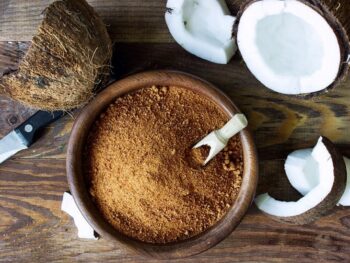
What is Coconut Sugar and Why Global Buyers Prefer It? We've all seen it popping up more and more, right? Coconut sugar, also known as coco sugar or coconut palm sugar, is a sweetener that comes from the coconut palm tree. It's made from the sap of the tree's flower buds. Think of it like this: farmers carefully tap the buds, collect the sweet sap, and then gently heat it to let the water evaporate.
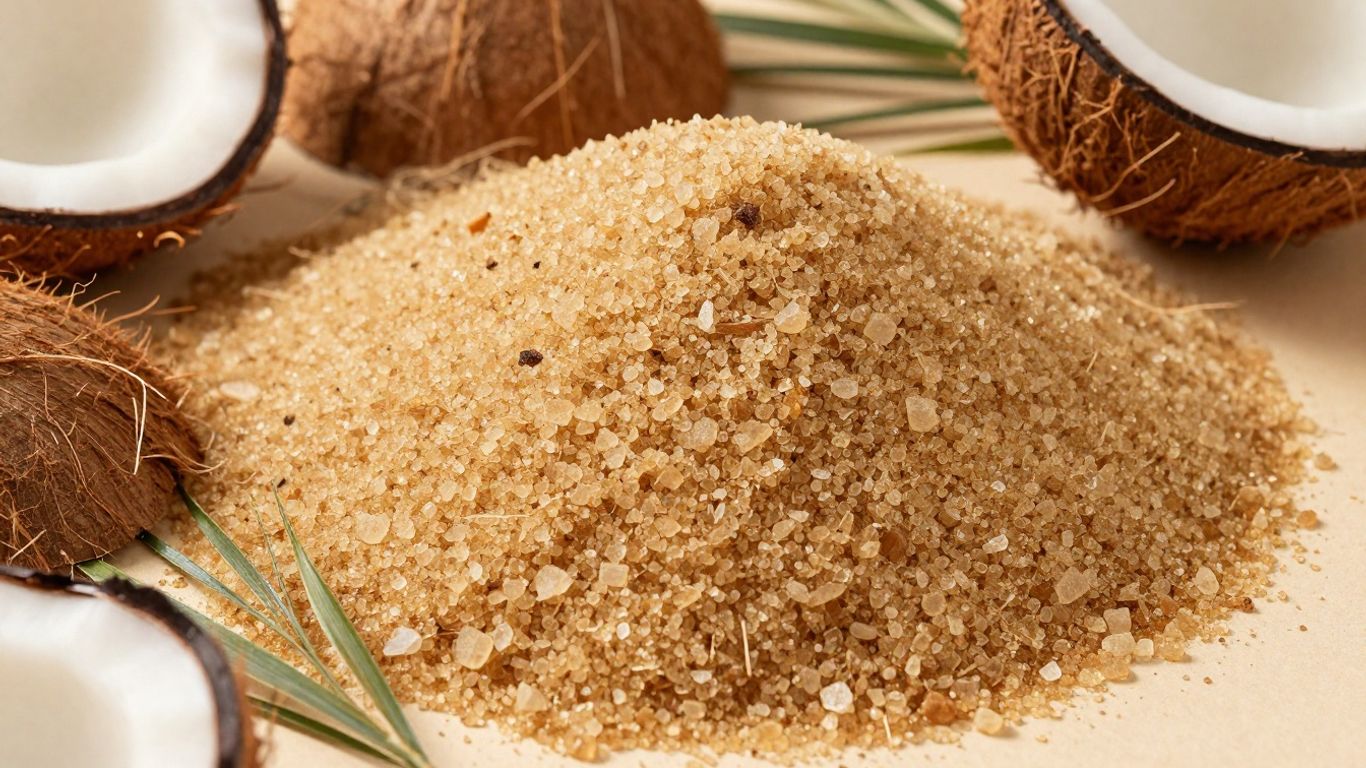
What's left is a granulated sugar that looks a bit like brown sugar but has its own unique, subtle caramel flavor. It's not a new thing, though; people in many tropical places have been using it for ages. It's pretty neat how it's made with just a couple of simple steps, mostly just evaporation, without a bunch of chemicals or bleaching agents. This natural way of making it means it keeps some of the good stuff from the original sap.
How Coconut Sugar Is Made?
The process starts with the coconut palm tree itself. Farmers make a small cut on the unopened flower bud, and a clear, watery sap begins to flow out. This sap is collected, often in bamboo containers. The collected sap is then heated in large pans. As it heats, the water slowly evaporates.
This reduction process causes the sap to thicken and turn into a syrup. If it's heated further, it will eventually crystallize into the granulated sugar we often see. The color, which is usually a warm brown, comes from the natural caramelization that happens during the heating. It's a pretty straightforward method, relying on heat to concentrate the natural sweetness of the sap.
A Taste of the Tropics
When we taste coconut sugar, it's a bit different from the white sugar we might be used to. It has a mild sweetness, often described as being similar to brown sugar, but with a gentle hint of caramel.
This flavor makes it a nice addition to coffee or tea, and it works well in baking too. Because it's not heavily processed, the exact taste and color can vary a little depending on where the coconuts grew and when they were harvested. It's a sweetener that brings a little something extra to your food and drinks, a subtle tropical note that many people enjoy.
Why Global Buyers Prefer Coconut Sugar
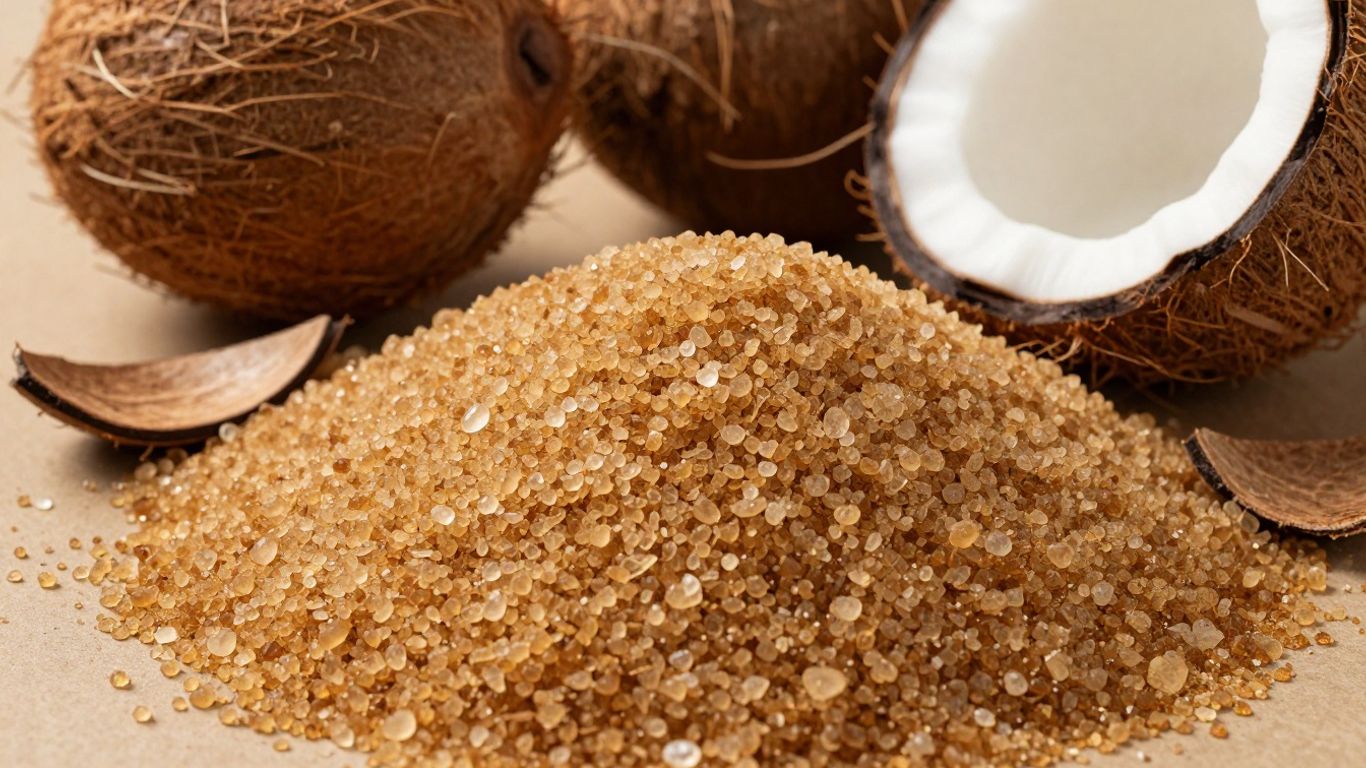
So, why are so many people around the world choosing coconut sugar? We think it comes down to a few key things that make it stand out from other sweeteners. It's not just about the taste, though that's a big part of it. Many folks are looking for options that feel a bit more natural and less processed than what they might be used to.
Nutritional Value Compared to Other Sugars
When we look at coconut sugar, we see it's made from coconut palm sap. The way it's prepared involves heating the sap to get rid of the water, and that's pretty much it. This simple process means it keeps some natural compounds that you don't find in highly refined white sugar.
While it's true that all sugars, including coconut sugar, should be enjoyed in moderation, it does contain trace amounts of things like inulin, a type of fiber, along with some minerals such as iron, zinc, calcium, and potassium. It also has a small amount of amino acids.
It's important to remember that the amounts of these nutrients are quite small, and you'd have to eat a lot of coconut sugar to get a significant amount. However, for those trying to make small changes, these little differences can add up. We've seen that Indonesian coconut sugar is often favored for its quality and consistency, which is a big plus for bakers and cooks.
The Glycemic Index Explained
Another reason people are drawn to coconut sugar is its Glycemic Index (GI). The GI tells us how quickly a food raises our blood sugar levels after we eat it. Coconut sugar generally has a lower GI compared to regular white sugar. This means it tends to cause a slower, more gradual rise in blood sugar, rather than a sharp spike.
For many, this can translate to more sustained energy levels throughout the day. While there can be some variation in GI readings depending on how the sugar is processed and what it's tested with, the general trend shows it's a gentler option. Think of it like this: white sugar is like a quick burst of energy that fades fast, while coconut sugar is more like a steady burn that lasts longer. This difference is a big deal for people who want to manage their energy and avoid those sugar crashes.
Many people around the world choose coconut sugar because it's a natural sweetener. It's seen as a healthier option compared to regular sugar, and it has a unique, pleasant taste. Plus, it's good for the environment! Curious to learn more about why coconut sugar is becoming so popular? Visit our website to discover all the benefits and explore our range of high-quality coconut sugar products.
So, What's the Takeaway?
After looking into coconut sugar, we see it's a sweetener made from coconut tree sap. It's less processed than regular white sugar and has a nice caramel flavor, kind of like brown sugar. Some folks think it's a healthier choice because it has a few more minerals and a lower glycemic index. While it does have some nutrients, it's important to remember it's still sugar. We should use it in moderation, just like any other sweetener. If you like the taste and it fits your needs, go for it, but don't think of it as a magic health food. It's best to enjoy it as part of a balanced diet.