The application of coconut sugar in the food industry has evolved from a niche health food trend into a mainstream requirement for commercial food manufacturing — driven by clean label demand, low-GI positioning, and the growing market for minimally processed sweeteners.
For food technologists, product developers, and procurement teams evaluating coconut sugar for commercial formulations, this guide provides the technical information needed to assess suitability: functional properties, application-specific dosage guidance, substitution ratios, and label claim implications.
Global Coco Sugar supplies certified coconut sugar for food manufacturers from Indonesia.
The technical properties discussed in this guide reflect our production specifications.
Understanding how coconut sugar is produced from coconut palm flower sap explains why its functional behavior in food formulation differs from refined cane sugar — and why those differences create both opportunities and formulation challenges.
Technical Specifications for Coconut Sugar in the Food Industry
Before examining specific applications, food technologists need to understand the key physical and chemical properties that determine coconut sugar's behavior in formulation:
| Property | Specification | Formulation Implication |
| Moisture content | Max 3% (granulated) | Low moisture = good flow properties, stable shelf life, no caking under dry storage |
| Particle size (standard) | 0.5–3.0 mm (medium grade) | Similar to demerara sugar — dissolves completely in aqueous systems with mild agitation |
| Sucrose content | ~70-80% of carbohydrates | Primary sweetness driver — similar to cane sugar but with more complex flavor matrix |
| Fructose/glucose | ~3-9% free sugars | Contributes to Maillard reaction and caramelization at slightly lower temperatures than pure sucrose |
| Inulin fiber | ~1-3% of carbohydrates | Lowers effective GI; may act as mild prebiotic; minimal impact on texture at typical use levels |
| Glycemic Index | ~35 (low GI) | Supports 'low GI ingredient' positioning; finished product GI must be tested separately |
| Water activity | ~0.45-0.55 (dry granulated) | Shelf stable — does not support microbial growth at this aw when properly packaged |
| Maillard reaction | More pronounced than refined sugar | Products brown faster and at slightly lower temperature — monitor baking temperature |
| Hygroscopicity | Moderate — lower than brown sugar | Does not clump as readily as brown sugar in humidity; slightly drier finished products |
| pH in solution (10%) | 5.5–6.5 | Mildly acidic — compatible with most food systems; may affect acid-sensitive color systems |
| Color (ICUMSA) | Typically IU 5,000–15,000 | Dark — affects finished product color significantly; verify against product color standards |
| Relative sweetness | ~85-95% of refined white sugar (sucrose) | Formulations may need up to 10% more coconut sugar by weight to match white sugar sweetness |
12 Food Industry Applications: Technical Guidance Per Category
For a detailed technical comparison of coconut sugar versus cane sugar across specific formulation parameters — including water activity effects, hygroscopicity, shelf life implications, and regulatory label claim considerations — see our dedicated article on coconut sugar vs cane sugar for food manufacturing.
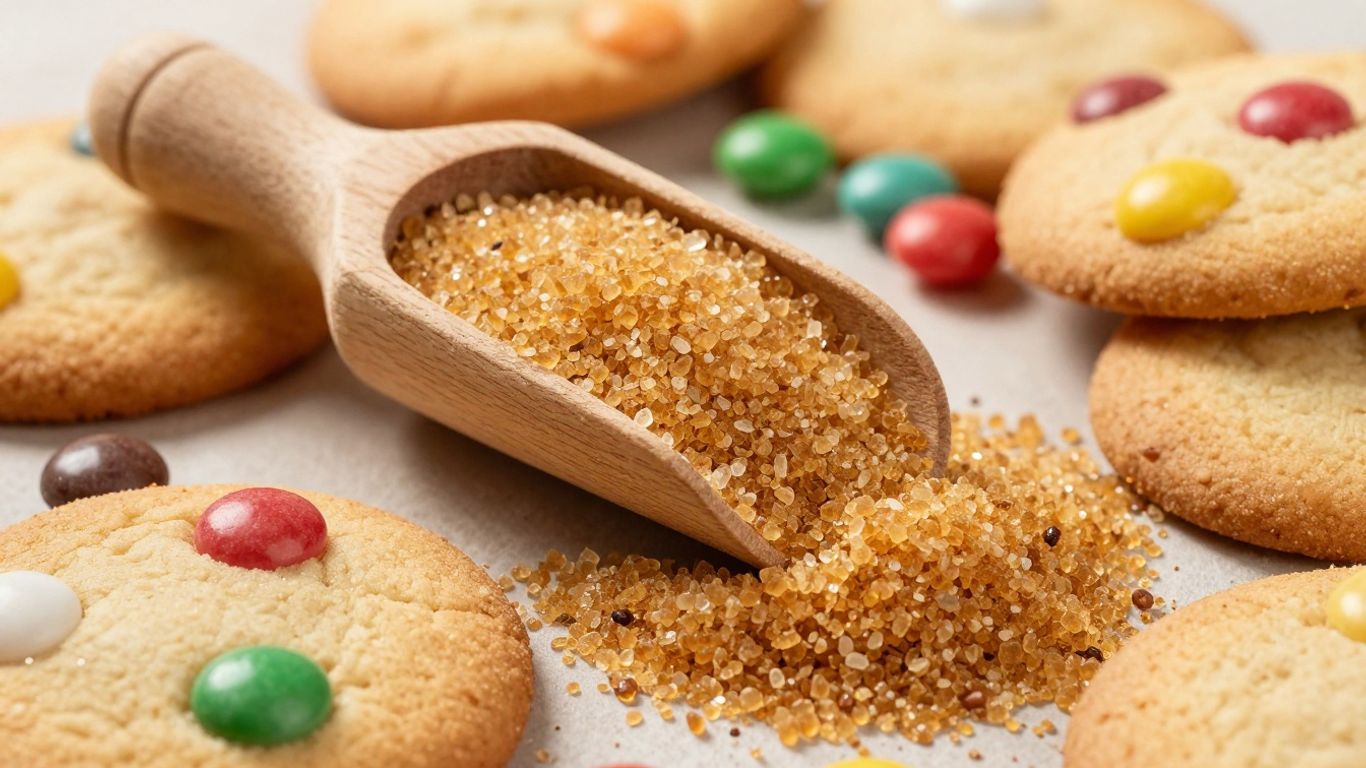
1. Bakery — Cookies, Biscuits, and Crackers

| Parameter | Specification |
| Typical use level | 50-100% replacement of white or brown sugar at 1:1 by weight |
| Expected color change | Noticeably darker golden-brown to dark brown — test against color standard before scale-up |
| Temperature adjustment | Reduce oven temperature by 5-10°C — coconut sugar caramelizes at lower temperature |
| Texture impact | Slightly denser texture, chewy center, faster edge browning — valued in premium cookie positioning |
| Moisture adjustment | No adjustment needed at 1:1 substitution for most recipes; add 1-2% extra moisture for formulas requiring high chewiness |
| Label claim enabled | 'Refined sugar-free', 'natural sweetener', 'unrefined', 'made with coconut sugar' |
2. Cakes, Muffins, and Quick Breads

| Parameter | Specification |
| Typical use level | 1:1 weight replacement for white or brown sugar |
| Color impact | Crumb will be medium to dark brown — not suitable for white or very light-colored cakes |
| Creaming behavior | Requires 15-30% longer creaming time vs refined sugar due to coarser particle size — factor into production cycle time |
| Leavening adjustment | No change to baking powder or soda quantities at direct 1:1 substitution |
| Shelf life | Similar to conventional versions — moisture retention is slightly lower than brown sugar versions; add 1-2% more fat or liquid if shelf life moisture retention is critical |
| Dosage for premium positioning | Partial substitution (30-50%) allows color and flavor benefits while maintaining lighter crumb color |
3. Confectionery — Chocolate, Truffles, and Ganache
| Parameter | Specification |
| Typical use level | 10-40% of total sugar content in chocolate and ganache formulations |
| Flavor synergy | Caramel-butterscotch notes complement dark and milk chocolate — reduces need for added caramel flavoring |
| Particle size requirement | Fine grade (< 1mm) recommended for smooth confectionery — standard medium grade may create slight graininess in ganache |
| Melting behavior | Melts at slightly lower temperature than refined sugar — adjust tempering protocol if coconut sugar is added to chocolate before tempering |
| Color impact | Dark chocolate: minimal visible change. Milk chocolate: slightly darker. White chocolate: visibly darker — evaluate against product standard |
| Labeling opportunity | 'Sweetened with coconut sugar', 'refined sugar-free chocolate' — strong clean label positioning in premium chocolate segment |
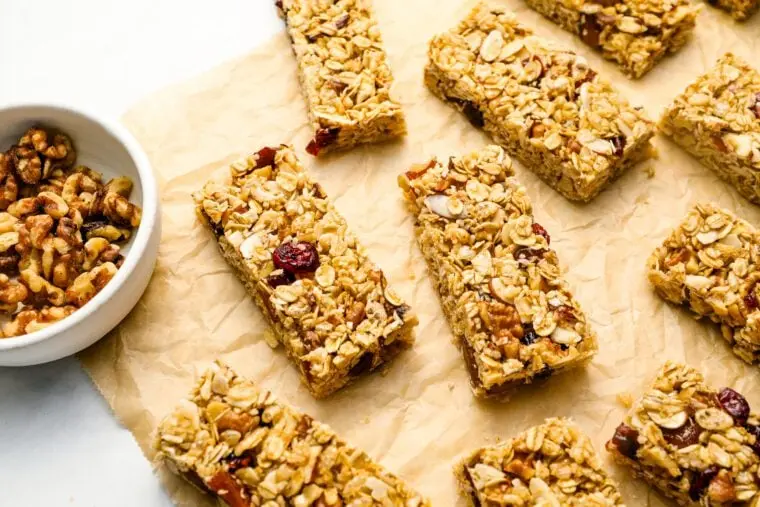
4. Granola, Cereal Bars, and Snack Products
| Parameter | Specification |
| Typical use level | 5-15% of total formulation weight — often combined with coconut nectar syrup as binder |
| Function | Sweetening + cluster formation (when combined with liquid binder) + caramel flavor development during baking |
| Toasting behavior | Excellent toasted color and flavor development — coconut sugar enhances Maillard browning in granola clusters |
| Temperature adjustment | Reduce oven temperature by 5°C; increase stirring frequency — coconut sugar clusters can over-caramelize at high temperatures |
| Texture | Produces slightly drier clusters than honey-based granola — adjust oil and liquid binder ratio if moist cluster texture is required |
| Clean label value | Major growth segment — granola consumers actively seek 'refined sugar-free' and 'natural sweetener' claims; coconut sugar supports both |
5. Beverages — Hot, Cold, and Ready-to-Drink
| Parameter | Specification |
| Dissolution | Dissolves completely in hot liquids (>60°C) within 30 seconds with mild agitation; in cold liquids, allow 60-90 seconds stirring |
| Typical use level | Coffee/tea syrups: 50-70 Brix solutions standard; RTD beverages: 5-12% of total liquid weight for sweetness at coconut sugar's ~85-95% relative sweetness |
| Flavor contribution | Adds caramel undertones — value-add in coffee, tea, plant-based beverages. May be detectable in clear/light beverages — evaluate sensory panel before launch |
| Color impact | Amber-brown tint in solution — not suitable for clear beverages; excellent for coffee, tea, plant milk, and brown-colored beverage applications |
| pH stability | Stable in solution at pH 4.0-8.0 — compatible with most beverage formulation ranges |
| Fermentation (kombucha) | Suitable as fermentation feedstock — fully available for yeast/bacteria metabolism; consistent Brix for fermentation control |
6. Dairy and Plant-Based Dairy Alternatives
| Parameter | Specification |
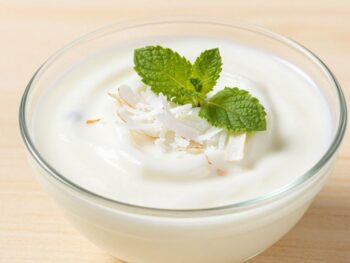
| Typical use level | Yogurt: 3-8% of total weight; ice cream: 8-15% of formulation; plant-based milk: 1-3% for light sweetening |
| Flavor pairing | Excellent with vanilla, caramel, chocolate, coffee, and chai flavors; requires evaluation with berry and citrus profiles (caramel note may conflict) |
| Color impact | Produces light tan to medium brown color in dairy products — not suitable for white-colored yogurt or vanilla ice cream if visual whiteness is required |
| Mouthfeel | Slightly fuller mouthfeel than refined sugar in dairy applications — often perceived positively as 'richer' texture |
| Plant-based positioning | Strong clean label alignment with oat milk, almond milk, and coconut-based products — coconut sugar origin story is natural extension of coconut product lines |
| Freeze-thaw stability | Similar behavior to brown sugar in frozen applications — no specific adjustment needed |
7. Sauces, Marinades, and Condiments
| Parameter | Specification |
| Typical use level | Sweet sauces (BBQ, teriyaki): 10-30% of total weight; vinaigrettes: 3-8%; Asian-style condiments: 5-15% |
| Dissolution | Dissolves readily in aqueous sauce systems at room temperature with mild agitation |
| Flavor synergy | Natural affinity with soy sauce (umami + caramel), ginger, garlic, and citrus — reduces need for added caramel color in brown sauces |
| Caramelization for glazes | Excellent for oven and grill glazes — caramelizes at lower temperature, producing beautiful amber-brown color at moderate heat |
| Maillard in cooking | Accelerates browning when applied to protein surfaces before cooking — desirable for most grilled and roasted applications |
| Label claim | 'Sweetened with coconut sugar', 'no refined sugar', 'natural ingredients' — aligns with clean label condiment positioning |
8. Breakfast Cereals and Porridge Products
| Parameter | Specification |
| Typical use level | Coated cereals: 8-20% of final product weight; instant porridge premix: 5-15% |
| Application method | Dry blending with grain base; hot coating process; spray application in solution form |
| Flavor profile benefit | Caramel-butterscotch note enhances perception of sweetness — allows reduction in actual sweetener quantity by 5-10% vs equivalent white sugar |
| Color | Golden-brown coating color — aligns with 'whole grain', 'natural', and 'toasted' visual positioning |
| Texture after baking | Provides slight caramelized crunch — consumer-preferred in premium cereal positioning |
| Clean label alignment | 'Sweetened with coconut sugar only', 'refined sugar-free' — growing demand in premium breakfast category |
9. Protein and Functional Food Products
| Parameter | Specification |
| Typical use level | Protein bars: 5-15%; functional powder blends: 3-8%; meal replacement shakes: 5-10% |
| Low GI positioning | GI ~35 supports 'low GI' ingredient claim — enables finished product low GI positioning (verify at finished product level per ISO 26642:2010) |
| Protein interaction | Coconut sugar's reducing sugars can participate in Maillard reaction with proteins — relevant for shelf life and color in high-protein baked bars |
| Clean label advantage | Recognized, single-ingredient sweetener — supports clean label positioning increasingly demanded in health and sports nutrition segment |
| Palatability | Caramel notes mask bitter notes common in protein concentrates and plant-based proteins — often reduces need for masking agents |
| Regulatory (US) | 'Low GI' claims require finished product testing per FDA guidance — coconut sugar ingredient GI does not automatically confer low GI status to finished product |
10. Fermented Products — Kombucha and Kefir
| Parameter | Specification |
| Typical use level | Kombucha: 5-10% of total brew volume for primary fermentation; adjusted per SCOBY culture requirements |
| Fermentability | Fully fermentable — sucrose, fructose, and glucose all available for SCOBY and bacteria metabolism |
| Residual flavor | Post-fermentation, some caramel notes may persist — evaluate final flavor profile; generally positive in kombucha and tea-based kefir |
| Color in finished product | Slightly darker brew color than white sugar ferments — may affect final visual appearance; evaluate against product color standard |
| Brix consistency | Critical for fermentation control — always verify Brix in COA per lot to ensure consistent fermentation conditions across production batches |
| Organic application | USDA NOP certified coconut sugar supports 'certified organic' kombucha formulations — Transaction Certificate per lot required |
11. Baby Food and Toddler Products (With Important Caveats)
| Parameter | Specification |
| Regulatory status | No specific restriction on coconut sugar in baby food under US FDA or EU regulations — check destination market regulations |
| WHO/UNICEF guidance | WHO recommends no added sugars in foods for children under 2 — verify positioning carefully before using in infant food category |
| Inulin consideration | Coconut sugar's inulin content may cause digestive discomfort in very young children at high doses — keep use levels minimal if applicable |
| Flavor contribution | Mild caramel note — generally well-received in toddler product flavor development |
| Clean label positioning | 'Naturally sweetened with coconut sugar' — resonates with health-conscious parent segment in toddler food category |
| Recommendation | Consult regulatory specialist before launching coconut sugar-containing products in infant or baby food category in any market |
12. Premium and Artisan Products — Craft Chocolate, Artisan Bakery, and Specialty Confectionery
| Parameter | Specification |
| Market positioning | Single-origin coconut sugar from Java, Indonesia — provenance story adds premium positioning value beyond ingredient functionality |
| Typical segment | Bean-to-bar chocolate, craft bakery, artisan confectionery, premium gift food, D2C health food brands |
| Origin story value | Indonesian smallholder farmer heritage, traditional production methods — resonates with premium consumer market increasingly interested in ingredient provenance |
| Certification combination | USDA Organic + BRCGS + traceable origin = maximum premium positioning and retail vendor compliance simultaneously |
| Price acceptance | Premium segments accept 25-40% ingredient cost premium over conventional sugar — margin preserved through retail pricing |
| Private label option | Custom grade, packaging, and origin documentation available for brand-specific formulation requirements |
Label Claims Enabled by Coconut Sugar: What You Can and Cannot Say
For a complete breakdown of the science behind coconut sugar's glycemic index and what it means for label claims, see our article on the glycemic index of coconut sugar.
For the full certification checklist relevant to food manufacturer vendor compliance, see what certifications a coconut sugar supplier should have.
| Label Claim | Allowed? | Conditions | Market Specific Notes |
| 'Refined sugar-free' | ✅ Yes | Coconut sugar is unrefined — legitimately claimed | No specific regulatory definition — generally accepted as marketing claim in US, EU, AU |
| 'Natural sweetener' | ✅ Yes | Minimal processing, single ingredient | FDA has no formal definition of 'natural' for sweeteners — broadly accepted |
| 'Made with coconut sugar' | ✅ Yes | Coconut sugar is the named sweetener in formula | Standard ingredient claim — no regulatory barrier |
| 'No refined sugar' | ✅ Yes | If no refined sugar (white, brown) is present in formulation | Verify all other ingredients — avoid claim if other refined sugars present |
| 'Low GI' (product) | ⚠️ Conditional | Requires finished product GI testing per ISO 26642:2010 — coconut sugar ingredient GI does not automatically confer | US: no FDA-approved low GI claim. EU: regulated under EC 1924/2006. AU: GI symbol program available |
| 'USDA Organic' | ✅ Yes (with documentation) | Supplier must hold current NOP certificate; TC per lot required; US buyer may need handler certificate | US market only — EU Organic is separate certification |
| 'Clean label' | ✅ Yes | Consumer-recognized ingredient name, single ingredient | Not a regulated claim — accepted as marketing positioning |
| 'Diabetic-friendly' | ❌ No | No regulatory basis for this claim on food products in US or EU without specific medical substantiation | Avoid this claim — coconut sugar still raises blood sugar |
| 'Low calorie' | ❌ No | Coconut sugar ~380 kcal/100g — same caloric density as white sugar | Cannot claim low calorie — misrepresentation |
| 'Sugar-free' | ❌ No | Coconut sugar is sugar — misrepresentation | Strictly prohibited — regulatory violation in all markets |
Substitution Guide: Coconut Sugar for White and Brown Sugar in Commercial Production
| Substitution | Ratio (by weight) | Key Adjustments | Most Suitable Product Categories |
| White sugar → Coconut sugar (full replacement) | 1:1 | Reduce oven temp 5-10°C; expect darker color; increase creaming time 15-30% | Cookies, granola, snack bars, sauces, beverages |
| White sugar → Coconut sugar (partial replacement) | 30-50% coconut | Color and flavor benefits while maintaining lighter color | Cakes, muffins, cereals — where white crumb standard required |
| Brown sugar → Coconut sugar (full replacement) | 1:1 | Minimal adjustment needed — most similar behavioral substitute | All applications — best direct substitution |
| Brown sugar → Coconut sugar (partial replacement) | 50% each | Balance caramel depth with moisture retention of brown sugar | Moist cakes, brownies, dense quick breads |
| Cane juice / turbinado → Coconut sugar | 1:1 | Similar behavior — flavor profile slightly different | Granola, artisan bakery, premium applications |
| Coconut sugar → Coconut nectar syrup | 1 cup sugar = ¾ cup syrup | Reduce other liquids by 3-4 tbsp; adjust oven temp down 10°C | Beverages, sauces, glazes, no-bake applications |
Sourcing Specifications for Food Manufacturers
When specifying coconut sugar for commercial production, the following parameters should be included in purchase orders and supplier qualification documents:
| Specification Parameter | Recommended Requirement | Why It Matters for Production |
| Moisture content | Max 3.0% — test per COA per lot | Consistent moisture critical for product shelf life and water activity |
| Particle size | Specify grade: fine (<1mm), medium (1-3mm), or coarse (3-6mm) | Affects dissolution rate, texture, and visual appearance in finished product |
| Color (ICUMSA) | Specify acceptable range — test per lot | Color variation between lots can affect finished product consistency |
| BRCGS Food Safety | Grade A minimum | Required for vendor approval at most EU and US major retailers |
| Organic certification | USDA NOP (for US) or EU Organic (for EU) + TC per lot | Required to support organic label claims — verify per shipment |
| Sulphite content | Negative (max 10 ppm) — confirm in COA | Allergen declaration required in EU if sulphites > 10 ppm |
| Salmonella | Absent in 25g — accredited lab | Zero tolerance — non-negotiable food safety requirement |
| Total plate count | Max 5,000 CFU/g | Food safety — must be from ISO 17025-accredited laboratory |
| FFA (if relevant) | Max 0.5% — for coconut sugar with higher fat content | Indicator of raw material quality |
| Certificate of Analysis | Per production lot from ISO 17025-accredited lab | Per-lot verification — not just reference sample |
Our article on BRCGS certified coconut sugar suppliers from Indonesia explains what BRCGS certification means in practice for food manufacturing vendor qualification.
For organic specification documentation — including Transaction Certificate requirements per lot — see our guide on exporting organic coconut sugar from Indonesia.
| Source certified coconut sugar for commercial food production Global Coco Sugar supplies BRCGS Food Safety Grade A certified coconut sugar for food manufacturers — in fine, medium, and coarse grades, conventional and organic, with full COA documentation from ISO 17025-accredited laboratories. Technical data sheets and R&D samples available for new product development evaluation. Contact Our Food Industry Sales Team >>> View Our Coconut Sugar Product Range & Specifications >>> |
Conclusion: Coconut Sugar as a Mainstream Food Manufacturing Ingredient
Coconut sugar has earned its place in commercial food manufacturing not just through marketing appeal but through genuine functional utility: Maillard reaction enhancement, clean label compatibility, low GI ingredient positioning, and flavor complexity that reduces the need for additional flavoring agents.
To successfully scale the use of coconut sugar in the food industry, manufacturers must carefully balance its unique chemical properties with specific formulation adjustments.
The technical properties reviewed in this guide represent coconut sugar's current commercial specification — consistent, verifiable, and compatible with food safety standards required by global retail buyers.
For product developers evaluating coconut sugar for new applications, the practical starting point is always the same: request samples with COA, evaluate in your specific formulation at target use levels, conduct sensory panel assessment against your product standard, then scale to commercial production with a certified supplier who can maintain specification consistency across lots.
Frequently Asked Questions
Can coconut sugar replace white sugar 1:1 in commercial food production?
Yes. Coconut sugar can generally replace white sugar at a 1:1 ratio by weight in most food manufacturing applications. However, manufacturers should expect darker product color and may need minor adjustments to processing conditions, particularly in bakery products.
What is the glycemic index of coconut sugar for food labeling purposes?
Coconut sugar is commonly reported to have a glycemic index of approximately 35. However, regulatory claims in many markets must be based on testing of the finished product rather than the ingredient alone.
Does coconut sugar affect shelf life in manufactured food products?
Coconut sugar can influence moisture retention and texture depending on the formulation. In most applications, standard shelf-life testing and water activity evaluation are sufficient to assess product stability.
What food safety certifications should a coconut sugar supplier hold for food manufacturing customers?
Food manufacturers typically look for certifications such as BRCGS, HACCP, ISO 22000, and relevant organic certifications when applicable. Buyers should also request batch-specific documentation, including Certificates of Analysis (COA), as part of supplier qualification.