How Coconut Sugar Is Produced in Indonesia
We often see coconut sugar in stores, but have you ever wondered how it actually gets made, especially in a place like Indonesia where it's a big deal? It's a pretty neat process that starts way up high in the coconut trees.
How Coconut Sugar is Produced in Indonesia : Collecting Sap From The Coconut Palm
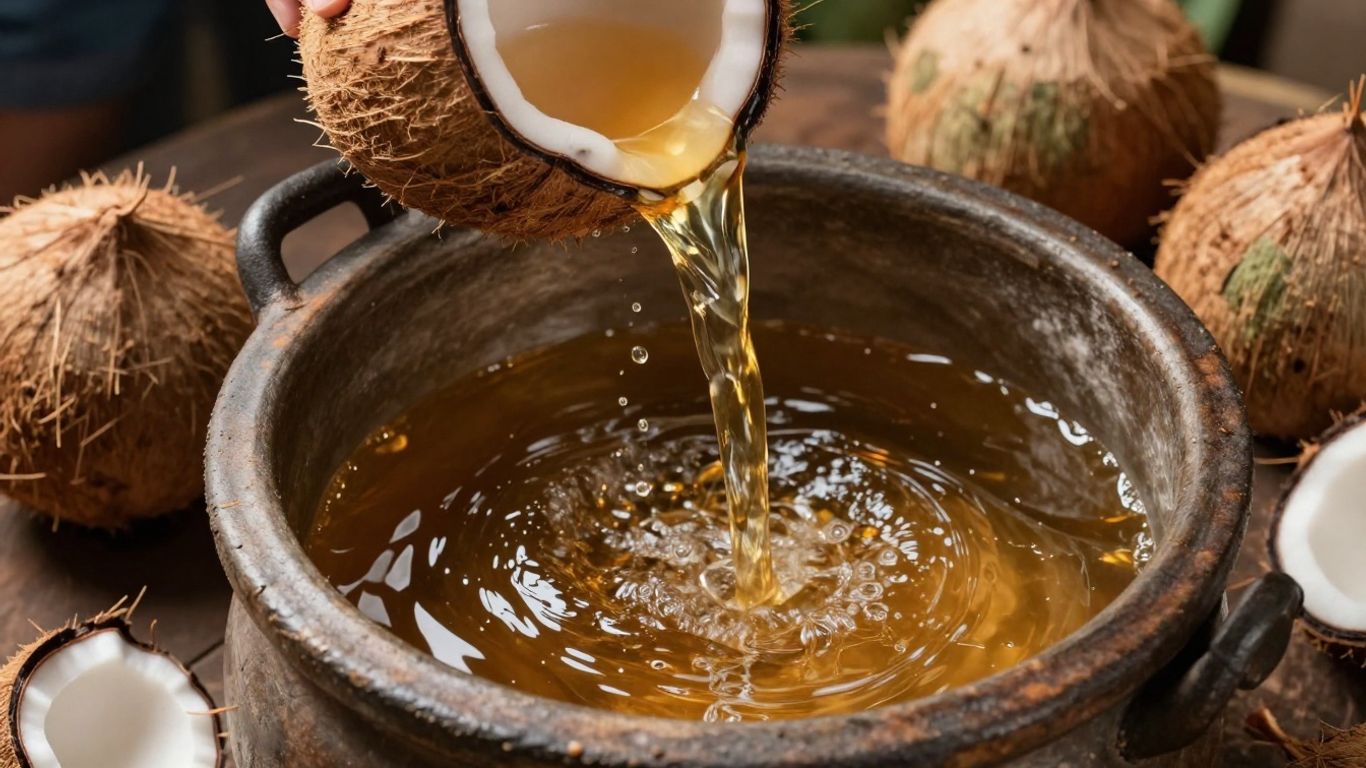
How Coconut Sugar is Produced in Indonesia? It all begins with the flower buds of the coconut palm. Farmers, who are really skilled at climbing these tall trees, carefully make a small cut into the unopened flower bud. From this cut, a sweet, clear liquid starts to flow out. This liquid is called sap.
They collect this sap in containers, usually bamboo or plastic ones, that they hang there. This has to be done carefully and often twice a day. The sap is mostly water with natural sugars, and it's important to collect it quickly, usually within 12 hours, so it doesn't start to ferment. A single tree can give a decent amount of sap each day, maybe a liter or two.
How Coconut Sugar is Produced in Indonesia : Transforming Sap Into Sweet Crystals
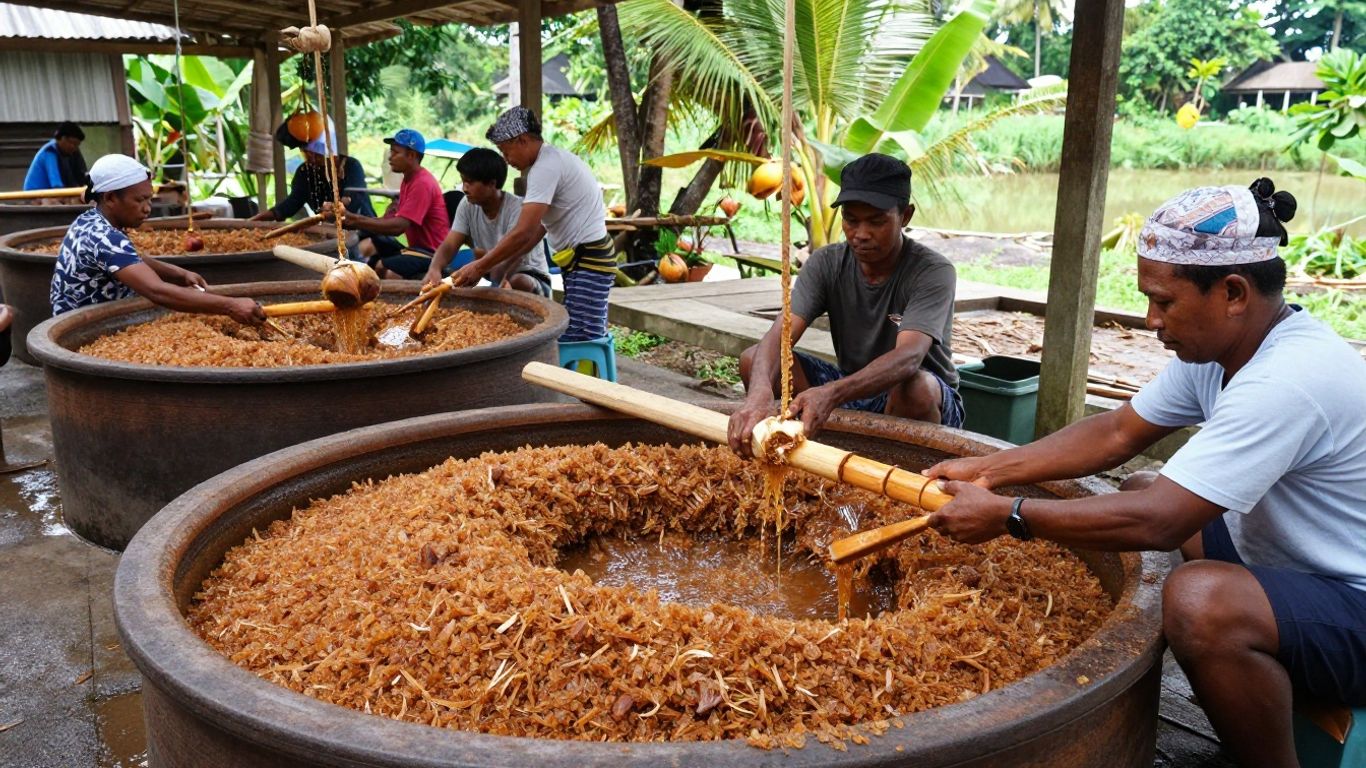
Once the sap is collected, it's not sugar yet. We need to get rid of the water. The farmers take the sap and pour it into big pans, often heated over a wood fire. This is where the magic happens. They heat the sap, and as the water evaporates, the liquid gets thicker and thicker. It turns into a syrup, kind of like what you'd see with maple syrup, but with a different flavor. Constant stirring is key here to stop it from burning and to make sure it all cooks evenly.
As it cooks down, it starts to change color, getting darker and developing that caramel-like taste we know. When it reaches the right thickness, they take it off the heat. Sometimes it's poured into molds to cool and harden into blocks, or it's stirred more as it cools to break into small grains, which is the granulated coconut sugar we usually buy. It's a simple process, really, just heating and stirring, but it takes a lot of care to get it just right.
The Journey From Flower Bud To Sweetener
How Coconut Sugar is Produced in Indonesia : Tapping The Trees For Sap
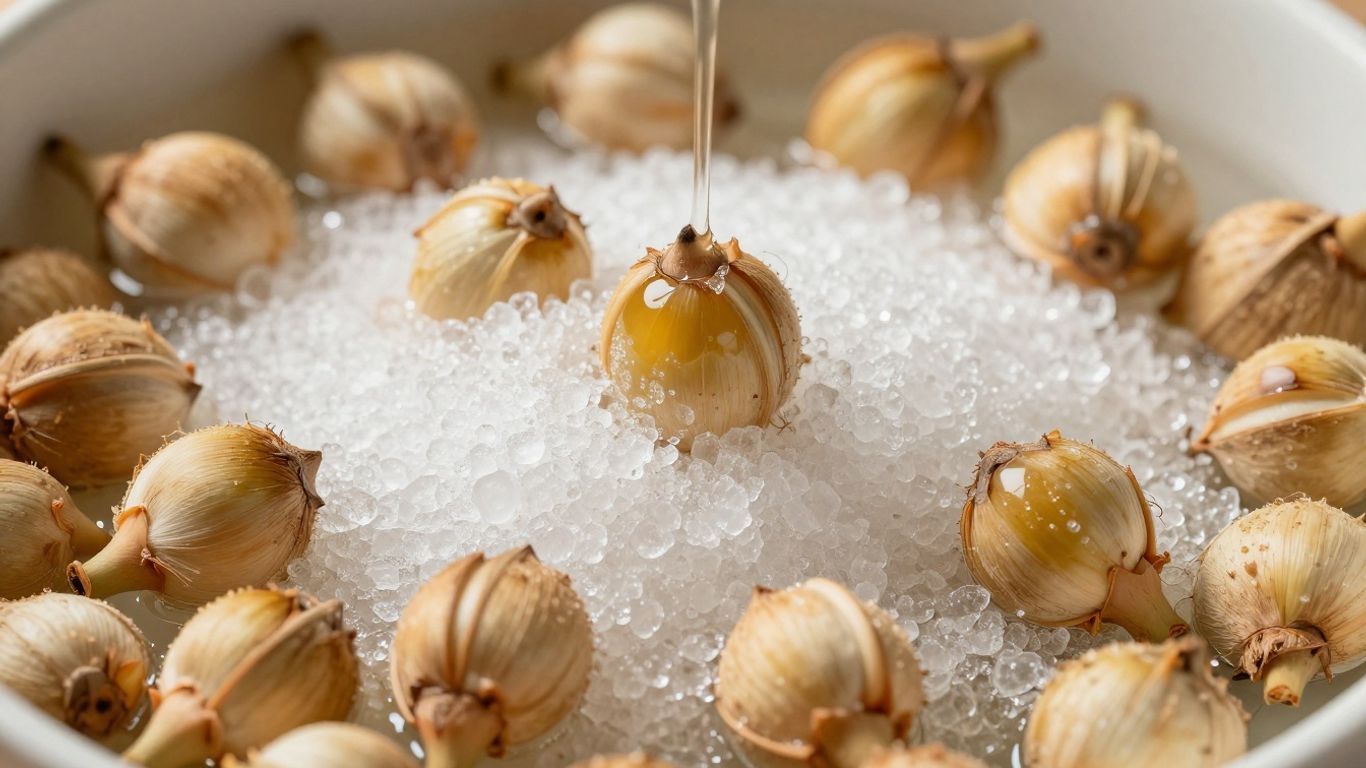
How Coconut Sugar is Produced in Indonesia, It all begins with the coconut palm, a tree that gives us so much. We carefully tap into the flower buds, also known as the inflorescence, of the coconut palm. This isn't a quick job; it requires a gentle touch and a lot of patience. Farmers have been doing this for ages, using traditional methods passed down through families.
The sap that drips out is a clear, slightly sweet liquid. We collect this sap in small containers, making sure not to harm the tree so it can keep producing. This sap is the very first step in making our delicious coconut sugar. It’s a natural process that respects the tree and the environment. The collected sap needs to be processed quickly, usually within a day, to keep it fresh and prevent it from fermenting. This fresh sap is the foundation for the unique flavor of coconut sugar.
How Coconut Sugar is Produced in Indonesia : Boiling And Evaporating The Sap
Once we have collected the sap, the next step is to transform it into something sweet. We take the sap to a processing area where it's heated. This is done in large pans, either over controlled fires for a more traditional approach or using modern equipment. The main goal here is to let the water evaporate. As the water boils away, the sap gets thicker and thicker, turning into a rich, caramel-like syrup.
We have to watch the temperature closely during this stage. If it gets too hot, the sugar can burn, and that would ruin the taste. We want to keep that lovely, subtle caramel flavor that makes coconut sugar special.
This careful boiling process concentrates the natural sugars present in the sap. The result is a thick, amber-colored syrup that's ready for the final stage. It’s quite a sight to see the clear sap turn into this deep, sweet liquid. This transformation is a key part of how coconut sugar is made, retaining many of the natural elements from the original sap coconut palm's sap.
Ensuring Quality In Coconut Sugar
Traditional Methods Meet Modern Standards
When we look at how coconut sugar is made, we see a blend of old ways and new ideas. For a long time, people have collected sap from coconut palms and boiled it down. This traditional method gives coconut sugar its unique taste and color. But to make sure it's good for everyone, everywhere, we also use modern checks. This means looking closely at things like how fine the sugar crystals are and how much moisture is in them.
We want to make sure that every bag of coconut sugar we produce is just right, no matter where it's going. It's about keeping that natural goodness while meeting today's needs. We work with farmers who know the old ways but also use updated tools to help with things like filtering the sap. This helps us get a cleaner product right from the start. It’s a careful balance, really.
The Importance Of Careful Processing
Making sure our coconut sugar is top-notch involves paying attention to every little step. The way the sap is boiled, for instance, really changes the final product. If it gets too hot for too long, the sugar can get darker and taste more like caramel. If we keep the heat just right, we get a lighter color and a milder flavor. We also check the moisture content, because too much can make the sugar clump up. Keeping the moisture low helps it stay free-flowing and last longer.
We aim for a consistent grain size too, so it works well in baking or whatever you're using it for. Some producers might use things like lime to help with processing, but we stick to just heat and stirring for a clean, natural product. This careful handling means you get a pure, reliable sweetener every time. It’s important for us that the sugar we provide meets strict standards, like those found in SNI 01-2978-1992 quality standards, which helps us confirm the sugar content is just right.
Making sure our coconut sugar is top-notch is super important. We carefully check every step, from how it's grown to how it's packed, to guarantee you get the best quality. This commitment means you can trust the pure, natural goodness in every spoonful. Want to know more about our quality checks? Visit our website today!
Wrapping It Up : How Coconut Sugar is Produced in Indonesia
So, that's pretty much the lowdown on how we get that sweet coconut sugar. It's a pretty neat process, really, starting from the sap of a coconut tree and ending up as that lovely granular stuff we use.
We've seen how it's done traditionally and how things have changed a bit with modern methods, but the core idea stays the same. It’s cool to know that this sugar is not just tasty but also comes from a pretty sustainable source, supporting farmers along the way. We hope this gives you a good idea of what goes into making it.