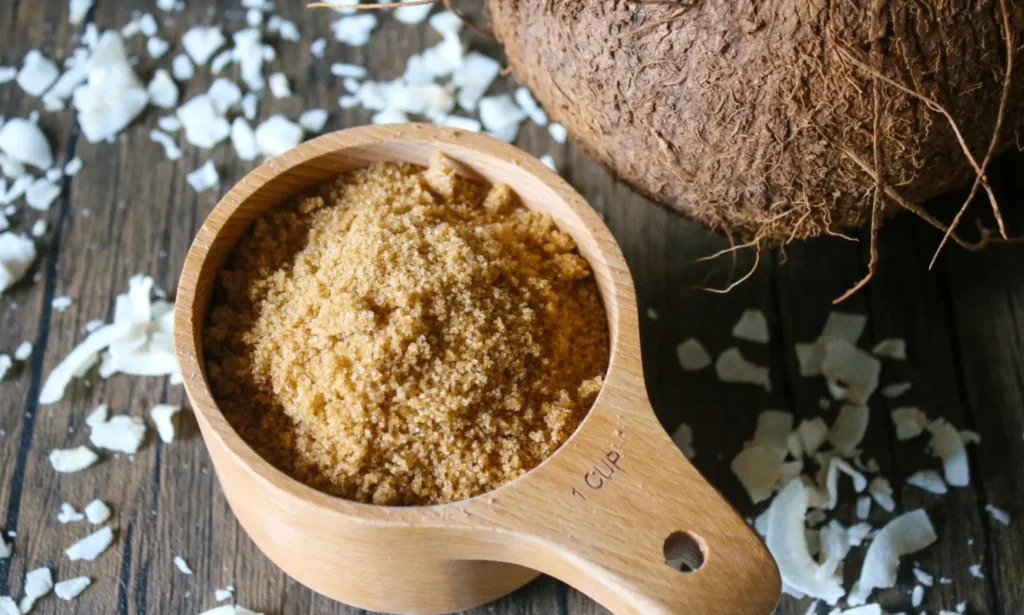
Category: Recipes & Cooking Tips

  • Why Chefs Are Replacing Brown Sugar with Coconut Sugar

    Why Chefs Are Replacing Brown Sugar with Coconut Sugar

    In recent years, kitchens around the world — from high-end restaurants to artisanal bakeries — have seen a quiet shift in sweeteners. Coconut sugar, once a niche product in health food stores, is now becoming a favorite among professional chefs. While brown sugar has been a pantry staple for decades, more culinary experts are experimenting with coconut sugar for its flavor, versatility, and perceived health benefits. This trend is not just a passing fad — it reflects deeper changes in consumer tastes, dietary preferences, and sustainability priorities.


    1. The Flavor Advantage

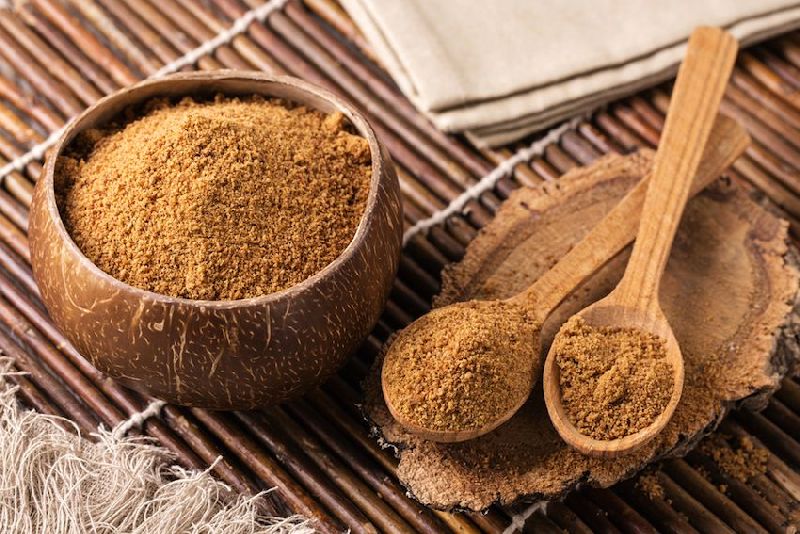
    One of the primary reasons chefs are turning to coconut sugar is its complex flavor profile. Derived from the sap of coconut palm blossoms, coconut sugar offers a caramel-like sweetness with subtle notes of butterscotch and molasses. This depth of flavor allows it to enhance recipes without overpowering them.

    While brown sugar also has a molasses-like taste, it can sometimes be sharper and more dominant, especially in delicate recipes. Coconut sugar’s more rounded sweetness pairs beautifully with everything from baked goods to savory dishes. Chefs often note that it blends seamlessly into sauces, glazes, and marinades, adding a natural richness without the harsh edge that brown sugar can bring.


    2. Health-Conscious Dining Trends

    Modern diners are increasingly health-aware, and restaurants are adjusting accordingly. Coconut sugar appeals to this audience because it is often marketed as a more natural, less refined sweetener. It retains small amounts of nutrients from the coconut palm sap — such as iron, zinc, calcium, and potassium — and contains antioxidants.

    Additionally, coconut sugar has a lower glycemic index (GI) than refined white or brown sugar, meaning it may cause a slower rise in blood sugar levels. While it’s still sugar and should be consumed in moderation, this perceived advantage allows chefs to present it as a “better” choice for health-conscious customers without compromising flavor.


    3. The Push for Natural Ingredients

    The clean-label movement — the preference for foods with short, recognizable ingredient lists — has influenced everything from packaged snacks to fine dining. Brown sugar is essentially refined white sugar with added molasses, while coconut sugar is minimally processed. The production process involves collecting the sap from coconut blossoms, heating it to evaporate the water, and granulating it into crystals.

    Chefs value this simplicity because it allows them to tell a transparent sourcing story to their guests. For farm-to-table restaurants, this fits perfectly into a narrative of fresh, natural, and sustainably sourced ingredients.


    4. Sustainability and Ethical Sourcing

    Coconut sugar production is often touted as more sustainable than cane sugar cultivation. Coconut palms can grow in diverse climates and soil types, require less water, and produce sap for many years without needing replanting. Unlike sugarcane farming, which can be resource-intensive and linked to deforestation in some regions, coconut palms provide multiple products — coconuts, coconut water, coconut oil, and sugar — making them an efficient crop.

    For chefs committed to sustainable sourcing, this is a major selling point. Restaurants increasingly highlight ingredient origin and ethical sourcing on menus, and coconut sugar’s eco-friendly profile gives them a compelling talking point.


    5. Versatility in the Kitchen

    Brown sugar has long been loved for its ability to add moisture, depth, and caramel notes to recipes. However, coconut sugar can do all of that — and more.

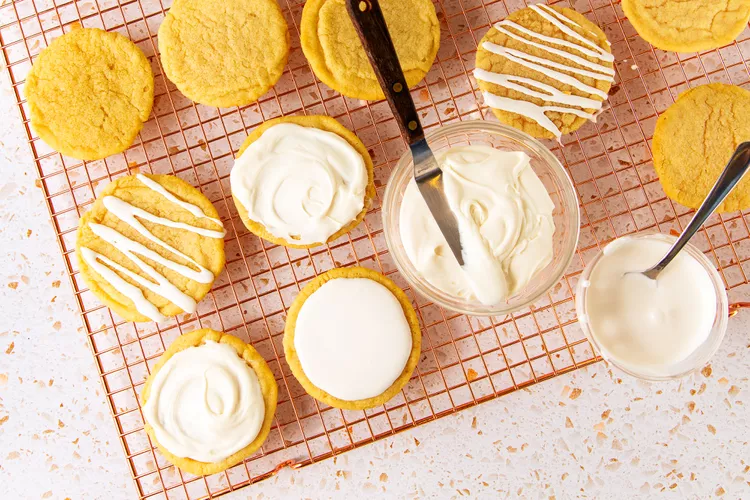
    In baking: Coconut sugar can often be substituted 1:1 for brown sugar in cookies, cakes, and muffins. It produces baked goods with a gentle sweetness and rich color, and its lower moisture content makes it less prone to clumping.

    In savory dishes: Chefs use coconut sugar to balance acidity and spice in sauces, stir-fries, curries, and marinades. It’s particularly popular in Southeast Asian cuisine, where palm-based sweeteners have been traditional for centuries.

    In beverages: From coffee drinks to craft cocktails, coconut sugar dissolves easily and adds a nuanced flavor that pairs well with both hot and cold drinks.


    6. Catering to Dietary Lifestyles

    Coconut sugar’s popularity is also boosted by its compatibility with certain diets. While it’s not low-carb or sugar-free, it is considered acceptable in many paleo and plant-based eating plans. Vegan diners, in particular, appreciate that coconut sugar is naturally vegan — unlike some cane sugars, which are processed using bone char.

    For chefs who need to accommodate a range of dietary needs without stocking dozens of alternative sweeteners, coconut sugar offers a single solution that works for multiple customer groups.


    7. The Shift Toward Global Flavors

    As chefs explore global cuisines, they encounter coconut sugar in traditional recipes from Indonesia, Thailand, and the Philippines, where palm-based sweeteners have been used for centuries. Integrating coconut sugar into modern menus is a way to bring authenticity to these dishes while introducing diners to new flavor experiences.

    For example, in Indonesian cooking, gula jawa (coconut sugar) is essential for the balance of sweet, sour, and spicy in dishes like satay sauce and beef rendang. By adopting coconut sugar, chefs not only enhance authenticity but also tap into the growing popularity of Asian flavors in Western dining.


    8. Cost Considerations

    Historically, coconut sugar was more expensive than brown sugar, limiting its adoption in large-scale operations. However, increased global production and demand have brought prices down in recent years. While it’s still pricier, chefs are willing to absorb the cost for premium dishes where quality and storytelling justify the price.

    In some cases, restaurants use coconut sugar selectively — in signature desserts, craft cocktails, or high-margin menu items — where its unique qualities shine and the price difference has minimal impact on profitability.


    9. Challenges and Limitations

    While coconut sugar offers many benefits, it’s not without drawbacks:

    • Moisture content: It lacks the stickiness of brown sugar, so recipes that rely on that texture may need adjustment.
    • Color and flavor: Its darker hue can alter the appearance of light-colored baked goods, and its caramel notes may not suit every dish.
    • Shelf life: Like other natural sweeteners, it can harden over time if not stored properly.

    Chefs who switch from brown sugar must be prepared to tweak recipes to achieve the desired results.


    10. The Future of Coconut Sugar in Professional Kitchens

    As diners become more informed and selective, chefs are under pressure to offer not just great flavor but also ethical sourcing, clean ingredients, and innovative twists. Coconut sugar checks all of these boxes. Its rich, versatile flavor, natural production process, and sustainability credentials make it more than just a substitute for brown sugar — it’s a way for chefs to elevate their craft.

    In the coming years, we can expect to see coconut sugar appear more frequently in:

    • Artisan bakery products such as sourdough loaves, pastries, and gourmet cookies.
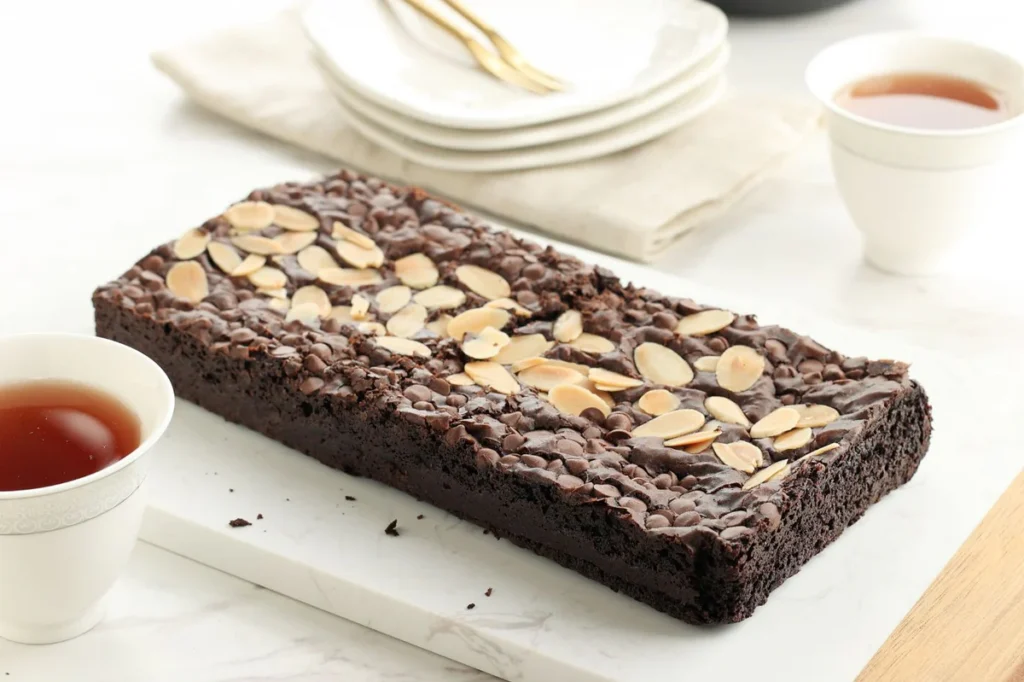
    • Plant-based desserts like dairy-free ice cream, vegan brownies, and coconut milk puddings.
    • Signature drinks including spiced lattes, health tonics, and rum-based cocktails.
    • Modern fusion cuisine blending global flavors with local ingredients.

    As supply chains improve and consumer awareness grows, coconut sugar’s role in professional kitchens is likely to expand well beyond niche health menus, firmly establishing it as a mainstream, chef-approved sweetener.


  • Cooking with Coconut Sugar: 7 Delicious Recipes to Try

    Cooking with Coconut Sugar: 7 Delicious Recipes to Try

    Coconut sugar has become a popular natural sweetener among home cooking and health-conscious food lovers. Made from the sap of coconut palm blossoms, it has a caramel-like flavor and a lower glycemic index than refined white sugar. Beyond its nutritional benefits, coconut sugar is versatile—it blends seamlessly into both sweet and savory dishes. In this article, we’ll explore seven delicious recipes that showcase coconut sugar’s rich taste and adaptability in your kitchen.


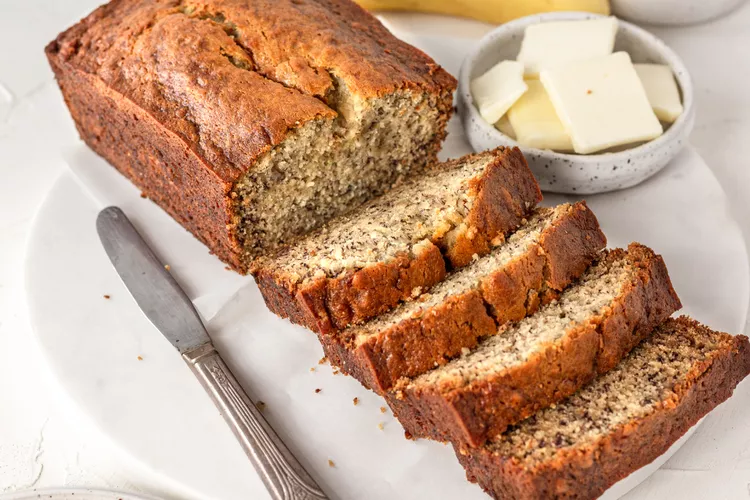
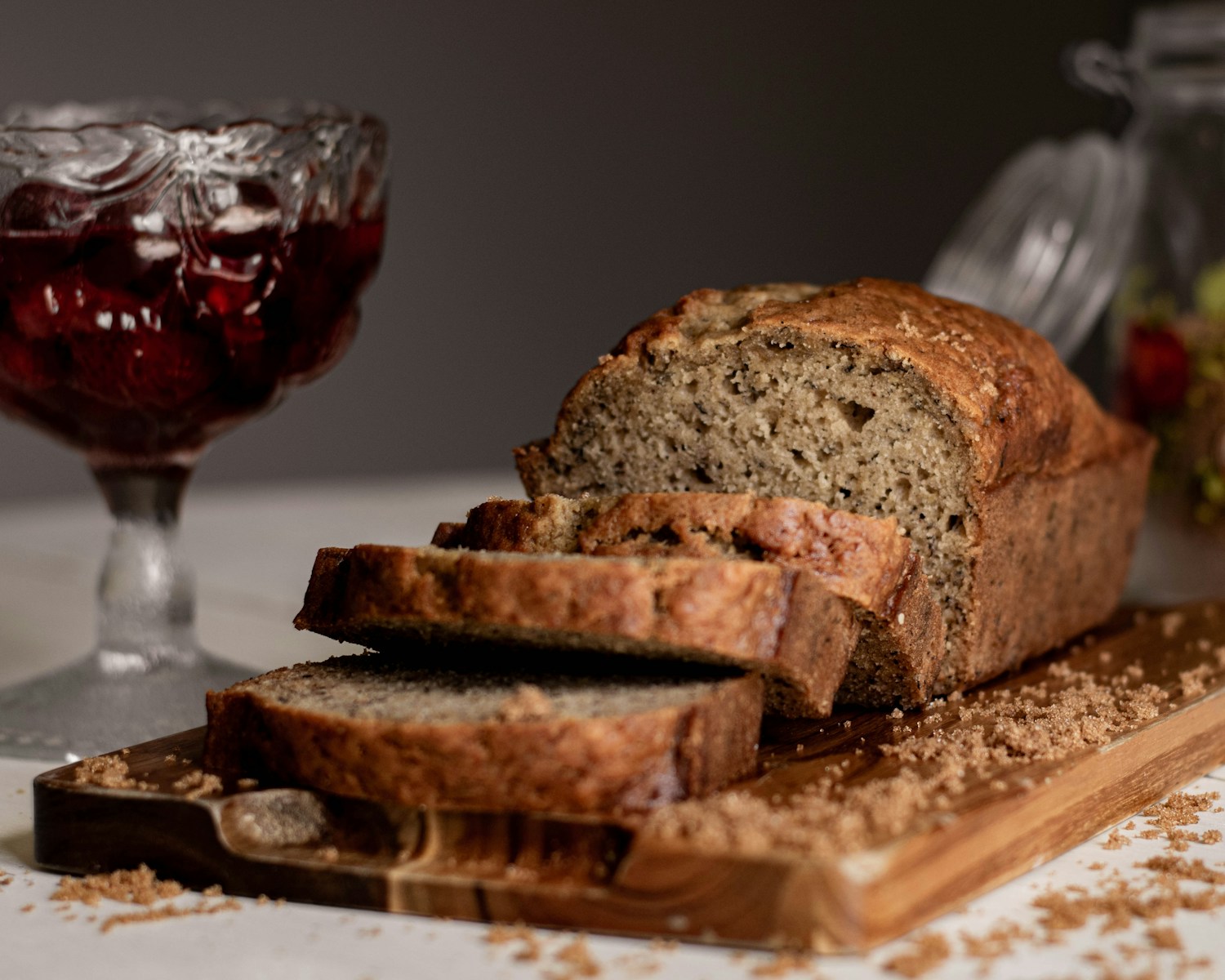
    1. Coconut Sugar Banana Bread

    A wholesome twist on the classic, this banana bread is naturally sweetened for a warm, caramel aroma.
    Ingredients:

    • 3 ripe bananas (mashed)
    • ½ cup coconut sugar
    • 1 egg
    • ¼ cup coconut oil (melted)
    • 1 tsp baking soda
    • 1 ½ cups all-purpose or whole wheat flour
    • Pinch of salt

    Instructions:

    1. Preheat oven to 175°C (350°F).
    2. Combine mashed bananas, coconut sugar, egg, and coconut oil.
    3. Fold in flour, baking soda, and salt.
    4. Pour into a greased loaf pan and bake for 45–50 minutes.

    Result: Moist, sweet, and with a hint of caramel flavor.


    2. Coconut Sugar Caramel Sauce

    This sauce is perfect over pancakes, ice cream, or fruit.
    Ingredients:

    • 1 cup coconut sugar
    • ½ cup coconut cream
    • 2 tbsp coconut oil
    • Pinch of sea salt

    Instructions:

    1. In a saucepan, melt coconut sugar with coconut oil over medium heat.
    2. Stir in coconut cream and cook until thickened (5–7 minutes).
    3. Add sea salt and stir well.

    Result: A rich, dairy-free caramel that’s naturally sweet.


    3. Sweet & Spicy Coconut Sugar Glazed Salmon

    An easy dinner with a gourmet touch.
    Ingredients:

    • 4 salmon fillets
    • 3 tbsp coconut sugar
    • 2 tbsp soy sauce
    • 1 tbsp lime juice
    • 1 tsp grated ginger

    Instructions:

    1. Mix coconut sugar, soy sauce, lime juice, and ginger.
    2. Brush glaze over salmon fillets.
    3. Bake at 200°C (400°F) for 12–15 minutes until cooked through.

    Result: A savory-sweet glaze that complements the richness of salmon.


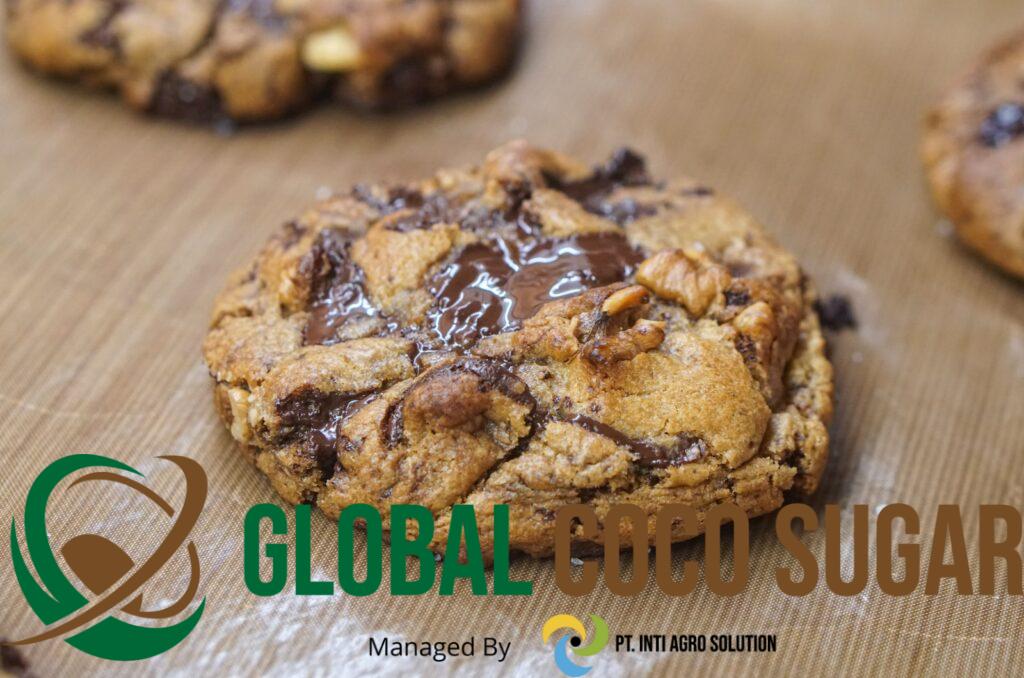
    4. Coconut Sugar Chocolate Chip Cookies

    A healthier version of a beloved treat.
    Ingredients:

    • ½ cup coconut oil (softened)
    • ¾ cup coconut sugar
    • 1 egg
    • 1 tsp vanilla extract
    • 1 ½ cups flour
    • 1 tsp baking soda
    • ½ cup chocolate chips

    Instructions:

    1. Beat coconut oil, coconut sugar, egg, and vanilla until smooth.
    2. Stir in flour and baking soda, then fold in chocolate chips.
    3. Drop spoonfuls onto a baking sheet and bake at 175°C (350°F) for 10–12 minutes.

    Result: Chewy cookies with a subtle caramel taste.


    5. Thai Coconut Sugar Iced Coffee

    A café-style drink you can make at home.
    Ingredients:

    • 1 cup brewed strong coffee
    • 2 tbsp coconut sugar
    • ½ cup coconut milk
    • Ice cubes

    Instructions:

    1. Stir coconut sugar into hot coffee until dissolved.
    2. Pour over ice and top with coconut milk.

    Result: Smooth, creamy, and naturally sweetened.


    6. Coconut Sugar Roasted Sweet Potatoes

    A healthy side dish with a touch of sweetness.
    Ingredients:

    • 3 medium sweet potatoes (cubed)
    • 2 tbsp coconut sugar
    • 2 tbsp olive oil
    • 1 tsp cinnamon

    Instructions:

    1. Toss sweet potato cubes with coconut sugar, oil, and cinnamon.
    2. Roast at 200°C (400°F) for 25–30 minutes until tender.

    Result: A caramelized, slightly crispy coating with warm spices.


    7. Coconut Sugar Energy Bites

    A no-bake snack for quick energy.
    Ingredients:

    • 1 cup rolled oats
    • ½ cup almond butter
    • 3 tbsp coconut sugar
    • 2 tbsp chia seeds
    • 2 tbsp cocoa powder

    Instructions:

    1. Mix all ingredients until combined.
    2. Roll into small balls and chill for 30 minutes.

    Result: Nutty, chocolaty bites perfect for on-the-go snacking.


    Why Choose Coconut Sugar for Cooking?

    Aside from its rich flavor, coconut sugar is less processed than refined sugar, retaining trace minerals like iron, zinc, and potassium. Its lower glycemic index makes it a popular choice for those looking to moderate blood sugar spikes. Its caramel notes pair well with both desserts and savory glazes, making it one of the most versatile natural sweeteners in the kitchen.


    Final Thoughts
    Cooking with coconut sugar allows you to enjoy sweetness in a more wholesome way. From baked goods to glazes and drinks, its deep flavor elevates everyday dishes into something special. Whether you’re looking to make a comforting banana bread or a refreshing iced coffee, coconut sugar offers a deliciously natural twist on traditional recipes.


  • The Role of Coconut Milk in Traditional Southeast Asian Cuisine

    The Role of Coconut Milk in Traditional Southeast Asian Cuisine

    Introduction: A Culinary Essential with Cultural Depth

    From the aromatic curries of Thailand to the rich stews of Indonesia and the delicate desserts of the Philippines, coconut milk is one of the most iconic and indispensable ingredients in Southeast Asian cuisine. Derived from the grated flesh of mature coconuts, coconut milk adds depth, creaminess, and subtle sweetness to a wide variety of dishes.

    But coconut milk is more than just a cooking staple—it represents the intersection of food, culture, and tropical abundance. Its use is deeply embedded in the region’s history, rituals, and everyday life. This article explores how coconut milk plays a vital role in traditional Southeast Asian cooking, its preparation, cultural significance, and the variety of dishes it helps define.


    What Is Coconut Milk?

    Coconut milk is a liquid extract made from grated mature coconut meat, typically mixed with warm water and squeezed or pressed to release its creamy, white content. It comes in two forms:

    • Thick Coconut Milk: The first pressing, rich and creamy, often used in finishing dishes or desserts.
    • Thin Coconut Milk: The second pressing (after more water is added), lighter and used in soups or simmering sauces.

    Unlike coconut water (the liquid inside green coconuts), coconut milk is rich in healthy fats and has a smooth texture that balances spices and enhances flavors in both savory and sweet dishes.


    Cultural and Historical Context

    Coconuts have long been called the “Tree of Life” in tropical regions. In Southeast Asia, the coconut tree is more than a food source—it’s a cultural symbol of nourishment, self-sufficiency, and hospitality. Coconut milk has been used for centuries in traditional cooking across nations like:

    • Indonesia (santan)
    • Thailand (nam kati)
    • Malaysia (santan)
    • Philippines (gata)
    • Vietnam (nước cốt dừa)
    • Myanmar (ohn hnin)

    The prevalence of coconut milk in these cuisines stems from both geography and heritage—with coconuts growing abundantly across coastal and island regions.


    Coconut Milk in Savory Dishes

    🍛 1. Curries and Stews

    Coconut milk is most famously used in curries, where its creamy texture tempers the heat of chili and harmonizes complex spice blends. Each country has its own take:

    • Thai curries (green, red, panang): Use coconut milk as a base, giving a silky texture and subtle sweetness.
    • Indonesian rendang: A slow-cooked beef dish where coconut milk reduces to create a caramelized, tender, flavor-packed stew.
    • Malaysian laksa: A coconut milk-based noodle soup, combining spicy broth with creamy undertones.

    In each of these dishes, coconut milk is not merely a liquid—it’s a flavor binder, carrying aromatic spices like turmeric, lemongrass, galangal, and kaffir lime.


    🥥 2. Rice and Vegetable Dishes

    Coconut milk also enriches rice dishes:

    • Nasi lemak (Malaysia): Rice cooked in coconut milk, served with sambal, peanuts, and eggs.
    • Gata-style vegetables (Philippines): Squash, beans, or leafy greens cooked in coconut milk, often with fermented shrimp paste or chili.

    These dishes are hearty, aromatic, and showcase the versatility of coconut milk beyond curries.


    🥣 3. Soups and Sauces

    In many Southeast Asian soups, coconut milk is used to add body and comfort. For example:

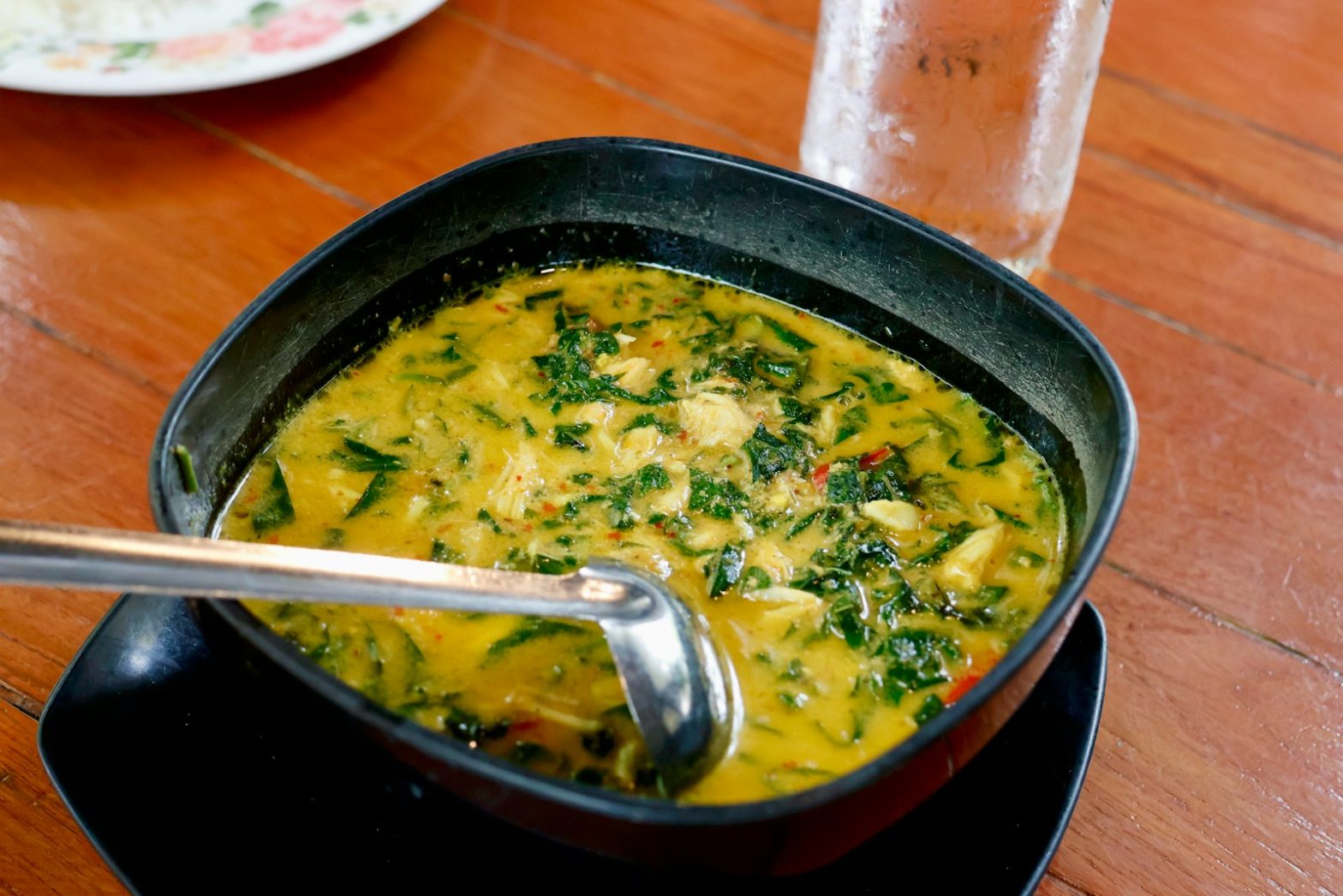
    • Tom kha gai (Thailand): A chicken and galangal soup where coconut milk softens the sour and spicy elements.
    • Ohn no khao swe (Myanmar): A Burmese coconut noodle soup, mild and nourishing.

    Coconut milk also serves as a base for dipping sauces and marinades, especially in grilled seafood or chicken dishes.


    Coconut Milk in Sweets and Desserts

    Coconut milk is a staple in Southeast Asian desserts, often paired with palm sugar, tropical fruits, or sticky rice.

    🍮 1. Sticky Rice and Puddings

    • Mango sticky rice (Thailand): Sweet coconut milk poured over glutinous rice, topped with fresh mango.
    • Ginataang bilo-bilo (Philippines): Rice balls and fruits simmered in coconut milk and sugar.
    • Wajik (Indonesia): Glutinous rice cake cooked in coconut milk and palm sugar.

    🍧 2. Iced and Chilled Desserts

    • Cendol (Malaysia/Indonesia): Iced dessert made with green rice flour jelly, coconut milk, and palm sugar syrup.
    • Halo-halo (Philippines): A colorful mix of sweetened beans, jellies, and shaved ice, topped with coconut milk and leche flan.

    These desserts showcase coconut milk’s ability to balance sweetness and provide a creamy contrast to texture-rich ingredients.


    Ritual and Symbolism in Coconut Milk Use

    In many cultures, coconut milk is used not only in food but in ritual and religious practices. It may be used:

    • In offerings to deities during temple ceremonies (Bali, Thailand)
    • As a purifying agent in house blessings
    • In wedding rituals and celebrations

    In these contexts, coconut milk symbolizes abundance, purity, and blessings. Its presence at sacred and celebratory meals reflects its role in honoring both the divine and the communal.


    Traditional Preparation Techniques

    In many rural communities, coconut milk is still made by hand:

    1. Grating the mature coconut meat using a traditional scraper.
    2. Mixing with warm water to release the milk.
    3. Squeezing through muslin or coconut husk filters.

    The fresh coconut milk produced this way is fragrant, rich, and short-lived, often used immediately in cooking. Though canned versions are now widely available, many Southeast Asian kitchens prefer the aroma and flavor of fresh santan/gata when possible.


    Health and Nutritional Benefits

    While high in saturated fats, coconut milk is composed primarily of medium-chain triglycerides (MCTs), which are metabolized differently than long-chain fats. These fats may offer:

    • Quick energy for the body and brain
    • Anti-inflammatory properties
    • Potential cholesterol regulation when consumed in moderation

    Coconut milk is also lactose-free and vegan, making it an excellent milk substitute in plant-based diets.


    Modern Adaptations and Global Influence

    Today, coconut milk has traveled far beyond Southeast Asia. It’s a staple in:

    • Plant-based cooking as a dairy substitute
    • Fusion cuisines blending Asian flavors with Western techniques
    • Wellness diets, such as paleo and keto recipes

    Chefs and home cooks alike now use coconut milk in smoothies, sauces, baking, and more. Yet, in its countries of origin, it remains a deeply traditional ingredient, rooted in both flavor and heritage.


    Conclusion: More Than Just a Milk

    Coconut milk is a culinary treasure of Southeast Asia—creamy, nourishing, and full of soul. It bridges savory and sweet, ordinary meals and sacred feasts, humble kitchens and high-end restaurants. Its continued use today connects modern eaters to centuries of cultural practice, agricultural wisdom, and the generosity of the coconut tree.

    In every drop of coconut milk lies a taste of tradition, a whisper of the tropics, and a reminder that food, at its best, tells a story.

  • Coconut Nectar in Baking: Tips for Perfect Results

    Coconut Nectar in Baking: Tips for Perfect Results

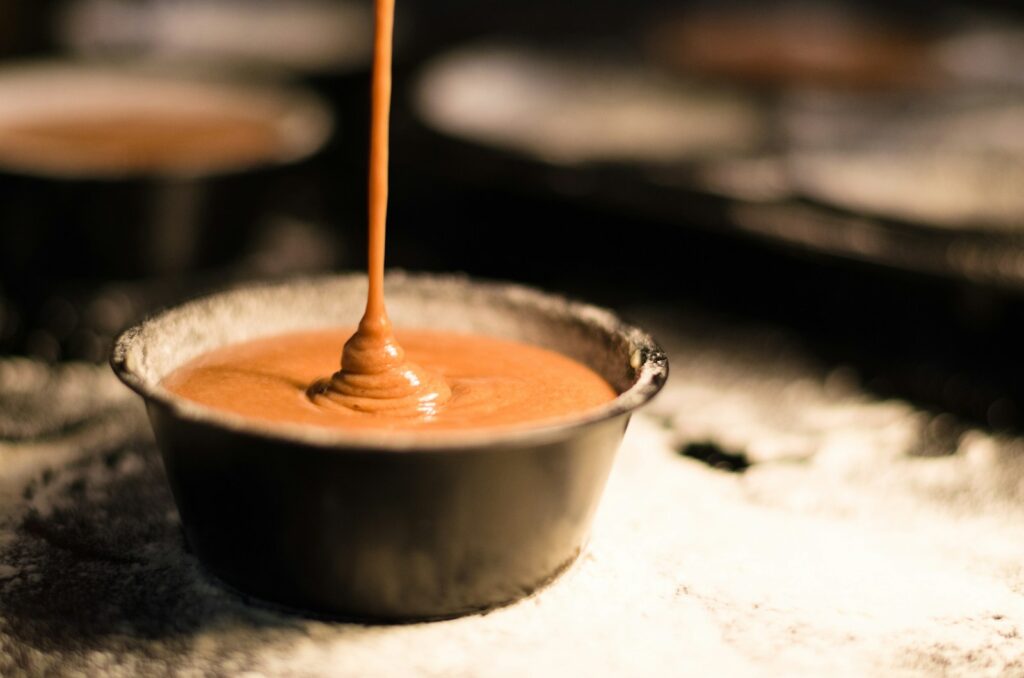
    In the quest for healthier and more sustainable sweeteners, coconut nectar has emerged as a popular alternative to refined sugars and syrups. Derived from the sap of coconut palm blossoms, this golden syrup has a rich, mellow flavor and a lower glycemic index, making it an attractive choice for health-conscious bakers. As interest in natural ingredients grows, so does the use of coconut nectar in home and professional baking. But substituting it for traditional sweeteners comes with nuances. This article explores how to use coconut nectar effectively in baking and offers practical tips for achieving perfect results every time.



    What Is Coconut Nectar?

    Coconut nectar is a natural liquid sweetener tapped from the sap of coconut palm flowers. It is then gently heated to thicken it into a syrup, similar in consistency to honey or maple syrup. Unlike coconut sugar, which is the crystallized form of the same sap, coconut nectar retains more moisture and trace nutrients due to minimal processing.

    Nutritional Profile:

    • Lower Glycemic Index (GI) than refined sugar
    • Contains small amounts of vitamins C and B, amino acids, and minerals like potassium, iron, zinc, and magnesium
    • Unrefined and free from artificial additives or preservatives
    • Suitable for vegan, gluten-free, and paleo diets

    Why Use Coconut Nectar in Baking?

    Coconut nectar’s unique combination of sweetness, depth of flavor, and health benefits makes it a desirable addition to baked goods. Here’s why it’s worth trying:

    1. Natural Sweetness

    Coconut nectar offers a mildly sweet, slightly tangy taste with a hint of caramel. It complements a variety of recipes—from cakes and muffins to cookies and granola.

    2. Moisture Retention

    Its liquid nature helps retain moisture in baked items, which is especially useful in recipes that tend to dry out, like bran muffins or gluten-free baked goods.

    3. Healthier Alternative

    Because of its low GI and trace nutrients, it’s often preferred by people managing blood sugar levels or reducing their intake of refined sugars.

    4. Allergen-Friendly

    Free from dairy, gluten, and soy, coconut nectar suits many dietary needs, making it ideal for allergy-conscious recipes.


    Tips for Baking with Coconut Nectar

    While coconut nectar is versatile, it doesn’t behave exactly like white sugar, brown sugar, or honey. Understanding its characteristics helps ensure success in your baked creations.

    1. Adjust the Liquid Content

    Coconut nectar is a liquid sweetener, so it adds moisture to your recipe. When replacing granulated sugar, you’ll need to reduce other liquid ingredients (milk, water, oil) by about 2 to 4 tablespoons per cup of coconut nectar used.

    2. Modify the Sweetener Ratio

    Coconut nectar is less sweet than white sugar. To match sweetness, use 1 ¼ cups of coconut nectar for every 1 cup of sugar. However, for mildly sweet bakes, a 1:1 ratio might suffice.

    3. Temperature and Baking Time

    Coconut nectar caramelizes faster than refined sugars due to its natural sugars and moisture. To prevent burning:

    • Lower oven temperature by 25°F (about 15°C)
    • Check for doneness 5–10 minutes earlier than the original recipe suggests

    4. Flavor Compatibility

    Coconut nectar’s flavor pairs especially well with warm, earthy, and spiced baked goods, such as:

    • Banana bread
    • Ginger cookies
    • Pumpkin muffins
    • Chocolate cakes
      Avoid recipes where a very neutral flavor is needed, unless you want a subtle caramel undertone.

    5. Use with Baking Soda

    Coconut nectar is slightly acidic. When using it in place of sugar, pair it with baking soda (rather than baking powder) for better leavening and balanced pH in the batter.

    6. Storage and Shelf Life

    Store coconut nectar in a cool, dry place in an airtight container. It can crystallize or thicken over time—just warm gently before using.


    Substitution Guide

    Here’s a quick cheat sheet for swapping coconut nectar into common baking sweeteners:

    Original SweetenerCoconut Nectar SubstituteNotes
    White Sugar1 cup → 1¼ cup nectarReduce liquid in recipe
    Brown Sugar1 cup → 1 cup nectarSlightly less molasses flavor
    Honey1 cup → 1 cup nectarSimilar texture and sweetness
    Maple Syrup1 cup → 1 cup nectarSlightly thicker and richer

    Popular Recipes Using Coconut Nectar

    If you’re not sure where to start, here are a few simple and delicious baked goods that work beautifully with coconut nectar:

    1. Coconut Nectar Banana Bread

    A moist, naturally sweet loaf made with ripe bananas, whole wheat flour, coconut nectar, and walnuts. The nectar enhances the banana’s sweetness without overwhelming it.

    2. Vegan Chocolate Muffins

    Using coconut nectar, almond milk, and cocoa powder, these muffins are rich yet refined-sugar-free. Add espresso powder for depth and coconut oil for moist texture.

    3. Coconut Nectar Oat Cookies

    Rolled oats, raisins, cinnamon, and coconut nectar come together in a chewy cookie perfect for breakfast or a healthy snack. Try adding flaxseed or chia for extra nutrition.

    4. Gluten-Free Almond Cake

    Almond flour and coconut nectar create a soft, nutty cake with a delicate sweetness. A great choice for Passover or grain-free diets.


    Troubleshooting Tips

    Even experienced bakers might hit a few snags when working with coconut nectar. Here are solutions to common issues:

    Problem: Too Dense

    Coconut nectar may weigh down light batters. Sift your dry ingredients, use the correct leavening agent (baking soda), and don’t overmix.

    Problem: Too Sticky

    Because it adds moisture, some baked goods may be overly soft or sticky. Use parchment paper, allow baked items to cool completely before slicing, or consider baking a few extra minutes.

    Problem: Burnt Top

    Reduce oven temperature and place your baked goods on a middle rack. Tent with foil halfway through if browning too fast.


    Conclusion

    Baking with coconut nectar is both an art and a science. While it may require a bit of experimentation, the health benefits and unique flavor make it a worthy addition to any baker’s pantry. By understanding its properties and adjusting your recipes accordingly, you can create delicious, naturally sweet treats that are wholesome and satisfying.

    Whether you’re baking for health, dietary restrictions, or just to explore new flavors, coconut nectar provides a clean, unrefined sweetness that nourishes both the body and the palate. Try it in your next batch of muffins or cookies—and taste the difference nature makes.

  • How to Toast Coconut Flakes for Maximum Flavor

    How to Toast Coconut Flakes for Maximum Flavor

    Coconut flakes add a tropical flair, delightful crunch, and rich nuttiness to both sweet and savory dishes. But if you’ve only used them straight from the bag, you’re missing out on a game-changing step: toasting. Toasting coconut flakes intensifies their flavor, enhances their aroma, and adds a beautiful golden-brown hue that elevates any recipe—whether it’s sprinkled over smoothie bowls, baked into granola, or layered in a coconut cream pie.

    In this guide, we’ll cover everything you need to know about toasting coconut flakes for maximum flavor—from choosing the right type of coconut to various methods, storage tips, and creative ways to use your toasted coconut.


    Why Toast Coconut?

    Raw coconut flakes are mild and slightly chewy. Toasting them transforms their character entirely:

    • Deeper flavor: Toasting brings out the natural oils in the coconut, creating a nuttier, richer taste.
    • Enhanced texture: Toasted coconut is crisp and crunchy, adding a satisfying bite to recipes.
    • Aromatic appeal: As coconut toasts, it releases an irresistible aroma that adds depth to your dishes.
    • Visual enhancement: The golden-brown color adds contrast and appeal, especially as a topping.

    Types of Coconut Flakes

    Before you toast, it’s important to choose the right kind of coconut. The type of flake you use will affect the toasting time and final result.

    1. Sweetened vs. Unsweetened:
      • Sweetened coconut (commonly found in baking aisles) contains added sugar and is more moist. It toasts faster and may brown unevenly.
      • Unsweetened coconut comes in various cuts (shredded, flakes, chips) and has no added sugar—ideal for those wanting to control sweetness.
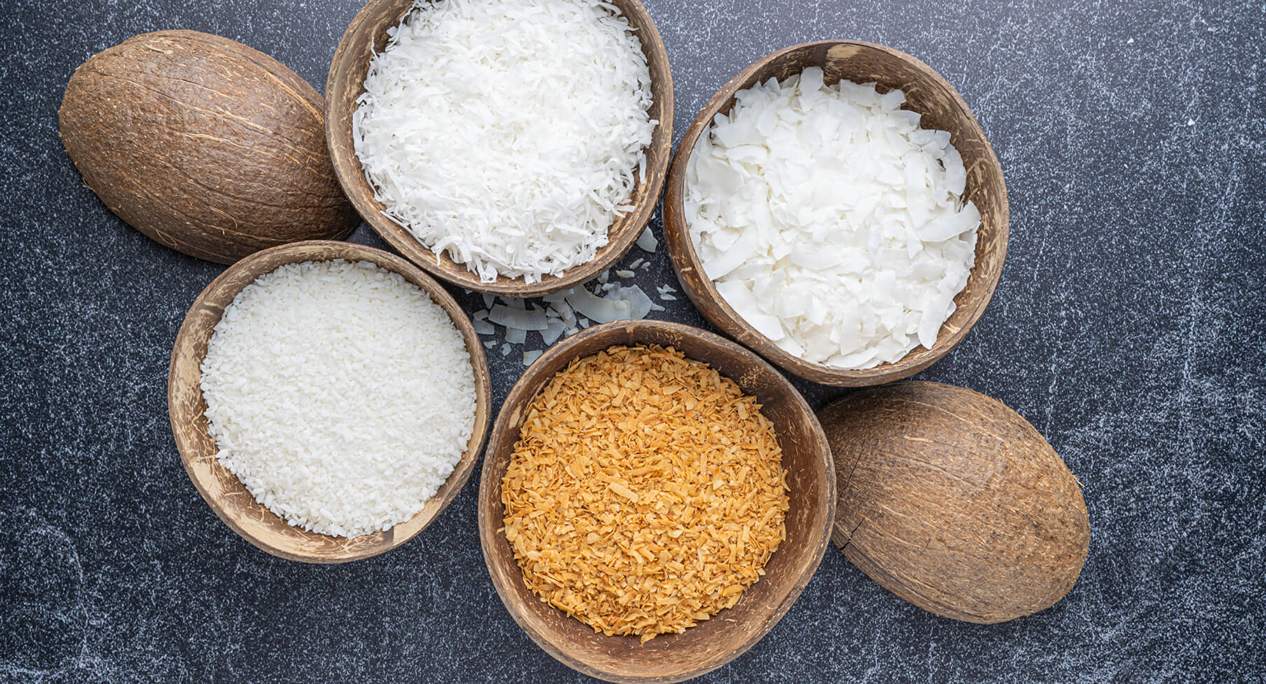
    2. Shredded vs. Flakes vs. Chips:
      • Shredded coconut is finely grated and has a soft, fluffy texture.
      • Flaked coconut is larger and flat, usually unsweetened.
      • Coconut chips are thick and wide—great for snacks and granola.

    All types can be toasted successfully, but you’ll need to adjust time and temperature accordingly.


    Methods for Toasting Coconut Flakes

    There are several ways to toast coconut flakes, each with its own advantages depending on your kitchen setup and the quantity you need.

    1. Oven Method (Best for Large Batches)

    This is the most even and hands-off method.

    Instructions:

    1. Preheat your oven to 325°F (165°C).
    2. Spread the coconut flakes in a single layer on a baking sheet lined with parchment paper.
    3. Bake for 5–10 minutes, stirring every 2–3 minutes to ensure even toasting.
    4. Watch closely—coconut can go from golden to burnt quickly.
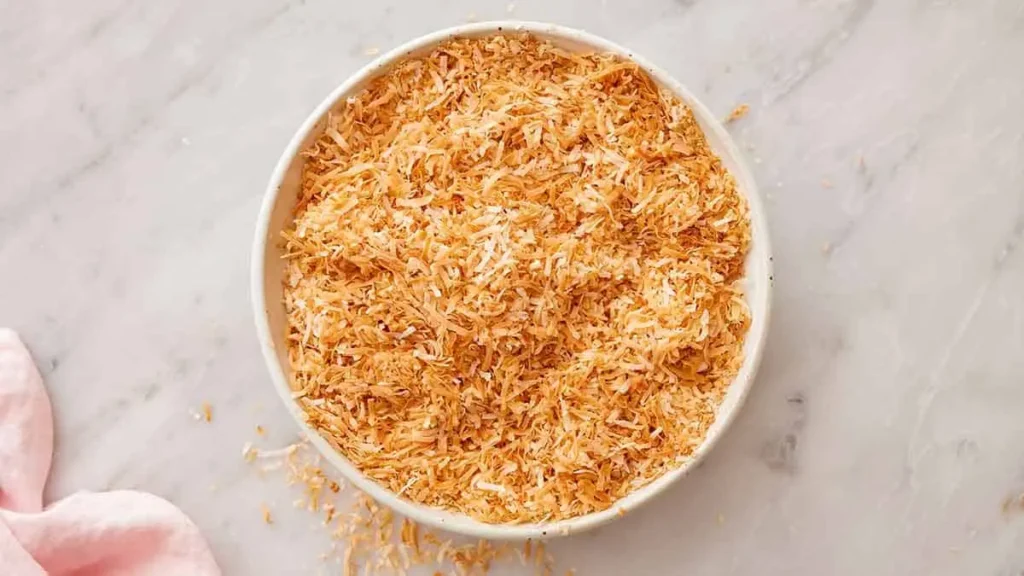
    5. Remove from the oven when flakes are light golden brown and fragrant.

    Best for: Flakes and chips, larger quantities
    Pros: Even toasting, batch-friendly
    Cons: Requires constant attention toward the end


    2. Stovetop Method (Quick and Easy)

    Great for toasting small amounts fast.

    Instructions:

    1. Heat a dry skillet (preferably nonstick) over medium-low heat.
    2. Add a single layer of coconut flakes.
    3. Stir or shake the pan constantly for 3–6 minutes, until evenly golden.
    4. Remove immediately and transfer to a cool plate or bowl.

    Best for: Shredded coconut or flakes
    Pros: Fast, no preheating required
    Cons: Risk of uneven browning if unattended


    3. Microwave Method (Least Common but Effective)

    Ideal when you only need a tablespoon or two.

    Instructions:

    1. Spread coconut in a microwave-safe dish.
    2. Microwave on high in 30-second intervals.
    3. Stir between intervals to prevent hot spots.
    4. Continue until desired color is reached (usually 2–3 minutes).

    Best for: Small portions
    Pros: Fast and convenient
    Cons: Risk of scorching in spots, uneven browning


    Tips for Perfectly Toasted Coconut

    • Keep it thin: Always spread the flakes in a single layer to ensure even toasting.
    • Stay close: Coconut toasts quickly, especially near the end—don’t walk away.
    • Use parchment: In the oven, lining your tray with parchment prevents sticking and promotes even browning.
    • Cool quickly: Transfer toasted coconut immediately to a cool surface or bowl to stop the cooking process.
    • Store it right: Let cool completely, then store in an airtight container at room temperature for up to 1 week or freeze for longer storage.

    Creative Ways to Use Toasted Coconut

    Toasted coconut is incredibly versatile. Once you have a batch ready, try adding it to:

    Sweet Dishes

    • Smoothie bowls and oatmeal: Sprinkle on top for crunch and flavor.
    • Baked goods: Mix into muffin batter or scatter over cakes and cupcakes.
    • Ice cream and frozen yogurt: Use as a topping for added texture.
    • Homemade granola or trail mix: Combine with nuts, seeds, and dried fruit.

    Savory Dishes

    • Curries and stir-fries: Add as a garnish for flavor and texture.
    • Rice dishes: Stir into jasmine or basmati rice for coconut rice.
    • Salads: Use toasted coconut as a nut-free crunchy topping.
    • Soups: Add a sprinkle over Thai-style or pumpkin soups.

    Snacks and Spreads

    • Coconut butter: Blend toasted flakes in a high-speed blender for a nutty, spreadable butter.
    • Energy bites: Mix with dates, oats, and nut butter.
    • Snack on it: Eat it straight from the container as a crunchy treat.

    Common Mistakes to Avoid

    1. Using high heat: This leads to burnt edges before the center is toasted. Moderate heat is key.
    2. Skipping the stir: Without frequent stirring, coconut will toast unevenly.
    3. Toasting wet coconut: If using sweetened or previously frozen coconut, make sure it’s dry before toasting.
    4. Forgetting to cool: Coconut continues to cook after removal. Transfer quickly to prevent burning.

    Storing Toasted Coconut

    Once cooled, toasted coconut should be stored in an airtight container away from moisture and direct light. Properly stored, it remains flavorful and crispy for:

    • 1 week at room temperature
    • Up to 1 month in the refrigerator
    • 3–6 months in the freezer

    Label your container with the toasting date for easy reference. When using from frozen, let it come to room temperature before adding to dishes.


    Final Thoughts

    Toasting coconut flakes is a simple yet transformative technique that can elevate your cooking and baking. Whether you prefer the oven’s even browning, the stovetop’s speed, or the microwave’s convenience, toasted coconut offers a depth of flavor and texture that raw flakes simply can’t match.

    By following these methods and tips, you’ll unlock the full potential of coconut in your kitchen. So go ahead—toast up a batch and let your taste buds travel to the tropics with every bite.

  • Perfect Pairings with Desiccated Coconut – Complementary Flavors That Bring Out The Best in Coconut

    Perfect Pairings with Desiccated Coconut – Complementary Flavors That Bring Out The Best in Coconut

    Desiccated coconut, with its naturally sweet, nutty, and slightly chewy profile, is a versatile ingredient found in cuisines around the world. From Southeast Asian curries to Western baked goods, its ability to blend with a wide array of flavors makes it a pantry staple for home cooks and professional chefs alike. While it can hold its own as a star ingredient, desiccated coconut truly shines when paired with complementary flavors that enhance its tropical character and depth.

    In this article, we explore the perfect pairings with desiccated coconut—those flavor companions that elevate its richness, balance its sweetness, and bring harmony to the dishes it’s used in.


    1. Chocolate – A Classic and Decadent Duo

    Few ingredients form a more iconic pairing than coconut and chocolate. The rich, bittersweet depth of chocolate balances the light sweetness and nuttiness of desiccated coconut. Whether it’s in coconut macaroons dipped in dark chocolate, chocolate coconut brownies, or truffles, this pairing offers a satisfying contrast in both flavor and texture.

    Why it works: Chocolate’s robust cocoa notes complement coconut’s mellow sweetness, while their textural contrast creates a luxurious mouthfeel.

    Recommended uses:

    • Chocolate coconut energy balls
    • German chocolate cake
    • Coconut-filled chocolate bars

    2. Citrus – Bright, Tangy, and Refreshing

    Citrus fruits like lime, lemon, and orange bring brightness and acidity to coconut-based dishes, cutting through its richness and enhancing its tropical appeal. This pairing is often seen in Southeast Asian cuisine, where coconut milk and lime juice often share the same dish.

    Why it works: The acidity of citrus helps balance coconut’s natural oils and sweetness, making the final flavor more dynamic and refreshing.

    Recommended uses:

    • Coconut-lime tarts
    • Lemon coconut loaf cake
    • Thai-inspired coconut-lime soup

    3. Spices – Adding Warmth and Complexity

    Desiccated coconut is a flavor sponge when paired with warm spices like cinnamon, cardamom, nutmeg, and ginger. These spices draw out the earthy undertones in coconut and create aromatic depth in both sweet and savory dishes.

    Why it works: The warmth of spices enhances coconut’s sweetness and rounds out its flavor profile with complexity and depth.

    Recommended uses:

    • Coconut and cardamom rice pudding
    • Spiced coconut granola
    • Ginger-coconut cookies

    4. Tropical Fruits – A Taste of the Islands

    Pairing desiccated coconut with tropical fruits like mango, pineapple, passionfruit, and banana creates a symphony of flavors that transport your taste buds to a tropical paradise. These fruits enhance coconut’s native flavor territory and add bursts of juicy sweetness and acidity.

    Why it works: Tropical fruits share a natural affinity with coconut, as they often grow in the same climates and are used together in regional dishes.

    Recommended uses:

    • Coconut-pineapple upside-down cake
    • Mango coconut chia pudding
    • Banana coconut smoothies

    5. Nuts – Crunchy Companions

    Nuts such as almonds, cashews, and macadamias pair beautifully with desiccated coconut, offering complementary textures and nutty flavors. The combination is rich, satisfying, and works well in both sweet and savory preparations.

    Why it works: Both coconut and nuts offer earthy, roasted flavors and can enhance each other’s crunch and richness.

    Recommended uses:

    • Coconut-almond granola bars
    • Cashew coconut curry
    • Macadamia-coconut cookies

    6. Caramel and Brown Sugar – Sweet, But Balanced

    Caramel’s buttery richness and brown sugar’s molasses notes pair harmoniously with the nutty sweetness of coconut. This trio creates an indulgent flavor experience that’s nostalgic and comforting.

    Why it works: Coconut’s texture adds interest to the smoothness of caramel, while brown sugar intensifies the overall depth of sweetness.

    Recommended uses:

    • Toasted coconut caramel sauce
    • Brown sugar coconut shortbread
    • Coconut caramel popcorn

    7. Dairy – Creamy and Complementary

    Milk, cream, and yogurt pair well with desiccated coconut to create creamy, luscious desserts and sauces. The pairing brings out coconut’s mild sweetness while enhancing the mouthfeel of the dish.

    Why it works: Dairy’s fat content carries coconut’s flavor further on the palate and softens its texture when hydrated or cooked.

    Recommended uses:

    • Coconut panna cotta
    • Coconut yogurt parfaits
    • Coconut cream pie

    8. Coffee and Espresso – Rich and Roasted Harmony

    Coconut and coffee make a bold, energizing duo. The roasted bitterness of coffee balances coconut’s sweetness, while coconut adds a tropical, creamy note to coffee drinks and desserts.

    Why it works: The contrast in flavors highlights each ingredient’s complexity, with coconut softening coffee’s bitterness and coffee grounding coconut’s brightness.

    Recommended uses:

    • Coconut mocha drinks
    • Espresso coconut ice cream
    • Coconut coffee brownies

    9. Herbs – Freshness and Fragrance

    Herbs like mint, basil, cilantro, and lemongrass may seem unlikely companions to coconut, but they offer a fragrant lift, especially in savory dishes or light desserts. These combinations are staples in Thai, Indian, and Caribbean cuisines.

    Why it works: Herbs introduce freshness and aromatic complexity, balancing coconut’s natural oiliness and adding brightness to the dish.

    Recommended uses:

    • Lemongrass coconut soup
    • Coconut-mint sorbet
    • Cilantro coconut chutney

    10. Vanilla – Subtle Sweetness and Depth

    Vanilla may be subtle, but when paired with coconut, it rounds out the flavor beautifully, adding a floral, creamy undertone that enhances coconut’s delicate nature.

    Why it works: Vanilla doesn’t overpower but amplifies coconut’s sweetness and aroma, making it a gentle yet powerful partner.

    Recommended uses:

    • Vanilla coconut custard
    • Coconut-vanilla muffins
    • Coconut rice with vanilla bean

    Tips for Cooking and Baking with Desiccated Coconut

    To get the most out of desiccated coconut and its pairings:

    • Toast it: Toasting enhances its nutty flavor and adds crunch.
    • Hydrate when needed: Soak in warm milk or water when a softer texture is desired.
    • Use unsweetened for balance: In savory dishes or where sweetness is already high, opt for unsweetened desiccated coconut to control the sugar level.
    • Combine with fats: Coconut’s flavor blooms in the presence of fats like butter, oil, or cream.

    Final Thoughts

    Desiccated coconut is far more than a decorative topping—it’s a transformative ingredient that adapts well to both sweet and savory preparations. When paired thoughtfully, it can become the highlight of your dish, bringing warmth, texture, and a tropical flair. Whether you’re crafting a vibrant curry, a delicate dessert, or a wholesome snack, the right flavor partners can elevate desiccated coconut from background note to flavor star.

    So next time you reach for a bag of desiccated coconut, consider what flavors you’ll pair it with—and let your palate take a journey to discover the perfect combination.

  • Baking with Coconut Sugar: Tips and Recipe Substitutions

    Baking with Coconut Sugar: Tips and Recipe Substitutions

    In recent years, coconut sugar has become a favorite among health-conscious bakers and natural food enthusiasts. Derived from the sap of the coconut palm tree, this unrefined sweetener has gained attention not only for its rich, caramel-like flavor but also for its lower glycemic index compared to refined white sugar. But how does it perform in baking? Can it replace white or brown sugar in your favorite cookie, cake, or muffin recipes? This article dives into everything you need to know about baking with coconut sugar, including practical tips and smart substitution techniques.


    What Is Coconut Sugar?

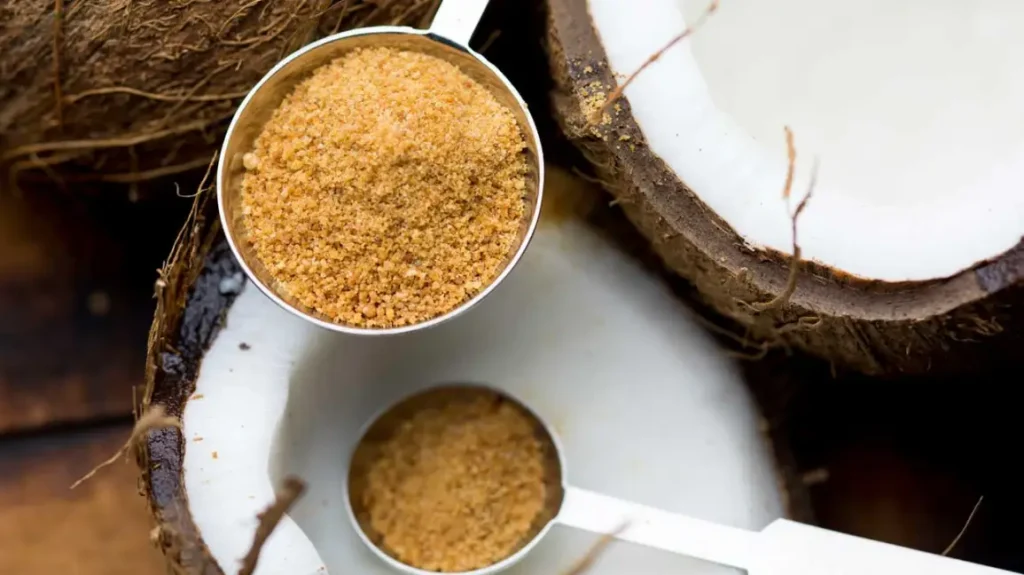
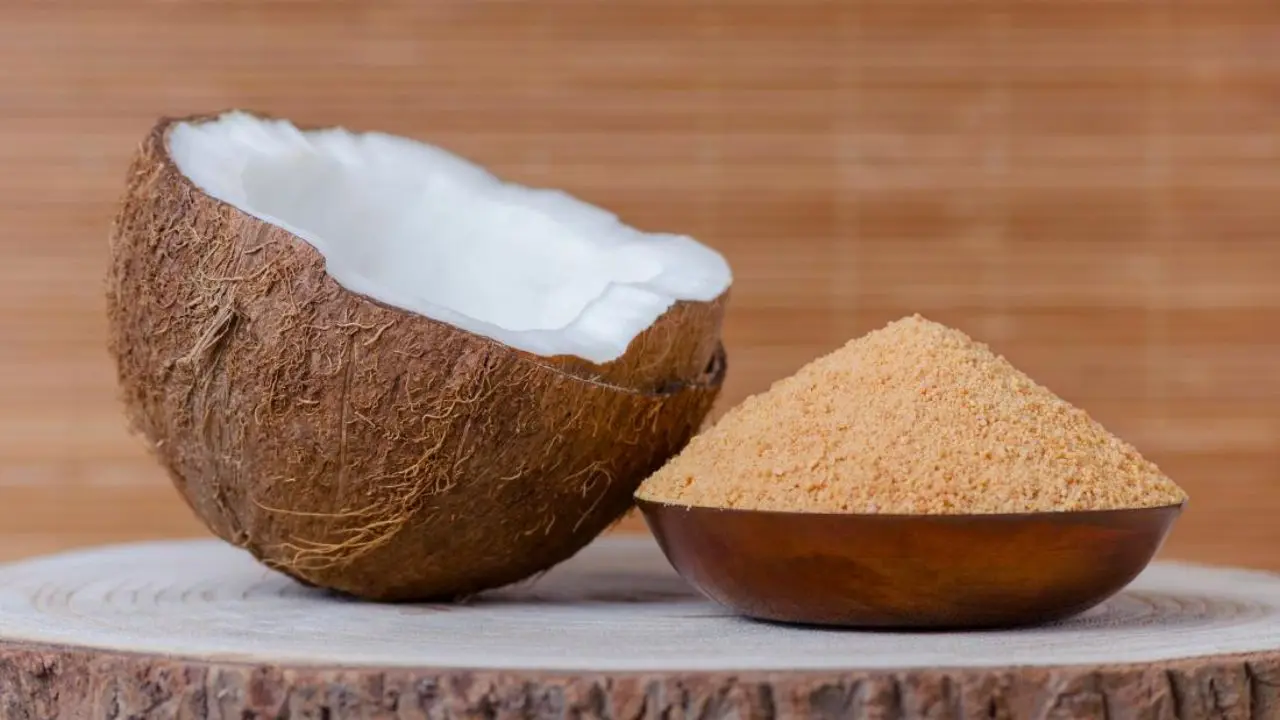
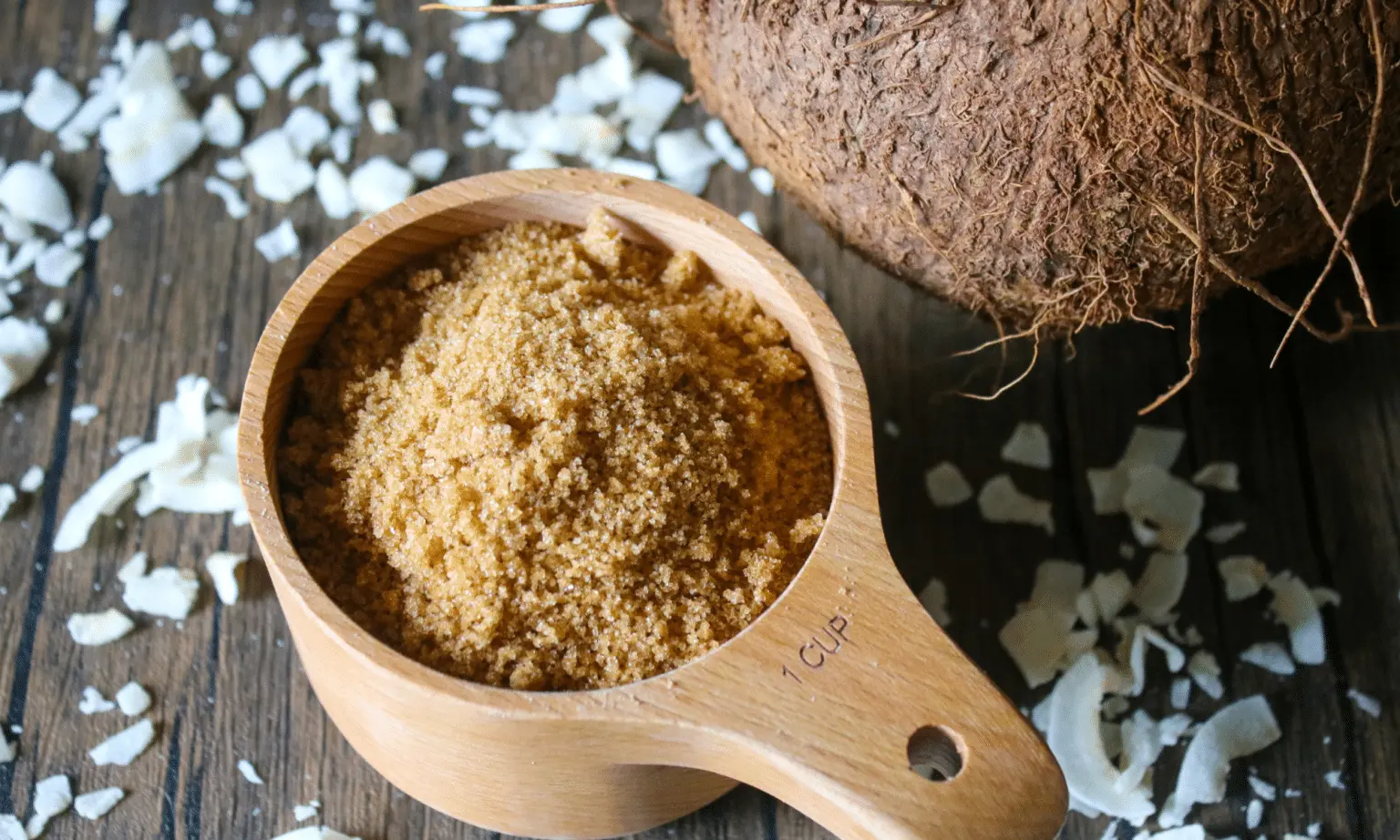
    Coconut sugar, also known as coconut palm sugar, is made from the sap of the flower buds of the coconut palm tree. The sap is heated until the water evaporates, leaving behind granules that resemble brown sugar in appearance and texture. Unlike highly processed white sugar, coconut sugar retains some of the nutrients found in the coconut palm, including small amounts of iron, zinc, calcium, and potassium.

    However, it’s worth noting that while coconut sugar may be less refined and have a slightly lower glycemic index (GI ~35 compared to white sugar’s GI of ~65), it’s still sugar. That means it should be used in moderation as part of a balanced diet.


    Flavor Profile

    Coconut sugar has a deep, toffee-like taste, often compared to light brown sugar with hints of molasses and caramel. This unique flavor adds depth and warmth to baked goods and works especially well in recipes with spices, chocolate, nuts, or fruit.

    Because of its flavor, coconut sugar may slightly alter the taste of your final product when substituted for white sugar. This can be a positive change in many cases, adding a more complex sweetness to cookies, cakes, and even frostings.


    Coconut Sugar vs. Other Sweeteners

    Here’s how coconut sugar compares to common sweeteners in baking:

    • White Sugar: Refined, neutral flavor, very sweet. Coconut sugar is less sweet, with a distinct caramel flavor.
    • Brown Sugar: Similar in texture and color to coconut sugar, but typically moister and slightly sweeter.
    • Honey/Maple Syrup: Liquid sweeteners with distinct flavors; replacing them with coconut sugar requires recipe adjustments for liquid content.
    • Agave Nectar/Stevia/Erythritol: Often used in low-calorie or keto baking; not direct replacements for coconut sugar in most traditional recipes.

    Substituting Coconut Sugar in Baking

    Coconut sugar can generally be used as a 1:1 replacement for white or brown sugar in most recipes. However, there are a few considerations to keep in mind:

    1. Sweetness

    Coconut sugar is slightly less sweet than white sugar. If your recipe relies heavily on sugar for flavor, you might want to increase the amount slightly (by 1–2 tablespoons per cup) or pair it with another sweetener, such as maple syrup.

    2. Moisture

    Coconut sugar has a drier texture than brown sugar. If you’re replacing brown sugar, consider adding a teaspoon of molasses or a tablespoon of honey to maintain moisture.

    3. Color

    Coconut sugar is naturally darker, which can change the appearance of lighter baked goods. While not a problem for chocolate cakes or spice cookies, it might not be ideal for delicate items like angel food cake or vanilla cupcakes.

    4. Melting Behavior

    Unlike white sugar, coconut sugar doesn’t melt as easily. This may impact the texture of some confections, like meringues or caramels, where melting and crystallization are key to success.


    Best Uses for Coconut Sugar

    Coconut sugar works beautifully in recipes where its rich flavor and dark color complement the dish. Some great applications include:

    • Cookies: Especially oatmeal, chocolate chip, or molasses cookies.
    • Muffins & Quick Breads: Banana bread, pumpkin muffins, and zucchini bread benefit from its deep flavor.
    • Cakes: Chocolate, gingerbread, or carrot cake are all excellent choices.
    • Granola and Energy Bars: Adds sweetness and helps with browning.
    • Pies and Crumbles: Works wonderfully in fillings and toppings.
    • Frostings and Glazes: When blended or dissolved, it adds a toffee-like flavor to toppings.

    Tips for Baking with Coconut Sugar

    To get the best results, follow these tips:

    1. Sift or Blend

    Coconut sugar can clump. Sifting or giving it a quick pulse in a blender helps create a smoother batter.

    2. Cream with Fat Carefully

    Coconut sugar doesn’t cream as well with butter as white sugar. Beat it thoroughly or try using melted butter for better integration.

    3. Pair with Warm Flavors

    Since it has a deep, earthy flavor, it pairs beautifully with cinnamon, nutmeg, cloves, vanilla, and chocolate.

    4. Store Properly

    Keep coconut sugar in an airtight container in a cool, dry place. If it hardens, you can soften it with a slice of apple or a piece of bread, much like brown sugar.


    Recipe: Coconut Sugar Chocolate Chip Cookies

    Here’s a delicious cookie recipe that highlights the rich flavor of coconut sugar.

    Ingredients:

    • 1 cup unsalted butter, melted and cooled slightly
    • 1½ cups coconut sugar
    • 2 large eggs
    • 2 teaspoons vanilla extract
    • 2½ cups all-purpose flour
    • 1 teaspoon baking soda
    • ½ teaspoon salt
    • 1½ cups semi-sweet chocolate chips

    Instructions:

    1. Preheat oven to 350°F (175°C). Line baking sheets with parchment paper.
    2. Mix wet ingredients: In a large bowl, whisk together the melted butter, coconut sugar, eggs, and vanilla until smooth.
    3. Combine dry ingredients: In another bowl, whisk flour, baking soda, and salt. Add to wet ingredients and stir until just combined.
    4. Fold in chocolate chips.
    5. Scoop dough onto prepared baking sheets, spacing 2 inches apart.
    6. Bake for 10–12 minutes, or until edges are golden brown.
    7. Cool on the sheet for 5 minutes, then transfer to wire racks to cool completely.

    These cookies are slightly chewy, with a rich, caramel flavor thanks to the coconut sugar.


    Final Thoughts

    Coconut sugar is an excellent alternative to refined sugar for many baked goods, especially if you’re looking for a natural sweetener with a bit more nutritional value and flavor complexity. While it may not work perfectly in every situation—particularly recipes where precise sugar chemistry is crucial—it can be a great addition to your baking toolkit.

    By understanding its properties and how to substitute it effectively, you can enjoy a whole new level of flavor in your baked creations. Whether you’re making everyday muffins or indulgent cookies, coconut sugar can bring a touch of wholesome sweetness to your kitchen.

  • Desiccated Coconut as Chicken Coating – Recipes for Oven “Fried” Chicken Tenders, Nuggets, etc

    Desiccated Coconut as Chicken Coating – Recipes for Oven “Fried” Chicken Tenders, Nuggets, etc

    When it comes to comfort food, few dishes are as universally loved as crispy chicken tenders or nuggets. Traditionally deep-fried, these golden bites are crunchy on the outside, juicy on the inside—but often come with extra calories and fat. Fortunately, there’s a healthier, flavor-packed alternative that’s taking root in both home kitchens and gourmet menus: desiccated coconut as a chicken coating, especially for oven-“fried” recipes.

    Using desiccated coconut not only cuts back on the oil but also infuses your dish with a mildly sweet, nutty flavor that pairs beautifully with savory spices. It adds a tropical twist, a satisfying crunch, and a nutritional edge to your favorite crispy chicken dishes—all without deep frying.

    In this article, we’ll explore why desiccated coconut works so well as a breading alternative, the benefits it offers, and share delicious recipes for oven-baked chicken tenders, nuggets, and coconut “popcorn” chicken.


    Why Use Desiccated Coconut as a Coating?

    Desiccated coconut is simply grated, dried coconut flesh. It comes in fine, medium, or coarse textures and is unsweetened, making it ideal for savory dishes. Here’s why it works wonderfully as a coating:

    • Texture: Its dry, flaky texture adheres well to chicken when combined with egg or batter and crisps up beautifully in the oven.
    • Flavor: Adds a subtle tropical sweetness that enhances spices like garlic, chili, curry, and paprika.
    • Nutrition: It contains healthy fats, fiber, and small amounts of iron and manganese.
    • Versatility: Works in gluten-free, low-carb, keto, and paleo recipes.
    • Convenience: Stores well and is shelf-stable for months.

    Whether you’re avoiding breadcrumbs, going gluten-free, or just looking for a new flavor twist, desiccated coconut is a smart, tasty choice.


    Tips for Success When Using Coconut as Coating

    Before diving into the recipes, here are a few tips to get the most out of your coconut chicken experience:

    • Use unsweetened coconut: Sweetened coconut will burn faster and can throw off the savory flavor balance.
    • Combine with other dry ingredients: Blending desiccated coconut with almond flour, breadcrumbs, or spices helps it stick better and distribute evenly.
    • Toast first (optional): For extra crunch and a deeper flavor, toast the coconut lightly in a dry pan before coating.
    • Watch oven temperature: Coconut can brown quickly, so bake at moderate heat (around 375–400°F / 190–200°C) and monitor the color closely.

    Recipe 1: Oven “Fried” Coconut Chicken Tenders

    Ingredients:

    • 500g (1 lb) chicken breast, cut into strips
    • 1 cup desiccated coconut (medium or fine)
    • ½ cup almond flour or panko breadcrumbs (optional for crispiness)
    • 2 eggs
    • 1 tbsp coconut milk (optional, for creaminess)
    • 1 tsp garlic powder
    • 1 tsp smoked paprika
    • ½ tsp salt
    • ¼ tsp black pepper
    • Olive or coconut oil spray

    Instructions:

    1. Preheat oven to 400°F (200°C). Line a baking tray with parchment paper or a wire rack.
    2. Set up breading stations:
      • Bowl 1: Lightly beaten eggs + coconut milk
      • Bowl 2: Mix desiccated coconut, almond flour (if using), garlic powder, paprika, salt, and pepper
    3. Dip each chicken strip in the egg mixture, then dredge in the coconut mixture, pressing lightly to coat well.
    4. Place on baking tray in a single layer. Spray the tops lightly with oil to encourage browning.
    5. Bake for 20–25 minutes, flipping halfway, until golden and internal temp reaches 165°F (74°C).
    6. Serve hot with a dipping sauce like spicy mango chutney, sweet chili sauce, or garlic aioli.

    Recipe 2: Coconut Chicken Nuggets (Kid-Friendly)

    Ingredients:

    • 2 boneless chicken thighs or breasts, cut into bite-sized chunks
    • 1 cup desiccated coconut (fine texture works best)
    • ½ cup oat flour or crushed rice cereal
    • 1 egg
    • 2 tbsp yogurt or buttermilk
    • ½ tsp turmeric
    • ½ tsp onion powder
    • Pinch of salt

    Instructions:

    1. Preheat oven to 375°F (190°C). Lightly grease a baking tray.
    2. Whisk egg and yogurt together in a bowl.
    3. Mix coconut, oat flour, turmeric, onion powder, and salt in another bowl.
    4. Dip nuggets in wet mix, then roll in dry coating.
    5. Place on tray, spray with oil, and bake for 18–22 minutes or until golden and cooked through.
    6. Serve with ketchup, ranch dressing, or a simple coconut yogurt dip.

    Tip: For extra crunch, broil for the last 2 minutes—but watch carefully to avoid burning!


    Recipe 3: Coconut Popcorn Chicken (Great for Parties)

    Ingredients:

    • 500g boneless chicken, cut into 1-inch cubes
    • ¾ cup desiccated coconut
    • ¼ cup cornmeal or polenta
    • 2 tbsp sesame seeds (optional)
    • 2 eggs
    • 1 tsp curry powder or Cajun seasoning
    • 1 tsp soy sauce (or tamari for gluten-free)
    • Salt and pepper to taste

    Instructions:

    1. Preheat oven to 400°F (200°C).
    2. Whisk eggs, soy sauce, and seasoning in a bowl.
    3. In another bowl, combine coconut, cornmeal, sesame seeds, and a pinch of salt.
    4. Dip chicken pieces in egg mix, then coat thoroughly with coconut mixture.
    5. Arrange on a greased tray or wire rack, spaced apart.
    6. Bake 20 minutes, shaking the tray halfway for even cooking.
    7. Serve with sweet chili-lime dip or sriracha mayo.

    Coconut Dipping Sauce Idea

    Coconut Lime Yogurt Dip

    • ½ cup plain yogurt or coconut yogurt
    • Juice of ½ lime
    • 1 tbsp chopped cilantro
    • Salt to taste
      Mix well and chill before serving. Great for all the above recipes!

    Health Benefits of Desiccated Coconut in Coatings

    Not only does desiccated coconut offer a flavor boost and crunchy texture, it also provides some nutritional perks:

    • Healthy fats: Contains medium-chain triglycerides (MCTs) that may support energy and metabolism.
    • Fiber: Adds digestive-friendly roughage.
    • No refined carbs: Unlike breadcrumbs, coconut has a low glycemic impact and suits keto or paleo diets.
    • Gluten-free: Naturally free of wheat and gluten, perfect for allergy-friendly cooking.

    Of course, moderation is key, as coconut is calorie-dense. But used wisely, it’s a smart and tasty choice.


    Make It Your Own: Flavor Variations

    Spice up your coconut coating with these fun variations:

    • Tropical twist: Add pineapple juice to the egg wash and a pinch of cinnamon to the coating.
    • Spicy Thai: Mix in crushed chili flakes, lemongrass powder, and lime zest.
    • Indian-style: Add garam masala and cumin to the coating mix.
    • Herbaceous: Stir in dried basil, oregano, and lemon pepper for a Mediterranean feel.

    Conclusion: Crispy Chicken Meets Coconut Magic

    Desiccated coconut offers a healthier, flavorful, and creative alternative to traditional coatings for chicken tenders, nuggets, and more. Perfectly suited to oven “frying,” it provides crunch, a nutritional boost, and that unmistakable hint of tropical indulgence—all without the mess or heaviness of deep frying.

    Whether you’re cooking for kids, prepping a party platter, or just reinventing your weeknight chicken routine, give coconut a starring role in your next crispy creation. It’s a simple swap with big results.

  • Why Virgin Coconut Oil Is the Best Oil for Cooking at High Temperatures

    Why Virgin Coconut Oil Is the Best Oil for Cooking at High Temperatures

    Cooking oils are a staple in kitchens around the world, but not all oils are created equal—especially when it comes to high-temperature cooking. Whether you’re stir-frying, sautéing, roasting, or deep-frying, the oil you choose can greatly impact not just the flavor of your food, but also its nutritional value and safety.

    Among the many oils available, virgin coconut oil has earned a reputation for being one of the best options for high-heat cooking. But why is that the case? In this article, we explore the scientific, nutritional, and culinary reasons that make virgin coconut oil a top choice for high-temperature cooking.


    Understanding the Smoke Point: The Key to Cooking Oil Safety

    Before diving into the benefits of virgin coconut oil, it’s important to understand the concept of the smoke point. The smoke point is the temperature at which an oil starts to break down and produce smoke. At this stage, the oil begins to degrade, releasing harmful free radicals and toxic compounds like acrolein, which can negatively affect health and taste.

    Smoke Point of Virgin Coconut Oil:

    • Virgin coconut oil has a smoke point of approximately 350°F (177°C).
    • While this may seem lower than some refined oils, it is remarkably stable because of its unique fat composition (more on that below).

    What sets virgin coconut oil apart is not just its smoke point, but its oxidative stability—its resistance to breaking down under heat. Many oils with higher smoke points still oxidize faster than coconut oil due to their unsaturated fat content.


    The Unique Fatty Acid Profile of Virgin Coconut Oil

    Virgin coconut oil is over 90% saturated fat, a fact that has sparked both controversy and admiration. However, not all saturated fats are the same. The primary component of coconut oil is medium-chain triglycerides (MCTs), especially lauric acid, which gives it several advantages:

    1. High Saturated Fat = High Stability

    • Saturated fats are chemically more stable than unsaturated fats.
    • They have no double bonds, meaning they’re less prone to oxidation and rancidity.
    • This makes coconut oil particularly resilient under high heat, unlike oils rich in polyunsaturated fats (like soybean or sunflower oil).

    2. Rich in Lauric Acid

    • Lauric acid (about 50% of coconut oil) is a medium-chain fatty acid with antimicrobial properties.
    • It supports immune function and has been linked to improved cholesterol ratios in some studies.

    3. Fast Energy Source

    • MCTs are quickly absorbed and used by the liver for immediate energy, rather than being stored as fat.
    • This makes coconut oil a preferred cooking oil among athletes, keto dieters, and health-conscious individuals.

    Virgin vs. Refined Coconut Oil: What’s the Difference?

    When choosing coconut oil for cooking, the distinction between virgin and refined coconut oil matters.

    TypeVirgin Coconut OilRefined Coconut Oil
    SourceCold-pressed from fresh coconut meatProcessed from dried coconut (copra)
    FlavorRich, coconutty aromaNeutral
    Smoke Point~350°F (177°C)~400–450°F (204–232°C)
    ProcessingMinimal, unrefinedBleached and deodorized
    Nutritional QualityHigher in antioxidants and phytonutrientsLower nutritional value

    While refined coconut oil has a slightly higher smoke point, virgin coconut oil is more nutrient-dense and retains more natural antioxidants. Its high oxidative stability allows it to perform just as well—if not better—than refined oils at most household cooking temperatures.


    Benefits of Cooking with Virgin Coconut Oil at High Temperatures

    1. Doesn’t Break Down Easily

    The saturated fat content in virgin coconut oil makes it far more resistant to heat-induced degradation than oils high in polyunsaturated fats (like canola, corn, or grapeseed oils).

    2. Maintains Nutritional Integrity

    Even when heated, virgin coconut oil retains its antioxidant compounds better than many other oils. These compounds help fight free radicals and may support heart and brain health.

    3. Adds Flavor and Aroma

    Virgin coconut oil has a subtle coconut flavor that enhances many dishes—especially curries, stir-fries, and baked goods. Unlike neutral oils, it contributes to the culinary experience.

    4. Longer Shelf Life

    Because of its saturated fat profile, coconut oil resists rancidity and oxidation—even when stored at room temperature. This makes it a great pantry staple for long-term use.

    5. Supports Dietary Goals

    Virgin coconut oil is:

    • Keto and paleo-friendly
    • Naturally gluten-free
    • Compatible with vegan and plant-based diets

    Its MCT content makes it a popular choice in bulletproof coffee and other functional foods.


    Cooking Applications: How to Use Virgin Coconut Oil

    Virgin coconut oil is versatile and can be used in a variety of high-heat cooking methods:

    Sautéing and Stir-Frying

    Perfect for vegetables, chicken, tofu, or shrimp. It adds a light tropical note and doesn’t break down easily under heat.

    Baking

    Substitute coconut oil for butter or vegetable oil in recipes for cookies, muffins, and cakes. It gives a moist texture and subtle sweetness.

    Roasting

    Toss root vegetables like sweet potatoes or carrots in melted coconut oil before roasting for a caramelized finish.

    Pan-Frying

    Use for eggs, pancakes, or shallow-frying meats. It creates a crisp outer layer without burning.

    Popcorn

    Try popping corn kernels in coconut oil for a healthy, flavorful snack.


    Common Myths About Coconut Oil and Saturated Fat

    Myth 1: Saturated Fat is Always Unhealthy

    Modern research shows that not all saturated fats are harmful. Lauric acid, the main fat in coconut oil, may increase HDL (good cholesterol) and improve total cholesterol ratio.

    Myth 2: Coconut Oil Clogs Arteries

    There is no conclusive evidence linking moderate coconut oil consumption to increased cardiovascular risk, especially when part of a balanced diet. In fact, many traditional cultures with high coconut consumption have low rates of heart disease.

    Myth 3: You Can’t Cook with Virgin Coconut Oil

    This myth likely stems from confusion around smoke points. While virgin coconut oil’s smoke point is lower than refined versions, its high stability makes it excellent for most everyday cooking needs.


    Conclusion

    Virgin coconut oil stands out as one of the best oils for high-temperature cooking. Its saturated fat profile, rich antioxidant content, and unique flavor make it ideal for everything from sautéing and roasting to baking and frying. While it should be consumed in moderation—like any fat—it offers numerous health benefits and culinary advantages.

    If you’re looking for an oil that can withstand the heat without compromising nutrition or taste, virgin coconut oil is a smart, natural choice. Keep a jar in your pantry and enjoy the healthful, flavorful versatility it brings to your kitchen.

  • Desiccated Coconut Tea Cakes: History, Traditional Recipes, and Modern Twists

    Desiccated Coconut Tea Cakes: History, Traditional Recipes, and Modern Twists

    Desiccated coconut tea cakes are a delightful fusion of texture, flavor, and cultural tradition. Whether served alongside a steaming cup of tea or offered as part of a festive dessert tray, these light, fluffy, coconut-infused treats have won hearts around the world. Rooted in centuries of culinary history and enhanced through modern adaptations, desiccated coconut tea cakes represent a perfect balance of the old and the new.

    This article explores the origins of coconut tea cakes, provides traditional recipes, and showcases modern twists that bring innovation to this timeless delicacy.


    The Origins and History of Coconut Tea Cakes

    The concept of tea cakes dates back to 17th- and 18th-century Europe, particularly in England, where “tea cake” referred to a variety of small, lightly sweetened cakes served during afternoon tea. Traditionally made with simple ingredients such as flour, butter, sugar, and eggs, tea cakes were a symbol of hospitality and refinement.

    As global trade expanded, exotic ingredients like coconut began appearing in European and colonial kitchens. Coconut, native to tropical Asia and the Pacific, became increasingly popular in Victorian-era desserts. Desiccated coconut, made by grating and drying the flesh of mature coconuts, allowed cooks to store and use coconut long after harvest, revolutionizing coconut-based baking.

    By the 19th and 20th centuries, desiccated coconut tea cakes had become a beloved part of British, Caribbean, Indian, Southeast Asian, and American baking traditions, each region adding its own spin.


    Why Desiccated Coconut?

    Desiccated coconut is valued for its:

    • Long shelf life and convenience
    • Chewy texture and mild, nutty sweetness
    • Versatility in both sweet and savory recipes

    It gives tea cakes a tender crumb and moistness while adding a delicate coconut aroma that pairs well with vanilla, almond, citrus, and even spices.


    Traditional Desiccated Coconut Tea Cake Recipe

    Here is a classic version of desiccated coconut tea cake often found in British and Caribbean households:

    Ingredients:

    • 1 cup all-purpose flour
    • 1/2 cup desiccated coconut
    • 1 tsp baking powder
    • 1/2 cup unsalted butter (softened)
    • 2/3 cup sugar
    • 2 large eggs
    • 1/2 tsp vanilla extract
    • 1/2 cup milk

    Instructions:

    1. Preheat oven to 175°C (350°F) and line a muffin tin or loaf pan with parchment paper.
    2. In a bowl, whisk together flour, baking powder, and desiccated coconut.
    3. In a separate bowl, cream the butter and sugar until light and fluffy.
    4. Add the eggs one at a time, beating well after each addition.
    5. Stir in vanilla extract.
    6. Gradually mix in the dry ingredients, alternating with milk.
    7. Pour into the prepared pan and smooth the top.
    8. Bake for 25–30 minutes or until golden brown and a toothpick inserted comes out clean.
    9. Cool and serve with tea or coffee.

    This simple recipe creates a soft, aromatic cake with a satisfying coconut texture.


    Regional Variations and Cultural Significance

    Caribbean Coconut Drops

    In the Caribbean, desiccated coconut is often used in rustic tea cakes known as coconut drops. These are denser, more biscuit-like, and include:

    • Brown sugar
    • Ginger or nutmeg
    • Coconut milk

    They are shaped by spoon and dropped onto baking trays, hence the name.

    Indian Coconut Barfi-Style Cakes

    In parts of India, coconut-based sweets like barfi or coconut ladoo have influenced coconut tea cake recipes. These may include:

    • Cardamom
    • Ghee
    • Condensed milk

    Some Indian-style tea cakes are steamed rather than baked, offering a moist texture ideal for warm climates.

    Southeast Asian Influence

    In Malaysia and Indonesia, traditional cakes like Kuih Bakar or Seri Muka use coconut milk and desiccated coconut. While not tea cakes in the Western sense, these treats have a similar function and have inspired fusion recipes that mix sponge cake with coconut custard layers.


    Modern Twists on Coconut Tea Cakes

    Contemporary bakers have taken the basic desiccated coconut tea cake and turned it into a canvas for creativity. Here are some exciting modern variations:

    1. Gluten-Free Coconut Almond Tea Cakes

    Substitute regular flour with almond flour or a gluten-free blend. Desiccated coconut enhances the texture, while almond adds richness. Perfect for those avoiding gluten.

    Tip: Add a touch of orange zest for brightness.

    2. Chocolate Coconut Marble Cake

    Create a marble effect by swirling chocolate batter with plain coconut batter. The bitterness of cocoa contrasts beautifully with the coconut sweetness.

    Optional Add-ins: Chopped dark chocolate or mini chocolate chips.

    3. Vegan Coconut Chia Tea Cake

    Replace eggs with chia or flaxseed gel, use plant-based milk, and coconut oil instead of butter. The result is a moist, plant-powered snack with all the tropical flavor.

    Enhancement: Drizzle with coconut glaze or dust with powdered sugar.

    4. Coconut Matcha Tea Cake

    Blend matcha powder into the batter for a subtle earthy flavor and beautiful green hue. The coconut and matcha combo is popular in Japanese-influenced patisserie.

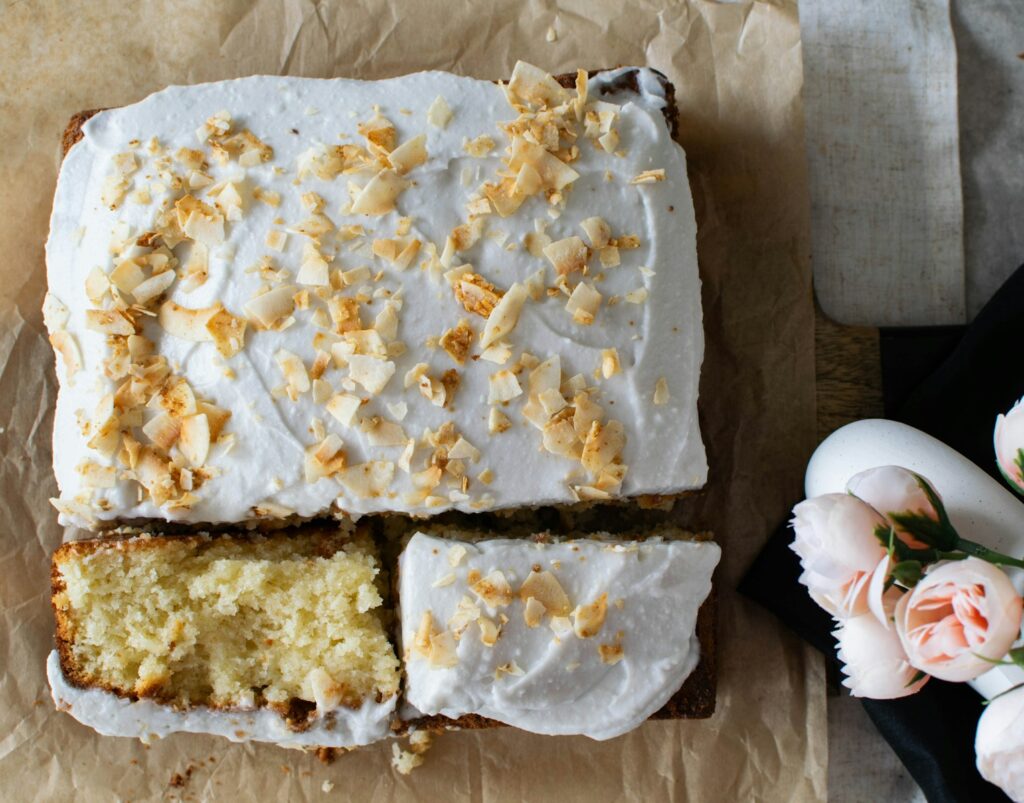
    Finishing touch: Top with toasted coconut flakes.

    5. Citrus-Coconut Loaf with Glaze

    Combine lemon or lime juice and zest with desiccated coconut for a refreshing twist. Finish with a tangy citrus glaze for extra zing.


    Tips for Baking with Desiccated Coconut

    • Rehydrate if needed: If the coconut seems too dry, soak in warm milk or water for 10 minutes before use.
    • Toast for flavor: Toasting desiccated coconut enhances its nutty aroma and deepens the flavor.
    • Store properly: Keep desiccated coconut in an airtight container in a cool, dry place to maintain freshness.
    • Pairing ideas: Coconut goes well with vanilla, rum, pineapple, mango, cardamom, chocolate, and almonds.

    Pairing Coconut Tea Cakes with Beverages

    These tea cakes are wonderfully versatile for tea-time menus. Pair with:

    • Black tea (Earl Grey or Darjeeling)
    • Herbal teas (lemongrass or chamomile)
    • Coffee (especially light to medium roast)
    • Coconut water or tropical juices for a refreshing afternoon treat

    For a formal afternoon tea, serve alongside:

    • Scones with jam
    • Finger sandwiches
    • Fresh fruit

    Coconut Tea Cakes in Contemporary Culture

    The resurgence of interest in natural, minimally processed ingredients has renewed appreciation for desiccated coconut. Its inclusion in tea cakes reflects a shift toward global flavors, traditional food wisdom, and nostalgic baking.

    Coconut tea cakes are also popular in:

    • Café menus focusing on clean, simple bakes
    • Vegan and allergy-friendly bakeries
    • Health-conscious home baking, thanks to coconut’s healthy fats and fiber

    Conclusion

    From colonial tea tables to modern cafés, desiccated coconut tea cakes have proven their staying power. Rich in history, adaptable in flavor, and satisfying in texture, they offer something for every palate. Whether you’re following a traditional recipe or experimenting with new ingredients, these cakes celebrate the timeless comfort of coconut with every bite.

    As baking continues to evolve with new dietary trends and international influences, the humble coconut tea cake remains a beloved and inspiring classic—ready to be rediscovered, reimagined, and shared.

Secret Link