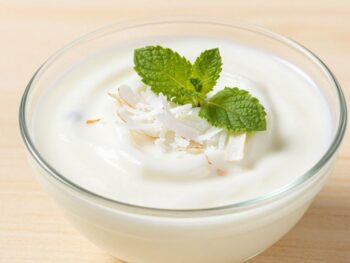
Coconut milk has surged in popularity over the past decade, often hailed as a superfood and staple in many plant-based and lactose-free diets. You’ll find it in smoothies, curries, coffee creamers, and even desserts. Its creamy texture and mild, sweet flavor make it a favorite dairy alternative. But amidst all the excitement, a common question lingers: Is coconut milk truly healthy, or is it just the latest wellness hype?
In this article, we’ll break down the nutritional profile of coconut milk, examine the science behind its health claims, and discuss when it’s a smart choice — and when it might not be.
What Is Coconut Milk?
Coconut milk is a creamy, white liquid extracted from the grated meat of mature coconuts. It’s different from coconut water, which is the clear fluid found inside green coconuts. Coconut milk is made by blending coconut flesh with water and then straining it.
There are two main forms:
- Canned Coconut Milk: Thick, rich, and high in fat. Typically used in cooking and baking.
- Carton Coconut Milk: More diluted, often fortified with vitamins and minerals. Used as a beverage or milk substitute.
Both have different nutritional profiles and purposes in the kitchen, so knowing the difference is key to understanding its health impact.
Coconut Milk: Nutritional Overview

The nutritional content of coconut milk can vary depending on whether it’s canned or in a carton, sweetened or unsweetened, and how much it has been processed or diluted.
Carton (Unsweetened) Coconut Milk – 1 cup (240ml)
- Calories: 45–60
- Fat: 4–5g
- Saturated fat: 3–4g
- Protein: <1g
- Carbohydrates: 1–2g
- Sugars: 0–1g
- Calcium (fortified): 25–30% DV
- Vitamin D (fortified): 20–25% DV
- Vitamin B12 (fortified): 50% DV
Canned Full-Fat Coconut Milk – 1 cup (240ml)
- Calories: 445
- Fat: 48g
- Saturated fat: 43g
- Protein: 5g
- Carbohydrates: 6g
- Sugars: 3g
The difference is significant. Canned coconut milk is much higher in fat and calories, while carton coconut milk is typically lighter and used more like traditional milk.
Health Benefits of Coconut Milk

1. Dairy-Free and Allergen-Friendly
For people who are lactose intolerant, allergic to dairy, or vegan, coconut milk is a safe and creamy alternative. It’s also soy- and nut-free, making it suitable for people with multiple allergies.
2. Rich in Medium-Chain Triglycerides (MCTs)
Coconut milk contains medium-chain triglycerides — a type of fat that is digested differently than most fats. MCTs, especially lauric acid, are rapidly absorbed and metabolized for energy, rather than stored as body fat.
Some studies suggest that MCTs:
- May support fat burning and metabolism
- Could enhance energy levels
- Possess antimicrobial properties
However, these benefits are often associated with concentrated MCT oil, not coconut milk alone.
3. May Improve Heart Health in Moderation
Though high in saturated fat, some research indicates that coconut products may raise HDL (good cholesterol) while having a neutral or only slight effect on LDL (bad cholesterol). This suggests coconut milk might have a more complex impact on heart health than previously thought.
Still, the saturated fat content is high, and excessive consumption could potentially increase cholesterol in some people.
4. Often Fortified with Key Nutrients
Many commercial coconut milks (especially those in cartons) are fortified with:
- Calcium (for bone health)
- Vitamin D (essential for immune and bone health)
- Vitamin B12 (especially important for vegans)
This makes them a useful option for those avoiding animal-based products.
Potential Drawbacks of Coconut Milk

1. High in Saturated Fat
Coconut milk is one of the highest-fat plant milks, and almost all of that fat is saturated. While not all saturated fats have the same health impact, most health authorities — including the American Heart Association — recommend limiting saturated fat intake.
Frequent or excessive use of canned coconut milk could raise cholesterol levels, especially in those predisposed to heart conditions.
2. Low in Protein
Unlike cow’s milk or soy milk, coconut milk is very low in protein, often less than 1 gram per cup. This makes it a poor source of this essential macronutrient, particularly for those relying on plant-based diets.
If you’re using coconut milk as a milk substitute, consider pairing it with other high-protein foods or choosing a milk with more protein, like soy or pea-based options.
3. Additives and Sweeteners in Commercial Brands
Many store-bought coconut milks contain:
- Added sugars
- Stabilizers and thickeners like carrageenan, guar gum, or xanthan gum
- Flavorings or preservatives
These additives can cause digestive upset in some people or contribute unnecessary calories and sugars.
Tip: Choose unsweetened varieties with minimal ingredients.
Coconut Milk vs. Other Plant-Based Milks
| Milk Type | Calories | Protein | Fat (Sat.) | Calcium (Fortified) |
|---|---|---|---|---|
| Coconut | 45–60 | <1g | 4–5g (mostly sat.) | Yes |
| Almond | 30–50 | 1g | 2–3g | Yes |
| Soy | 80–100 | 7–9g | 4g | Yes |
| Oat | 90–130 | 2–4g | 2–5g | Yes |
Summary: Coconut milk is low in carbs and protein but high in saturated fat. Soy milk is closest nutritionally to cow’s milk. Almond and oat milk fall somewhere in between.
When Is Coconut Milk a Good Choice?
Coconut milk can be a healthy choice when:
- You need a dairy-free or low-carb milk substitute.
- You’re following a keto, paleo, or vegan diet.
- You use it in moderation, especially the canned version.
- You choose unsweetened and fortified options.
- You pair it with other foods rich in protein and fiber.
It may not be ideal for:
- People with heart disease risk due to its saturated fat content.
- Those needing higher protein intake (like athletes or children).
- People trying to lose weight who consume it in large amounts, especially canned varieties.
Smart Ways to Use Coconut Milk
- Add carton coconut milk to smoothies, coffee, or oatmeal.
- Use canned coconut milk in soups, curries, or desserts.
- Mix it into chia pudding or overnight oats for a dairy-free twist.
- Blend with fruit and greens for a creamy, plant-based smoothie.
Final Verdict: Healthy or Hype?
So, is coconut milk healthy? The answer depends on how you use it.
Coconut milk has real nutritional benefits, especially as a dairy-free alternative that’s rich in healthy fats and often fortified with essential nutrients. However, it also has limitations — namely, high saturated fat and low protein.
Used occasionally and strategically, coconut milk can be a healthy addition to your diet. But it shouldn’t be seen as a superfood miracle or your primary source of nutrition. Like any food, the key is balance, variety, and mindful consumption.