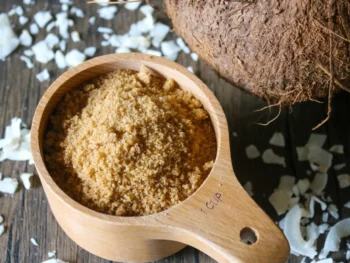
Coconut has long been celebrated as one of the most versatile ingredients in global cuisine. From tropical desserts to savory stews, every part of the coconut can be used in cooking. Among its many forms, desiccated coconut—which is simply finely grated, dried coconut meat—stands out as a pantry staple that combines long shelf life with flavor and texture. Often overlooked in favor of fresh or canned coconut products, desiccated coconut can be a game-changer in everyday cooking, bringing nutty sweetness, chewy texture, and a dose of nutrition to countless dishes.
This article explores creative and practical ways to use desiccated coconut in everyday cooking, spanning breakfast, savory dishes, baked goods, snacks, and beverages.
Why Desiccated Coconut?
Before diving into its culinary uses, it’s worth noting why desiccated coconut deserves more attention:
- Long Shelf Life: Unlike fresh coconut, which spoils quickly, desiccated coconut can be stored for months in an airtight container.
- Convenience: Ready to use without cracking, grating, or squeezing a fresh coconut.
- Nutritional Value: Rich in healthy fats, fiber, iron, and manganese, desiccated coconut adds both texture and nutrients to meals.
- Versatility: Works in both sweet and savory applications across diverse cuisines.
Because of these qualities, desiccated coconut is not just a baking ingredient but a versatile addition to daily cooking.
Breakfast Boosters

Breakfast is often called the most important meal of the day, and desiccated coconut can elevate it with ease.
- Smoothie Bowls and Oatmeal: A sprinkle of desiccated coconut adds crunch and tropical flavor. Pair it with mango, pineapple, or banana for a refreshing breakfast.
- Granola: Mix desiccated coconut into homemade granola for extra aroma and chewy texture. It toasts beautifully, enhancing the nutty flavor.
- Pancakes and Waffles: Incorporate desiccated coconut into batter or use it as a topping with honey or maple syrup. Coconut pancakes with lime zest create a tropical morning treat.
- Energy Bars: Combine desiccated coconut with oats, nut butter, and dried fruits to make no-bake breakfast bars.
These simple uses make breakfast both nutritious and flavorful, while avoiding the monotony of plain cereals or bread.
Savory Dishes
Desiccated coconut is often associated with sweets, but it plays an equally important role in savory dishes.
- Curries and Stews: In Indian and Southeast Asian cooking, desiccated coconut is used to thicken sauces and add depth. When lightly roasted and ground with spices, it imparts a rich, nutty flavor.
- Coating for Proteins: Use desiccated coconut mixed with breadcrumbs to coat chicken, fish, or tofu before frying or baking. The result is a crispy, golden crust with a tropical twist.
- Rice Dishes: Stir a handful into steamed rice along with curry leaves and spices for a fragrant coconut rice, common in South Indian cuisine.
- Vegetable Stir-Fries: Add to sautéed greens, beans, or carrots for an earthy crunch. Many Sri Lankan recipes use coconut as a key flavor enhancer in vegetable dishes.
By incorporating desiccated coconut into savory meals, you can create a bridge between familiar comfort foods and exotic flavors.
Baking Beyond Basics
One of the most common uses of desiccated coconut is in baking, but it can be applied far beyond standard coconut macaroons.
- Cakes and Muffins: Fold desiccated coconut into the batter for added texture. A coconut and carrot cake is a healthier spin on the classic carrot cake.
- Cookies: From coconut chocolate chip to chewy coconut oatmeal cookies, this ingredient enhances both flavor and texture.
- Pie Crusts: Blend with crushed biscuits and butter for a tropical pie crust base. Perfect for key lime pie or coconut cream pie.
- Bread: Enrich bread dough with desiccated coconut for a slightly sweet, nutty loaf. It pairs well with curries and soups.
Its natural sweetness and chewiness make it an excellent addition to almost any baked good.
Snacks and Nibbles
Desiccated coconut shines in quick snacks that can be prepared at home with minimal effort.
- Energy Balls: Blend desiccated coconut with dates, almonds, and cocoa powder to create bite-sized, nutrient-dense snacks.
- Trail Mix: Toss with nuts, dried fruit, and seeds for a portable and energizing snack.
- Coconut Chips: Toast desiccated coconut with a touch of salt and chili powder for a crunchy, savory snack.
- Stuffed Dates: Roll dates stuffed with nut butter in desiccated coconut for a sweet, bite-sized treat.
These easy snacks are healthier alternatives to processed packaged foods while satisfying sweet and savory cravings.
Beverages and Smoothies

Desiccated coconut can also be used to enrich beverages, whether hot, cold, or blended.
- Smoothies: Add directly to fruit smoothies for texture and flavor. It pairs well with tropical fruits and almond milk.
- Coconut Milk Substitute: Blend desiccated coconut with warm water and strain to make quick coconut milk for curries, soups, or hot chocolate.
- Coconut Lattes: Stir into coffee with a touch of cinnamon for a nutty coconut latte.
- Cocktails: Use as a garnish for piña coladas, mojitos, or rum-based cocktails for an authentic tropical presentation.
For anyone seeking plant-based options, homemade coconut milk from desiccated coconut is an affordable and sustainable alternative to store-bought cartons.
Healthy Twists
Aside from taste, desiccated coconut offers health benefits that align with modern dietary preferences.
- Keto and Low-Carb Diets: Its high fat and fiber content make it suitable for keto-friendly recipes like fat bombs and coconut bread.
- Vegan Desserts: Works as a binding agent in no-bake vegan desserts.
- Gluten-Free Recipes: Naturally gluten-free, it can replace flour in some baking applications.
This adaptability ensures it fits into various dietary lifestyles while maintaining delicious flavor.
Cultural Inspirations
Looking around the world, desiccated coconut plays a role in many beloved dishes:
- Indian Cuisine: Coconut ladoos (sweet balls made with condensed milk and desiccated coconut).
- Middle Eastern Cuisine: Coconut basbousa, a semolina cake soaked in syrup.
- Caribbean Cuisine: Coconut drops—chewy candies made with sugar and ginger.
- Southeast Asian Cuisine: Coconut pancakes and desserts like kueh, a bite-sized snack made with rice flour and coconut.
These cultural uses show the ingredient’s timeless appeal and its ability to cross culinary boundaries.
Tips for Cooking with Desiccated Coconut
To maximize flavor and texture, here are some tips:
- Toast Before Use: Toasting enhances its nuttiness and prevents sogginess in baked goods.
- Hydrate When Needed: Soak in warm milk or water if a softer texture is desired, such as for cakes or puddings.
- Use Moderately: Its flavor is strong—balance it with other ingredients to avoid overpowering dishes.
- Store Properly: Keep in an airtight container in a cool, dry place to avoid rancidity.
These small techniques help transform desiccated coconut from a simple pantry item into a star ingredient.
Conclusion
Desiccated coconut is more than just a baking ingredient—it’s a versatile, nutrient-rich, and flavorful addition to everyday cooking. From breakfast bowls to savory curries, quick snacks to gourmet desserts, it brings texture, taste, and cultural depth to the table. Its long shelf life and ease of use make it a practical staple for home cooks and professional chefs alike.
By experimenting with desiccated coconut in both traditional and modern recipes, you can unlock a world of creative culinary possibilities. Whether you’re looking to add a tropical flair to your morning oatmeal, craft a crispy coconut-coated chicken, or stir up a batch of chewy cookies, desiccated coconut proves itself time and again as an ingredient worth celebrating in daily cooking.