
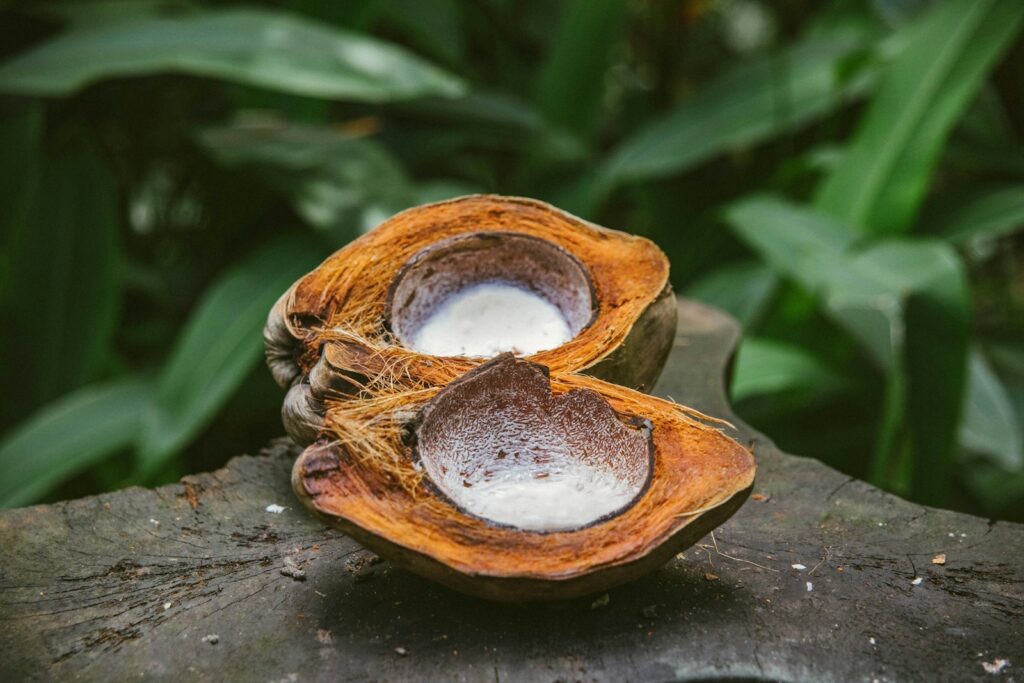
Coconut sugar, derived from the sap of coconut palm flowers, is a natural sweetener cherished for its mild caramel flavor and lower glycemic index compared to refined sugar. As a minimally processed product, it retains nutrients such as potassium, iron, zinc, and antioxidants, making it a popular choice for health-conscious consumers. However, to enjoy its flavor, texture, and nutritional benefits over time, proper storage is essential. Without the right storage methods, coconut sugar can clump, lose flavor, or even spoil due to moisture and pests.
This guide explores the best ways to store coconut sugar, factors affecting its shelf life, and practical tips to ensure long-lasting freshness.
1. Understanding Coconut Sugar’s Shelf Life
Coconut sugar typically has a shelf life of 1–2 years when stored properly. Because it’s hygroscopic (absorbs moisture from the air), it’s prone to hardening or forming lumps if exposed to humidity. While this doesn’t necessarily make it unsafe to consume, it can alter texture and make measuring more difficult.
2. Factors That Affect Coconut Sugar Freshness
Several elements can reduce coconut sugar’s quality over time:
- Moisture: Encourages clumping and potential microbial growth.
- Air Exposure: Can lead to oxidation, dulling its caramel-like flavor.
- Heat: May alter its taste and color.
- Light: Prolonged light exposure can affect its quality.
- Pests: Like any natural sweetener, coconut sugar can attract ants or pantry insects if left unsealed.
3. Best Storage Containers

Choosing the right container is key to keeping coconut sugar fresh:
- Airtight Glass Jars: Mason jars or clip-top jars are ideal as they prevent air and moisture entry.
- Food-Grade Plastic Containers: Lightweight and durable for pantry storage.
- Vacuum-Sealed Bags: Excellent for long-term storage and bulk purchases.
- Resealable Mylar Bags with Oxygen Absorbers: Best for extended shelf life in humid climates.
4. Ideal Storage Conditions
Store coconut sugar in:
- A Cool, Dry Place: Away from stoves, ovens, or direct sunlight.
- Dark Pantry or Cupboard: To protect it from light degradation.
- Temperature Range: Between 15–25°C (59–77°F) is ideal.
5. Tips for Preventing Clumping
Even with proper storage, some clumping is natural. To reduce it:
- Add a small silica gel packet (food-safe) inside the container.
- Place a dry rice bag wrapped in cheesecloth to absorb excess moisture.
- Avoid using wet spoons when scooping sugar.
6. How to Store in Humid Climates

If you live in a humid region:
- Store in smaller portions so you open only what you need.
- Use airtight containers with double seals.
- Consider refrigerating coconut sugar in airtight jars to slow moisture absorption—though allow it to return to room temperature before use to prevent condensation.
7. Can You Freeze Coconut Sugar?
Yes, coconut sugar can be frozen for extra-long storage, especially if bought in bulk. Steps:
- Portion the sugar into airtight freezer-safe bags.
- Remove as much air as possible before sealing.
- Store for up to 2–3 years.
- Thaw at room temperature before use, ensuring no condensation forms inside the bag.
8. Reviving Hardened Coconut Sugar
If your coconut sugar hardens:
- Place it in an airtight container with a slice of apple or bread for a few hours to restore softness.
- Gently break lumps with a spoon or pulse in a food processor.
9. Signs Coconut Sugar Has Gone Bad
While rare, coconut sugar can spoil if exposed to high moisture or pests. Watch for:
- Mold growth or unusual odors.
- Sticky texture indicating excessive moisture.
- Presence of insects.
If any of these occur, it’s best to discard it.
10. Sustainability and Bulk Buying

Coconut sugar is often produced in small farming communities, and buying in bulk supports farmers while reducing packaging waste. However, bulk buying requires careful long-term storage planning to maintain quality.
11. Summary of Storage Best Practices
- Use airtight, moisture-proof containers.
- Store in a cool, dry, and dark location.
- Keep away from strong odors (as sugar can absorb them).
- Portion large amounts into smaller containers.
- Monitor for clumping, pests, or spoilage.
Conclusion
Coconut sugar’s natural sweetness and health benefits make it a staple in many kitchens. With its tendency to absorb moisture, thoughtful storage is key to keeping it fresh for as long as possible. By using airtight containers, keeping it in a cool and dry space, and monitoring for changes in texture or smell, you can ensure your coconut sugar remains flavorful and safe to use—whether you’re sweetening your morning coffee, baking cookies, or making traditional desserts. Proper storage not only extends its shelf life but also helps you get the most out of every spoonful.


