Cooking with coconut sugar is a practical way to add caramel-like sweetness, deeper color, and warmer flavor to both sweet and savory recipes.
It works well in sauces, glazes, marinades, drinks, desserts, snacks, and some baked goods.
In this guide, we explain how to cook with coconut sugar, what it adds to recipes, when it works best, and how to use it without making the final dish too dark, too sweet, or too sticky.
Quick Answer: How Can You Use Coconut Sugar in Cooking?
You can use coconut sugar in many recipes that need a warm, caramel-like sweetness. It works well in sauces, marinades, glazes, oatmeal, drinks, cookies, banana bread, roasted vegetables, and snack bites. However, coconut sugar has a darker color and deeper flavor than white sugar, so it may change the final taste and appearance of a dish.
What Coconut Sugar Adds to Recipes
Coconut sugar is not only used for sweetness. It can also add color, aroma, and flavor depth to a recipe.
Its taste is often described as caramel-like, earthy, and slightly smoky, which makes it suitable for recipes that need a warmer flavor profile.
Compared with white sugar, coconut sugar can make recipes darker and slightly richer.
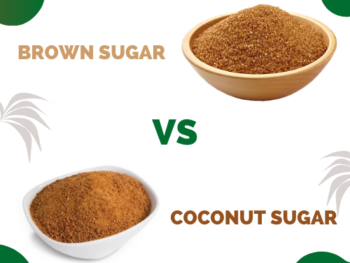
Compared with brown sugar, it may taste less molasses-heavy and more earthy, depending on the product quality and production process.
For a deeper explanation of its flavor profile, read our guide to coconut sugar taste.
Best Ways to Cook with Coconut Sugar
| Use Case | How Coconut Sugar Works | Notes |
|---|---|---|
| Sauces and glazes | Adds caramel-like sweetness and darker color | Good for soy-based, spicy, or savory-sweet sauces |
| Marinades | Balances salt, spice, and acidity | Useful for salmon, chicken, tofu, or roasted vegetables |
| Hot drinks | Dissolves better in warm liquid | Works well in coffee, tea, and milk-based drinks |
| Iced drinks | Better when dissolved first | Make syrup first to avoid grainy texture |
| Baking | Adds deeper flavor and darker color | For detailed baking tips, use a dedicated baking guide |
| Snacks and energy bites | Adds sweetness and binding support | Works well with oats, nut butter, cocoa, and seeds |
| Roasted vegetables | Helps caramelization | Use moderately to avoid burning |
For detailed baking performance, texture, and recipe adjustment tips, read our guide to baking with coconut sugar.
7 Coconut Sugar Recipe Ideas
1. Coconut Sugar Banana Bread
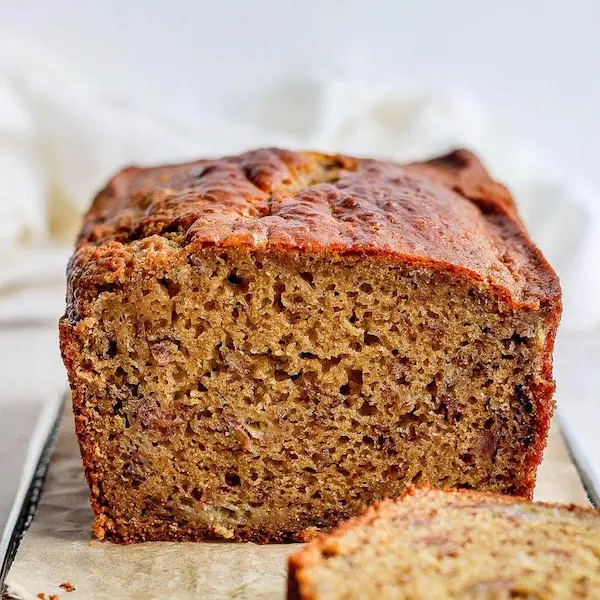
A wholesome twist on the classic, this banana bread is naturally sweetened for a warm, caramel aroma.
Ingredients:
- 3 ripe bananas (mashed)
- ½ cup coconut sugar
- 1 egg
- ¼ cup coconut oil (melted)
- 1 tsp baking soda
- 1 ½ cups all-purpose or whole wheat flour
- Pinch of salt
Instructions:
- Preheat oven to 175°C (350°F).
- Combine mashed bananas, coconut sugar, egg, and coconut oil.
- Fold in flour, baking soda, and salt.
- Pour into a greased loaf pan and bake for 45–50 minutes.
Result: Moist, sweet, and with a hint of caramel flavor.
2. Coconut Sugar Caramel Sauce
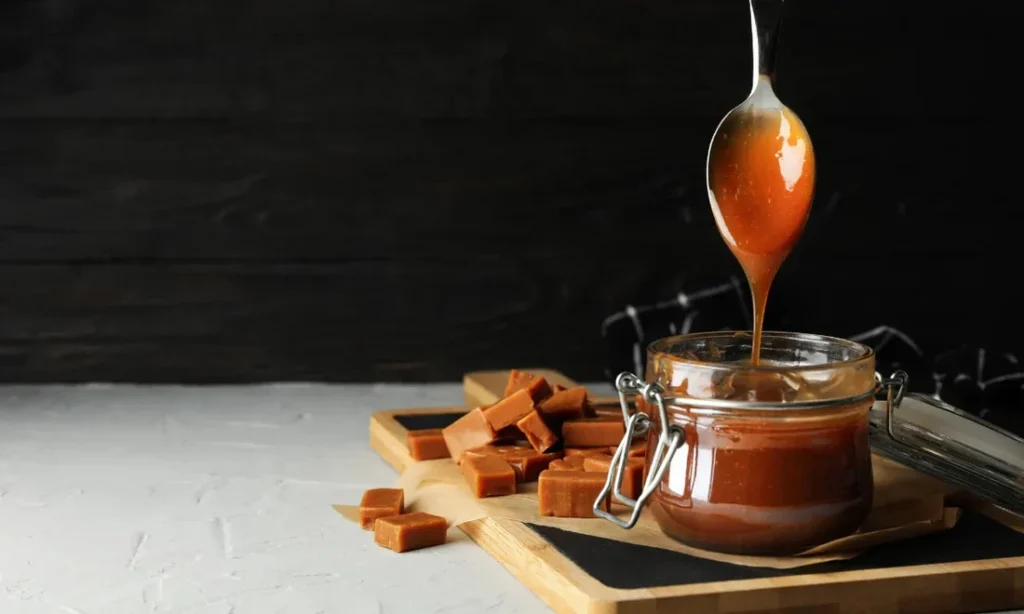
This sauce is perfect over pancakes, ice cream, or fruit.
Ingredients:
- 1 cup coconut sugar
- ½ cup coconut cream
- 2 tbsp coconut oil
- Pinch of sea salt
Instructions:
- In a saucepan, melt coconut sugar with coconut oil over medium heat.
- Stir in coconut cream and cook until thickened (5–7 minutes).
- Add sea salt and stir well.
Result: A rich, dairy-free caramel that’s naturally sweet.
3. Sweet & Spicy Coconut Sugar Glazed Salmon
An easy dinner with a gourmet touch.
Ingredients:
- 4 salmon fillets
- 3 tbsp coconut sugar
- 2 tbsp soy sauce
- 1 tbsp lime juice
- 1 tsp grated ginger
Instructions:
- Mix coconut sugar, soy sauce, lime juice, and ginger.
- Brush glaze over salmon fillets.
- Bake at 200°C (400°F) for 12–15 minutes until cooked through.
Result: A savory-sweet glaze that complements the richness of salmon.
4. Coconut Sugar Chocolate Chip Cookies
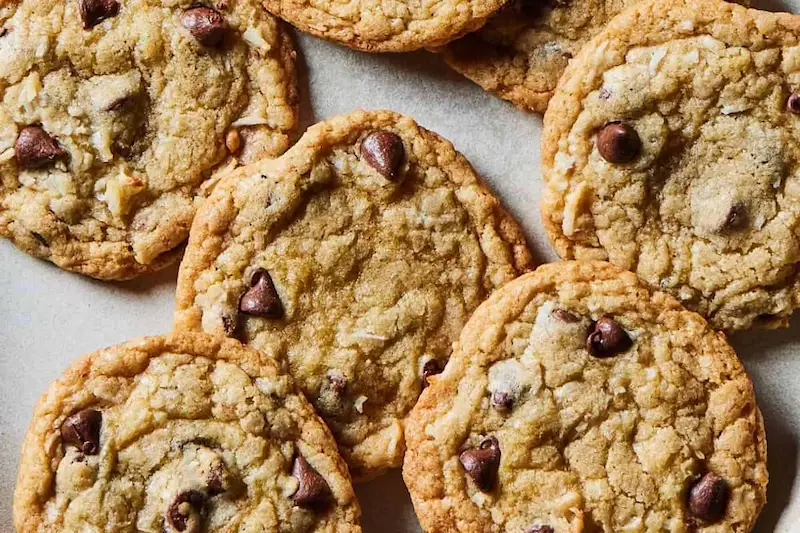
A deeper-flavored version of a classic cookie.
Ingredients:
- ½ cup coconut oil (softened)
- ¾ cup coconut sugar
- 1 egg
- 1 tsp vanilla extract
- 1 ½ cups flour
- 1 tsp baking soda
- ½ cup chocolate chips
Instructions:
- Beat coconut oil, coconut sugar, egg, and vanilla until smooth.
- Stir in flour and baking soda, then fold in chocolate chips.
- Drop spoonfuls onto a baking sheet and bake at 175°C (350°F) for 10–12 minutes.
Result: Chewy cookies with a subtle caramel taste.
5. Thai Coconut Sugar Iced Coffee

A café-style drink you can make at home.
Ingredients:
- 1 cup brewed strong coffee
- 2 tbsp coconut sugar
- ½ cup coconut milk
- Ice cubes
Instructions:
- Stir coconut sugar into hot coffee until dissolved.
- Pour over ice and top with coconut milk.
Result: Smooth, creamy, and naturally sweetened.
6. Coconut Sugar Roasted Sweet Potatoes
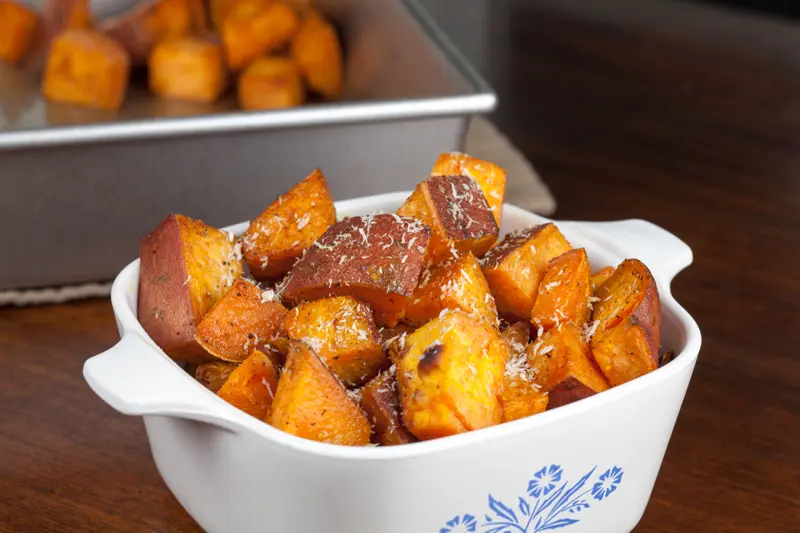
A simple side dish with a caramelized touch.
Ingredients:
- 3 medium sweet potatoes (cubed)
- 2 tbsp coconut sugar
- 2 tbsp olive oil
- 1 tsp cinnamon
Instructions:
- Toss sweet potato cubes with coconut sugar, oil, and cinnamon.
- Roast at 200°C (400°F) for 25–30 minutes until tender.
Result: A caramelized, slightly crispy coating with warm spices.
7. Coconut Sugar Energy Bites
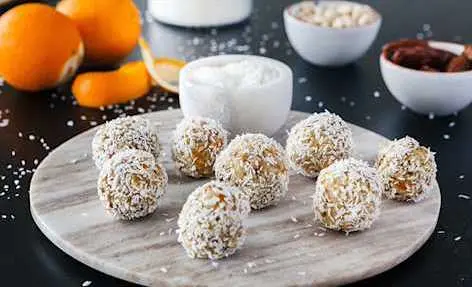
A no-bake snack for quick energy.
Ingredients:
- 1 cup rolled oats
- ½ cup almond butter
- 3 tbsp coconut sugar
- 2 tbsp chia seeds
- 2 tbsp cocoa powder
Instructions:
- Mix all ingredients until combined.
- Roll into small balls and chill for 30 minutes.
Result: Nutty, chocolaty bites perfect for on-the-go snacking.
Tips for Cooking with Coconut Sugar
When cooking with coconut sugar, start with a smaller amount and adjust based on taste. Its caramel-like flavor can be stronger than white sugar in some recipes.
For hot liquids, coconut sugar usually dissolves well with stirring. For cold drinks, dissolve it in a small amount of hot water first or prepare it as a simple syrup.
When using coconut sugar in sauces, glazes, or roasted dishes, watch the heat carefully. Because it can caramelize, high heat may make the sauce darker or slightly bitter if cooked too long.
For recipes that need a pale color or very neutral sweetness, white sugar may still perform better.
Why Choose Coconut Sugar for Cooking?
Coconut sugar is often chosen for cooking because of its caramel-like flavor, natural brown color, and versatility in both sweet and savory recipes. It can work well in glazes, marinades, drinks, baked goods, oatmeal, granola, sauces, and snack products.
Although coconut sugar is less refined than white sugar, it is still sugar and should be used based on recipe needs and serving size.
For general guidance on added sugars, you can also refer to the FDA explanation of added sugars on the Nutrition Facts label
Instead of treating it as a health solution, it is better to use coconut sugar for its flavor, color, and functional role in a recipe.
What Food Manufacturers Should Consider
For food manufacturers, bakery brands, beverage producers, sauce makers, snack brands, and private label buyers, cooking with coconut sugar is not only about taste.
Product form, particle size, moisture level, color consistency, flavor profile, packaging, shelf life, and batch documentation can affect how coconut sugar performs in a finished product.
Granulated coconut sugar may work well in sauces, marinades, toppings, bakery products, dry mixes, snacks, and beverage applications where a caramel-like sweetness is desired.
For product development, buyers should review organic coconut sugar specifications and request a coconut sugar COA before confirming bulk orders.
If you are evaluating organic coconut sugar from Indonesia for food production, Global Coco Sugar can help you discuss product form, packaging options, sample requests, and quotation requirements.
Final Thoughts
Cooking with coconut sugar is a practical way to add caramel-like sweetness, deeper color, and warmer flavor to everyday recipes.
It works especially well in sauces, glazes, marinades, drinks, snacks, roasted vegetables, and selected baked goods.
For home cooking, start with small adjustments and test how coconut sugar affects flavor, color, and texture.
For commercial food production, review specifications, samples, packaging, and batch documentation before using coconut sugar at scale.