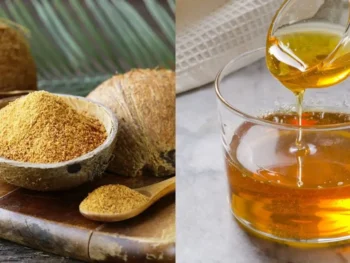
Exploring The Sweet Spectrum: Beyond White Sugar
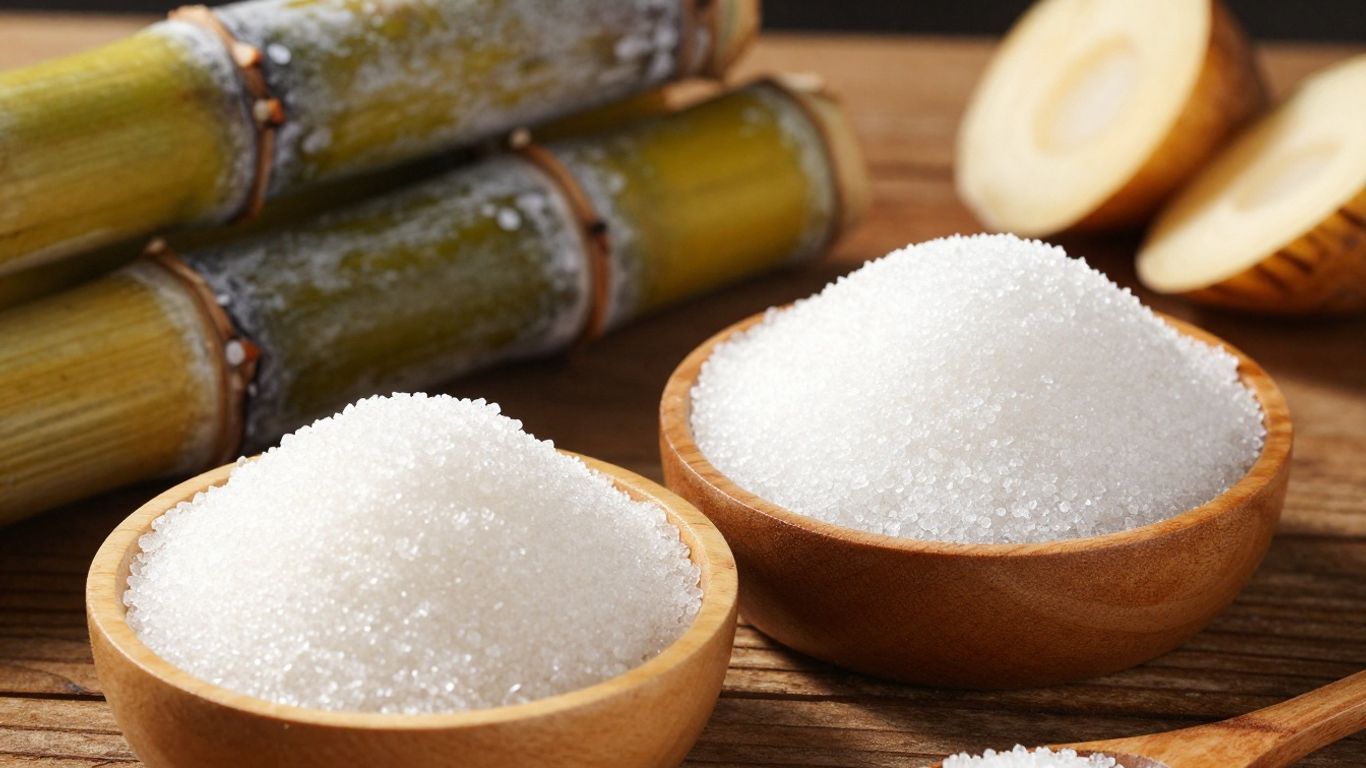
When most of us think about sweeteners, regular white sugar probably comes to mind first. Truth is, there’s an entire world of sugars far more interesting than those plain, tiny crystals we toss into our daily coffee. Brown sugars, in all their quirky forms, bring a whole lot more to the table—literally and flavor-wise—than you might expect. White sugar does its job, sure, but once you get to know its cousins, you might start finding new favorites for both baking and cooking. So which is better palm sugar vs cane sugar?
What Makes Brown Sugar Brown?
Let’s get honest: that box of brown sugar hiding in our pantry is basically a kitchen legend. It adds not just sweetness, but a rich, almost tangy whiff that makes things like cookies and barbecue sauces truly pop. The magic comes down to one simple thing: molasses. During the sugar-making process, as the syrup tucks and boils away, molasses separates out. Brown sugar is made when molasses gets blended back into refined white sugar. That’s where all the color, moisture, and flavor come from.
Light brown sugar holds a little less molasses, keeping things mild, while dark brown sugar packs in more, adding an extra punch of flavor and stickiness. They act a bit different in recipes—more moisture, more chewiness, a deeper taste. Over time, that moisture can also make brown sugar harden. It’s a small tradeoff, but if you’ve ever had to chip away at a brown sugar brick, you know the struggle.
If you’re into baking experiments, it’s worth noticing if your white or brown sugar is made from cane or beets—even if the taste difference is easy to miss for most folks. (And if you’re looking for even more options, there are a bunch of alternative sweeteners out there with their own quirks.)
A World Of Brown Sugar Varieties
Here’s where things start to get fun. Brown sugar isn’t just light or dark. Just when you think you’ve got it all figured out, along comes turbinado, demerara, muscovado, piloncillo, and jaggery. Each of these has its own backstory and flavor notes.
Turbinado features larger, golden crystals and just a hint of molasses, perfect for a crunchy topping. Demerara looks similar but usually has a subtle, toasty flavor and even bigger crystals—great in coffee or sprinkled on muffins.
Muscovado? This one’s a moisture bomb—rich, sticky, and packed with dark, complex notes that can almost taste smoky. If you’ve ever tried to swap it for light brown sugar, you know it makes a huge difference in anything from brownies to sauces.
Latin American kitchens often use piloncillo, which is pressed into cones and brings a special, almost earthy flavor to both sweet and savory dishes. And over in South Asia, jaggery is boiled down from sugarcane (or sometimes palm sap) until it turns practically caramel and is then shaped into cakes or balls. That deep, almost toasted flavor has a way of making even basic oats taste special.
To wrap it all up, here’s a quick cheat sheet on some common brown sugars:
| Sugar Type | Origin | Molasses Level | Texture | Typical Uses |
|---|---|---|---|---|
| Light Brown | Cane/Beet | Low | Fine, moist | Baking, sauces |
| Dark Brown | Cane/Beet | Higher | Fine, sticky | Cookies, richer sauces |
| Turbinado | Cane | Slight | Coarse, dry | Sprinkling, sweetening drinks |
| Demerara | Cane | Moderate | Coarse | Baking, topping |
| Muscovado | Cane | Very high | Sticky, wet | Deep-flavor baking, candies |
| Piloncillo | Cane | High | Firm, compact | Mexican desserts, drinks |
| Jaggery | Cane/Palm | Variable | Soft, dense | South Asian dishes, sweets |
So, in every kitchen cupboard, there’s more than just sugar—there’s a collection of sweet personalities just waiting to be stirred in.
Unpacking Palm Sugar vs Cane Sugar
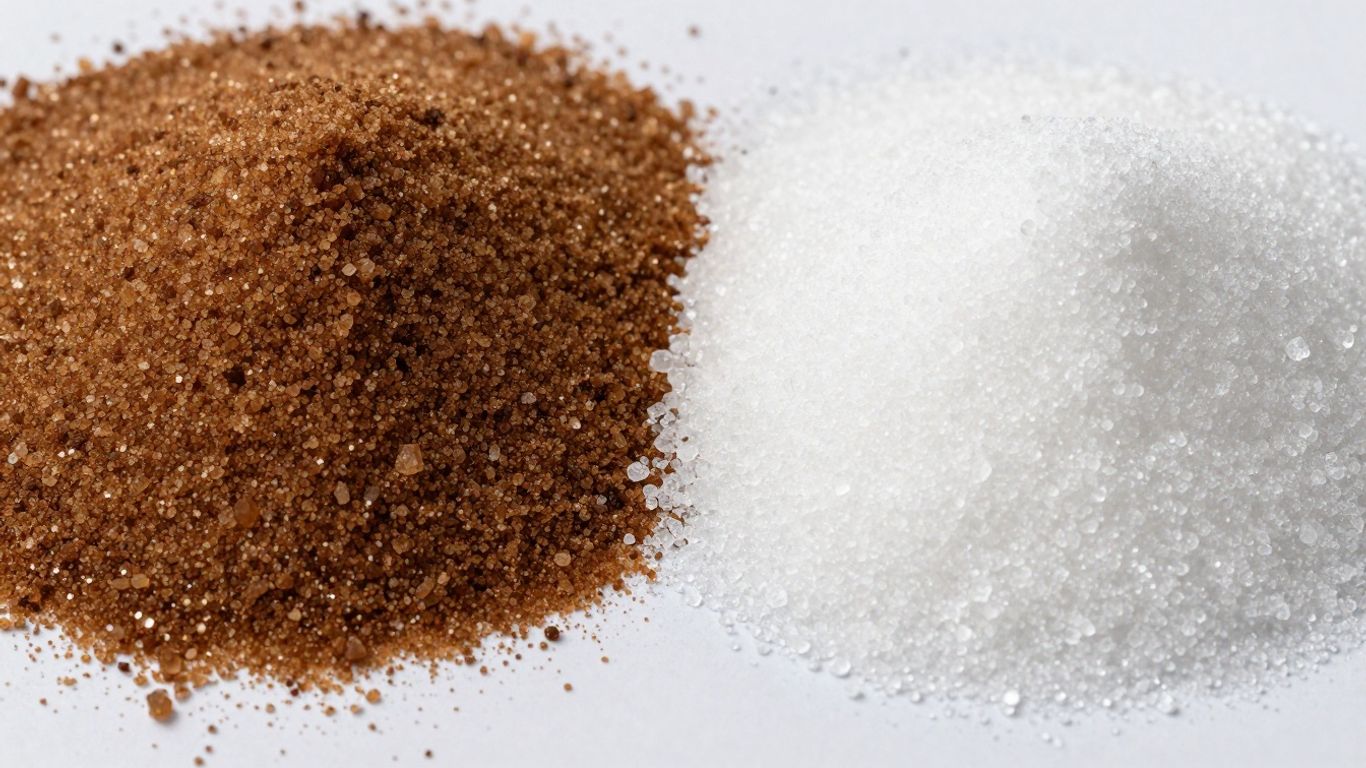
When we talk about sugar, we often think of the white stuff in a bowl, but there's a whole world beyond that. Today, we're going to get into the nitty-gritty of palm sugar and cane sugar. They might seem similar, but they've got their own stories.
The Molasses Factor In Cane Sugar
So, what gives cane sugar its color and distinct flavor? It's all about molasses. Think of molasses as the syrupy byproduct left over after sugar crystals are formed. In refined white sugar, this molasses is pretty much all gone. But in less refined cane sugars, it sticks around, clinging to those sugar crystals. This molasses is what gives brown sugar its characteristic color and that slightly deeper, richer taste we're used to. The amount of molasses can really change things, from a light brown sugar with just a hint of it, to a dark, almost sticky sugar with a strong molasses punch. The more molasses, the more complex the flavor and the darker the sugar.
Understanding Unrefined Cane Sugars
Now, let's talk about the sugars that haven't been stripped down to pure white crystals. These are often called "unrefined" or "whole cane" sugars. They go through less processing, meaning they keep more of the natural molasses and other compounds from the sugarcane juice. You'll find a whole range of these out there, each with its own name and characteristics depending on where it's from and how it's made. We're talking about sugars like Muscovado from places like the Philippines, Piloncillo from Mexico, Jaggery from India, and Rapadura from Brazil. They often come in blocks, cones, or granulated forms and can have a really robust, sometimes even smoky or toffee-like flavor. They aren't just sweet; they bring a whole personality to whatever you're cooking or baking. It's pretty neat how much variation there is, all starting from the same sugarcane plant.
Ever wondered about the difference between palm sugar and cane sugar? They might seem similar, but they have unique flavors and uses. If you're curious to learn more about these sweet choices and find out which one is best for your needs, check out our website for all the details!
So, What's the Sweet Takeaway?
Well, we've taken a good look at palm sugar and cane sugar, and it's clear there's more to sweetness than meets the eye. While both can make our treats delicious, they bring different things to the table. Palm sugar offers a unique, almost caramel-like depth, while cane sugar, especially in its less refined forms, gives us a spectrum of molasses-rich flavors. We've learned that the type of sugar we choose can really change the game in our baking and cooking. So next time you're reaching for the sugar jar, consider which one will best suit your dish. It's all about finding that perfect balance of flavor and texture for whatever we're making.