Coconut nectar can work as a substitute for agave or honey in many recipes because it has a liquid form, caramel-like flavor, and natural sweetness.
In most simple uses, it can be used as a 1:1 starting point, especially in drinks, sauces, dressings, glazes, and some baked goods.
However, coconut nectar is not always identical to agave or honey. Flavor, viscosity, moisture, sweetness, and recipe type can affect the final result.
This guide explains how to use coconut nectar as a substitute for agave or honey, when a 1:1 ratio works, and what food brands should check before using it in commercial products.
Quick Answer: Can Coconut Nectar Substitute Agave or Honey?
Yes, coconut nectar can substitute agave or honey in many recipes, usually starting with a 1:1 ratio. It works well in beverages, sauces, dressings, glazes, marinades, and some baked goods. However, coconut nectar has a caramel-like flavor and may be thicker or darker than agave, so recipes may need small adjustments depending on sweetness, color, and moisture.
What is Coconut Nectar?
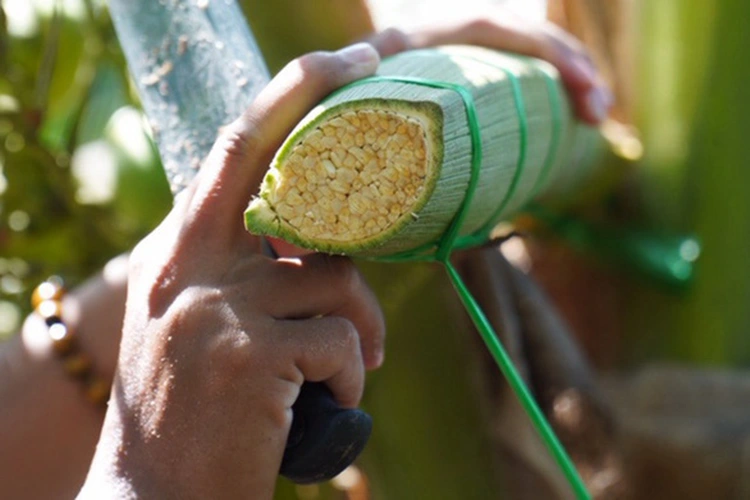
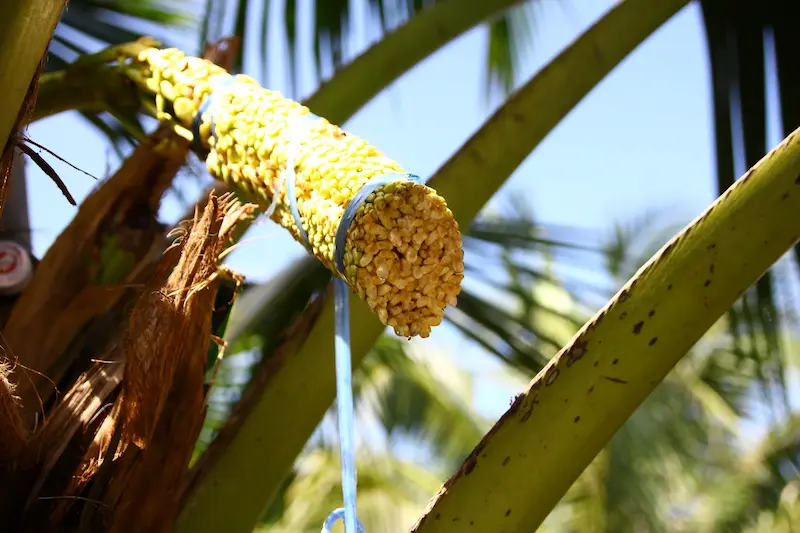
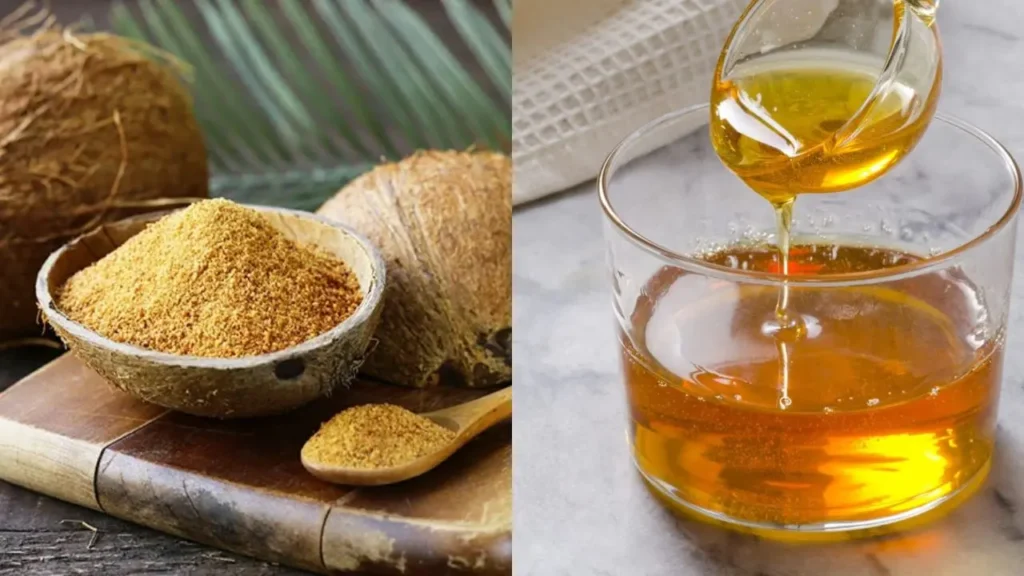
Coconut nectar is a liquid sweetener made from the sap of coconut palm blossoms.
The sap is collected, heated to reduce water content, and turned into a thick syrup with a caramel-like flavor.
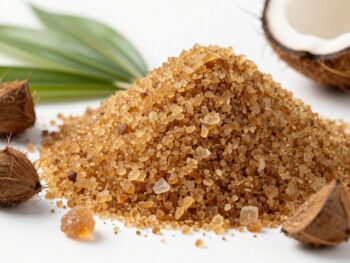
Coconut nectar is different from granulated coconut sugar, although both can come from coconut palm sap.
Coconut nectar remains liquid, while coconut sugar is crystallized into granules or powder.
Because of this, coconut nectar is usually compared with liquid sweeteners such as agave syrup, honey, maple syrup, or coconut syrup.
For a broader explanation of product forms, read our guide to coconut blossom nectar sugar products.
Coconut Nectar vs Agave and Honey: Nutrition and Label Considerations
Coconut nectar is still a sugar-based sweetener, so it should be used in moderation.
It may contain small amounts of minerals depending on the product, but those nutrients should not be treated as the main reason to use it.
Some brands discuss coconut nectar in relation to glycemic index, but GI values can vary by product, source, and testing method.
For recipes and commercial products, buyers should avoid making strong health or blood sugar claims unless they have verified nutrition data and compliant label guidance.
For packaged food and beverage products, sweetener claims should also consider labeling requirements.
The FDA explains how added sugars on the Nutrition Facts label are presented for consumers and food businesses.
Coconut Nectar vs Agave vs Honey: Quick Comparison
| Factor | Coconut Nectar | Agave Syrup | Honey |
| Form | Liquid syrup | Liquid syrup | Liquid syrup |
| Flavor | Caramel-like, earthy, mildly rich | Mild and neutral | Floral, sweet, distinct |
| Vegan suitability | Generally plant-based | Generally plant-based | Not vegan for many consumers |
| Recipe use | Drinks, sauces, glazes, dressings, baking trials | Drinks, sauces, baking | Drinks, glazes, baking, marinades |
| Substitution | Often starts at 1:1 | Often starts at 1:1 | Often starts at 1:1 |
| Flavor impact | Can add darker color and caramel notes | More neutral | Can add floral honey notes |
| B2B consideration | Check viscosity, color, packaging, shelf life, and documentation | Check formulation and label claims | Check allergen, vegan claim limitations, and sourcing |
Why Use Coconut Nectar as a Substitute for Agave or Honey?
Flavor Profile
Coconut nectar has a deep sweetness with caramel-like undertones. Compared with agave, it can taste richer and darker.
Compared with honey, it usually has less floral intensity, which can make it useful when you want sweetness without a strong honey note.
Consistency and Versatility
Because coconut nectar is a liquid sweetener, it can be used in many recipes that already call for agave or honey.
It works in drinks, sauces, glazes, marinades, dressings, and some baked goods where a liquid sweetener fits the formulation.
A 1:1 ratio is a helpful starting point, but it should not be treated as a universal rule for every recipe. Taste, sweetness, color, and liquid balance can affect the final result.
Plant-Based and Recipe-Friendly Positioning
Coconut nectar can be useful for plant-based recipes because it is made from coconut palm sap and does not come from bees.
This makes it a practical alternative to honey for vegan-friendly recipes, as long as the supplier documentation supports the claim.
For vegan positioning, brands should also understand the broader definition of veganism from The Vegan Society and verify that the final product, production process, and supplier documentation match the intended claim.
For agave replacement, coconut nectar can provide a richer caramel-like flavor. However, it is not automatically healthier than agave or honey. The better choice depends on recipe goals, sweetness, flavor, label positioning, and nutrition requirements.
How to Use Coconut Nectar as a 1:1 Substitute

A 1:1 ratio is a useful starting point when replacing agave or honey with coconut nectar. For example, if a recipe calls for 1 tablespoon of agave or honey, you can start with 1 tablespoon of coconut nectar. After that, adjust based on sweetness, color, moisture, and flavor.
In Baking
In cakes, muffins, cookies, and quick breads, coconut nectar can replace agave or honey as a liquid sweetener. Start with a 1:1 ratio, then check whether the batter becomes too moist or too dark.
Because coconut nectar can add color and caramel-like notes, it works best in recipes where deeper flavor is welcome. If the recipe needs a very light color or neutral sweetness, test in a small batch first.
In Beverages
Coconut nectar can be used in coffee, tea, smoothies, iced drinks, milk-based beverages, and functional drinks. It usually mixes more easily than dry coconut sugar because it is already in liquid form.
For cold beverages, viscosity can still matter. Stir well or test the ingredient in the final beverage system to avoid uneven sweetness or settling.
In Sauces, Dressings, and Marinades
Coconut nectar can add sweetness and caramel-like depth to sauces, salad dressings, glazes, marinades, stir-fry sauces, and savory-sweet applications. It pairs well with acidic, spicy, salty, or umami-rich ingredients.
When using coconut nectar in cooked sauces, monitor heat and color. Like other sugar-based sweeteners, it can darken during cooking and may change the final appearance of the recipe.
In Vegan or Dairy-Free Recipes
Coconut nectar can be a useful honey alternative for vegan or dairy-free recipes because it is plant-based. It can be used in dressings, granola, snacks, drinks, and desserts where honey would normally provide sweetness and moisture.
For packaged products, do not rely only on ingredient assumptions. Verify supplier documents, ingredient declarations, and any certification requirements before making vegan-friendly claims.
What Can You Substitute for Coconut Nectar?
If a recipe calls for coconut nectar and you do not have it, agave syrup, maple syrup, or honey can sometimes be used as alternatives, depending on the recipe.
Agave is usually milder, maple syrup adds a distinct maple flavor, and honey adds floral sweetness but is not suitable for vegan recipes.
For a broader comparison of coconut nectar with multiple sweeteners, read our guide to coconut nectar syrup vs other sweeteners.
Tips for Using Coconut Nectar in Recipes
- Start with a 1:1 ratio, then adjust based on sweetness, texture, and recipe type.
- Use coconut nectar where caramel-like flavor and darker color are acceptable.
- For baking, test small batches because liquid balance and browning can change.
- For beverages, test solubility, viscosity, and sweetness consistency in the final drink.
- For sauces and dressings, balance coconut nectar with acidity, salt, spice, or umami flavors.
- For packaged products, verify supplier documents before making vegan, nutrition, or glycemic-related claims.
What Food Brands and B2B Buyers Should Check
For food manufacturers, beverage brands, sauce producers, bakery brands, private label buyers, and procurement teams, replacing agave or honey with coconut nectar should be tested before full production.
Product form, viscosity, color, flavor consistency, packaging, shelf life, and documentation can affect the final product.
If the goal is to create vegan-friendly products, buyers should verify ingredient declaration, supplier documentation, and certification requirements.
If the goal is to make nutrition or glycemic-related claims, buyers should confirm that the claim is supported by product data and local labeling regulations.
For broader coconut product sourcing, buyers can explore coconut products from Indonesia or contact Global Coco Sugar to discuss product details, packaging options, sample requests, and quotation requirements.
Need coconut nectar or coconut-based sweetener details for product development? Contact our export team to request specifications, samples, packaging details, or a quotation.
Conclusion
Coconut nectar can be a practical substitute for agave or honey in many recipes, especially when a liquid sweetener with caramel-like flavor is desired.
A 1:1 ratio is a useful starting point for beverages, sauces, dressings, glazes, marinades, and some baked goods, but the final result should always be tested based on flavor, color, sweetness, and moisture.
For home use, coconut nectar can add depth and natural sweetness to recipes.
For commercial use, food brands and B2B buyers should verify product form, viscosity, packaging, shelf life, nutrition data, supplier documentation, and claim requirements before using coconut nectar in finished products.