Sugar is a staple in kitchens around the world, but as health awareness grows, people are seeking alternatives to refined white sugar. One of the most popular natural substitutes gaining traction is coconut sugar.
Derived from the sap of the coconut palm flower, coconut sugar is less processed than white sugar and retains some nutrients, making it appealing to health-conscious consumers.
But can you actually substitute coconut sugar for white sugar in your favorite recipes? The short answer is yes—but there are some important considerations to keep in mind.
Let’s explore how coconut sugar compares to white sugar, when and how to substitute it, and tips for achieving the best results in cooking and baking.
Quick Answer: Can You Substitute Coconut Sugar for White Sugar?
Yes, coconut sugar can usually substitute white sugar at a 1:1 ratio in many recipes, especially cookies, muffins, cakes, sauces, coffee, and everyday baking.
However, coconut sugar has a deeper caramel-like flavor, darker color, and slightly different texture, so some recipes may need small adjustments in moisture or mixing.
It may not work as well for delicate recipes such as meringues, white cakes, or recipes that need fine white sugar crystals.
Understanding Coconut Sugar vs. White Sugar
To use coconut sugar effectively, it’s essential to understand its differences from white sugar.
- Source and Processing
- White sugar is made from refined sugar cane or sugar beets, stripped of natural molasses and nutrients to produce pure sucrose crystals.
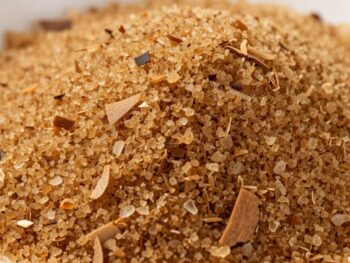
- Coconut sugar, on the other hand, is produced by evaporating the sap from the coconut palm flower. It undergoes minimal processing and is less refined.
- Flavor Profile
- White sugar tastes purely sweet and neutral, which is why it’s so versatile.
- Coconut sugar has a subtle caramel-like flavor, similar to brown sugar but less intense. This makes it an excellent addition to baked goods, sauces, and even coffee.
- Nutritional Value
- White sugar provides empty calories with no vitamins or minerals.
- Coconut sugar contains small amounts of iron, zinc, calcium, potassium, and antioxidants. While the amounts are modest, it’s still more nutrient-dense than white sugar.
- Glycemic Index (GI)
- Coconut sugar has a GI of about 35, compared to white sugar’s GI of around 60. This means it causes a slower rise in blood sugar levels, making it a slightly better choice for blood sugar management. However, it’s still sugar and should be consumed in moderation.
How to Substitute Coconut Sugar for White Sugar
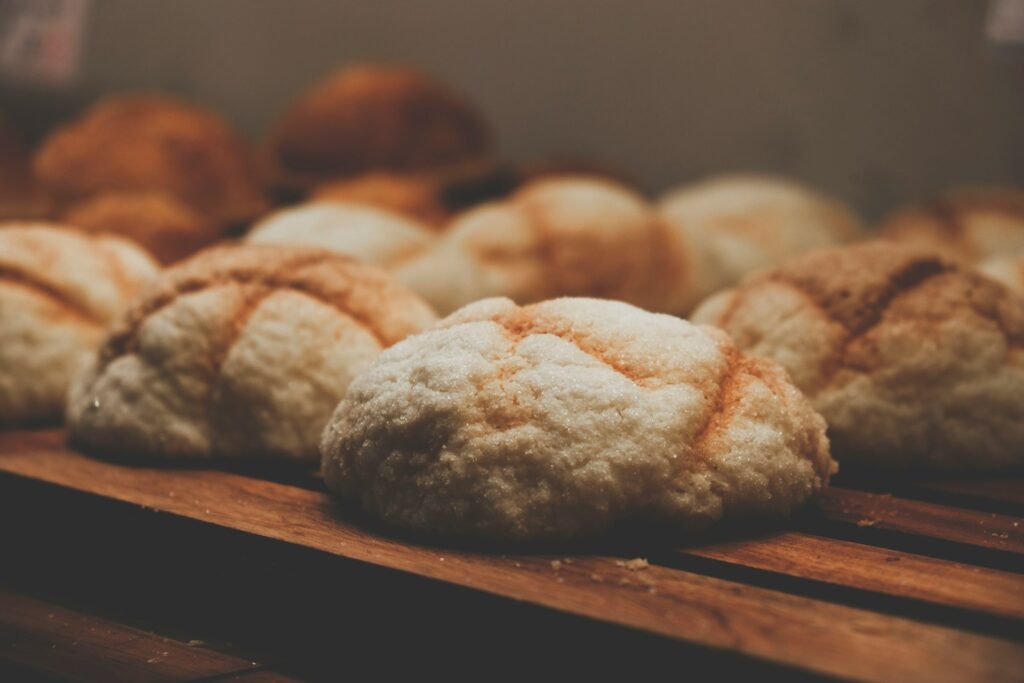
One of the greatest advantages of coconut sugar is that it can be used in a 1:1 substitution ratio for white sugar in most recipes.
However, there are a few adjustments you may need to make depending on the dish.
Use the table below as a quick starting point before adjusting based on texture, sweetness, color, and recipe type.
| Use Case | Substitution Ratio | Notes |
|---|---|---|
| Cookies, muffins, and quick breads | 1:1 | Works well in most recipes, but the final color may become darker and the flavor slightly more caramel-like. |
| Cakes | 1:1, with testing | Coconut sugar can work, but texture and color may change depending on the recipe. |
| Coffee, tea, sauces, and marinades | 1:1, adjust to taste | Coconut sugar dissolves well in many liquid applications, but the caramel-like flavor may be more noticeable. |
| Meringues, white cakes, and delicate pastries | Not always recommended | White sugar usually gives better structure, lighter color, and finer texture. |
| Commercial baking or food manufacturing | Start with a 1:1 trial batch | Review particle size, moisture, color, flavor impact, batch consistency, and supplier documentation before bulk use. |
1. Baked Goods
Coconut sugar works well in cookies, cakes, muffins, and quick breads. It blends seamlessly into batters and doughs. However, because it is less sweet than white sugar, the final product may be slightly less sugary. For those who prefer a rich but balanced sweetness, this is actually a benefit.
Tip: If you want the same sweetness level, you may need to add a tablespoon or two extra, depending on the recipe.
2. Texture Considerations
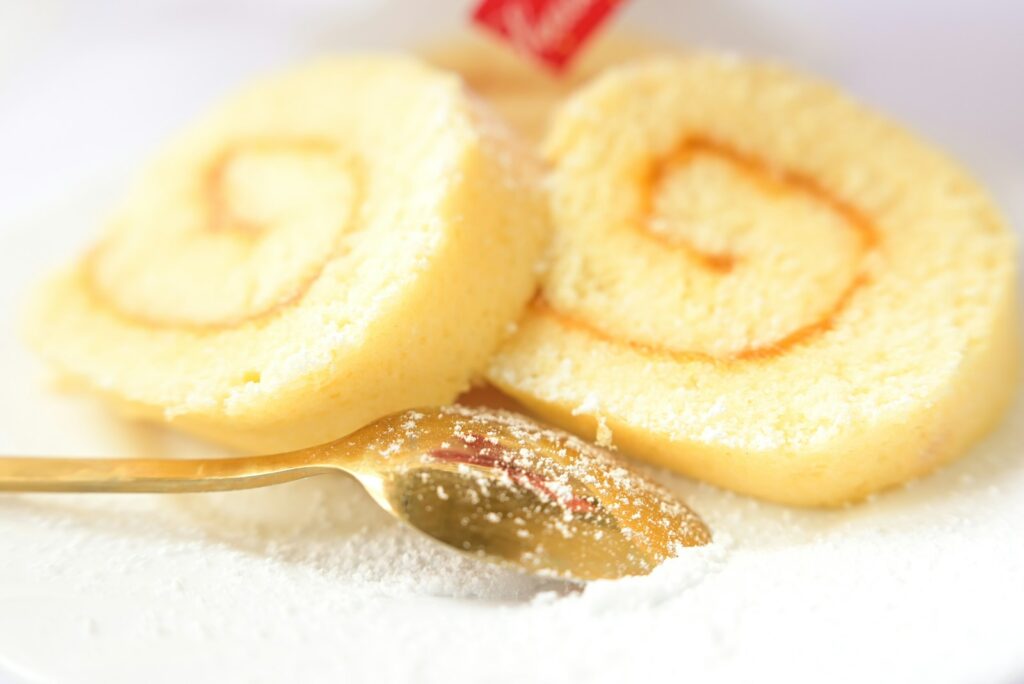
Coconut sugar is coarser and drier than white sugar. This can affect the texture of delicate baked goods like meringues or light sponge cakes, where white sugar’s fine crystals are essential. In such cases, coconut sugar may not produce the same airy result.
Tip: For a smoother texture, pulse coconut sugar in a food processor to create a finer consistency before using.
3. Moisture Balance
Unlike brown sugar, coconut sugar doesn’t retain as much moisture. This means baked goods may turn out slightly drier.
Tip: Compensate by adding an extra teaspoon of liquid (milk, water, or oil) to the batter.
4. Color Changes
Coconut sugar has a natural brown hue, which can darken baked goods. Cookies and cakes may appear deeper golden or brown compared to when white sugar is used.
Tip: Embrace the color change—it often enhances the rustic look and complements the caramel-like flavor.
When Coconut Sugar Shines Best
Coconut sugar isn’t just a substitute—it can actually improve some recipes.
- Coffee and Tea
Coconut sugar’s mild caramel taste enhances hot drinks without being overpowering. It’s a favorite among those who want a natural sweetener in lattes or herbal teas. - Cookies and Bars
Recipes like chocolate chip cookies, brownies, or oat bars benefit from the deeper flavor of coconut sugar. It adds richness and complexity to baked treats. - Sauces and Marinades
Coconut sugar works beautifully in barbecue sauces, stir-fry glazes, or marinades, where its caramel undertone balances savory and spicy elements. - Breakfast Dishes
Sprinkling coconut sugar on oatmeal, yogurt, or pancakes gives a warm, natural sweetness. It pairs especially well with cinnamon, vanilla, and nutmeg.
When to Think Twice Before Substituting

While coconut sugar is versatile, it’s not perfect for every culinary situation.
- Whipped Creams and Meringues
These recipes require white sugar’s ability to stabilize egg whites and cream. Coconut sugar lacks the same structure-building properties, so results may be disappointing. - Delicate Pastries
Pastries like macarons or angel food cake rely heavily on white sugar’s fine crystals and neutral taste. Coconut sugar’s coarseness and caramel notes may not be suitable here. - Recipes Where Color Matters
If you’re baking a white cake or making light-colored frostings, coconut sugar will tint the final product brown.
Health Considerations
Many people choose coconut sugar because it feels like a “healthier” option. While it does contain trace nutrients and has a lower glycemic index, it’s important to remember that coconut sugar is still sugar.
- Calories: Both coconut sugar and white sugar contain about 15–16 calories per teaspoon.
- Fructose Content: Coconut sugar contains less fructose than high-fructose corn syrup and table sugar, which may reduce metabolic stress on the liver.
- Moderation is Key: While coconut sugar may be a better alternative, consuming too much can still contribute to weight gain, dental issues, and blood sugar spikes.
Practical Tips for Substituting Coconut Sugar
- Start Gradually
If you’re new to coconut sugar, try replacing half of the white sugar in a recipe first. This helps you adjust to the flavor and texture differences. - Use in Recipes That Welcome Depth
Choose recipes where caramel notes enhance flavor—like chocolate desserts, banana bread, or curries. - Store Properly
Coconut sugar can harden if exposed to moisture. Store it in an airtight container in a cool, dry place. - Pair with Complementary Flavors
Coconut sugar pairs well with warm spices (cinnamon, ginger, nutmeg), chocolate, coffee, and tropical fruits.
For Food Manufacturers: Substitution Ratio and Bulk Ingredient Considerations
For home recipes, coconut sugar can often replace white sugar at a 1:1 ratio.
For food manufacturers, bakery brands, beverage producers, and private label buyers, that ratio should be treated as a starting point for trial batches rather than a final production formula.
When replacing white sugar with coconut sugar in commercial applications, buyers should review product form, particle size, moisture level, color impact, flavor profile, batch consistency, packaging, and supplier documentation.
These factors can affect how coconut sugar performs in cookies, cakes, dry mixes, beverages, sauces, confectionery, and other finished products.
For example, granulated coconut sugar may work well in many bakery and topping applications, while powdered coconut sugar may be more suitable for dry blends, beverage mixes, or products that need smoother dispersion.
Buyers can review our guide to organic coconut sugar specifications before preparing trial formulas or requesting samples.
For larger production needs, it is also important to compare the substitution ratio with actual product performance.
A supplier’s specification sheet and coconut sugar COA can help procurement and QA teams review moisture, particle size, batch information, and other quality parameters before confirming a bulk order.
If you are evaluating organic coconut sugar from Indonesia for commercial baking or food manufacturing, Global Coco Sugar can help you discuss product form, packaging options, specification details, and quotation requirements with our export team.
Need to test coconut sugar for your next product formulation? Contact our export team to request product specifications, packaging details, or a bulk quotation.
Conclusion
So, can you substitute coconut sugar for white sugar? Absolutely—most of the time. Coconut sugar works as a 1:1 replacement in many recipes, offering a richer flavor profile and slight nutritional advantages. While it may not be ideal for every delicate pastry or meringue, it shines in baked goods, beverages, sauces, and everyday cooking.
Beyond its culinary versatility, coconut sugar offers a more sustainable option, as coconut palms require fewer resources compared to sugarcane. Choosing coconut sugar not only enhances your recipes but can also support environmentally friendly agriculture.
The next time you bake cookies, whip up a sauce, or sweeten your morning coffee, try reaching for coconut sugar. With its natural sweetness and caramel notes, it just might become your new pantry essential.