If you search "coconut oil for acid reflux," you'll find plenty of articles promising it as a natural cure — and just as many warning it could make things worse.
Both claims have some basis in fact, which is exactly why the honest answer is: it depends.
Coconut oil contains lauric acid, a compound with antimicrobial properties that may support gut health.
But coconut oil is also roughly 90% saturated fat — and high-fat foods are a well-documented trigger for acid reflux because they relax the lower esophageal sphincter (LES), the muscle that keeps stomach acid in place.
This guide breaks down what the research actually shows, how to use coconut oil safely if you choose to try it, and what else can help if reflux is a recurring issue for you.
What Is Virgin Coconut Oil?

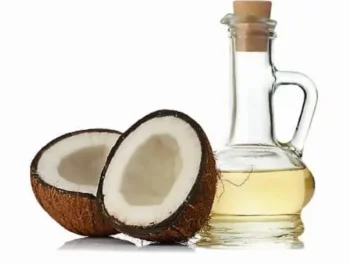
Virgin coconut oil (VCO) is extracted from fresh coconut meat through cold-pressing, fermentation, or centrifugation — without the bleaching or deodorizing steps used for refined coconut oil.
It retains its natural aroma and nutrients, including medium-chain fatty acids (MCFAs) like lauric acid, caprylic acid, and capric acid, along with antioxidants and vitamin E.
For buyers seeking high-quality coconut derivatives, our virgin coconut oil products are sourced from trusted Indonesian producers and exported to global markets.
What the Research Actually Says About Coconut Oil and Acid Reflux

There are currently no large, well-designed clinical trials showing that coconut oil treats or reverses gastroesophageal reflux disease (GERD).
Most of the support for coconut oil as a reflux remedy comes from anecdotal reports and indirect laboratory research — not human clinical studies on reflux specifically.
What the lab research does show: lauric acid, a major component of coconut oil, has antimicrobial activity against certain bacteria, including some strains of Helicobacter pylori, in petri-dish (in vitro) studies. H. pylori is a bacteria linked to stomach ulcers and some digestive issues.
However, showing antimicrobial activity in a lab dish is very different from showing a clinical benefit for acid reflux in the human body — and that gap has not been closed by solid human trials.
In short: there is a plausible mechanism for some benefit, but not direct proof that coconut oil reduces acid reflux symptoms in people with GERD.
Can Coconut Oil Make Acid Reflux Worse?

The Lower Esophageal Sphincter (LES) and Dietary Fat
The lower esophageal sphincter (LES) is a ring of muscle that acts as a valve between your esophagus and stomach.
When it works properly, it stays closed except when food passes through — keeping stomach acid where it belongs.
When the LES weakens or relaxes at the wrong time, acid can flow back up into the esophagus, causing the burning sensation known as heartburn.
High-fat meals are one of the most well-documented triggers for LES relaxation.
Eating fat causes the body to release a hormone called cholecystokinin (CCK), which causes the LES to relax.
This effect can last 2 to 4 hours after a high-fat meal.
Coconut oil is approximately 90% saturated fat — one of the most concentrated fat sources available.
For someone with an already sensitive LES (which is the case in GERD), adding a high-fat ingredient like coconut oil could theoretically work against them, even while it provides other potential benefits.
The Bottom Line: It May Depend on the Amount and Your Sensitivity
For most people, a small amount of coconut oil — such as 1 teaspoon swapped in for butter or another cooking fat — is unlikely to trigger noticeable reflux.
But larger amounts, especially the "1-2 tablespoons daily" sometimes recommended in wellness content, could increase fat intake enough to relax the LES and potentially worsen symptoms in someone prone to reflux.
If you have diagnosed GERD and are considering coconut oil, start with the smallest possible amount (¼ to ½ teaspoon) and monitor how your body responds over several days before increasing.
How Much Coconut Oil Is Safe If You Have Acid Reflux?
| Amount | Risk Level for Reflux | Notes |
| ¼ – ½ teaspoon, used occasionally | Low | Reasonable starting point if trying coconut oil for the first time with reflux history |
| 1 teaspoon, swapped for another cooking fat | Low to moderate | Total fat content of the meal matters more than coconut oil alone |
| 1 tablespoon, added to coffee or smoothie | Moderate | Monitor for symptoms over 2–4 hours after consumption |
| 2+ tablespoons daily (common "wellness" advice) | Higher for GERD sufferers | May increase LES relaxation; not advisable without medical guidance if you have diagnosed GERD |
Practical tips if you choose to try coconut oil:
- Take it with food rather than alone on an empty stomach — this may reduce the likelihood of triggering reflux from a sudden fat load.
- Avoid taking it right before lying down. Staying upright for at least 2–3 hours after consuming any fat-containing food reduces reflux risk.
- Track your symptoms. If reflux worsens within a few hours of using coconut oil, that is a signal to reduce the amount or stop.
- Avoid combining with other high-fat or trigger foods (fried foods, chocolate, caffeine, alcohol) in the same meal — this compounds the LES-relaxing effect.
Other Digestive Benefits of Virgin Coconut Oil
May Support Regular Bowel Movements
Virgin coconut oil can act as a natural lubricant for the intestines, and its medium-chain fatty acids may help stimulate peristalsis — the contractions that move food through the digestive tract.
Some people take 1 teaspoon of VCO with warm water in the morning as a mild remedy for occasional constipation.
May Support Gut Microbial Balance
Lauric acid and its byproduct monolaurin have demonstrated antimicrobial and antifungal activity in laboratory studies, including against Candida albicans and certain bacteria.
This supports general gut health, though — as noted above — this does not translate directly into a proven reflux treatment.
Acid Reflux vs. GERD: What's the Difference?

Occasional acid reflux — the burning sensation in your chest after a heavy or spicy meal — happens to most people from time to time and is usually not a cause for concern.
GERD (gastroesophageal reflux disease) is the chronic, more severe form: reflux that occurs at least twice a week, or causes ongoing irritation to the esophagus.
Left untreated, chronic GERD can lead to esophagitis (inflammation of the esophagus) and, in some cases, Barrett's esophagus — a condition that increases the risk of esophageal cancer.
The distinction matters for how you approach remedies: occasional reflux may respond well to dietary adjustments and natural approaches.
Diagnosed GERD should be managed under medical supervision, where natural approaches like coconut oil should be discussed with — not substituted for — your doctor's guidance.
Other Natural Ways to Manage Acid Reflux
- Eat smaller, more frequent meals: Large meals increase stomach pressure and the likelihood of acid escaping upward.
- Avoid lying down for 2–3 hours after eating: Gravity helps keep stomach contents down; lying down removes this advantage.
- Limit common trigger foods: Citrus, tomatoes, chocolate, caffeine, alcohol, carbonated drinks, and fried or fatty foods are frequently reported triggers.
- Maintain a healthy weight: Excess abdominal weight increases pressure on the stomach and LES.
- Elevate the head of your bed: Raising the head 6–8 inches can reduce nighttime reflux by using gravity to your advantage.
- Consider ginger or chamomile tea: Some people find these soothing for mild digestive discomfort, though evidence is also largely anecdotal.
When to See a Doctor
Natural remedies, including coconut oil, are not a substitute for medical care. Consult a doctor if you experience:
- Heartburn or acid reflux more than twice a week
- Difficulty or pain when swallowing
- Unexplained weight loss
- Persistent nausea or vomiting
- Chest pain (especially if you're unsure whether it's heart-related — seek emergency care)
- Symptoms that don't improve with over-the-counter antacids or lifestyle changes
These can be signs of GERD or other conditions that require proper diagnosis and treatment — which may include prescription medication (such as proton pump inhibitors) or, in some cases, further evaluation.
The Bottom Line
Coconut oil is not a proven treatment for acid reflux — but it's also not necessarily off-limits.
For most people without severe GERD, a small amount used occasionally is unlikely to cause problems and may offer modest digestive benefits through its medium-chain fatty acid content.
If you have diagnosed GERD or frequent reflux, the safest approach is to start small (¼ teaspoon), monitor how your body responds, and avoid the large daily amounts sometimes recommended in wellness content.
And if reflux is happening more than twice a week, that's worth discussing with a doctor — no natural remedy, including coconut oil, should delay proper diagnosis of a condition like GERD.
If you decide to incorporate coconut oil into your routine, quality matters. Choose a certified virgin coconut oil, cold-pressed and unrefined to ensure purity, nutritional value, and consistent quality.
Frequently Asked Questions
Does coconut oil help with acid reflux?
There is no strong clinical evidence that coconut oil treats or reduces acid reflux. Some people report relief, possibly due to lauric acid's antimicrobial properties, but coconut oil is also about 90% saturated fat — and high-fat foods are a known trigger for acid reflux because they relax the lower esophageal sphincter.
Can coconut oil make acid reflux worse?
It's possible, especially in larger amounts. High-fat foods, including coconut oil, can relax the lower esophageal sphincter (LES) via the hormone cholecystokinin, which may allow stomach acid to flow back into the esophagus more easily. People with GERD should use coconut oil cautiously and in small amounts if at all.
How much coconut oil should I take for acid reflux?
If you choose to try coconut oil, start with ¼ to ½ teaspoon and monitor your symptoms. Avoid the commonly suggested "1-2 tablespoons daily" if you have diagnosed GERD, as larger amounts of fat may worsen reflux by relaxing the lower esophageal sphincter.
Is virgin coconut oil good for IBS?
Virgin coconut oil's medium-chain fatty acids are easily digested and may support gut microbial balance due to lauric acid's antimicrobial properties. Some people with IBS find it helpful for mild digestive discomfort, but individual responses vary significantly, and it should not replace medical treatment for IBS.
Is coconut oil good for constipation?
Virgin coconut oil may help with occasional mild constipation by acting as a natural lubricant and supporting bowel movement contractions (peristalsis). A common approach is 1 teaspoon taken with warm water in the morning. It is not a substitute for medical treatment for chronic constipation.
What is the difference between acid reflux and GERD?
Acid reflux is the occasional backflow of stomach acid into the esophagus, causing heartburn — most people experience this from time to time. GERD (gastroesophageal reflux disease) is the chronic form, occurring at least twice a week or causing ongoing esophageal irritation, and requires medical management.
What foods relax the lower esophageal sphincter and trigger reflux?
High-fat foods (including coconut oil in large amounts), chocolate, caffeine, alcohol, peppermint, and carbonated beverages are commonly reported to relax the lower esophageal sphincter (LES), increasing the risk of acid reflux.