Category: Health & Nutrition

  • Is Coconut Sugar Good for Diabetics? The Honest Answer (GI 35, What Experts Say)

    Is Coconut Sugar Good for Diabetics? The Honest Answer (GI 35, What Experts Say)

    The Direct Answer
    Coconut sugar is better than white sugar or brown sugar for people with diabetes — but ‘better’ does not mean ‘safe in large quantities.’ Its glycemic index of approximately 35 (vs white sugar’s GI 65) means a slower blood glucose rise per serving. Its inulin fiber content further slows glucose absorption. However, coconut sugar is still 70-80% sucrose and will raise blood sugar. The American Diabetes Association recommends limiting all added sugars. If you choose to use coconut sugar, do so in small amounts (1-2 teaspoons), not as a daily staple, and always monitor your blood glucose response.

    For people managing diabetes, the question of sweeteners is never simple.

    Every food that contains carbohydrates affects blood glucose — the difference lies in how quickly, to what degree, and with what accompanying nutritional context.

    Coconut sugar has been widely promoted as a ‘diabetic-friendly’ alternative to white sugar.

    This article examines that claim honestly, from the perspective of both the science and the practical realities of diabetes management.

    We will be transparent about what coconut sugar is and what it is not — because as a supplier of certified organic coconut sugar from Indonesia, our credibility depends on accuracy, not marketing exaggeration.

    Understanding how coconut sugar is produced from coconut palm flower sap through minimal processing helps explain why its nutritional profile differs from refined sugar — and why those differences matter for people with diabetes.

    What Is Coconut Sugar?

    What Is Coconut Sugar

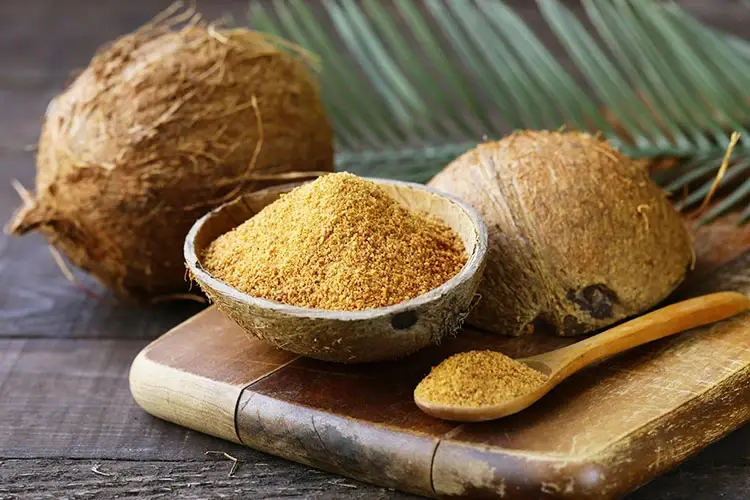
    Coconut sugar is produced from the sap of coconut palm flower buds (Cocos nucifera).

    The sap is collected twice daily, gently heated to evaporate moisture, and granulated — a process involving no refining, bleaching, or chemical additives.

    This minimal processing means coconut sugar retains naturally occurring compounds from the original sap that refined white sugar has completely lost.

    The nutritionally meaningful components retained in coconut sugar include:

    • Inulin fiber: A prebiotic dietary fiber (1-3% of carbohydrates) that slows glucose absorption in the small intestine — the primary reason for coconut sugar’s lower glycemic index.
    • Trace minerals: Potassium (~1,030mg/100g), iron (~2.5mg/100g), zinc (~0.56mg/100g), magnesium (~29mg/100g) — present in meaningful amounts compared to refined sugar, but not in therapeutic quantities.
    • Polyphenols and antioxidants: Small amounts of phytochemicals from the original plant sap — not clinically significant but absent from refined sugar.
    • Complex sucrose composition: Approximately 70-80% sucrose, with remaining fructose, glucose, and the inulin fiber — a more complex carbohydrate profile than refined sugar’s near-100% sucrose.

    Glycemic Index and Glycemic Load: The Two Numbers That Matter Most

    The glycemic index (GI) measures how quickly a food raises blood glucose on a scale of 0-100, relative to pure glucose.

    Coconut sugar’s GI of approximately 35 is significantly lower than white sugar (GI ~65), brown sugar (GI ~64), and honey (GI 58-85).

    For a complete scientific breakdown of why coconut sugar’s GI varies between 35-54 across different studies and what this means for food label claims, see our detailed article on the glycemic index of coconut sugar.

    SweetenerGlycemic Index (GI)GI CategoryNotes
    Coconut sugar~35LowDue to inulin content slowing glucose absorption
    Maple syrup~54Low-MediumPrimarily sucrose
    Honey58-85Medium-HighWide range — depends on floral source
    Brown sugar~64MediumRefined white sugar + molasses
    White sugar (sucrose)~65MediumStandard reference sweetener
    Stevia (pure extract)0NoneNon-nutritive — does not raise blood sugar
    Erythritol0-1NoneSugar alcohol — minimally absorbed
    Monk fruit extract0NoneNon-nutritive — does not raise blood sugar

    Glycemic Load: The More Relevant Number for Practical Use

    While GI tells you how fast a food raises blood sugar, glycemic load (GL) tells you how much it raises blood sugar based on actual serving size.

    This is more relevant for practical diabetes management:

    Serving SizeCoconut Sugar (g)Carbohydrates (g)Glycemic Load (GL)Classification
    1 teaspoon4g~3.8gGL ~1.3Very Low
    2 teaspoons8g~7.6gGL ~2.7Low
    1 tablespoon12g~11.4gGL ~4.0Low
    2 tablespoons24g~22.8gGL ~8.0Moderate
    What this glycemic load data means in practice
    A glycemic load of 1-2 teaspoons of coconut sugar in a cup of coffee or tea (GL ~1.3-2.7) is very low — unlikely to cause a significant blood sugar spike for most people with well-managed diabetes. The concern arises when coconut sugar is used in larger quantities — in baking, cooking, or as a regular daily addition to multiple meals. It is the total daily carbohydrate load that matters for diabetes management, not any individual food in isolation.

    Coconut Sugar vs Other Sweetener Options for People with Diabetes

    People with diabetes evaluating sweetener options typically consider several alternatives. Here is an honest comparison:

    SweetenerEffect on Blood SugarPros for DiabeticsCons for DiabeticsVerdict
    Coconut sugarRaises blood sugar — slower than white/brown sugarLower GI (35), inulin fiber, natural/unrefinedStill raises blood sugar; same calories as sugar; moderation requiredBetter than white/brown sugar; still requires moderation
    SteviaDoes not raise blood sugarZero calories, zero GI, FDA GRAS statusAftertaste some find unpleasant; some products contain fillersExcellent choice for diabetics — best zero-GI natural option
    ErythritolMinimal effect — mostly unabsorbed~0 GI, 0.24 kcal/g, doesn’t cause digestive issues at moderate dosesNot as sweet as sugar (70% sweetness) — need moreExcellent choice — well tolerated at normal cooking amounts
    Monk fruit extractDoes not raise blood sugarZero calories, zero GI, no aftertaste for mostExpensive; less widely availableExcellent choice — premium price but best sensory profile
    Brown sugarRaises blood sugar — similar speed to white sugarFamiliar tasteGI 64 — nearly same as white sugar; refined productNo advantage over white sugar for diabetics
    White sugarRaises blood sugar rapidlyLow cost, widely availableGI 65 — high glycemic response; no nutritional valueWorst option for diabetics among common sweeteners
    HoneyRaises blood sugar — speed varies by typeContains antioxidants; slightly lower GI than sugar (some varieties)GI 58-85; high in calories; still raises blood sugarMarginally better than white sugar; not ideal for diabetes

    For a more detailed comparison of coconut sugar specifically against brown sugar across nutritional profile, processing, and baking behavior, see our article on coconut sugar vs brown sugar health benefits.

    What Medical Organizations and Experts Say About Coconut Sugar for Diabetics

    is Coconut Sugar Good for Diabetics

    It is important to review what established medical and diabetes organizations actually say — as opposed to what health food marketing implies:

    • American Diabetes Association (ADA): Recommends limiting all added sugars, whether refined or natural. Does not specifically endorse coconut sugar as a diabetic-friendly sweetener. Recommends non-nutritive sweeteners (stevia, erythritol, monk fruit, sucralose) as the lowest-impact option for people managing blood glucose.
    • Diabetes UK: States that ‘natural’ sugars such as coconut sugar, honey, and maple syrup have no special benefit for people with diabetes — they all contain sugar that raises blood glucose, and all should be limited.
    • Philippine Coconut Authority (PCA): The original research body that published the GI 35 figure for coconut sugar, in the Philippine Journal of Crop Science. This is the most cited primary source for coconut sugar’s GI claims.
    • Registered dietitians: Generally acknowledge coconut sugar’s lower GI as a genuine advantage over white sugar, but consistently emphasize that it is not a ‘free’ food for people with diabetes and should be used in small quantities.
    The honest position: coconut sugar is a better sweetener, not a diabetes treatment
    As a coconut sugar producer, we want to be clear: coconut sugar is not a diabetes treatment, not a safe unlimited sweetener for diabetics, and not a substitute for medical advice. It is a minimally processed natural sweetener with a lower GI than refined sugar — which makes it a better choice when sweetening is genuinely necessary, but not a reason to consume more sweetener than you otherwise would. Anyone managing diabetes should work with their healthcare provider on overall dietary strategy, of which sweetener choice is a small component.

    Practical Guidelines: How to Use Coconut Sugar If You Have Diabetes

    If your healthcare provider has not restricted all added sugars, and you choose to use coconut sugar as part of a balanced diet, here are evidence-informed practical guidelines:

    GuidelineRecommendationRationale
    Daily limit1-2 teaspoons (4-8g) maximum if blood sugar is well-managedGlycemic load of 1-2 tsp is very low (GL 1.3-2.7); larger amounts increase risk
    MonitoringTest blood glucose 2 hours after consuming coconut sugarIndividual response varies — verify your own glycemic response before assuming low GI applies to you personally
    Meal timingAvoid adding to meals that are already high in carbohydratesCumulative carbohydrate load matters more than individual food GI in practice
    Preparation methodPrefer cooler-temperature preparations (coffee, tea, no-bake)High baking temperatures may degrade inulin — slightly raising effective GI of finished product
    Product selectionChoose minimally processed, traditional-method coconut sugarHigher inulin content (and thus lower effective GI) in less industrially processed product
    Label readingCheck for ‘organic’ and verify country of origin (Indonesia preferred)Indonesian coconut sugar from traditional Central Java producers has more consistent inulin content
    Not a substituteDo not replace prescribed medications or insulin with dietary changes aloneDietary modification is complementary to, not a replacement for, medical diabetes management

    For home bakers who want to enjoy coconut sugar in moderation — our coconut sugar cookie recipe demonstrates how to use coconut sugar effectively in baking with specific tips for managing texture and sweetness level.

    Using coconut sugar in occasional baking treats is a reasonable application for people who manage diabetes with dietary moderation rather than strict sugar elimination.

    For Food Manufacturers: Formulating Products for Diabetic-Conscious Consumers

    indonesia coconut sugar manufacturers

    The ‘diabetic-friendly’ and ‘low GI’ positioning of coconut sugar is commercially valuable for food brands in the health food, organic, and clean label segments.

    However, label claims must be accurate: a ‘low GI’ claim on a finished food product requires testing of the complete formulation (not just the ingredient), and regulatory compliance varies by market.

    Our article on applications of coconut sugar in the food industry covers formulation considerations, and our article on why buyers choose certified organic coconut sugar covers the certification framework relevant to health-positioned product lines.

    Key compliance notes for food manufacturers:

    • EU: ‘Low GI’ claims are regulated under Regulation (EC) No 1924/2006 — requires testing of finished product under ISO 26642:2010.
    • USA: No FDA-approved ‘low GI’ nutrient content claim — GI statements are used as voluntary marketing with supporting data.
    • ‘Refined sugar-free’ or ‘no refined sugar’: coconut sugar qualifies — it is unrefined. White sugar or brown sugar do not qualify.
    • ‘Natural sweetener’: coconut sugar qualifies. Brown sugar does not (it is refined white sugar with added molasses).

    What About Coconut Nectar? The Liquid Form for Diabetic-Conscious Consumers

    Coconut nectar syrup — the liquid form of coconut sweetener produced from the same coconut palm flower sap — shares a similar glycemic index (~35) and nutritional profile to coconut sugar.

    For diabetic-conscious consumers who prefer liquid sweeteners for beverages and sauces, coconut nectar offers the same low-GI advantage in a format that dissolves without heating.

    For a comparison of coconut nectar against honey, maple syrup, and agave from a glycemic perspective, see our article on coconut nectar syrup vs other natural sweeteners.

    Conclusion: A Better Choice, Not a Free Pass

    The honest answer to ‘is coconut sugar good for diabetics’ is: it is better than white and brown sugar — meaningfully so, based on its glycemic index of 35 and inulin fiber content — but it is not a diabetes-safe sweetener that can be consumed without limits or monitoring.

    For people who need to sweeten foods and want the lowest possible blood glucose impact, zero-calorie sweeteners (stevia, erythritol, monk fruit) are the medically preferred options.

    For people who prefer natural, minimally processed sweeteners and are managing diabetes with dietary moderation, coconut sugar in small quantities (1-2 teaspoons) is a reasonable choice — provided blood glucose is monitored and overall carbohydrate intake is managed.

    As coconut sugar producers, we believe the most valuable thing we can do for consumers with diabetes is give them accurate, honest information — not exaggerate our product’s benefits.

    Make your sweetener decision based on your specific health situation, in consultation with your healthcare provider.

    For food brands: certified organic coconut sugar for health-positioned products
    If you are a food manufacturer developing products for health-conscious or diabetic-aware consumers, Global Coco Sugar supplies BRCGS certified organic coconut sugar from Indonesia with full COA documentation. Where to buy coconut sugar in bulk from Indonesia covers pricing, MOQ, and sourcing details.
    Contact Our Export Team >>>
  • Is Coconut Sugar Keto-Friendly? The Honest Answer

    Is Coconut Sugar Keto-Friendly? The Honest Answer

    Is Coconut Sugar Keto-Friendly
    Quick Answer: No — coconut sugar is not keto-friendly. Despite its lower glycemic index (GI 35–54), coconut sugar contains 12–15g net carbs per tablespoon, which is far too high for a ketogenic diet that limits total net carbs to 20–50g per day. Even a small amount can disrupt ketosis.

    Coconut sugar has earned a reputation as a “healthier” sweetener — lower glycemic index, trace minerals, less processed than white sugar.

    It’s a staple in paleo kitchens and a favorite among health-conscious bakers.

    So it’s natural to wonder: if coconut sugar is healthier, does that make it keto-friendly too?

    The answer is no — and understanding why requires a quick look at what actually kicks you out of ketosis.

    It’s not the glycemic index. It’s the carbohydrate count. In this guide, we break down the numbers, clarify the common GI misconception, and give you the best keto-friendly sweetener alternatives to use in your recipes instead.

    → Want the full GI breakdown? See our dedicated article: coconut sugar glycemic index guide

    The Short Answer: Coconut Sugar Is Not Keto-Friendly

    Coconut sugar is not keto-friendly.

    A single tablespoon contains approximately 12–15 grams of net carbohydrates — nearly equivalent to plain white sugar.

    On a standard ketogenic diet, the total daily net carb limit is between 20 and 50 grams.

    One tablespoon of coconut sugar alone uses up 25–75% of that entire daily allowance.

    The confusion stems from coconut sugar’s low glycemic index (GI 35–54).

    A low GI means the sugar is absorbed more slowly — but it does not mean the sugar contains fewer carbohydrates.

    On keto, what matters is net carb count, not GI.

    Coconut sugar’s carb content is nearly identical to white sugar: roughly 4g per teaspoon, 12–15g per tablespoon.

    Why a Lower Glycemic Index Does Not Mean Keto-Friendly

    Coconut Sugar Keto-Friendly

    This is the most common misconception about coconut sugar and keto — and it’s worth addressing directly.

    The Ketogenic Diet Runs on Net Carbs, Not GI

    The ketogenic diet achieves its effects by severely restricting carbohydrate intake, forcing the body into ketosis — a metabolic state where fat becomes the primary energy source instead of glucose.

    To maintain ketosis, most protocols require keeping net carbohydrate intake between 20 and 50 grams per day.

    Net carbs = total carbohydrates − dietary fiber − sugar alcohols (for certain types).

    Coconut sugar contains approximately 4g net carbs per teaspoon. This is nearly identical to white sugar (4g per teaspoon) and brown sugar (4.5g per teaspoon).

    The inulin fiber in coconut sugar does reduce its glycemic impact slightly, but the total carbohydrate load — the number that matters for ketosis — remains essentially the same.

    GI Measures Speed, Not Amount

    Glycemic index measures how quickly carbohydrates raise blood glucose — not how many carbohydrates a food contains.

    A food with GI 35 and a food with GI 65 can have exactly the same number of carbs per serving; the lower-GI food just raises blood sugar more slowly.

    For a person without diabetes choosing between natural sweeteners, lower GI is a meaningful advantage.

    For someone maintaining ketosis, the total carb count is what triggers or prevents the metabolic shift — and both high-GI and low-GI sugars will break ketosis if consumed in normal amounts.

    → Read more: full guide to the glycemic index of coconut sugar — including why GI 35 still matters outside of keto contexts.

    Coconut Sugar Nutrition Facts: The Carb Numbers

    Here is a complete nutritional breakdown of coconut sugar:

    MetricPer Teaspoon (4g)Per Tablespoon (13g)Per 100g
    Calories15–16 kcal48–50 kcal375 kcal
    Total Carbohydrates4g12–13g97g
    Net Carbs~4g~12–13g~95g
    Dietary Fiber< 0.1g< 0.3g~0.5g
    Sugars~4g~12g~94g
    Sucrose~3.2g~10g~79g
    Fat0g0g0g
    Protein0g0g0g
    Inulin (fiber)~0.04g~0.12g~1–3g

    Coconut Sugar vs White Sugar vs Brown Sugar: Keto Comparison

    SweetenerNet Carbs/tspGIKeto-Friendly?Notes
    Coconut sugar~4g35–54❌ NoLower GI but same carb load
    White sugar~4g58–65❌ NoStandard reference
    Brown sugar~4.5g~64❌ NoMinimal nutritional difference
    Honey~5.7g58–85❌ NoHigher carbs than sugar
    Maple syrup~3.5g~54❌ NoSimilar to coconut sugar
    Erythritol~0g (net)0✅ YesSugar alcohol; minimal metabolic impact
    Monk fruit sweetener0g0✅ YesZero calorie, zero carb
    Stevia (pure)0g0✅ YesZero calorie, zero carb
    Allulose~0g (net)0✅ YesRare sugar; minimal insulin response

    Will Coconut Sugar Kick You Out of Ketosis?

    Will Coconut Sugar Kick You Out of Ketosis
    Natural coconut sugar in bowl on wooden table, space for text

    Yes — a normal serving of coconut sugar will likely disrupt ketosis for most people.

    Here’s why: ketosis is maintained when liver glycogen stays depleted, which happens only when daily net carbs remain consistently low (typically under 50g, and often under 20–30g for strict keto).

    A single tablespoon of coconut sugar adds 12–15g net carbs. For someone on a strict 20g daily limit, that’s 60–75% of their entire day’s carbohydrate budget in one ingredient.

    What About Just a Tiny Pinch?

    Very small amounts — a quarter teaspoon in a large recipe serving multiple people — may not individually push you over your daily carb limit.

    In that case, the per-serving carb contribution could be under 0.5g and unlikely to disrupt ketosis on its own.

    However, this requires strict tracking and assumes no other carb sources in the meal.

    For most people following keto, the practical advice is simple: the risk is not worth it when zero-carb alternatives work just as well.

    If you are in a flexible low-carb pattern (rather than strict keto), occasional very small amounts may be acceptable — but regular use will consistently raise daily carb totals.

    Best Keto-Friendly Sweetener Alternatives to Coconut Sugar

    Best Keto-Friendly Sweetener Alternatives to Coconut Sugar

    The good news: several natural sweeteners deliver sweetness with zero or near-zero net carbs, and some work remarkably well as 1:1 coconut sugar substitutes in baking and cooking.

    Here are the four best options:

    1. Erythritol

    Erythritol is a sugar alcohol that occurs naturally in small amounts in some fruits.

    It provides about 70% of the sweetness of sugar with essentially zero net carbs — the body absorbs it but does not metabolize it, so it does not raise blood glucose or insulin levels.

    • Net carbs: ~0g per serving (not counted toward keto totals)
    • Sweetness vs sugar: ~70% as sweet (use 1.3x the amount of sugar called for)
    • Best for: baking, coffee, sauces
    • Texture note: can create a slight cooling sensation in large amounts; this reduces when blended with other sweeteners

    2. Monk Fruit Sweetener

    Extracted from monk fruit (Luo Han Guo), monk fruit sweetener is 150–200x sweeter than sugar.

    It contains zero calories and zero net carbs, with a clean sweet taste that most people find very close to sugar. It does not have the cooling effect of erythritol.

    • Net carbs: 0g
    • Sweetness vs sugar: 150–200x (use in tiny amounts, or use a monk fruit blend product)
    • Best for: beverages, light baking, sauces
    • Note: pure monk fruit is expensive; monk fruit + erythritol blends offer better value and performance

    3. Stevia

    Stevia is a plant-derived sweetener extracted from the leaves of Stevia rebaudiana.

    It is 200–300x sweeter than sugar, calorie-free, and has no impact on blood glucose or ketosis.

    Pure stevia (without added maltodextrin or dextrose fillers) is fully keto-compatible.

    • Net carbs: 0g (pure stevia or stevia liquid drops)
    • Sweetness vs sugar: 200–300x (use sparingly)
    • Best for: beverages, yogurt, light desserts
    • Watch for: some stevia products contain fillers (maltodextrin) that add carbs — check labels

    4. Allulose

    Allulose is a rare sugar that occurs naturally in figs, raisins, and wheat in tiny amounts.

    It has the same chemical formula as fructose but is metabolized completely differently — the body absorbs but does not convert it to energy, resulting in near-zero caloric and glycemic impact.

    It is the closest natural substitute to coconut sugar in terms of baking behavior.

    • Net carbs: ~0g (FDA has approved allulose to be excluded from total/added sugar counts)
    • Sweetness vs sugar: ~70% as sweet
    • Best for: baking (caramelizes like real sugar), sauces, coffee
    • Note: newer on the market; may be harder to find and more expensive than erythritol

    Keto Sweetener Substitution Chart (replacing 1 tablespoon coconut sugar):

    Keto SweetenerAmount to UseNet CarbsBest Application
    Erythritol (granulated)1.3 tbsp~0gBaking, coffee, sauces
    Monk fruit + erythritol blend1 tbsp (1:1 blend)~0gAll-purpose
    Stevia liquid (pure)6–8 drops0gBeverages, yogurt
    Allulose1.25 tbsp~0gBaking (best caramelization)

    Keto-Friendly Coconut Products You Can Use

    While coconut sugar is off the table for keto, several other coconut-derived products are genuinely keto-compatible and worth having in your kitchen:

    Coconut ProductNet CarbsKeto StatusBest Use
    Coconut oil0g✅ ExcellentCooking, fat bombs, MCT source
    Full-fat coconut milk (canned)~1–2g per ¼ cup✅ GoodCurries, sauces, keto desserts
    Coconut cream~2–3g per ¼ cup✅ Good (use sparingly)Whipped toppings, desserts
    Unsweetened desiccated coconut~2g per oz✅ GoodKeto baking, granola, toppings
    Coconut flour~6g per ¼ cup (high fiber)✅ ModerateLow-carb baking (use with care)
    Coconut milk powder (unsweetened)~2g per tbsp✅ GoodBeverages, baking, sauces
    Coconut sugar~12–15g per tbsp❌ Not ketoAvoid or use trace amounts with tracking

    → Sourcing coconut ingredients in bulk? See our full range of coconut products from Indonesia

    Is Coconut Sugar Paleo-Friendly? (Yes — But That’s Different from Keto)

    Yes — coconut sugar is widely accepted in paleo diets. The paleo approach allows natural, minimally processed sweeteners from whole food sources, which coconut sugar qualifies as. Many paleo recipes use it freely.

    This is an important distinction: paleo-friendly does not equal keto-friendly.

    The paleo diet does not restrict carbohydrates as severely as keto — it focuses on food quality and origin, not macronutrient ratios.

    Coconut sugar is a natural, traditionally produced sweetener that fits paleo logic perfectly. On keto, its carb count disqualifies it regardless of its natural origin.

    Keto Recipes Using Coconut Products (Without Coconut Sugar)

    coconut sugar Global Coco Sugar

    These keto-friendly recipes use coconut products at their best — with keto-approved sweeteners replacing coconut sugar wherever needed:

    RECIPE 1

    Keto Coconut Yogurt with Berries

    • 2 cups full-fat canned coconut milk
    • 1 probiotic capsule
    • 1 tsp vanilla extract
    • 1 tbsp powdered erythritol or monk fruit sweetener
    • ½ cup mixed berries (strawberries, raspberries — lower-carb choices)
    • 1 tbsp unsweetened desiccated coconut flakes

    Incubate coconut milk with a probiotic capsule per package directions. Chill, stir in vanilla and sweetener. Top with berries and coconut flakes. Net carbs per serving: ~4–6g.

    RECIPE 2

    Coconut Flour Chicken Tenders

    • 1 lb chicken tenders
    • ½ cup coconut flour
    • ¾ cup unsweetened desiccated coconut
    • 1 tsp garlic powder, 1 tsp onion powder, ½ tsp salt
    • 2 eggs, beaten
    • 2 tbsp coconut oil for cooking

    Dredge chicken in egg, then coat with coconut flour-desiccated coconut mixture. Cook in coconut oil over medium-high heat, 3 minutes per side. Net carbs per serving: ~3g.

    RECIPE 3

    Keto Coconut Macaroons

    • 3 cups unsweetened desiccated coconut
    • ½ cup coconut flour
    • ½ cup powdered erythritol (replaces coconut sugar from original recipe)
    • ½ tsp sea salt
    • 4 egg whites
    • 1 tsp vanilla extract
    • ½ cup 85%+ dark chocolate, roughly chopped (optional)

    Mix all ingredients. Shape into rounds on a lined baking sheet. Bake at 325°F (160°C) for 18–20 minutes until golden. Net carbs per macaroon: ~2g.

    The Bottom Line

    Coconut sugar is a genuinely better sweetener than white sugar in many contexts: lower glycemic index, trace minerals, more natural processing.

    For paleo, for general health-conscious eating, for reducing refined sugar intake — it is a solid choice.

    But for keto, the carb count is the deciding factor, and coconut sugar’s 12–15g net carbs per tablespoon makes it incompatible with maintaining ketosis.

    The GI advantage, while real, is irrelevant in a diet governed by net carb limits rather than glycemic response.

    If you’re on keto and want the caramel-like flavor of coconut sugar in your recipes, an erythritol blend or a monk fruit + allulose combination will get you very close — with zero impact on your ketosis.

    → For non-keto applications, explore our coconut sugar products and specifications — available in bulk for food manufacturers and retailers.

  • The Glycemic Index of Coconut Sugar: What Buyers and Food Manufacturers Need to Know (2026)

    The Glycemic Index of Coconut Sugar: What Buyers and Food Manufacturers Need to Know (2026)

    The glycemic index of coconut sugar is one of the most cited — and most misunderstood — facts about this sweetener. You will find claims ranging from GI 35 to GI 54 across different sources, with varying levels of scientific backing.

    For health-conscious consumers, the difference may seem minor.

    For food manufacturers making label claims, importers conducting due diligence, or buyers evaluating suppliers, the nuances matter considerably.

    This article covers everything you need to know about the glycemic index of coconut sugar — what GI is, what coconut sugar’s GI actually is and why it varies, how GI differs between organic and conventional product, and what the GI data means if you are a food manufacturer evaluating coconut sugar as an ingredient.

    For an overview of coconut sugar as a product — its origin, forms, and why it is increasingly preferred by global buyers — see our article on what is coconut sugar and why global buyers prefer it.

    For information about sourcing our bulk coconut sugar from Indonesia with verified specifications including GI data per batch, see our product range.

    What Is the Glycemic Index — A Brief Primer

    glycemic index

    The glycemic index is a numerical scale (0-100) that measures how quickly a carbohydrate-containing food raises blood glucose levels relative to pure glucose (GI = 100). Foods are classified as low GI (55 or below), medium GI (56-69), or high GI (70 and above).

    For a more detailed explanation of how GI is measured and why it matters for everyday nutrition decisions, see our dedicated article on what the glycemic index is and why it matters.

    GI CategoryGI RangeExamplesBlood Sugar Response
    Low GI55 or belowCoconut sugar (35-54), lentils (32), oats (55)Slow, gradual rise — sustained energy
    Medium GI56 – 69Brown rice (64), raisins (64), pita bread (68)Moderate rise — some fluctuation
    High GI70 and aboveWhite bread (75), white rice (73), glucose (100)Rapid spike — followed by drop

    What Is the Glycemic Index of Coconut Sugar?

    glycemic index of coconut sugar

    The most frequently cited GI value for coconut sugar is 35, based on a study conducted by the Philippine Coconut Authority (PCA) published in the Philippine Journal of Crop Science.

    This places coconut sugar firmly in the low-GI category — lower than white sugar (GI 60-65), brown sugar (GI ~64), honey (GI 58-85), and maple syrup (GI ~54).

    However, GI values for coconut sugar reported across different studies range from 35 to 54. This variability is not an error — it reflects genuine differences in the product being tested. Understanding why this variation exists is critical for making accurate claims.

    Why GI Values for Coconut Sugar Vary Between 35 and 54

    • Sucrose-to-fructose-to-glucose ratio: Coconut sugar is approximately 70-80% sucrose, with remaining fructose, glucose, and inulin. Variations in this ratio between batches and origins directly affect GI.
    • Inulin content: Inulin is a prebiotic dietary fiber that slows glucose absorption in the digestive tract — reducing GI. Inulin content in coconut sugar varies by growing region, season, and processing method, typically ranging from 1% to 3% of total carbohydrates.
    • Processing method and temperature: Higher processing temperatures and longer evaporation times can reduce inulin content, which raises the effective GI of the final product. Minimally processed, low-temperature coconut sugar retains more inulin.
    • Moisture content: Higher moisture content can affect the concentration of GI-active carbohydrates per gram. Standard specification (max 3% moisture) ensures consistency.
    • GI testing protocol: GI values are human-subject measurements with inherent variability. Different study populations, testing protocols, and reference standards can yield different results for the same product.
    For label claims regarding the glycemic index of coconut sugar: which value should you use?
    If you are making a ‘low GI’ label claim on a product containing coconut sugar, work with an accredited laboratory to test your finished product formulation — not the raw ingredient. The GI of a finished food product is affected by all other ingredients, processing, and the food matrix. A GI claim on a finished product should be based on testing of that specific formulation, not just the GI of the coconut sugar ingredient alone. At Global Coco Sugar, we provide Certificate of Analysis (COA) per batch that includes carbohydrate composition data as a foundation for your laboratory formulation testing.

    Coconut Sugar GI Compared to Common Sweeteners

    coconut sugar GI compared to common sweeteners

    Here is how coconut sugar positions against the most commonly used sweeteners in food manufacturing and consumer use:

    SweetenerGlycemic Index (approximate)GI CategoryNotes
    Coconut sugar35 – 54Low to MediumVaries by origin, processing, inulin content
    Coconut nectar syrup35LowLiquid form — similar GI profile to granulated
    Agave nectar15 – 30LowHigh fructose content — lower GI but metabolic concerns
    Honey58 – 85Medium to HighWide range depending on type and floral source
    Maple syrup~54Low to MediumPrimarily sucrose with some minerals
    White sugar (sucrose)60 – 65MediumPure sucrose — standard reference for comparison
    Brown sugar~64MediumWhite sugar + molasses — minimal nutritional difference
    Palm sugar35 – 41LowSimilar profile to coconut sugar — origin-dependent
    High fructose corn syrup58 – 73Medium to HighWidely used in processed food — rising consumer scrutiny
    Stevia (pure extract)0NoneNon-caloric — different functional profile

    For a detailed comparison of coconut nectar specifically — including GI, caloric profile, and mineral content relative to honey, maple syrup, and agave — see our article on coconut nectar syrup vs other sweeteners.

    Why GI Varies by Production Method — A Supplier Perspective

    This is an aspect of coconut sugar GI that very few articles address — and it is directly relevant to buyers who are sourcing for a specific GI claim.

    The GI of coconut sugar is not fixed by the plant source alone: it is significantly influenced by how the sugar is processed.

    Understanding how coconut sugar is produced in Indonesia — from sap tapping to evaporation to granulation — explains why production method matters for GI consistency.

    Production VariableEffect on GIPractical Implication for Buyers
    Low-temperature evaporation (traditional)Preserves inulin → lower GI (closer to 35)Seek suppliers using traditional open-pan or controlled low-heat processing
    High-temperature industrial processingDegrades inulin → higher GI (closer to 54)Ask for inulin content data in COA if GI is critical to your label claim
    Organic certified productionGenerally preserves more inulin — no chemical aidsOrganic certification correlates with more careful processing practices
    Fine powder vs granulatedPowder may have slightly higher GI — faster dissolutionIf GI is a key claim, specify granulated and request batch GI data
    Moisture content (max 3% specification)Consistent moisture = consistent carbohydrate concentration = consistent GIAlways request COA with moisture data — inconsistent moisture signals inconsistent quality

    Glycemic Index of Coconut Sugar: What Food Manufacturers Need to Know

    glycemic index of coconut sugar

    If you are a food manufacturer or R&D professional evaluating coconut sugar as an ingredient, the GI discussion has different implications than it does for individual consumers. Here is what specifically applies to your context:

    1. GI as a Sourcing Criterion

    If your product formulation requires coconut sugar with a specific GI profile — for example, to support a ‘low GI’ claim on your finished product — you need to specify this in your supplier requirements.

    Ask for: inulin content data in the COA (typically expressed as % of total carbohydrates), production method documentation, and ideally GI testing on a reference batch from the specific supplier’s production.

    2. GI Interaction with Other Ingredients

    When coconut sugar is used as an ingredient in a manufactured food product, the GI of the finished product is influenced by all other ingredients — particularly fat, protein, and fiber content, which slow glucose absorption.

    Our article on coconut sugar vs cane sugar for food manufacturing covers the full technical comparison including how coconut sugar behaves under heat (Maillard reaction), moisture dynamics, and substitution ratios by application type — which is directly relevant to formulation decisions that also affect the GI of your finished product.

    3. GI and Food Label Claims

    In the EU, ‘low glycemic’ claims on food products are regulated under Regulation (EC) No 1924/2006.

    A ‘low GI’ claim requires the food to have a GI of 55 or less and must be based on the GI of the finished product as tested under ISO 26642:2010.

    Simply using coconut sugar as an ingredient does not automatically qualify a product for a low GI claim. The claim must be substantiated by testing of the complete formulation by an accredited laboratory.

    In the USA, ‘low glycemic’ is not an FDA-approved nutrient content claim — it is used as a voluntary marketing statement and should be supported by testing data to avoid potential regulatory scrutiny.

    4. Applications Where Coconut Sugar’s Low GI Is Most Relevant

    Coconut sugar’s low GI positioning is most commercially powerful in product categories where ‘natural’, ‘clean label’, and ‘better-for-you’ positioning commands premium retail pricing.

    For a full breakdown of the food manufacturing applications where coconut sugar delivers the strongest commercial and technical results — and where cane sugar may still be the better choice — see our article on applications of coconut sugar in the food industry.

    Sourcing coconut sugar with consistent GI profile for your formulation?
    Global Coco Sugar provides Certificate of Analysis (COA) per batch from an ISO 17025-accredited laboratory, including carbohydrate composition data. We can discuss specific production method requirements — low-temperature processing, organic certification, inulin content targets — for buyers who need GI consistency for label claim support.
    Request a Sample with Full COA >>>
    View Our Coconut Sugar Product Range >>>

    The Health Context: What the glycemic index of coconut sugar actually means in practice

    GI coconut sugar

    For consumers evaluating coconut sugar as part of a health-conscious diet, it is important to understand what the GI number does — and does not — mean in practice.

    What the Low GI of Coconut Sugar Means

    • Coconut sugar causes a slower, more gradual rise in blood glucose compared to white sugar (GI 60-65) or honey (GI 58-85) when consumed in the same quantity.
    • The lower GI is primarily due to inulin content — a prebiotic fiber that slows glucose absorption in the small intestine.
    • For most people, choosing a lower-GI sweetener can contribute to more stable energy levels and reduced post-meal blood sugar peaks.

    What the Low GI of Coconut Sugar Does Not Mean

    Coconut sugar is still approximately 70-80% sucrose. When consumed, sucrose breaks down into glucose and fructose — both of which raise blood sugar levels. The low GI reflects the speed of this rise, not its absence.

    For people with diabetes or insulin resistance, coconut sugar should still be used in moderation and in consultation with a healthcare professional.

    For a more detailed discussion of coconut sugar in the context of diabetes management, see our article on whether coconut sugar is suitable for diabetics.

    • Coconut sugar is not calorie-free or low-calorie — it has approximately the same caloric density as white sugar (~380 kcal per 100g).
    • The trace minerals in coconut sugar (potassium, zinc, iron, calcium) are present in very small amounts — meaningful as part of a varied diet, not as a primary nutritional source.
    • ‘Low GI’ does not automatically mean ‘diabetic safe’ — always advise consultation with a healthcare professional for individuals managing blood glucose conditions.

    Conclusion: GI as One Factor in a Complete Coconut Sugar Evaluation

    The glycemic index of coconut sugar — at 35 to 54 depending on the source and testing protocol — places it comfortably in the low to low-medium GI range, making it a genuinely preferable choice compared to refined white sugar, honey, and most other common sweeteners from a blood glucose management perspective.

    For consumers, this means coconut sugar causes a slower, more gradual blood sugar rise — a meaningful benefit when choosing between sweetener options, though not a reason to consume it without moderation.

    For food manufacturers and buyers, GI is one data point in a larger evaluation that includes carbohydrate composition, inulin content, processing method, certification status, batch consistency, and label claim compliance.

    The most reliable approach is batch-specific COA data from an ISO 17025-accredited laboratory, combined with finished product GI testing if making a label claim.

    Source Coconut Sugar with Consistent GI Profile from a Certified Supplier
    Global Coco Sugar is a BRCGS Food Safety Grade A certified exporter of organic and conventional coconut sugar from Indonesia. We provide batch-specific COA from ISO 17025-accredited laboratories including carbohydrate composition data. Available in granulated and fine powder forms, 25kg sacks or custom packaging for food manufacturing and private label applications.
    Contact Our Export Team >>>
    View Our Coconut Sugar Specifications >>>
  • Virgin Coconut Oil Dosage Guide: How Much VCO Per Day?

    Virgin Coconut Oil Dosage Guide: How Much VCO Per Day?

    Virgin coconut oil (VCO) has become increasingly popular in health and wellness circles, praised for its potential benefits in weight management, heart health, skincare, and more. But despite its natural origin and purported advantages, questions remain about how much virgin coconut oil one should actually consume for health benefits—without overdoing it.

    This article explores the recommended intake of virgin coconut oil, its health impacts, and how to safely incorporate it into a balanced diet.


    What Is Virgin Coconut Oil?

    Virgin coconut oil is extracted from fresh coconut meat (as opposed to dried copra) without the use of high heat or chemicals. This minimal processing preserves the oil’s natural antioxidants, phenolic compounds, and medium-chain fatty acids (MCFAs), particularly lauric acid, which is believed to contribute to many of its health benefits.

    Unlike refined coconut oil, virgin coconut oil retains a mild coconut aroma and flavor, along with a higher level of phytonutrients.


    Nutritional Profile of Virgin Coconut Oil

    A single tablespoon (about 13.5 grams) of virgin coconut oil provides:

    • Calories: ~120 kcal
    • Total fat: 14 grams
      • Saturated fat: ~12 grams
      • Monounsaturated fat: ~1 gram
      • Polyunsaturated fat: ~0.5 grams
    • No protein or carbohydrates

    Most of the fat content comes from medium-chain triglycerides (MCTs), including lauric acid, capric acid, and caprylic acid. These fats are metabolized differently from long-chain fats, leading to some of the health claims associated with coconut oil.


    Potential Health Benefits

    1. Metabolism and Weight Management

    Some studies suggest that the MCTs in virgin coconut oil may increase energy expenditure and fat oxidation. Because MCTs are quickly absorbed and converted into energy, they are less likely to be stored as fat.

    Today, the global wellness market is capitalizing on this trend, with functional food brands and pharmaceutical companies heavily utilizing bulk virgin coconut oil to manufacture keto supplements, MCT gel capsules, and nutritional bars.

    2. Antimicrobial Properties

    Lauric acid exhibits powerful antimicrobial activity. This premium property makes high-purity organic extra virgin coconut oil a highly sought-after raw ingredient for cosmetic formulators creating natural skincare, organic soaps, and premium oral care products like oil-pulling blends.

    3. Heart Health and Cholesterol

    Virgin coconut oil can increase levels of HDL (good cholesterol), which is generally beneficial for heart health. However, it can also raise LDL (bad cholesterol) in some individuals. This dual effect means that moderation is crucial, especially for people with cardiovascular risks.

    4. Brain Function

    Some early research suggests MCTs may provide an alternative energy source for the brain, which is being explored for managing Alzheimer’s disease. While promising, more clinical research is needed before recommending coconut oil for cognitive health.


    How Much Virgin Coconut Oil Should You Consume?

    The ideal amount of virgin coconut oil varies based on individual health status, lifestyle, and dietary goals. However, most nutrition experts and scientific sources suggest moderation is key, due to the oil’s high saturated fat content.

    Purpose / ApplicationRecommended Daily DosageHow to Take
    General Health & Wellness1 – 1.5 tablespoons (13g – 20g)Add to smoothies, coffee, or use in medium-heat cooking.
    Keto / Paleo Diet Protocol2 tablespoons (26g)Spread across meals as a clean source of MCTs and energy.
    Digestive System Adjustment1 teaspoon (5g)Start here for the first week to avoid gastrointestinal discomfort.
    Industrial Product FormulationVaries by specificationStandard for encapsulation (softgels) or cosmetic clean-label bases.

    General Guidelines:

    • 1 to 2 tablespoons per day is commonly considered a safe and effective amount for adults.
      • This equals about 13–26 grams of fat, mainly saturated fat.
    • Begin with 1 teaspoon per day and gradually increase to allow your digestive system to adjust.
    • Spread intake across meals, such as adding it to smoothies, coffee, or cooking.

    Adjusting for Dietary Context

    Your overall fat and calorie intake should guide your use of coconut oil. If you already consume significant amounts of saturated fat from other sources (like butter, cheese, or red meat), adding virgin coconut oil could push your intake beyond recommended limits.

    The American Heart Association recommends that saturated fat make up no more than 5–6% of daily calories, which is about 11–13 grams per day for a 2,000-calorie diet. One tablespoon of coconut oil already meets or exceeds this threshold.

    If you’re otherwise on a low-saturated-fat diet or following ketogenic or paleo protocols, incorporating 1–2 tablespoons of virgin coconut oil may be more acceptable.


    Ways to Incorporate Virgin Coconut Oil into Your Diet

    Virgin coconut oil can be used in a variety of ways:

    • Cooking: Ideal for medium-heat cooking, sautéing, and baking.
    • Smoothies: Add a teaspoon or tablespoon for creaminess and extra energy.
    • Coffee or Tea: Often used in bulletproof coffee for sustained energy.
    • Salad Dressings: Combine with vinegar or citrus for a tropical vinaigrette.
    • Spreads: Use as a substitute for butter on toast or baked goods.

    Note: Avoid using virgin coconut oil for high-heat frying, as it has a lower smoke point (around 350°F or 177°C) than many refined oils.


    Considerations and Precautions

    1. Saturated Fat and Heart Disease

    Although MCTs behave differently than long-chain saturated fats, virgin coconut oil is still a saturated fat source. High saturated fat intake has been linked to increased cholesterol and cardiovascular risk, particularly when replacing unsaturated fats.

    Use coconut oil in place of other saturated fats, not in addition to them.

    2. Caloric Density

    Coconut oil is high in calories. Excessive consumption may lead to weight gain if not accounted for in your overall caloric intake.

    3. Digestive Issues

    Some people experience gastrointestinal discomfort, such as bloating or loose stools, when starting coconut oil. This typically resolves with reduced dosage and gradual introduction.

    4. Allergies and Skin Reactions

    Though rare, coconut allergies exist. Discontinue use if you experience skin irritation or digestive issues that persist.


    Who Should Limit or Avoid It?

    • People with high LDL cholesterol: Consult a doctor before adding coconut oil regularly.
    • Individuals with liver conditions: MCTs are metabolized by the liver; caution is advised.
    • Those on a low-fat or heart-healthy diet: May need to avoid or strictly limit intake.
    Premium Bulk VCO Supply for Health & Beauty Industries
    Scaling your production of nutritional supplements, healthy food products, or organic cosmetics requires an uncompromised source of pure oil. Global Coco Sugar is a trusted Indonesian manufacturer supplying high-capacity, certified organic Virgin Coconut Oil (VCO) and Extra Virgin Coconut Oil (EVCO) for international markets.
    – Certifications: USDA Organic, EU Organic, Halal, Kosher compliant.
    – Processing: 100% Cold-pressed, chemical-free, and additive-free.
    – B2B Capabilities: Flexible wholesale quantities and global export logistics.
    📬 Get a Commercial Bulk Quote & Request Samples

    Conclusion

    Virgin coconut oil can be a beneficial addition to your diet when used wisely. Rich in MCTs and lauric acid, it offers some antimicrobial, metabolic, and possibly cognitive benefits. However, due to its high saturated fat content, moderation is essential.

    For most people, 1–2 tablespoons per day is considered a safe and effective amount when replacing other fats—not added on top of an already high-fat diet. The key is balance: use virgin coconut oil as part of a varied and nutrient-dense eating plan, not as a cure-all or magic bullet.

    As with any dietary change, consult a healthcare provider or dietitian to determine what amount is right for you, especially if you have underlying health conditions or specific nutritional goals.

  • What is Glycemic Index? A Plain-Language Guide to GI Scores

    What is Glycemic Index? A Plain-Language Guide to GI Scores

    When you eat a slice of white bread, your blood sugar rises quickly and crashes within the hour. When you eat a bowl of oats, the rise is slower and more sustained.

    The glycemic index (GI) is the tool nutritionists use to measure exactly that difference — how fast a food raises your blood glucose, and by how much.

    Understanding the glycemic index helps you make smarter food choices: whether you’re managing diabetes, trying to sustain energy throughout the day, or simply trying to reduce processed sugar in your diet.

    This guide explains GI from the ground up — no jargon, no charts that require a degree to read.

    What is Glycemic Index?

    What is Glycemic Index of coconut, coconut tree, thailand-3024332.jpg
    Coconut Fruit

    The glycemic index is a numerical scale from 0 to 100 that measures how quickly carbohydrate-containing foods raise blood glucose (blood sugar) levels compared to pure glucose, which is set at 100.

    The concept was developed in 1981 by Dr. David Jenkins at the University of Toronto as a tool to help people with diabetes choose foods that produce a smaller, more gradual rise in blood sugar. Today it is used broadly in nutrition science, sports dietetics, and the food industry.

    How Is GI Measured?

    GI values are measured through human clinical trials. A group of healthy volunteers consume a portion of the test food containing 50 grams of available carbohydrates.

    Their blood glucose is then measured at regular intervals over two hours. The resulting curve is compared to the curve produced by 50g of pure glucose — that ratio becomes the GI value.

    Because GI is measured in living people, values can vary between studies and populations.

    This is why you may see a range (e.g., GI 35–54) reported for the same food — it is not an error, but a reflection of biological and methodological variation.

    GI vs Glycemic Load: What’s the Difference?

    Glycemic load (GL) takes GI one step further by accounting for the actual amount of carbohydrates in a typical serving.

    A food can have a high GI but a low glycemic load if you only eat a small amount of it.

    Formula: GL = (GI × grams of carbohydrate per serving) ÷ 100 Example: Watermelon has a high GI (~72) but a low glycemic load (~4 per slice) because a typical serving is mostly water.

    Both GI and GL are useful — GI tells you the quality of carbohydrate, GL tells you the real-world impact of a normal portion.

    The GI Scale: Low, Medium, and High

    Foods are classified into three GI categories:

    GI CategoryGI RangeWhat It MeansExamples
    Low GI55 or belowSlow, gradual rise in blood sugar — sustained energyLentils (32), rolled oats (55), most vegetables, many fruits
    Medium GI56 – 69Moderate rise — some fluctuationBrown rice (64), raisins (64), pita bread (68), pineapple (59)
    High GI70 and aboveRapid blood sugar spike — followed by a crashWhite bread (75), white rice (73), corn flakes (81), glucose (100)

    What Factors Affect a Food’s Glycemic Index?

    The GI of a food is not fixed — it can change depending on several factors. This is important to understand because the same ingredient can have different GI values depending on how it is prepared or processed.

    • Processing and refinement: The more refined a food, the higher its GI. Rolled oats (GI 55) have a lower GI than instant oats (GI 79) because they are less processed.
    • Cooking method: Cooking increases GI. Al dente pasta (GI ~45) has a lower GI than well-cooked pasta (GI ~61). The longer you cook a starchy food, the more its starches gelatinize — making them easier to digest quickly.
    • Fiber content: Fiber slows digestion and glucose absorption. Foods high in soluble fiber (oats, legumes, some fruits) consistently have lower GI values.
    • Fat and protein content: Fat and protein slow gastric emptying, which reduces the rate at which carbohydrates are absorbed. A mixed meal will always have a different GI than a pure carbohydrate food in isolation.
    • Ripeness: Ripe bananas have a higher GI than unripe ones because starch converts to sugar as fruit ripens.
    • Acidity: Acidic ingredients (vinegar, lemon juice, sourdough fermentation) lower the GI of a meal by slowing digestion.

    A practical example of how these variables interact: coconut sugar is commonly cited with a GI of 35, but tested values range as high as 54 depending on the producer’s processing temperature, inulin retention, and moisture control.

    Two bags of coconut sugar from different suppliers can genuinely have different glycemic impacts — which is why sourcing from producers who provide batch-specific Certificate of Analysis (COA) with carbohydrate composition data matters if GI consistency is important to you.

    For a full breakdown of exactly why coconut sugar’s GI varies between 35 and 54 — and what to look for when choosing a supplier — see: The Glycemic Index of Coconut Sugar: A Complete Guide.

    Why Does the Glycemic Index Matter in Daily Life?

    For Blood Sugar Management

    People with type 1 or type 2 diabetes benefit most from understanding GI.

    Choosing low-GI foods consistently helps reduce post-meal blood glucose spikes, improve HbA1c levels over time, and reduce dependence on insulin correction doses.

    The American Diabetes Association recognizes low-GI eating as a valid dietary strategy, though it emphasizes that total carbohydrate intake remains the primary consideration.

    Beyond diabetes management, even in metabolically healthy individuals, consistently choosing low-GI foods reduces the frequency and amplitude of blood sugar fluctuations throughout the day — which research links to better sustained concentration, more stable mood, and reduced inflammation markers over time.

    For Energy and Satiety

    Low-GI foods release glucose gradually, providing sustained energy without the mid-morning or mid-afternoon crash that follows high-GI meals.

    They also tend to keep you fuller longer by slowing stomach emptying — which is why a breakfast of oats keeps you satisfied longer than the same calories from a white bagel.

    For Weight Management

    Several large studies have linked low-GI diets with better long-term weight management. The mechanism: high-GI foods trigger a larger insulin response, which promotes fat storage and suppresses fat burning.

    Lower-GI eating keeps insulin levels more stable, creating conditions more favorable for fat metabolism. That said, GI is one factor — total caloric intake, sleep, and physical activity remain equally important.

    Low-GI diets also have a documented effect on appetite regulation. Because low-GI foods slow gastric emptying and produce a more gradual insulin response, hunger returns more slowly after a low-GI meal compared to a high-GI one.

    In practical terms: you feel full longer, eat less at the next meal, and are less likely to reach for a snack between meals.

    This appetite-control mechanism is one reason low-GI eating tends to support weight loss more sustainably than simple calorie restriction alone.

    For Heart Health and Cholesterol

    Research consistently links low-GI dietary patterns with improved cardiovascular markers.

    Specifically, sustained low-GI eating has been associated with reduced levels of LDL cholesterol (low-density lipoprotein) — the form of cholesterol most strongly associated with arterial plaque buildup and heart disease risk.

    The mechanism is related to insulin: high-GI diets produce chronic insulin spikes that promote triglyceride synthesis in the liver, which in turn raises LDL levels. A lower-GI diet keeps this process more regulated.

    For people with existing cholesterol concerns, combining a low-GI approach with adequate dietary fiber tends to produce the most consistent results.

    For Athletic Performance

    Athletes sometimes use GI strategically: high-GI foods before or during endurance exercise for rapid energy availability, and low-GI foods in the hours before competition for sustained fuel.

    Recovery nutrition after intense training may also benefit from higher-GI carbohydrates to rapidly replenish muscle glycogen.

    Common Low-GI Foods: A Quick Reference

    FoodGI ScoreCategory
    Lentils32Legumes
    Chickpeas28Legumes
    Kidney beans24Legumes
    Rolled oats55Grains
    Barley28Grains
    Sweet potato (boiled)44Vegetables
    Carrots (raw)16Vegetables
    Apple36Fruits
    Orange43Fruits
    Strawberries41Fruits
    Full-fat milk41Dairy
    Plain yogurt36Dairy
    Dark chocolate (70%+)23Other
    Coconut sugar35–54Sweeteners — see note below

    A note on coconut sugar: Coconut sugar appears in many low-GI food lists, with values typically cited between GI 35 and 54. If you want to understand exactly what drives this range, how it compares to other sweeteners, and what it means for product formulation or daily consumption — we cover it in full detail in a dedicated article.

    Also read: The Glycemic Index of Coconut Sugar: Everything You Need to Know

    How to Use the Glycemic Index in Your Diet

    Eating by GI does not mean you need to memorize hundreds of numbers. A few practical principles cover most situations:

    • Choose whole over refined: brown rice instead of white rice, whole wheat bread instead of white bread, whole fruit instead of juice.
    • Add fiber, fat, or protein to high-GI foods: butter on toast, olive oil in pasta, cheese with crackers — these combinations lower the effective GI of a meal.
    • Limit ultra-processed foods: chips, sugary drinks, breakfast cereals with added sugar — these tend to be high-GI by design.
    • Cook pasta and potatoes al dente: overcooking raises GI significantly.
    • Opt for naturally sweet foods first: fruits, sweet vegetables, and minimally processed sweeteners are better choices than refined sugar in most contexts.

    Limitations of the Glycemic Index

    GI is a useful tool but it has real limitations that nutritionists are careful to acknowledge:

    • GI measures individual foods in isolation — but we almost never eat one food at a time. A mixed meal’s GI is hard to predict.
    • GI testing uses 50g of carbohydrate, which may not reflect realistic portion sizes.
    • Individual responses to the same food can vary significantly based on gut microbiome, metabolic health, time of day, and stress levels.
    • GI does not account for overall nutrient quality. Some high-GI foods (watermelon, carrots) are nutritionally excellent. Some low-GI foods (ice cream, certain chocolate bars) are not.
    • Glycemic load addresses some of these gaps — using GL alongside GI gives a more complete picture.

    Summary

    The glycemic index is a practical tool for understanding how carbohydrate foods affect blood sugar.

    Low-GI foods (GI 55 and below) produce a slower, more gradual glucose response — which benefits energy stability, blood sugar management, and potentially weight control.

    High-GI foods produce rapid spikes that can lead to crashes, increased hunger, and over time, metabolic stress.

    For most people, a simple approach works best: emphasize whole foods, minimize ultra-processed ones, and when choosing sweeteners, opt for options that sit lower on the GI scale.

    That last point leads to one of the most searched GI questions we get: What is the glycemic index of coconut sugar — and how does it compare to white sugar, honey, and maple syrup?

  • Are Coconut Flakes Good for Weight Loss? (Benefits & Calories)

    Are Coconut Flakes Good for Weight Loss? (Benefits & Calories)

    In the age of superfoods and wellness trends, coconut has found itself both praised and questioned in the world of health and nutrition. From coconut oil to coconut water, nearly every part of the coconut is being incorporated into diets—often with bold claims about its ability to boost metabolism, improve digestion, and help shed excess weight. One product frequently featured in this conversation is unsweetened coconut flakes.

    But does incorporating unsweetened coconut flakes into your diet actually aid in weight loss? Or is this just another nutrition myth with little scientific backing? Let’s explore the nutritional profile, health benefits, potential drawbacks, and what science really says about unsweetened coconut flakes for weight loss.

    💡 Quick Answer: Are They Healthy & Good for Weight Loss?
    Yes, unsweetened coconut flakes are highly nutritious and can support weight loss when eaten in moderation.
    They are rich in dietary fiber (5g per serving) and metabolism-boosting MCTs. However, they are high in calories (approximately 185 calories per ounce) and saturated fats. They are excellent for Keto and low-carb diets but must be strictly portion-controlled to effectively aid in weight management.

    What Are Unsweetened Coconut Flakes?

    Unsweetened coconut flakes are made by shredding or flaking the white meat of mature coconuts and drying it without adding any sugar or preservatives. These flakes differ from sweetened varieties, which are often loaded with added sugars and used in baking or candy-making.

    The unsweetened version is favored by health-conscious eaters because it retains the natural fiber, healthy fats, and micronutrients found in coconut, while avoiding extra calories and sugar.


    Nutritional Profile of Unsweetened Coconut Flakes

    A typical 28-gram (1-ounce) serving of unsweetened coconut flakes contains:

    • Calories: 185
    • Fat: 18g (of which ~16g is saturated fat)
    • Carbohydrates: 6g
    • Fiber: 5g
    • Sugar: 2g (naturally occurring)
    • Protein: 2g

    They also contain trace amounts of iron, zinc, selenium, and manganese—important minerals for energy production, metabolism, and immune function.


    The Weight Loss Claim: What’s the Basis?

    Proponents of coconut flakes for weight loss usually cite the following reasons:

    1. High in Fiber

    Fiber is essential for weight management. It slows digestion, keeps you feeling fuller longer, and helps regulate blood sugar levels. With 5 grams of fiber per ounce, coconut flakes can contribute to satiety, potentially reducing overall calorie intake.

    2. Healthy Fats and Satiety

    Coconut flakes are rich in saturated fat, particularly medium-chain triglycerides (MCTs). MCTs are metabolized differently from long-chain fats—they’re absorbed quickly and converted into energy, rather than stored as fat. Some studies suggest MCTs may modestly boost metabolism and reduce appetite, making them a popular component in keto and low-carb diets.

    3. Low in Net Carbs

    For those following a ketogenic or low-carb diet, unsweetened coconut flakes are attractive because they contain minimal net carbohydrates (total carbs minus fiber), helping keep insulin levels stable and promoting fat-burning states like ketosis.

    This nutritional advantage has made unsweetened coconut flakes a highly sought-after bulk ingredient for commercial healthy snack manufacturers, specifically those formulating certified Keto-friendly granola bars and paleo trail mixes.


    What Does the Science Say?

    While there is some scientific support for coconut’s role in metabolism and satiety, the evidence is not definitive and should be interpreted with caution.

    MCTs and Metabolism

    Several small studies have shown that replacing some dietary fat with MCTs can lead to modest increases in energy expenditure and fat oxidation. However, most research uses concentrated MCT oil, not whole coconut or flakes. While coconut contains MCTs, it’s not a pure source, so the effects may not be as strong.

    Satiety and Appetite Control

    The combination of fat and fiber in coconut can promote fullness. Feeling satisfied after a meal or snack can lead to reduced calorie intake over time. However, coconut flakes are calorie-dense, and portion control is critical.

    Weight Loss Outcomes

    No major clinical studies show that simply adding unsweetened coconut flakes to your diet leads to significant weight loss. As with any food, total calorie balance still matters—consuming more calories than you burn, even from healthy fats, will result in weight gain.


    Potential Benefits Beyond Weight Loss

    Even if coconut flakes aren’t a magic bullet for weight loss, they still offer several nutritional benefits:

    • Digestive health: High fiber content supports gut regularity and may help with digestion.
    • Energy support: Fats, especially MCTs, provide a quick source of fuel, particularly for those on low-carb diets.
    • Blood sugar regulation: The low glycemic index of coconut helps prevent blood sugar spikes, which is crucial for appetite control and long-term metabolic health.

    Common Pitfalls: Why Coconut Flakes Can Backfire

    Despite their health benefits, coconut flakes are not without their risks when it comes to weight management.

    1. High Calorie Density

    Coconut flakes are very energy-dense. A small handful (just 1 ounce) contains nearly 200 calories. It’s easy to overeat without realizing it, especially if you snack on them straight from the bag.

    2. Saturated Fat Content

    While MCTs are a healthy fat, most of the fat in coconut is saturated. The role of saturated fat in heart health is still debated, and some experts recommend moderation, particularly for those with cardiovascular risk factors.

    3. Portion Confusion

    Because coconut flakes are seen as “healthy,” people may assume there’s no need to monitor portion sizes. However, weight loss is about energy balance, and consuming too many calories—regardless of the source—can hinder progress.


    How to Incorporate Coconut Flakes for Weight Management

    If you enjoy unsweetened coconut flakes and want to include them in a healthy eating plan, here’s how to do so wisely:

    Use as a Topping

    Sprinkle a small amount (1–2 tablespoons) over oatmeal, smoothie bowls, or yogurt. It adds texture and flavor without too many extra calories.

    Incorporate into Energy Balls or Baked Goods

    When combined with nuts, seeds, and a natural binder like dates or almond butter, coconut flakes can be part of a balanced, homemade snack.

    In the commercial food sector, sourcing bulk coconut flakes ensures healthy food brands can scale up their production of additive-free, low-sugar energy bites without compromising nutritional integrity.

    Make Coconut-Crusted Proteins

    Use flakes as a coating for chicken or fish for a tropical twist that’s higher in fiber than breadcrumbs.

    Practice Mindful Eating

    Measure your portions and savor each bite. Coconut is flavorful, so a little goes a long way.

    Bulk Coconut Flakes for Keto & Health Food Manufacturers
    Are you developing a new line of low-carb, keto, or paleo-friendly food products? Sourcing raw ingredients without hidden sugars or preservatives is critical for your nutritional labels.
    Global Coco Sugar supplies premium, 100% pure unsweetened coconut flakes in wholesale volumes for the global food and beverage industry.
    – Specs: Unsweetened, Unsulfured, and rigorously tested for purity.
    – Certifications: USDA & EU Organic, Halal, and Kosher.
    – Supply Chain: Reliable global shipping with flexible MOQ for commercial food processing.
    Partner With Us: Request Specifications and Bulk Pricing Today

    So, Myth or Reality?

    Verdict: PARTLY REALITY — with context.

    Unsweetened coconut flakes can be part of a healthy, weight-conscious diet, especially due to their fiber, healthy fats, and minimal sugar. However, they are not a miracle food and won’t directly cause weight loss unless used as part of a balanced, calorie-controlled eating plan.

    The myth lies in the idea that simply adding coconut flakes to your meals will automatically burn fat or melt pounds away. The reality is more nuanced: they can support weight loss when used in moderation, as a replacement for less healthy ingredients, or when paired with nutrient-dense, whole foods.


    Final Thoughts

    Like many so-called “superfoods,” unsweetened coconut flakes offer real nutritional value, but they are not a cure-all. Weight loss is complex and influenced by many factors, including lifestyle, exercise, genetics, and overall dietary patterns.

    That said, coconut flakes are a delicious, satisfying, and nutrient-rich ingredient worth including—mindfully—in a healthful, well-rounded approach to eating. Focus on quality, quantity, and balance, and let coconut flakes be one flavorful piece of the wellness puzzle.


  • Is Coconut Sugar Keto or Paleo Friendly? (The Truth)

    Is Coconut Sugar Keto or Paleo Friendly? (The Truth)

    Quick Summary: Is It Friendly for Your Diet?

    Is Coconut Sugar Paleo-Friendly?
    YES. Coconut sugar is 100% plant-based, unrefined, and undergoes minimal processing, aligning perfectly with strict Paleo principles.

    Is Coconut Sugar Keto-Friendly? NO (with exceptions). Because it contains roughly 4 grams of carbohydrates per teaspoon, coconut sugar can easily disrupt ketosis if used regularly. It is only acceptable in strict moderation for low-carb diets, not standard Keto.

    Coconut Sugar As Healthy Sweetener Surprising Place in Low-Carb, Paleo, Keto and Other Diets

    Is coconut sugar taste good or bad?, coconut flower sugar for thick hot chocolate, unrefined coconut sugar, coconut sugar good for diabetics, unrefined coconut sugar, healthy sweetener, facts about coconut sugar shelf life, healthy sweetener, alternative sweetener

    With coconut sugar’s popularity surging as an alternative healthy sweetener, many dieters wonder if it can fit into their chosen eating plan. From Paleo to low-carb to vegan and beyond, coconut sugar actually works quite well in certain programs in moderation.

    Let’s explore how coconut sugar fits into various popular diets, meal plans and healthy lifestyles for sweetening in a more nutrient-packed way.

    Coconut Flower Sugar in the Low-Carb Diet

    supplier coconut sugar kosher, supplier coconut sugar halal, supplier coconut sugar organic, unrefined coconut sugar

    Low-carb diets aim to reduce overall daily carbohydrate intake, often limiting to around 50g or less. Strict low-carb diets even restrict to just 20-30g of carbs. This requirement means traditional sugar is off the table. However natural sugar substitutes still can be on the table

    Coconut flower sugar contains about 3g of carbs and 2g of sugar per teaspoon so enjoys some use in moderation on low-carb eating plans. While low-carb recipes may use other sweeteners first, those following more moderate low-carb diets can work in small amounts of coconut sugar. It provides more nutrients than highly-processed low-carb sweeteners with less impact on blood sugar.

    Coconut Sugar and the Keto Diet

    coconut sugar keto diet, coconut nectar syrup, coconut nectar benefits, healthy sugar alternative, healthy sweetener, alternative sugar substitutes

    The ketogenic diet allows just 20-50g of carbohydrates daily to maintain a fat-fueled state of ketosis. One tablespoon of coconut sugar contains around 12 grams of pure carbohydrates. Therefore, it is generally not considered a standard keto-friendly sweetener.

    However, for healthy food brands creating “Keto-friendly” or “Low-Carb” transitional products, organic coconut sugar is sometimes utilized in micro-dosages strictly for its flavor-enhancing profile and low glycemic index (GI 35), provided the total net carbs per serving remain within keto-compliant limits.

    Coconut Sugar As Natural Sugar Substitutes For Paleo Dieters

    coconut sugar supplier in indonesia, coconut flower sugar

    The Paleo diet eliminates all processed foods, sugars, and dairy in favor of meat, seafood, eggs, vegetables, fruits, nuts, and seeds. The idea is to eat like hunter-gatherer ancestors.

    Coconut sugar fits well into the Paleo diet’s core principles as a less processed natural sweetener. Paleo followers use small amounts of coconut sugar to sweeten up foods and baked goods within carb limits. It contains key nutrients Paleo eaters need without introducing modern refined sugars.

    Today, global organic snack manufacturers rely on verified coconut sugar suppliers to fulfill the clean-label requirements mandated by the Paleo Foundation certification.

    Coconut Sugar As Alternative Sweeteners In The Vegan Diet

    is virgin coconut oil can use for diet?

    The vegan diet prohibits all animal-derived ingredients including honey. But coconut sugar offers a cruelty-free, plant-based sweetening alternative as the sap comes from coconut palms.

    Vegans appreciate coconut sugar for providing B vitamins, vitamin C, potassium, magnesium and other nutrients the diet can lack, on top of fiber and antioxidants. So it fills important nutritional gaps when used amply in vegan recipes.

    Low Sugar Diets Allow Some Coconut Flower Sugar

    For those monitoring sugar and carbohydrate intake for health reasons without being on ketogenic or very low-carb regimes, coconut sugar can be an occasional treat.

    With a glycemic index of 35, coconut sugar impacts blood glucose levels far less than regular table sugar thanks to its inulin fiber and slow digestion. Consuming it in moderation has less effect on insulin resistance, diabetes risk, and candida yeast overgrowth.

    Certified Organic Coconut Sugar for Clean-Label & Paleo Brands

    Launching a product line for Paleo, Vegan, or Low-GI food markets requires transparent and high-purity ingredients. Global Coco Sugar is a premier Indonesian exporter delivering bulk organic coconut sugar that complies with global clean-food standards.
    – Compliance: 100% Pure, Unrefined, USDA & EU Organic Certified, Halal, and Kosher.
    – Industrial Perks: Excellent caramelization profiles for organic bakeries and healthy snack bar manufacturing.
    – Global Logistics: Reliable supply chain capacity with custom specification adjustments (moisture and mesh size).

    Partner with Us: Request a Bulk Quote & Complimentary Samples Now

    The Takeaway on Coconut Sugar in Diets

    Coconut sugar carved out a niche in the diet world thanks to its relatively low glycemic index, moderate carb and calorie content, and nutrition profile. While no sugar gets unlimited allowance, coconut sugar enjoys more flexibility than regular sugar in low-carb, low-sugar, Paleo, and vegan meal plans. Like anything, how much gets used comes down to individual carb needs and health conditions. But overall coconut sugar offers a sensible sweetener swap across many diet types.

    After you know using coconut sugar in every type of diet, maybe you will start interested to try coconut sugar either for your diet or for your alternative sweetener. Feel free to contact us to try free coconut sugar.

  • Discover the Deliciousness of Low Sugar Coconut Yogurt: A Healthy Alternative

    Discover the Deliciousness of Low Sugar Coconut Yogurt: A Healthy Alternative

    Embracing the Creamy Goodness Of Low Sugar Coconut Yogurt

    Creamy low sugar coconut yogurt with fresh toppings.

    Why Choose Low Sugar Coconut Yogurt?

    We’ve all been there, right? Staring at the yogurt aisle, trying to find something that tastes good and doesn’t come with a sugar bomb. It can feel like a real challenge. That’s where low sugar coconut yogurt steps in, offering a delightful solution. It’s a fantastic way to enjoy a creamy, satisfying treat without all the added sweeteners. For us, it’s become a go-to because it feels like a smart choice for our bodies. We get that rich, satisfying texture we love from yogurt, but with a much lighter touch when it comes to sugar. It’s a simple swap that makes a big difference in our daily routine, letting us indulge a little without the guilt.

    Simple Ingredients Making Low Sugar Coconut Yogurt For Delicious Results

    What we really appreciate about this type of yogurt is how straightforward the ingredient list usually is. Often, it’s just a few things you can actually recognize. Think coconut milk and some live active cultures. That’s it! This simplicity is key to its clean taste and texture. We’ve found that when you start with good quality full-fat coconut milk, you get this wonderfully thick and creamy result, almost like a decadent dessert. It’s amazing how much flavor can come from just these basic components. It makes us feel good about what we’re eating, knowing there aren’t a bunch of fillers or artificial stuff hiding in there. It’s just pure, simple goodness.

    Making Your Own Low Sugar Coconut Yogurt

    Low sugar coconut yogurt with fresh toppings.

    We know, making yogurt from scratch might sound a little intimidating. But honestly, it’s surprisingly simple, especially when we’re talking about coconut yogurt. We’ve found that with just a couple of key ingredients, we can whip up a batch of creamy, tangy goodness right in our own kitchen. It really doesn’t take much effort at all, and the results are so worth it.

    The Easy Two-Ingredient Method In The Making Of Low Sugar Coconut Yogurt

    Seriously, you only need two things to get started: a can of full-fat coconut milk and some probiotic capsules. That’s it! We like to use a good quality, full-fat coconut milk because it gives us that rich, creamy texture we’re after. For the probiotics, just make sure they’re vegan-friendly. We simply empty the contents of a couple of capsules into the coconut milk.

    Then, we give it a good stir with a non-metal spoon – a wooden or plastic one works best. You want to make sure everything is well combined. After that, we cover the container with something breathable, like cheesecloth secured with a rubber band. This lets it do its thing without letting any unwanted guests in.

    The magic happens when you let it sit in a warm spot for about 24 to 48 hours. The longer it ferments, the tangier it gets. We usually check it after a day and a half to see if it’s reached our preferred tanginess and thickness.

    Tips for Perfect Texture and Taste

    Choosing the right coconut milk is a big deal. We’ve found that brands known for being smooth and creamy tend to give us the best results. If your coconut milk looks a bit separated in the can, just give it a good shake or stir it well before using.

    Sterilizing your jar or bowl beforehand is also a good idea to keep things clean. When it comes to taste, you can totally customize it. We often enjoy it plain, but sometimes we’ll stir in a tiny bit of maple syrup or a splash of vanilla extract after it’s done fermenting. If you’re looking for an even thicker yogurt, almost like Greek yogurt, you can strain it in the refrigerator for several hours using cheesecloth.

    Just remember to store it in the fridge once it’s ready, and it should keep for about a week. If it starts to smell off or looks weird, it’s best to toss it.

    Want to make your own healthy coconut yogurt without all the sugar? It’s easier than you think! We’ve got a simple guide to help you whip up a delicious, low-sugar version right in your kitchen. Get ready to enjoy a guilt-free treat. Visit our website today for the full recipe and start making your own tasty coconut yogurt!

    So, What’s the Takeaway?

    We’ve explored how low sugar coconut yogurt can be a really good choice for us. It’s a simple swap that tastes great and fits into our healthy eating plans. Whether we’re making it ourselves with just a couple of ingredients or picking up a store-bought version, it’s a versatile option. We can enjoy it for breakfast, as a snack, or even in recipes.

    It’s nice to know we have a tasty, plant-based alternative that supports our well-being. We encourage everyone to give it a try and see how it fits into their own routines.

  • benefits coconut sugar

    benefits coconut sugar

    Understanding Coconut Sugar

    Pile of granular coconut sugar with palm leaves

    We often hear about coconut sugar as a healthier alternative to regular sugar, and it’s good to know what we’re actually working with. So, what exactly is this sweetener that’s become so popular?

    What Is Coconut Sugar?

    Coconut sugar, sometimes called coconut palm sugar, comes from the sap of the coconut palm tree. It’s not made from the coconut itself, but rather from the sweet liquid that flows from the tree’s flower buds. Think of it like tapping a maple tree for syrup, but with a palm tree. This sap is then heated until most of the water evaporates, leaving behind a granulated sugar that looks a lot like brown sugar or raw cane sugar. It has a slightly different flavor, often described as having a mild caramel taste.

    How Is Coconut Sugar Made?

    The process is pretty straightforward. First, people make a small cut into the flower of the coconut palm tree to collect the sap. This liquid is then gathered and put into containers. Next, the sap is heated, usually in large pans, which causes the water to evaporate. What’s left is a thick syrup that eventually dries out and crystallizes. This crystallized product is then broken down into granules, ready to be used as a sweetener. It’s a natural process that involves minimal processing, which is why some people feel it’s a more natural option compared to highly refined sugars.

    Potential Benefits Of Coconut Sugar

    Coconut sugar pile with whole coconut and leaves

    We often hear that coconut sugar might be a better choice than regular sugar, and there are a couple of reasons why people think that. It’s not a magic bullet, but it does have a few things going for it.

    A Slightly Lower Glycemic Index

    One of the main things people talk about is its glycemic index, or GI. This is basically a way to measure how quickly a food makes your blood sugar go up after you eat it. Coconut sugar tends to have a GI that’s a bit lower than regular table sugar. This means it might cause a slower rise in blood sugar levels. For folks watching their sugar intake, this difference, while small, can be something to consider. It’s still sugar, though, so we need to be mindful of how much we use. The way it affects blood sugar is a key point when we think about making smart food choices. You can find more details about its impact on blood sugar here.

    Trace Amounts Of Nutrients

    Coconut sugar also keeps some of the natural stuff that’s in the coconut palm sap. We’re talking about small amounts of minerals like iron, zinc, calcium, and potassium. It also has a type of fiber called inulin, which some studies suggest might help slow down sugar absorption. However, it’s really important to understand that the amounts of these nutrients are tiny. You’d have to eat a huge amount of coconut sugar to get any real benefit from them, and at that point, you’d be consuming way too much sugar. So, while it’s nice that these nutrients are there, they aren’t enough to make coconut sugar a significant source of nutrition. Think of it more as a sweetener that happens to have a few extra bits in it, rather than a health food on its own.

    Thinking about the good things coconut sugar can do for you? It’s a great choice for a healthier lifestyle. Want to learn more about how it can help you? Visit our website today to discover all the amazing advantages!

    So, What’s the Takeaway?

    After looking into coconut sugar, we see it’s not a magic bullet for health. It does come from a plant and has a few more bits of goodness, like minerals and a type of fiber, compared to regular white sugar. It might also make your blood sugar rise a little slower. But honestly, the amounts of these good things are so small that you’d have to eat a ton of it to notice any real difference. Plus, it has the same number of calories as regular sugar. So, while it’s okay to use if you like the taste or it works in your recipes, we should still treat it like any other sugar. That means using it sparingly is the best plan for our health. Maybe we can try cutting back on sugar overall, or using things like fruit for sweetness when we can.

  • Finding Your Perfect Sugar-Free Coconut Milk Yogurt: A Buyer’s Guide

    Finding Your Perfect Sugar-Free Coconut Milk Yogurt: A Buyer’s Guide

    Decoding The Ingredients: What’s Really In Your Coconut Milk Yogurt Sugar Free?

    Sugar-free coconut milk yogurt brands and ingredients

    Prioritizing Clean, Whole-Food Ingredients

    When we’re looking for a sugar-free coconut milk yogurt, the first thing we check is the ingredient list. It’s pretty straightforward, really. We want to see coconut milk or cream listed first, because that’s the base, right? Sometimes, you’ll find thickeners like tapioca starch or guar gum, and that’s usually fine. These help give the yogurt that nice, creamy texture we all like. What we really try to avoid are long lists of unpronounceable chemicals. A good rule of thumb is that if you can’t easily say what something is, it might be worth looking closer. We also keep an eye out for things like organic certification or non-GMO labels if that’s important to us. It just feels better knowing where our food comes from.

    Saying No To Hidden Sugars And Artificial Additives

    This is where things can get a little tricky. Even if a yogurt is labeled ‘sugar-free,’ we still need to be detectives. Sometimes, sugars can hide under different names, like maltodextrin or even certain fruit juice concentrates. We’re looking for yogurts that have zero added sugars, or if there are any, they come from natural sources like a tiny bit of monk fruit extract or stevia, and even then, we prefer none. Artificial sweeteners, colors, and flavors are also big no-nos for us. They just don’t belong in something that’s supposed to be a simple, healthy treat. We’ve found that brands that are transparent about their ingredients, often listing them clearly and simply, are the ones we tend to trust the most. It makes picking out a good yogurt so much easier when you don’t have to play a guessing game.

    Finding Your Flavor And Texture Match Of Coconut Milk Yogurt Sugar Free

    Creamy sugar-free coconut milk yogurt with toppings.

    When we’re looking for the perfect coconut milk yogurt sugar free, it’s not just about what’s not in it, but also about what is and how it feels and tastes. Think of it like finding a favorite pair of shoes – comfort and style are key! The world of plant-based yogurts is pretty diverse, and coconut milk yogurt is no exception. Its natural richness gives it a lovely, thick texture, often similar to Greek yogurt, which we really appreciate for parfaits or just eating straight from the container. It has a distinct tropical vibe, a subtle sweetness that’s quite pleasant on its own.

    But what about the consistency? Some coconut yogurts sugar free can be quite dense, while others might be a bit lighter. This often comes down to how they’re made and what other ingredients are used to get that creamy feel. We’ve found that brands focusing on simple ingredients tend to have a more natural texture. If you’re someone who likes a really thick, almost pudding-like yogurt, you’ll want to look for those that are less processed. On the flip side, if you prefer something a bit more fluid, maybe for blending into a smoothie, you might find some coconut yogurts a little too rich. It’s really about personal preference, and trying a few different brands is the best way to figure out what works for your taste buds and your meal plans. Ultimately, the goal is to find a coconut milk yogurt that feels just right, both in your spoon and in your favorite recipes.

    Beyond The Basics: Probiotics And Packaging

    Sugar-free coconut milk yogurt with fresh toppings.

    So, we’ve talked about what goes into our coconut milk yogurt sugar free and how to find the right flavor and texture. But there’s a bit more to consider, especially when we think about what’s actually good for us and how the product gets to our kitchen.

    Boosting Gut Health With Live Cultures

    When we’re looking at coconut milk yogurt sugar free, we want to make sure it’s doing more than just tasting good. A big part of that is the probiotics, those tiny live bacteria that can be really helpful for our gut. It’s not just about having them in there, though; it’s about having the right ones and enough of them to actually make a difference. Some yogurts will list the strains, like Lactobacillus acidophilus or Bifidobacterium lactis, which is a good sign. They might also tell you the CFU count, which stands for Colony-Forming Units. This number tells you how many live microbes are in a serving. We want to see a decent CFU count, ideally a billion or more per serving, and it’s even better if the packaging says the count is guaranteed through the expiration date, not just when it was made. Sometimes, you’ll see yogurts that mention prebiotics too, which are basically food for those good bacteria. It’s a nice combo, but for some folks, it can cause a bit of gas at first, so just a heads-up there.

    Making An Eco-Conscious Choice With Packaging

    Beyond what’s inside, how the yogurt is packaged matters too. We’re all trying to be a bit more mindful of our environmental footprint, right? When you’re picking out your coconut milk yogurt, take a peek at the container. Some brands are really stepping up with better options. You might find yogurts in glass jars, which are great because you can reuse them for storing leftovers or even planting seeds. Others come in containers made from recycled materials or ones that are easily recyclable themselves. Some companies are even looking into compostable packaging or offering refill programs. It’s worth supporting brands that seem to be putting thought into reducing waste. Also, think about where the ingredients come from. Are the coconuts farmed responsibly? Some brands are pretty open about their sourcing, which is always a good sign. It feels better knowing our food choices aren’t just good for us, but also kinder to the planet.

    Thinking about how to keep your probiotics fresh and effective? The way they are packaged makes a big difference! We explore the latest in packaging solutions that ensure your products stay potent. Want to learn more about keeping your probiotics top-notch? Visit our website today for expert tips and insights!

    Conclusion

    So, after looking at all the options and tips, we can say that finding the right coconut milk yogurt sugar free is really about knowing what matters most to us. Some of us want the thickest, creamiest texture, while others care more about probiotics or keeping things simple with just a few ingredients. We’ve seen that reading labels, checking for hidden sugars, and thinking about things like allergies or eco-friendly packaging can make a big difference. And honestly, it’s okay if it takes a bit of trial and error—sometimes we have to try a couple brands before we find the one that actually tastes good in our morning parfait or smoothie. At the end of the day, we just want something that fits our lifestyle, tastes good, and doesn’t sneak in any extra sugar. Here’s to finding that perfect coconut yogurt—happy snacking!

Secret Link