Category: Health & Nutrition

  • Why Coconut Sugar Is a Better Choice for Natural Living

    Why Coconut Sugar Is a Better Choice for Natural Living

    In today’s world, the shift toward natural living is more than just a trend—it’s a lifestyle choice rooted in wellness, sustainability, and simplicity. As people become more conscious of what they put in their bodies and how their choices impact the environment, natural alternatives to heavily processed products are gaining popularity. One such alternative that has earned its place in the natural living movement is coconut sugar. Derived from the sap of the coconut palm tree, this natural sweetener offers a wide array of benefits over conventional refined sugars. But what makes coconut sugar a better choice? Let’s explore.

    What Is Coconut Sugar?

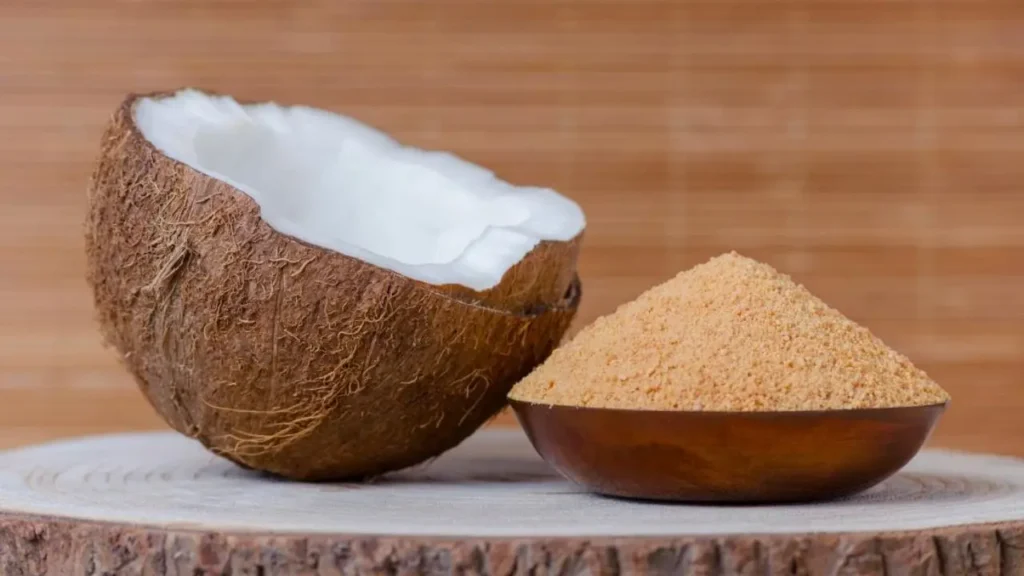
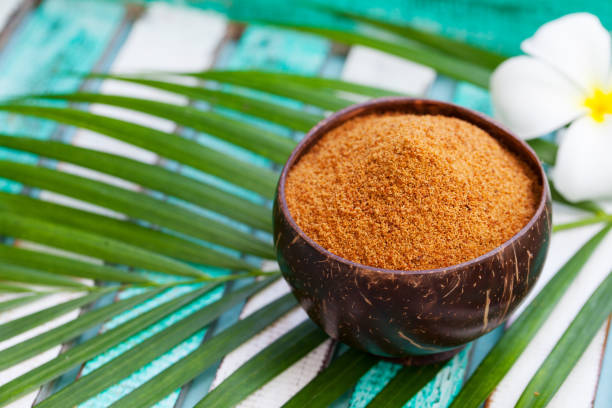
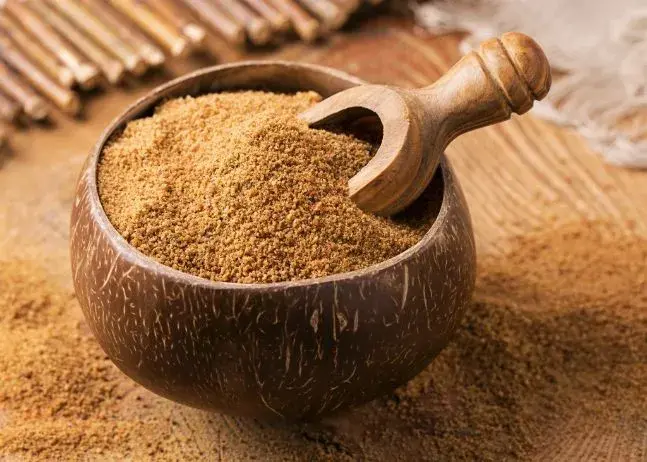
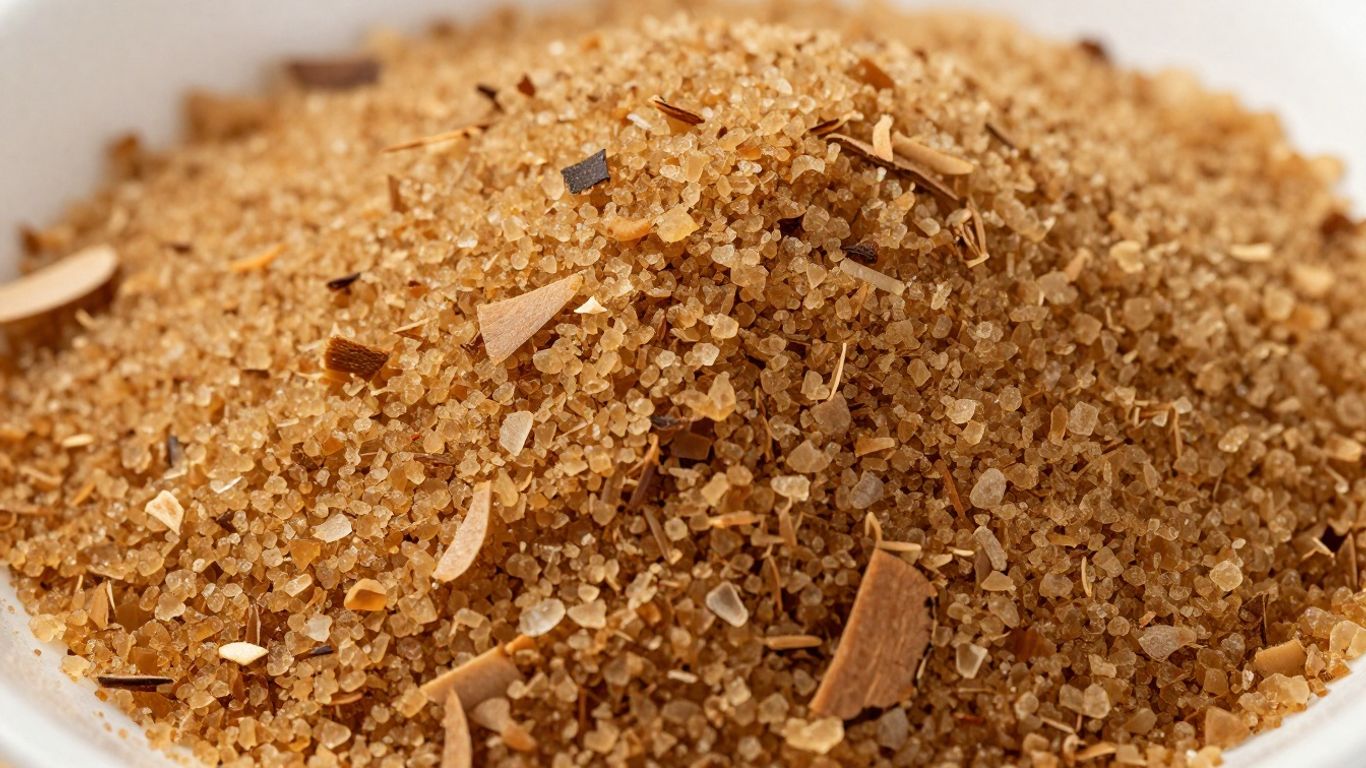
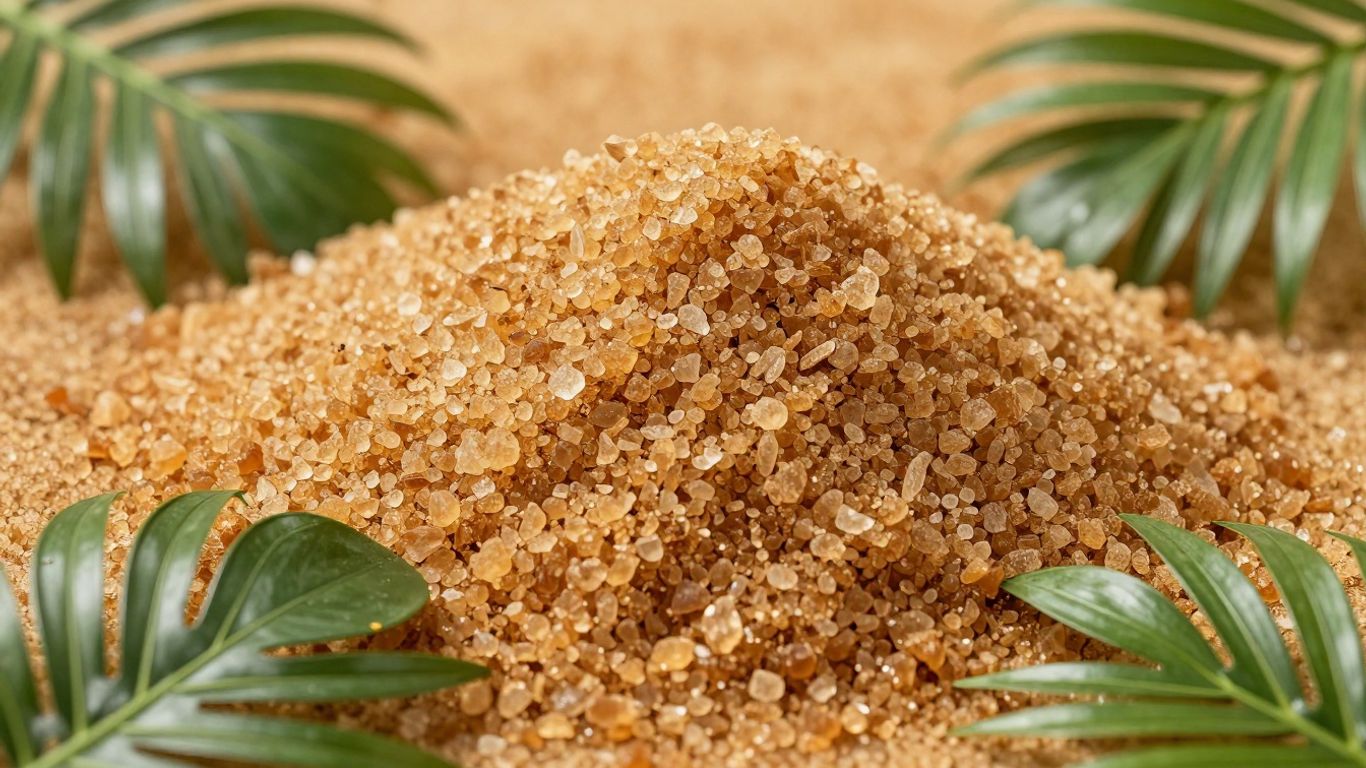
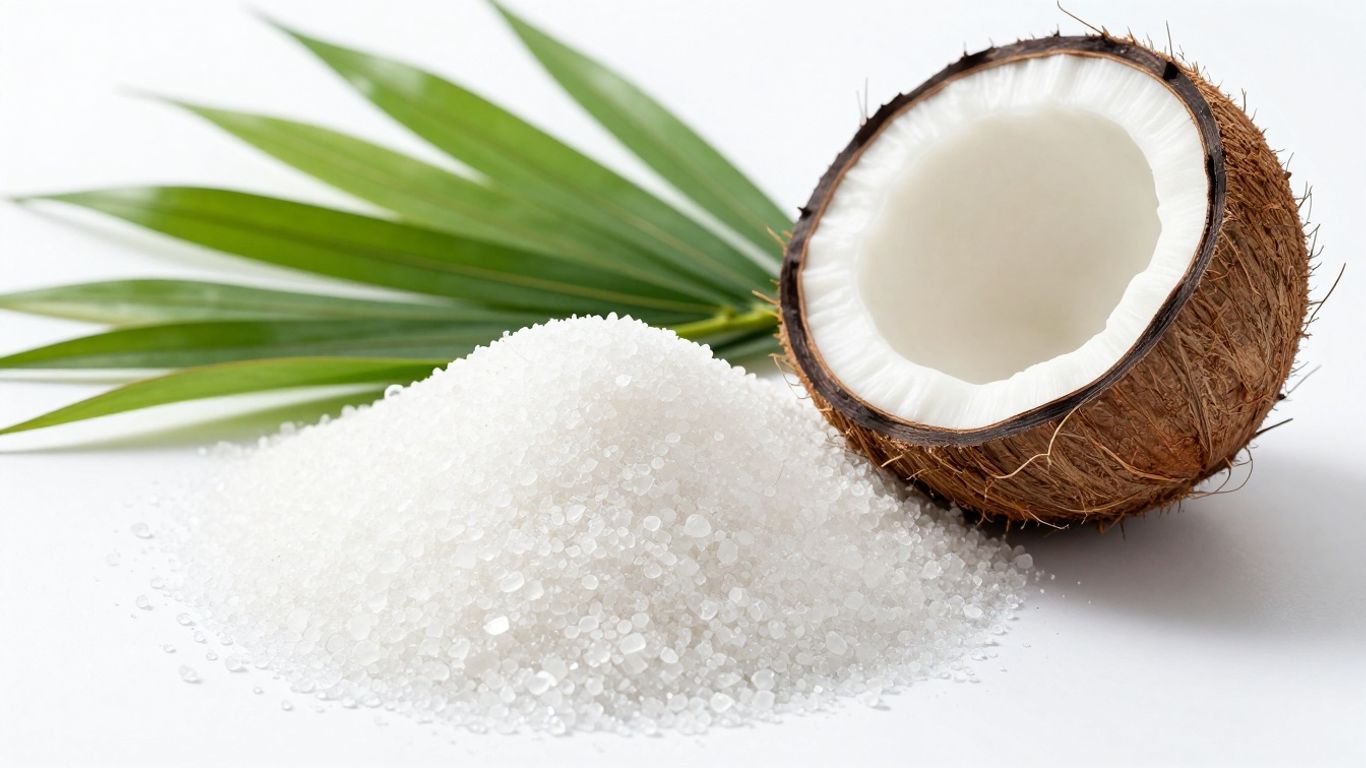
    Coconut sugar, also known as coconut palm sugar, is made from the sap of the flower buds of the coconut palm tree. The process is simple and minimally processed: the sap is collected, heated to evaporate the moisture, and reduced to granules or syrup form. It is often praised for being less refined and retaining some of the nutrients found in the original plant.

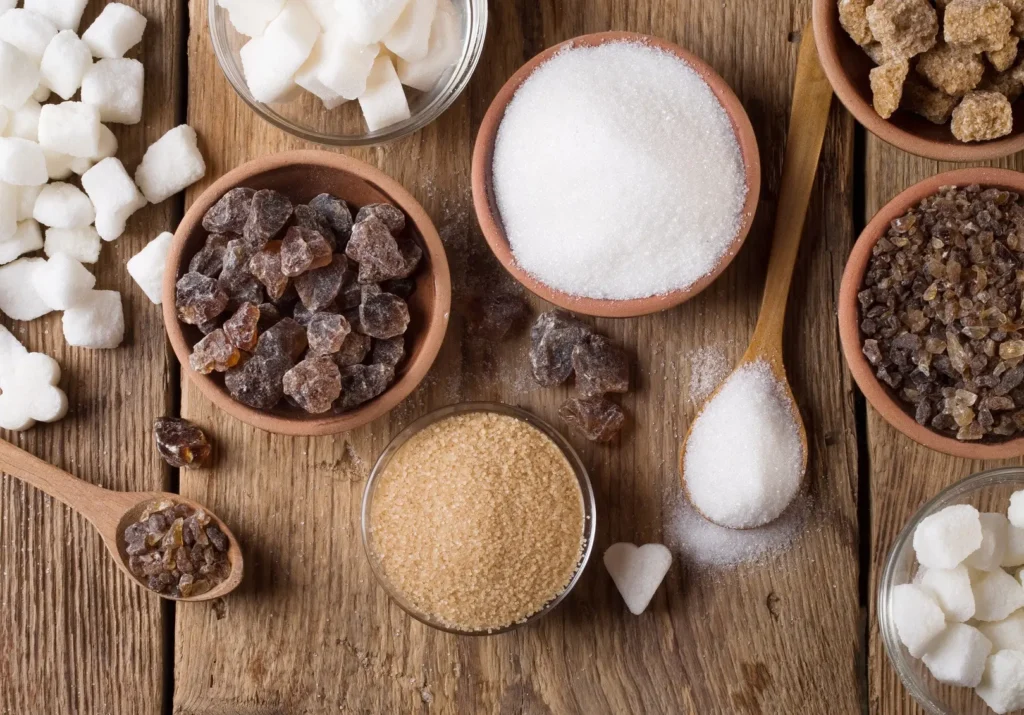
    Unlike white sugar, which undergoes heavy processing and chemical bleaching, coconut sugar is closer to its natural form. It has a rich, caramel-like flavor and a texture similar to brown sugar, making it a versatile substitute in both cooking and baking.

    1. Lower Glycemic Index

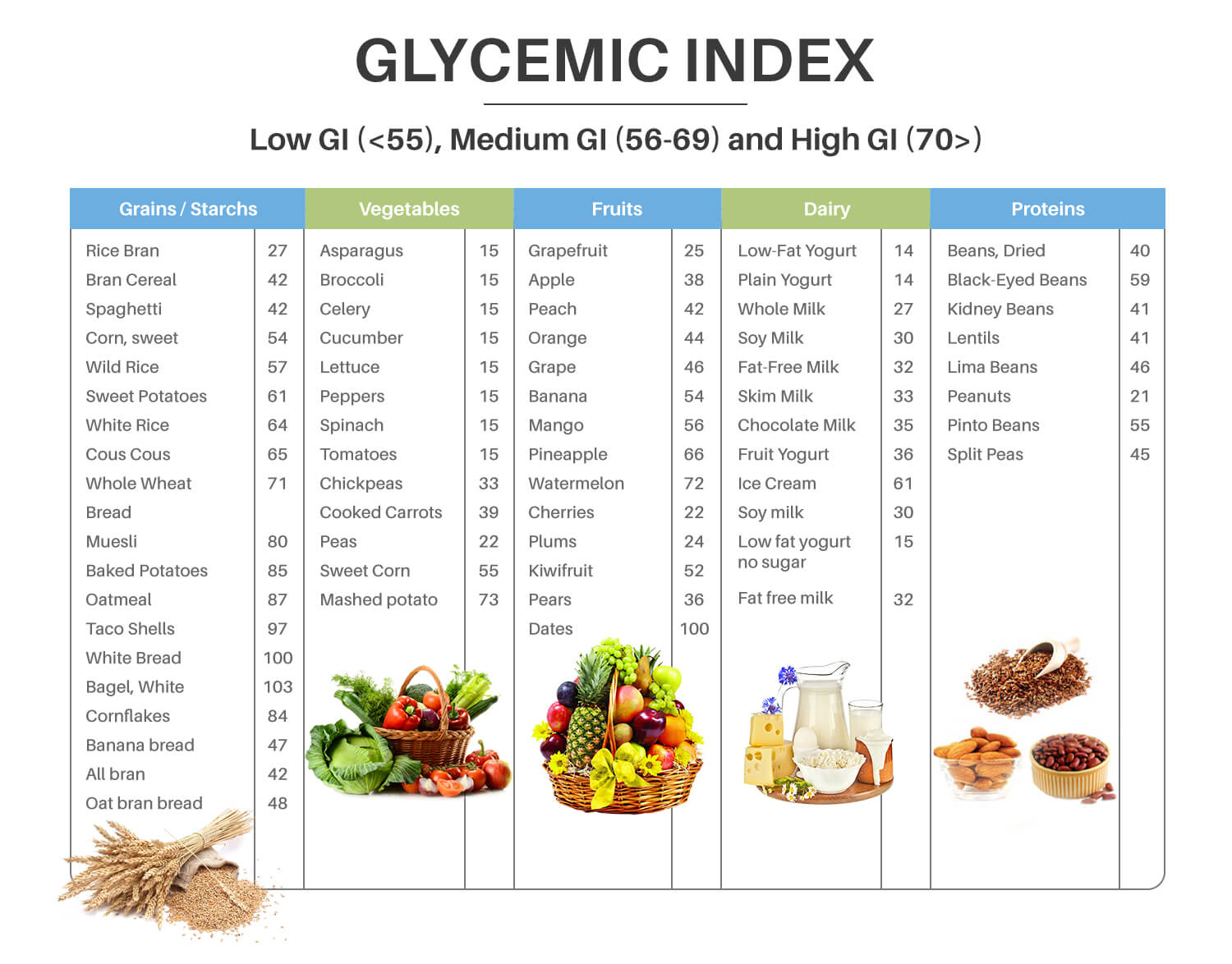
    One of the primary reasons health-conscious individuals choose coconut sugar is its lower glycemic index (GI). The glycemic index is a measure of how quickly a food raises blood sugar levels. Traditional white sugar has a GI of around 65, while coconut sugar typically ranks around 35.

    This lower GI means that coconut sugar causes a slower and more stable rise in blood glucose levels, which is beneficial for energy regulation and may reduce the risk of insulin resistance over time. For people managing diabetes or simply trying to avoid energy crashes and sugar spikes, this makes coconut sugar an appealing option.

    ⚠️ Note: While the GI of coconut sugar is lower, it still contains sugar and should be used in moderation.

    2. More Nutrients Than Refined Sugar

    Unlike refined white sugar, which is essentially empty calories with no nutritional value, coconut sugar contains trace amounts of vitamins and minerals, including:

    • Iron
    • Zinc
    • Calcium
    • Potassium
    • Antioxidants
    • Inulin (a type of dietary fiber)

    These nutrients come from the sap of the coconut palm and remain present because the sugar is minimally processed. While the amounts are small and not enough to rely on as a dietary source, the presence of these nutrients makes coconut sugar a more natural and wholesome sweetener.

    3. Supports Sustainable Agriculture

    Coconut sugar production is considered more sustainable than other types of sugar farming, especially cane sugar. Coconut palms are incredibly resource-efficient and can produce sap for over 20 years. They require less water and land than sugarcane and do not contribute to deforestation when managed responsibly.

    Moreover, coconut sugar production provides income to small farming communities in countries like the Philippines, Indonesia, and Thailand. It supports local economies and encourages environmentally friendly farming practices that align with the principles of natural living.

    4. Less Processed, More Natural

    One of the pillars of natural living is reducing consumption of heavily processed foods. Coconut sugar fits this criterion well because it goes through minimal processing and does not contain added chemicals, preservatives, or artificial ingredients.

    Refined white sugar, on the other hand, often undergoes bleaching and treatment with chemicals like sulfur dioxide and phosphoric acid. These processes strip the sugar of any natural nutrients and leave behind a highly refined product that contributes to numerous health issues.

    By choosing coconut sugar, you’re opting for a sweetener that is closer to its natural source—something that aligns with a clean, whole-food lifestyle.

    5. Better Flavor Profile for Natural Recipes

    Coconut sugar has a rich, caramel-like flavor that adds depth to recipes. It’s especially great in:

    • Baked goods (cookies, cakes, muffins)
    • Homemade granola
    • Coffee and tea
    • Smoothies
    • Marinades and sauces

    Because its flavor is more complex than white sugar, many natural cooks and bakers prefer it for adding both sweetness and richness to their dishes. Its taste also pairs well with other natural ingredients like cinnamon, vanilla, and coconut oil.

    6. Suitable for Vegan and Paleo Lifestyles

    Coconut sugar is naturally vegan and paleo-friendly, unlike some refined sugars that are processed using animal bone char (a concern particularly for strict vegans). It fits into many whole-food diets and is considered a “paleo-approved” sweetener in moderation, making it an easy substitute in recipes for those following specific lifestyle or dietary guidelines.

    7. No Artificial Additives or Preservatives

    In natural living, avoiding synthetic chemicals is often a key goal. Coconut sugar, in its pure form, does not contain artificial sweeteners, flavorings, colors, or preservatives. It’s a single-ingredient product, making it easy to understand what you’re consuming—no hidden surprises.

    This transparency and simplicity align perfectly with the natural living ethos, which prioritizes clean-label foods and wholesome ingredients.

    8. Better for the Planet

    Beyond personal health, natural living emphasizes making eco-friendly choices. Coconut sugar has a lower environmental impact than many conventional sweeteners. Unlike sugarcane farming, which can lead to deforestation and habitat loss, coconut palms grow in diverse ecosystems and can be intercropped with other plants, improving soil health and biodiversity.

    Choosing coconut sugar is not just a vote for better personal health—it’s also a step toward more responsible and sustainable food systems.


    Final Thoughts: Moderation Is Still Key

    While coconut sugar is undeniably a better alternative to refined sugar in terms of nutrients, sustainability, and processing, it is still a form of sugar. It contains fructose and glucose, and excessive consumption can contribute to health problems just like any other sweetener.

    However, when used in moderation and as part of a whole-food, balanced diet, coconut sugar is a superior choice for those embracing natural living. It provides a sweet taste without the synthetic baggage of conventional sugars and supports a lifestyle rooted in health, sustainability, and simplicity.

    So, next time you’re reaching for a sweetener, consider coconut sugar—not just for your health, but for the planet, too.

  • Coconut Milk for Babies: Is It Safe?

    Coconut Milk for Babies: Is It Safe?

    As parents, choosing the right foods and drinks for your baby is a significant responsibility. With the rise of plant-based diets and food sensitivities, many families are exploring alternatives to traditional dairy — and coconut milk often comes up as a potential substitute. But is coconut milk safe for babies? Can it provide the nutrition infants need for proper growth and development?

    This article explores the safety, nutritional value, and guidelines for giving coconut milk to babies, helping you make an informed decision for your little one.


    What Is Coconut Milk?

    Coconut milk is a creamy, white liquid made from the grated meat of mature coconuts mixed with water. It comes in two main forms:

    • Canned Coconut Milk: Thick, rich, and high in fat — typically used in cooking.
    • Carton Coconut Milk (Beverage): Found in the refrigerated or shelf-stable sections, this version is often diluted and fortified with vitamins.

    Coconut milk has a naturally sweet, nutty flavor and is dairy-free, making it a popular option for those avoiding cow’s milk due to allergies, lactose intolerance, or lifestyle choices.


    Is Coconut Milk Safe for Babies?

    Short Answer:

    Yes, coconut milk can be safe for babies in small amounts and in specific contexts — but it is not a suitable replacement for breast milk, infant formula, or cow’s milk before age 1.

    Here’s a more detailed breakdown:

    1. Under 6 Months Old

    For babies under 6 months, the only recommended source of nutrition is:

    • Breast milk
    • Infant formula (iron-fortified)

    Coconut milk — or any other plant-based milk — should not be introduced at this stage, as it lacks the essential nutrients and calories required for an infant’s rapid growth and brain development.

    2. 6 to 12 Months Old

    After 6 months, as solid foods are introduced, small amounts of coconut milk may be used in cooking or to prepare foods like oatmeal or purees. However:

    • It should not replace breast milk or formula.
    • It should be used sparingly and not as a beverage.
    • Choose unsweetened versions with no additives or thickeners like carrageenan.

    While coconut milk is safe to use in small quantities in recipes, it does not provide enough protein, calcium, or vitamin D for babies to thrive on its own.

    3. After 12 Months

    After a baby’s first birthday, the American Academy of Pediatrics (AAP) typically recommends transitioning to:

    • Whole cow’s milk
    • Or a nutritionally equivalent fortified plant-based milk (like soy milk)

    Coconut milk can be included in your toddler’s diet, but it shouldn’t be the primary milk source unless approved and supervised by a pediatrician or dietitian.


    Nutritional Profile of Coconut Milk

    To understand whether coconut milk is suitable for babies, it’s important to compare its nutritional content with breast milk or formula.

    Unsweetened Coconut Milk (Carton) – 1 cup

    • Calories: 45–60
    • Protein: 0–1g
    • Fat: 4–5g (mostly saturated fat)
    • Calcium: ~300mg (if fortified)
    • Vitamin D: ~2.5mcg (if fortified)
    • Sugar: 0g

    Breast Milk – 1 cup

    • Calories: ~170
    • Protein: 2g
    • Fat: 10g
    • Carbohydrates: 17g (natural sugars)
    • Calcium: ~80mg
    • Vitamin D: Low (supplements usually needed)

    Key Differences:

    • Low protein: Babies need protein for muscle and organ development.
    • Low calories: Babies require energy-dense foods.
    • Low carbs and essential fats: Important for brain growth.
    • Low or missing vitamins and minerals (unless fortified).

    This shows why coconut milk alone is not nutritionally adequate for infants and toddlers who need higher levels of protein, energy, and micronutrients.


    Potential Benefits of Coconut Milk for Babies (in Moderation)

    Although coconut milk lacks certain critical nutrients, it still has some qualities that may be beneficial when used occasionally in meals:

    Dairy-Free Option

    For babies with cow’s milk protein allergy or lactose intolerance, coconut milk offers a non-dairy alternative that’s typically easier to digest.

    Healthy Fats

    Coconut milk contains medium-chain triglycerides (MCTs) — a type of fat that is easily absorbed and may provide quick energy.

    Creamy Texture for Weaning Foods

    Its smooth consistency can help make purees and cereals more palatable for babies transitioning to solid food.


    Concerns and Considerations

    ⚠️ Lacks Essential Nutrients

    Coconut milk doesn’t provide enough protein, iron, vitamin B12, calcium, or vitamin D — all crucial for a baby’s development.

    ⚠️ Possible Additives

    Some commercial coconut milk beverages contain:

    • Added sugars
    • Preservatives
    • Emulsifiers like carrageenan, which may irritate sensitive tummies

    Always check the label and choose a plain, unsweetened, additive-free version.

    ⚠️ Allergies

    While coconut allergies are rare, they’re still possible. Coconuts are considered fruits (not true tree nuts), but if your baby has other food allergies, consult a pediatrician before introducing coconut milk.


    How to Introduce Coconut Milk Safely

    If your pediatrician gives the green light, follow these tips when introducing coconut milk:

    Use for Cooking, Not Drinking

    Use small amounts to prepare baby food like:

    • Mashed sweet potatoes
    • Porridge or baby cereals
    • Vegetable purees

    Choose the Right Type

    • Look for unsweetened, additive-free coconut milk in cartons (not cans).
    • Avoid products with artificial flavors, thickeners, or added sugars.

    Watch for Reactions

    After the first introduction, monitor for signs of intolerance or allergy, such as:

    • Rash or hives
    • Vomiting or diarrhea
    • Breathing difficulties (seek medical help immediately)

    Keep it in Balance

    Use coconut milk alongside other healthy fats and proteins — such as avocado, full-fat yogurt (if tolerated), eggs, or legumes — to ensure your baby receives a balanced diet.


    When Is Coconut Milk an Appropriate Milk Substitute?

    There are very few cases where coconut milk could be considered a primary milk substitute — and even then, only under medical guidance.

    If your child has a severe dairy allergy or metabolic condition and cannot tolerate formula, your pediatrician or pediatric dietitian may recommend a fortified plant-based milk. In most of these cases, soy milk or specialized formulas are preferred over coconut milk because they provide more protein and balanced nutrients.

    Coconut milk may be included in the rotation for flavor and variety, but it should not be the main source of nutrition unless heavily fortified and paired with supplements.


    Conclusion: Coconut Milk in Moderation, Not as a Main Milk

    Coconut milk can be a safe and useful ingredient in your baby’s meals after 6 months — especially when used for flavor, texture, and variety. However, it should never replace breast milk, formula, or cow’s milk during the first year of life.

    Even after 12 months, coconut milk shouldn’t be the primary beverage unless it’s fortified and part of a well-balanced diet. The key is moderation, balance, and making sure your baby receives all the essential nutrients they need to grow strong and healthy.

    Always consult your pediatrician before introducing coconut milk or any alternative milk into your baby’s diet.

  • Coconut Sugar and the Paleo Diet: A Compatible Sweetener?

    Coconut Sugar and the Paleo Diet: A Compatible Sweetener?

    The Paleo diet—often referred to as the “caveman diet”—is built on the idea of eating in a way that mimics our hunter-gatherer ancestors. It emphasizes whole, unprocessed foods like meat, fish, vegetables, fruits, nuts, and seeds while avoiding grains, legumes, dairy, and refined sugar.

    But in today’s world, even the most committed Paleo followers often want a little sweetness in their lives. This has led to a search for natural sweeteners that fit Paleo principles, and coconut sugar has emerged as one of the most popular contenders.

    So, is coconut sugar truly compatible with the Paleo diet? Let’s take a deep dive into what it is, its nutritional profile, potential health benefits, and how it fits—or doesn’t fit—within Paleo guidelines.


    What Is Coconut Sugar?

    Coconut sugar is derived from the sap of the coconut palm tree (Cocos nucifera). The process is relatively simple:

    1. The flower buds of the coconut palm are cut to release sap.
    2. The sap is collected and gently heated until the water evaporates.
    3. What’s left is a granulated, golden-brown sweetener with a taste reminiscent of caramel.

    Unlike refined table sugar, coconut sugar is minimally processed and retains some of its natural minerals.


    Nutritional Profile

    The nutritional value of coconut sugar (per 100 g) typically includes:

    • Calories: ~380 kcal
    • Carbohydrates: ~92 g
    • Sugars: ~92 g (mainly sucrose, with some glucose and fructose)
    • Protein: ~1–2 g
    • Fat: ~0 g
    • Minerals: Small amounts of potassium, magnesium, zinc, and iron
    • Inulin fiber: A type of prebiotic fiber that can slow glucose absorption

    While coconut sugar is often marketed as a healthier alternative to refined sugar, it’s still primarily composed of sugar and provides similar calories per gram.


    Why Paleo Followers Consider Coconut Sugar

    The Paleo diet discourages refined sweeteners like white sugar, high-fructose corn syrup, and artificial sweeteners. However, some natural sweeteners are sometimes allowed in moderation, especially those that are less processed.

    Reasons Paleo adherents might use coconut sugar:

    1. Minimal Processing – The production process is simple and traditional, without chemical refining.
    2. Nutrient Content – It retains trace minerals that refined sugar lacks.
    3. Lower Glycemic Index (GI) – Coconut sugar has a GI of around 35, lower than table sugar’s 60–65, meaning it may cause a slower rise in blood glucose.
    4. Natural Origin – It’s derived directly from a plant source.

    Potential Health Benefits

    While it’s still a sweetener and should be consumed sparingly, coconut sugar offers some potential advantages over refined sugar:

    1. Contains Trace Nutrients

    Although not significant enough to be a major source of vitamins or minerals, coconut sugar provides small amounts of potassium, zinc, iron, and magnesium.

    2. Prebiotic Fiber Content

    The inulin fiber in coconut sugar may help promote gut health and slow sugar absorption, possibly reducing blood sugar spikes.

    3. Sustainable Production

    Coconut palm trees require less water and can produce sugar for decades, making it a relatively eco-friendly crop compared to sugarcane.


    The Paleo Debate: Is Coconut Sugar Really Paleo?

    Here’s where the controversy lies. The Paleo philosophy emphasizes avoiding foods that would not have been available to prehistoric humans. While coconut palms certainly existed, the technology to extract, heat, and granulate sap into sugar likely did not.

    Arguments Against Coconut Sugar in Paleo

    • It’s still sugar – Paleo aims to avoid added sugars because they can cause blood sugar spikes, promote fat storage, and lead to metabolic issues.
    • High in carbohydrates – For those on a lower-carb version of Paleo, coconut sugar can easily exceed daily carb allowances.
    • Not a whole food – Even though it’s minimally processed, it’s still a concentrated source of sugar, not the original sap or fruit.

    Arguments For Coconut Sugar in Paleo

    • More natural than refined sugar – No bleaching or chemical refining is involved.
    • Better GI profile – Causes a slower blood sugar response compared to refined sugar.
    • Occasional indulgence – Many Paleo followers adopt an “80/20 rule,” allowing for occasional treats made with more natural sweeteners.

    How to Use Coconut Sugar in a Paleo-Friendly Way

    If you decide to include coconut sugar in your Paleo diet, the key is moderation. Here are some practical tips:

    1. Reserve it for special occasions – Use in occasional baked goods or desserts rather than daily.
    2. Pair with whole foods – Combine with fiber-rich ingredients like almond flour or coconut flour to slow sugar absorption.
    3. Mind portion sizes – Even a teaspoon adds sugar and carbs to your diet.
    4. Experiment with recipes – Try replacing refined sugar in Paleo dessert recipes with coconut sugar at a 1:1 ratio.

    Paleo-Friendly Recipes Using Coconut Sugar

    Here are a couple of ideas:

    1. Paleo Chocolate Chip Cookies

    • Almond flour, coconut oil, egg, vanilla extract, coconut sugar, dark chocolate chips (85% cocoa or higher).
    • The coconut sugar gives a subtle caramel flavor while keeping the recipe grain-free.

    2. Spiced Paleo Banana Bread

    • Mashed ripe bananas, almond flour, coconut flour, eggs, cinnamon, nutmeg, and a small amount of coconut sugar.
    • Perfect for a weekend treat without relying on refined sweeteners.

    Alternatives to Coconut Sugar in Paleo

    If you prefer to avoid coconut sugar altogether, there are other sweeteners that some Paleo dieters use in moderation:

    • Raw honey – Still sugar, but contains enzymes and antioxidants.
    • Pure maple syrup – Offers minerals and a unique flavor.
    • Dates or date paste – Whole fruit form provides fiber along with sweetness.
    • Stevia or monk fruit extract – Naturally derived, zero-calorie sweeteners (though purists may avoid them).

    Bottom Line

    Coconut sugar is less processed and has a lower glycemic index than refined white sugar, making it a more natural option for those following the Paleo diet—if used occasionally and in small amounts. However, it is still a concentrated source of sugar and should not be treated as a “free pass” for unlimited consumption.

    From a strict Paleo perspective, it may not be fully compliant since it’s not a whole food and wouldn’t have been part of early human diets. Yet many modern Paleo practitioners include it as a compromise between health and enjoyment, especially for special treats.

    Ultimately, whether coconut sugar fits your Paleo plan depends on your personal approach—whether you’re aiming for a strict ancestral eating pattern or a flexible, sustainable lifestyle that includes occasional natural sweeteners.

  • Coconut Milk and the Keto Diet: What You Should Know

    Coconut Milk and the Keto Diet: What You Should Know

    The ketogenic (keto) diet has surged in popularity over the past decade, celebrated for its potential to help with weight loss, boost energy levels, and improve metabolic health. At its core, the keto diet is a low-carbohydrate, high-fat, and moderate-protein eating plan designed to shift the body into ketosis—a metabolic state where fat, rather than carbohydrates, becomes the body’s primary fuel source.

    One ingredient that has found a firm place in many keto kitchens is coconut milk. Creamy, rich, and naturally high in healthy fats, coconut milk aligns perfectly with the macronutrient balance of a keto lifestyle. But not all coconut milk is created equal, and understanding how to choose, use, and balance it in your diet is crucial for maximizing its benefits.

    In this guide, we’ll explore the relationship between coconut milk and the keto diet, its nutritional profile, health benefits, common pitfalls, and tips for incorporating it into your keto-friendly meals.


    What Is Coconut Milk?

    Coconut milk is made by blending the grated white flesh of mature coconuts with water, then straining it to produce a smooth, creamy liquid. It should not be confused with coconut water—the clear liquid inside green coconuts—which is naturally high in sugar and not ideal for strict keto diets.

    Coconut milk comes in several forms:

    1. Full-Fat Canned Coconut Milk – Thick, rich, and the most suitable for keto due to its high fat and low carb content.
    2. Light Coconut Milk – Contains more water and fewer fats; not ideal for those aiming for higher fat intake.
    3. Coconut Milk Beverage (Carton) – Often marketed as a dairy alternative; may contain added sugars and thickeners, so labels must be checked carefully.

    Nutritional Profile of Coconut Milk

    The nutritional values can vary slightly depending on the brand and processing method, but full-fat canned coconut milk typically provides (per 100 ml):

    • Calories: ~230 kcal
    • Fat: ~24 g (mostly saturated fat from medium-chain triglycerides, or MCTs)
    • Carbohydrates: 2–3 g net carbs
    • Protein: ~2 g

    The low carbohydrate content and high fat make it keto-friendly—especially since MCTs are quickly converted into ketones, helping the body stay in ketosis.


    Why Coconut Milk Fits the Keto Diet

    Coconut milk aligns well with keto goals for several reasons:

    1. High in Healthy Fats

    The ketogenic diet depends on fats as the main source of energy. Coconut milk contains a significant amount of MCTs, which are easily digested and provide a rapid energy boost without spiking blood sugar levels.

    2. Low in Carbohydrates

    With only 2–3 grams of net carbs per 100 ml, coconut milk is a safe option for those who need to keep daily carb intake under 20–50 grams.

    3. Lactose-Free Dairy Alternative

    For keto dieters who are lactose intolerant or avoiding dairy, coconut milk offers a creamy texture similar to heavy cream without the digestive discomfort.

    4. Versatile in Recipes

    Coconut milk can be used in both savory and sweet dishes, from curries and soups to smoothies and keto-friendly desserts.


    Health Benefits of Coconut Milk on Keto

    Beyond macronutrient compatibility, coconut milk offers several potential health benefits:

    1. Supports Ketone Production

    The MCTs in coconut milk are directly transported to the liver, where they are rapidly converted into ketones—fuel for the brain and body during ketosis.

    2. May Aid Weight Management

    MCTs have been shown to increase feelings of fullness, potentially helping reduce overall calorie intake.

    3. Anti-Inflammatory Properties

    Coconut contains lauric acid, which may help reduce inflammation and support immune health.

    4. Supports Brain Health

    Ketones are an alternative fuel for the brain, and some research suggests MCT-rich diets may enhance cognitive performance.


    Potential Downsides and Considerations

    While coconut milk can be an excellent addition to a keto diet, there are a few things to watch out for:

    1. Calorie Density

    Full-fat coconut milk is calorie-dense. While this is beneficial for meeting fat goals on keto, excessive consumption could lead to an unintended calorie surplus.

    2. Added Sugars in Some Products

    Coconut milk beverages (especially those sold in cartons) often contain added sugars, which can kick you out of ketosis. Always check labels for ingredients like “cane sugar,” “evaporated cane juice,” or “maltodextrin.”

    3. Potential for Digestive Upset

    Some people experience bloating or loose stools when first introducing large amounts of MCTs into their diet. It’s best to start with small servings.

    4. BPA in Cans

    Many canned coconut milks are packaged in BPA-lined cans, which some studies suggest may leach into food. Choosing BPA-free brands is a safer option.


    Tips for Choosing the Best Keto-Friendly Coconut Milk

    When shopping for coconut milk, here’s what to look for:

    1. Choose full-fat canned versions – Best for keto macronutrient ratios.
    2. Read the ingredient list – Look for “coconut” and “water” only; avoid added sugars and unnecessary thickeners like carrageenan.
    3. Opt for organic when possible – Reduces exposure to pesticides.
    4. Check for BPA-free packaging – Many premium brands now advertise this.

    How to Use Coconut Milk on Keto

    Coconut milk is incredibly versatile in the keto kitchen. Here are a few ideas:

    1. Keto Coffee Creamer

    Replace dairy cream with coconut milk for a lactose-free, high-fat coffee boost.

    2. Creamy Curries and Soups

    Use coconut milk to add body and richness to keto-friendly curries, Thai soups, and stews.

    3. Smoothies and Shakes

    Blend coconut milk with spinach, avocado, unsweetened cocoa powder, and a keto-friendly sweetener for a nutrient-rich shake.

    4. Keto Desserts

    From coconut panna cotta to low-carb coconut ice cream, coconut milk is a star ingredient in keto sweets.

    5. Baking Substitute

    Coconut milk can replace dairy milk in most baking recipes, adding richness without increasing carbs.


    Sample Keto Recipe: Coconut Milk Chia Pudding

    Ingredients:

    • 1 cup full-fat coconut milk
    • 3 tbsp chia seeds
    • 1–2 tsp erythritol or monk fruit sweetener
    • ½ tsp vanilla extract
    • Fresh berries (optional, for garnish)

    Instructions:

    1. In a bowl, combine coconut milk, chia seeds, sweetener, and vanilla extract.
    2. Stir well to prevent clumping, then refrigerate for at least 3 hours or overnight.
    3. Garnish with a few berries before serving.

    Macros per serving (without berries):

    • Fat: ~22 g
    • Net carbs: ~3 g
    • Protein: ~3 g

    Bottom Line

    Coconut milk is a keto-friendly powerhouse, offering healthy fats, minimal carbs, and a wealth of culinary possibilities. Its MCT content supports ketosis, while its creamy texture makes it a perfect dairy substitute. However, it’s important to choose unsweetened, full-fat varieties, watch portion sizes, and be mindful of added sugars in processed products.

    For keto dieters, coconut milk can be more than just an ingredient—it can be a delicious, nutrient-rich tool for sustaining ketosis and enjoying a diverse range of satisfying meals.


  • Can Coconut Sugar Help You Lose Weight? Exploring the Claims

    Can Coconut Sugar Help You Lose Weight? Exploring the Claims

    Coconut sugar has gained popularity as a “healthier” alternative to refined white sugar, often marketed for its lower glycemic index and natural origins. But beyond the hype, a key question remains: Can coconut sugar actually help you lose weight? This article explores the claims, examines the nutritional profile, and considers whether it truly plays a role in weight management.


    1. What is Coconut Sugar?

    Coconut sugar is made from the sap of coconut palm flower buds, which is boiled and granulated into a golden-brown sweetener. Unlike refined sugar, it undergoes minimal processing and retains trace amounts of minerals like potassium, magnesium, iron, and zinc, along with antioxidants.


    2. The Glycemic Index Factor

    One of the most cited benefits of coconut sugar is its lower glycemic index (GI)—around 35 compared to white sugar’s 60–65. The GI measures how quickly a food raises blood sugar levels. A lower GI means slower sugar absorption, leading to:

    • Reduced blood sugar spikes.
    • Less intense insulin release.
    • Fewer post-sugar crashes.

    In theory, stable blood sugar levels can help regulate appetite, which might indirectly support weight control. However, the difference is not dramatic enough to make coconut sugar a “weight-loss food.”


    3. Calorie Content: Not Much Different

    From a calorie standpoint, coconut sugar offers little advantage:

    • Coconut sugar: ~15 calories per teaspoon.
    • White sugar: ~16 calories per teaspoon.

    The calorie savings are negligible. If weight loss is your goal, total sugar consumption—regardless of type—matters more than the specific sweetener.


    4. Nutritional Profile: The “Natural” Advantage

    Coconut sugar contains small amounts of:

    • Minerals: Potassium, zinc, magnesium, iron.
    • Inulin: A type of dietary fiber that may slow glucose absorption.

    While these nutrients offer health benefits, they exist in trace amounts. You would have to consume impractically large amounts to gain substantial nutrition—which would also mean excess calories.


    5. Appetite Control and Cravings

    Because coconut sugar causes slower blood sugar rises, some people may experience fewer cravings compared to consuming refined sugar. Stable energy levels can make it easier to stick to a healthy eating plan, which indirectly aids weight management. However, moderation is key—excess coconut sugar can still lead to energy surges followed by crashes.


    6. Marketing vs. Reality

    Coconut sugar is often marketed as:

    • “Diabetic-friendly”
    • “Weight-loss-friendly”
    • “Healthy sugar”

    These labels can be misleading. While coconut sugar is less processed and lower GI than white sugar, it’s still added sugar—and overconsumption can lead to weight gain, blood sugar imbalances, and other health issues.


    7. Coconut Sugar in a Weight-Loss Diet

    If you’re trying to lose weight, here’s how coconut sugar can fit in:

    • Use it sparingly as a natural sweetener for coffee, tea, or baking.
    • Replace—not add to—your regular sugar intake.
    • Combine it with whole foods and high-fiber ingredients to slow sugar absorption.
    • Avoid assuming that “natural” means “unlimited use.”

    8. Portion Control Tips

    Even with coconut sugar, portion control is crucial:

    • Measure your sweetener instead of eyeballing.
    • Gradually reduce sweetener in recipes to retrain your taste buds.
    • Pair sweetened foods with protein or healthy fat to maintain satiety.

    9. When Coconut Sugar Might Be Helpful

    While it’s not a magic bullet for weight loss, coconut sugar can be helpful for:

    • Those seeking to transition away from refined sugar.
    • People managing mild blood sugar sensitivity.
    • Individuals following whole-food-based diets who still want occasional sweetness.
    10. When to Be Cautious

    Coconut sugar may not be ideal for:

    • People with diabetes who require tight blood sugar control.
    • Those on very low-carb or ketogenic diets.
    • Anyone prone to overusing “healthy” sweeteners.

    11. Healthier Sweetening Strategies

    If weight loss is your main focus, consider:

    • Natural low-calorie sweeteners like stevia or monk fruit.
    • Using fruit purees (banana, dates, applesauce) for sweetness in baking.
    • Reducing overall sugar reliance to reset your taste preferences.

    12. Final Verdict

    Coconut sugar offers modest health advantages over refined sugar, thanks to its lower GI and minimal processing. However, it is not inherently a weight-loss aid. Its calorie content is nearly identical to white sugar, and overuse will hinder weight loss just as much as other sweeteners. The key to using coconut sugar successfully is moderation—combined with a balanced diet and active lifestyle.


    Conclusion

    Coconut sugar is a more natural, less refined sweetener that may offer minor benefits for blood sugar control and nutrient intake. But when it comes to losing weight, it’s not a shortcut. If you enjoy its flavor, use it mindfully as part of an overall healthy eating pattern. Remember: sustainable weight loss comes from creating a calorie deficit through healthy food choices, portion control, and physical activity—not from switching sugar types.


  • Natural Makeup Remover: Virgin Coconut Oil in Your Vanity

    Natural Makeup Remover: Virgin Coconut Oil in Your Vanity

    The beauty world has seen countless innovations in makeup removal products—from micellar water to oil-based cleansers—but one natural ingredient continues to stand out: virgin coconut oil. Known for its hydrating, soothing, and cleansing properties, virgin coconut oil (VCO) has become a go-to for those seeking a gentle, chemical-free alternative. Affordable, versatile, and skin-friendly, it deserves a spot in every vanity.


    What Is Virgin Coconut Oil?

    Virgin coconut oil is extracted from fresh coconut meat without the use of high heat or chemical refining. This cold-pressed process preserves its natural nutrients, antioxidants, and pleasant tropical scent. Unlike refined coconut oil, VCO retains more lauric acid, caprylic acid, and vitamin E—compounds beneficial for skin health.


    Why Virgin Coconut Oil Works as a Makeup Remover

    Makeup is typically oil-based or contains waxy components. Water alone cannot effectively break them down, but oil can dissolve oil. Virgin coconut oil works by:

    • Breaking down makeup: It loosens stubborn products, including waterproof mascara and long-wear lipstick.
    • Hydrating the skin: It moisturizes while cleansing, preventing dryness.
    • Protecting the skin barrier: Lauric acid has antimicrobial benefits, helping to maintain healthy skin.

    Benefits of Using Virgin Coconut Oil for Makeup Removal

    1. Gentle on All Skin Types – Suitable for dry, normal, and combination skin (though oily/acne-prone skin should patch test).
    2. Chemical-Free – No synthetic fragrances, alcohols, or preservatives that may irritate sensitive skin.
    3. Multi-Functional – Doubles as a moisturizer, lip balm, and hair conditioner.
    4. Cost-Effective – A small jar lasts for months compared to expensive commercial cleansers.
    5. Travel-Friendly – Solid at cooler temperatures, reducing spillage risks.

    Step-by-Step Guide to Using Virgin Coconut Oil as a Makeup Remover

    1. Scoop a Small Amount – Use clean fingers or a spoon to prevent contamination.
    2. Warm Between Palms – The oil melts quickly into a silky liquid.
    3. Massage Gently Onto Skin – Work in circular motions over face and eyes, allowing oil to dissolve makeup.
    4. Wipe Away with a Soft Cloth or Cotton Pad – This removes dissolved makeup and excess oil.
    5. Rinse (Optional) – For a fresher feel, follow with a gentle facial cleanser (double cleansing).
    6. Moisturize – Often, no extra moisturizer is needed because of the oil’s hydrating effect.

    Tips for Best Results

    • Use organic, cold-pressed virgin coconut oil for maximum skin benefits.
    • Avoid over-rubbing the delicate eye area.
    • Store in a cool, dry place to maintain freshness.
    • Patch test first if you have oily or acne-prone skin to ensure compatibility.

    Potential Drawbacks

    While virgin coconut oil works wonderfully for many, it is comedogenic, meaning it may clog pores in some individuals. People with acne-prone skin should use it only on the eye area or follow with a deep cleanser.


    DIY Makeup Remover Blends with Coconut Oil

    You can enhance your coconut oil makeup remover with natural ingredients for added benefits:

    1. Coconut Oil + Aloe Vera Gel – Extra soothing for sensitive skin.
    2. Coconut Oil + Sweet Almond Oil – Boosts vitamin E for anti-aging.
    3. Coconut Oil + Rosewater – Adds a refreshing aroma and mild astringent effect.
    4. Coconut Oil + Jojoba Oil – Better absorption and lighter texture.

    Why Keep Virgin Coconut Oil in Your Vanity

    Virgin coconut oil isn’t just a makeup remover—it’s an all-in-one beauty multitasker. In addition to dissolving makeup, you can use it as:

    • A night-time moisturizer
    • A cuticle softener
    • A natural lip balm
    • A hair mask for shine and softness
    • A body oil after showering

    This versatility makes it an eco-friendly choice, reducing the number of plastic-packaged products in your beauty routine.


    Environmental and Ethical Aspects

    Choosing virgin coconut oil supports more sustainable and ethical beauty routines. Many producers are small-scale farmers in tropical regions like the Philippines, Indonesia, and Sri Lanka. Opting for fair-trade and organic certified oils ensures you’re contributing to ethical sourcing and environmentally friendly farming.


    Conclusion

    Virgin coconut oil offers a gentle, natural, and effective way to remove makeup while nourishing your skin. It’s free from harsh chemicals, budget-friendly, and versatile enough to replace multiple beauty products. While those with acne-prone skin should proceed with caution, for many, it’s the perfect addition to a minimalist, eco-conscious vanity.

    By making space for a jar of virgin coconut oil in your beauty routine, you’re not just choosing a makeup remover—you’re embracing a natural, sustainable lifestyle with benefits that extend far beyond your vanity table.

  • Top 10 Health Benefits of Desiccated Coconut You Should Know

    Top 10 Health Benefits of Desiccated Coconut You Should Know

    Desiccated coconut—finely grated, dried, and unsweetened coconut meat—is a versatile ingredient used in baking, cooking, and snack recipes worldwide. Beyond its delicious taste and texture, desiccated coconut offers a variety of nutritional benefits. Packed with healthy fats, dietary fiber, and essential minerals, it can be a valuable addition to a balanced diet. Let’s explore the top 10 health benefits you should know.


    1. Rich Source of Healthy Fats

    Desiccated coconut is high in medium-chain triglycerides (MCTs)—a type of fat that is quickly absorbed and converted into energy. MCTs may enhance metabolism, promote satiety, and support brain health, making desiccated coconut an excellent energy booster.


    2. Supports Digestive Health

    With its high dietary fiber content (around 4–6g per serving), desiccated coconut helps regulate bowel movements, prevent constipation, and promote gut health. Fiber also supports a healthy microbiome by feeding beneficial gut bacteria.


    3. Boosts Energy Levels

    Thanks to its combination of healthy fats and small amounts of natural sugars, desiccated coconut provides a sustained energy release, making it a perfect snack for athletes, students, or anyone needing a mid-day pick-me-up.


    4. Promotes Heart Health

    MCTs in desiccated coconut may help improve good HDL cholesterol levels while maintaining balanced triglyceride levels. Additionally, the presence of minerals like potassium and magnesium supports heart function and blood pressure regulation.


    5. Supports Immune System Function

    Desiccated coconut contains lauric acid, a compound with antimicrobial, antiviral, and antifungal properties. Lauric acid can help the body fight infections, making desiccated coconut a natural immune booster.


    6. Enhances Skin and Hair Health

    The fats and antioxidants found in desiccated coconut help nourish the skin from within, keeping it soft and hydrated. These nutrients also strengthen hair follicles, reduce dryness, and promote shiny, healthy hair.


    7. Aids in Weight Management

    While high in calories, desiccated coconut can support weight management when consumed in moderation. Its MCT content may boost metabolism and reduce appetite, helping you feel fuller for longer.


    8. Provides Essential Minerals

    Desiccated coconut is a natural source of minerals such as manganese, copper, selenium, and iron. These nutrients are vital for bone health, red blood cell production, and antioxidant defense.


    9. Gluten-Free and Keto-Friendly

    Naturally gluten-free and low in net carbs, desiccated coconut is suitable for people with celiac disease, gluten sensitivity, or those following a keto or paleo diet.


    10. Versatile in Cooking and Baking

    Beyond its nutritional benefits, desiccated coconut is extremely versatile—it can be added to smoothies, energy bars, baked goods, curries, and desserts for a natural flavor boost.


    How to Add Desiccated Coconut to Your Diet

    • Smoothies: Blend with fruits and milk for a creamy texture.
    • Baked goods: Use in cookies, muffins, and cakes.
    • Toppings: Sprinkle on yogurt, oatmeal, or salads.
    • Energy snacks: Mix with nuts, seeds, and honey for healthy bites.

    Conclusion

    Desiccated coconut is more than just a tasty ingredient—it’s a nutrient-rich food that offers benefits for digestion, heart health, immunity, and overall well-being. By incorporating it into your diet in moderation, you can enjoy both its flavor and its impressive health perks.

  • Is Virgin Coconut Oil Good for Acne-Prone Skin?

    Is Virgin Coconut Oil Good for Acne-Prone Skin?

    Virgin coconut oil (VCO) has long been celebrated as a versatile natural remedy for a range of health and skincare needs. But when it comes to acne-prone skin, opinions are divided. Some swear by its soothing and healing properties, while others warn it may clog pores and exacerbate breakouts. So, is virgin coconut oil really good for acne-prone skin? Let’s dive deep into the science, benefits, drawbacks, and best practices for using VCO if you struggle with acne.


    Understanding Virgin Coconut Oil

    Virgin coconut oil is extracted from fresh coconut meat without the use of chemicals or high heat. Unlike refined coconut oil, VCO retains most of its natural bioactive compounds, including:

    • Lauric acid (makes up about 50% of its fatty acids)
    • Capric and caprylic acid
    • Antioxidants
    • Vitamin E and K

    These components give VCO its strong antibacterial, antifungal, moisturizing, and antioxidant properties—making it popular in both haircare and skincare.


    Potential Benefits for Acne-Prone Skin

    1. Antibacterial Properties

    One of the key contributors to acne is Propionibacterium acnes, a bacteria that thrives in clogged pores. Lauric acid, found in high concentrations in virgin coconut oil, has been shown to kill acne-causing bacteria. Studies suggest that lauric acid is more effective than benzoyl peroxide at fighting these bacteria, without the harsh side effects.

    2. Anti-Inflammatory Effects

    Inflammation plays a major role in acne. VCO contains antioxidants and fatty acids that help soothe red, irritated skin. This can help reduce the size and discomfort of inflamed pimples or cysts.

    3. Moisturizing for Dry Acne-Prone Skin

    Contrary to common belief, not all acne-prone skin is oily. Some people suffer from dry acne-prone skin, where over-cleansing leads to moisture loss and triggers more sebum production. VCO acts as an occlusive moisturizer, sealing in hydration and helping to restore the skin barrier.

    4. Wound Healing

    The presence of Vitamin E and fatty acids in VCO supports skin regeneration. It may help reduce acne scars and speed up healing of post-acne marks when used appropriately.


    The Risks: Why It May Not Work for Everyone

    Despite these benefits, VCO is not a one-size-fits-all solution—especially for acne-prone skin. Here’s why:

    1. Highly Comedogenic

    Coconut oil has a comedogenic rating of 4 out of 5, meaning it has a high likelihood of clogging pores. For people with oily or combination skin, this can make breakouts worse. If your pores are already prone to clogging, applying a thick oil can trap bacteria, dirt, and dead skin cells, leading to more pimples.

    2. Not Ideal for Oily Skin Types

    Those with oily skin types often overproduce sebum. Adding a heavy oil like VCO may disrupt the skin’s natural balance, leading to excess oil and congestion.

    3. Risk of Allergic Reaction

    Although rare, some people may experience contact dermatitis or irritation when using VCO. A patch test is essential before using it on your face.


    Who Can Benefit the Most?

    • Dry to normal skin types with occasional breakouts
    • Those with sensitive skin needing gentle, natural moisturizers
    • Individuals with acne scars or post-inflammatory hyperpigmentation
    • People seeking a natural alternative to synthetic skincare products

    How to Use Virgin Coconut Oil Safely for Acne-Prone Skin

    If you want to incorporate VCO into your acne skincare routine, here are some best practices to minimize risk:

    1. Patch Test First

    Always test a small amount on your inner arm or jawline for 24 hours to see if your skin reacts negatively.

    2. Apply on Clean Skin

    Use VCO on freshly washed skin to avoid sealing in bacteria or dirt.

    3. Use as a Spot Treatment

    Instead of slathering it over your whole face, apply a tiny amount only on dry pimples, scars, or flaky areas.

    4. Blend with Other Ingredients

    Combine VCO with non-comedogenic oils like jojoba or tea tree oil (in very small quantities) to dilute its intensity.

    5. Use at Night

    VCO can make your skin look greasy. Nighttime application reduces this cosmetic concern and allows the oil to work as a healing treatment while you sleep.


    DIY Recipes Using Virgin Coconut Oil for Acne-Prone Skin

    1. Gentle Oil Cleanser

    • 1 tbsp VCO
    • 1 tsp castor oil (for deeper cleansing)
    • Massage into skin for 1 minute and wipe off with a warm damp cloth

    2. Anti-Acne Spot Balm

    • 1 tsp VCO
    • 1 drop tea tree oil
    • Apply to inflamed acne spots once a day

    3. Hydrating Face Mask

    • 1 tbsp VCO
    • 1 tbsp raw honey
    • Leave on for 10 minutes, then rinse with lukewarm water

    4. Scar Treatment Serum

    • 1 tsp VCO
    • 2 drops rosehip seed oil
    • Massage into healed acne marks before bed

    Expert Opinions and Dermatologist Insights

    Dermatologists generally recommend caution. According to Dr. Shereene Idriss, a board-certified dermatologist, “Coconut oil has antibacterial properties, yes, but it’s also very occlusive. I’d be cautious recommending it for someone with oily, acne-prone skin.” Instead, she suggests using it sparingly and only on dry areas or scars.

    However, holistic practitioners often advocate for VCO in skincare for its natural healing abilities and minimal chemical interference.


    Alternatives to Virgin Coconut Oil for Acne-Prone Skin

    If VCO doesn’t suit your skin type, consider these non-comedogenic oils instead:

    • Jojoba Oil – Mimics skin’s natural sebum and balances oil
    • Argan Oil – Rich in vitamin E, lightweight and nourishing
    • Rosehip Oil – Ideal for healing scars and promoting regeneration
    • Grapeseed Oil – Light, antimicrobial, and full of antioxidants

    Conclusion: Is It Right for You?

    Virgin coconut oil can be both a friend and a foe for acne-prone skin. Its antibacterial and anti-inflammatory properties make it a valuable natural tool in fighting acne, especially for those with dry or sensitive skin. However, its high comedogenic rating and rich texture mean it’s not ideal for oily or severely acne-prone skin types.

    Bottom line: If you have mild acne and dry skin, VCO may provide soothing relief and nourishment. But if you’re prone to clogged pores, cystic acne, or oily skin, it’s better to approach it cautiously—or explore other plant-based oils better suited for acne.

    Always consult with a dermatologist or skincare professional before adding new products to your routine, especially if you have moderate to severe acne.


  • Hair Rescue: How Virgin Coconut Oil Restores Damaged Hair

    Hair Rescue: How Virgin Coconut Oil Restores Damaged Hair

    In an age of chemical treatments, heat styling, pollution, and nutritional imbalances, hair damage is a widespread concern affecting millions worldwide. Frizz, breakage, dryness, split ends, and thinning are common signs that your hair is in distress. Fortunately, nature offers a powerful solution: virgin coconut oil. Celebrated for centuries in tropical cultures, this natural oil has recently gained global recognition for its incredible ability to repair, restore, and rejuvenate damaged hair.

    In this article, we explore the science and tradition behind virgin coconut oil’s hair-healing powers, how it works on a molecular level, and the best ways to use it for effective, long-lasting results.


    What Is Virgin Coconut Oil?

    Virgin coconut oil is extracted from the fresh meat of mature coconuts without the use of high temperatures or chemical processing. Unlike refined coconut oil, virgin coconut oil retains its natural antioxidants, fatty acids, and bioactive compounds.

    It is rich in:

    • Lauric acid (nearly 50% of its composition)
    • Capric and caprylic acids
    • Vitamin E and K
    • Polyphenols and phytosterols

    These compounds provide deep moisturizing, antimicrobial, and protective properties, making virgin coconut oil uniquely suited for hair repair.


    Why Hair Gets Damaged

    Before understanding how coconut oil heals, it’s important to understand how hair gets damaged. Hair damage can result from:

    • Heat styling (blow dryers, flat irons, curling irons)
    • Chemical processing (bleaching, coloring, relaxing)
    • Environmental exposure (sun, wind, pollution)
    • Overwashing or harsh shampoos
    • Nutritional deficiencies

    When hair is damaged, the cuticle—the outer layer of the hair shaft—becomes raised or stripped away, exposing the inner cortex. This results in dry, brittle, and weak strands prone to breakage.


    How Virgin Coconut Oil Repairs Hair Damage

    1. Penetrates the Hair Shaft

    One of the most unique features of virgin coconut oil is its low molecular weight and straight-chain structure, especially lauric acid. This allows it to penetrate the hair shaft more deeply than other oils like mineral or sunflower oil.

    Once inside the hair shaft, coconut oil helps:

    • Replenish lost moisture
    • Reinforce structural proteins
    • Prevent swelling and breakage

    Studies have shown that coconut oil significantly reduces protein loss in both damaged and undamaged hair when used before and after washing.

    2. Reduces Protein Loss

    Hair is composed primarily of a protein called keratin. Frequent exposure to heat, water, and chemicals strips away this vital protein, leading to weakened strands. Virgin coconut oil forms a protective layer around the hair and penetrates within to bind to hair proteins, reducing protein loss during washing and combing.

    This is especially beneficial for people with curly, dry, or chemically treated hair, which tends to be more porous and protein-deficient.

    3. Prevents Hygral Fatigue

    Hygral fatigue occurs when hair repeatedly swells and contracts due to excessive moisture absorption and drying. This weakens the hair over time. Coconut oil minimizes this by creating a hydrophobic (water-repelling) barrier, reducing water absorption and protecting the hair from damage caused by repeated washing.

    4. Combats Scalp Issues

    Virgin coconut oil has antifungal, antibacterial, and anti-inflammatory properties, thanks to its lauric acid content. Massaging it into the scalp can help with:

    • Dandruff
    • Itchiness
    • Fungal infections
    • Dry scalp

    A healthy scalp is the foundation for healthy hair growth. Regular use of coconut oil improves circulation, supports hair follicles, and may even help reduce hair shedding over time.

    5. Restores Shine and Smoothness

    Damaged hair often appears dull and lifeless. Virgin coconut oil forms a thin, non-greasy coating on the hair shaft that smooths the cuticle and reflects light, resulting in glossy, shiny hair. It also helps control frizz and flyaways, making it ideal for styling and finishing.


    How to Use Virgin Coconut Oil for Damaged Hair

    1. Pre-Wash Treatment

    Apply coconut oil to dry hair before washing. Focus on the mid-lengths and ends. Leave it on for at least 30 minutes to a few hours, or overnight for deep conditioning. Then shampoo and condition as usual. This minimizes protein loss and protects against shampoo-induced damage.

    2. Post-Wash Moisturizer

    After washing and towel-drying your hair, apply a pea-sized amount of coconut oil to the ends to lock in moisture. Avoid applying too much to the roots if your hair is fine or prone to oiliness.

    3. Overnight Hair Mask

    For an intensive treatment, apply coconut oil generously from root to tip. Cover your hair with a shower cap or towel and leave it overnight. Wash thoroughly in the morning. Use once a week for best results.

    4. Scalp Massage Oil

    Warm a small amount of virgin coconut oil and massage it gently into your scalp using circular motions. Leave it on for 30–60 minutes before washing. This promotes blood circulation, reduces scalp inflammation, and supports follicle health.

    5. Heat Protection

    Before styling with heat tools, apply a thin layer of coconut oil to act as a natural barrier. While it’s not a replacement for commercial heat protectants with silicones, it offers some degree of protection from thermal damage.


    Who Can Benefit Most?

    Virgin coconut oil is safe and beneficial for most hair types, but it’s especially helpful for:

    • Curly and coily hair, which tends to be drier
    • Color-treated or bleached hair
    • Frizzy, porous hair
    • Hair prone to breakage and split ends

    However, those with low-porosity hair may find that coconut oil sits on the surface rather than penetrating deeply. In such cases, using it sparingly or mixing it with lighter oils (like argan or jojoba) can help.


    Tips for Best Results

    • Use pure, organic virgin coconut oil (cold-pressed) for the highest quality and nutrient retention.
    • Avoid overuse. Too much oil can weigh hair down and cause buildup.
    • Always apply to dry or damp hair, not soaking wet hair, to improve absorption.
    • Pair with other hair-friendly habits: reduce heat styling, use gentle shampoos, and protect hair from UV exposure.

    Scientific Backing

    Several studies support coconut oil’s benefits:

    • A 2003 study published in the Journal of Cosmetic Science found that coconut oil reduces protein loss better than mineral or sunflower oil.
    • Research from Dermatology Research and Practice emphasizes its antimicrobial effects, particularly against scalp-related conditions.
    • Anecdotal and clinical evidence shows improved hair strength and elasticity with regular coconut oil application.

    Conclusion

    Virgin coconut oil is a time-tested, scientifically supported remedy for damaged hair. Its unique ability to penetrate the hair shaft, reduce protein loss, fight scalp issues, and restore luster makes it a must-have in any natural hair care routine. Whether you’re recovering from bleach damage, taming frizz, or simply trying to grow stronger, healthier hair, coconut oil offers a simple, effective, and affordable solution.

    In a world of synthetic treatments and quick fixes, returning to nature’s wisdom—embodied in virgin coconut oil—could be the most nourishing hair rescue of all.

  • Is Coconut Sugar Vegan and Keto-Friendly?

    In today’s world of conscious eating, many people are turning to natural sugar alternatives for health, ethical, or dietary reasons. Among these alternatives, coconut sugar has gained popularity as a more natural, less processed sweetener. But as diets like veganism and the ketogenic (keto) diet grow in popularity, consumers are asking an important question: Is coconut sugar both vegan and keto-friendly?

    This article explores the origins, nutritional profile, and dietary compatibility of coconut sugar to answer that question.


    What is Coconut Sugar?

    Coconut sugar, also known as coconut palm sugar, is a natural sweetener derived from the sap of the flower buds of the coconut palm tree (Cocos nucifera). The sap is collected, boiled, and dehydrated to produce a granulated sugar that looks and tastes similar to brown sugar, with a subtle caramel flavor.

    Unlike refined white sugar, which is heavily processed and stripped of nutrients, coconut sugar is minimally processed and retains trace amounts of vitamins, minerals, and antioxidants. This has made it appealing to those looking for a “healthier” sugar substitute.


    Is Coconut Sugar Vegan?

    Short Answer: Yes

    Coconut sugar is plant-based and derived directly from the coconut palm without the use of animal products or byproducts, making it 100% vegan.

    Why Coconut Sugar is Vegan:

    1. No Animal-Derived Ingredients – It’s made solely from plant sap.
    2. No Bone Char in Processing – Unlike some refined sugars (especially in the U.S.), coconut sugar is not filtered through bone char.
    3. Sustainable Farming Practices – Many coconut sugar producers utilize eco-friendly and ethical farming methods, aligning with broader vegan values.

    Ethical Considerations:

    Some vegans go beyond just avoiding animal ingredients and consider how a product is sourced. Coconut palm farmers often use traditional and sustainable methods, but consumers should be aware of fair trade practices. Choosing certified organic or fair trade coconut sugar can help support ethical production.


    Is Coconut Sugar Keto-Friendly?

    Short Answer: No

    Coconut sugar is not considered keto-friendly due to its high carbohydrate and sugar content. The keto diet aims to keep carb intake extremely low to encourage the body to enter ketosis, a metabolic state in which fat is used for fuel instead of carbohydrates.

    Nutritional Profile of Coconut Sugar (per 1 tsp / 4g):

    • Calories: 15–16
    • Carbohydrates: 4g
    • Sugars: 4g
    • Fiber: 0g
    • Fat: 0g
    • Protein: 0g

    Even though coconut sugar contains some inulin (a type of dietary fiber that can slow glucose absorption), it still significantly raises blood glucose levels and contributes directly to your net carb intake—which is tightly restricted on keto (typically 20–50g of net carbs per day).


    Glycemic Index and Blood Sugar Impact

    The glycemic index (GI) of coconut sugar is often cited as being lower than regular table sugar. While white sugar has a GI of about 60–65, coconut sugar is reported to have a GI of around 35–54, depending on the study. This suggests it may cause a slower rise in blood glucose, but it still raises blood sugar and disrupts ketosis.

    For someone strictly following the ketogenic diet, even a teaspoon of coconut sugar may be enough to kick the body out of ketosis, depending on individual insulin sensitivity and overall daily carb intake.


    Coconut Sugar vs. Other Sweeteners

    SweetenerVeganKeto-FriendlyGI RatingNotes
    Coconut Sugar~35–54Natural, plant-based but high in carbs
    White Sugar⚠️~60–65Often not vegan (bone char used)
    Maple Syrup~54Natural but high carb
    Honey~58Animal-derived, high carb
    Stevia~0Zero-calorie plant-based sweetener
    Erythritol~0Sugar alcohol, keto-safe
    Monk Fruit~0Plant-based, keto-safe
    Agave Nectar~15–30Lower GI but high in fructose

    As the table shows, while coconut sugar fits into a vegan lifestyle, it does not align with keto goals. Instead, erythritol, monk fruit, or stevia may be better alternatives for keto dieters.


    Are There Any “Low-Carb” Coconut Sugar Alternatives?

    There are a few sweeteners marketed as “coconut-based” or “coconut-flavored” that claim to be keto-safe, but it’s essential to read the ingredient list. Unless the product has been processed to remove sugars, any coconut sugar or coconut syrup will contain natural sugars that are not suitable for keto.

    Coconut-derived inulin (a prebiotic fiber) is one exception. Inulin can be derived from coconut and is often added to keto products for sweetness and gut health benefits. However, it is not the same as coconut sugar.


    When Is Coconut Sugar Acceptable?

    If you’re not on a strict keto diet—or you’re following a low-glycemic or plant-based lifestyle—then coconut sugar may be a reasonable option in moderation. It is certainly less processed than white sugar and contains small amounts of zinc, potassium, iron, and antioxidants.

    Some health-conscious vegans prefer coconut sugar over white sugar or artificial sweeteners because it is:

    • Less refined
    • Sustainably sourced
    • Has a lower glycemic index
    • Free of animal byproducts

    However, moderation is key. Despite its healthy image, coconut sugar is still sugar, and excessive intake can lead to blood sugar spikes, insulin resistance, and weight gain.


    Conclusion

    So, is coconut sugar vegan and keto-friendly? Here’s the bottom line:

    • Vegan-Friendly: Coconut sugar is completely plant-based and ethically produced, making it suitable for vegans.
    • Not Keto-Friendly: Due to its high carbohydrate and sugar content, coconut sugar is not compatible with the ketogenic diet.

    While coconut sugar is a great option for vegans seeking a more natural sweetener, keto dieters should opt for alternatives like stevia, monk fruit, or erythritol. Each sweetener has its pros and cons, so understanding your health goals and dietary needs is essential when choosing the best option.

    Whether you’re mixing up a smoothie, baking treats, or sweetening your coffee, being informed about the nutritional properties of your sweetener can help you stay aligned with your health goals—whether that’s plant-based living, ketosis, or both.

Secret Link