In today’s world, the shift toward natural living is more than just a trend—it’s a lifestyle choice rooted in wellness, sustainability, and simplicity. As people become more conscious of what they put in their bodies and how their choices impact the environment, natural alternatives to heavily processed products are gaining popularity. One such alternative that has earned its place in the natural living movement is coconut sugar. Derived from the sap of the coconut palm tree, this natural sweetener offers a wide array of benefits over conventional refined sugars. But what makes coconut sugar a better choice? Let's explore.
What Is Coconut Sugar?
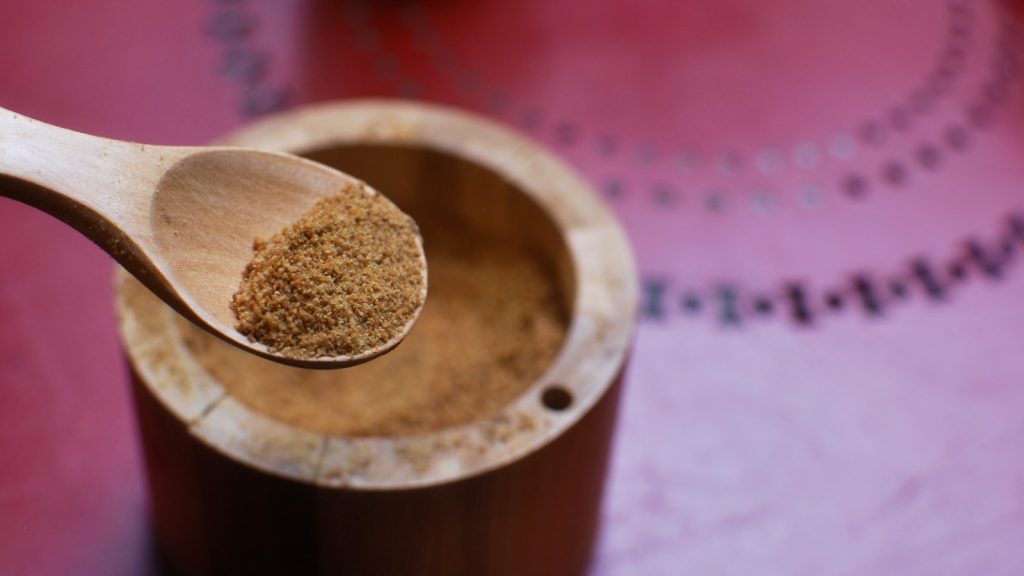
Coconut sugar, also known as coconut palm sugar, is made from the sap of the flower buds of the coconut palm tree. The process is simple and minimally processed: the sap is collected, heated to evaporate the moisture, and reduced to granules or syrup form. It is often praised for being less refined and retaining some of the nutrients found in the original plant.
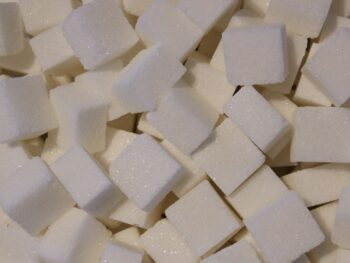
Unlike white sugar, which undergoes heavy processing and chemical bleaching, coconut sugar is closer to its natural form. It has a rich, caramel-like flavor and a texture similar to brown sugar, making it a versatile substitute in both cooking and baking.
1. Lower Glycemic Index
One of the primary reasons health-conscious individuals choose coconut sugar is its lower glycemic index (GI). The glycemic index is a measure of how quickly a food raises blood sugar levels. Traditional white sugar has a GI of around 65, while coconut sugar typically ranks around 35.
This lower GI means that coconut sugar causes a slower and more stable rise in blood glucose levels, which is beneficial for energy regulation and may reduce the risk of insulin resistance over time. For people managing diabetes or simply trying to avoid energy crashes and sugar spikes, this makes coconut sugar an appealing option.
⚠️ Note: While the GI of coconut sugar is lower, it still contains sugar and should be used in moderation.
2. More Nutrients Than Refined Sugar
Unlike refined white sugar, which is essentially empty calories with no nutritional value, coconut sugar contains trace amounts of vitamins and minerals, including:
- Iron
- Zinc
- Calcium
- Potassium
- Antioxidants
- Inulin (a type of dietary fiber)
These nutrients come from the sap of the coconut palm and remain present because the sugar is minimally processed. While the amounts are small and not enough to rely on as a dietary source, the presence of these nutrients makes coconut sugar a more natural and wholesome sweetener.
3. Supports Sustainable Agriculture
Coconut sugar production is considered more sustainable than other types of sugar farming, especially cane sugar. Coconut palms are incredibly resource-efficient and can produce sap for over 20 years. They require less water and land than sugarcane and do not contribute to deforestation when managed responsibly.
Moreover, coconut sugar production provides income to small farming communities in countries like the Philippines, Indonesia, and Thailand. It supports local economies and encourages environmentally friendly farming practices that align with the principles of natural living.
4. Less Processed, More Natural

One of the pillars of natural living is reducing consumption of heavily processed foods. Coconut sugar fits this criterion well because it goes through minimal processing and does not contain added chemicals, preservatives, or artificial ingredients.
Refined white sugar, on the other hand, often undergoes bleaching and treatment with chemicals like sulfur dioxide and phosphoric acid. These processes strip the sugar of any natural nutrients and leave behind a highly refined product that contributes to numerous health issues.
By choosing coconut sugar, you're opting for a sweetener that is closer to its natural source—something that aligns with a clean, whole-food lifestyle.
5. Better Flavor Profile for Natural Recipes
Coconut sugar has a rich, caramel-like flavor that adds depth to recipes. It’s especially great in:
- Baked goods (cookies, cakes, muffins)
- Homemade granola
- Coffee and tea
- Smoothies
- Marinades and sauces
Because its flavor is more complex than white sugar, many natural cooks and bakers prefer it for adding both sweetness and richness to their dishes. Its taste also pairs well with other natural ingredients like cinnamon, vanilla, and coconut oil.
6. Suitable for Vegan and Paleo Lifestyles
Coconut sugar is naturally vegan and paleo-friendly, unlike some refined sugars that are processed using animal bone char (a concern particularly for strict vegans). It fits into many whole-food diets and is considered a “paleo-approved” sweetener in moderation, making it an easy substitute in recipes for those following specific lifestyle or dietary guidelines.
7. No Artificial Additives or Preservatives

In natural living, avoiding synthetic chemicals is often a key goal. Coconut sugar, in its pure form, does not contain artificial sweeteners, flavorings, colors, or preservatives. It's a single-ingredient product, making it easy to understand what you're consuming—no hidden surprises.
This transparency and simplicity align perfectly with the natural living ethos, which prioritizes clean-label foods and wholesome ingredients.
8. Better for the Planet
Beyond personal health, natural living emphasizes making eco-friendly choices. Coconut sugar has a lower environmental impact than many conventional sweeteners. Unlike sugarcane farming, which can lead to deforestation and habitat loss, coconut palms grow in diverse ecosystems and can be intercropped with other plants, improving soil health and biodiversity.
Choosing coconut sugar is not just a vote for better personal health—it's also a step toward more responsible and sustainable food systems.
Final Thoughts: Moderation Is Still Key

While coconut sugar is undeniably a better alternative to refined sugar in terms of nutrients, sustainability, and processing, it is still a form of sugar. It contains fructose and glucose, and excessive consumption can contribute to health problems just like any other sweetener.
However, when used in moderation and as part of a whole-food, balanced diet, coconut sugar is a superior choice for those embracing natural living. It provides a sweet taste without the synthetic baggage of conventional sugars and supports a lifestyle rooted in health, sustainability, and simplicity.
So, next time you're reaching for a sweetener, consider coconut sugar—not just for your health, but for the planet, too.