
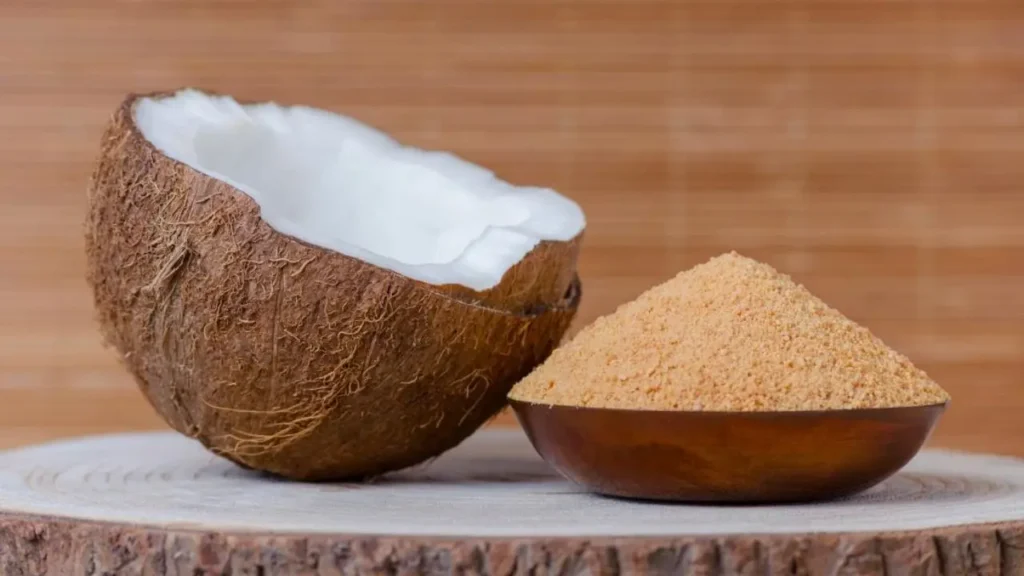
Buying organic coconut sugar in bulk from Indonesia requires more than comparing public price references.
For importers, distributors, food manufacturers, private label buyers, and procurement teams, the right supplier should be able to support consistent product quality, certification documents, export readiness, packaging options, MOQ planning, and a clear quotation process.
Global Coco Sugar supports international buyers looking for certified organic coconut sugar and coconut-based ingredients from Indonesia.
This sourcing guide explains how to evaluate product types, MOQ, supplier documents, samples, certifications, packaging, and quotation steps before confirming a bulk order.
Instead of using fixed public pricing as a final reference, buyers should request a formal quotation based on their product specification, order volume, packaging preference, certification requirements, Incoterms, and destination market.
Quick Answer: How to Buy Coconut Sugar in Bulk from Indonesia
To buy coconut sugar in bulk from Indonesia, start by confirming the product form you need, such as granulated coconut sugar, fine powder, cubes, or coconut nectar syrup.
Then check whether your market requires organic certification, food safety documentation, Halal, Kosher, COA, private label packaging, or specific export documents.
A reliable supplier should be able to provide product specifications, sample options, MOQ details, packaging information, certification documents, quotation terms, and export support.
Buyers can also compare supplier types by reading this guide to choosing a bulk coconut sugar supplier in Indonesia.
What Affects Bulk Coconut Sugar Pricing?
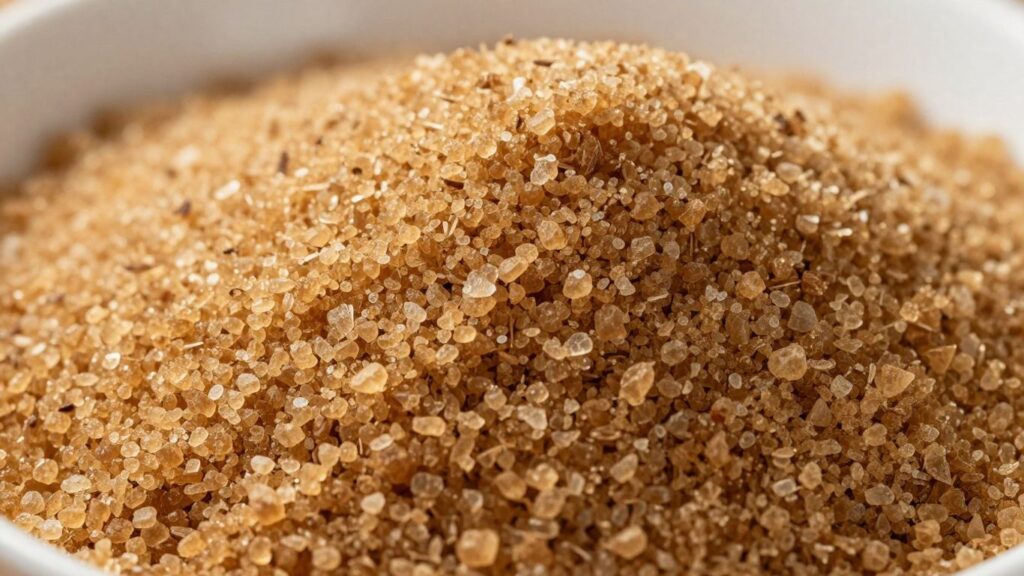
Bulk coconut sugar pricing can vary depending on product type, grade, certification requirements, packaging format, order volume, destination country, Incoterms, freight conditions, and current supply availability.
Because these factors can change from one buyer requirement to another, Global Coco Sugar does not use fixed public pricing as a final reference for bulk coconut sugar orders.
For accurate pricing, buyers should request a formal quotation based on their required product type, volume, certification scope, packaging preference, destination country, and delivery terms.
| Quotation note Final pricing depends on product type, order volume, packaging, certification scope, destination country, Incoterms, and required export documents. Please request a formal quotation from the sales team for the most accurate and current offer. |
Coconut Sugar Product Types and MOQ Reference
Before requesting a quotation, buyers should confirm which coconut sugar format fits their product application. MOQ and packaging can vary by product type, availability, and buyer requirements.
| Product Type | MOQ Reference | Best For | What Buyers Should Confirm |
| Organic coconut sugar - granulated | 1 MT or based on order requirement | Organic retail, food manufacturing, bakery, confectionery, dry mixes, EU/US market | Organic scope, color, moisture, mesh/particle size, packaging, COA, and certification documents |
| Conventional coconut sugar - granulated | 1 MT or based on order requirement | Food manufacturing, bulk retail, seasoning blends, private label | Grade, color, flavor, moisture, packaging, lead time, and documentation |
| Organic coconut sugar - fine powder | 1 MT or based on order requirement | Beverage powders, supplements, bakery mixes, instant products, functional food | Mesh size, flowability, moisture, anti-caking needs, packaging, and sample approval |
| Coconut sugar cubes | Based on availability and project requirement | HoReCa, gifting, retail, specialty products | Cube size, packaging format, production lead time, and private label needs |
| Coconut nectar syrup | Based on product type and packaging | Beverages, sauces, condiments, toppings, private label | Brix, pH, viscosity, packaging, shelf life, COA, and storage requirement |
For buyers comparing liquid and granulated coconut sweeteners, our organic coconut nectar syrup page explains syrup specifications, packaging, MOQ, and ordering considerations.
Organic vs Conventional Coconut Sugar: What Buyers Should Check
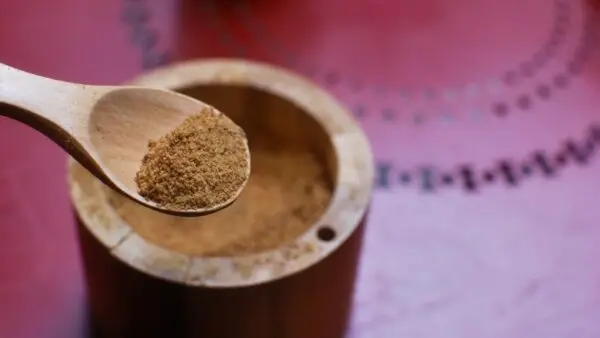
Organic coconut sugar is often preferred by buyers serving organic retail, natural food brands, health food stores, premium bakery, confectionery, and private label markets.
Conventional coconut sugar may be suitable for buyers that do not require organic claims but still need consistent quality, documentation, and export support.
For organic coconut sugar, buyers should verify certification scope, certificate validity, supplier name, product coverage, transaction certificate requirements, packaging claims, and target-market documentation.
Certification needs may differ depending on whether the product is sold in the United States, European Union, United Kingdom, Middle East, Asia, or other export markets.
For buyers targeting the US organic market, supplier and certificate verification can also be cross-checked through the USDA Organic INTEGRITY Database, depending on the certifying body and certificate scope.
For a deeper explanation of certification requirements, buyers can review our guide to organic coconut sugar certification.
How Order Volume Affects Quotation and Shipment Planning
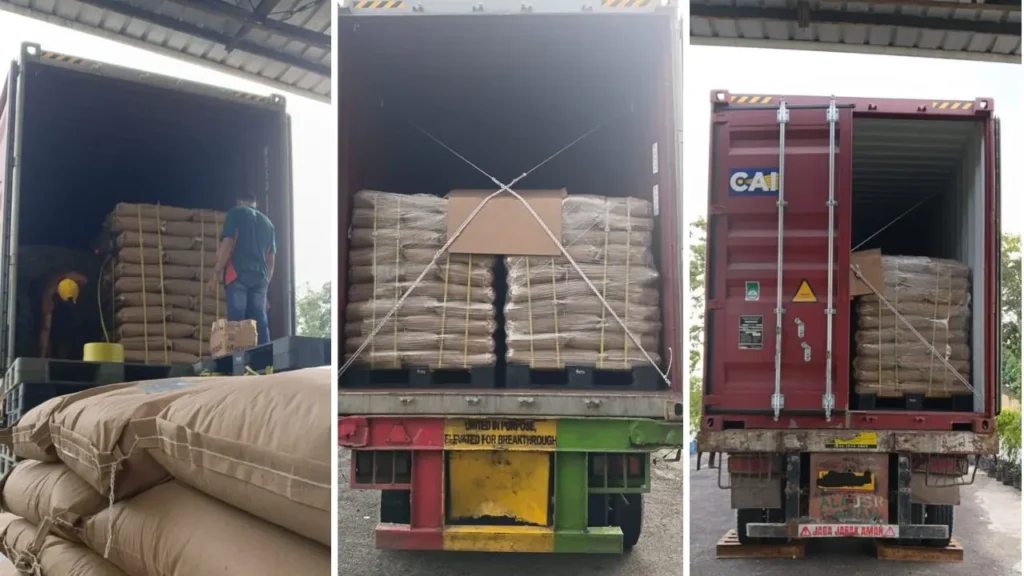
Order volume can affect packaging planning, production scheduling, shipment arrangement, documentation preparation, and quotation structure.
Instead of relying on public price ranges, buyers should confirm the most suitable order volume with the sales team based on their product needs and target market.
| Order Stage | Best For | What Buyers Should Prepare |
| Sample request | Initial evaluation, formulation testing, quality review, and internal approval | Product form, target application, preferred grade, destination country, and document requirements |
| Trial order | New buyers testing market demand before scaling into regular shipments | Product specification, packaging preference, label needs, MOQ target, and delivery terms |
| Commercial bulk order | Food manufacturers, distributors, private label buyers, and retailers with active demand | Volume forecast, required certificates, COA needs, packaging format, Incoterms, and shipment schedule |
| Full container planning | Established buyers with stable demand and recurring shipment needs | Monthly or quarterly forecast, production timeline, packaging mix, loading plan, and documentation workflow |
| Annual or long-term supply planning | Buyers that need recurring supply, consistent specifications, and supplier coordination | Forecast volume, product standard, seasonal planning, contract terms, and supplier approval documents |
Buyers who are new to Indonesian coconut sugar sourcing can also read our guide on how to import coconut sugar from Indonesia to understand the basic import and documentation process.
Where to Buy Coconut Sugar: Direct Supplier vs Broker vs Marketplace
International buyers can source coconut sugar through several channels, including direct suppliers, trading companies, brokers, marketplaces, or distributors.
The right choice depends on your required volume, documentation needs, supplier approval process, and long-term sourcing strategy.
| Sourcing Channel | Best For | Documentation Control | Buyer Risk |
| Direct supplier or exporter | Bulk buyers needing product specifications, certification support, samples, and export coordination | Usually stronger because buyers can request supplier documents directly | Buyer must verify supplier capacity, certificates, and communication quality |
| Broker or trading company | Buyers that need sourcing assistance or consolidated products | Can vary depending on how close the broker is to the actual producer | Less visibility into production source, batch consistency, or document flow |
| Online marketplace | Small inquiries, initial supplier discovery, or price comparison | Often limited unless the supplier provides complete documentation | Higher risk of incomplete specs, unclear certifications, or inconsistent follow-up |
| Local distributor | Buyers needing smaller local stock or shorter domestic delivery | Depends on distributor documentation and product traceability | May not be suitable for buyers needing direct export documents or custom specifications |
For B2B buyers, direct communication with the supplier is often useful when certification scope, product specifications, COA, sample approval, packaging, and export documents are required before purchase approval.
Private Label and Custom Packaging Considerations
Private label coconut sugar projects require more planning than standard bulk orders.
Buyers should confirm packaging format, label design, claim approval, barcode requirements, carton specifications, inner packaging, shelf-life expectations, target-market labeling rules, and certificate use before confirming production.
Custom packaging can affect MOQ, lead time, artwork approval, sampling, production schedule, and quotation structure.
For retail or private label projects, buyers should prepare product size, packaging material, destination market, label language, certification claims, and expected launch timeline before requesting an offer.
Step-by-Step: How to Source Organic Coconut Sugar from Indonesia
- Define your product application, such as bakery, beverage, confectionery, seasoning, snack, dry mix, retail, or private label.
- Choose the coconut sugar format you need, such as granulated, fine powder, cubes, or coconut nectar syrup.
- Confirm whether your market requires organic, Halal, Kosher, food safety certification, COA, or additional export documents.
- Request product specifications, packaging details, MOQ information, sample options, and a formal quotation.
- Evaluate samples for color, flavor, aroma, moisture, particle size, flowability, and suitability for your formulation.
- Review supplier documents, certificate scope, product labels, export terms, payment terms, and shipment planning.
- Confirm order volume, packaging, Incoterms, lead time, production schedule, and required documents before purchase order approval.
Documents Buyers Should Request Before Ordering
Documentation is one of the most important parts of bulk coconut sugar sourcing.
Before confirming an order, buyers should request documents based on product type, certification needs, destination country, and internal supplier approval requirements.
- Product specification sheet
- Certificate of Analysis (COA), when available or required by the buyer
- Organic certificate and transaction certificate requirements, if applicable
- Halal and Kosher documents, if required by the target market
- Food safety certification documents, where applicable
- Packaging specification and shelf-life information
- Commercial invoice, packing list, bill of lading, and export documents for shipment
- MSDS or additional documents if requested by the buyer or destination market
Why Choose Global Coco Sugar as Your Coconut Sugar Supplier?
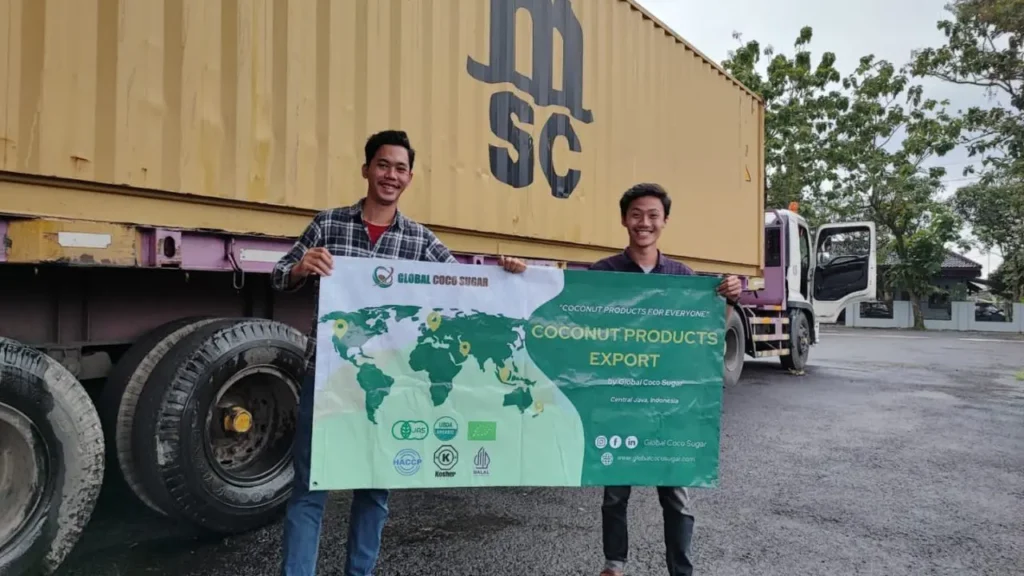
Global Coco Sugar focuses on supporting international B2B buyers with coconut sugar and coconut-based ingredients from Indonesia.
Our export team can help buyers review product specifications, sample options, packaging needs, MOQ details, certification documents, and quotation requirements before confirming a bulk order.
For buyers evaluating organic coconut sugar, Global Coco Sugar can support procurement teams, importers, distributors, food manufacturers, and private label buyers with product and documentation discussions based on current availability and order requirements.
Request a Quotation for Bulk Coconut Sugar
Need current pricing for bulk organic coconut sugar from Indonesia? Contact our export team to request product specifications, MOQ details, packaging options, certification documents, samples, and a formal quotation based on your order requirements.
To help our team prepare the most relevant offer, please include your target product type, estimated order volume, destination country, preferred packaging, certification requirements, intended application, and expected timeline.
Final Thoughts
Buying organic coconut sugar in bulk from Indonesia should be based on supplier reliability, product quality, certification scope, documentation readiness, MOQ planning, and a clear quotation process.
Public price references can be misleading because every buyer requirement is different.
For the most accurate sourcing decision, confirm your product type, target application, packaging, certification needs, destination country, and order volume with the supplier.
Global Coco Sugar can help international buyers evaluate bulk organic coconut sugar requirements and prepare a quotation based on current product availability and buyer specifications.
FAQ About Buying Coconut Sugar in Bulk from Indonesia
Where can I buy organic coconut sugar in bulk from Indonesia?
You can buy organic coconut sugar in bulk from Indonesian suppliers and exporters that can provide product specifications, certification documents, samples, MOQ details, packaging options, and export support. Buyers should verify supplier documentation before confirming commercial orders.
What is the MOQ for bulk coconut sugar?
MOQ can vary depending on product type, packaging, certification requirements, availability, and buyer needs. Buyers should request current MOQ details from the sales team before planning an order.
Why does bulk coconut sugar pricing vary?
Pricing can vary based on product form, organic or conventional status, order volume, packaging format, certification scope, Incoterms, freight conditions, destination country, and current supply availability.
Should I choose organic or conventional coconut sugar?
Organic coconut sugar is suitable for buyers serving organic retail, premium food brands, and markets requiring organic certification. Conventional coconut sugar may be suitable for buyers that do not need organic claims but still require consistent quality and documentation.
Can I request samples before ordering coconut sugar in bulk?
Yes. Sample evaluation is recommended before bulk ordering. Buyers can review color, flavor, aroma, moisture, particle size, flowability, and application performance before confirming commercial volume.
What documents should I request from a coconut sugar supplier?
Common documents include product specifications, COA, organic certificates if applicable, Halal or Kosher documents if required, packaging details, shelf-life information, and export documents based on the destination country.
Can Global Coco Sugar support private label coconut sugar?
Private label support depends on product type, packaging format, order volume, artwork requirements, certification claims, and target market. Buyers should contact the export team to discuss project requirements.


