The ketogenic (keto) diet has surged in popularity over the past decade, celebrated for its potential to help with weight loss, boost energy levels, and improve metabolic health. At its core, the keto diet is a low-carbohydrate, high-fat, and moderate-protein eating plan designed to shift the body into ketosis—a metabolic state where fat, rather than carbohydrates, becomes the body’s primary fuel source.
One ingredient that has found a firm place in many keto kitchens is coconut milk. Creamy, rich, and naturally high in healthy fats, coconut milk aligns perfectly with the macronutrient balance of a keto lifestyle. But not all coconut milk is created equal, and understanding how to choose, use, and balance it in your diet is crucial for maximizing its benefits.
In this guide, we’ll explore the relationship between coconut milk and the keto diet, its nutritional profile, health benefits, common pitfalls, and tips for incorporating it into your keto-friendly meals.
What Is Coconut Milk?
Coconut milk is made by blending the grated white flesh of mature coconuts with water, then straining it to produce a smooth, creamy liquid. It should not be confused with coconut water—the clear liquid inside green coconuts—which is naturally high in sugar and not ideal for strict keto diets.
Coconut milk comes in several forms:
- Full-Fat Canned Coconut Milk – Thick, rich, and the most suitable for keto due to its high fat and low carb content.
- Light Coconut Milk – Contains more water and fewer fats; not ideal for those aiming for higher fat intake.
- Coconut Milk Beverage (Carton) – Often marketed as a dairy alternative; may contain added sugars and thickeners, so labels must be checked carefully.
Nutritional Profile of Coconut Milk

The nutritional values can vary slightly depending on the brand and processing method, but full-fat canned coconut milk typically provides (per 100 ml):
- Calories: ~230 kcal
- Fat: ~24 g (mostly saturated fat from medium-chain triglycerides, or MCTs)
- Carbohydrates: 2–3 g net carbs
- Protein: ~2 g
The low carbohydrate content and high fat make it keto-friendly—especially since MCTs are quickly converted into ketones, helping the body stay in ketosis.
Why Coconut Milk Fits the Keto Diet
Coconut milk aligns well with keto goals for several reasons:
1. High in Healthy Fats
The ketogenic diet depends on fats as the main source of energy. Coconut milk contains a significant amount of MCTs, which are easily digested and provide a rapid energy boost without spiking blood sugar levels.
2. Low in Carbohydrates
With only 2–3 grams of net carbs per 100 ml, coconut milk is a safe option for those who need to keep daily carb intake under 20–50 grams.
3. Lactose-Free Dairy Alternative
For keto dieters who are lactose intolerant or avoiding dairy, coconut milk offers a creamy texture similar to heavy cream without the digestive discomfort.
4. Versatile in Recipes
Coconut milk can be used in both savory and sweet dishes, from curries and soups to smoothies and keto-friendly desserts.
Health Benefits of Coconut Milk on Keto

Beyond macronutrient compatibility, coconut milk offers several potential health benefits:
1. Supports Ketone Production
The MCTs in coconut milk are directly transported to the liver, where they are rapidly converted into ketones—fuel for the brain and body during ketosis.
2. May Aid Weight Management
MCTs have been shown to increase feelings of fullness, potentially helping reduce overall calorie intake.
3. Anti-Inflammatory Properties
Coconut contains lauric acid, which may help reduce inflammation and support immune health.
4. Supports Brain Health
Ketones are an alternative fuel for the brain, and some research suggests MCT-rich diets may enhance cognitive performance.
Potential Downsides and Considerations
While coconut milk can be an excellent addition to a keto diet, there are a few things to watch out for:
1. Calorie Density
Full-fat coconut milk is calorie-dense. While this is beneficial for meeting fat goals on keto, excessive consumption could lead to an unintended calorie surplus.
2. Added Sugars in Some Products
Coconut milk beverages (especially those sold in cartons) often contain added sugars, which can kick you out of ketosis. Always check labels for ingredients like “cane sugar,” “evaporated cane juice,” or “maltodextrin.”
3. Potential for Digestive Upset
Some people experience bloating or loose stools when first introducing large amounts of MCTs into their diet. It’s best to start with small servings.
4. BPA in Cans
Many canned coconut milks are packaged in BPA-lined cans, which some studies suggest may leach into food. Choosing BPA-free brands is a safer option.
Tips for Choosing the Best Keto-Friendly Coconut Milk

When shopping for coconut milk, here’s what to look for:
- Choose full-fat canned versions – Best for keto macronutrient ratios.
- Read the ingredient list – Look for “coconut” and “water” only; avoid added sugars and unnecessary thickeners like carrageenan.
- Opt for organic when possible – Reduces exposure to pesticides.
- Check for BPA-free packaging – Many premium brands now advertise this.
How to Use Coconut Milk on Keto
Coconut milk is incredibly versatile in the keto kitchen. Here are a few ideas:
1. Keto Coffee Creamer
Replace dairy cream with coconut milk for a lactose-free, high-fat coffee boost.
2. Creamy Curries and Soups
Use coconut milk to add body and richness to keto-friendly curries, Thai soups, and stews.
3. Smoothies and Shakes
Blend coconut milk with spinach, avocado, unsweetened cocoa powder, and a keto-friendly sweetener for a nutrient-rich shake.
4. Keto Desserts
From coconut panna cotta to low-carb coconut ice cream, coconut milk is a star ingredient in keto sweets.
5. Baking Substitute
Coconut milk can replace dairy milk in most baking recipes, adding richness without increasing carbs.
Sample Keto Recipe: Coconut Milk Chia Pudding
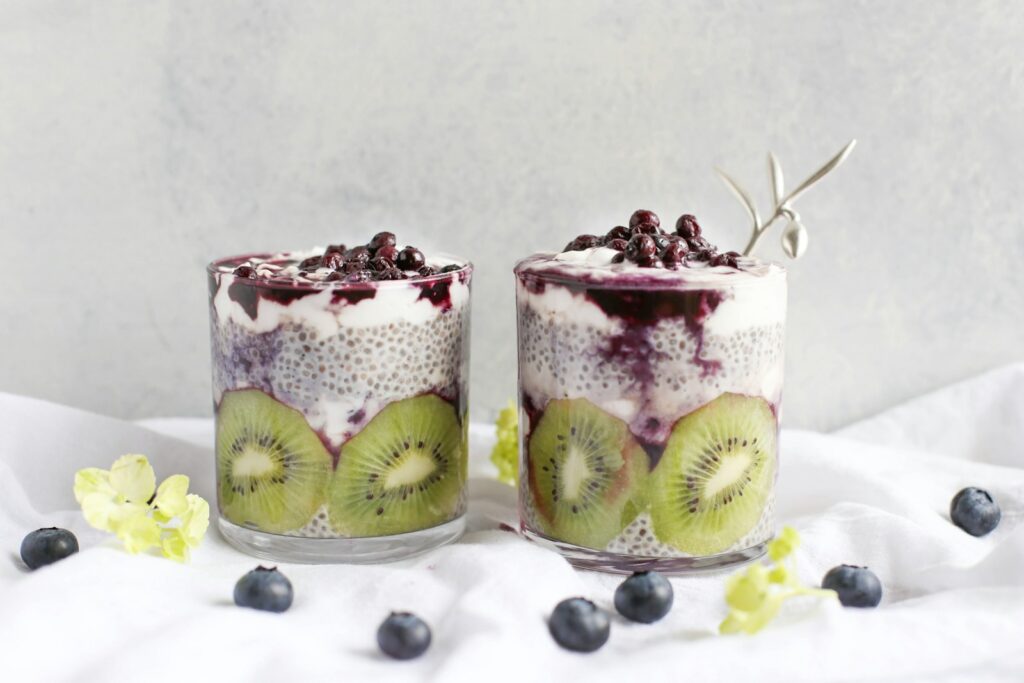
Ingredients:
- 1 cup full-fat coconut milk
- 3 tbsp chia seeds
- 1–2 tsp erythritol or monk fruit sweetener
- ½ tsp vanilla extract
- Fresh berries (optional, for garnish)
Instructions:
- In a bowl, combine coconut milk, chia seeds, sweetener, and vanilla extract.
- Stir well to prevent clumping, then refrigerate for at least 3 hours or overnight.
- Garnish with a few berries before serving.
Macros per serving (without berries):
- Fat: ~22 g
- Net carbs: ~3 g
- Protein: ~3 g
Bottom Line
Coconut milk is a keto-friendly powerhouse, offering healthy fats, minimal carbs, and a wealth of culinary possibilities. Its MCT content supports ketosis, while its creamy texture makes it a perfect dairy substitute. However, it’s important to choose unsweetened, full-fat varieties, watch portion sizes, and be mindful of added sugars in processed products.
For keto dieters, coconut milk can be more than just an ingredient—it can be a delicious, nutrient-rich tool for sustaining ketosis and enjoying a diverse range of satisfying meals.