Decoding The Ingredients: What's Really In Your Coconut Milk Yogurt Sugar Free?
Prioritizing Clean, Whole-Food Ingredients
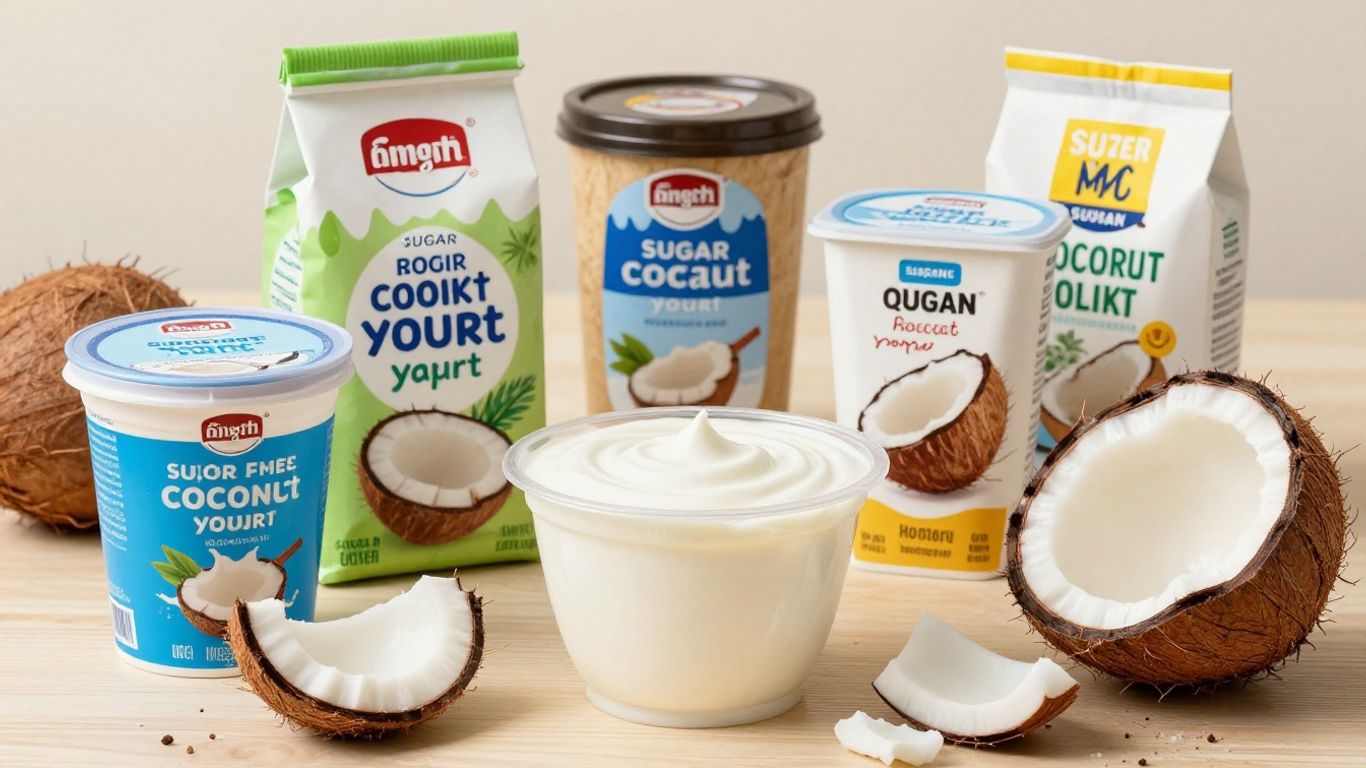
When we're looking for a sugar-free coconut milk yogurt, the first thing we check is the ingredient list. It's pretty straightforward, really. We want to see coconut milk or cream listed first, because that's the base, right? Sometimes, you'll find thickeners like tapioca starch or guar gum, and that's usually fine. These help give the yogurt that nice, creamy texture we all like. What we really try to avoid are long lists of unpronounceable chemicals. A good rule of thumb is that if you can't easily say what something is, it might be worth looking closer. We also keep an eye out for things like organic certification or non-GMO labels if that's important to us. It just feels better knowing where our food comes from.
Saying No To Hidden Sugars And Artificial Additives
This is where things can get a little tricky. Even if a yogurt is labeled 'sugar-free,' we still need to be detectives. Sometimes, sugars can hide under different names, like maltodextrin or even certain fruit juice concentrates. We're looking for yogurts that have zero added sugars, or if there are any, they come from natural sources like a tiny bit of monk fruit extract or stevia, and even then, we prefer none. Artificial sweeteners, colors, and flavors are also big no-nos for us. They just don't belong in something that's supposed to be a simple, healthy treat. We've found that brands that are transparent about their ingredients, often listing them clearly and simply, are the ones we tend to trust the most. It makes picking out a good yogurt so much easier when you don't have to play a guessing game.
Finding Your Flavor And Texture Match Of Coconut Milk Yogurt Sugar Free
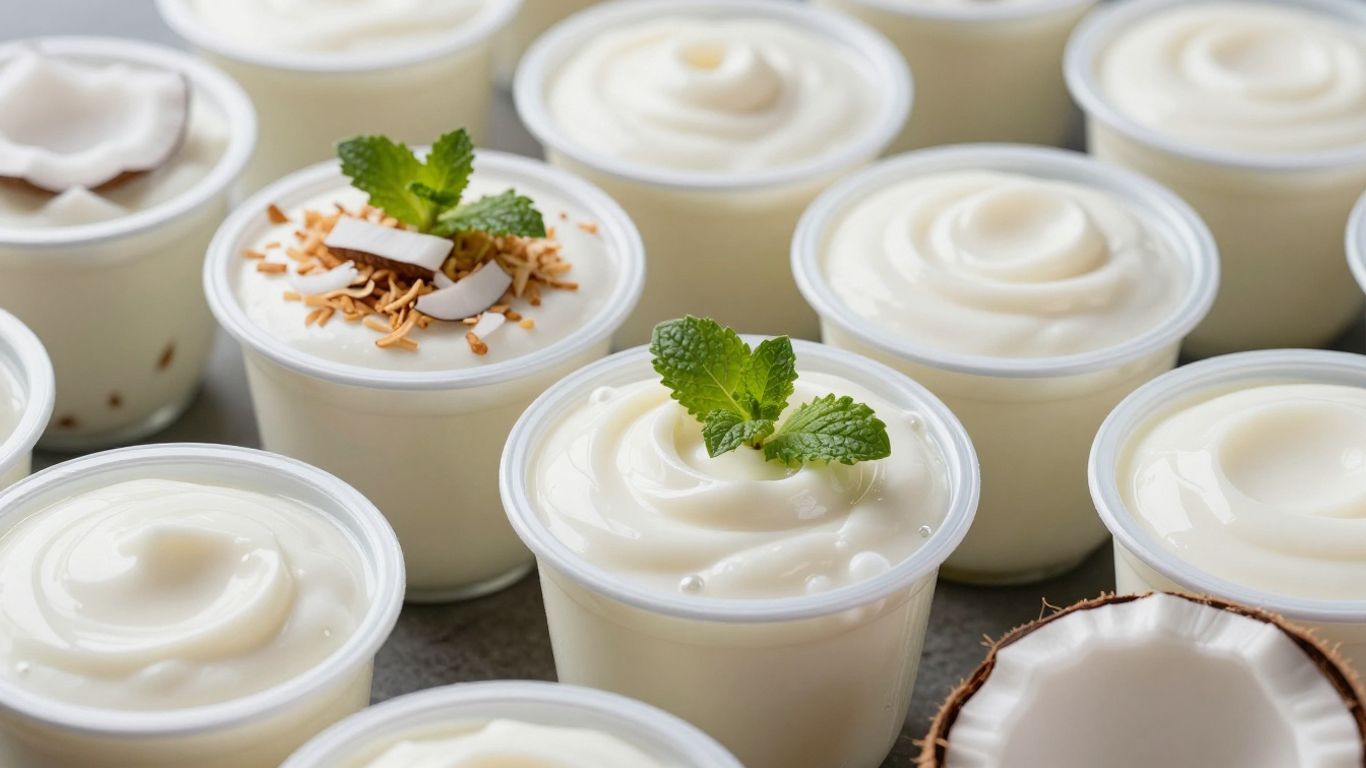
When we're looking for the perfect coconut milk yogurt sugar free, it's not just about what's not in it, but also about what is and how it feels and tastes. Think of it like finding a favorite pair of shoes – comfort and style are key! The world of plant-based yogurts is pretty diverse, and coconut milk yogurt is no exception. Its natural richness gives it a lovely, thick texture, often similar to Greek yogurt, which we really appreciate for parfaits or just eating straight from the container. It has a distinct tropical vibe, a subtle sweetness that's quite pleasant on its own.
But what about the consistency? Some coconut yogurts sugar free can be quite dense, while others might be a bit lighter. This often comes down to how they're made and what other ingredients are used to get that creamy feel. We've found that brands focusing on simple ingredients tend to have a more natural texture. If you're someone who likes a really thick, almost pudding-like yogurt, you'll want to look for those that are less processed. On the flip side, if you prefer something a bit more fluid, maybe for blending into a smoothie, you might find some coconut yogurts a little too rich. It's really about personal preference, and trying a few different brands is the best way to figure out what works for your taste buds and your meal plans. Ultimately, the goal is to find a coconut milk yogurt that feels just right, both in your spoon and in your favorite recipes.
Beyond The Basics: Probiotics And Packaging
So, we've talked about what goes into our coconut milk yogurt sugar free and how to find the right flavor and texture. But there's a bit more to consider, especially when we think about what's actually good for us and how the product gets to our kitchen.
Boosting Gut Health With Live Cultures
When we're looking at coconut milk yogurt sugar free, we want to make sure it's doing more than just tasting good. A big part of that is the probiotics, those tiny live bacteria that can be really helpful for our gut. It's not just about having them in there, though; it's about having the right ones and enough of them to actually make a difference. Some yogurts will list the strains, like Lactobacillus acidophilus or Bifidobacterium lactis, which is a good sign. They might also tell you the CFU count, which stands for Colony-Forming Units. This number tells you how many live microbes are in a serving. We want to see a decent CFU count, ideally a billion or more per serving, and it's even better if the packaging says the count is guaranteed through the expiration date, not just when it was made. Sometimes, you'll see yogurts that mention prebiotics too, which are basically food for those good bacteria. It's a nice combo, but for some folks, it can cause a bit of gas at first, so just a heads-up there.
Making An Eco-Conscious Choice With Packaging
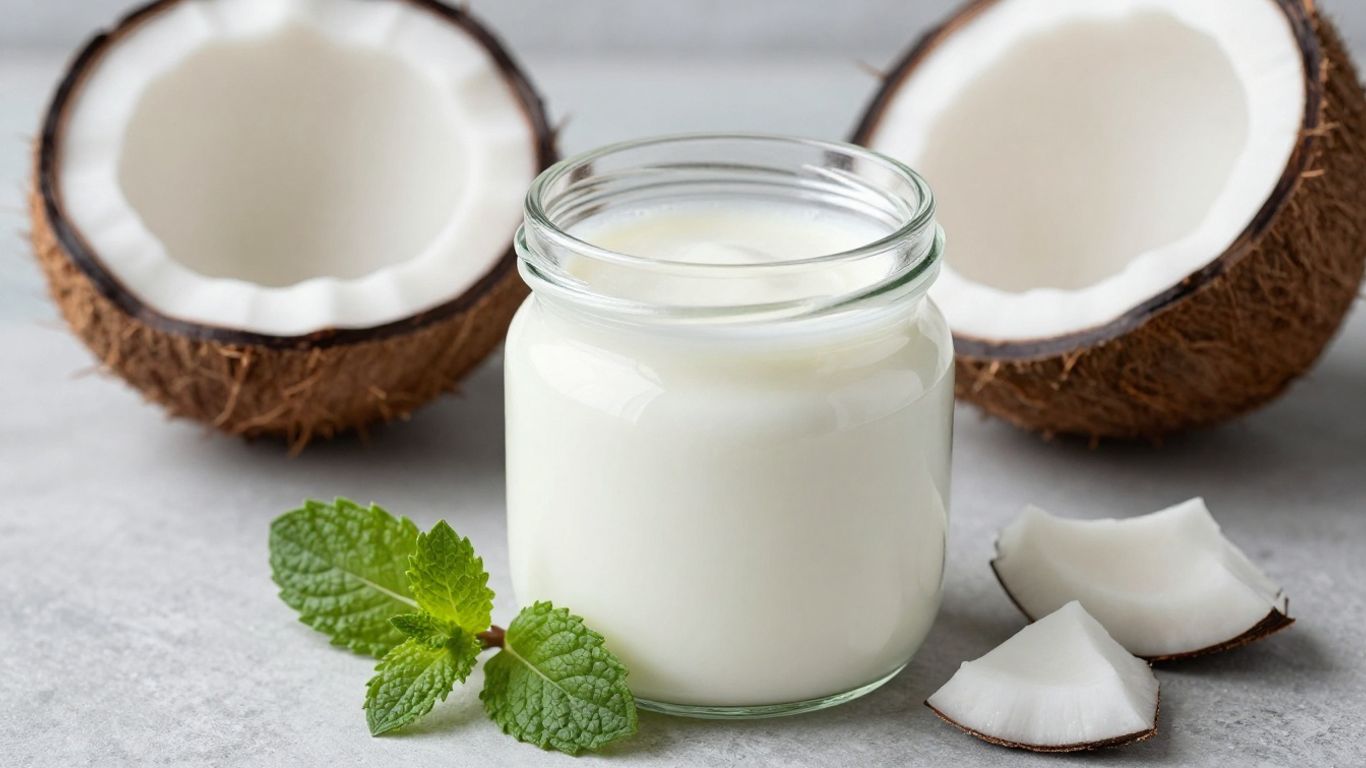
Beyond what's inside, how the yogurt is packaged matters too. We're all trying to be a bit more mindful of our environmental footprint, right? When you're picking out your coconut milk yogurt, take a peek at the container. Some brands are really stepping up with better options. You might find yogurts in glass jars, which are great because you can reuse them for storing leftovers or even planting seeds. Others come in containers made from recycled materials or ones that are easily recyclable themselves. Some companies are even looking into compostable packaging or offering refill programs. It's worth supporting brands that seem to be putting thought into reducing waste. Also, think about where the ingredients come from. Are the coconuts farmed responsibly? Some brands are pretty open about their sourcing, which is always a good sign. It feels better knowing our food choices aren't just good for us, but also kinder to the planet.
Thinking about how to keep your probiotics fresh and effective? The way they are packaged makes a big difference! We explore the latest in packaging solutions that ensure your products stay potent. Want to learn more about keeping your probiotics top-notch? Visit our website today for expert tips and insights!
Conclusion
So, after looking at all the options and tips, we can say that finding the right coconut milk yogurt sugar free is really about knowing what matters most to us. Some of us want the thickest, creamiest texture, while others care more about probiotics or keeping things simple with just a few ingredients. We’ve seen that reading labels, checking for hidden sugars, and thinking about things like allergies or eco-friendly packaging can make a big difference. And honestly, it’s okay if it takes a bit of trial and error—sometimes we have to try a couple brands before we find the one that actually tastes good in our morning parfait or smoothie. At the end of the day, we just want something that fits our lifestyle, tastes good, and doesn’t sneak in any extra sugar. Here’s to finding that perfect coconut yogurt—happy snacking!