
Category: Health & Nutrition

  • Is Coconut Milk Healthy or Just Hype? A Nutritional Breakdown

    Is Coconut Milk Healthy or Just Hype? A Nutritional Breakdown

    Coconut milk has surged in popularity over the past decade, often hailed as a superfood and staple in many plant-based and lactose-free diets. You’ll find it in smoothies, curries, coffee creamers, and even desserts. Its creamy texture and mild, sweet flavor make it a favorite dairy alternative. But amidst all the excitement, a common question lingers: Is coconut milk truly healthy, or is it just the latest wellness hype?

    In this article, we’ll break down the nutritional profile of coconut milk, examine the science behind its health claims, and discuss when it’s a smart choice — and when it might not be.


    What Is Coconut Milk?

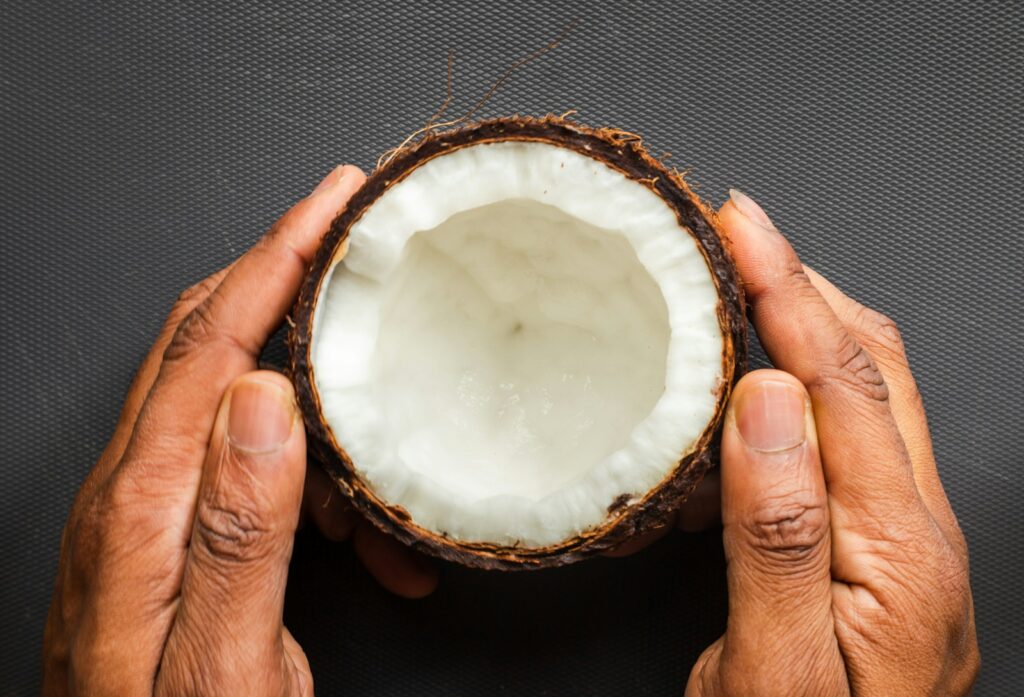
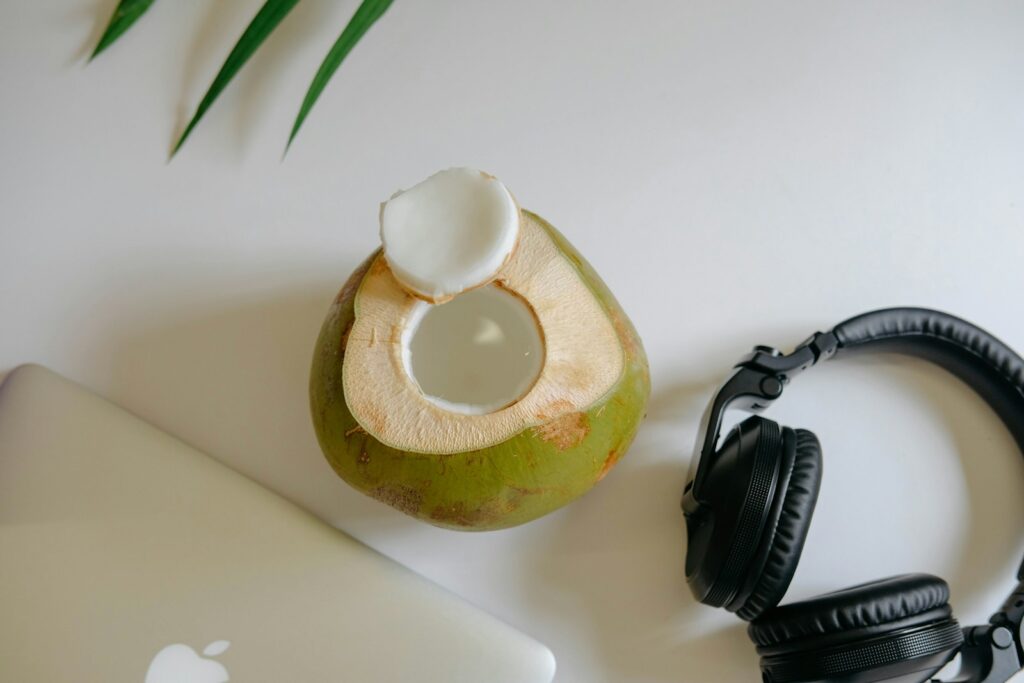
    Coconut milk is a creamy, white liquid extracted from the grated meat of mature coconuts. It’s different from coconut water, which is the clear fluid found inside green coconuts. Coconut milk is made by blending coconut flesh with water and then straining it.

    There are two main forms:

    • Canned Coconut Milk: Thick, rich, and high in fat. Typically used in cooking and baking.
    • Carton Coconut Milk: More diluted, often fortified with vitamins and minerals. Used as a beverage or milk substitute.

    Both have different nutritional profiles and purposes in the kitchen, so knowing the difference is key to understanding its health impact.


    Coconut Milk: Nutritional Overview

    The nutritional content of coconut milk can vary depending on whether it’s canned or in a carton, sweetened or unsweetened, and how much it has been processed or diluted.

    Carton (Unsweetened) Coconut Milk – 1 cup (240ml)

    • Calories: 45–60
    • Fat: 4–5g
    • Saturated fat: 3–4g
    • Protein: <1g
    • Carbohydrates: 1–2g
    • Sugars: 0–1g
    • Calcium (fortified): 25–30% DV
    • Vitamin D (fortified): 20–25% DV
    • Vitamin B12 (fortified): 50% DV

    Canned Full-Fat Coconut Milk – 1 cup (240ml)

    • Calories: 445
    • Fat: 48g
    • Saturated fat: 43g
    • Protein: 5g
    • Carbohydrates: 6g
    • Sugars: 3g

    The difference is significant. Canned coconut milk is much higher in fat and calories, while carton coconut milk is typically lighter and used more like traditional milk.


    Health Benefits of Coconut Milk

    1. Dairy-Free and Allergen-Friendly

    For people who are lactose intolerant, allergic to dairy, or vegan, coconut milk is a safe and creamy alternative. It’s also soy- and nut-free, making it suitable for people with multiple allergies.

    2. Rich in Medium-Chain Triglycerides (MCTs)

    Coconut milk contains medium-chain triglycerides — a type of fat that is digested differently than most fats. MCTs, especially lauric acid, are rapidly absorbed and metabolized for energy, rather than stored as body fat.

    Some studies suggest that MCTs:

    • May support fat burning and metabolism
    • Could enhance energy levels
    • Possess antimicrobial properties

    However, these benefits are often associated with concentrated MCT oil, not coconut milk alone.
    3. May Improve Heart Health in Moderation

    Though high in saturated fat, some research indicates that coconut products may raise HDL (good cholesterol) while having a neutral or only slight effect on LDL (bad cholesterol). This suggests coconut milk might have a more complex impact on heart health than previously thought.

    Still, the saturated fat content is high, and excessive consumption could potentially increase cholesterol in some people.

    4. Often Fortified with Key Nutrients

    Many commercial coconut milks (especially those in cartons) are fortified with:

    • Calcium (for bone health)
    • Vitamin D (essential for immune and bone health)
    • Vitamin B12 (especially important for vegans)

    This makes them a useful option for those avoiding animal-based products.


    Potential Drawbacks of Coconut Milk

    1. High in Saturated Fat

    Coconut milk is one of the highest-fat plant milks, and almost all of that fat is saturated. While not all saturated fats have the same health impact, most health authorities — including the American Heart Association — recommend limiting saturated fat intake.

    Frequent or excessive use of canned coconut milk could raise cholesterol levels, especially in those predisposed to heart conditions.

    2. Low in Protein

    Unlike cow’s milk or soy milk, coconut milk is very low in protein, often less than 1 gram per cup. This makes it a poor source of this essential macronutrient, particularly for those relying on plant-based diets.

    If you’re using coconut milk as a milk substitute, consider pairing it with other high-protein foods or choosing a milk with more protein, like soy or pea-based options.

    3. Additives and Sweeteners in Commercial Brands

    Many store-bought coconut milks contain:

    • Added sugars
    • Stabilizers and thickeners like carrageenan, guar gum, or xanthan gum
    • Flavorings or preservatives

    These additives can cause digestive upset in some people or contribute unnecessary calories and sugars.

    Tip: Choose unsweetened varieties with minimal ingredients.


    Coconut Milk vs. Other Plant-Based Milks

    Milk TypeCaloriesProteinFat (Sat.)Calcium (Fortified)
    Coconut45–60<1g4–5g (mostly sat.)Yes
    Almond30–501g2–3gYes
    Soy80–1007–9g4gYes
    Oat90–1302–4g2–5gYes

    Summary: Coconut milk is low in carbs and protein but high in saturated fat. Soy milk is closest nutritionally to cow’s milk. Almond and oat milk fall somewhere in between.


    When Is Coconut Milk a Good Choice?

    Coconut milk can be a healthy choice when:

    • You need a dairy-free or low-carb milk substitute.
    • You’re following a keto, paleo, or vegan diet.
    • You use it in moderation, especially the canned version.
    • You choose unsweetened and fortified options.
    • You pair it with other foods rich in protein and fiber.

    It may not be ideal for:

    • People with heart disease risk due to its saturated fat content.
    • Those needing higher protein intake (like athletes or children).
    • People trying to lose weight who consume it in large amounts, especially canned varieties.

    Smart Ways to Use Coconut Milk

    • Add carton coconut milk to smoothies, coffee, or oatmeal.
    • Use canned coconut milk in soups, curries, or desserts.
    • Mix it into chia pudding or overnight oats for a dairy-free twist.
    • Blend with fruit and greens for a creamy, plant-based smoothie.

    Final Verdict: Healthy or Hype?

    So, is coconut milk healthy? The answer depends on how you use it.

    Coconut milk has real nutritional benefits, especially as a dairy-free alternative that’s rich in healthy fats and often fortified with essential nutrients. However, it also has limitations — namely, high saturated fat and low protein.

    Used occasionally and strategically, coconut milk can be a healthy addition to your diet. But it shouldn’t be seen as a superfood miracle or your primary source of nutrition. Like any food, the key is balance, variety, and mindful consumption.

  • Virgin Coconut Oil for Weight Loss: Myth or Miracle?

    Virgin Coconut Oil for Weight Loss: Myth or Miracle?

    In the vast and often confusing world of health and wellness, virgin coconut oil (VCO) has carved out a prominent niche. Touted as a superfood, it’s been praised for everything from improving brain function to boosting heart health. But one of the most persistent — and controversial — claims is its supposed ability to promote weight loss. So, is virgin coconut oil truly a miracle fat burner, or is it just another overhyped health fad?

    Let’s dive into the science, claims, and reality behind this tropical oil.

    What Is Virgin Coconut Oil?

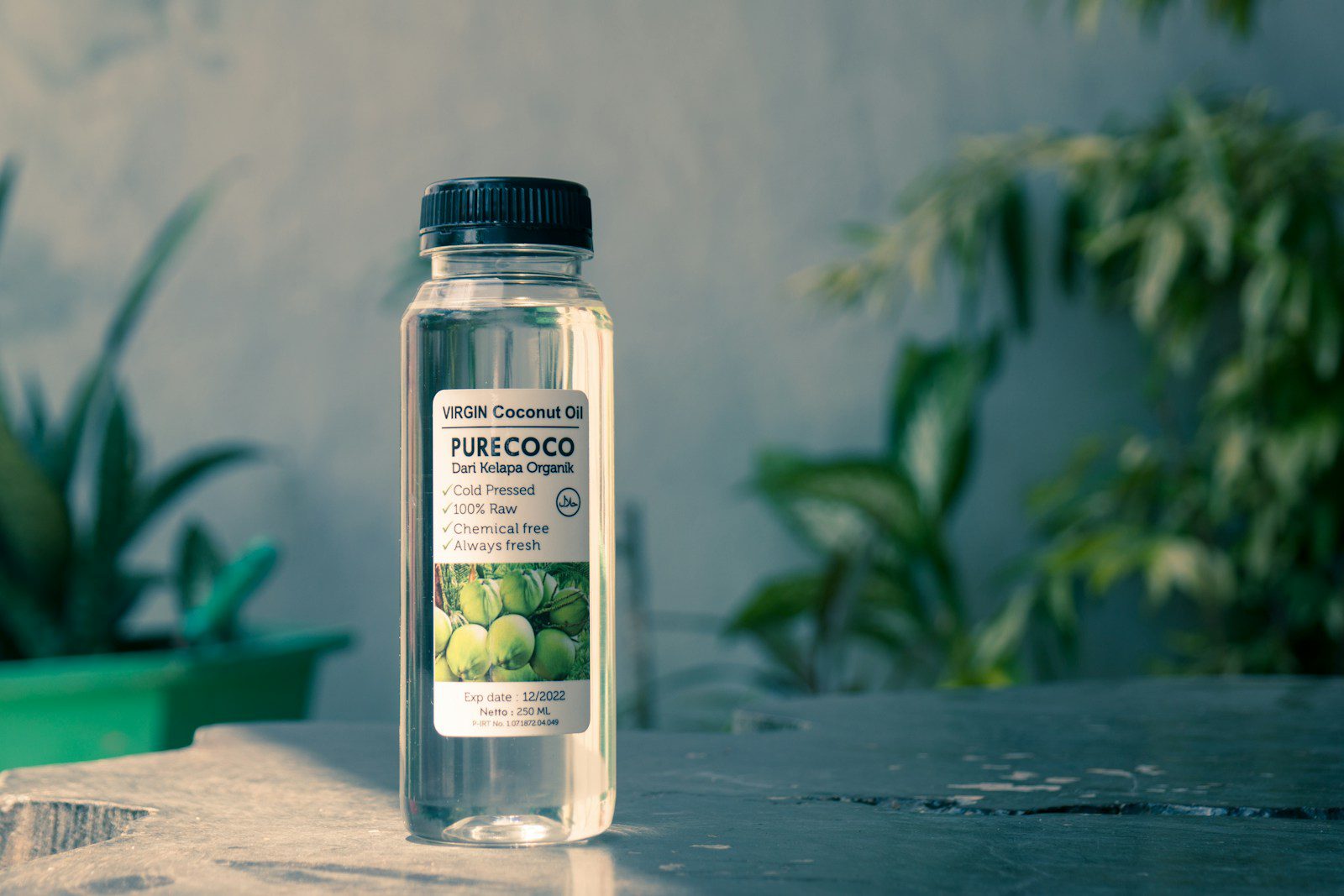
    Virgin coconut oil is extracted from the fresh meat of mature coconuts without the use of high heat or chemical processing. Unlike refined coconut oil, VCO retains most of its natural antioxidants, flavor, and aroma. It’s rich in saturated fats — particularly medium-chain triglycerides (MCTs) — which are at the center of the weight loss conversation.

    MCTs are shorter-chain fatty acids that are digested and metabolized differently from long-chain triglycerides found in most other fats. This difference in structure is what gives rise to the claim that VCO can help with weight management.

    The Case for Virgin Coconut Oil and Weight Loss

    1. Boosted Metabolism

    MCTs are absorbed rapidly and transported directly to the liver, where they are more likely to be burned for energy rather than stored as fat. Several studies suggest that MCTs may increase energy expenditure compared to longer-chain fats.

    For instance, a study published in the American Journal of Clinical Nutrition found that people who consumed MCTs burned about 120 more calories per day than those consuming longer-chain fats. Theoretically, this could translate into gradual weight loss over time — provided it’s part of a balanced, calorie-controlled diet.

    2. Increased Satiety

    Coconut oil may also help you feel fuller for longer. MCTs have been shown to increase the release of satiety hormones like peptide YY and leptin. This could potentially lead to reduced calorie intake throughout the day.

    A small study found that people who ate breakfasts rich in MCTs ate less at lunch than those who consumed long-chain fats. However, this effect may be subtle and temporary — and it doesn’t mean you can freely drizzle coconut oil over every meal and expect to lose weight.

    3. Reduction in Abdominal Fat

    Some research has specifically examined the impact of coconut oil on belly fat. In one study, women who consumed two tablespoons of coconut oil daily for 12 weeks experienced a significant reduction in waist circumference, even though their overall body weight didn’t change much.

    While promising, the study was small and short-term. Larger and longer studies are needed to confirm these effects.

    The Case Against: Why Virgin Coconut Oil Might Not Be a Miracle

    1. High in Calories

    Coconut oil is still a fat — and a very calorie-dense one at that. One tablespoon packs about 120 calories. If you’re not mindful, adding coconut oil to your diet could lead to a caloric surplus, not a deficit — the exact opposite of what you want for weight loss.

    Replacing less healthy fats with coconut oil may offer some health benefits, but adding it on top of your regular intake without adjusting portion sizes elsewhere could cause weight gain instead.

    2. Mixed Scientific Evidence

    While MCTs are linked to increased energy expenditure and fat oxidation, most commercial VCO is composed of lauric acid, which behaves somewhat like a long-chain fat in the body. Only a small percentage of VCO is made up of the faster-metabolized MCTs like caprylic and capric acid.

    Therefore, the weight loss benefits of MCTs don’t entirely translate to VCO unless it’s specifically formulated to be high in those shorter-chain MCTs. Most studies showing dramatic fat loss effects use concentrated MCT oil, not virgin coconut oil.

    3. Health Risks of Saturated Fat

    Coconut oil is about 90% saturated fat — higher than butter or lard. Although some studies suggest it may raise HDL (good) cholesterol, it can also raise LDL (bad) cholesterol. The American Heart Association recommends limiting saturated fat intake, and coconut oil remains controversial in this regard.

    For those focusing on heart health and cholesterol management, moderation is key.

    Realistic Use: How to Include VCO in a Healthy Diet

    If you’re intrigued by the potential benefits of VCO, the key is moderation and smart substitution:

    • Use it in place of less healthy fats, such as margarine or hydrogenated oils.
    • Avoid consuming it in excess — stick to 1–2 tablespoons per day.
    • Pair it with a balanced diet rich in whole foods, fiber, lean protein, and vegetables.
    • Don’t rely on it as a weight loss “magic bullet” — focus on total calories, activity levels, and sustainable habits.

    Great ways to incorporate VCO include:

    • Stirring a small amount into coffee or smoothies
    • Using it as a cooking oil for stir-fries or baked goods
    • Adding it to homemade energy balls or granola

    What the Experts Say

    Nutritionists and health experts are largely skeptical of the idea that any single food — coconut oil included — can produce significant weight loss on its own.

    According to Dr. Frank Sacks, professor of cardiovascular disease prevention at Harvard, “There’s no evidence that coconut oil has any unique benefits for weight loss compared to other oils.”

    Instead, he recommends a diet based on a variety of healthy fats — such as those from olive oil, nuts, seeds, and avocados — as part of an overall lifestyle that supports wellness.

    Conclusion: Myth or Miracle?

    So, is virgin coconut oil a myth or a miracle for weight loss?

    The truth lies somewhere in the middle.

    Virgin coconut oil is not a miracle cure. It won’t melt fat off your belly or transform your body overnight. However, it isn’t a total myth either. When used smartly and in moderation, it may offer modest benefits — particularly as a substitute for less healthy fats. But expecting dramatic results without addressing other factors like calorie intake, exercise, and overall diet is unrealistic.

    In summary: VCO can be a part of a healthy diet, but it’s not a magic solution. Think of it as a useful tool — not the toolbox.

  • Coconut Nectar for Diabetics: Safe or Risky?

    Coconut Nectar for Diabetics: Safe or Risky?

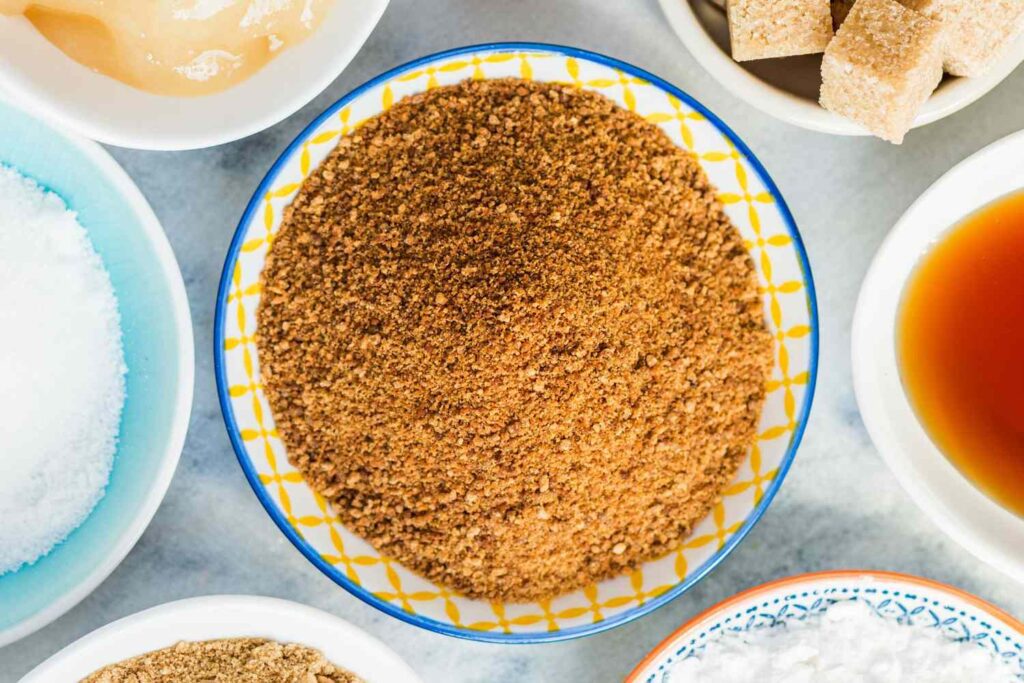
    As the search for healthier alternatives to refined sugar continues, coconut nectar has emerged as a popular natural sweetener. Extracted from the sap of coconut blossoms, this syrupy liquid is often marketed as a low glycemic index (GI) sweetener, rich in nutrients and safe for people with diabetes. But is coconut nectar really a healthier choice for those managing blood sugar levels? Or is it another form of sugar wearing a health halo?

    This article explores the nutritional profile of coconut nectar, its impact on blood glucose, and whether it’s a genuinely safe option for diabetics or just another sweet trap.


    What is Coconut Nectar?

    Coconut nectar is a natural syrup derived from the sap of coconut palm flowers (Cocos nucifera). It is made by tapping the flower stalks of the coconut tree and collecting the sap, which is then gently heated to reduce moisture and create a thick syrup. This process preserves many of the sap’s naturally occurring nutrients, and unlike refined sugar, coconut nectar is minimally processed.

    Coconut nectar has a light amber color and a slightly caramel or butterscotch-like flavor. It is commonly used as a liquid sweetener in smoothies, teas, baking, and sauces.


    Nutritional Profile of Coconut Nectar

    Coconut nectar contains a mix of natural sugars (primarily sucrose, with small amounts of glucose and fructose), amino acids, vitamins, and minerals. According to various sources, a tablespoon (15 ml) of coconut nectar contains:

    • Calories: ~60
    • Total Sugars: ~13–15 grams
    • Carbohydrates: ~15 grams
    • Fat: 0 grams
    • Protein: ~0 grams
    • Minerals: Trace amounts of potassium, magnesium, zinc, and iron
    • Inulin (a prebiotic fiber): Present in small amounts

    Compared to refined white sugar, coconut nectar has a more complex nutritional profile, but it is still high in sugar and calories.


    Glycemic Index: The Key Selling Point

    One of the main reasons coconut nectar has been promoted to diabetics is its low glycemic index. The glycemic index (GI) measures how quickly a food raises blood sugar levels. Pure glucose has a GI of 100, while lower numbers indicate slower digestion and absorption.

    Coconut nectar is often reported to have a GI between 35–54, depending on the source. By comparison:

    • Table sugar (sucrose): GI ~60–65
    • Honey: GI ~58
    • Maple syrup: GI ~54
    • Agave nectar: GI ~15–30
    • Brown rice syrup: GI ~98 (very high)

    A low-GI sweetener causes a slower, more gradual increase in blood glucose levels—ideal for diabetics who need to avoid spikes. However, this number should be interpreted cautiously.


    Is Coconut Nectar Really Safe for Diabetics?

    While coconut nectar may seem like a better option, “low GI” doesn’t mean “safe in unlimited amounts,” especially for diabetics. Here’s why:

    1. It Still Contains Sugar

    Coconut nectar is primarily made of sucrose, which breaks down into glucose and fructose—both of which affect blood sugar. Whether the sugar comes from nectar, honey, or table sugar, the metabolic impact can still be significant.

    2. Lack of Standardization

    There’s no universal, scientifically verified GI value for coconut nectar. Some GI values cited come from manufacturers or small studies with limited oversight. Without rigorous, independent testing, the actual GI could vary depending on the brand, processing method, and sap maturity.

    3. Portion Size Matters

    Even with a lower GI, consuming large quantities of coconut nectar can lead to hyperglycemia. A few teaspoons might be tolerable for some diabetics, but overuse—especially in processed or baked foods—can easily push blood sugar into unhealthy territory.

    4. Individual Responses Differ

    Each diabetic responds differently to sweeteners. Factors such as insulin sensitivity, medication, gut microbiota, and overall diet can influence how someone reacts to coconut nectar.


    Coconut Nectar vs. Other Sweeteners for Diabetics

    Let’s compare coconut nectar with other popular sweeteners often considered “diabetic-friendly”:

    SweetenerGI RangeSugar Type(s)Diabetic-Safe?
    Coconut Nectar35–54*Sucrose, GlucoseModerate caution
    Agave Nectar15–30FructoseCaution (fructose-heavy)
    Stevia0None (non-caloric)Generally safe
    Monk Fruit0None (non-caloric)Generally safe
    Erythritol0Sugar alcoholSafe in moderation
    Honey~58Glucose, FructoseLimited use

    * GI values for coconut nectar vary by source and may not be fully reliable.

    Non-nutritive sweeteners like stevia, monk fruit, and erythritol are typically safer options for diabetics because they have little to no impact on blood glucose levels. However, they lack the complex flavor and natural appeal of coconut nectar, which is why some people still prefer the latter in moderation.


    Potential Benefits (When Used Carefully)

    If consumed sparingly and under medical supervision, coconut nectar could offer a few advantages over refined sugar for diabetics:

    • Lower glycemic impact (for some individuals)
    • Nutrient content: While small, the presence of minerals and antioxidants may offer marginal health benefits.
    • Prebiotics: The inulin content can support gut health, which plays a role in blood sugar regulation.
    • Less refined: Minimal processing makes it a “cleaner” alternative to white sugar.

    That said, these benefits do not negate the fact that coconut nectar is still a sugar-rich product.


    Practical Tips for Diabetics Considering Coconut Nectar

    If you’re diabetic and considering coconut nectar, here are a few practical guidelines:

    1. Talk to your doctor or dietitian before making changes to your sugar sources.
    2. Use in small quantities, such as 1–2 teaspoons at a time.
    3. Monitor your blood glucose after consuming it to understand your personal response.
    4. Read product labels—some coconut nectar products may be blended with cane sugar or corn syrup.
    5. Avoid daily or habitual use; use it only as an occasional indulgence.
    6. Combine with fiber and protein when using in meals to slow glucose absorption.

    Conclusion: Safe or Risky?

    Coconut nectar can be relatively safer than refined sugar, but that doesn’t make it completely safe for diabetics. It still contains significant sugar content and calories. While its lower glycemic index and trace nutrients may offer some advantages, it should be treated as an occasional sweetener—not a free pass.

    For those with diabetes, non-caloric sweeteners like stevia or monk fruit are still the safest options. But if you prefer a natural, minimally processed sugar with a unique flavor, and your blood sugar is well-managed, small amounts of coconut nectar may be acceptable under supervision.

    As with any dietary choice in diabetes management, personalization and moderation are key.

  • Can You Drink Coconut Milk Every Day? Pros and Cons

    Can You Drink Coconut Milk Every Day? Pros and Cons

    Coconut milk has become a popular dairy alternative around the world, especially among those who follow plant-based diets, have lactose intolerance, or seek a richer, tropical flavor in their cooking and beverages. Derived from the grated flesh of mature coconuts, coconut milk is creamy, slightly sweet, and packed with nutrients—but is it healthy to drink every day?

    While coconut milk offers a range of health benefits, it’s not without its downsides. Understanding its nutritional profile and how it fits into your overall diet is key to determining whether it’s a good daily choice.

    In this article, we’ll explore the pros and cons of drinking coconut milk every day, look at the nutritional content, and offer tips on how to incorporate it into your diet safely.


    What Is Coconut Milk?

    Coconut milk is a white, opaque liquid made by blending grated coconut meat with water and then straining the mixture. It should not be confused with coconut water, which is the clear liquid inside young coconuts.

    There are two common forms of coconut milk:

    • Canned Coconut Milk: Thick, rich, and used mainly for cooking.
    • Carton Coconut Milk: A more diluted version meant for drinking or adding to cereal, smoothies, and coffee. This version is often fortified with vitamins and minerals and contains added stabilizers or sweeteners.

    Nutritional Profile (Per 1 Cup of Unsweetened Coconut Milk from Carton)

    • Calories: 45–80
    • Fat: 4–5 g
    • Saturated Fat: 3–4 g
    • Carbohydrates: 1–2 g
    • Sugars: 0–1 g (unsweetened)
    • Protein: 0–1 g
    • Calcium: 10–45% DV (fortified)
    • Vitamin D: 10–25% DV (fortified)
    • Potassium: 40–200 mg

    Note: Canned coconut milk is much higher in fat and calories (up to 400 calories per cup).


    Pros of Drinking Coconut Milk Every Day

    1. Lactose-Free and Vegan-Friendly

    Coconut milk is naturally lactose-free, making it an excellent alternative for people with lactose intolerance or dairy allergies. It’s also suitable for vegan and plant-based diets.

    2. Rich in Healthy Fats

    Coconut milk contains medium-chain triglycerides (MCTs), a type of saturated fat that is metabolized differently from long-chain fats. MCTs may:

    • Boost energy levels
    • Promote satiety (help you feel full)
    • Support weight management in moderation

    Some studies suggest MCTs may improve metabolism and reduce appetite, though more research is needed for conclusive evidence.

    3. May Support Heart Health (When Consumed in Moderation)

    Coconut milk may help increase HDL (good) cholesterol levels in some individuals. While it’s high in saturated fat, not all saturated fats have the same effect. The lauric acid in coconut may have a more favorable impact on cholesterol than animal fats.

    Still, moderation is key—especially for people with heart disease or high cholesterol.

    4. Anti-Inflammatory and Antimicrobial Properties

    Lauric acid, the main fatty acid in coconut milk, has antimicrobial and anti-inflammatory properties. This may benefit gut health, immune function, and even skin conditions when included in a balanced diet.

    5. Fortified with Nutrients

    Most store-bought coconut milk beverages are fortified with calcium, vitamin D, vitamin B12, and other nutrients to make them nutritionally comparable to dairy milk. This makes them a good option for maintaining bone health and preventing deficiencies—especially for vegans and vegetarians.

    6. Great for Digestion and Gut Health

    Coconut milk is often easy to digest and may help soothe the digestive tract. Its fat content also helps with the absorption of fat-soluble vitamins like A, D, E, and K.


    Cons of Drinking Coconut Milk Every Day

    1. High in Saturated Fat

    One of the biggest concerns with daily consumption of coconut milk is its high saturated fat content. A single cup of canned coconut milk can have over 35 grams of fat—more than half of which is saturated.

    The American Heart Association recommends limiting saturated fat intake to 5–6% of your total calories per day. Regularly consuming high amounts could increase LDL (bad) cholesterol in some individuals and raise the risk of heart disease.

    2. Low in Protein

    Unlike cow’s milk or some other plant-based alternatives (like soy milk), coconut milk contains very little protein. If you’re replacing dairy milk with coconut milk daily, you may need to find other protein sources to meet your needs.

    3. May Contain Additives

    Many commercially available coconut milk beverages contain added sugars, emulsifiers (like carrageenan or guar gum), and preservatives. These can cause digestive issues in sensitive individuals.

    Always read labels and opt for unsweetened, organic, or minimally processed versions when possible.

    4. Can Be Calorie-Dense

    If you’re drinking canned coconut milk or using it frequently in smoothies and coffee, the calories can add up quickly. This could contribute to weight gain if not balanced within your overall diet.

    5. Allergic Reactions (Rare)

    Though rare, some people may have coconut allergies or sensitivities. Reactions may include skin rashes, digestive upset, or in extreme cases, anaphylaxis.


    How Much Coconut Milk Is Safe to Drink Daily?

    For most people, drinking 1 cup of unsweetened carton coconut milk per day is safe and can be part of a healthy diet. However, it’s best to:

    • Avoid drinking canned coconut milk daily due to its high fat and calorie content.
    • Limit intake if you have a history of high cholesterol, cardiovascular disease, or require a low-fat diet.
    • Rotate plant-based milks like almond, oat, or soy milk to ensure variety in your nutrition.

    Tips for Including Coconut Milk in Your Diet

    • Add to smoothies: Combine with fruits, greens, and protein powder for a balanced breakfast.
    • Use in coffee or tea: For a creamy, dairy-free alternative to creamer.
    • Make soups and curries: Coconut milk adds richness to Thai, Indian, and Caribbean dishes.
    • Use in baking: It can substitute for milk or cream in many recipes.
    • Create healthy desserts: Try coconut milk in chia pudding or dairy-free ice cream.

    Final Thoughts

    So, can you drink coconut milk every day? The answer depends on your overall health, dietary needs, and the type of coconut milk you consume.

    In moderation, drinking coconut milk—particularly the unsweetened beverage version—can be a healthy addition to your daily routine. It provides a rich source of healthy fats, is dairy-free, and may support digestion, immune health, and heart health. However, because of its low protein and high saturated fat content, it’s not a one-size-fits-all solution.

    As with any food, balance is essential. By combining coconut milk with a diverse and nutrient-rich diet, you can enjoy its benefits while minimizing potential downsides.

  • Is Coconut Milk Good for Weight Loss? Here’s the Truth

    Is Coconut Milk Good for Weight Loss? Here’s the Truth

    In the world of health and nutrition, coconut milk has emerged as both a culinary staple and a health trend. From smoothies and curries to lattes and desserts, this creamy, dairy-free alternative is praised for its rich texture and tropical flavor. But when it comes to weight loss, opinions are divided. Some say coconut milk is too high in fat and calories, while others believe its unique nutrients support metabolism and satiety.

    So, what’s the real story? Is coconut milk good for weight loss, or is it best avoided? In this article, we’ll take a deep dive into the nutritional science behind coconut milk, examine its potential benefits and drawbacks, and help you decide how it fits into your weight loss journey.


    What Is Coconut Milk?

    Coconut milk is made by blending the grated flesh of mature coconuts with water and then straining it. The result is a rich, creamy liquid with a high fat content. It should not be confused with coconut water (the clear fluid found inside young coconuts) or coconut cream (a thicker, higher-fat version of coconut milk).

    There are two main types of coconut milk:

    • Canned (full-fat) coconut milk – Thick and creamy, used in cooking and baking.
    • Carton (beverage-style) coconut milk – Diluted with water, used for drinking or in cereals and coffee.

    Each type has a different nutritional profile, which influences its impact on weight loss.


    Nutritional Profile of Coconut Milk

    The nutritional content of coconut milk varies depending on how it’s prepared. Here’s a general overview of 1 cup (240 ml) of canned, full-fat coconut milk:

    • Calories: ~445 kcal
    • Fat: ~48g
      • Saturated fat: ~43g
    • Carbohydrates: ~6g
    • Protein: ~5g
    • Fiber: ~2g

    By contrast, a cup of carton-style coconut milk (unsweetened) may contain:

    • Calories: ~45 kcal
    • Fat: ~4g
    • Carbohydrates: ~1g
    • Protein: ~0g

    As you can see, full-fat coconut milk is calorie-dense and high in saturated fat, while the beverage-style version is much lighter.


    Coconut Milk and Weight Loss: The Pros

    Despite its high fat content, coconut milk may offer several benefits that support weight loss when used appropriately.

    ✅ 1. Rich in Medium-Chain Triglycerides (MCTs)

    Coconut milk contains medium-chain triglycerides (MCTs), particularly lauric acid. Unlike long-chain fats, MCTs are absorbed rapidly and used as quick energy, not readily stored as fat.

    Studies suggest MCTs can:

    • Increase energy expenditure (more calories burned)
    • Enhance fat oxidation
    • Support appetite control

    This thermogenic effect may help individuals maintain a caloric deficit more effectively.

    ✅ 2. Promotes Satiety

    High-fat foods like coconut milk tend to be more satisfying, which can help reduce overall calorie intake. Adding a small amount of coconut milk to smoothies, soups, or sauces may help you feel fuller for longer, reducing the need for snacking between meals.

    ✅ 3. Low in Carbs (Especially Unsweetened Versions)

    Unsweetened coconut milk is naturally low in carbohydrates, making it a suitable choice for low-carb and ketogenic diets, which have been associated with weight loss for many individuals.

    ✅ 4. Dairy-Free and Allergen-Friendly

    For people with lactose intolerance, dairy allergies, or those following a plant-based diet, coconut milk offers a satisfying and creamy alternative that fits into a healthy eating pattern—supporting dietary adherence, which is crucial for long-term weight management.


    Potential Drawbacks of Coconut Milk for Weight Loss

    While coconut milk offers several advantages, there are also some important considerations if you’re trying to lose weight.

    ⚠️ 1. High Calorie Content

    Full-fat canned coconut milk is very calorie-dense—up to 445 calories per cup. Using large amounts in recipes, smoothies, or drinks can easily lead to a calorie surplus, which can hinder or reverse weight loss progress.

    Solution: Use smaller portions (1–2 tablespoons per serving) or opt for light or beverage-style versions that are lower in calories.

    ⚠️ 2. High in Saturated Fat

    Coconut milk is one of the richest plant-based sources of saturated fat. While some research suggests MCTs may have a neutral or even positive effect on cholesterol levels, the science is still evolving. Overconsumption could potentially impact heart health in some individuals.

    Solution: Balance your fat intake with healthy unsaturated fats (from avocado, nuts, olive oil) and use coconut milk in moderation.

    ⚠️ 3. Added Sugars in Flavored Varieties

    Many carton-style coconut milks contain added sugars, especially in flavored versions (like vanilla or chocolate). These sugars can increase calorie count, spike blood sugar, and reduce the overall nutritional quality of the drink.

    Solution: Choose unsweetened varieties and check the label for hidden sugars.


    How to Use Coconut Milk for Weight Loss

    When used strategically, coconut milk can be a flavorful and satisfying part of a healthy weight loss plan. Here are a few tips:

    Use It as a Creamy Add-On, Not the Main Ingredient

    Instead of drinking a full glass of full-fat coconut milk, add a small splash (1–2 tbsp) to coffee, smoothies, or oatmeal to enjoy the flavor and richness without overloading on calories.

    Cook Smart with Coconut Milk

    Use light coconut milk or diluted full-fat milk in soups, stews, and curries to add creaminess without excessive calories.

    Choose Unsweetened Versions

    Always read the ingredient list and select unsweetened, minimally processed options with no additives, gums, or sweeteners.

    Watch Your Portion Sizes

    Treat coconut milk like you would oil or butter—healthy in small amounts but not meant to be the star of every dish.


    Coconut Milk vs. Other Plant-Based Milks for Weight Loss

    Here’s a quick comparison of unsweetened plant-based milks per 1 cup:

    Milk TypeCaloriesFatCarbsProtein
    Coconut (carton)~454g1g0g
    Almond~302.5g1g1g
    Oat~1205g16g3g
    Soy~804g3g7g

    Takeaway: Coconut milk (carton-style) is among the lowest in calories and carbs, making it a good option for low-carb and keto diets. However, soy or almond milk may be more filling due to their higher protein content, depending on your needs.


    Conclusion: Is Coconut Milk Good for Weight Loss?

    Yes—but with conditions.

    Coconut milk, especially the unsweetened and beverage-style version, can be a helpful tool in weight loss thanks to its MCT content, low carbohydrates, and satiating fat. It’s particularly suitable for people following low-carb, keto, or dairy-free diets.

    However, full-fat coconut milk is very calorie-dense, and overuse can quickly lead to excess calorie intake. The key is moderation and mindful use. Pay attention to portion sizes, choose unsweetened varieties, and balance your fat sources for a well-rounded diet.

    In the context of a healthy, calorie-controlled eating plan, coconut milk can absolutely support your weight loss goals—just don’t drink it by the glass.

  • Are Coconut Flakes Keto-Friendly? A Nutritional Overview

    Are Coconut Flakes Keto-Friendly? A Nutritional Overview

    The ketogenic (keto) diet has taken the health and wellness world by storm, with its emphasis on high-fat, moderate-protein, and low-carbohydrate intake. As more people adopt this lifestyle to promote fat loss, boost energy, and improve metabolic health, questions naturally arise about which foods support ketosis. One such food is coconut flakes—a delicious, crunchy snack that’s often found in trail mixes, baked goods, and health bars.

    But are coconut flakes truly keto-friendly? In this article, we’ll break down the nutritional profile of coconut flakes, discuss their compatibility with the keto diet, and provide practical tips on how to incorporate them into your low-carb lifestyle.


    What Are Coconut Flakes?

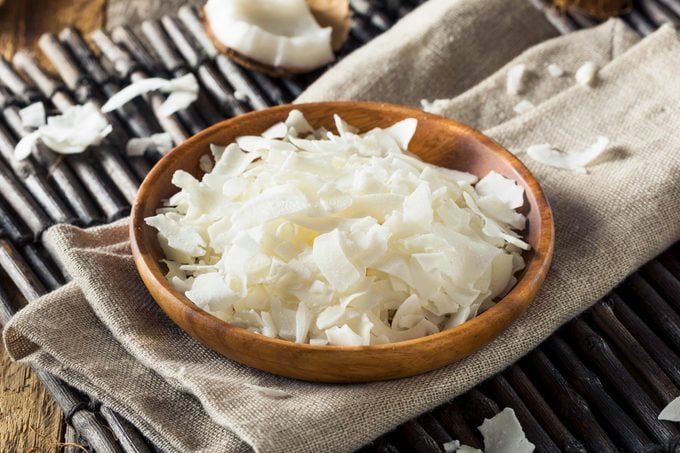
    Coconut flakes are made from the white flesh (meat) of mature coconuts. This flesh is dried and sliced into thin pieces or “flakes.” Coconut flakes may be found in several forms:

    • Unsweetened dried coconut flakes – Just pure coconut with no added sugars.
    • Sweetened coconut flakes – Often used in desserts, these are coated in sugar or syrup.
    • Toasted coconut flakes – Baked or pan-toasted for a golden color and richer flavor.

    The type of coconut flakes you choose significantly affects their nutritional value—especially when following a keto diet.


    Nutritional Profile of Coconut Flakes

    Let’s examine the typical macronutrient breakdown for unsweetened dried coconut flakes (per 1-ounce or 28-gram serving):

    • Calories: ~185 kcal
    • Total Fat: 18g
      • Saturated fat: ~16g
    • Carbohydrates: 6g
      • Fiber: 4g
      • Net Carbs: 2g
    • Protein: 2g

    Key Takeaways:

    • High in fat: Coconut flakes are rich in dietary fat, especially saturated fat, primarily in the form of medium-chain triglycerides (MCTs), which may support ketosis.
    • Low in net carbs: With only 2g of net carbs per serving (total carbs minus fiber), unsweetened coconut flakes are keto-friendly.
    • Moderate in calories: Calorie-dense, so portion control is important.

    Coconut and the Keto Diet: A Perfect Match?

    The ketogenic diet is designed to shift your body’s energy source from carbohydrates to fats—a metabolic state called ketosis. This means that foods rich in healthy fats and low in carbohydrates are ideal. Unsweetened coconut flakes check all the boxes:

    • High-fat content – Helps meet daily fat goals.
    • Low net carbs – Keeps carbohydrate intake minimal.
    • MCTs – Quickly metabolized and may increase ketone production.

    Additionally, coconut contains lauric acid, an MCT that has antimicrobial and metabolic benefits. Lauric acid is slower to metabolize than other MCTs, potentially providing a more sustained energy release.


    Sweetened vs. Unsweetened Coconut Flakes

    Here’s where many keto followers stumble. Not all coconut flakes are created equal.

    Unsweetened Coconut Flakes

    • Keto-friendly
    • No added sugars
    • 2g net carbs per serving

    Sweetened Coconut Flakes

    • Not keto-friendly
    • Often contain 10–15g or more of sugar per serving
    • Can spike blood sugar and knock you out of ketosis

    Always check the label. Many store-bought coconut flakes are sweetened, even when they look healthy. Look for options labeled as “unsweetened,” “no added sugar,” or “raw coconut flakes.”


    Health Benefits of Coconut Flakes on a Keto Diet

    Beyond fitting neatly into your macronutrient goals, coconut flakes offer several additional benefits that align well with keto:

    1. Supports Fat Metabolism

    MCTs in coconut flakes are rapidly digested and converted into ketones, which serve as an efficient fuel source during ketosis.

    2. Improves Satiety

    The high fat and fiber content help you feel fuller for longer, reducing cravings and preventing overeating—an important factor in sustainable weight loss.

    3. Promotes Digestive Health

    The dietary fiber in coconut flakes aids digestion and supports a healthy gut microbiome, which is particularly important on a diet that may otherwise be low in fiber.

    4. May Support Heart Health

    While coconut is high in saturated fat, emerging research suggests that MCTs may not negatively impact cardiovascular health. In fact, some studies link coconut consumption to increased HDL (“good”) cholesterol.


    How to Incorporate Coconut Flakes into Your Keto Diet

    Coconut flakes are versatile and can be added to many keto-friendly dishes:

    Snacking

    Eat them on their own as a quick, crunchy snack. For extra flavor, lightly toast them with a pinch of sea salt.

    Topping

    Sprinkle over:

    • Full-fat Greek yogurt
    • Chia pudding
    • Keto smoothie bowls
    • Low-carb granola

    Baking

    Use in:

    • Keto macaroons
    • Fat bombs
    • Coconut crusted chicken
    • Low-carb muffins or bread

    Blending

    Add to:

    • Keto shakes
    • Bulletproof coffee (blend in for added fat and texture)
    • Coconut-based energy bars

    Portion Control: Why It Matters

    While coconut flakes are keto-compliant, it’s still important to watch your serving size. They are calorie-dense, and eating large quantities can lead to:

    • Unintentional calorie surplus (which can stall weight loss)
    • Exceeding your daily carb limit (especially if paired with other carb sources)

    Stick to 1-ounce servings (about 1/3 cup) unless your macros allow for more.


    Best Types and Brands to Look For

    When shopping for keto-friendly coconut flakes, prioritize these qualities:

    • Unsweetened
    • Organic
    • Non-GMO
    • Raw or minimally processed

    Popular keto-approved brands (as of 2024) include:

    • Let’s Do Organic
    • Bob’s Red Mill Unsweetened Coconut Flakes
    • Anthony’s Organic Shredded Coconut
    • Terrasoul Superfoods

    These typically offer reliable labeling and quality control.


    Conclusion: Are Coconut Flakes Keto-Friendly?

    Yes, coconut flakes can absolutely be keto-friendly—provided they are unsweetened and consumed in moderation. Their high fat and low net carb content make them a perfect fit for most ketogenic eating plans. Additionally, they offer a range of nutritional and health benefits, from supporting ketone production to enhancing satiety and digestive health.

    However, not all coconut flakes are created equal. Sweetened varieties can derail your keto progress, so always check the ingredient list before buying. When used wisely, coconut flakes can be a flavorful, satisfying, and health-promoting addition to your low-carb lifestyle

  • Virgin Coconut Oil for Healthy Digestion: What You Need to Know

    Virgin Coconut Oil for Healthy Digestion: What You Need to Know

    In recent years, virgin coconut oil has gained widespread attention for its diverse health benefits. From skin and hair care to immune support, this natural oil is a staple in many wellness routines. One of its most intriguing uses is in promoting healthy digestion. Derived from the fresh meat of mature coconuts without the use of chemicals or high heat, virgin coconut oil retains its nutritional integrity and is rich in beneficial fats, especially medium-chain triglycerides (MCTs).

    But what exactly does virgin coconut oil do for your digestive system? How does it work, and are there any precautions to keep in mind? This article explores the science, benefits, and practical tips surrounding the use of virgin coconut oil for digestive health.


    What Is Virgin Coconut Oil?

    Virgin coconut oil (VCO) is extracted from fresh coconut meat through cold-pressing, fermentation, or centrifugation. Unlike refined coconut oil, which undergoes bleaching and deodorizing, VCO retains its natural aroma, taste, and nutrients.

    Its primary components include:

    • Medium-chain fatty acids (MCFAs): such as lauric acid, caprylic acid, and capric acid
    • Antioxidants
    • Vitamins E and K
    • Polyphenols

    These components give VCO its anti-inflammatory, antimicrobial, and digestion-enhancing properties.


    How Virgin Coconut Oil Affects Digestion

    Virgin coconut oil supports digestion through several key mechanisms:

    1. Promotes Efficient Fat Absorption

    Unlike long-chain fatty acids found in most dietary fats, the medium-chain fatty acids (MCFAs) in VCO are easily digested and absorbed directly by the liver. They do not require bile salts or pancreatic enzymes for digestion, making them an ideal fat source for individuals with compromised digestive function, such as those with gallbladder issues or pancreatic insufficiency.

    This rapid absorption provides the body with quick energy and reduces the burden on the digestive system.

    2. Supports Gut Microbial Balance

    Virgin coconut oil possesses antimicrobial and antifungal properties, largely due to lauric acid and its byproduct, monolaurin. These compounds can help eliminate harmful bacteria like Helicobacter pylori, yeast such as Candida albicans, and even parasites, while promoting the growth of beneficial gut flora.

    Maintaining a healthy balance of gut bacteria is essential for optimal digestion, nutrient absorption, and immune function.

    3. Reduces Inflammation in the Gut

    Digestive issues like irritable bowel syndrome (IBS), Crohn’s disease, and ulcerative colitis are linked to chronic inflammation in the gastrointestinal tract. Virgin coconut oil’s anti-inflammatory compounds may help soothe intestinal irritation, promote tissue healing, and reduce the frequency of flare-ups.

    4. Enhances Nutrient Absorption

    Healthy fats, such as those in VCO, are essential for the absorption of fat-soluble vitamins (A, D, E, and K). Regular intake of virgin coconut oil alongside meals may improve the body’s ability to absorb these vital nutrients, leading to better overall nutritional status and improved digestive function.


    Benefits of Virgin Coconut Oil for Digestion

    1. Relieves
    virgin coconut oil, healthy, eco, coconut oil

    One of the most common digestive complaints is constipation. Virgin coconut oil acts as a natural lubricant for the intestines and helps promote smoother bowel movements. The MCFAs in VCO can also stimulate peristalsis, the wave-like contractions that move food through the digestive tract.

    Taking VCO with warm water or herbal teas in the morning is a popular home remedy to relieve mild constipation.

    2. Alleviates Bloating and Gas

    Due to its antimicrobial properties, VCO can help combat the overgrowth of harmful gut bacteria that contribute to bloating, gas, and indigestion. It also supports better food breakdown and nutrient assimilation, reducing the fermentation of undigested food in the gut.

    3. Soothes Symptoms of Acid Reflux

    Although individual responses vary, some people find that taking virgin coconut oil can help reduce the burning sensation associated with acid reflux or GERD (gastroesophageal reflux disease). Its anti-inflammatory nature may soothe the esophagus and help neutralize stomach acidity.

    However, high-fat foods can sometimes trigger reflux in sensitive individuals, so it’s best to start with small doses and observe how your body reacts.


    How to Use Virgin Coconut Oil for Digestive Health

    1. Start with a Small Amount

    If you’re new to VCO, begin with ½ to 1 teaspoon per day, gradually increasing to 1–2 tablespoons daily over the course of a week. This allows your digestive system to adjust without discomfort.

    2. Incorporate It Into Meals

    Virgin coconut oil can be:

    • Mixed into smoothies
    • Added to oatmeal or yogurt
    • Used for light sautéing
    • Spread on toast or added to soups

    Avoid overheating it, as high temperatures may degrade its nutrients.

    3. Take It on an Empty Stomach

    Some people prefer to take virgin coconut oil in the morning on an empty stomach to stimulate digestion and metabolism. Mixing it with warm water and lemon is a common morning ritual for digestive support.

    4. Use It as a Natural Remedy

    For targeted digestive issues, VCO can be taken:

    • Before meals to aid digestion
    • At night to relieve constipation
    • With herbal supplements like ginger or turmeric to enhance gut healing

    Precautions and Considerations

    While virgin coconut oil is generally safe for most people, a few considerations are worth noting:

    • Allergic reactions: Rare, but possible in people with coconut allergies.
    • Digestive upset: Starting with too much VCO can cause diarrhea or stomach cramps. Start small.
    • Caloric content: VCO is calorie-dense (about 120 calories per tablespoon), so excessive intake may contribute to weight gain.
    • Not a cure-all: VCO supports digestion, but it’s not a substitute for medical treatment for serious digestive conditions.

    Always consult a healthcare provider before beginning any new supplement, especially if you have a chronic digestive condition or are taking medications.


    Scientific Support

    Several studies support the digestive benefits of virgin coconut oil:

    • A 2010 study published in Lipids found that medium-chain fatty acids improved lipid metabolism and energy expenditure.
    • A 2015 paper in the Journal of Medicinal Food highlighted coconut oil’s antimicrobial action, especially against Candida albicans, suggesting its potential in restoring gut flora.
    • Research in Nutrients (2018) explored how MCFAs may enhance nutrient absorption and intestinal barrier function.

    While more human clinical trials are needed, existing evidence and anecdotal use point toward its effectiveness as a digestive aid.


    Conclusion

    Virgin coconut oil offers a natural, holistic way to support digestive health. Its unique composition of medium-chain fatty acids, antimicrobial compounds, and anti-inflammatory properties make it especially beneficial for those dealing with common digestive issues such as bloating, constipation, or gut imbalance.

    When used correctly and in moderation, virgin coconut oil can be a valuable addition to a gut-friendly diet. Whether mixed into your morning smoothie, added to meals, or taken alone, it’s a versatile and effective option for promoting healthy digestion.

    As always, listen to your body and consult with a healthcare provider to determine if virgin coconut oil is right for your digestive health needs.

  • Is Coconut Nectar Keto-Friendly or Not?

    Is Coconut Nectar Keto-Friendly or Not?

    The ketogenic (keto) diet has surged in popularity due to its potential benefits for weight loss, blood sugar control, and mental clarity. This high-fat, low-carb eating plan requires careful scrutiny of every food item—especially sweeteners. One product that often sparks debate among keto dieters is coconut nectar. With its natural origins and seemingly wholesome reputation, many wonder: Is coconut nectar keto-friendly or not?

    Let’s break down what coconut nectar is, its nutritional profile, how it affects ketosis, and whether it can find a place in a strict or modified keto lifestyle.


    What Is Coconut Nectar?

    Coconut nectar is a natural sweetener derived from the sap of the coconut blossom, not the coconut fruit itself. The sap is collected, heated slightly to thicken, and bottled without any chemical processing. It is considered a low-glycemic alternative to refined sugar and is often marketed as a “healthier” or more natural sweetener.

    Coconut nectar has a rich, caramel-like flavor, similar to molasses or brown sugar. It is used in everything from baking to coffee, smoothies, and marinades. But just because something is natural doesn’t mean it aligns with the ketogenic diet.


    Nutritional Breakdown of Coconut Nectar

    To determine whether coconut nectar is keto-friendly, we need to understand its macronutrient composition, particularly its carbohydrate content. While brands may vary slightly, a typical tablespoon (15g) of coconut nectar contains approximately:

    • Calories: 60
    • Total Carbohydrates: 15-16g
    • Sugars: 14-15g
    • Fiber: 0g
    • Fat: 0g
    • Protein: 0g

    As you can see, coconut nectar is almost entirely composed of sugar. It contains minimal micronutrients such as potassium and magnesium, but not in meaningful quantities to outweigh its sugar content on a keto plan.


    The Goal of Keto: Staying in Ketosis

    The primary objective of the ketogenic diet is to enter and maintain a state of ketosis, where your body burns fat for fuel instead of carbohydrates. To do this, most people need to limit their net carb intake to 20–50 grams per day. Exceeding this threshold, especially with high-glycemic foods, can kick you out of ketosis.

    Given that just one tablespoon of coconut nectar contains over 15 grams of sugar, it’s clear that it would consume a large portion (or even exceed) your daily carb allowance in a single serving.


    Glycemic Index and Insulin Response

    Coconut nectar is often promoted as having a low glycemic index (GI), generally reported between 35 and 55. This suggests it might cause a slower, more moderate rise in blood sugar compared to refined sugar (GI of 60–65).

    However, a low GI does not necessarily mean it’s keto-friendly. Even low-GI sweeteners can contain high amounts of fructose and glucose, which can spike insulin levels and interfere with fat metabolism.

    Coconut nectar contains natural sugars, mostly in the form of sucrose (a mix of glucose and fructose). While it might raise blood sugar more gradually than table sugar, it still raises blood sugar significantly—something keto dieters actively try to avoid.


    Is Coconut Nectar Keto-Friendly?

    Short Answer: No, coconut nectar is not keto-friendly.

    Despite being natural and minimally processed, its high sugar and carb content make it incompatible with a standard ketogenic diet. It spikes blood glucose, can halt ketosis, and provides none of the benefits that keto-approved sweeteners offer.

    Why It’s Not Suitable:

    1. High in Carbs: One tablespoon can exceed 75% of your daily net carb limit.
    2. Sugar Content: Contains a significant amount of glucose and fructose.
    3. Insulin Spike: Even with a lower GI, it impacts blood sugar and insulin.
    4. No Fat or Fiber: Offers nothing to support ketosis.

    Alternatives to Coconut Nectar on a Keto Diet

    If you’re following a ketogenic diet but still crave sweetness, there are several keto-approved sweeteners that can satisfy your sweet tooth without kicking you out of ketosis:

    1. Stevia: A plant-based, zero-calorie sweetener with no effect on blood sugar.
    2. Erythritol: A sugar alcohol with nearly zero net carbs; doesn’t raise glucose or insulin levels.
    3. Monk Fruit Extract: Another natural, zero-carb sweetener often blended with erythritol.
    4. Allulose: A rare sugar that doesn’t impact blood sugar and has a taste and texture similar to real sugar.

    These alternatives allow keto dieters to enjoy sweet treats while maintaining metabolic flexibility and staying within their carb limits.


    When Might Coconut Nectar Be Acceptable?

    While coconut nectar is not keto-friendly for most, there are a few scenarios where it could be used in extreme moderation:

    • Targeted Ketogenic Diet (TKD): For athletes or highly active individuals who follow a TKD, small amounts of sugar may be consumed before or after workouts to replenish glycogen stores.
    • Cyclical Ketogenic Diet (CKD): Involves planned carb refeed days. Coconut nectar might be acceptable during the “carb-loading” phase.
    • Transition Phase: Those gradually shifting into keto might include natural sweeteners like coconut nectar as they reduce sugar over time.

    Even in these cases, portion control is key, and tracking blood glucose/ketone levels is recommended.


    The Misleading “Natural” Health Halo

    One of the reasons coconut nectar causes confusion is its natural food branding. It comes from coconuts, is minimally processed, and contains trace minerals—all factors that make it seem healthier than refined sugar.

    However, natural doesn’t mean low-carb, and “healthier” doesn’t mean keto. A ketogenic diet has strict metabolic requirements, and even healthy, whole foods must be evaluated through the lens of their macronutrient impact.


    Final Verdict

    Coconut nectar is not keto-friendly. Despite its natural origins and low-GI reputation, its high sugar and carb content make it unsuitable for anyone aiming to stay in ketosis. For those committed to the ketogenic lifestyle, it’s best to steer clear and opt for low-carb sweeteners like stevia, erythritol, monk fruit, or allulose.

    That said, diet choices are personal. If your version of keto is more flexible, and you’re aware of how coconut nectar affects your body and ketone levels, using it very occasionally and sparingly might not completely derail your progress. But in general, coconut nectar belongs in the category of “better than sugar, but still not keto.”


    Key Takeaways

    • Coconut nectar is high in sugar and carbs, making it unsuitable for a standard keto diet.
    • Its low glycemic index doesn’t prevent it from spiking insulin and halting ketosis.
    • Keto-friendly alternatives include stevia, erythritol, monk fruit, and allulose.
    • If you’re on a strict keto plan, it’s best to avoid coconut nectar entirely.
  • Coconut Milk for Lactose Intolerant Diets: A Perfect Substitute

    Coconut Milk for Lactose Intolerant Diets: A Perfect Substitute

    Lactose intolerance affects millions of people worldwide, making it difficult to consume traditional dairy products without discomfort. For those living with this condition, finding suitable alternatives to milk is essential for maintaining a balanced diet without sacrificing taste or nutrition. One of the most popular and versatile substitutes is coconut milk. Derived from the white flesh of mature coconuts, coconut milk offers a creamy texture, a rich taste, and a wealth of health benefits—making it an ideal choice for those seeking dairy-free alternatives.

    This article explores why coconut milk is a perfect substitute for individuals with lactose intolerance, its nutritional profile, how to use it in everyday cooking, and some potential concerns to keep in mind.


    Understanding Lactose Intolerance

    Lactose intolerance occurs when the body lacks sufficient amounts of lactase, the enzyme responsible for breaking down lactose—the sugar found in dairy milk. When undigested lactose passes into the colon, it can cause a range of unpleasant symptoms, including:

    • Bloating
    • Gas
    • Diarrhea
    • Abdominal pain
    • Nausea

    Although it is not life-threatening, lactose intolerance can significantly impact daily comfort and dietary options. This has led to a growing demand for lactose-free alternatives like almond milk, soy milk, oat milk, and most notably, coconut milk.


    What Is Coconut Milk?

    Coconut milk is a plant-based liquid made by blending grated coconut meat with water and then straining it. Unlike coconut water, which is the clear liquid inside green coconuts, coconut milk is thick, white, and creamy.

    There are two main types of coconut milk:

    • Canned Coconut Milk: Thick and rich, often used in cooking (e.g., curries, soups, desserts).
    • Carton Coconut Milk (Beverage): Thinner and lighter, often fortified with vitamins and used as a milk alternative for drinking or with cereal.

    Coconut milk is naturally free of lactose, making it a safe and delicious option for those with lactose intolerance.


    Nutritional Benefits of Coconut Milk

    Coconut milk offers several nutritional benefits that make it an attractive dairy substitute:

    1. Lactose-Free and Dairy-Free

    The most obvious advantage for lactose-intolerant individuals is that coconut milk is entirely plant-based. It contains no lactose, casein, or whey, all of which are problematic for those with dairy sensitivities or allergies.

    2. Rich in Healthy Fats

    Coconut milk contains medium-chain triglycerides (MCTs)—a type of saturated fat that the body digests easily and uses for quick energy. MCTs are associated with:

    • Improved metabolism
    • Enhanced brain function
    • Satiety and appetite control

    However, due to the fat content, moderation is key.

    3. Vitamins and Minerals

    Depending on the brand and whether it’s fortified, coconut milk can be a good source of:

    • Calcium (in fortified versions)
    • Vitamin D and B12 (in fortified beverages)
    • Iron, magnesium, and potassium (in natural or canned versions)

    These nutrients support bone health, energy production, and overall wellness—especially important when you’re cutting out dairy.

    4. Low in Carbohydrates

    For those following a low-carb or ketogenic diet, coconut milk offers a low-glycemic alternative to cow’s milk, which can contain natural sugars (lactose).


    Culinary Versatility

    Coconut milk is extremely versatile and can replace dairy milk in almost any recipe. Here are some ways to incorporate it into your lactose-free diet:

    1. In Beverages

    • Use it in smoothies, shakes, coffee, or tea.
    • Pour it over cereal or granola.
    • Mix it into hot chocolate or golden turmeric milk.

    2. In Cooking

    • Add it to curries, soups, and stews for a creamy texture.
    • Use in sauces, marinades, and gravies.
    • Make dairy-free mashed potatoes or pasta sauces.

    3. In Baking

    • Substitute coconut milk for cow’s milk in cake, muffin, or pancake recipes.
    • Use it to create dairy-free puddings, ice creams, and custards.

    The mild, slightly sweet flavor of coconut milk enhances many dishes without overpowering them.


    Choosing the Right Coconut Milk

    With many coconut milk products available, it’s important to choose one that suits your needs:

    Canned Coconut Milk

    • Best for cooking due to its thickness and fat content.
    • Look for brands with minimal additives or preservatives.
    • Shake before using, as it may separate.

    Carton Coconut Milk (Beverage)

    • Great for drinking or pouring over cereal.
    • Often fortified with calcium, vitamin D, and B12.
    • Check for added sugars—opt for unsweetened versions.

    Coconut Cream

    • Even thicker than canned milk.
    • Ideal for making dairy-free whipped cream or decadent desserts.

    Potential Downsides and Considerations

    While coconut milk is generally a great choice for lactose-intolerant individuals, there are a few things to consider:

    1. Caloric Content

    Canned coconut milk is calorie-dense due to its high fat content. Overconsumption may contribute to weight gain if not balanced with other foods. Lighter versions or diluted milk beverages are better for daily use.

    2. Allergies

    Though rare, some individuals may be allergic to coconut. Always introduce it slowly if you’ve never consumed it before.

    3. Nutrient Gaps

    Unlike dairy milk, natural coconut milk is not a good source of protein. If you switch to coconut milk, be sure to get protein from other plant-based sources like legumes, nuts, seeds, or protein-rich grains.

    4. Additives and Preservatives

    Many commercial coconut milks include thickeners, emulsifiers, and sweeteners. Always read labels and opt for products with minimal ingredients.


    Coconut Milk vs. Other Non-Dairy Alternatives

    How does coconut milk compare with other popular lactose-free options?

    Milk AlternativeProteinFatCalcium (fortified)Taste/Texture
    Coconut MilkLowHigh (MCTs)Yes (if fortified)Creamy, mild coconut flavor
    Almond MilkLowLowYes (if fortified)Light, nutty flavor
    Oat MilkModerateModerateYes (if fortified)Slightly sweet, creamy
    Soy MilkHighModerateYesNeutral, closest to dairy milk

    Coconut milk stands out for its rich texture and unique flavor, though it may be lower in protein than soy milk.


    Final Thoughts

    Coconut milk is a nutritious, flavorful, and versatile option for individuals who are lactose intolerant or simply looking to reduce dairy in their diet. Its creamy consistency makes it ideal for both sweet and savory dishes, while its health benefits add to its appeal as a staple in lactose-free kitchens.

    When used mindfully and in combination with a balanced diet, coconut milk can help you maintain a healthy, enjoyable, and dairy-free lifestyle—without missing out on taste or nutrition.


    Disclaimer: This article is for informational purposes only and does not constitute medical advice. Always consult with a healthcare provider or nutritionist when making significant changes to your diet, especially if you have food allergies or chronic health conditions.

  • Desiccated Coconut During Pregnancy: Safety, Benefits, Best Uses, and Recipes for Expecting Mothers

    Desiccated Coconut During Pregnancy: Safety, Benefits, Best Uses, and Recipes for Expecting Mothers

    Pregnancy is a transformative time that calls for extra care in diet and lifestyle choices. Expecting mothers are often bombarded with questions like: Is this safe to eat? Will this benefit my baby? Should I avoid this food altogether? One such food that often raises eyebrows is desiccated coconut.

    In this comprehensive guide, we’ll explore whether desiccated coconut is safe during pregnancy, its nutritional and health benefits, the best ways to include it in a prenatal diet, and some easy, nourishing recipes for expecting mothers.


    What Is Desiccated Coconut?

    Desiccated coconut is simply dried, shredded coconut flesh. Unlike fresh coconut, it has had most of its moisture removed, resulting in a longer shelf life and a more concentrated flavor. It’s often used in baking, smoothies, granola, and various dishes for its rich, nutty flavor and texture.

    Available as finely grated or shredded, unsweetened or sweetened, desiccated coconut is a pantry staple in many cultures, especially across Asia, the Caribbean, and parts of Africa.


    Is Desiccated Coconut Safe During Pregnancy?

    Yes, desiccated coconut is generally safe to consume during pregnancy when eaten in moderation and as part of a balanced diet.

    Things to Keep in Mind:

    • Choose unsweetened varieties to avoid unnecessary added sugars.
    • Ensure it’s fresh and free from mold or rancid smell, as dried coconut can go bad if improperly stored.
    • If you have gestational diabetes, watch the portion sizes, especially if using sweetened coconut.

    In the absence of allergies and when used appropriately, desiccated coconut can be a nourishing, tasty addition to a pregnancy diet.


    Nutritional Benefits of Desiccated Coconut for Expecting Mothers

    Desiccated coconut is not just tasty—it’s also a nutrient-rich food that offers several pregnancy-friendly benefits.

    1. Good Source of Healthy Fats

    Coconut contains medium-chain triglycerides (MCTs), especially lauric acid, which is easier to digest and can provide a quick energy boost. These fats support hormonal balance and fetal brain development.

    2. Rich in Dietary Fiber

    Pregnant women often struggle with constipation. Desiccated coconut’s fiber content helps promote healthy digestion and bowel movements.

    3. Contains Essential Minerals

    It provides trace amounts of important minerals like:

    • Iron – helps prevent anemia, common during pregnancy.
    • Magnesium – supports muscle function and can reduce leg cramps.
    • Zinc – important for immune support and fetal cell growth.

    4. Supports Hydration and Electrolyte Balance

    Though dried, it retains some natural electrolytes such as potassium, which can help prevent dehydration and reduce swelling.

    5. Boosts Immunity

    Lauric acid, present in coconut, has antimicrobial properties that may support immune function during pregnancy—a time when immunity is naturally lowered.


    Best Ways to Use Desiccated Coconut During Pregnancy

    Here are some practical and delicious ways to incorporate desiccated coconut into your pregnancy diet:

    1. Smoothie Booster

    Add a tablespoon to your morning smoothie for added texture and nutrition. It pairs well with bananas, mangoes, or berries.

    2. Homemade Granola or Energy Bars

    Mix into granola or oat-based snack bars with nuts, dates, and seeds. Great for quick energy and reducing pregnancy fatigue.

    3. Topping for Yogurt or Oatmeal

    Sprinkle over Greek yogurt or hot oatmeal for a crunchy, flavorful topping rich in healthy fats and fiber.

    4. In Curries or Rice Dishes

    Finely shredded coconut can add flavor and nutrients to rice, lentils, and vegetable curries—staples in many cultures.

    5. Baking with Coconut

    Use it in muffins, pancakes, or pregnancy-safe coconut macaroons. Try to use whole-grain flours and limit sugar.


    Easy and Nourishing Recipes with Desiccated Coconut

    Here are a few pregnancy-friendly recipes that feature desiccated coconut as a key ingredient:


    1. Coconut Date Energy Balls

    Ingredients:

    • 1 cup pitted dates
    • ½ cup desiccated coconut (unsweetened)
    • ½ cup oats
    • 1 tbsp chia seeds (optional)
    • 1 tbsp coconut oil
    • 1 tsp vanilla extract

    Instructions:

    1. Blend all ingredients in a food processor until a sticky dough forms.
    2. Roll into small balls and coat in extra coconut if desired.
    3. Store in an airtight container in the fridge for up to a week.

    Benefits: Great for a quick energy boost, fiber, and iron.


    2. Coconut and Banana Pregnancy Muffins

    Ingredients:

    • 2 ripe bananas, mashed
    • 1 egg
    • ½ cup plain Greek yogurt
    • ¼ cup coconut oil
    • ½ cup desiccated coconut
    • 1 cup whole wheat flour
    • 1 tsp baking powder
    • ½ tsp cinnamon

    Instructions:

    1. Preheat oven to 350°F (175°C).
    2. Mix wet ingredients, then add dry ingredients and stir gently.
    3. Spoon into muffin tins and bake for 18–20 minutes.

    Benefits: These muffins are rich in potassium, fiber, and healthy fats.


    3. Coconut Rice with Lentils (Khichdi Style)

    Ingredients:

    • ½ cup basmati rice
    • ½ cup yellow lentils (moong dal)
    • 1 tsp cumin seeds
    • ½ tsp turmeric
    • Salt to taste
    • ¼ cup desiccated coconut
    • 1 tbsp ghee (or coconut oil)

    Instructions:

    1. Cook rice and lentils with turmeric and salt in 3 cups of water until soft.
    2. In a small pan, heat ghee, add cumin seeds, and roast until fragrant.
    3. Add coconut and sauté for 1–2 minutes. Mix into the rice and lentils.

    Benefits: Comforting, protein-rich, and easy to digest—ideal for morning sickness or fatigue days.


    Precautions and Considerations

    While desiccated coconut is generally safe, a few precautions are important during pregnancy:

    • Watch out for allergies – If you’ve never eaten coconut before, introduce it slowly to monitor reactions.
    • Avoid sweetened varieties – Added sugar can raise blood sugar and contribute to excessive weight gain or gestational diabetes.
    • Use in moderation – Coconut is calorie-dense, so portion control is key.
    • Check labels – Choose organic, unsulfured coconut to avoid chemical preservatives.

    If you have any specific medical conditions like gestational diabetes, preeclampsia, or digestive disorders, it’s best to consult your healthcare provider or a prenatal nutritionist before making dietary changes.


    Final Thoughts

    Desiccated coconut is a versatile, nutrient-rich food that can safely be included in a pregnancy diet. It offers a good balance of healthy fats, fiber, and essential minerals—all important for both mother and baby. From sweet snacks to hearty meals, it enhances both flavor and nutrition.

    When consumed mindfully and paired with other whole foods, desiccated coconut can be a delicious and beneficial part of your journey to motherhood. So, whether you sprinkle it over a bowl of fruit or bake it into a batch of banana muffins, enjoy the nourishing power of this tropical treasure.


Secret Link