
Virgin coconut oil (VCO) has long been celebrated as a versatile natural remedy for a range of health and skincare needs. But when it comes to acne-prone skin, opinions are divided. Some swear by its soothing and healing properties, while others warn it may clog pores and exacerbate breakouts. So, is virgin coconut oil really good for acne-prone skin? Let’s dive deep into the science, benefits, drawbacks, and best practices for using VCO if you struggle with acne.
Understanding Virgin Coconut Oil
Virgin coconut oil is extracted from fresh coconut meat without the use of chemicals or high heat. Unlike refined coconut oil, VCO retains most of its natural bioactive compounds, including:
- Lauric acid (makes up about 50% of its fatty acids)
- Capric and caprylic acid
- Antioxidants
- Vitamin E and K
These components give VCO its strong antibacterial, antifungal, moisturizing, and antioxidant properties—making it popular in both haircare and skincare.
Potential Benefits for Acne-Prone Skin

1. Antibacterial Properties
One of the key contributors to acne is Propionibacterium acnes, a bacteria that thrives in clogged pores. Lauric acid, found in high concentrations in virgin coconut oil, has been shown to kill acne-causing bacteria. Studies suggest that lauric acid is more effective than benzoyl peroxide at fighting these bacteria, without the harsh side effects.
2. Anti-Inflammatory Effects
Inflammation plays a major role in acne. VCO contains antioxidants and fatty acids that help soothe red, irritated skin. This can help reduce the size and discomfort of inflamed pimples or cysts.
3. Moisturizing for Dry Acne-Prone Skin
Contrary to common belief, not all acne-prone skin is oily. Some people suffer from dry acne-prone skin, where over-cleansing leads to moisture loss and triggers more sebum production. VCO acts as an occlusive moisturizer, sealing in hydration and helping to restore the skin barrier.
4. Wound Healing
The presence of Vitamin E and fatty acids in VCO supports skin regeneration. It may help reduce acne scars and speed up healing of post-acne marks when used appropriately.
The Risks: Why It May Not Work for Everyone
Despite these benefits, VCO is not a one-size-fits-all solution—especially for acne-prone skin. Here's why:
1. Highly Comedogenic
Coconut oil has a comedogenic rating of 4 out of 5, meaning it has a high likelihood of clogging pores. For people with oily or combination skin, this can make breakouts worse. If your pores are already prone to clogging, applying a thick oil can trap bacteria, dirt, and dead skin cells, leading to more pimples.
2. Not Ideal for Oily Skin Types
Those with oily skin types often overproduce sebum. Adding a heavy oil like VCO may disrupt the skin’s natural balance, leading to excess oil and congestion.
3. Risk of Allergic Reaction
Although rare, some people may experience contact dermatitis or irritation when using VCO. A patch test is essential before using it on your face.
Who Can Benefit the Most?

- Dry to normal skin types with occasional breakouts
- Those with sensitive skin needing gentle, natural moisturizers
- Individuals with acne scars or post-inflammatory hyperpigmentation
- People seeking a natural alternative to synthetic skincare products
How to Use Virgin Coconut Oil Safely for Acne-Prone Skin
If you want to incorporate VCO into your acne skincare routine, here are some best practices to minimize risk:
1. Patch Test First
Always test a small amount on your inner arm or jawline for 24 hours to see if your skin reacts negatively.
2. Apply on Clean Skin
Use VCO on freshly washed skin to avoid sealing in bacteria or dirt.
3. Use as a Spot Treatment
Instead of slathering it over your whole face, apply a tiny amount only on dry pimples, scars, or flaky areas.
4. Blend with Other Ingredients
Combine VCO with non-comedogenic oils like jojoba or tea tree oil (in very small quantities) to dilute its intensity.
5. Use at Night
VCO can make your skin look greasy. Nighttime application reduces this cosmetic concern and allows the oil to work as a healing treatment while you sleep.
DIY Recipes Using Virgin Coconut Oil for Acne-Prone Skin
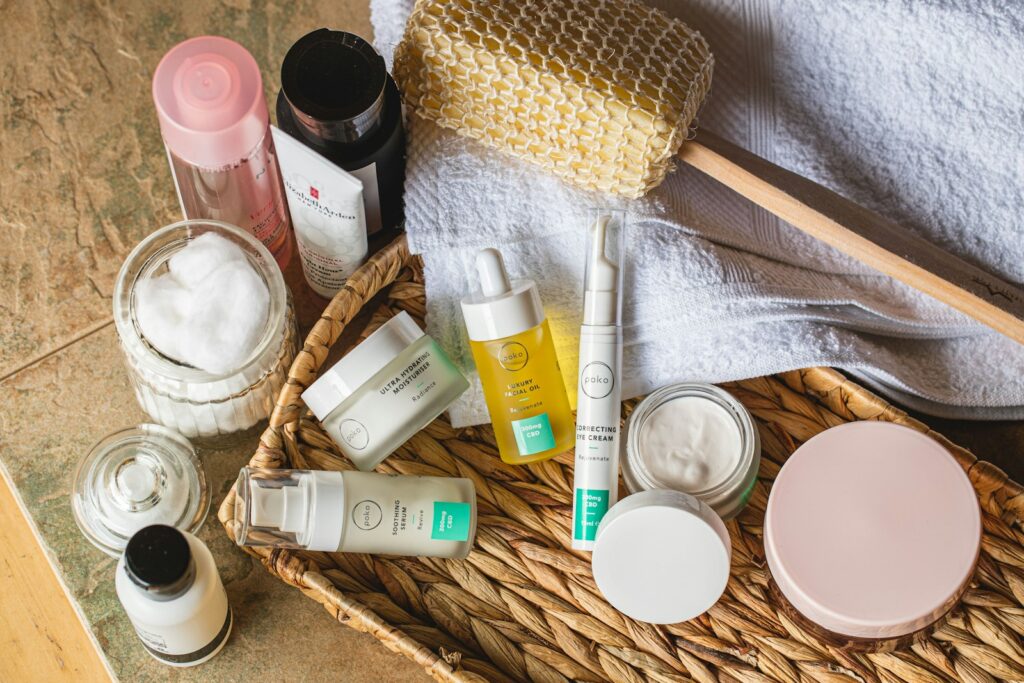
1. Gentle Oil Cleanser
- 1 tbsp VCO
- 1 tsp castor oil (for deeper cleansing)
- Massage into skin for 1 minute and wipe off with a warm damp cloth
2. Anti-Acne Spot Balm
- 1 tsp VCO
- 1 drop tea tree oil
- Apply to inflamed acne spots once a day
3. Hydrating Face Mask
- 1 tbsp VCO
- 1 tbsp raw honey
- Leave on for 10 minutes, then rinse with lukewarm water
4. Scar Treatment Serum
- 1 tsp VCO
- 2 drops rosehip seed oil
- Massage into healed acne marks before bed
Expert Opinions and Dermatologist Insights
Dermatologists generally recommend caution. According to Dr. Shereene Idriss, a board-certified dermatologist, “Coconut oil has antibacterial properties, yes, but it’s also very occlusive. I’d be cautious recommending it for someone with oily, acne-prone skin.” Instead, she suggests using it sparingly and only on dry areas or scars.
However, holistic practitioners often advocate for VCO in skincare for its natural healing abilities and minimal chemical interference.
Alternatives to Virgin Coconut Oil for Acne-Prone Skin
If VCO doesn’t suit your skin type, consider these non-comedogenic oils instead:
- Jojoba Oil – Mimics skin’s natural sebum and balances oil
- Argan Oil – Rich in vitamin E, lightweight and nourishing
- Rosehip Oil – Ideal for healing scars and promoting regeneration
- Grapeseed Oil – Light, antimicrobial, and full of antioxidants
Conclusion: Is It Right for You?
Virgin coconut oil can be both a friend and a foe for acne-prone skin. Its antibacterial and anti-inflammatory properties make it a valuable natural tool in fighting acne, especially for those with dry or sensitive skin. However, its high comedogenic rating and rich texture mean it's not ideal for oily or severely acne-prone skin types.
Bottom line: If you have mild acne and dry skin, VCO may provide soothing relief and nourishment. But if you're prone to clogged pores, cystic acne, or oily skin, it's better to approach it cautiously—or explore other plant-based oils better suited for acne.
Always consult with a dermatologist or skincare professional before adding new products to your routine, especially if you have moderate to severe acne.