Coconut sugar is generally vegan, but it is not keto-friendly for strict ketogenic diets. It comes from coconut palm sap, so it is plant-based.
However, it is still sugar and contains carbohydrates that count toward daily carb intake.
In this guide, we explain why coconut sugar can fit a vegan lifestyle, why it usually does not fit keto, how it compares with other sweeteners, and what food brands or private label buyers should verify before using vegan, keto, or low-carb claims.
Quick Answer: Is Coconut Sugar Vegan and Keto-Friendly?
Coconut sugar is generally vegan because it is made from coconut palm sap and does not require animal-derived ingredients.
However, coconut sugar is not keto-friendly because it is still a carbohydrate-based sweetener.
For strict keto diets, sweeteners such as stevia, monk fruit, or erythritol are usually more suitable than coconut sugar.
The simple answer is: yes for vegan diets, no for strict keto diets.
5 Facts About Coconut Sugar, Vegan Diets, and Keto
Before comparing sweeteners, it helps to separate vegan suitability from keto suitability. They are not the same thing.
1. Coconut sugar is plant-based. It is made from coconut palm sap, not from animal-derived ingredients.
2. Coconut sugar is generally considered vegan. Most coconut sugar products do not require animal ingredients, but brands should verify supplier documentation if they need certified vegan claims.
3. Coconut sugar is not keto-friendly. It is still sugar and contributes carbohydrates, which can make it unsuitable for strict ketogenic diets.
4. Lower glycemic discussions do not make it low-carb. Even if coconut sugar is marketed as less refined or lower GI than white sugar, it still contains sugar and carbohydrates.
5. Commercial claims need evidence. Food brands should review ingredient declarations, nutrition facts, product specifications, COA, and certification scope before using vegan, keto, low-carb, or sugar-related claims.
What Is Coconut Sugar?

Coconut sugar, also known as coconut palm sugar, is made from the sap of coconut palm blossoms.
The sap is collected, heated to reduce moisture, and crystallized into granulated sugar.
It has a brown color and a caramel-like flavor that makes it useful in beverages, baking, sauces, and food products.
Although coconut sugar is less refined than white sugar, it is still sugar.
Its value depends on the user’s dietary needs, recipe function, flavor preference, nutrition target, and product positioning.
Is Coconut Sugar Vegan?
Yes, coconut sugar is generally considered vegan because it is made from plant sap and does not contain animal-derived ingredients.
It is not the same as honey, which many vegans avoid because it comes from bees.
In dietary terms, vegan products avoid ingredients derived wholly or partly from animals.
The Vegan Society explains that veganism seeks to exclude animal exploitation and animal-derived products as far as possible and practicable.
Another reason coconut sugar is often preferred by vegan consumers is that it is not typically associated with animal-based filtration in the same way some refined sugars may be questioned in certain markets.
However, brands and B2B buyers should still verify supplier documentation if they need a certified vegan claim for retail packaging, private label products, or export markets.
Is Coconut Sugar Keto-Friendly?
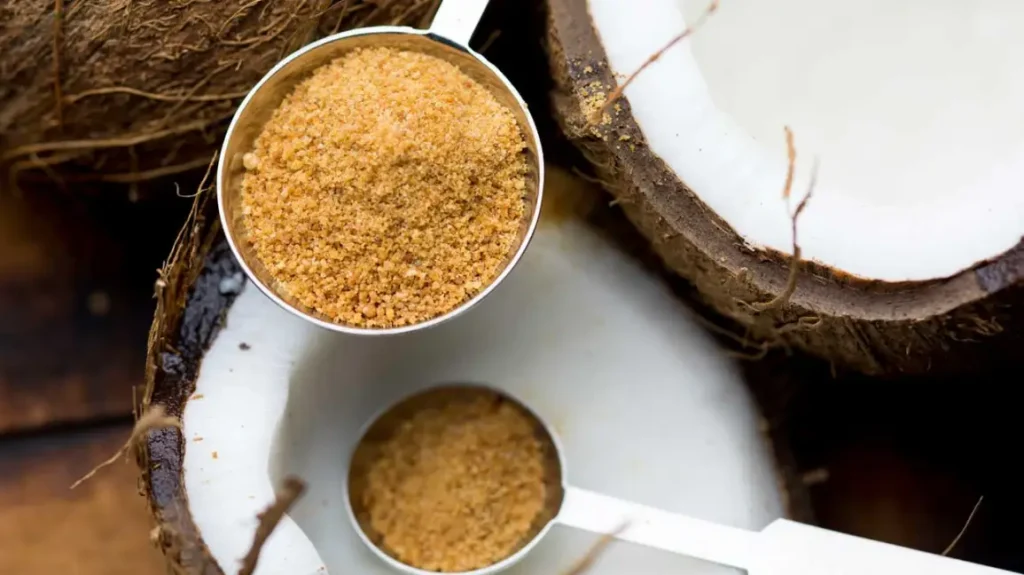
No, coconut sugar is generally not considered keto-friendly. Even though it is less refined than white sugar, coconut sugar is still a sugar and contributes carbohydrates to the diet.
A strict ketogenic diet usually limits carbohydrate intake heavily.
NCBI Bookshelf’s StatPearls explains that one ketogenic diet approach limits carbohydrate intake to around 20-50 grams daily, depending on the clinical or dietary approach used.
Because coconut sugar contributes carbohydrates and sugars, it is usually not suitable for people trying to maintain ketosis.
For a more detailed keto-focused explanation, read our guide on is coconut sugar keto-friendly.
Coconut Sugar Carbs and Added Sugar Considerations
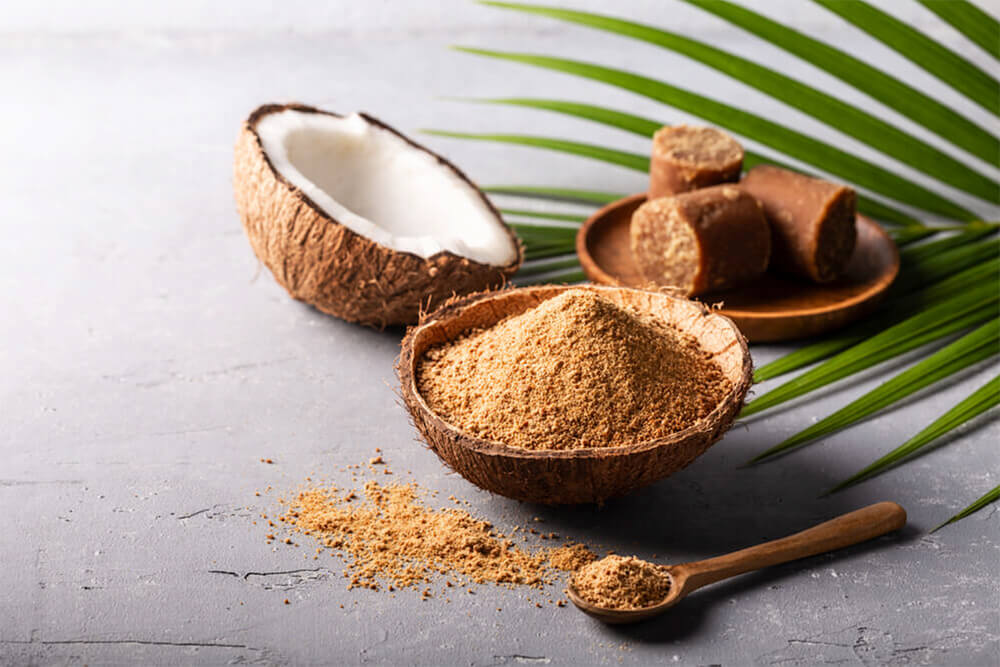
Coconut sugar should be treated as an added sugar in food and beverage formulations.
The exact nutrition values can vary by product and serving size, so consumers and buyers should always check the nutrition label or supplier specification.
For keto or low-carb positioning, this matters because coconut sugar is not a zero-carb sweetener.
Even a small serving contributes carbohydrates, so it should not be marketed as keto-friendly unless the final product formulation and nutrition label support that claim.
For packaged food labeling context, the FDA provides guidance on added sugars on the Nutrition Facts label.
Coconut Sugar vs Other Vegan and Keto Sweeteners
The table below shows why coconut sugar can be suitable for vegan diets but not for strict keto diets.
| Sweetener | Generally Vegan? | Keto-Friendly? | Notes |
| Coconut sugar | Yes, generally | No | Plant-based; high-carb sugar |
| White sugar | Depends on processing | No | Processing can vary |
| Maple syrup | Yes, generally | No | Plant-based; high sugar |
| Honey | No for most vegans | No | Animal-derived; high sugar |
| Stevia | Yes, generally | Yes | Plant-based high-intensity sweetener |
| Erythritol | Yes, generally | Yes | Sugar alcohol; common in keto products |
| Monk fruit | Yes, generally | Yes | Plant-derived; common in low-carb products |
| Agave nectar | Yes, generally | No | Plant-based; high-sugar syrup |
Are There Low-Carb Coconut Sugar Alternatives?
Coconut sugar itself is not low-carb. Some products may use coconut flavor, coconut-derived ingredients, or coconut-based marketing, but that does not automatically make them keto-friendly.
For low-carb or keto products, buyers should check the actual sweetener system and nutrition label.
Stevia, monk fruit, erythritol, or blended low-carb sweeteners may be more suitable than coconut sugar when the goal is to reduce carbohydrates.
Coconut-derived inulin may appear in some food products as a fiber ingredient, but it is not the same as coconut sugar.
Buyers should check the ingredient list, nutrition facts, and supplier documentation before making low-carb or keto-related claims.
When Can Coconut Sugar Fit a Vegan or Plant-Based Lifestyle?
For consumers who follow a vegan or plant-based lifestyle but are not following keto, coconut sugar can be used in moderation as a plant-based sweetener.
It can work in coffee, tea, smoothies, baking, sauces, desserts, and snack products where a caramel-like flavor is desired.
However, coconut sugar should not be positioned as a health solution.
It is still sugar, so serving size, total sugar intake, and the overall diet still matter.
People with diabetes, blood sugar concerns, or medically supervised diets should follow professional nutrition guidance.
What Food Brands and B2B Buyers Should Verify
For food manufacturers, beverage brands, private label buyers, and procurement teams, vegan and keto-related claims should be handled carefully.
Coconut sugar may support plant-based or vegan product positioning, but it should not be positioned as keto-friendly unless the final product formulation and nutrition facts support that claim.
Before sourcing coconut sugar for retail or food manufacturing, buyers should review product specifications, ingredient declaration, packaging options, certification scope, COA availability, nutrition information, and supplier documentation.
If you are evaluating organic coconut sugar from Indonesia for vegan-friendly products, review the organic coconut sugar specifications and request a coconut sugar COA before confirming a bulk order.
Need organic coconut sugar for plant-based, bakery, beverage, or private label products? Contact our export team to request specifications, samples, packaging details, or a quotation.
Conclusion: Is Coconut Sugar Vegan and Keto-Friendly?
Coconut sugar is generally vegan because it is made from coconut palm sap and does not contain animal-derived ingredients. However, it is not keto-friendly because it is still sugar and contributes carbohydrates.
For vegan consumers or plant-based food brands, coconut sugar can be a suitable sweetener option when supplier documentation supports the claim.
For strict keto or low-carb diets, zero- or low-carb sweeteners such as stevia, monk fruit, or erythritol are usually more appropriate.
For B2B buyers, the safest approach is to verify product specifications, ingredient information, certification scope, COA, packaging, and labeling requirements before using coconut sugar in commercial products.