Embracing the Creamy Goodness Of Low Sugar Coconut Yogurt
Why Choose Low Sugar Coconut Yogurt?
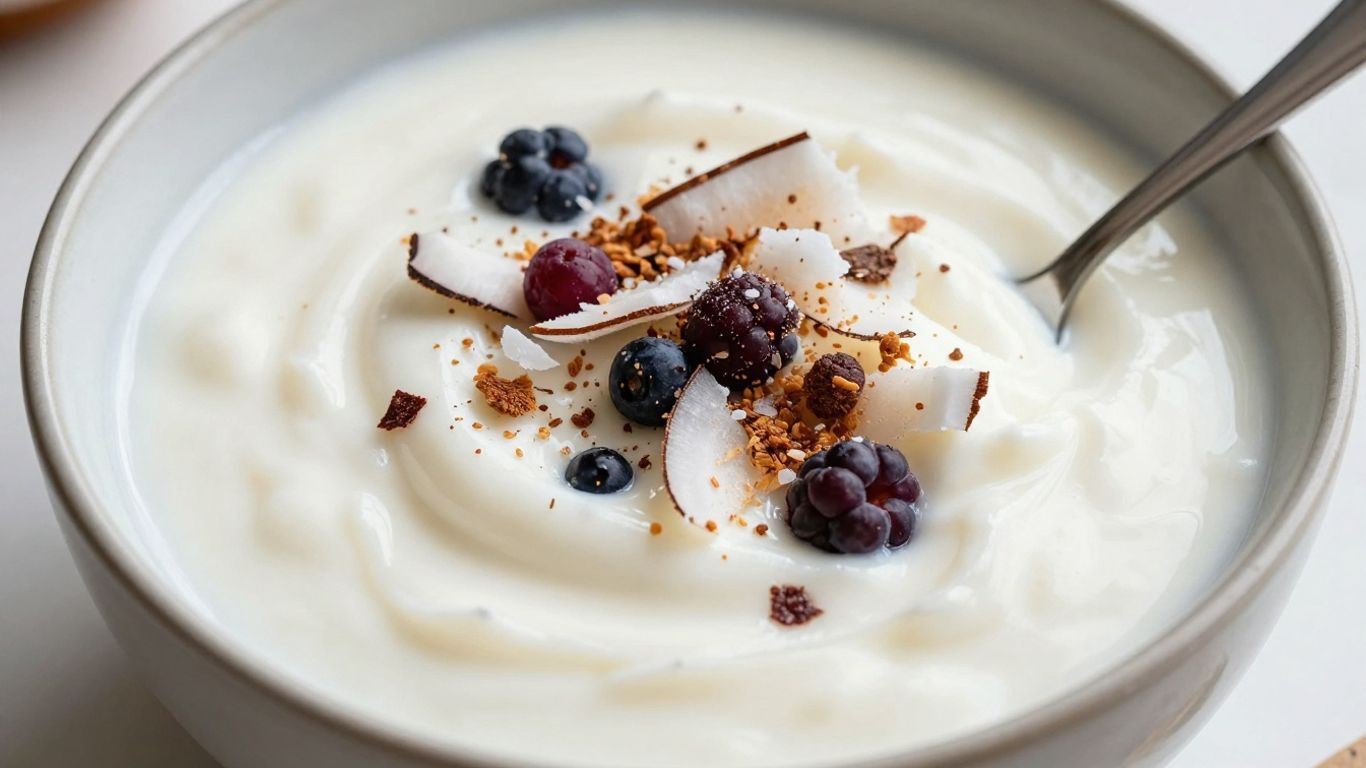
We've all been there, right? Staring at the yogurt aisle, trying to find something that tastes good and doesn't come with a sugar bomb. It can feel like a real challenge. That's where low sugar coconut yogurt steps in, offering a delightful solution. It's a fantastic way to enjoy a creamy, satisfying treat without all the added sweeteners. For us, it's become a go-to because it feels like a smart choice for our bodies. We get that rich, satisfying texture we love from yogurt, but with a much lighter touch when it comes to sugar. It’s a simple swap that makes a big difference in our daily routine, letting us indulge a little without the guilt.
Simple Ingredients Making Low Sugar Coconut Yogurt For Delicious Results
What we really appreciate about this type of yogurt is how straightforward the ingredient list usually is. Often, it's just a few things you can actually recognize. Think coconut milk and some live active cultures. That's it! This simplicity is key to its clean taste and texture. We've found that when you start with good quality full-fat coconut milk, you get this wonderfully thick and creamy result, almost like a decadent dessert. It’s amazing how much flavor can come from just these basic components. It makes us feel good about what we're eating, knowing there aren't a bunch of fillers or artificial stuff hiding in there. It’s just pure, simple goodness.
Making Your Own Low Sugar Coconut Yogurt
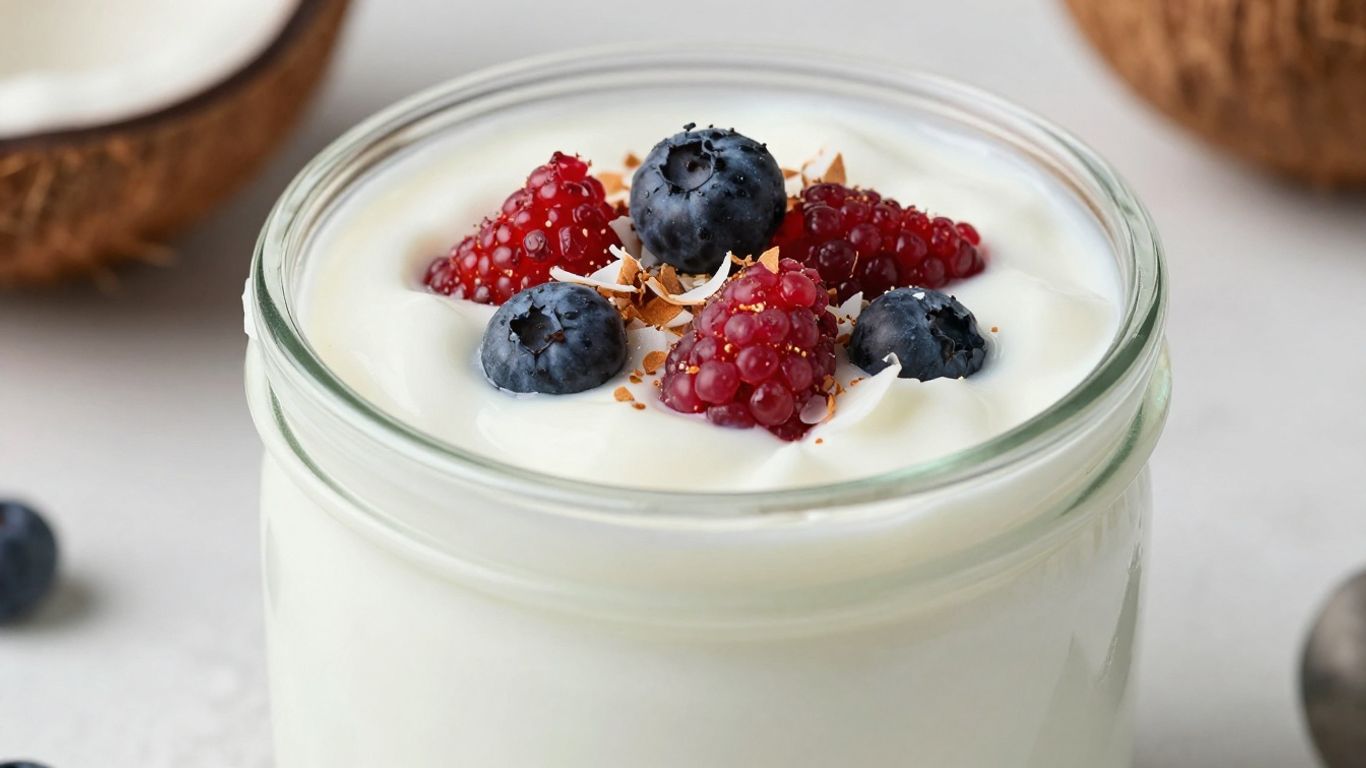
We know, making yogurt from scratch might sound a little intimidating. But honestly, it's surprisingly simple, especially when we're talking about coconut yogurt. We've found that with just a couple of key ingredients, we can whip up a batch of creamy, tangy goodness right in our own kitchen. It really doesn't take much effort at all, and the results are so worth it.
The Easy Two-Ingredient Method In The Making Of Low Sugar Coconut Yogurt
Seriously, you only need two things to get started: a can of full-fat coconut milk and some probiotic capsules. That's it! We like to use a good quality, full-fat coconut milk because it gives us that rich, creamy texture we're after. For the probiotics, just make sure they're vegan-friendly. We simply empty the contents of a couple of capsules into the coconut milk.
Then, we give it a good stir with a non-metal spoon – a wooden or plastic one works best. You want to make sure everything is well combined. After that, we cover the container with something breathable, like cheesecloth secured with a rubber band. This lets it do its thing without letting any unwanted guests in.
The magic happens when you let it sit in a warm spot for about 24 to 48 hours. The longer it ferments, the tangier it gets. We usually check it after a day and a half to see if it's reached our preferred tanginess and thickness.
Tips for Perfect Texture and Taste
Choosing the right coconut milk is a big deal. We've found that brands known for being smooth and creamy tend to give us the best results. If your coconut milk looks a bit separated in the can, just give it a good shake or stir it well before using.
Sterilizing your jar or bowl beforehand is also a good idea to keep things clean. When it comes to taste, you can totally customize it. We often enjoy it plain, but sometimes we'll stir in a tiny bit of maple syrup or a splash of vanilla extract after it's done fermenting. If you're looking for an even thicker yogurt, almost like Greek yogurt, you can strain it in the refrigerator for several hours using cheesecloth.
Just remember to store it in the fridge once it's ready, and it should keep for about a week. If it starts to smell off or looks weird, it's best to toss it.
Want to make your own healthy coconut yogurt without all the sugar? It's easier than you think! We've got a simple guide to help you whip up a delicious, low-sugar version right in your kitchen. Get ready to enjoy a guilt-free treat. Visit our website today for the full recipe and start making your own tasty coconut yogurt!
So, What's the Takeaway?
We've explored how low sugar coconut yogurt can be a really good choice for us. It's a simple swap that tastes great and fits into our healthy eating plans. Whether we're making it ourselves with just a couple of ingredients or picking up a store-bought version, it's a versatile option. We can enjoy it for breakfast, as a snack, or even in recipes.
It's nice to know we have a tasty, plant-based alternative that supports our well-being. We encourage everyone to give it a try and see how it fits into their own routines.