
Facts about coconut sugar : Shelf Life

With its deep caramel flavor and nourishing nutrients, coconut sugar has become a popular alternative healthy sweetener. But like other natural pantry items, coconut sugar has a relatively finite shelf life. Proper storage is key to extending its freshness and preventing spoilage or clumping issues.
Read on to learn all about coconut sugar’s expected shelf life along with tips for maximizing storage and maintaining quality as long as possible.
How Long Shelf Life After Coconut Sugar Production Date?
Coconut sugar contains inulin fiber, antioxidants, vitamins, and minerals that can degrade over time with exposure to air, light, and moisture. With optimal storage, coconut sugar generally lasts:
- 18-24 months after coconut sugar production date, If unopened.
- 6-12 months once opened if stored in an airtight container in a cool, dry place.
For comparison, refined white sugar has an indefinite shelf life before and after opening thanks to its processed nature. With coconut sugar, maintaining quality relies on good storage practices after opening a package.
Facts About Coconut Sugar : Signs that Coconut Sugar is Going Bad

Watch for the following signs that opened coconut sugar is losing freshness:
- Fading of the light brown color
- Loss of the characteristic caramel coconut sugar aroma
- Hard clumps forming in the powder
- Visible moisture buildup clumping the sugar
- Mold presence - discard immediately if this occurs
Coconut sugar does not have to be discarded immediately after 12 months. If it is free of mold and excessive moisture with minimal clumping, it remains usable for baking. However, the flavor and nutritional quality will start declining and becoming not really healthy sweetener since the quality is declining.
What Condition That Affected Quality And Shelf life Coconut Sugar During Storage
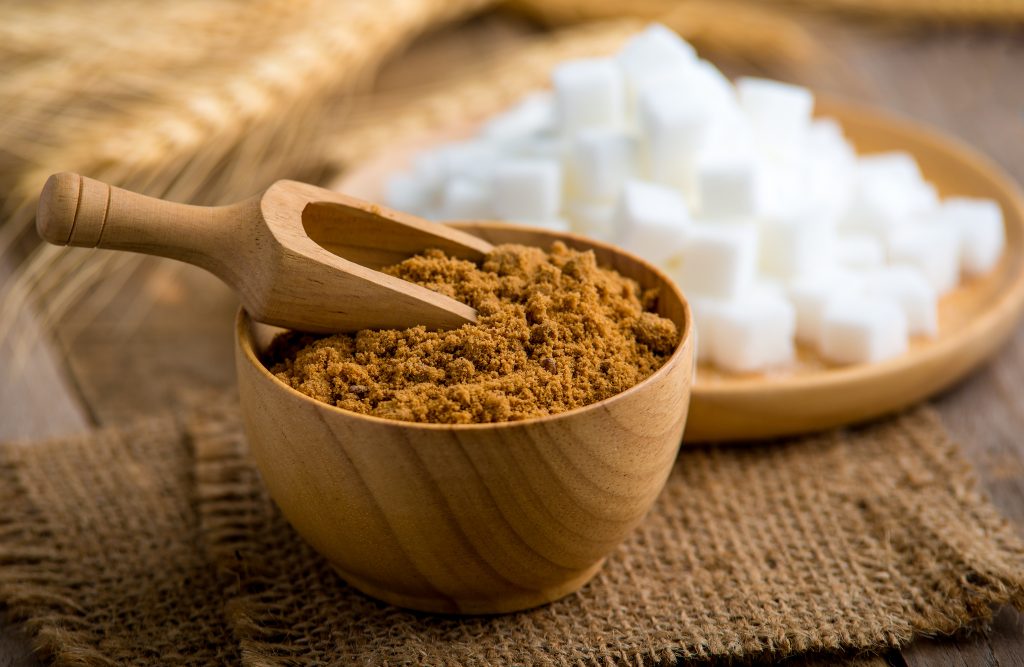
Here are some key conditions and factors that can affect the quality and shelf life of coconut sugar during storage:
- Exposure to oxygen - Being exposed to air causes coconut sugar to harden and degrade over time. Storing in an airtight container is ideal.
- Moisture - Absorbing moisture from the environment causes clumping as the sugar particles stick together. Keeping coconut sugar in a cool, dry area prevents moisture buildup.
- Heat - Storing in hot conditions accelerates evaporation of volatile compounds that give coconut sugar its flavor and aroma resulting in fading.
- Light - Ultraviolet light exposure degrades nutrients like amino acids and antioxidants that give coconut sugar nutritional value and affect taste. Store in opaque or dark containers.
- Containers - Storing in permeable plastic bags or containers allows air contact. Use rigid, airtight glass, stainless steel or ceramic containers.
- Temperature fluctuations - Frequent shifts between cold and hot environments can introduce condensation. Keep coconut sugar storage stable.
- Pests - Insects or rodents can introduce contaminants when accessing storage containers. Use well-sealed containers away from pests.
Monitoring these environmental factors and storage conditions helps maintain the flavor, aroma, texture and nutritional content of coconut sugar over time. Proper storage is the key to longevity.
Maximizing The Coconut Sugar Healthy Sweetener Shelf Life Through Proper Storage
Follow these coconut sugar storage tips to extend freshness:
- Transfer to an airtight container like a mason jar shortly after opening the original package. Make sure to press out all air before sealing.
- Choose opaque, non-reactive glass, stainless steel or ceramic containers, not plastic.
- Keep containers in a cool, dry place away from light, heat and moisture. The refrigerator is ideal for prolonged storage.
- Ensure containers are kept well-sealed, pressing out air each time if removed.
- Keep away from humidity, steam and temperature fluctuations which encourage moisture.
- Avoid transfer back and forth between refrigerator and room temperature to limit moisture condensing.
- If clumping occurs, break up chunks as much as possible and use immediately.
- Consider freezing a portion for extended freshness past 12 months.
With proper storage practices, the shelf life of coconut sugar can exceed general guidelines. But remember to always rely on your senses of smell, sight and touch to assess freshness after long storage. Then enjoy coconut sugar's sweet flavor and nutrients before it spoils.


