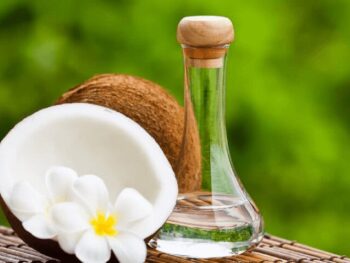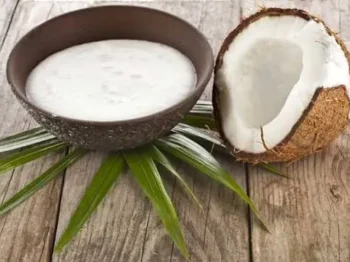
The beauty world has seen countless innovations in makeup removal products—from micellar water to oil-based cleansers—but one natural ingredient continues to stand out: virgin coconut oil. Known for its hydrating, soothing, and cleansing properties, virgin coconut oil (VCO) has become a go-to for those seeking a gentle, chemical-free alternative. Affordable, versatile, and skin-friendly, it deserves a spot in every vanity.
What Is Virgin Coconut Oil?
Virgin coconut oil is extracted from fresh coconut meat without the use of high heat or chemical refining. This cold-pressed process preserves its natural nutrients, antioxidants, and pleasant tropical scent. Unlike refined coconut oil, VCO retains more lauric acid, caprylic acid, and vitamin E—compounds beneficial for skin health.
Why Virgin Coconut Oil Works as a Makeup Remover

Makeup is typically oil-based or contains waxy components. Water alone cannot effectively break them down, but oil can dissolve oil. Virgin coconut oil works by:
- Breaking down makeup: It loosens stubborn products, including waterproof mascara and long-wear lipstick.
- Hydrating the skin: It moisturizes while cleansing, preventing dryness.
- Protecting the skin barrier: Lauric acid has antimicrobial benefits, helping to maintain healthy skin.
Benefits of Using Virgin Coconut Oil for Makeup Removal
- Gentle on All Skin Types – Suitable for dry, normal, and combination skin (though oily/acne-prone skin should patch test).
- Chemical-Free – No synthetic fragrances, alcohols, or preservatives that may irritate sensitive skin.
- Multi-Functional – Doubles as a moisturizer, lip balm, and hair conditioner.
- Cost-Effective – A small jar lasts for months compared to expensive commercial cleansers.
- Travel-Friendly – Solid at cooler temperatures, reducing spillage risks.
Step-by-Step Guide to Using Virgin Coconut Oil as a Makeup Remover

- Scoop a Small Amount – Use clean fingers or a spoon to prevent contamination.
- Warm Between Palms – The oil melts quickly into a silky liquid.
- Massage Gently Onto Skin – Work in circular motions over face and eyes, allowing oil to dissolve makeup.
- Wipe Away with a Soft Cloth or Cotton Pad – This removes dissolved makeup and excess oil.
- Rinse (Optional) – For a fresher feel, follow with a gentle facial cleanser (double cleansing).
- Moisturize – Often, no extra moisturizer is needed because of the oil’s hydrating effect.
Tips for Best Results
- Use organic, cold-pressed virgin coconut oil for maximum skin benefits.
- Avoid over-rubbing the delicate eye area.
- Store in a cool, dry place to maintain freshness.
- Patch test first if you have oily or acne-prone skin to ensure compatibility.
Potential Drawbacks

While virgin coconut oil works wonderfully for many, it is comedogenic, meaning it may clog pores in some individuals. People with acne-prone skin should use it only on the eye area or follow with a deep cleanser.
DIY Makeup Remover Blends with Coconut Oil
You can enhance your coconut oil makeup remover with natural ingredients for added benefits:
- Coconut Oil + Aloe Vera Gel – Extra soothing for sensitive skin.
- Coconut Oil + Sweet Almond Oil – Boosts vitamin E for anti-aging.
- Coconut Oil + Rosewater – Adds a refreshing aroma and mild astringent effect.
- Coconut Oil + Jojoba Oil – Better absorption and lighter texture.
Why Keep Virgin Coconut Oil in Your Vanity
Virgin coconut oil isn’t just a makeup remover—it’s an all-in-one beauty multitasker. In addition to dissolving makeup, you can use it as:
- A night-time moisturizer
- A cuticle softener
- A natural lip balm
- A hair mask for shine and softness
- A body oil after showering
This versatility makes it an eco-friendly choice, reducing the number of plastic-packaged products in your beauty routine.
Environmental and Ethical Aspects
Choosing virgin coconut oil supports more sustainable and ethical beauty routines. Many producers are small-scale farmers in tropical regions like the Philippines, Indonesia, and Sri Lanka. Opting for fair-trade and organic certified oils ensures you’re contributing to ethical sourcing and environmentally friendly farming.
Conclusion
Virgin coconut oil offers a gentle, natural, and effective way to remove makeup while nourishing your skin. It’s free from harsh chemicals, budget-friendly, and versatile enough to replace multiple beauty products. While those with acne-prone skin should proceed with caution, for many, it’s the perfect addition to a minimalist, eco-conscious vanity.
By making space for a jar of virgin coconut oil in your beauty routine, you’re not just choosing a makeup remover—you’re embracing a natural, sustainable lifestyle with benefits that extend far beyond your vanity table.