Understanding Coconut Sugar
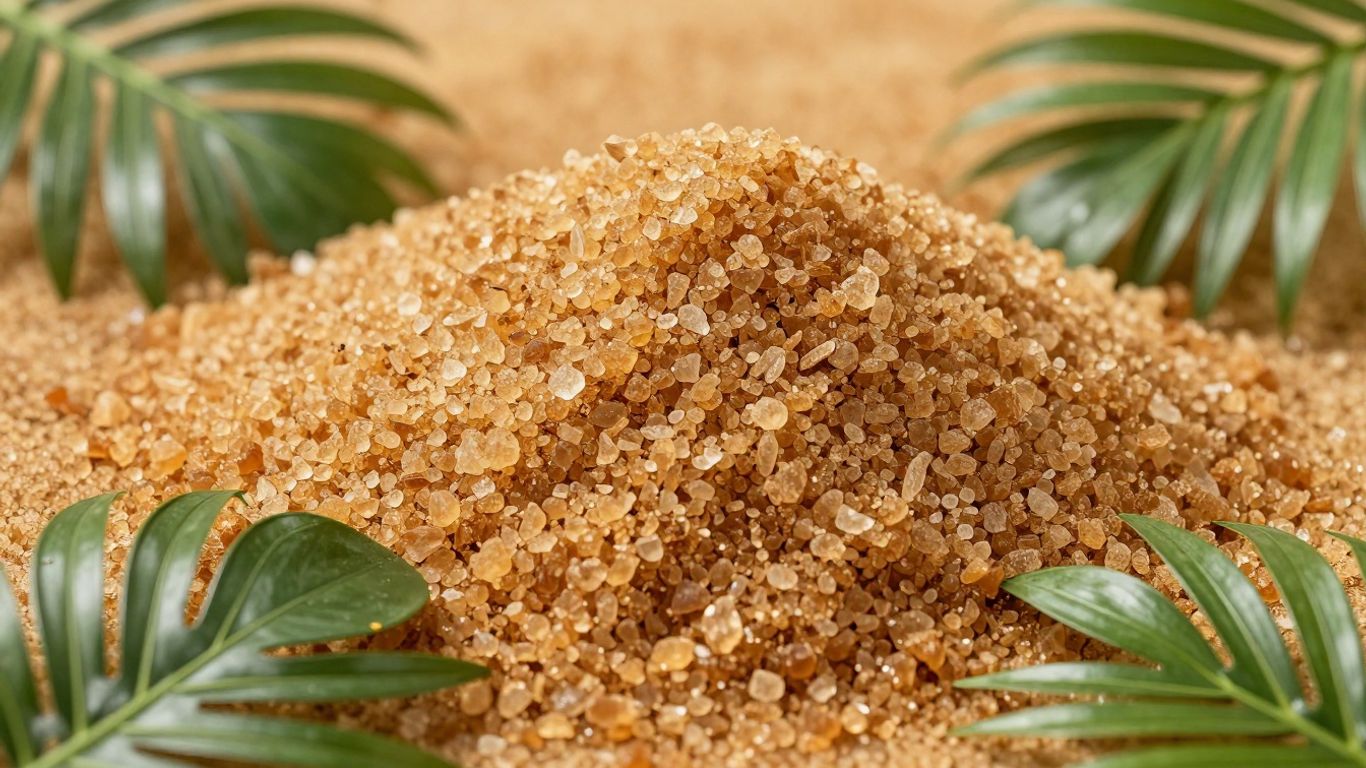
We often hear about coconut sugar as a healthier alternative to regular sugar, and it's good to know what we're actually working with. So, what exactly is this sweetener that's become so popular?
What Is Coconut Sugar?
Coconut sugar, sometimes called coconut palm sugar, comes from the sap of the coconut palm tree. It's not made from the coconut itself, but rather from the sweet liquid that flows from the tree's flower buds. Think of it like tapping a maple tree for syrup, but with a palm tree. This sap is then heated until most of the water evaporates, leaving behind a granulated sugar that looks a lot like brown sugar or raw cane sugar. It has a slightly different flavor, often described as having a mild caramel taste.
How Is Coconut Sugar Made?
The process is pretty straightforward. First, people make a small cut into the flower of the coconut palm tree to collect the sap. This liquid is then gathered and put into containers. Next, the sap is heated, usually in large pans, which causes the water to evaporate. What's left is a thick syrup that eventually dries out and crystallizes. This crystallized product is then broken down into granules, ready to be used as a sweetener. It's a natural process that involves minimal processing, which is why some people feel it's a more natural option compared to highly refined sugars.
Potential Benefits Of Coconut Sugar
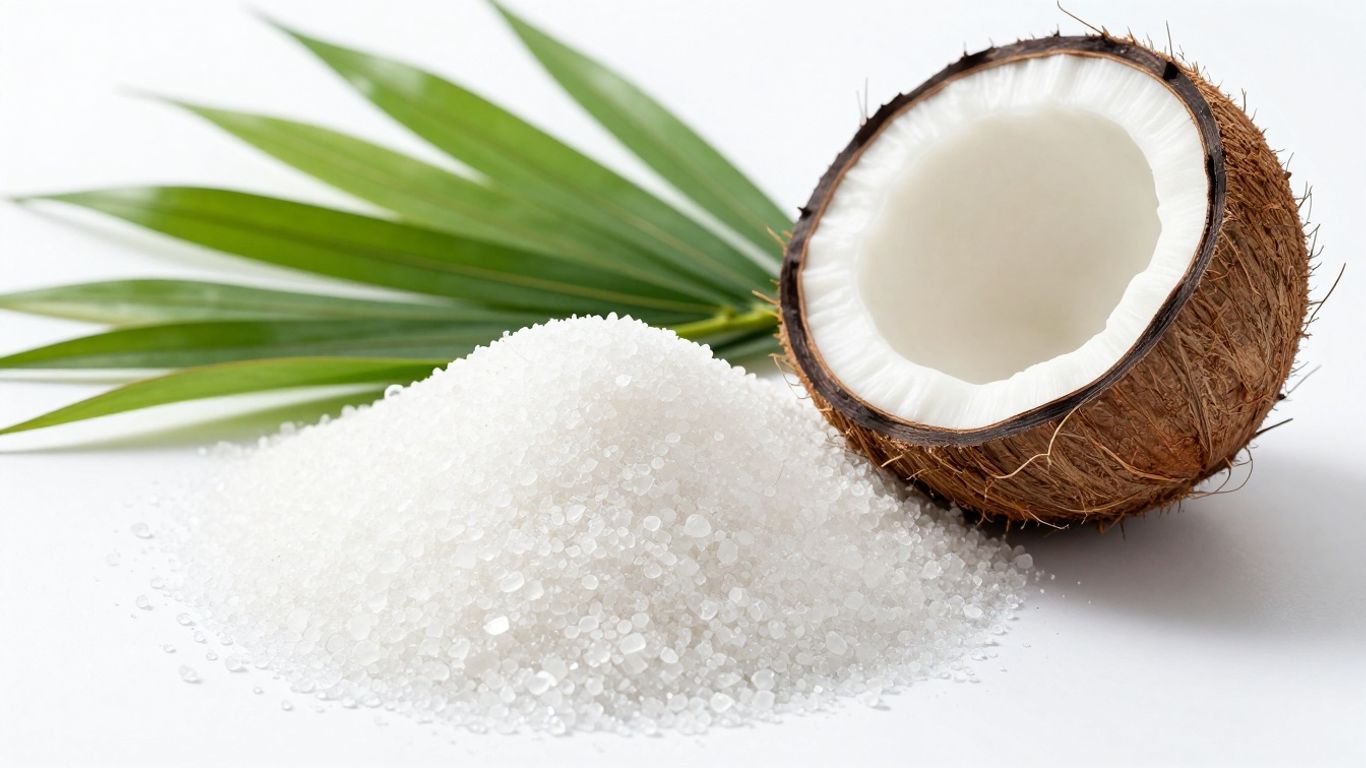
We often hear that coconut sugar might be a better choice than regular sugar, and there are a couple of reasons why people think that. It's not a magic bullet, but it does have a few things going for it.
A Slightly Lower Glycemic Index
One of the main things people talk about is its glycemic index, or GI. This is basically a way to measure how quickly a food makes your blood sugar go up after you eat it. Coconut sugar tends to have a GI that's a bit lower than regular table sugar. This means it might cause a slower rise in blood sugar levels. For folks watching their sugar intake, this difference, while small, can be something to consider. It's still sugar, though, so we need to be mindful of how much we use. The way it affects blood sugar is a key point when we think about making smart food choices. You can find more details about its impact on blood sugar here.
Trace Amounts Of Nutrients
Coconut sugar also keeps some of the natural stuff that's in the coconut palm sap. We're talking about small amounts of minerals like iron, zinc, calcium, and potassium. It also has a type of fiber called inulin, which some studies suggest might help slow down sugar absorption. However, it's really important to understand that the amounts of these nutrients are tiny. You'd have to eat a huge amount of coconut sugar to get any real benefit from them, and at that point, you'd be consuming way too much sugar. So, while it's nice that these nutrients are there, they aren't enough to make coconut sugar a significant source of nutrition. Think of it more as a sweetener that happens to have a few extra bits in it, rather than a health food on its own.
Thinking about the good things coconut sugar can do for you? It's a great choice for a healthier lifestyle. Want to learn more about how it can help you? Visit our website today to discover all the amazing advantages!
So, What's the Takeaway?
After looking into coconut sugar, we see it's not a magic bullet for health. It does come from a plant and has a few more bits of goodness, like minerals and a type of fiber, compared to regular white sugar. It might also make your blood sugar rise a little slower. But honestly, the amounts of these good things are so small that you'd have to eat a ton of it to notice any real difference. Plus, it has the same number of calories as regular sugar. So, while it's okay to use if you like the taste or it works in your recipes, we should still treat it like any other sugar. That means using it sparingly is the best plan for our health. Maybe we can try cutting back on sugar overall, or using things like fruit for sweetness when we can.