

Organic Desiccated Coconut has long been a staple in tropical regions, celebrated for its versatility and rich flavor. Among its many forms, desiccated coconut stands out as a popular choice for both culinary and health purposes. Desiccated coconut is made by drying the meat of the coconut and grating it into fine pieces. Unlike fresh coconut, which has a high water content, desiccated coconut is dehydrated, offering a more concentrated form of the fruit's nutrients.
Not only is organic desiccated coconut a flavorful addition to recipes, but it also offers a range of health benefits due to its impressive nutritional profile. In this article, we will explore the health benefits of desiccated coconut, its nutritional composition, and how it can be integrated into a balanced diet for optimal health.
Nutritional Profile of Organic Desiccated Coconut
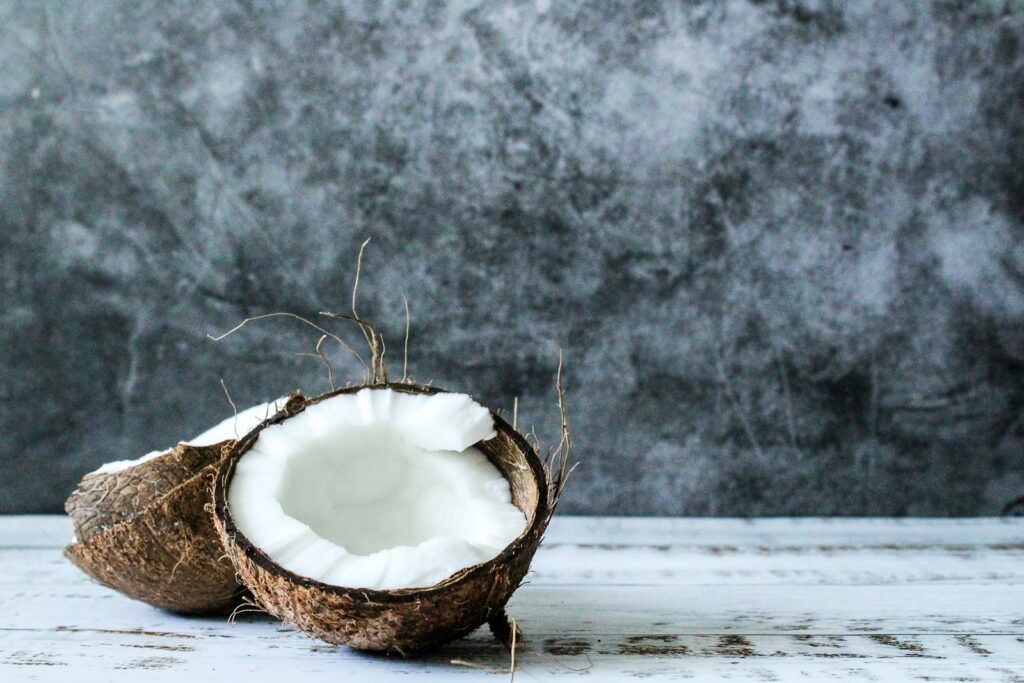
Organic desiccated coconut is packed with nutrients that contribute to its various health benefits. Here’s a breakdown of the key nutritional components found in desiccated coconut:
- Calories and Energy Desiccated coconut is relatively high in calories, with about 700-750 calories per 100 grams. This makes it an excellent source of energy, especially for those who are looking to increase their caloric intake in a healthy way. However, due to its calorie density, it is important to consume it in moderation.
- Healthy Fats One of the standout features of desiccated coconut is its healthy fat content. It is rich in saturated fats, particularly medium-chain triglycerides (MCTs). MCTs are a type of fat that is more easily absorbed and metabolized by the body for energy. This makes organic desiccated coconut an excellent choice for those on a ketogenic or low-carb diet, as MCTs can help promote fat burning and provide a quick source of energy.While saturated fats have often been vilified in the past, recent research has shown that the saturated fats in coconut oil and desiccated coconut are different from those found in animal fats. Coconut’s fats are more likely to be used by the body for energy rather than being stored as fat, and they have been shown to support various metabolic processes.
- Fiber Desiccated coconut is a good source of dietary fiber. A 100-gram serving typically contains about 9 to 10 grams of fiber. This fiber content is beneficial for digestive health, as it promotes regular bowel movements and can help prevent constipation. Additionally, fiber aids in weight management by increasing feelings of fullness, which can help reduce overall calorie consumption.
- Vitamins and Minerals Desiccated coconut contains a range of vitamins and minerals that are essential for maintaining good health. These include:
- Vitamin C: Though not in high quantities, desiccated coconut contains small amounts of vitamin C, an antioxidant that supports immune function and skin health.
- B Vitamins: Desiccated coconut contains B vitamins, including B6 (pyridoxine), which is crucial for brain health, and folate, which is important for cell function and metabolism.
- Minerals: Desiccated coconut is a good source of important minerals such as manganese, copper, iron, and magnesium. Manganese, in particular, plays a role in bone health and metabolism, while copper supports the production of red blood cells and the absorption of iron.
- Protein While organic desiccated coconut is not a significant source of protein, it still contains a modest amount. A 100-gram serving typically provides about 6-7 grams of protein. Protein is essential for tissue repair, immune function, and the production of enzymes and hormones.
- Carbohydrates Desiccated coconut has a moderate amount of carbohydrates, with around 25 grams per 100 grams. Of these, about 7-9 grams come from fiber, which means the net carbohydrate content is lower than the total carbohydrate content. This makes it a great option for people on low-carb or ketogenic diets.
Health Benefits of Desiccated Coconut

Now that we have an understanding of its nutritional composition, let’s explore the specific health benefits of desiccated coconut:
1. Supports Heart Health
Despite its high saturated fat content, desiccated coconut may actually be beneficial for heart health. The medium-chain triglycerides (MCTs) found in coconut are known to increase good cholesterol (HDL) levels and improve the overall lipid profile. This can help lower the risk of heart disease by reducing harmful cholesterol (LDL) and triglyceride levels.
Additionally, the antioxidants in coconut, such as phenolic compounds, can help reduce inflammation in the body, which is another factor that contributes to heart disease. Consuming desiccated coconut in moderation as part of a balanced diet can help maintain cardiovascular health.
2. Promotes Digestive Health
Desiccated coconut is rich in dietary fiber, which plays a critical role in maintaining a healthy digestive system. Fiber helps to regulate bowel movements and prevent constipation by adding bulk to the stool. Moreover, it fosters the growth of beneficial gut bacteria, which supports overall gut health and may reduce the risk of gastrointestinal diseases.
The fiber in desiccated coconut can also contribute to weight management by promoting feelings of fullness, which can reduce overall food intake. As part of a fiber-rich diet, desiccated coconut can be a useful tool for those looking to manage their weight.
3. Supports Weight Management
The high fiber and healthy fat content of desiccated coconut can help with weight management in several ways. The fiber helps to control appetite by increasing satiety, while the MCTs in coconut oil can increase fat burning by promoting thermogenesis (the process of heat production in the body). This means that desiccated coconut may help increase energy expenditure and assist in fat loss when combined with a healthy diet and exercise regimen.
Furthermore, the fats in desiccated coconut provide a sustained source of energy, which can help prevent energy crashes and unnecessary snacking.
4. Boosts Immune Function
Organic desiccated coconut contains various compounds that can help strengthen the immune system. These include antioxidants like vitamin C and phenolic compounds, which help fight free radicals in the body. Additionally, coconut contains lauric acid, a fatty acid known for its antimicrobial properties. Lauric acid can help fight harmful bacteria, viruses, and fungi, thereby supporting the body’s ability to resist infections.
5. Improves Skin and Hair Health
Coconut products, including desiccated coconut, are often used in skincare and hair care routines due to their moisturizing and nourishing properties. The healthy fats in organic desiccated coconut help keep the skin hydrated and prevent dryness. Additionally, the lauric acid in coconut has anti-inflammatory and antimicrobial properties, which can help soothe irritated skin and reduce the occurrence of acne or other skin conditions.
When consumed, organic desiccated coconut can also support hair health. The fats and proteins found in coconut nourish the scalp and hair follicles, promoting healthier hair growth and reducing the risk of hair loss.
6. Helps Regulate Blood Sugar Levels
Coconut products, including organic desiccated coconut, have a low glycemic index, which means they do not cause rapid spikes in blood sugar levels. The high fiber content of desiccated coconut helps slow down the absorption of sugar into the bloodstream, making it a great choice for people with diabetes or those looking to maintain stable blood sugar levels.
7. Supports Bone Health
Desiccated coconut is a good source of minerals such as magnesium and manganese, which are essential for maintaining healthy bones. Magnesium is involved in the formation of bone tissue and helps regulate calcium balance in the body, while manganese supports bone strength and metabolism. Including organic desiccated coconut in your diet can contribute to stronger bones and reduce the risk of conditions like osteoporosis.
How to Incorporate Desiccated Coconut Into a Healthy Diet
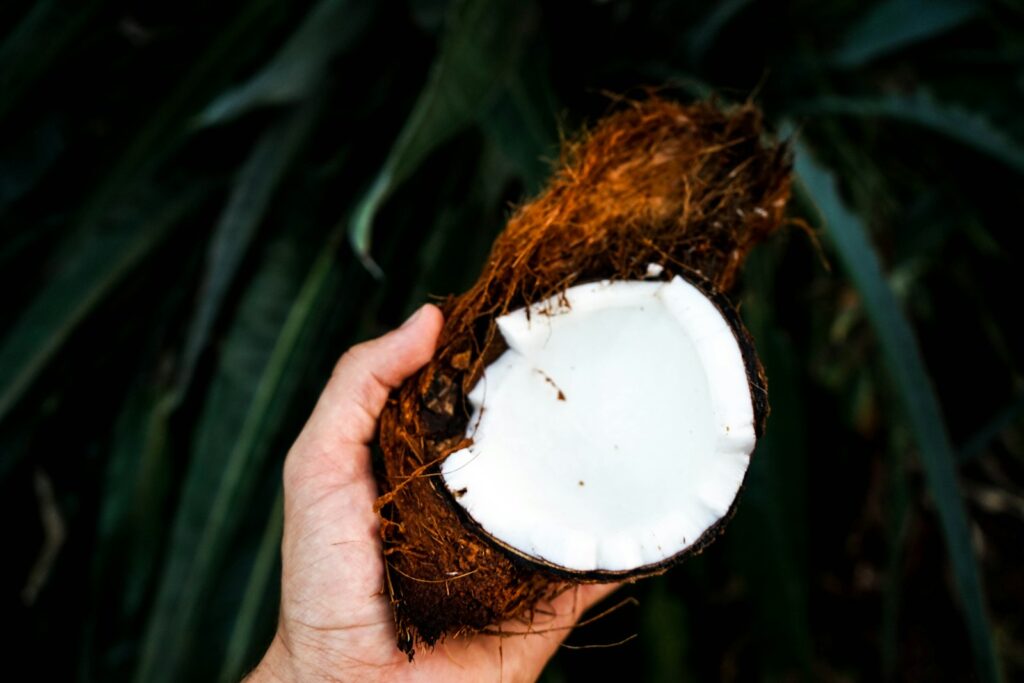
Organic desiccated coconut is a versatile ingredient that can be used in a wide variety of recipes. Here are some ideas for how to incorporate desiccated coconut into your diet:
- Smoothies: Add a spoonful of organic desiccated coconut to your smoothie for a rich, creamy texture and a boost of fiber and healthy fats.
- Baking: Use desiccated coconut as a flour substitute in gluten-free baking or sprinkle it over cakes, muffins, or cookies for added flavor and texture.
- Snacks: Combine desiccated coconut with nuts and seeds to create a healthy, nutrient-dense trail mix.
- Oatmeal or Yogurt: Stir desiccated coconut into your morning oatmeal or yogurt for an extra crunch and a dose of healthy fats and fiber.
- Curries and Soups: Organic cesiccated coconut can be added to curries, soups, or stews for a tropical flavor and creaminess.
Conclusion
Organic cesiccated coconut is a nutrient-dense food that offers a wide array of health benefits. From promoting heart health and digestive function to supporting weight management and boosting the immune system, organic desiccated coconut can be a valuable addition to a balanced diet. Its rich nutritional profile, including healthy fats, fiber, vitamins, and minerals, makes it an excellent option for those seeking to enhance their overall health and wellbeing. By incorporating organic desiccated coconut into your daily meals in creative ways, you can enjoy its many health benefits while adding a delightful tropical twist to your dishes.


