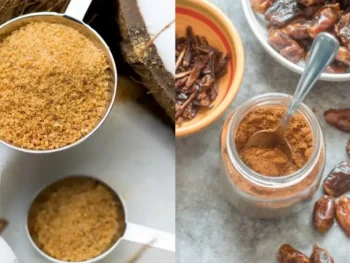
In recent years, China has seen a growing demand for healthier, natural, and low-glycemic sweeteners. As consumers become more health-conscious, natural coconut sugar has emerged as a promising alternative to refined sugar in China’s food and beverage market.
Coconut sugar is derived from the sap of the coconut palm flower. It is minimally processed, retains essential minerals such as potassium, zinc, and iron, and has a lower glycemic index than white sugar. Its caramel-like flavor and natural origin make it a favored ingredient in organic and functional food products.
Market Opportunity in China
China’s middle class is expanding rapidly, and so is the demand for premium and health-oriented food products. With increasing rates of diabetes and obesity, Chinese consumers are turning toward sugar alternatives. Coconut sugar, already gaining popularity in North America and Europe, is now finding space in China's niche health food sector.
Several trends support the growth of coconut sugar exports to China:
- Health and wellness boom: More consumers seek low-GI and nutrient-rich sweeteners.
- Clean label trend: Shoppers prefer products with natural, easy-to-understand ingredients.
- Vegan and plant-based diets: Coconut sugar is plant-based and fits well in vegan recipes.
- E-commerce growth: Cross-border platforms like Tmall Global and JD Worldwide provide direct access to health-conscious buyers.
Exporting to China: Considerations

Countries like Indonesia, the Philippines, and Sri Lanka—major producers of coconut sugar—are well-positioned to supply the Chinese market. However, exporters must consider several factors:
- Certification: Organic and food safety certifications are essential to gain consumer trust and meet regulatory standards.
- Labeling: Products must comply with China’s food labeling laws, including Chinese-language packaging and clear nutritional information.
- Market education: Since coconut sugar is still a new product for many Chinese consumers, branding and education are key to success.
Challenges
Despite its potential, coconut sugar remains a premium product in China. Its higher cost compared to regular sugar can limit mass-market appeal. Furthermore, local awareness remains low, and educating consumers takes time and investment.
The Future Outlook of Natural Coconut Sugar

As China continues to emphasize healthier living and natural ingredients, coconut sugar is poised for steady growth. Exporters who focus on product quality, clear health messaging, and strong local partnerships can tap into one of the largest and most dynamic consumer markets in the world.
天然椰子糖出口中国:机遇与趋势
(中文 – 500字)
近年来,随着中国消费者健康意识的增强,对天然、低升糖指数的甜味剂需求日益增长。天然椰子糖作为白糖的健康替代品,正逐渐进入中国食品与饮料市场的视野。
椰子糖是从椰子树花的汁液中提取的天然甜味剂。其加工过程较少,保留了钾、锌、铁等矿物质,并且其升糖指数低于传统白糖,具有焦糖风味,是天然、有机和功能性食品中的理想选择。
中国市场的机遇
随着中产阶级的壮大,中国消费者对高品质、健康食品的需求不断上升。糖尿病和肥胖等健康问题日益严重,越来越多的消费者开始寻找更健康的替代糖产品。在欧美市场已广受欢迎的椰子糖,正逐步打开中国市场。
以下趋势有助于椰子糖在中国的发展:
- 健康养生热潮:消费者偏好低GI、富含营养的天然甜味剂。
- “清洁标签”消费趋势:成分简单、无添加的产品更受欢迎。
- 植物性饮食兴起:椰子糖适合素食、纯素饮食者使用。
- 跨境电商兴起:天猫国际、京东国际等平台为进口健康产品提供销售渠道。
出口注意事项

印度尼西亚、菲律宾、斯里兰卡等椰子糖主产国,在出口中国方面具备地理与资源优势。但出口商应注意以下几点:
- 认证要求:有机认证、食品安全认证有助于建立消费者信任。
- 标签合规:必须使用中文标注配料、营养成分、原产地等信息。
- 市场教育:由于椰子糖在中国仍属新兴产品,需要通过品牌宣传和健康教育提高认知度。
面临的挑战
尽管前景广阔,椰子糖仍属高端产品,其价格高于普通白糖,可能限制在大众市场的普及。此外,消费者认知尚低,市场培育仍需时间和投入。
未来展望
随着中国健康饮食理念的普及和天然食品的兴起,椰子糖有望在中高端消费市场中获得稳定增长。重视产品质量、加强品牌建设、寻找本地合作伙伴的出口商,将有望在这个庞大而充满活力的市场中占据一席之地。