Category: Industry News & Company Updates

  • The History of Desiccated Coconut: From Colonial-Era Preservation to Indonesia’s Global Export Industry

    The History of Desiccated Coconut: From Colonial-Era Preservation to Indonesia’s Global Export Industry

    History of Desiccated Coconut

    Desiccated coconut — the dried, shredded or flaked meat of the coconut palm — is one of the oldest preserved food ingredients in recorded history.

    Long before it became a staple ingredient in German Macaroon cookies, British Bounty bars, or Australian Lamingtons, dried coconut meat was being preserved and traded across Southeast Asia, the Indian Ocean, and the Arab world for centuries.

    What we know today as desiccated coconut is the modern, standardized, food-safety-certified form of a product with roots stretching back more than a thousand years.

    This article traces the complete history of desiccated coconut — from its origins in tropical Asia through the industrialization of the 19th century, the emergence of global food trade in the 20th century, the clean-label revolution of the 21st century, and Indonesia’s current position as the world’s leading certified desiccated coconut exporter.

    For buyers looking for practical sourcing information — grades, price per kg, MOQ, and how to order — our companion guide on bulk desiccated coconut from Indonesia: grades, price and where to buy covers everything you need.

    Ancient Origins: Coconut Preservation Across the Ancient World

    History of Desiccated Coconut powder

    The coconut palm (Cocos nucifera) has been cultivated across tropical Asia, the Pacific Islands, and coastal East Africa for at least 3,000-4,000 years.

    In the ancient civilizations of South and Southeast Asia, every part of the coconut was utilized — the water, the milk, the oil, the husk fiber, the shell, and the meat.

    The meat of the coconut, in particular, was prized for its high fat content, caloric density, and distinctive flavor.

    The earliest forms of preserved dried coconut — the direct ancestors of what we call desiccated coconut today — emerged from a practical necessity: fresh coconut meat spoils within days, but dried coconut meat can survive for months without refrigeration.

    Ancient sailors, traders, and soldiers traveling across the vast distances of the Indian Ocean and Pacific found dried coconut invaluable as a shelf-stable, calorie-dense provision.

    Sanskrit texts from ancient India reference dried coconut as a trade commodity. Arab dhow captains provisioning for long Indian Ocean voyages regularly carried dried coconut alongside dates, dried fish, and other preserved foods.

    The Austronesian seafarers who colonized the Pacific Islands over thousands of years carried coconut — both as food and as a planting material for new settlements — across thousands of miles of open ocean.

    The key historical distinction: copra vs desiccated coconut
    Throughout most of recorded history, ‘dried coconut’ meant copra — the dried coconut meat primarily used for oil extraction. Copra is dried at high temperatures, producing a coarser, browner product unsuitable for direct culinary use. True desiccated coconut — finely shredded, low-moisture, white or off-white in appearance, and suitable for culinary use — is a product of industrial food processing that emerged in the 19th century. Understanding this distinction is important: references to ‘dried coconut’ in ancient texts refer to copra-like products, not the standardized food ingredient we know today.

    The Colonial Era: European Discovery and the Birth of Commercial Trade

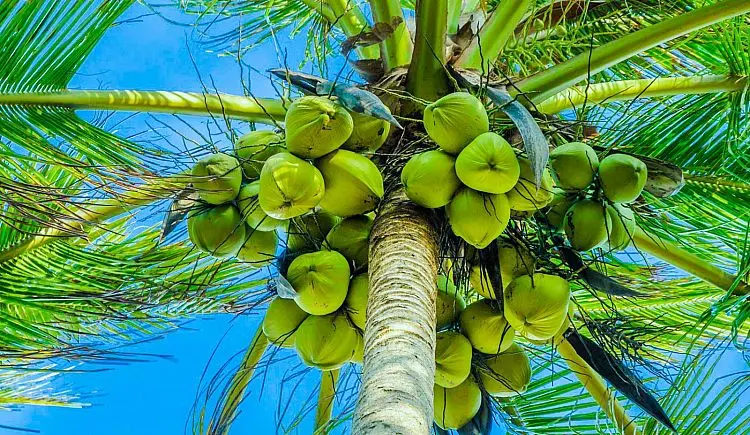
    desiccated coconut

    The arrival of European colonial powers in Asia and the Pacific from the 16th century onward fundamentally transformed the global coconut trade.

    Portuguese, Dutch, and British colonists who established themselves in coconut-producing regions — present-day Indonesia, the Philippines, Sri Lanka, and India — recognized the commercial potential of coconut products for European markets.

    The Dutch East India Company (VOC), which controlled much of the trade between Southeast Asia and Europe from the 17th century, was among the first European commercial organizations to systematically trade in coconut products.

    Dutch administrators in Batavia (present-day Jakarta) documented extensive coconut cultivation in Java and Sumatra, and coconut oil became a significant VOC export commodity.

    However, fresh coconut meat could not survive the months-long voyage from Asia to Europe, and dried copra — while useful for oil extraction — was not suited for culinary use.

    The idea of producing a shelf-stable, culinary-grade dried coconut product that could be shipped to Europe and used in baking and confectionery was a 19th-century innovation waiting for the right technology to make it possible.

    19th Century Industrialization: The Birth of Desiccated Coconut as We Know It

    The industrial revolution of the 19th century provided the technological foundation that made commercially produced desiccated coconut possible. Three key developments converged to create the product:

    1. Mechanical Grating and Shredding

    Prior to industrial machinery, coconut meat was grated by hand — an extremely labor-intensive process that produced inconsistent results.

    The development of mechanical grating and shredding equipment in the mid-19th century allowed for the production of uniformly sized coconut pieces at commercial scale — the first prerequisite for a standardized desiccated coconut product.

    2. Industrial Drying Technology

    The introduction of rotary dryers and hot-air drying chambers in food processing facilities allowed manufacturers to remove moisture from shredded coconut meat consistently and rapidly, producing a product with a moisture content low enough for long-term storage without refrigeration.

    Early desiccated coconut produced in Ceylon (present-day Sri Lanka) in the 1880s used these technologies to create a product recognizable as modern desiccated coconut.

    3. Refrigerated Shipping and Global Food Trade

    The development of refrigerated shipping in the late 19th century — and the parallel expansion of global food trade networks — created both the logistical infrastructure and the market demand for a shelf-stable coconut ingredient that could be exported from tropical Asia to Europe and North America.

    Ceylon became the first major commercial exporter of desiccated coconut to Europe in the 1880s and 1890s, supplying British confectionery manufacturers who were developing the coconut-based sweets that would become British food culture staples.

    PeriodKey DevelopmentSignificance
    1880sCeylon (Sri Lanka) begins commercial desiccated coconut export to UKFirst standardized desiccated coconut enters international food trade
    1890sPhilippines begins large-scale desiccated coconut productionSecond major producing country — begins to compete with Ceylon
    1900–1920Mechanical processing improves; standardized grades emergeProduct consistency improves; industrial buyers can specify grades reliably
    1920–1940Desiccated coconut incorporated into Western confectionery (Bounty, Lamington, Macaroon)Product becomes embedded in European and Australian food culture
    1940–1960US convenience food industry adopts desiccated coconutMajor demand expansion — packaged foods drive volume growth
    1960–1980Indonesia and other Southeast Asian producers expand exportsIndonesia emerges as major producing country
    1980–2000Quality standards formalized; HACCP introducedIndustry professionalization begins; food safety standards emerge

    The 20th Century: From Confectionery Staple to Global Ingredient

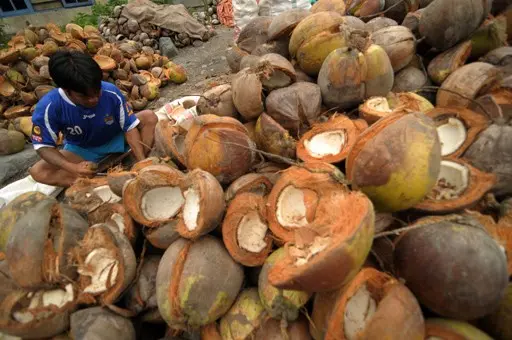
    traditional coconut processing facility

    The 20th century transformed desiccated coconut from a novel export commodity into one of the most widely traded food ingredients in the world. Three distinct phases marked this transformation:

    Phase 1: Western Confectionery Integration (1900–1950)

    The early 20th century saw desiccated coconut become embedded in the confectionery traditions of Britain, Australia, and North America.

    The Bounty bar (introduced by Mars in 1951, built on an earlier confectionery tradition), the Australian Lamington (documented from the early 1900s), German Kokosmakronen, and American coconut cream pies all reflect a period when desiccated coconut was a premium, exotic ingredient from the tropics — one that consumers associated with both indulgence and the romantic allure of the colonial trade.

    Phase 2: Processed Food Industry Adoption (1950–1980)

    The rise of the post-war convenience food industry created massive demand for shelf-stable, easy-to-incorporate food ingredients.

    Desiccated coconut’s combination of long shelf life, consistent quality (as manufacturing standardized), distinctive flavor, and textural properties made it an attractive ingredient for packaged food manufacturers.

    It appeared in cake mixes, cookie products, breakfast cereals, and confectionery across North America, Europe, and Australia.

    Phase 3: Health Food Rediscovery (1980–Present)

    The health food movement that gained momentum from the 1980s onward — and accelerated dramatically in the 2000s and 2010s — rediscovered desiccated coconut as a ‘natural’, minimally processed, whole food ingredient.

    The rise of paleo, vegan, raw food, and gluten-free dietary movements all positioned desiccated coconut favorably: it is naturally gluten-free, dairy-free, and free from artificial additives.

    Unsweetened desiccated coconut, in particular, found a new audience among health-conscious consumers who had previously associated the ingredient with sweetened, processed confectionery.

    Indonesia’s Rise as the World’s Leading Desiccated Coconut Exporter

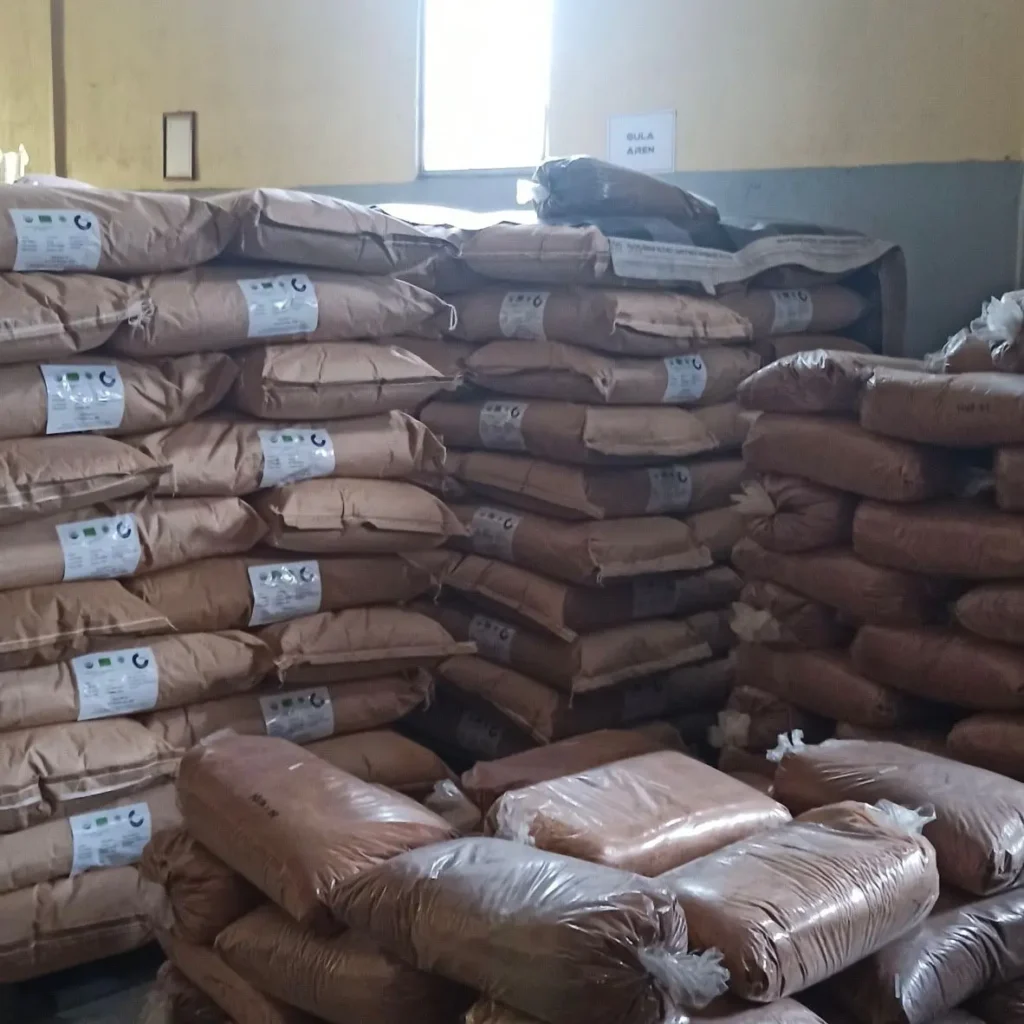
    desiccated coconut production Indonesia

    Indonesia’s emergence as a dominant force in the global desiccated coconut industry was not a sudden development — it was the result of decades of agricultural investment, processing infrastructure development, and certification adoption that accelerated from the 1990s onward.

    Indonesia possesses structural advantages that no other producing country can fully match.

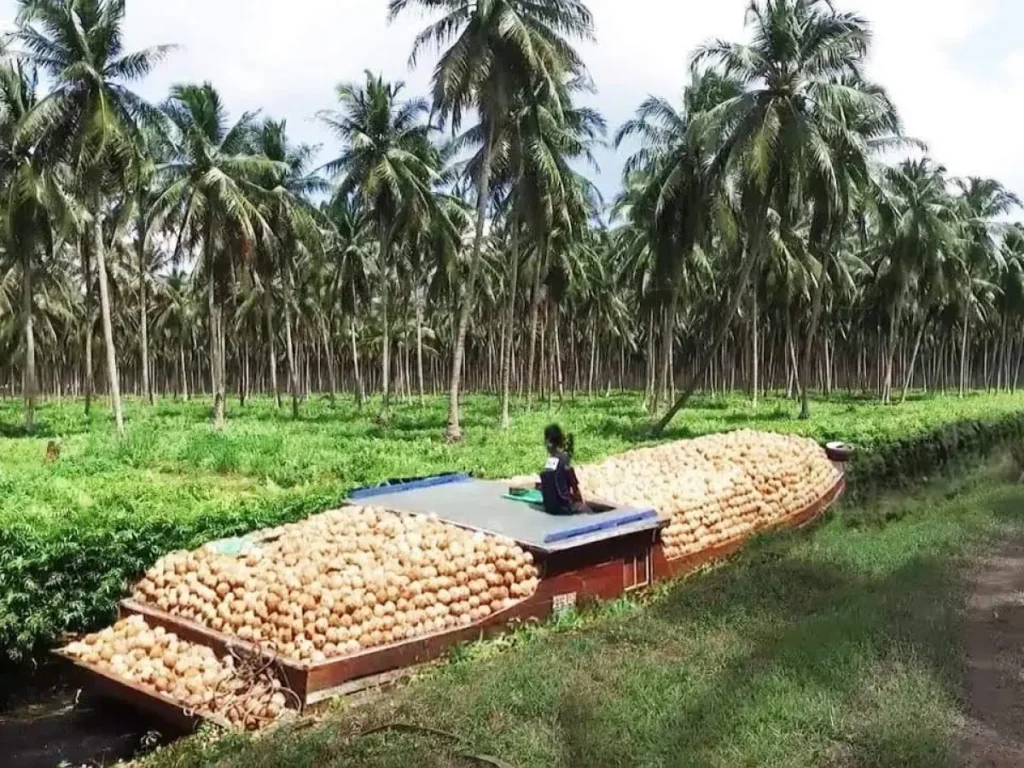
    The archipelago’s combination of tropical climate, volcanic soil fertility, and extensive coconut cultivation — concentrated in Sulawesi, North Maluku, and Java — provides a raw material base of exceptional scale and consistency.

    More than 3.5 million hectares of coconut cultivation in Indonesia produce a raw material supply that dwarfs that of its nearest competitors.

    The critical inflection point came in the 2000s and 2010s when Indonesian desiccated coconut producers began pursuing international food safety certifications in earnest.

    BRCGS Food Safety Grade A certification — which our article on what certifications a coconut supplier should have explains in detail — became the benchmark standard for suppliers targeting EU and US retail.

    Our article on BRCGS certified coconut suppliers from Indonesia covers what this certification means in practice for buyers evaluating Indonesian suppliers.

    Today, Indonesia supplies certified desiccated coconut to food manufacturers, health food brands, and retailers across more than 60 countries.

    The evolution from an informal, artisanal product to a globally certified, traceable, BRCGS-compliant food ingredient over the past century represents one of the more remarkable supply chain transformations in the global food industry.

    Global Coco Sugar is part of this certified Indonesian export industry — supplying BRCGS Grade A certified desiccated coconut in fine, medium, coarse, long thread, and flake grades from our certified production facilities in Indonesia.

    The certification infrastructure we have built is the modern layer on top of a centuries-old production tradition.

    The Certification Era: Formalizing a Century of Production Knowledge

    desiccated coconut production Indonesia

    One of the most significant developments in the history of desiccated coconut over the past 20 years has been the adoption of organic certification — a formal recognition of production practices that many traditional producers in Indonesia had been following for generations, simply because chemical inputs were never part of their farming tradition.

    Our article on exporting organic coconut products from Indonesia explains the organic certification chain — from farm inspection through processing facility audit to per-shipment Transaction Certificate — that modern buyers require.

    The adoption of HACCP, BRCGS, USDA Organic, and EU Organic certification by Indonesian desiccated coconut producers represents the formalization of production knowledge that had been built over more than a century.

    The challenge was not changing the production practices — it was documenting them, systematizing quality control, building laboratory testing infrastructure, and creating the traceability systems that international certification bodies require.

    This transition is still ongoing. As of 2026, the certified segment of the Indonesian desiccated coconut industry — producers holding BRCGS Food Safety Grade A and organic certifications — represents a distinct tier above the general market.

    Buyers who source from this certified tier are accessing product that carries both the heritage of Indonesia’s coconut production tradition and the compliance infrastructure that the world’s most demanding retail buyers require.

    Desiccated Coconut in the Modern Food Industry: From Tradition to Innovation

    The applications of desiccated coconut in modern food manufacturing are significantly broader than its traditional confectionery uses suggest.

    Our article on applications of coconut products in the food industry covers the full range of applications — bakery, confectionery, beverage, health food, and personal care — with grade recommendations per application category.

    Some of the most significant growth areas for desiccated coconut in the 2020s reflect food industry trends that would have been unrecognizable to the Victorian-era confectioners who first popularized the ingredient:

    • Plant-based food manufacturing: Desiccated coconut is a key ingredient in plant-based cheese alternatives, dairy-free ice cream, and vegan confectionery — all growing segments that demand certified, traceable, organic-available supply.
    • Functional food and snack bars: The explosion of health bars, protein balls, and functional snacks in the 2010s and 2020s positioned desiccated coconut as a primary ingredient — providing binding function, natural fat content, and clean-label credentials simultaneously.
    • Keto and low-carb baking: Desiccated coconut and coconut flour (a related product) became staples of keto and paleo baking alternatives — driving significant volume growth in health-focused consumer segments.
    • Craft and artisan food producers: Small-batch chocolate makers, artisan bakers, and premium confectionery producers increasingly specify origin and certification — driving demand for traceable, certified Indonesian desiccated coconut.
    Source certified desiccated coconut from the world’s leading producing country
    Global Coco Sugar supplies BRCGS Food Safety Grade A certified desiccated coconut from Indonesia — fine, medium, coarse, long thread, and flakes — in conventional and organic grades. Full traceability, COA from ISO 17025-accredited laboratory per batch, and complete export documentation.
    Request a Sample or Bulk Quote >>>
    View Our Desiccated Coconut Range >>>

    From History to Your Supply Chain: Sourcing Desiccated Coconut from Indonesia Today

    global coco sugar desiccated coconut, desiccated coconut powder, organic desiccated coconut, unsweetened desiccated coconut, desiccated coconut flakes

    For buyers who have followed desiccated coconut’s journey from ancient preservation technique to globally certified food ingredient, the practical question is: how does this history translate into sourcing decisions?

    The answer has three practical dimensions:

    • Indonesia’s historical depth is a sourcing advantage. Producers with decades — in some cases generations — of desiccated coconut production experience have quality control knowledge that new entrant countries cannot replicate quickly. When evaluating Indonesian suppliers, ask about the history of their production facility and their farmer relationships.
    • Certification is the bridge between tradition and compliance. BRCGS and organic certification from an established Indonesian producer means you are getting both the production heritage and the documented food safety management that modern buyers require. These are not in tension — the best traditional producers became the most certified.
    • Grade selection is a direct descendant of historical standardization. The grades we specify today — fine, medium, coarse, long thread, flakes — are the result of more than a century of industry standardization that began with the first commercial desiccated coconut exporters in Ceylon in the 1880s. Specifying the right grade for your application is the culmination of that long standardization process.

    For buyers ready to begin the sourcing process, our guide on how to import coconut products from Indonesia covers the full documentation, HS codes, and logistics framework.

    For brand owners interested in a private label desiccated coconut product — with your own branding and packaging — our private label coconut products program covers all grades and packaging formats.

    Conclusion: A Century of Standardization, Built on Millennia of Tradition

    The history of desiccated coconut is a story about the intersection of ancient food preservation knowledge and modern industrial standardization.

    What began as an informal technique for preserving tropical coconut meat for long-distance trade evolved over centuries into one of the world’s most widely standardized, certified, and traceable food ingredients.

    Indonesia’s position at the center of this story reflects both its natural advantages as a coconut producing nation and its investment in the certification infrastructure that modern food buyers require.

    The country’s transition from informal coconut product exporter to BRCGS-certified, organically compliant desiccated coconut supplier is one of the more significant food industry developments of the past two decades — and it is a transition that continues to deepen.

    Source from a supplier who understands both the history and the standards
    Global Coco Sugar supplies BRCGS Food Safety Grade A certified desiccated coconut from Central Java, Indonesia — connecting the deep production knowledge of Indonesia’s coconut industry heritage with the food safety and organic certification infrastructure that EU and US buyers require. Fine, medium, coarse, long thread, and flakes available in conventional and organic grades.
    Contact Our Export Team >>>
    View Our Desiccated Coconut Product Range >>>
    Our Certifications & Company Profile >>>
  • Coconut Blossom Sugar: A 300-Year History and Why Indonesia Leads Global Production Today

    Coconut Blossom Sugar: A 300-Year History and Why Indonesia Leads Global Production Today

    coconut blossom sugar

    Some of the world’s most prized food ingredients have histories that span centuries before their modern commercial form was established. Coconut blossom sugar is one of them.

    Long before it appeared on health food store shelves in Berlin, New York, or Tokyo, coconut blossom sugar was being produced by smallholder farmers in the tropical islands of Southeast Asia using techniques passed down through generations — techniques that, in many cases, have changed very little in 300 years.

    This article traces the full history of coconut blossom sugar — from its origins in 8th-century Southeast Asia through its spread along ancient trade routes, its rediscovery by health-conscious Western consumers, and its emergence as a globally certified export commodity.

    Understanding this history also illuminates why how coconut sugar is produced in Indonesia remains a largely artisanal, labor-intensive process — and why that is a feature, not a limitation, for buyers who value traceability and authenticity.

    The Origins of Coconut Blossom Sugar: Southeast Asia, 8th Century

    blue, green, and yellow world map

    The roots of coconut blossom sugar production reach back more than a thousand years in Southeast Asia.

    The coconut palm — Cocos nucifera — has been cultivated throughout the tropical regions of Indonesia, the Philippines, Thailand, Sri Lanka, and India for thousands of years, valued not only for its fruit but for every part of the tree.

    The discovery that the sap flowing from the coconut palm’s flower buds could be collected, heated, and transformed into a dense, sweet substance was a foundational moment in the culinary history of the region.

    Historical texts from the 8th and 9th centuries reference coconut palm sugar as both a food ingredient and a medicinal substance — used in traditional Ayurvedic medicine in South Asia and in traditional Javanese and Balinese healing practices in what is now Indonesia.

    The production method — making careful incisions in the flower bud stalks of the coconut palm, collecting the sap in bamboo containers, and slowly heating it over open fires to evaporate the water — is one of the oldest documented food production techniques in the region.

    In Java and Bali, this practice was so integral to daily life that it became embedded in local ceremonies, community rituals, and the rhythms of agricultural society.

    What makes coconut blossom sugar historically distinct from other palm sugars
    It is important to distinguish coconut blossom sugar (from Cocos nucifera — the coconut palm) from other palm sugars produced in the same region — particularly Arenga sugar (from the Arenga pinnata palm) and date palm sugar. While all are produced by tapping and evaporating palm sap, coconut blossom sugar has a distinct flavor profile, nutritional composition, and production geography. The term ‘coconut palm sugar’ or ‘coconut blossom sugar’ specifically refers to sugar from the coconut palm — and this distinction matters for modern certification and labeling purposes.

    Cultural Significance: Coconut Sugar in the Heart of Indonesian Society

    unrefined coconut sugar, coconut blossom sugar

    In Indonesia — and particularly in Java and Bali, which remain the heartland of coconut sugar production today — coconut sugar has never been merely an ingredient. It has been woven into the social and spiritual fabric of communities for centuries.

    The process of producing coconut sugar in traditional Indonesian villages is communal by nature.

    A family that owns a grove of coconut palms will typically have one or more members who specialize in the daily ritual of tapping — climbing the palm twice daily, at dawn and in the afternoon, to collect the fresh sap before fermentation begins.

    The sap is collected in bamboo tubes or clay pots, brought down from the palms, and transferred immediately to the cooking area where it will be heated and reduced.

    This daily rhythm — climbing, collecting, cooking, shaping — has defined the working life of coconut sugar farmers in Central Java for generations.

    The names of specific palm sugar producing villages in Banyumas, Purwokerto, and Kebumen have been synonymous with quality coconut sugar for centuries.

    Buyers traveling to Indonesia to evaluate suppliers often find that the production methods they observe in 2026 are strikingly similar to those depicted in Dutch colonial-era illustrations from the 18th century.

    The Global Spread: From Trade Routes to European Discovery

    supplier coconut sugar kosher, supplier coconut sugar halal, supplier coconut sugar organic, unrefined coconut sugar

    Coconut sugar’s journey beyond Southeast Asia began through the ancient maritime trade networks that connected the Indonesian archipelago to India, Arabia, China, and eventually Europe.

    Indonesian sailors and traders carried coconut products — including dried coconut sugar in pressed cakes — along the spice trade routes that made the islands of Maluku and Java famous to the world.

    Arab traders who controlled much of the Indian Ocean trade between the 8th and 15th centuries were among the earliest to bring coconut products to the Middle East and North Africa, where they were valued as both luxury goods and medicinal substances.

    The distinctively rich, caramel-like flavor of coconut sugar made it prized as a confectionery ingredient in the courts of Persia and the Mughal Empire.

    The arrival of European colonial powers in Southeast Asia in the 16th century brought a new audience for coconut sugar.

    Dutch administrators and naturalists in the Dutch East Indies (present-day Indonesia) documented coconut sugar production extensively in the 17th and 18th centuries — recognizing its commercial potential for the European sugar market, which was then dominated entirely by cane sugar from the Caribbean and Brazil.

    Dutch East India Company (VOC) records from the 18th century reference coconut palm sugar as a local commodity of significant value, though cane sugar’s industrial scale made commercial coconut sugar export impractical at the time.

    The Modern Revival: From Traditional Staple to Global Health Ingredient

    The late 20th century brought a structural shift in consumer attitudes toward sweeteners in Western markets.

    The growing awareness of the health consequences of refined sugar — rapid blood glucose spikes, empty calories, industrial processing — created demand for alternatives that offered sweetness alongside some nutritional value and a more ‘natural’ production story. Coconut sugar fit this demand almost perfectly.

    Its low glycemic index of approximately 35 — significantly lower than white sugar’s GI of 60-65 — was one of the first characteristics that attracted the attention of health-focused nutritionists and food writers in the early 2000s.

    The global health food movement that gained momentum through the 2000s and 2010s created an export market for coconut sugar that had never previously existed at scale.

    Indonesian and Filipino producers who had been selling coconut sugar domestically — typically in pressed cake form for local culinary use — suddenly found themselves receiving inquiries from importers in Germany, the United States, Australia, and Japan looking for granulated coconut sugar in food-grade export packaging.

    This demand surge drove rapid development of the Indonesian coconut sugar export industry.

    Production facilities that had operated at village scale for centuries began investing in modernization: stainless steel processing equipment, food-grade packaging lines, laboratory testing infrastructure, and — critically — third-party food safety and organic certifications that international buyers required.

    The traditional craft of coconut sugar making was being formalized into a globally compliant export commodity.

    From Tradition to Global Export: How Indonesian Heritage Became a Certified Product

    The most significant transformation in the history of coconut blossom sugar happened in the decade between 2010 and 2020: the formalization of the traditional production knowledge into globally recognized certification frameworks.

    A sweetener that had been produced by the same methods for 300 years now needed to comply with the BRCGS Food Safety standard, USDA Organic regulations, and EU Organic certification requirements — all while maintaining the artisanal production practices that made it authentic.

    Understanding why buyers choose certified organic coconut sugar from Indonesia illuminates why this transition was commercially transformative.

    And understanding what it means for a supplier to be BRCGS certified explains why not all of Indonesia’s hundreds of coconut sugar producers have been able to make this transition.

    The producers who successfully navigated this transition — building food safety management systems, investing in third-party organic certification, establishing traceability from specific farmer cooperatives through to export documentation — became the certified suppliers that international buyers increasingly required.

    Global Coco Sugar is among this group: a company that combines the deep production knowledge of Indonesian coconut sugar heritage with the certification infrastructure that EU and US buyers require.

    Today, our coconut blossom sugar is produced in certified facilities in Central Java — the same region that has been the heartland of Indonesian coconut sugar production for centuries.

    The farmers who supply our raw coconut sap are working in a tradition that connects directly to the 8th-century origins of this ingredient.

    The BRCGS Grade A certificate and USDA Organic certification are the modern layer on top of that tradition — not a replacement for it.

    Coconut Blossom Sugar in the Modern Food Industry

    The historical journey of coconut blossom sugar has brought it to a position that its 8th-century producers could not have imagined: a globally traded, internationally certified food ingredient used in premium bakery products, health food brands, functional beverages, and clean-label confectionery across more than 60 countries.

    Our technical article on coconut sugar vs cane sugar for food manufacturing covers the specific characteristics that make coconut blossom sugar commercially distinct from its competitors — Maillard reaction behavior, hygroscopicity, substitution ratios, and label claim implications.

    For a breakdown of the specific food industry applications where coconut sugar delivers the strongest results, see our article on applications of coconut sugar in the food industry.

    EraKey DevelopmentMarket Impact
    8th–15th centuryTraditional production established in Java, Bali, Philippines. Used in local cuisine and medicine.Local/regional trade only
    16th–18th centuryDutch and Portuguese colonial documentation. Spread via Indian Ocean trade routes.Limited European awareness
    19th centuryIndustrial cane sugar dominates globally. Coconut sugar remains a local staple in Southeast Asia.No export market
    1980s–2000sHealth food movement begins. Low GI research published. First Western awareness of coconut sugar.Niche health food interest
    2010–2015Paleo diet trend, clean label movement. Coconut sugar enters mainstream health food retail in US and EU.First significant export volumes
    2015–2020BRCGS certification adopted by leading Indonesian producers. USDA/EU Organic certified supply established.Retail-ready certified supply
    2020–presentCoconut sugar becomes standard B2B ingredient. Major food manufacturers sourcing certified organic.Mainstream B2B ingredient market

    Why Indonesia Leads Global Coconut Blossom Sugar Production

    Indonesia’s dominance in global coconut blossom sugar production is not accidental — it is the product of geographic, agricultural, and cultural factors that took centuries to develop:

    • Ideal agroclimatic conditions. Central Java’s combination of tropical humidity, consistent rainfall, volcanic soil fertility, and elevation creates ideal conditions for coconut palms — and specifically for the high-yield, high-quality flower sap production that determines coconut sugar output per tree.
    • Depth of traditional knowledge. Nowhere else in the world has the craft of coconut sugar production been practiced at scale for as long and as continuously as in Java and Bali. This depth of artisanal knowledge — knowing which palms to tap, at what frequency, at what time of day, in what weather conditions — cannot be acquired quickly. It is inherited.
    • Largest certified supply base. More BRCGS-certified, USDA Organic-certified, and EU Organic-certified coconut sugar producers exist in Indonesia than in any other country. The Philippines, Sri Lanka, and Thailand produce coconut sugar, but none has the same depth of certified export infrastructure.
    • Production scale with artisanal quality. Indonesia can supply commercial-scale export volumes — multiple containers per month — while maintaining the artisanal production practices that give coconut blossom sugar its distinctive character. This combination of scale and authenticity is rare in the food ingredient world.
    Source coconut blossom sugar directly from its country of origin
    Global Coco Sugar sources coconut blossom sugar from certified smallholder farmer cooperatives in Central Java — the same region that has produced this ingredient for centuries. BRCGS Grade A certified. USDA Organic and EU Organic available. Full traceability from farm to export documentation.
    Request a Sample or Bulk Quote >>>
    View Our Coconut Blossom Sugar Range >>>

    Sourcing Coconut Blossom Sugar Today: What History Tells Buyers

    For buyers evaluating coconut blossom sugar as an ingredient or a trading commodity, the history of this product carries practical implications:

    • Traceability matters because the tradition matters. Coconut blossom sugar’s value proposition is built on its authentic origin story. Buyers who can trace their supply to specific farmer cooperatives in named Indonesian regions have a more defensible provenance story than buyers sourcing through anonymous intermediaries.
    • The best producers are also the most certified. In the coconut sugar industry, the suppliers who invested most heavily in traditional production quality were also the ones best positioned to pursue BRCGS and organic certification. Quality and certification are correlated — not in tension.
    • Indonesia’s 300-year advantage is real. New entrant countries to coconut sugar production — Vietnam, Cambodia — cannot replicate the depth of traditional knowledge, the established farmer cooperative networks, or the certified export infrastructure that Indonesian producers have built over centuries.

    For buyers ready to begin the sourcing process, our guide to finding a bulk coconut sugar supplier in Indonesia provides a complete evaluation framework.

    For current pricing reference, our article on coconut sugar export price from Indonesia per ton covers 2026 FOB price ranges by grade and certification tier.

    Conclusion: 300 Years of Tradition, Ready for Your Supply Chain

    The history of coconut blossom sugar is, in essence, the history of one of humanity’s oldest functional foods — a sweetener that was valued for its unique flavor, its nutritional properties, and its cultural significance centuries before Western science could explain the mechanisms behind any of those qualities.

    Today, that 300-year tradition is available to global buyers in its most commercially complete form: BRCGS-certified, USDA and EU Organic certified, fully traceable from Indonesian smallholder farms through to export documentation, at commercial volumes and with the consistency that modern food manufacturing requires.

    The story of coconut blossom sugar is also the story of Indonesia — a country whose agricultural heritage has quietly fed the world for centuries, and whose certified export industry is now capable of doing so transparently, compliantly, and at scale.

    Partner with a supplier who carries 300 years of tradition into every shipment
    Global Coco Sugar sources coconut blossom sugar from certified smallholder cooperatives in Central Java — connecting centuries of traditional production knowledge with BRCGS Grade A food safety certification, USDA and EU Organic compliance, and the full export documentation infrastructure that global buyers require.
    Contact Our Export Team >>>
    View Our Coconut Blossom Sugar Range >>>
    Our Certifications & Company Profile >>>
  • Global Coco Sugar Ships Certified Coconut Products to the USA and Europe

    Global Coco Sugar Ships Certified Coconut Products to the USA and Europe

    Global Coco Sugar shipping certified coconut products to USA and Europe

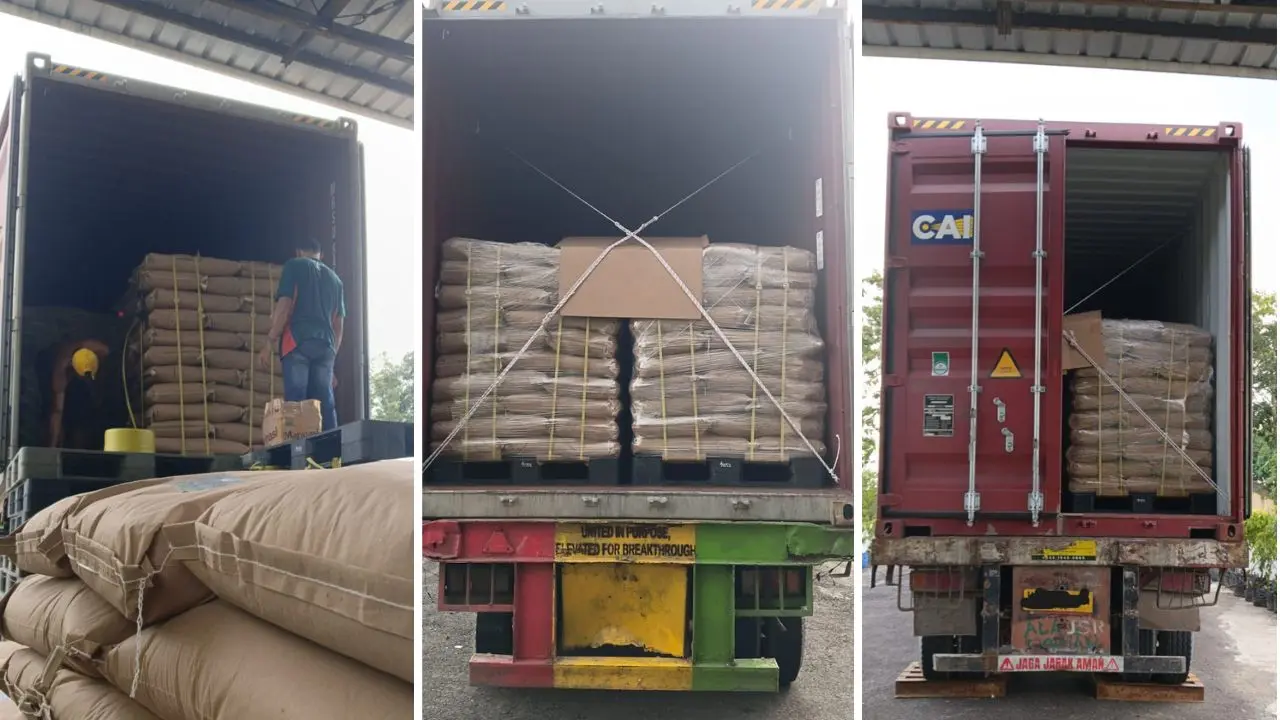
    Global Coco Sugar has successfully delivered multiple containers of certified coconut products — including organic and conventional coconut sugar — to buyers in the United States and Europe.

    This shipment marks a significant milestone in GCS’s ongoing global expansion, confirming our position as a reliable, certified supplier capable of meeting the most demanding food safety and regulatory requirements in the world’s most scrutinized import markets.

    A Milestone in Our Global Export Journey

    global coco sugar export journey

    The United States and Europe represent two of the most important and challenging markets for any food ingredient supplier.

    Both require strict compliance across food safety certification, organic documentation, product traceability, and supply chain sustainability.

    Successfully delivering to buyers in both regions simultaneously is not simply a commercial achievement — it is a validation of the systems, certifications, and operational discipline that GCS has built over the years.

    The European market in particular requires BRCGS Food Safety Grade A certification alongside EU Organic compliance — two of the most demanding standards in the global food ingredient industry.

    Our article on exporting coconut sugar to Europe details the full regulatory landscape that GCS must navigate for every EU shipment. Every container in this shipment was accompanied by a full documentation package —

    Certificate of Analysis from an ISO 17025-accredited laboratory, Organic Transaction Certificate per lot, phytosanitary certificate, and Certificate of Origin. Our complete certifications and company profile are publicly verifiable by any buyer.

    Mr. Arsyi Kurniawan, Chief Executive Officer: “A Validation of Our Global Standards”

    Mr. Arsyi Kurniawan, Chief Executive Officer of Global Coco Sugar, emphasized the strategic significance of this achievement in the context of GCS’s long-term growth trajectory.

    “Exporting to the USA and Europe is the strongest validation of our quality and compliance standards. Both markets have extremely strict regulations — covering food safety, traceability, and sustainability. When our products are accepted there, it demonstrates that our quality has reached a genuinely global standard.” — Arsyi Kurniawan, Chief Executive Officer, Global Coco Sugar

    Mr. Arsyi also highlighted why the US and European markets are a strategic priority for GCS above other regions:

    “There are a few key reasons we prioritize these markets. First, health awareness in both the USA and Europe is significantly higher — consumers are actively seeking alternative sweeteners and low-processing foods. Coconut sugar fits perfectly into that demand. Second, purchasing power in these markets is high enough to properly value a premium natural product. And third — perhaps most importantly — meeting the food safety standards of the US and Europe is our proof of concept. If we can supply to these markets, we can supply to any market in the world.” — Arsyi Kurniawan, Chief Executive Officer, Global Coco Sugar

    Mr. Rifqi Hermawan, Chief Logistics Officer: “Executing with Precision in a Challenging Environment”

    Mr. Rifqi Hermawan, Chief Logistics Officer, spoke candidly about the logistics challenges involved in executing this multi-container shipment to two of the world’s most demanding destination markets.

    “Shipping to the USA and Europe came with its own set of challenges. Vessel schedules changed frequently, feeder vessel slots were often suddenly full, and freight rates were rising due to the ongoing geopolitical tensions in the Middle East. But we adapted. Our team worked through each constraint, and every container was delivered on schedule with complete documentation.” — Rifqi Hermawan, Chief Logistics Officer, Global Coco Sugar

    On ensuring product quality from factory to final destination, Mr. Rifqi outlined GCS’s approach:

    “Quality consistency starts with the right container. Every container we book must meet food-grade standards — no exceptions. Beyond that, we work closely with each buyer to customize packaging to their exact requirements. And for buyers who need it, we can provide a full range of FTA documentation to support their import process and duty preference eligibility.” — Rifqi Hermawan, Chief Logistics Officer, Global Coco Sugar

    What We Shipped: Certified Coconut Products for Demanding Markets

    certified products for demanding markets

    Every container in this shipment carried coconut products certified to the standards that US and European buyers require. GCS holds BRCGS Food Safety Grade A certification — one of the most widely recognized food safety standards under the Global Food Safety Initiative (GFSI) — alongside USDA Organic, EU Organic, Halal MUI, Kosher, and JAS certification.

    Each shipment was accompanied by a complete documentation package: Certificate of Analysis (COA) from an ISO 17025-accredited laboratory, Organic Transaction Certificate (TC) per production lot, phytosanitary certificate from the Indonesian Ministry of Agriculture, and Certificate of Origin for trade preference eligibility.

    Looking Ahead: Building Long-Term Supply Partnerships

    certified coconut products

    This shipment is not an endpoint — it is the beginning of a deeper commitment to the US and European markets.

    As Mr. Arsyi noted, GCS is evolving beyond being a coconut sugar producer into a full-service supplier of high-quality coconut derivative products, with a scalable supply chain built for long-term partnerships in the downstream food industry.

    For buyers interested in sourcing certified coconut products from Indonesia, our team is ready to discuss specifications, pricing, and documentation requirements. Contact our export team to begin the conversation.

    Interested in becoming a GCS supply chain partner?
    Global Coco Sugar supplies certified organic and conventional coconut sugar, desiccated coconut, coconut nectar syrup, and virgin coconut oil to buyers in the USA, Europe, Australia, the Middle East, and Japan. BRCGS Grade A certified. Full documentation support including Organic TC, COA, phytosanitary certificate, and FTA documentation.
    Contact Our Export Team >>>
    View Our Certified Coconut Product Range >>>
  • Why Is Indonesia the World’s Largest Coconut Sugar Producer? 6 Structural Advantages Explained

    Why Is Indonesia the World’s Largest Coconut Sugar Producer? 6 Structural Advantages Explained

    Indonesia largest coconut sugar producer

    As the world’s largest coconut sugar producer, Indonesia supplies more than half of the global market.

    This dominance is not a recent development — it reflects centuries of agricultural tradition, unique geographic conditions, and an increasingly sophisticated export infrastructure that no other producing country has been able to fully replicate.

    For buyers sourcing coconut sugar globally, understanding why Indonesia leads is not just academic — it explains the quality characteristics, certification availability, and supply reliability that make Indonesian coconut sugar the preferred choice for importers in Europe, the USA, Australia, and Japan.

    This article covers the six structural reasons behind Indonesia’s production dominance, the current state of the global coconut sugar market including organic segment growth, a comparison with other producing countries, and what Indonesia’s position means for buyers making sourcing decisions today.

    For a detailed look at the production process itself — from coconut palm flower sap tapping through granulation — our article on how coconut sugar is produced in Indonesia provides the full technical and cultural context.

    Indonesia Coconut Sugar: Key Facts at a Glance

    MetricDataSource/Notes
    Indonesia’s share of world coconut sugar production> 50%Largest single producing country globally
    Total coconut cultivation area (Indonesia)~3.5 million hectaresLargest in the world — spread across 33 provinces
    Primary producing regionsCentral Java, West Java, Sulawesi, North MalukuCentral Java (Banyumas, Purwokerto) = heartland of traditional coconut sugar production
    Annual coconut sugar export value (Indonesia)USD 100-150 million+Growing annually — driven by organic premium demand from EU and US
    Number of BRCGS-certified coconut sugar facilitiesMore than any other countryIndonesia leads the world in food safety certified coconut sugar supply
    Main export destinationsEU (Germany, Netherlands, France), USA, Australia, JapanEU and US represent majority of certified organic volume
    Organic coconut sugar market growth rate~8-12% per year (2020-2026)Driven by clean label and health food trends in Western markets
    Price competitiveness vs Philippines10-20% more competitiveFor equivalent BRCGS + organic certified product

    1. Unmatched Agroclimatic Conditions for Coconut Palm Cultivation

    largest coconut sugar producer Global Coco Sugar

    Indonesia’s geographic position — straddling the equator across an archipelago of more than 17,000 islands — creates agroclimatic conditions that are ideal for coconut palm cultivation in ways that cannot be replicated in other producing countries.

    • Year-round tropical climate: Unlike many agricultural commodities that are highly seasonal, Indonesia’s equatorial location provides consistent temperatures (25-32°C) and rainfall year-round — enabling continuous coconut sap production without the pronounced seasonal fluctuations that affect Philippine and Sri Lankan producers.

    • Volcanic soil fertility: Central Java’s coconut growing regions sit on some of the most fertile volcanic soils in the world. The mineral-rich volcanic substrate — from active volcanoes including Merapi, Merbabu, and Sindoro — produces coconut palms with higher sap yields and more consistent sap quality than palms grown in less fertile soils.

    • Optimal elevation range: The coconut sugar producing regions of Central Java (Banyumas, Purwokerto, Kebumen) are situated at elevations of 200-800 meters above sea level — within the optimal range for coconut sap sugar content. Higher sugar content in the sap means less evaporation required to produce granulated sugar, lower production costs, and more consistent end-product quality.

    • Water availability: Consistent rainfall across most of Indonesia’s coconut growing regions ensures that coconut palms maintain consistent productivity — unlike some Philippine growing regions that experience drought stress during El Niño periods, which can reduce sap yield significantly.

    2. 300+ Years of Unbroken Production Heritage

    largest coconut sugar producer Global Coco Sugar

    Indonesia’s coconut sugar production heritage extends back more than a thousand years — with documented commercial production in Java dating to at least the 8th century.

    This depth of tradition is not just cultural — it translates into accumulated production knowledge that has direct commercial implications.

    As we explore in detail in our article on the history of coconut blossom sugar in Indonesia, the specific knowledge of which coconut palms to tap, at what frequency, at what time of day, and how to process the sap optimally has been refined over centuries through direct farmer-to-farmer knowledge transfer in ways that cannot be acquired through formal agricultural training alone.

    The villages of Banyumas, Purwokerto, and Kebumen in Central Java have been synonymous with quality coconut sugar production for generations.

    Farmers in these regions have tapped the same coconut palm groves — sometimes the same individual trees — for multiple generations.

    This accumulated knowledge manifests in measurable ways: lower rejection rates, more consistent color and flavor profiles, and lower post-harvest quality incidents compared to producers in newer producing regions or countries.

    This heritage cannot be replicated by a new entrant to the coconut sugar market — not in five years, not in twenty. It is Indonesia’s single most durable competitive advantage.

    3. Production Scale That No Other Country Can Match

    largest coconut sugar producer Global Coco Sugar

    Indonesia’s raw material base for coconut sugar production — the coconut palm plantation area — is the largest in the world.

    With more than 3.5 million hectares of coconut cultivation spread across 33 provinces, Indonesia has a raw material supply that dwarfs its nearest competitors:

    CountryCoconut Cultivation AreaAnnual Coconut ProductionEst. Coconut Sugar Production ShareCertified Export Capacity
    Indonesia~3.5 million ha~18 billion nuts/year> 50% of global coconut sugarHighest — most BRCGS + organic certified facilities
    Philippines~3.3 million ha~15 billion nuts/year~30-35% of global supplySignificant — but fewer BRCGS-certified coconut sugar producers
    Sri Lanka~400,000 ha~3 billion nuts/year~5-8% of global supplyLimited — smaller certified export base
    India~2.1 million ha~21 billion nuts/yearPrimarily copra/oil, not sugarMinimal coconut sugar export
    Thailand~300,000 ha~1.5 billion nuts/yearSmall — primarily palm sugarMostly palm sugar, not coconut palm sugar

    The Philippines is often cited as Indonesia’s closest competitor — and in terms of raw coconut cultivation area, the two countries are comparable.

    The key differentiator is the proportion of coconut production dedicated to sugar versus oil: Indonesia’s Central Java coconut sugar tradition means a much higher proportion of coconut palms are managed specifically for sap production, while Philippine coconut production is more diversified across copra, coconut oil, and desiccated coconut.

    4. The World’s Most Developed Certified Coconut Sugar Export Infrastructure

    Coconut sugar certified

    The story behind the world’s largest coconut sugar producer is not just about agricultural scale — it is about the transformation of a traditional craft product into a globally compliant, certified export commodity.

    Indonesia has more BRCGS certified coconut sugar suppliers than any other producing country in the world.

    This certification leadership reflects a decade of investment by Indonesian producers in food safety management systems, laboratory testing infrastructure, and organic certification frameworks that the global market demands.

    Our guide to finding a bulk coconut sugar supplier in Indonesia covers the full evaluation framework buyers should apply when assessing this certified supply base.

    CertificationIndonesiaPhilippinesSri Lanka
    BRCGS Food Safety Grade AMultiple certified facilities — the most of any producing countrySome certified facilitiesVery limited
    USDA Organic (NOP)Widely available — multiple USDA-accredited certifying bodies activeAvailable but fewer optionsLimited
    EU OrganicStrong infrastructure — Control Union, Skal, IMO all activeAvailableLimited
    JAS Organic (Japan)AvailableAvailableVery limited
    Halal MUINational — widely applicableIDCP/Philippine equivalentNot standard
    ISO 17025-accredited lab testingMultiple options within IndonesiaAvailableLimited local options

    This certification infrastructure advantage is cumulative and self-reinforcing: as more Indonesian producers achieve BRCGS and organic certification, the overall market perception of Indonesian coconut sugar as a reliable, verified source strengthens — which drives more international buyer relationships, which creates more revenue to invest in maintaining and improving certifications.

    5. Indonesian Producers Were First to Meet the Clean Label Revolution

    indonesian coconut sugar producers
    Natural coconut sugar in bowl on wooden table, space for text

    The global health food movement that accelerated in the 2010s created a demand for minimally processed, natural sweeteners with a lower glycemic index than refined white sugar.

    Coconut sugar’s glycemic index of approximately 35 — significantly lower than white sugar’s GI of 60-65 — positioned it perfectly for the clean label, health-conscious premium food segment that was growing most rapidly in Western markets.

    Indonesian producers, with their existing export infrastructure and deepest production tradition, were best positioned to scale certified supply to meet this demand quickly.

    Our article on applications of coconut sugar in the food industry covers the full range of food manufacturing applications where coconut sugar has replaced refined sweeteners.

    The timing of Indonesia’s certification investment — primarily between 2010-2018 — coincided precisely with the peak growth phase of the clean label movement.

    Producers who achieved BRCGS and organic certification during this window established long-term supply relationships with EU and US importers that continue to generate premium pricing and stable demand today.

    6. Competitive Pricing Without Compromising Certification Quality

    the best coconut sugar certification you should consider

    Indonesia’s combination of production scale, agricultural efficiency, and competitive labor costs means that BRCGS-certified, EU Organic coconut sugar from Indonesia is typically 10-20% more price-competitive than equivalent certified product from the Philippines, and 25-40% more competitive than Sri Lankan product.

    For a complete current pricing reference, our article on coconut sugar export price from Indonesia per ton covers 2026 FOB price ranges by product category, certification tier, and volume.

    This pricing advantage is not achieved at the expense of quality — it reflects genuine structural cost advantages including lower raw material costs per unit (higher palm productivity), more established processing infrastructure (lower capital depreciation per MT), and deeper logistical networks (lower per-container handling costs at major Indonesian export ports like Tanjung Emas and Tanjung Perak).

    The Indonesian Organic Coconut Sugar Market: Growth, Trends & Projections

    Within Indonesia’s total coconut sugar production, the organic certified segment has been the fastest-growing subsector for the past decade.

    Our article on exporting organic coconut sugar from Indonesia explains the full certification chain for organic product — from farm inspection through per-shipment Transaction Certificate documentation.

    Market Segment2020 Estimated Value2026 Estimated ValueCAGRKey Driver
    Global coconut sugar market (all)USD 400-500MUSD 700-900M8-10%Health food growth in EU, USA, Australia
    Organic coconut sugar (global)USD 150-200MUSD 320-400M12-15%Premium retail demand, organic label claims
    Indonesia’s organic export valueUSD 60-80MUSD 150-200M+15-18%EU organic retail expansion, US health food
    EU organic coconut sugar importUSD 50-70MUSD 120-150M+12-15%EU organic food market growth, BRCGS requirements
    US organic coconut sugar importUSD 30-50MUSD 70-90M+12-14%Paleo, keto, clean label food trends
    What this market growth means for buyers
    The combination of strong demand growth and the structural supply advantages of the largest coconut sugar producer creates a favorable sourcing environment for buyers: sufficient certified supply to meet growing demand without the supply shortage premiums seen in smaller specialty ingredient markets, increasing number of certified supplier options as more Indonesian producers invest in BRCGS and organic certification, and competitive pricing maintained by Indonesia’s production scale. For buyers establishing long-term supply relationships, annual contracts with Indonesian certified producers are increasingly the standard approach.

    Indonesia’s Coconut Sugar Export Destinations: Where the Product Goes

    Europe is Indonesia’s largest destination for certified organic coconut sugar, followed closely by the USA and Australia.

    For European wholesale buyers specifically, our dedicated article on coconut sugar wholesale importers in Europe covers the full regulatory framework, including BRCGS requirements for EU retail access and EU GSP duty preference rates from Indonesia.

    DestinationPrimary BuyersCertification RequiredVolume Trend
    GermanyNatural food distributors, food manufacturers (Alnatura, dm, Rewe Bio)BRCGS Grade A + EU OrganicGrowing strongly — largest EU organic food market
    NetherlandsCommodity importers (Rotterdam hub), distributorsBRCGS Grade A + EU OrganicStable — major transit point for EU distribution
    United StatesNatural food brands, health food retailers, food manufacturersBRCGS + USDA OrganicGrowing — driven by paleo, keto, clean label
    FranceOrganic food distributors, premium food brandsBRCGS + EU OrganicGrowing — strong organic retail network
    AustraliaHealth food importers, organic food brandsBRCGS + USDA/OrganicStable growth — high per-capita health food spending
    JapanNatural food importers, specialty food brandsBRCGS + JAS OrganicNiche but high-value — premium pricing
    Middle EastFood manufacturers, specialty distributorsBRCGS + Halal MUIGrowing — rising health food awareness
    Source coconut sugar directly from its largest producing country
    Global Coco Sugar is a BRCGS Food Safety Grade A certified exporter of organic and conventional coconut sugar from Central Java, Indonesia. We supply to buyers across Europe, USA, Australia, Middle East, and Japan with full certification documentation, COA from ISO 17025-accredited laboratories, and REX registration for EU GSP preference claims.
    Request a Sample or Bulk Quote >>>
    View Our Certified Coconut Sugar Range >>>

    Conclusion: Why the Largest Coconut Sugar Producer Dominates the Market

    Indonesia’s position as the world’s largest coconut sugar producer is not the result of any single factor — it is the cumulative product of geography, agricultural heritage, production scale, certification investment, and market timing that have compounded over centuries.

    No other producing country combines all six of these advantages simultaneously.

    For buyers, this means that sourcing certified coconut sugar from Indonesia is not just the most obvious choice — it is structurally the most defensible one.

    The combination of the world’s deepest production heritage, the largest certified supply base, and the most competitive pricing for equivalent quality makes Indonesia the natural anchor of any serious coconut sugar sourcing strategy.

    Source from the world’s most experienced coconut sugar producing country
    Global Coco Sugar is a BRCGS Food Safety Grade A certified manufacturer and exporter of organic and conventional coconut sugar from Central Java, Indonesia — connecting centuries of traditional production expertise with the certification infrastructure that global buyers require. Available in granulated, fine powder, and cube formats with full documentation support.
    Contact Our Export Team >>>
    View Our Coconut Sugar Range >>>
    Our Certifications & Company Profile >>>
  • 7 Market Insights on Desiccated Coconut Milk

    Introduction

    The global coconut industry continues to evolve as manufacturers and distributors seek versatile plant-based ingredients for food production. Among these ingredients, desiccated coconut milk has become increasingly valuable for companies producing beverages, desserts, sauces, and ready-to-eat meals.

    For importers, wholesalers, and distributors, understanding the commercial potential of coconut derivatives such as sweet coconut chips, desiccated coconut toasted, and the broader coconut desiccated meaning helps build stronger sourcing strategies and diversified product portfolios.

    Unlike fresh coconut milk, which depends on immediate processing, desiccated coconut–based ingredients offer longer shelf life and easier logistics for international trade. This article explores how desiccated coconut milk is produced, how toasted coconut products add value, and why these ingredients are gaining popularity in global food markets.


    Understanding Coconut Desiccated Meaning

    Before exploring coconut milk production, it is important to understand the coconut desiccated meaning in the context of food processing.

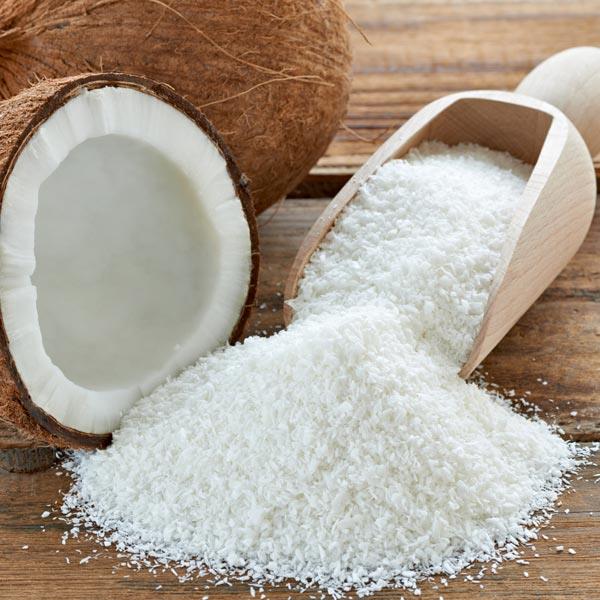
    Desiccated coconut refers to coconut meat that has been finely grated or shredded and then dried under controlled conditions. This drying process removes most of the moisture while maintaining the natural oils and flavor of the coconut.

    Key Characteristics of Desiccated Coconut

    • Produced from mature coconut kernels
    • Moisture reduced through dehydration
    • Available in multiple particle sizes
    • Maintains natural coconut aroma and oil content

    These properties allow desiccated coconut to be transported and stored for long periods, making it ideal for export markets.

    Businesses seeking a detailed explanation of this ingredient can explore what is desiccated coconut.

    Because of its stable structure and versatility, desiccated coconut serves as a base ingredient for many coconut-derived products.


    How Desiccated Coconut Milk Is Produced

    Desiccated coconut milk is produced by rehydrating dried coconut particles with water and extracting the liquid through pressing or filtration. This method allows manufacturers to generate coconut milk without requiring freshly harvested coconuts.

    Typical Processing Steps

    1. Rehydrating desiccated coconut with warm water
    2. Grinding or blending the mixture
    3. Pressing the coconut pulp to extract liquid
    4. Filtering and standardizing the milk

    The result is a creamy coconut milk that can be used in food manufacturing.

    This approach provides several advantages for industrial processors.

    Benefits for Food Manufacturers

    • Lower transportation costs compared to fresh coconut
    • Longer shelf life for raw materials
    • Easier storage and inventory control
    • Consistent fat levels for standardized recipes

    More information about coconut milk preparation methods can be found in making coconut milk at home.

    For companies producing plant-based beverages, desiccated coconut milk offers a scalable production solution.


    Desiccated Coconut Toasted and Flavor Applications

    A significant value-added product in the coconut industry is desiccated coconut toasted, which is produced by roasting dried coconut particles to enhance flavor and aroma.

    Advantages of Toasting

    Toasting coconut provides several functional benefits:

    • Richer, nutty flavor profile
    • Golden color that enhances visual appeal
    • Crisp texture suitable for toppings

    Because of these qualities, toasted coconut products are frequently used in bakery, confectionery, and snack manufacturing.

    For example, toasted coconut is often incorporated into:

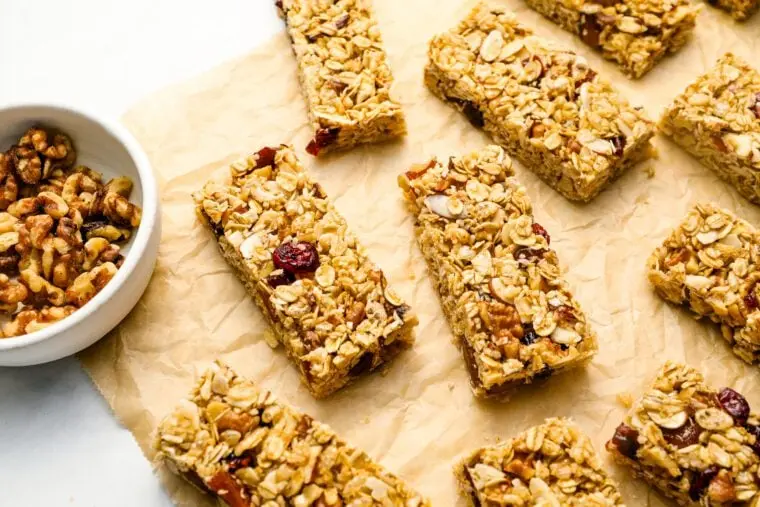
    • Granola bars
    • Chocolate desserts
    • Ice cream toppings
    • Premium pastries

    Additional culinary inspiration for coconut ingredients can be found in creative ways to use desiccated coconut.

    For distributors, toasted coconut products represent an attractive category for value-added exports.


    Sweet Coconut Chips in Global Snack Markets

    Another product gaining traction in international markets is sweet coconut chips.

    These chips are produced by slicing coconut meat into thin pieces and roasting or lightly sweetening them to create a crunchy snack.

    Key Market Applications

    Sweet coconut chips are used in:

    • Healthy snack products
    • Breakfast cereals
    • Granola mixes
    • Dessert garnishes

    With the growing consumer demand for natural snacks and tropical flavors, coconut chips have become popular among premium food brands.

    For wholesalers, supplying coconut chips alongside dried coconut ingredients allows for broader product diversification.


    Industrial Uses of Coconut Milk and Coconut Derivatives

    Desiccated coconut milk and related coconut ingredients are used across multiple sectors of the food industry.

    Plant-Based Beverage Production

    Coconut milk is widely used in:

    • Dairy-free beverages
    • Coffee creamers
    • Smoothies
    • Vegan yogurt alternatives

    The growth of plant-based diets has significantly increased demand for coconut-based milk products.

    Insights into coconut milk usage in plant-based cooking are explored in coconut milk in vegan cooking.

    Bakery and Dessert Manufacturing

    Coconut ingredients provide texture and flavor in products such as cakes, cookies, and pastries.

    Manufacturers also use toasted coconut for dessert toppings and decorative garnishes.

    Ready-to-Eat Meals

    Coconut milk is frequently used in soups, sauces, and prepared meals across global cuisines.

    These diverse applications contribute to the expanding global demand for coconut ingredients.


    Quality Considerations for Importers and Distributors

    When sourcing coconut ingredients, B2B buyers must evaluate several quality factors to ensure consistent product performance.

    Moisture Content

    Low moisture levels help prevent microbial growth and extend shelf life during shipping.

    Particle Size

    Different industries require different coconut textures, ranging from fine powder to flakes.

    Fat Content

    Fat levels influence flavor intensity and the creaminess of coconut milk.

    Food Safety Standards

    Export-grade coconut products should comply with international safety certifications such as HACCP or ISO standards.

    Organizations such as the Food and Agriculture Organization provide guidance on agricultural commodity safety and trade practices.
    https://www.fao.org

    Additionally, market research from Statista highlights the rapid growth of plant-based beverage markets worldwide.
    https://www.statista.com

    These trends contribute to rising global demand for coconut-derived ingredients.


    Global Supply Opportunities

    The majority of the world’s coconut production comes from Southeast Asia, particularly Indonesia and the Philippines. These regions offer ideal growing conditions for coconuts and supply large volumes of coconut derivatives to international markets.

    For distributors and wholesalers, sourcing from these regions provides access to:

    • Reliable raw material supply
    • Competitive production costs
    • Large-scale processing facilities

    Businesses seeking updates on coconut ingredient markets can explore resources available on the Global Coco Sugar blog.

    Staying informed about industry trends helps buyers make strategic sourcing decisions.


    Conclusion

    The growing popularity of plant-based foods and natural ingredients has increased demand for coconut-derived products worldwide. Desiccated coconut milk, along with related products such as sweet coconut chips and desiccated coconut toasted, plays an important role in modern food manufacturing.

    Understanding the coconut desiccated meaning and the production processes behind these ingredients allows importers, wholesalers, and distributors to better evaluate product specifications and market opportunities.

    As global demand for coconut ingredients continues to expand, companies that invest in reliable sourcing networks and high-quality coconut derivatives will be well positioned to succeed in the competitive international food ingredient market.

  • Applications of Coconut Sugar in Food Industry in 2026

    Applications of Coconut Sugar in Food Industry in 2026

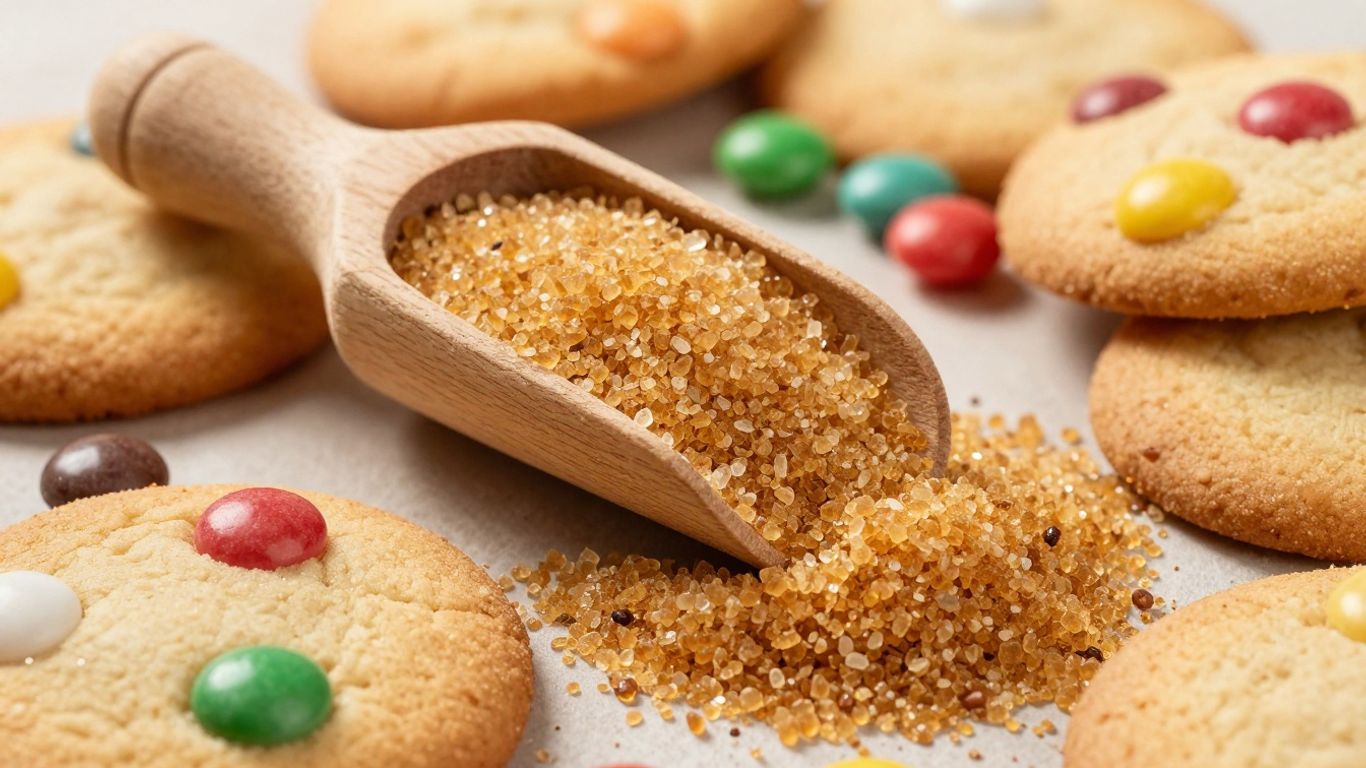
    Applications of Coconut Sugar in Food Industry : Sweetening Baked Goods And Confectionery

    Coconut sugar with baked goods and candies

    A Natural Choice for Cookies and Cakes

    Applications of Coconut Sugar in Food Industry, When we’re baking, we often look for ways to make our treats a little more wholesome without sacrificing taste. Coconut sugar has become a popular choice for this. It brings a gentle sweetness that works really well in things like cookies and cakes. Unlike regular white sugar, it has a bit of a caramel flavor, which can add a nice depth to baked goods.

    This flavor also means it gives cookies and cakes a lovely golden-brown color as they bake. We’ve found that it can also help keep baked items moist for longer, which is always a good thing. When swapping it for granulated sugar, we usually use a one-to-one ratio, but sometimes we might need to adjust the liquid in the recipe a tiny bit, maybe add a little more, to get the texture just right. It’s a simple change that can make a noticeable difference in the final product.

    Enhancing Chocolate and Toffee Flavors

    In the world of confectionery, coconut sugar offers some interesting possibilities. For chocolates, its subtle caramel notes can complement the richness of cocoa, creating a more complex flavor profile. It doesn’t have a strong taste that overpowers the chocolate itself, which is key. When we work with toffees and caramels, coconut sugar can contribute to a softer texture compared to using only refined sugars.

    This is because it has a slightly lower melting point. It also helps with the color, giving those candies a beautiful, deep amber hue. Getting the moisture content right is important here, as it affects the final chewiness and how long the candy stays fresh. It’s a sweet ingredient that can really help us achieve those desirable flavors and textures consumers look for. Here some companies that use coconut sugar as their toffee products


    Applications of Coconut Sugar in Food Industry : Dairy And Beverages

    Coconut sugar with dairy and beverages

    When we look at drinks and dairy products, coconut sugar really shines. It’s not just about adding sweetness; it brings a nice, subtle caramel note that works well with so many things.

    Think about yogurts, especially the plant-based kinds like almond or oat milk. Coconut sugar gives them a bit more body and a pleasant flavor that doesn’t fight with fruit or vanilla.

    Applications of Coconut Sugar in Food Industry : Creamy Yogurts and Plant-Based Drinks

    We find that coconut sugar is a great partner for dairy and non-dairy items. It helps create a smoother texture and adds a natural, light brown color.

    This is super useful for things like ice cream or even milk alternatives. Its mild taste means it complements other flavors, like berries in yogurt or cocoa in a chocolatey plant-based drink, without being too strong. It just makes the whole product taste a bit richer and more interesting.

    Applications of Coconut Sugar in Food Industry ; Flavorful Hot and Cold Beverages

    In the world of drinks, coconut sugar is quite versatile. It dissolves pretty easily, even in cold liquids, which is a big plus. For hot drinks like coffee or tea, it adds a lovely caramel undertone that many people enjoy.

    It’s also a good choice for things like smoothies or ready-to-drink beverages where a natural sweetener is preferred.

    We’ve seen it work especially well in craft coffee and tea blends, where its unique flavor profile can really stand out. It’s a simple way to make a drink taste a little more special and natural.

    Functional Roles In Food Manufacturing

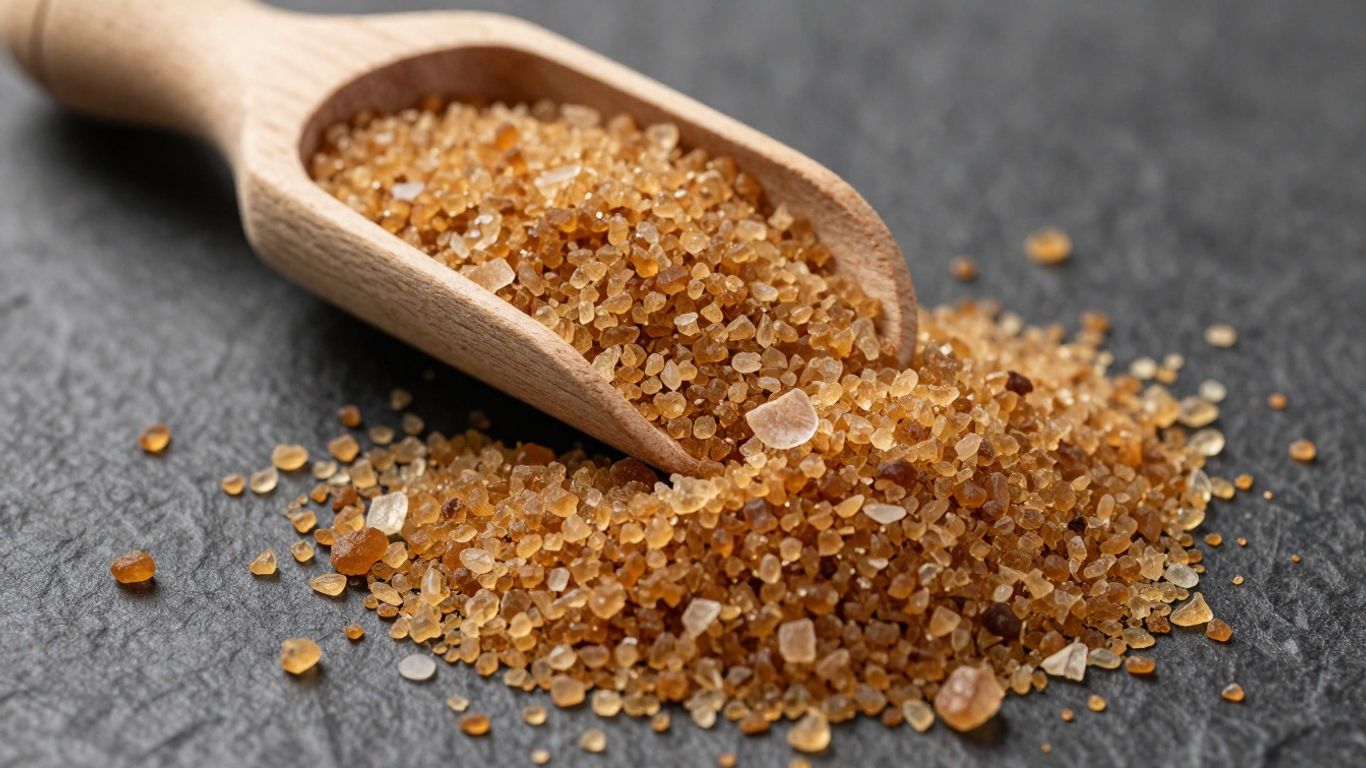
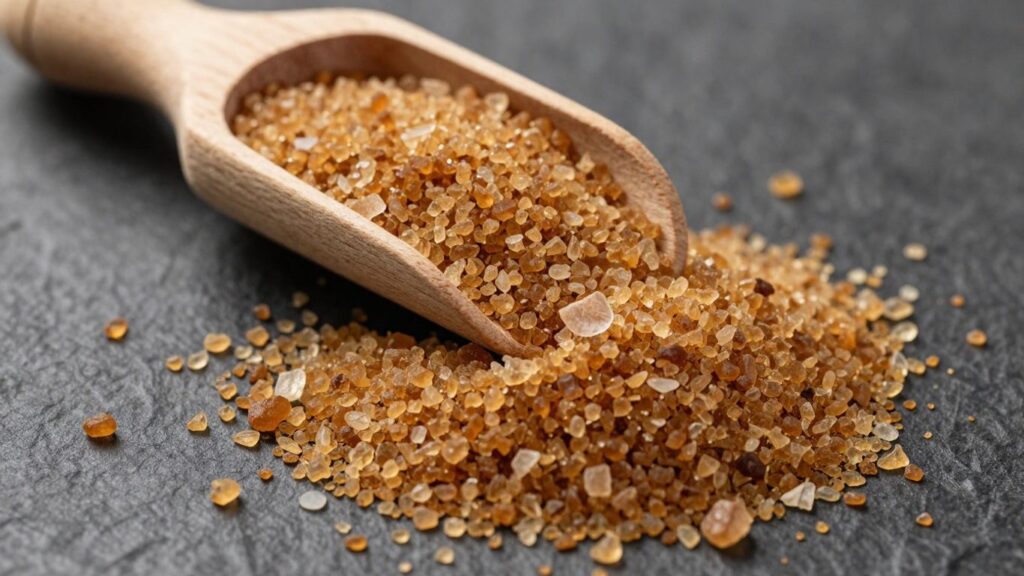
    Granular coconut sugar spilling from a wooden scoop.

    Texture, Color, and Moisture Retention

    When we think about making food taste good, we often focus on sweetness. But coconut sugar does more than just sweeten things up. It actually plays a part in how our food feels and looks, too. For instance, in baked goods, it can help keep things moist for longer.

    This means your cookies or cakes might stay fresh on the shelf for a bit more time, which is always a good thing. It also gives products a nice, warm color, kind of like caramel. This natural coloring can be really helpful when we’re trying to avoid artificial dyes.

    We’ve seen that coconut sugar can also affect the texture. Depending on how it’s used, it can make things a little chewier or contribute to a smoother feel.

    It’s not just about adding sugar; it’s about how that sugar interacts with other ingredients to create the final product we want. Getting the right balance of sweetness, color, and texture is key, and coconut sugar can help us achieve that.

    Meeting Consumer Demand for Natural Ingredients

    These days, folks are really paying attention to what’s in their food. They want things that are made with ingredients they recognize, and they’re moving away from overly processed stuff. Applications of Coconut Sugar in Food Industry is really game-changer.

    Because it comes straight from the sap of the coconut palm and goes through a pretty simple process, it fits right into that ‘natural’ category that so many consumers are looking for. It’s a way for us to offer products that taste great but also align with what people are asking for – simpler, more natural ingredients.

    It’s not just about being natural, though. Many coconut sugar producers also focus on how they get the sap, often using methods that are kinder to the environment. This kind of sustainable sourcing is another big plus for consumers who care about where their food comes from and how it’s made.

    So, by using coconut sugar, we’re not only making tasty food, but we’re also responding to a growing desire for products that are good for us and good for the planet.

    In food making, different jobs are important for making sure everything runs smoothly. From checking the quality of ingredients to making sure the final food is safe and tasty, each role plays a part.

    Understanding these jobs helps us appreciate the whole process. Want to learn more about how food gets from the farm to your table? Visit our website today!

    Wrapping Up: Applications of Coconut Sugar in Food Industry

    So, we’ve looked at how coconut sugar is becoming a go-to for food makers. It’s not just about adding sweetness anymore; it’s about offering something natural, something with a bit of character, and something that feels good for the planet.

    From the cookies we bake to the drinks we sip, coconut sugar is proving it can do a lot. As more people look for ingredients that are good for them and sourced responsibly, we think coconut sugar will keep playing a bigger role. It’s a simple ingredient that helps us create better food for everyone.

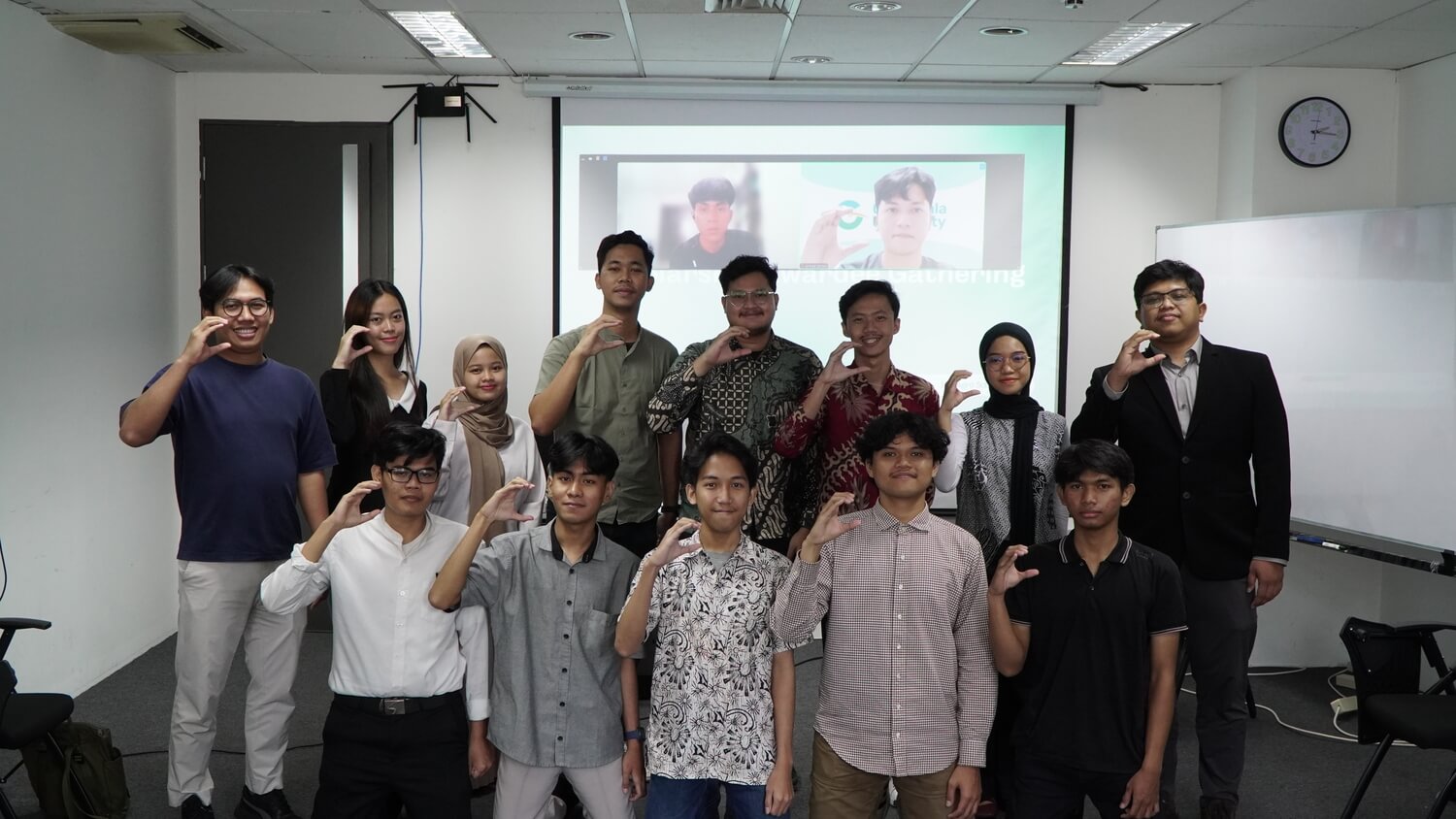
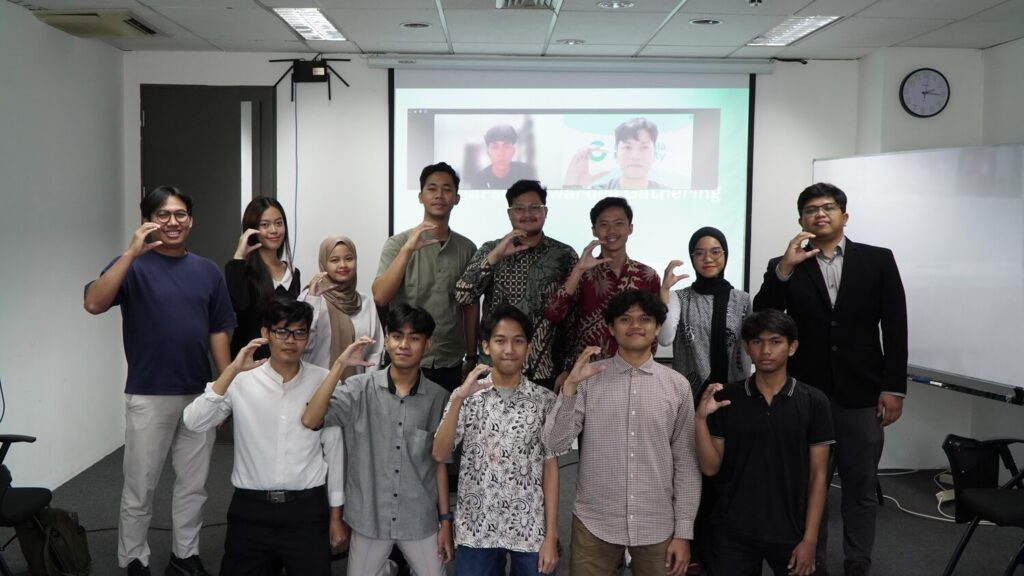
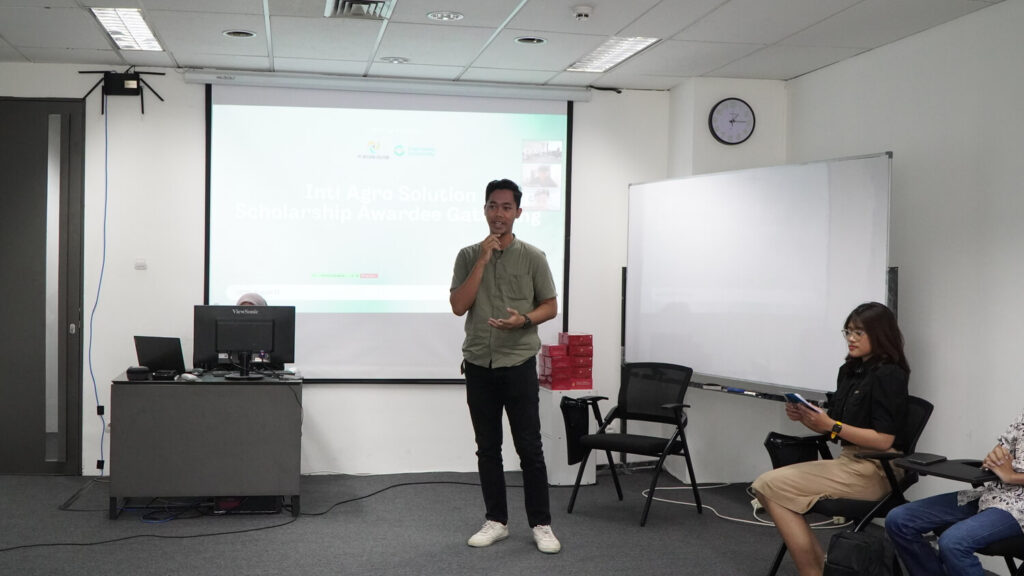
  • PT Inti Agro Solution Awards Scholarships to Ten Students of Cakrawala University

    PT Inti Agro Solution Awards Scholarships to Ten Students of Cakrawala University


    PT Inti Agro Solution, holding company of Global Coco Sugar, Global Essential Oil, and Civera Healthy Foods dedicated to advancing sustainable agriculture and community development, has strengthened its commitment to education by awarding scholarships to ten outstanding students of Cakrawala University. The recipients this year are drawn exclusively from three strategic disciplines: Business, Finance, and Information Technology (IT)—fields considered crucial for Indonesia’s competitiveness in the global economy.

    Empowering the Next Generation of Professionals

    largest coconut sugar producer Global Coco Sugar

    Education is at the heart of PT Inti Agro Solution’s corporate social responsibility (CSR) strategy. By supporting talented students, the company seeks to nurture young leaders who will contribute to the growth of both local communities and the broader national economy.

    “Business, finance, and technology are the engines of modern development,” said Muhammad Arsyi Kurniawan, Chief Executive Officer of PT Inti Agro Solution. “By investing in students from these disciplines, we are preparing the next generation of professionals who will not only strengthen Indonesia’s economy but also bring innovation and resilience to our industries.”

    Focus on Three Strategic Disciplines

    The ten scholarship recipients represent a mix of undergraduate students majoring in business management, finance and accounting, and information technology.

    • Business scholars are expected to become future entrepreneurs and leaders who can create job opportunities and drive sustainable enterprises.
    • Finance scholars will be equipped to strengthen Indonesia’s financial sector, promote transparency, and manage resources effectively in both corporate and public domains.
    • IT scholars will develop digital solutions that modernize industries, improve efficiency, and expand access to technology for communities across the nation.

    “Those three majors are very popular majors and are needed to make Indonesia even better today” Said Rifqi Hermawan as Director Of PT Inti Agro Solution

    By concentrating on these three areas, PT Inti Agro Solution ensures that its scholarship program contributes directly to strengthening Indonesia’s human capital in sectors that are key to economic growth and global competitiveness.

    Partnership with Cakrawala University

    Cakrawala University has a vision for producing graduates who combine strong academic knowledge with practical skills. The partnership with PT Inti Agro Solution was welcomed by the university’s leadership as an example of private-sector commitment to education.

    “This program provides our students with not only financial support but also encouragement to excel in their chosen fields,” said Alim Anggono, Rector of Cakrawala University. “By focusing on business, finance, and IT, this scholarship reflects an awareness of the skills Indonesia most urgently needs.”

    Inspiring Student Stories

    Among the recipients is Ratu Bilqis, a Digital Business student who hopes to establish a start-up focused on empowering rural farmers through e-commerce. Another, Nita Ramadani, a finance major, dreams of building microfinance initiatives that support small enterprises in underserved regions. Meanwhile, Muhammad Mufti, an IT student, is passionate about creating digital platforms that improve market access for agricultural products.

    These stories illustrate how the three disciplines—when combined—can deliver transformative solutions for Indonesia’s communities and economy.

    Looking Forward With Scholarship Program

    largest coconut sugar producer Global Coco Sugar
    Chief Executive Officer Of PT Inti Agro Solution

    PT Inti Agro Solution intends to continue and expand this scholarship program in the years ahead. The company envisions a growing network of scholarship alumni who are academically excellent, socially responsible, and ready to contribute to the nation’s progress in business, finance, and technology.

    “Because we are a company that operates in international trade, we want human resources from Indonesia to be able to compete globally. Therefore, we have recently been very focused on carrying out CSR in human resource development so that Indonesian society can compete globally.” Said Farel Alfarizy, Commissioner of PT Inti Agro Solution

    Conclusion

    The awarding of scholarships to ten students at Cakrawala University underscores PT Inti Agro Solution’s dedication to shaping Indonesia’s future workforce. By focusing on business, finance, and IT, the company is investing in the very skills that will drive innovation, strengthen the economy, and build resilience for years to come.

    Through this initiative, PT Inti Agro Solution affirms its role as not only a business leader but also a partner in national development—empowering individuals today for a brighter, stronger Indonesia tomorrow.


  • The Global Market for Desiccated Coconut: Trends and Forecasts

    The Global Market for Desiccated Coconut: Trends and Forecasts

    Desiccated coconut, made from the dried, shredded kernel of mature coconuts, has become a widely traded commodity used in the food, bakery, confectionery, and cosmetics industries. With its long shelf life, rich coconut flavor, and high nutritional value, desiccated coconut (DC) has become a staple ingredient across global markets. As consumer preferences shift toward natural, plant-based, and functional foods, demand for coconut-based products—including desiccated coconut—continues to rise.

    This article explores the current global market trends for desiccated coconut, key producers and consumers, trade dynamics, emerging innovations, and forecasts for the next decade.


    What is Desiccated Coconut?

    Desiccated coconut is a finely grated, dried, and unsweetened form of coconut meat. It typically contains around 3% moisture and is available in various grades, including fine, medium, and coarse. The product is used widely in:

    • Bakery goods (cakes, cookies, pastries)
    • Confectionery (chocolates, candy bars)
    • Breakfast cereals and granola
    • Savory dishes (curries, rice meals)
    • Cosmetic and personal care products

    Its versatility, natural sweetness, and fiber content make it appealing to both food manufacturers and health-conscious consumers.


    Key Producing Countries

    The production of desiccated coconut is concentrated in tropical countries where coconut palms thrive. The leading producers include:

    1. Philippines

    As the world’s top exporter of desiccated coconut, the Philippines has an established processing industry and exports to over 100 countries. Its strong supply chain, government support, and large-scale coconut farms give it a competitive edge.

    2. Indonesia

    Indonesia ranks second globally and has a growing desiccated coconut processing sector. The country benefits from abundant raw material availability and increasing investment in agro-processing.

    3. Sri Lanka

    Sri Lanka is known for its premium-quality desiccated coconut, especially the organic variety. It is a preferred supplier for Europe and the Middle East.

    4. India

    India has a robust domestic market and is gradually increasing its exports, especially to neighboring countries and the Middle East.

    Other notable producers include Thailand, Vietnam, Papua New Guinea, and parts of Africa and the Caribbean.


    Major Importing Markets

    Desiccated coconut is a key ingredient in many Western and Asian cuisines. Major importers include:

    • United States: Used in baking, snacking, and dairy alternatives.
    • European Union: Strong demand in Germany, the UK, France, and the Netherlands for both culinary and industrial uses.
    • Middle East: Consumed in sweets and desserts such as halwa and baklava.
    • China and Japan: Growing demand due to popularity of coconut-based snacks and beverages.
    • Australia and New Zealand: High per capita consumption in natural and organic food segments.

    Market Trends

    1. Rising Demand for Plant-Based and Clean Label Products

    Consumers are increasingly seeking plant-based, vegan, and minimally processed foods. Desiccated coconut fits well within this trend, as it is 100% natural, gluten-free, dairy-free, and suitable for clean-label formulations.

    2. Growth in Organic and Fair Trade Segments

    As awareness about ethical sourcing grows, there is increased demand for organic and fair-trade certified desiccated coconut. Producers in Sri Lanka, the Philippines, and India are expanding their organic farming initiatives to meet this demand, especially from Europe and North America.

    3. Expansion in Functional Food Markets

    Desiccated coconut is rich in dietary fiber and healthy fats (particularly medium-chain triglycerides or MCTs), making it a functional ingredient in:

    • Keto and paleo products
    • Energy bars and protein snacks
    • Gluten-free baked goods

    This functional appeal is driving demand in health and wellness markets.

    4. Growing Use in Beauty and Personal Care

    Beyond food, desiccated coconut is used in exfoliating scrubs, soaps, and bath products. The rising preference for natural cosmetic ingredients is creating niche markets for desiccated coconut in the personal care industry.

    5. Technological Improvements in Processing

    Innovations in drying technology and packaging have improved the shelf life and quality of desiccated coconut. Freeze-dried and spray-dried variants are also being explored to cater to specialty food sectors.


    Trade Dynamics and Pricing

    The global trade of desiccated coconut is subject to fluctuations based on weather conditions, harvest volumes, and currency rates. Key trade dynamics include:

    • Export Pricing: Prices vary based on origin, quality, and certification (e.g., organic). Sri Lankan products often command a premium.
    • Seasonality: Coconut yields vary seasonally, affecting availability and export volumes.
    • Logistics and Supply Chains: Pandemic-related disruptions have highlighted the need for more resilient supply chains. Some buyers are diversifying suppliers to reduce dependency on a single region.

    Despite occasional volatility, long-term prices have remained relatively stable due to strong global demand.


    Challenges in the Industry

    1. Climate Change

    Extreme weather events like typhoons, droughts, and floods can damage coconut trees and disrupt production cycles. Sustainable farming and replanting programs are crucial to maintaining supply.

    2. Aging Coconut Trees

    Many plantations in the Philippines and Sri Lanka consist of aging trees with declining yields. Investments in replanting and new varietals are needed to maintain productivity.

    3. Labor Shortages

    Desiccated coconut production is labor-intensive, particularly the dehusking and shredding stages. Mechanization is being adopted, but labor availability and costs remain key concerns.

    4. Quality Control

    Maintaining consistent product quality, especially for international standards, is essential. Exporters must comply with regulations such as HACCP, ISO certifications, and food safety protocols in importing countries.


    Market Forecasts (2025–2035)

    Based on industry reports and current growth patterns, the global desiccated coconut market is expected to expand significantly in the next decade.

    • CAGR: The market is projected to grow at a compound annual growth rate (CAGR) of 6–8% through 2030.
    • Value Projection: The global desiccated coconut market is estimated to reach USD 6–7 billion by 2030, up from approximately USD 4 billion in 2022.
    • Emerging Markets: Africa and Latin America are expected to see increased consumption due to urbanization and changing dietary patterns.
    • E-commerce: Online grocery platforms are making desiccated coconut more accessible to niche and health-conscious consumers.

    Strategic Opportunities

    Entrepreneurs, exporters, and investors can explore several strategic areas:

    • Private Label Branding: Offering customized, branded desiccated coconut products to health food stores and bakeries.
    • Value-Added Products: Developing coconut-based snacks, granola bars, and breakfast items.
    • Sustainability Certifications: Investing in organic, fair-trade, or regenerative agriculture certification to access premium markets.
    • Export Expansion: Small and mid-sized producers in Indonesia and India can diversify their buyer base to Africa and Eastern Europe.

    Conclusion

    Desiccated coconut is more than just a baking ingredient—it’s a growing global commodity with applications in food, health, and wellness industries. Driven by trends in clean eating, plant-based nutrition, and natural product preferences, the global market is poised for significant growth. As long as producers focus on quality, sustainability, and innovation, desiccated coconut will remain a profitable and in-demand product on the world stage.

    For businesses and investors alike, this is a ripe opportunity to tap into a thriving, tropical-derived industry with strong global appeal.

  • Natural Coconut Sugar in Russia: A Sweet Solution for a Healthier Future

    Natural Coconut Sugar in Russia: A Sweet Solution for a Healthier Future

    As health awareness continues to rise around the globe, Russian consumers are increasingly turning toward natural alternatives to refined sugar. One of the most promising and nutrient-rich options entering the Russian market is natural coconut sugar—a minimally processed, plant-based sweetener derived from the sap of coconut palm flower blossoms. With its unique flavor, low glycemic index, and impressive nutrient profile, coconut sugar is gaining attention as a sweet solution for a healthier future.

    What Is Natural Coconut Sugar?

    Coconut sugar is not made from coconuts, but from the sap of the coconut tree. The sap is collected, gently heated, and evaporated into a rich, golden granule. Unlike refined white sugar, coconut sugar retains trace nutrients such as iron, zinc, calcium, potassium, and inulin, a natural dietary fiber that supports gut health.

    With a caramel-like flavor and similar sweetness to cane sugar, coconut sugar is an easy one-to-one substitute in recipes. It offers a more wholesome option for baking, cooking, beverages, and desserts.

    Health-Conscious Russian Consumers

    In recent years, Russia has seen a significant shift toward wellness-oriented lifestyles. From organic foods to fitness regimes, consumers are seeking better-for-you products without compromising taste. Coconut sugar fits perfectly into this trend:

    • Low glycemic index (GI): Unlike white sugar, coconut sugar causes a slower rise in blood sugar levels, making it suitable for people watching their sugar intake.
    • Natural and unrefined: Russian buyers are increasingly drawn to products that are less processed and free from artificial additives.
    • Sustainable and eco-friendly: Coconut sugar production is environmentally friendly, as coconut palms require less water and support biodiversity.

    Market Opportunities in Russia

    Coconut sugar is still relatively new in Russia, but its potential is growing rapidly. Health food stores, organic markets, and online platforms are beginning to offer coconut sugar as part of their wellness product lines.

    Russian bakeries and cafes experimenting with vegan and gluten-free menus are also incorporating coconut sugar into recipes, particularly for pastries, granola bars, and beverages.

    Importers and distributors have an excellent opportunity to establish strong supply chains, educate consumers, and promote coconut sugar through health campaigns, cooking demos, and social media.

    The Future Is Naturally Sweet

    As Russia continues to align with global trends toward natural nutrition, coconut sugar stands out as a practical and appealing solution. It meets the needs of a growing segment of health-conscious, informed consumers who are eager to make smart dietary choices.

    By introducing coconut sugar to a wider audience in Russia, suppliers and producers can contribute not only to business success but also to public health and sustainability. The shift from refined sugars to natural alternatives like coconut sugar is not just a dietary trend—it’s a step toward a healthier, sweeter future.


    Натуральный Кокосовый Сахар в России: Сладкое Решение для Здорового Будущего

    По мере того как в России растёт осведомлённость о правильном питании и здоровье, всё больше потребителей ищут натуральные альтернативы рафинированному сахару. Одним из самых перспективных и питательных вариантов становится натуральный кокосовый сахар — слабо переработанный растительный подсластитель, получаемый из сока цветков кокосовой пальмы. Благодаря своему вкусу, низкому гликемическому индексу и высокому содержанию полезных веществ, кокосовый сахар привлекает внимание как сладкое решение для здорового будущего.

    Что такое кокосовый сахар?

    Кокосовый сахар получают не из мякоти кокоса, а из сладкого сока, вытекающего из цветочных почек кокосовой пальмы. Собранный сок аккуратно нагревают и выпаривают до получения золотистых гранул. В отличие от белого сахара, кокосовый содержит железо, цинк, калий, кальций и инулин — пребиотик, способствующий здоровью кишечника.

    Сладость и карамельный вкус кокосового сахара позволяют использовать его как полноценную замену обычному сахару в выпечке, напитках и кулинарии.

    Здоровый образ жизни — приоритет россиян

    В последние годы всё больше россиян переходит к более осознанному питанию и активному образу жизни. Органические продукты, фитнес и здоровые перекусы становятся нормой. Кокосовый сахар идеально вписывается в этот тренд:

    • Низкий гликемический индекс: Обеспечивает более медленное повышение уровня сахара в крови, что важно для диабетиков и тех, кто следит за уровнем глюкозы.
    • Натуральность: Без рафинирования и химических добавок — важный критерий выбора для современных потребителей.
    • Экологичность: Кокосовые пальмы требуют меньше воды и способствуют устойчивому земледелию.

    Перспективы на российском рынке

    Хотя кокосовый сахар пока не получил широкого распространения в России, спрос на него стремительно растёт. Его всё чаще можно встретить в магазинах органических продуктов, на интернет-площадках, а также в веганских кафе и пекарнях, где он используется в составе полезных десертов, батончиков и напитков.

    Для импортёров и поставщиков открываются возможности создать устойчивые каналы поставок, обучать потребителей и продвигать продукт через социальные сети, мастер-классы и участие в ярмарках здорового питания.

    Будущее — за натуральной сладостью

    Кокосовый сахар — это не просто замена сахара, а элемент осознанного питания и устойчивого потребления. Он отвечает запросам современной аудитории, заботящейся о своём здоровье и благополучии планеты.

    Продвигая кокосовый сахар на российском рынке, производители и поставщики вносят вклад не только в развитие бизнеса, но и в формирование более здорового и экологичного образа жизни.

  • Natural Coconut Sugar Exports to China: Opportunities and Trends

    Natural Coconut Sugar Exports to China: Opportunities and Trends

    In recent years, China has seen a growing demand for healthier, natural, and low-glycemic sweeteners. As consumers become more health-conscious, natural coconut sugar has emerged as a promising alternative to refined sugar in China’s food and beverage market.

    Coconut sugar is derived from the sap of the coconut palm flower. It is minimally processed, retains essential minerals such as potassium, zinc, and iron, and has a lower glycemic index than white sugar. Its caramel-like flavor and natural origin make it a favored ingredient in organic and functional food products.

    Market Opportunity in China

    China’s middle class is expanding rapidly, and so is the demand for premium and health-oriented food products. With increasing rates of diabetes and obesity, Chinese consumers are turning toward sugar alternatives. Coconut sugar, already gaining popularity in North America and Europe, is now finding space in China’s niche health food sector.

    Several trends support the growth of coconut sugar exports to China:

    • Health and wellness boom: More consumers seek low-GI and nutrient-rich sweeteners.
    • Clean label trend: Shoppers prefer products with natural, easy-to-understand ingredients.
    • Vegan and plant-based diets: Coconut sugar is plant-based and fits well in vegan recipes.
    • E-commerce growth: Cross-border platforms like Tmall Global and JD Worldwide provide direct access to health-conscious buyers.

    Exporting to China: Considerations

    Countries like Indonesia, the Philippines, and Sri Lanka—major producers of coconut sugar—are well-positioned to supply the Chinese market. However, exporters must consider several factors:

    • Certification: Organic and food safety certifications are essential to gain consumer trust and meet regulatory standards.
    • Labeling: Products must comply with China’s food labeling laws, including Chinese-language packaging and clear nutritional information.
    • Market education: Since coconut sugar is still a new product for many Chinese consumers, branding and education are key to success.

    Challenges

    Despite its potential, coconut sugar remains a premium product in China. Its higher cost compared to regular sugar can limit mass-market appeal. Furthermore, local awareness remains low, and educating consumers takes time and investment.

    The Future Outlook of Natural Coconut Sugar

    As China continues to emphasize healthier living and natural ingredients, coconut sugar is poised for steady growth. Exporters who focus on product quality, clear health messaging, and strong local partnerships can tap into one of the largest and most dynamic consumer markets in the world.


    天然椰子糖出口中国:机遇与趋势

    (中文 – 500字)

    近年来,随着中国消费者健康意识的增强,对天然、低升糖指数的甜味剂需求日益增长。天然椰子糖作为白糖的健康替代品,正逐渐进入中国食品与饮料市场的视野。

    椰子糖是从椰子树花的汁液中提取的天然甜味剂。其加工过程较少,保留了钾、锌、铁等矿物质,并且其升糖指数低于传统白糖,具有焦糖风味,是天然、有机和功能性食品中的理想选择。

    中国市场的机遇

    随着中产阶级的壮大,中国消费者对高品质、健康食品的需求不断上升。糖尿病和肥胖等健康问题日益严重,越来越多的消费者开始寻找更健康的替代糖产品。在欧美市场已广受欢迎的椰子糖,正逐步打开中国市场。

    以下趋势有助于椰子糖在中国的发展:

    • 健康养生热潮:消费者偏好低GI、富含营养的天然甜味剂。
    • “清洁标签”消费趋势:成分简单、无添加的产品更受欢迎。
    • 植物性饮食兴起:椰子糖适合素食、纯素饮食者使用。
    • 跨境电商兴起:天猫国际、京东国际等平台为进口健康产品提供销售渠道。

    出口注意事项

    印度尼西亚、菲律宾、斯里兰卡等椰子糖主产国,在出口中国方面具备地理与资源优势。但出口商应注意以下几点:

    • 认证要求:有机认证、食品安全认证有助于建立消费者信任。
    • 标签合规:必须使用中文标注配料、营养成分、原产地等信息。
    • 市场教育:由于椰子糖在中国仍属新兴产品,需要通过品牌宣传和健康教育提高认知度。

    面临的挑战

    尽管前景广阔,椰子糖仍属高端产品,其价格高于普通白糖,可能限制在大众市场的普及。此外,消费者认知尚低,市场培育仍需时间和投入。

    未来展望

    随着中国健康饮食理念的普及和天然食品的兴起,椰子糖有望在中高端消费市场中获得稳定增长。重视产品质量、加强品牌建设、寻找本地合作伙伴的出口商,将有望在这个庞大而充满活力的市场中占据一席之地。

Secret Link