
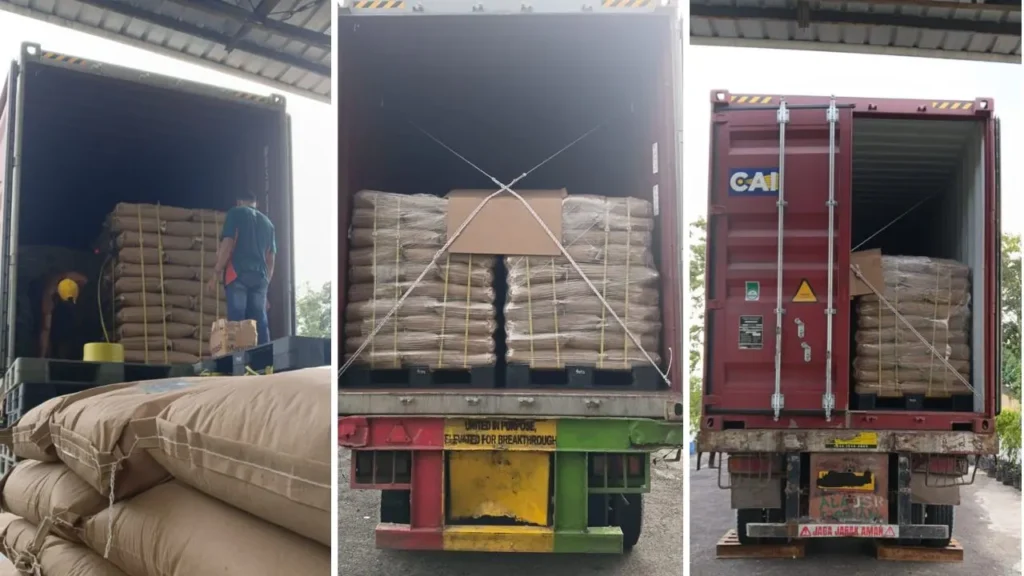
Global Coco Sugar has successfully delivered multiple containers of certified coconut products — including organic and conventional coconut sugar — to buyers in the United States and Europe.
This shipment marks a significant milestone in GCS's ongoing global expansion, confirming our position as a reliable, certified supplier capable of meeting the most demanding food safety and regulatory requirements in the world's most scrutinized import markets.
A Milestone in Our Global Export Journey

The United States and Europe represent two of the most important and challenging markets for any food ingredient supplier.
Both require strict compliance across food safety certification, organic documentation, product traceability, and supply chain sustainability.
Successfully delivering to buyers in both regions simultaneously is not simply a commercial achievement — it is a validation of the systems, certifications, and operational discipline that GCS has built over the years.
The European market in particular requires BRCGS Food Safety Grade A certification alongside EU Organic compliance — two of the most demanding standards in the global food ingredient industry.
Our article on exporting coconut sugar to Europe details the full regulatory landscape that GCS must navigate for every EU shipment. Every container in this shipment was accompanied by a full documentation package —
Certificate of Analysis from an ISO 17025-accredited laboratory, Organic Transaction Certificate per lot, phytosanitary certificate, and Certificate of Origin. Our complete certifications and company profile are publicly verifiable by any buyer.
Mr. Arsyi Kurniawan, Chief Executive Officer: "A Validation of Our Global Standards"
Mr. Arsyi Kurniawan, Chief Executive Officer of Global Coco Sugar, emphasized the strategic significance of this achievement in the context of GCS's long-term growth trajectory.
| “Exporting to the USA and Europe is the strongest validation of our quality and compliance standards. Both markets have extremely strict regulations — covering food safety, traceability, and sustainability. When our products are accepted there, it demonstrates that our quality has reached a genuinely global standard.” — Arsyi Kurniawan, Chief Executive Officer, Global Coco Sugar |
Mr. Arsyi also highlighted why the US and European markets are a strategic priority for GCS above other regions:
| “There are a few key reasons we prioritize these markets. First, health awareness in both the USA and Europe is significantly higher — consumers are actively seeking alternative sweeteners and low-processing foods. Coconut sugar fits perfectly into that demand. Second, purchasing power in these markets is high enough to properly value a premium natural product. And third — perhaps most importantly — meeting the food safety standards of the US and Europe is our proof of concept. If we can supply to these markets, we can supply to any market in the world.” — Arsyi Kurniawan, Chief Executive Officer, Global Coco Sugar |
Mr. Rifqi Hermawan, Chief Logistics Officer: "Executing with Precision in a Challenging Environment"
Mr. Rifqi Hermawan, Chief Logistics Officer, spoke candidly about the logistics challenges involved in executing this multi-container shipment to two of the world's most demanding destination markets.
| “Shipping to the USA and Europe came with its own set of challenges. Vessel schedules changed frequently, feeder vessel slots were often suddenly full, and freight rates were rising due to the ongoing geopolitical tensions in the Middle East. But we adapted. Our team worked through each constraint, and every container was delivered on schedule with complete documentation.” — Rifqi Hermawan, Chief Logistics Officer, Global Coco Sugar |
On ensuring product quality from factory to final destination, Mr. Rifqi outlined GCS's approach:
| “Quality consistency starts with the right container. Every container we book must meet food-grade standards — no exceptions. Beyond that, we work closely with each buyer to customize packaging to their exact requirements. And for buyers who need it, we can provide a full range of FTA documentation to support their import process and duty preference eligibility.” — Rifqi Hermawan, Chief Logistics Officer, Global Coco Sugar |
What We Shipped: Certified Coconut Products for Demanding Markets
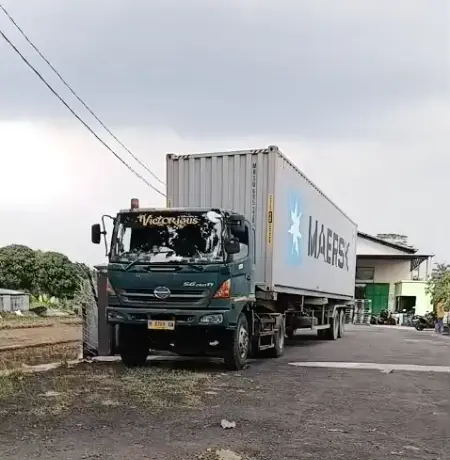
Every container in this shipment carried coconut products certified to the standards that US and European buyers require. GCS holds BRCGS Food Safety Grade A certification — one of the most widely recognized food safety standards under the Global Food Safety Initiative (GFSI) — alongside USDA Organic, EU Organic, Halal MUI, Kosher, and JAS certification.
Each shipment was accompanied by a complete documentation package: Certificate of Analysis (COA) from an ISO 17025-accredited laboratory, Organic Transaction Certificate (TC) per production lot, phytosanitary certificate from the Indonesian Ministry of Agriculture, and Certificate of Origin for trade preference eligibility.
Looking Ahead: Building Long-Term Supply Partnerships
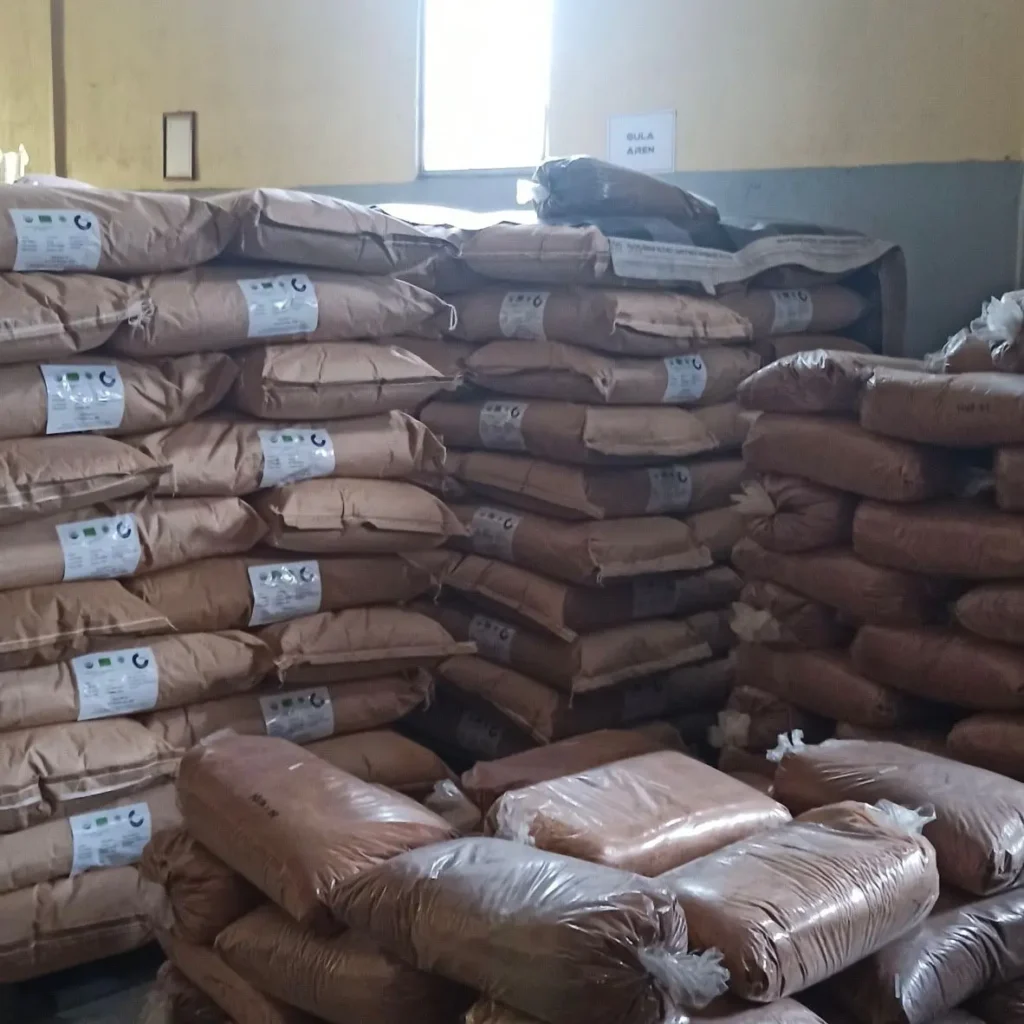
This shipment is not an endpoint — it is the beginning of a deeper commitment to the US and European markets.
As Mr. Arsyi noted, GCS is evolving beyond being a coconut sugar producer into a full-service supplier of high-quality coconut derivative products, with a scalable supply chain built for long-term partnerships in the downstream food industry.
For buyers interested in sourcing certified coconut products from Indonesia, our team is ready to discuss specifications, pricing, and documentation requirements. Contact our export team to begin the conversation.
| Interested in becoming a GCS supply chain partner? Global Coco Sugar supplies certified organic and conventional coconut sugar, desiccated coconut, coconut nectar syrup, and virgin coconut oil to buyers in the USA, Europe, Australia, the Middle East, and Japan. BRCGS Grade A certified. Full documentation support including Organic TC, COA, phytosanitary certificate, and FTA documentation. Contact Our Export Team >>> View Our Certified Coconut Product Range >>> |


