Desiccated coconut is a popular ingredient in baking, cooking, and confectionery. Its sweet, nutty flavor and chewy texture make it a versatile addition to many recipes. However, like any dried food product, desiccated coconut can be vulnerable to fungal contamination and mold growth, which not only affects its quality but can also pose serious health risks.
In this article, we will explore the causes of fungal growth in desiccated coconut, how to spot signs of spoilage, and most importantly, how to prevent contamination to ensure the safety and quality of this beloved ingredient.
What Is Desiccated Coconut?
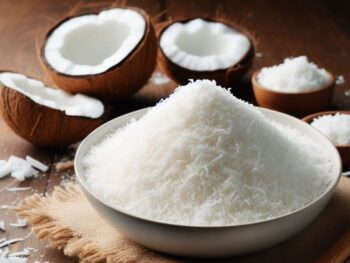
Desiccated coconut is fresh coconut meat that has been shredded or flaked and then dried to remove most of its moisture content. This drying process helps extend the shelf life by reducing water activity—a key factor in microbial growth. Despite this, if not properly processed or stored, desiccated coconut can still become contaminated with fungi and molds.
Why Is Fungi and Mold Growth a Concern?
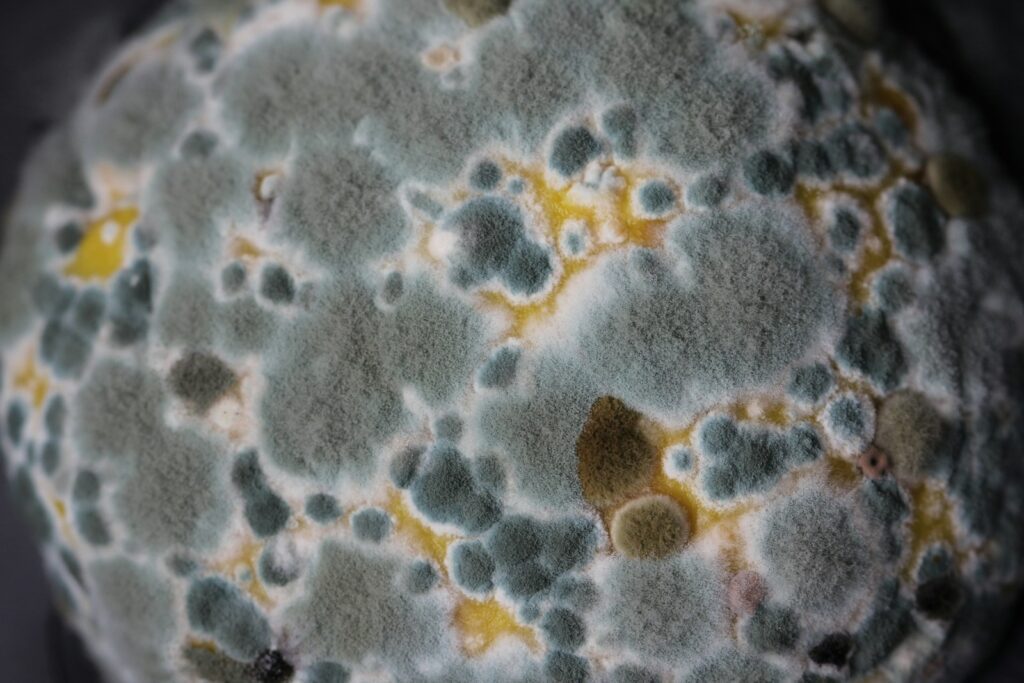
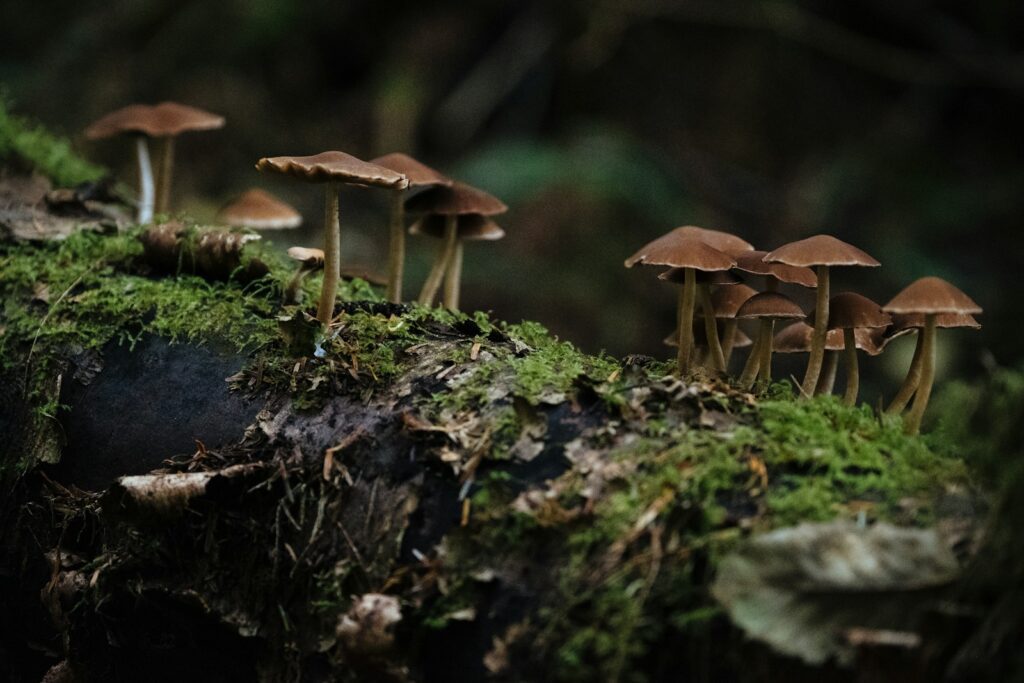
Fungi and molds are types of microorganisms that thrive in environments with moisture, warmth, and organic material to feed on. While drying reduces the risk, some molds are particularly resilient and can survive in low-moisture foods, including desiccated coconut.
Health Risks
Certain molds produce mycotoxins—harmful chemical compounds that can cause a range of health problems, from allergic reactions and respiratory issues to serious toxicity and cancer risk with prolonged exposure. Aspergillus species, for example, can produce aflatoxins, among the most potent naturally occurring carcinogens.
Quality and Flavor
Mold contamination degrades the flavor, texture, and appearance of desiccated coconut. Spoiled coconut develops off-odors, discoloration, and a bitter or musty taste, making it unsuitable for consumption or cooking.
How Does Fungal Contamination Occur in Desiccated Coconut?
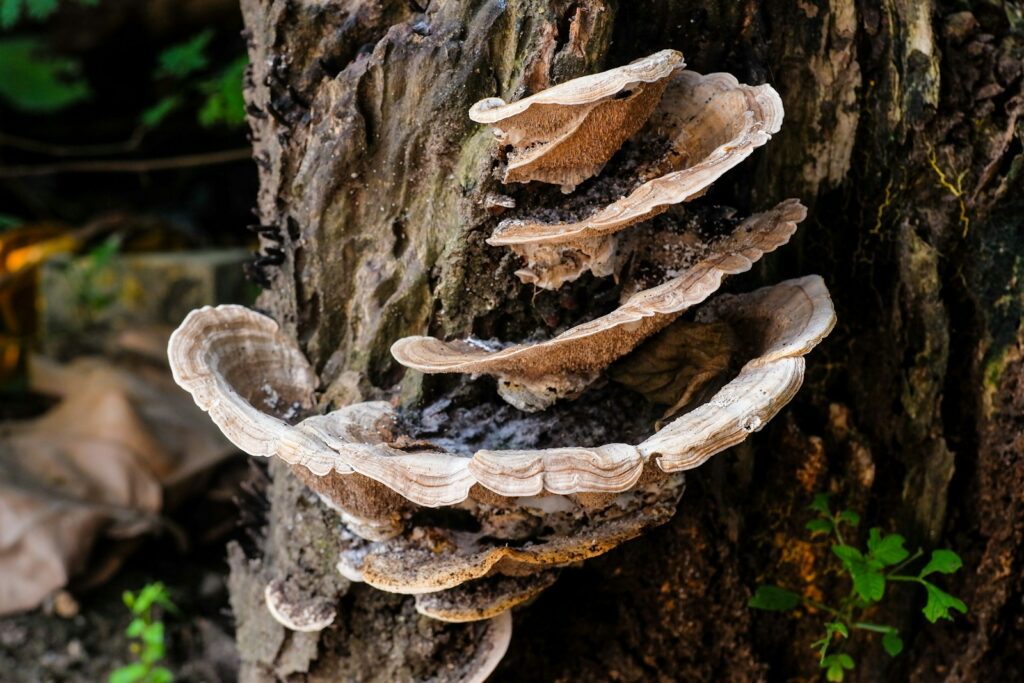
1. Moisture Content and Water Activity
Properly dried desiccated coconut should have a moisture content below 3%, which inhibits mold growth. However, if drying is incomplete or moisture is reintroduced during storage or transport, the product becomes susceptible to fungal contamination.
2. Improper Storage Conditions
Exposure to humidity, fluctuating temperatures, and poor packaging can cause desiccated coconut to absorb moisture from the air, promoting mold growth. Storing the product in warm, humid environments is a common cause of spoilage.
3. Cross-Contamination
Molds can also be introduced during processing if equipment is not adequately cleaned or if there’s contact with contaminated raw materials.
4. Extended Shelf Life Without Proper Preservation
Even though desiccated coconut is dried, it is still an organic product that can degrade over time. If stored beyond its shelf life or without appropriate conditions, it may spoil.
How to Spot Mold or Fungal Spoilage in Desiccated Coconut
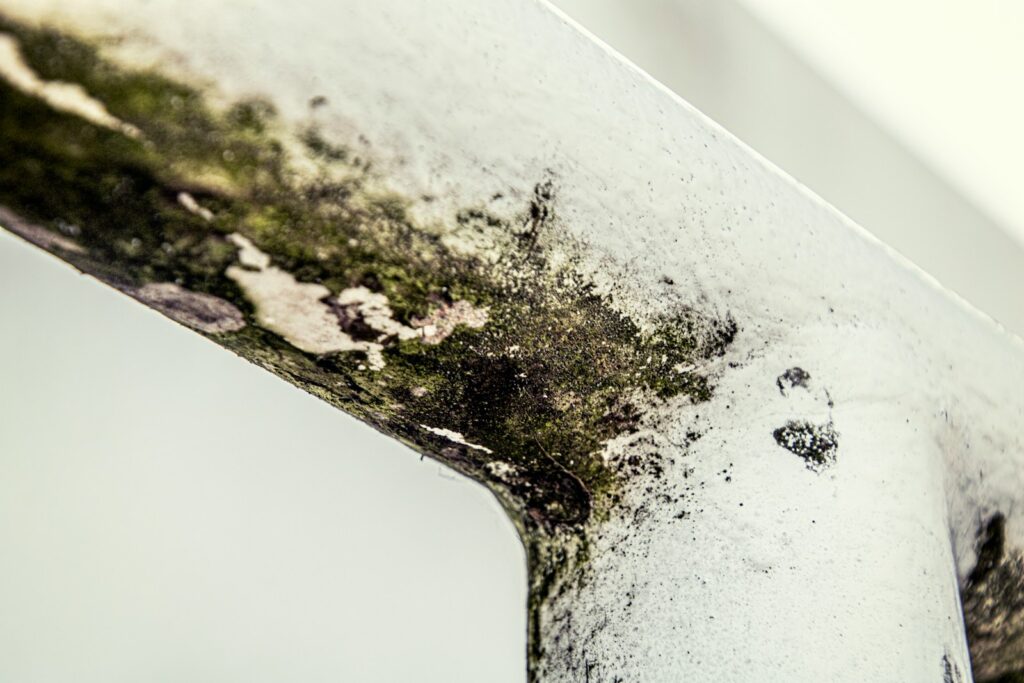
Knowing how to identify signs of spoilage is essential to avoid consuming contaminated products.
1. Visual Signs
- Discoloration: Healthy desiccated coconut should be creamy white. Mold contamination often shows as green, black, blue, or gray spots.
- Clumping: Mold growth can cause flakes to stick together in clumps.
- Powdery or Fuzzy Growth: The presence of powdery, fuzzy, or slimy patches is a clear indication of fungal growth.
2. Odor Changes
Fresh desiccated coconut has a mild, sweet aroma. Spoiled coconut may emit sour, musty, or “earthy” odors characteristic of mold.
3. Taste and Texture
If the product tastes bitter, sour, or off in any way, or if it feels unusually damp or sticky, it may be spoiled.
Prevention of Fungal Spoilage and Contamination
Proper handling, storage, and hygiene practices are the best ways to prevent fungal contamination of desiccated coconut.
1. Ensure Proper Drying During Processing
- Use industrial drying equipment or sun-dry the coconut thoroughly until moisture content is below 3%.
- Test moisture content regularly to ensure drying effectiveness.
- Avoid overheating, which can degrade flavor and nutritional quality.
2. Maintain Cleanliness in Processing Facilities
- Sanitize equipment and storage areas frequently to prevent cross-contamination.
- Train staff in good hygiene and safe handling practices.
- Use air filtration or dehumidifiers in production areas to control ambient humidity.
3. Use Appropriate Packaging
- Package desiccated coconut in moisture-resistant, airtight containers.
- Vacuum-sealing or nitrogen flushing can extend shelf life by limiting oxygen exposure, which molds require for growth.
- Avoid packaging materials that absorb moisture or allow water vapor transmission.
4. Store in Cool, Dry Conditions
- Ideal storage temperatures are between 10–15°C (50–59°F) with low relative humidity (under 60%).
- Avoid exposure to direct sunlight, heat sources, or damp environments.
- Use desiccants (like silica gel packets) in packaging to absorb excess moisture.
5. Rotate Stock and Monitor Shelf Life
- Use a first-in, first-out (FIFO) system to minimize the time desiccated coconut sits in storage.
- Label products with production and expiration dates.
- Inspect inventory regularly for signs of spoilage.
6. Consumer Handling Tips
- Once opened, transfer desiccated coconut to airtight containers.
- Refrigerate or freeze for longer storage, especially in humid climates.
- Avoid using damp or dirty utensils to scoop the product.
What To Do If You Suspect Mold Contamination
If you spot any signs of mold or spoilage in desiccated coconut, it is safest to discard the product immediately. Do not attempt to scrape off moldy sections, as molds can penetrate deeper than the visible surface, and mycotoxins can be present even without visible mold.
Consumption of moldy food can cause allergic reactions, gastrointestinal upset, and in some cases, more severe health problems. When in doubt, err on the side of caution.
Regulatory Standards and Testing
Food safety authorities around the world have established limits for fungal contamination and mycotoxin levels in dried foods, including desiccated coconut. Manufacturers should adhere to these standards by:
- Conducting routine microbial testing on raw materials and finished products.
- Implementing Hazard Analysis and Critical Control Points (HACCP) in production.
- Complying with local and international food safety regulations.
Consumers can look for products certified by reputable food safety organizations to reduce the risk of contamination.
Conclusion
Desiccated coconut is a valuable and versatile ingredient, but like all dried food products, it is vulnerable to fungal contamination and mold spoilage if not properly handled. Understanding how to spot signs of spoilage, coupled with good processing, packaging, and storage practices, is key to maintaining product quality and safety.
Producers must ensure thorough drying and clean environments, while consumers should store desiccated coconut in cool, dry places and use it within recommended timeframes. By following these guidelines, the risk of fungi and mold contamination can be minimized, keeping desiccated coconut safe and delicious for your favorite recipes.