
In the wellness community, natural sweeteners have gained significant attention as alternatives to refined sugar. Among them, natural coconut sugar has become a popular choice for those seeking a less processed, more nutrient-rich sweetener. While it is often praised for its lower glycemic index and minimal refining, another question is emerging: Could coconut sugar also play a role in supporting gut health? This article explores the composition of coconut sugar, its potential effects on digestion, and what science says about its link to gut health.
What is Natural Coconut Sugar?
Natural coconut sugar is made from the sap of the coconut palm tree’s flower buds. Farmers tap the flowers to collect sap, which is then gently heated until the water evaporates, leaving golden-brown crystals. Unlike refined sugar, it undergoes minimal processing and retains small amounts of vitamins, minerals, and plant compounds.
Coconut sugar’s main components are:
- Sucrose (70–80%)
- Glucose and fructose (the remainder)
- Trace minerals: iron, zinc, calcium, potassium
- Inulin – a type of dietary fiber with prebiotic properties
The Role of the Gut Microbiome

The gut is home to trillions of microorganisms, collectively called the gut microbiome, which play a critical role in digestion, nutrient absorption, immune function, and even mood regulation. A healthy microbiome typically has a balance of beneficial bacteria that thrive on dietary fiber and plant-based compounds.
Prebiotics—compounds that feed beneficial gut bacteria—are an important part of maintaining gut health. One of the interesting aspects of coconut sugar is that it contains inulin, a natural prebiotic fiber.
Inulin in Coconut Sugar
Inulin is a type of soluble fiber found in various plants, including chicory root, garlic, and onions. It is non-digestible by humans, meaning it passes through the upper digestive tract intact until it reaches the colon, where beneficial bacteria ferment it.
The fermentation process produces short-chain fatty acids (SCFAs) like butyrate, propionate, and acetate, which:
- Support colon health
- Reduce inflammation
- Improve gut barrier function
- Potentially regulate blood sugar
While coconut sugar is not a high-fiber food, the presence of small amounts of inulin could offer a modest benefit for the microbiome.
Potential Gut Health Benefits of Coconut Sugar

- Milder Impact on Blood Sugar
- Coconut sugar has a lower glycemic index (around 35) than refined sugar, which may help avoid rapid spikes and crashes in blood glucose. Stable blood sugar indirectly supports gut health by reducing inflammation and stress on the digestive system.
- Trace Minerals for Enzyme Support
- Minerals like zinc and iron are important for digestive enzyme production and immune function, which influence the gut’s resilience.
- Prebiotic Effect from Inulin
- Even in small amounts, inulin feeds beneficial bacteria such as Bifidobacteria and Lactobacilli, which can outcompete harmful microbes.
Limitations and Considerations
While coconut sugar contains beneficial compounds, it is still sugar and should be consumed in moderation. Overconsumption of any sugar—natural or refined—can disrupt the microbiome by promoting the growth of less favorable bacteria and yeast.
Limitations include:
- Low fiber content compared to dedicated prebiotic foods (like onions, garlic, or asparagus)
- Caloric density similar to table sugar (about 15–16 calories per teaspoon)
- Limited scientific studies specifically linking coconut sugar to gut health
How to Use Coconut Sugar for Gut-Friendly Eating
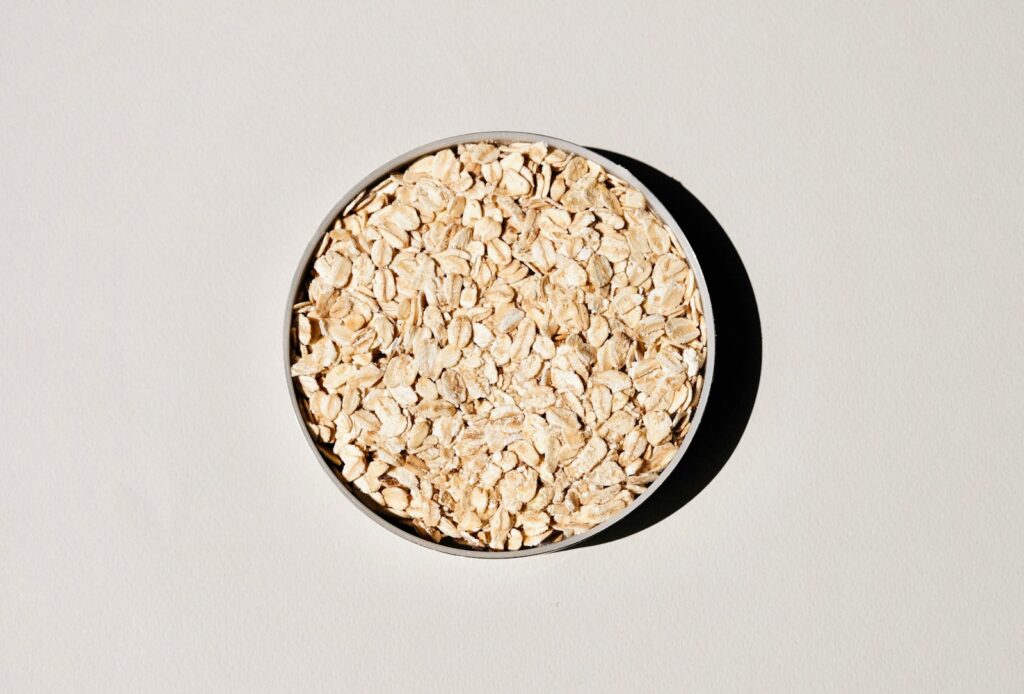
If you want to incorporate coconut sugar into your diet with gut health in mind:
- Pair with High-Fiber Foods
- Use it in recipes that already include fruits, oats, nuts, or whole grains to boost fiber intake.
- Replace Refined Sugar Gradually
- Substitute coconut sugar for white or brown sugar in baking and beverages without increasing total sugar consumption.
- Balance with Probiotics and Prebiotics
- Maintain a diverse diet with yogurt, kefir, fermented vegetables, legumes, and other prebiotic-rich foods.
- Mind Portion Sizes
- Limit intake to 1–2 teaspoons per serving when sweetening drinks or desserts.
The Science Gap
Research on coconut sugar’s direct effect on gut health is still emerging. While studies on inulin and prebiotics are well-established, there is little clinical evidence specifically studying coconut sugar’s microbiome benefits. Most of the proposed gut-friendly effects are inferred from its inulin content and low glycemic index.
Future studies could focus on:
- Comparing gut bacterial diversity in coconut sugar vs. refined sugar consumers
- Measuring SCFA production after coconut sugar intake
- Long-term impacts on digestion and immune function
Sustainability Aspect
An interesting side benefit is that coconut sugar production is environmentally friendly. Coconut palms produce sap year-round without needing to be replanted, and their cultivation supports sustainable farming in many tropical regions. Sustainable farming practices often preserve biodiversity, which indirectly supports healthier ecosystems—including soil microbiomes.
Conclusion
Natural coconut sugar offers a slightly healthier alternative to refined sugar, thanks to its trace minerals, lower glycemic index, and small amounts of prebiotic inulin. While it is not a gut health superfood, it can be a better choice for those looking to reduce refined sugar intake without sacrificing sweetness.
However, moderation is key. Coconut sugar should be part of a broader gut-friendly diet rich in fiber, probiotics, and plant-based foods. More scientific research is needed to confirm its direct benefits for the microbiome, but early signs suggest it could play a small supportive role in digestive wellness.