Tag: coconut tree

  • Top 10 Coconut Derivative Products for Global Industrial Markets

    Top 10 Coconut Derivative Products for Global Industrial Markets

    Coconut Tree and Their Coconut Derivative Products

    The global coconut derivatives market has witnessed exponential growth, driven by the surging demand for clean-label, organic, and sustainable ingredients in the food, beverage, pharmaceutical, and cosmetic industries. Often referred to as the “Tree of Life,” the coconut tree (Cocos nucifera) yields various highly commercialized sub-products.

    For US procurement managers and global distributors, understanding the commercial landscape of these coconut derivative products is key to building a resilient and sustainable supply chain. Below, we explore the top 10 coconut derivative products driving the international B2B market today.

    1. Coconut Fruit

    green coconut fruits

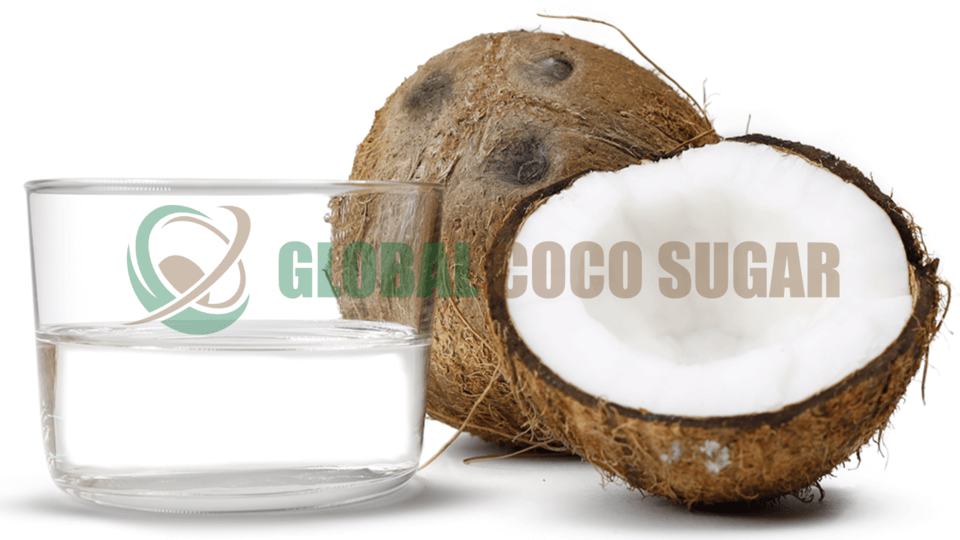
    The most well-known product of the coconut tree is, of course, the coconut fruit itself. The coconut’s water is not only a refreshing beverage but also a source of electrolytes, making it a natural alternative to commercial sports drinks. The white, fleshy meat of the coconut is used in numerous culinary applications, from savory dishes to desserts, providing a rich source of healthy fats, fiber, and essential nutrients.

    In the B2B sector, bulk coconut water and concentrated coconut meat are heavily sourced by international beverage brands and functional food manufacturers as base ingredients for health-focused consumer products.

    2. Organic Coconut Oil and Organic Extra Virgin Coconut Oil
    virgin coconut oil is good, virgin coconut oil for skin, virgin coconut oil for hair, organic extra virgin coconut oil supplier

    Extracted from the fresh or dried kernel of the coconut, organic extra virgin coconut oil (EVCO) is a high-demand commodity in Western markets. Its high smoke point makes it a premium cooking oil, while its rich lauric acid content makes it a staple ingredient for global cosmetics, skincare, and hair care formulations.

    As a certified bulk coconut oil supplier, we ensure our oil meets the rigorous quality standards required for cosmetic and pharmaceutical applications.

    3. Coconut Milk Coconut Cream

    coconut milk coconut cream supplier, coconut derivative products supplier

    Coconut milk coconut cream are derived from the grated flesh of the coconut, it is essential ingredients in many cuisines around the world. Rich and creamy, they add depth and flavor to both sweet and savory dishes. Additionally, coconut milk is a lactose-free alternative for those with dairy allergies, and its medium-chain triglycerides (MCTs) may offer various health benefits, including potential weight management support.

    Industrial-grade coconut milk powder and coconut cream are essential raw materials for the global vegan and dairy-free food sectors, widely used in commercial bakeries, packaged curries, and plant-based beverage manufacturing.

    4. Coconut Blossom Sugar
    coconut blossom sugar, coconut derivative products supplier

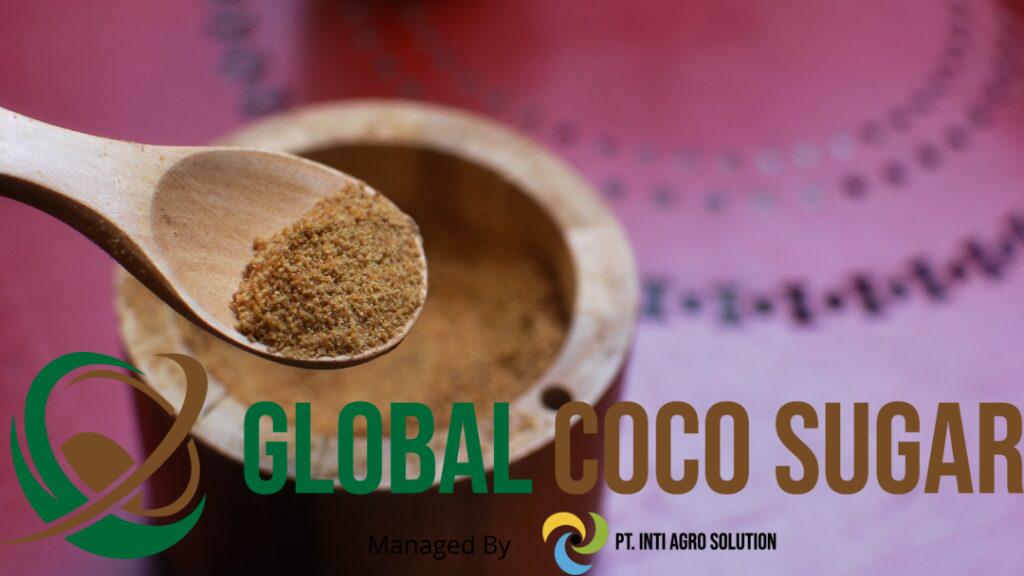
    Also known as coconut palm sugar, this natural sweetener is the flagship product of modern sustainable agriculture. Boasting a remarkably low glycemic index and rich mineral profiles (potassium and iron), organic coconut sugar has become the primary sugar substitute for international healthy-food brands. Global Coco Sugar (GCS) specializes in supplying high-capacity, granular coconut sugar tailored for industrial baking and large-scale food production.

    5. Unsweetened Desiccated Coconut / Coconut Flour

    unsweetened desiccated coconut, coconut derivative products supplier

    Unsweetened desiccated coconut and high-fiber coconut flour are major byproducts that have carved a massive niche in the gluten-free market. They serve as excellent bulking and thickening agents for commercial confectionery, granola bars, and healthy snack manufacturing worldwide.

    Looking for a Verified Coconut Derivatives Supplier?
    Navigating the global supply chain requires a partner who understands international trade, quality compliance, and strict delivery timelines. Global Coco Sugar is an established Indonesian manufacturer exporting premium coconut sugar, coconut oil, and other derivatives worldwide.

    Our B2B Advantages:
    – 100% Certified Organic (USDA Organic, EU Organic)
    – Fully Compliant with Halal & Kosher Standards
    – Flexible MOQ & Custom Packaging for Industrial Requirements

    Contact Our Export Desk & Request Commercial Samples

    6. Coconut Coir Fiber

    The fibrous husk of the coconut yields strong, highly resilient natural fibers known as coir. In the global B2B sector, coconut coir is not just for simple mats; it is a heavily traded commodity used in large-scale manufacturing of geo-textiles for soil erosion control, eco-friendly upholstery fillings for the automotive industry, and heavy-duty maritime ropes. Its natural resistance to saltwater makes it an irreplaceable material in global marine logistics.

    7. Coconut Shell

    The hard, woody shell of the coconut serves critical roles in heavy industry. Beyond traditional utensils, coconut shells are crushed and processed at high temperatures to produce Activated Carbon. This highly porous material is the gold standard for global industrial water purification, air filtration systems, and gold recovery processes.

    Additionally, coconut shell charcoal is widely sourced by energy sectors as a high-calorie, eco-friendly biomass fuel.

    8. Coconut Wood

    Derived from senile coconut palms that no longer produce fruit, coconut wood (or coco-timber) is gaining massive traction as a sustainable alternative to hardwood. With proper treatment, its density and unique grain structure make it ideal for commercial construction, eco-resort flooring, and premium furniture manufacturing. For international buyers, sourcing certified coconut wood helps comply with strict green building regulations and deforestation-free supply chains.

    9. Palm Fronds

    In tropical agricultural management, the massive leaves or fronds of the coconut tree are managed as a high-volume biomass resource. While traditionally woven into thatch roofs for natural insulation in tropical eco-tourism real estate, modern agro-industries are increasingly processing these fronds into organic mulch, bio-fertilizers, and sustainable packaging materials to minimize waste in the agricultural supply chain.

    10. Coconut Husk Chips

    When the outer coconut husk is chopped into small, uniform pieces, it creates coconut husk chips. This product is a powerhouse in the global commercial horticulture and hydroponics industries. Due to their exceptional moisture retention, excellent aeration properties, and high resistance to fungal decay, bulk coconut husk chips are exported by the ton to North American and European agricultural sectors as a premium growing medium for commercial crops and orchids.

    Benefits of Coconut Derivative Products

    a. Nutritional Riches: Many coconut-derived products, such as coconut water, coconut meat, and coconut oil, are rich in essential nutrients. These include electrolytes, healthy fats, vitamins, and minerals, contributing to overall health and well-being.

    b. Sustainable Construction: Coconut wood and palm fronds offer sustainable alternatives in construction. The durability of coconut wood and the insulating properties of palm frond thatch contribute to eco-friendly building practices.

    c. Economic Livelihoods: The cultivation and processing of coconut products provide livelihoods for millions of people worldwide. From small-scale farmers to those working in coconut processing industries, the coconut tree supports diverse economies.

    d. Environmental Benefits: Coconut trees contribute to environmental conservation by preventing soil erosion with their extensive root systems. Additionally, the use of coconut-based products often promotes sustainable and eco-friendly practices.

    e. Diverse Applications: The versatility of coconut tree products spans various industries, from food and cosmetics to construction and agriculture. This diversity enhances the resilience of communities that depend on the coconut tree for their livelihoods.

    Global Coco Sugar: Your Trusted B2B Coconut Derivatives Partner in Indonesia

    Global Coco Sugar coconut derivative products supplier from Indonesia

    Fulfilling the demand for organic, high-purity coconut products requires an experienced manufacturer with a transparent supply chain. Global Coco Sugar stands at the forefront of Indonesian exporters, delivering uncompromised quality from sustainably managed local plantations directly to your manufacturing facility.

    Whether you need high-volume organic coconut sugar, premium extra virgin coconut oil, or custom industrial coconut ingredients, our team is equipped to handle complex logistics, customs documentation, and rigorous quality controls for US, European, and Asian markets.

    Streamline your ingredient sourcing today. Inquire Now to Speak with Our B2B Sales Specialists.

    Conclusion

    The coconut tree’s contribution to human life is truly remarkable, offering a vast array of products that extend far beyond culinary applications. From the nutritious coconut fruit to the versatile coconut oil, and the sustainable building materials derived from the tree, each product has its unique set of benefits. The coconut tree’s versatility, sustainability, and cultural significance underscore its rightful place as a vital resource in the lives of communities around the world. As we continue to explore sustainable and holistic approaches to living, the coconut tree stands as a shining example of nature’s generosity.
  • Unsweetened Desiccated Coconut vs Coconut Flour Which Best?

    Unsweetened Desiccated Coconut vs Coconut Flour Which Best?

    unsweetened desiccated coconut Global Coco Sugar

    Unsweetened Desiccated Coconut For Baking

    Walk down the baking aisle of your grocery store and you’ll likely spot both desiccated coconut and coconut flour. At first glance they may seem quite similar – after all, they both come from coconuts! But there are some key differences between the two that impact how they’re used in cooking and baking.

    Let’s break down what exactly desiccated coconut and coconut flour are, how they differ from each other, when to use each one, and if they can be substituted for one another in recipes.

    What is Unsweetened Desiccated Coconut?

    unsweetened desiccated coconut Global Coco Sugar

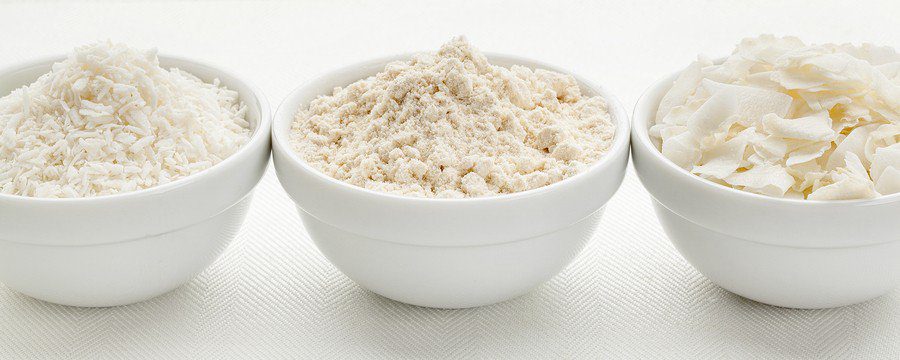
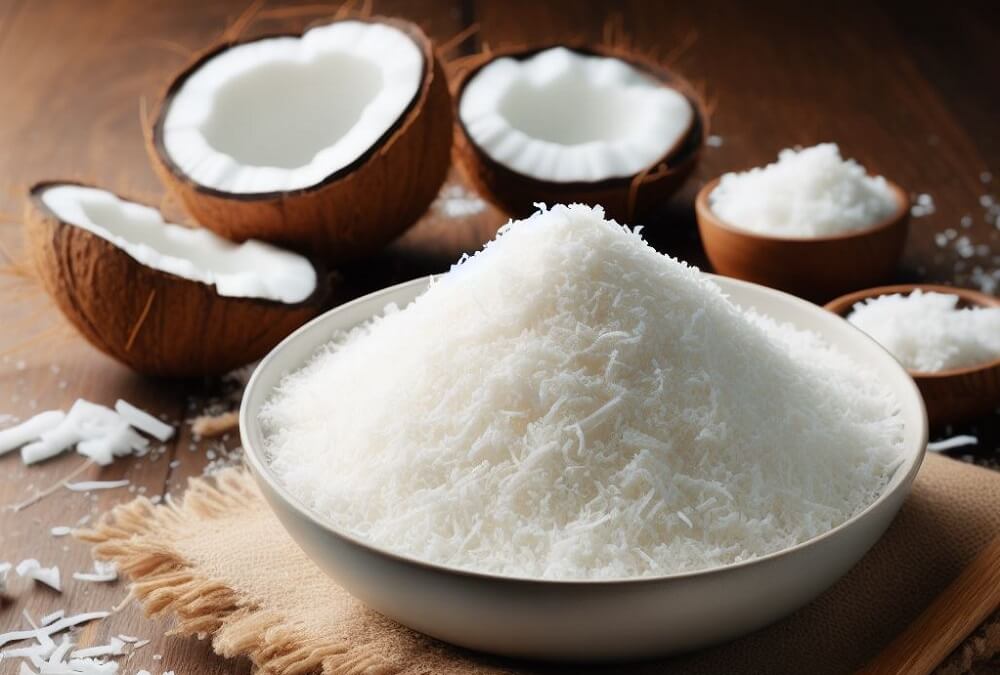
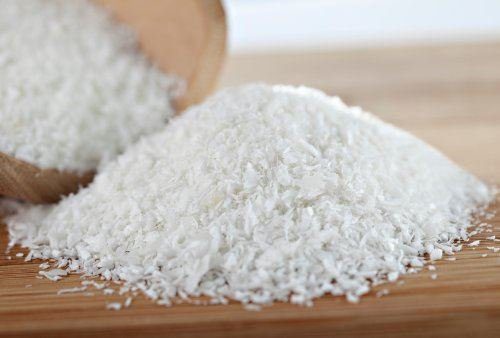
    Desiccated coconut, sometimes called unsweetened shredded coconut, is made from the white part of mature coconuts that have been dried and shredded. The drying process removes most of the moisture, resulting in coconut shreds that have a dry, crisp texture.

    Desiccated coconut has a sweet, nutty coconut flavor that can enhance both sweet and savory dishes. It also adds texture – the shreds provide a nice chew in baked goods like cookies, granola and quick breads.

    You’ll find desiccated coconut sold in bags near other baking ingredients and sometimes in the health food section as well. When stored properly in an airtight container in a cool, dry place, it will keep for up to 18 months.

    What is Coconut Flour?

    unsweetened desiccated coconut Global Coco Sugar

    Coconut flour is made from coconut meat that has been dried and ground into a very fine powder. It has a grainy, flour-like texture and works well in place of traditional flours like wheat or all-purpose flour.

    To make coconut flour, the coconut meat is first dried and defatted. Then the dry coconut solids are finely ground. This creates a flour that is high in fiber and low in digestible carbs.

    Coconut flour has a mild coconut flavor that works well in both sweet baked goods and savory dishes. Due to its high fiber content, it’s often used by those following low-carb, ketogenic or paleo diets. It’s usually found in the baking or health food aisle.

    Key Differences Between Desiccated Coconut and Coconut Flour

    unsweetened desiccated coconut Global Coco Sugar

    While both originate from coconuts, there are some important ways that desiccated coconut and coconut flour differ:

    • Texture: Desiccated coconut has a crisp, shredded texture while coconut flour has a very fine, powdery flour texture.
    • Moisture content: Desiccated coconut contains about 3% moisture while coconut flour contains only 2-4% moisture.
    • Fat content: Coconut flour has most of the fat removed during processing, while desiccated coconut contains over 30% fat.
    • Fiber content: Coconut flour is much higher in fiber (over 60% fiber) compared to only about 5% fiber in desiccated coconut.
    • Carb content: Per gram, desiccated coconut contains about 15 times more net carbs than coconut flour.
    • Coconut flavor: Desiccated coconut has a stronger coconut flavor compared to the more mild flavor of coconut flour.
    • Uses: Desiccated coconut is used primarily for texture, topping baked goods, making granola, etc. Coconut flour is used for baking to replace wheat/grain flours.

    Desiccated Coconut Baking Tips

    unsweetened desiccated coconut Global Coco Sugar

    Here are some of the most popular ways to use desiccated coconut baking:

    • Topping baked goods like muffins, scones, cookies or quick breads. The shredded coconut adds both flavor and texture.
    • Mixing into granola or trail mixes to add coconut flavor and nutrients.
    • Adding to curries, stir fries and savory dishes to complement the other flavors.
    • Folding into whipped cream to create an easy coconut whipped cream topping.
    • Adding to smoothies or yogurt along with other mix-ins.
    • Mixing with chocolate, peanut butter, nuts or dried fruit to create homemade coconut clusters.
    • Using as part of the filling in homemade candies or truffles.

    Anywhere you want a touch of coconut flavor and a shredded, chewy texture – desiccated coconut is the choice over coconut flour.

    Coconut Flour Baking Tips

    Coconut flour has some unique properties that make it a good choice for certain recipes:

    • Gluten-free baking – The high fiber and low carb content of coconut flour make it a popular choice for gluten-free baking. It can replace wheat flour in recipes for breads, muffins, cakes, cookies and more.
    • Paleo baking – Coconut flour works well in paleo recipes since it’s grain-free, low carb and high in nutrients.
    • High protein baking – With about 20% protein content per gram, using coconut flour boosts the nutrition in baked goods.
    • Low-carb/keto diets – Coconut flour has just 6 grams net carbs per 1/4 cup serving, making it perfect for low carb diets.
    • Thickening sauces & stews – The absorbent nature of coconut flour helps thicken and add nutrition to sauces and stews.
    • Dairy-free recipes – In dairy-free baking, coconut flour can help replace texture and moisture.

    Coconut flour is best used in recipes specifically developed to use its unique binding and moisture absorbing properties. Replacing wheat flour with coconut flour in any recipe usually doesn’t work.

    Can They Be Substituted for Each Other?

    When it comes to swapping one for the other in recipes, there are a few things to keep in mind:

    • Using coconut flour in place of desiccated coconut almost never works. The moisture absorbing properties of coconut flour result in dry, crumbly textures.
    • Replacing desiccated coconut with coconut flour requires additional wet ingredients and binding agents. Start by substituting 1/4 the amount of coconut flour for desiccated coconut.
    • Coconut flour cannot simply be substituted for wheat flour in recipes. The proportions must be adjusted, usually starting with 1/4 to 1/3 the amount of coconut flour.
    • Desiccated coconut adds moisture to recipes, while coconut flour soaks up moisture. This makes substitution tricky.
    • In some cases, like using coconut flour to coat shrimp or fish before frying, the two can be swapped evenly. But texture and moisture levels will differ.

    The bottom line is that while desiccated coconut and coconut flour both originate from coconuts, their differences mean they cannot be used interchangeably in most recipes. For best results, stick to the specific ingredient the recipe calls for.

    However, in a pinch, subbing a small amount of coconut flour for desiccated coconut can work, though the texture may be a bit dryer. And substituting some desiccated coconut for coconut flour will add moisture to a recipe, though absorptive properties will be reduced. Just be prepared to experiment and adjust recipes as needed.

    When it comes to cooking and baking with coconuts, be sure you know whether a recipe needs the crispiness of desiccated coconut or the absorbent qualities of coconut flour. They each serve different purposes and shine in different dishes!

    #1 Reliable Desiccated Coconut Manufacturers From Indonesia

    global coco sugar, coconut sugar manufacturer from Indonesia, coconut milk manufacturer, desiccated coconut supplier from Indonesia

    Discover the delicious flavor and versatility of desiccated coconut from Coconut Dreams. As a leading desiccated coconut manufacturers from Indonesia, we use only the finest coconuts to produce a top-quality product packed with flavor.

    Our coconut is carefully processed to remove moisture while retaining the signature coconut taste, resulting in a crispy, snowy white coconut perfect for baking, confections, cereals, trail mixes, and more.

    Coconut Dreams desiccated coconut comes in shreds, flakes, or chips to suit your cooking or snacking needs. Our coconuts are never treated with preservatives, sulfites, or other additives – just pure, natural coconut goodness.

    Bring the tropical essence of coconut to your recipes with Coconut Dreams, the name you can trust for premium desiccated coconut.

    Contact us today to learn more about our products and experience the Coconut Dreams difference!

Secret Link