Tag: essential oil

  • RBD vs Virgin Coconut Oil: 7 Key Differences for Buyers

    RBD vs Virgin Coconut Oil: 7 Key Differences for Buyers

    RBD vs virgin coconut oil is an important comparison for food manufacturers, cosmetic brands, private label buyers, and procurement teams.

    Both oils come from coconut, but they differ in processing, aroma, flavor, color, heat application, product positioning, and sourcing requirements.

    Virgin coconut oil is usually valued for its natural coconut aroma, fresh coconut source, and minimal processing.

    RBD coconut oil, which stands for refined, bleached, and deodorized coconut oil, is usually chosen when buyers need a neutral taste, neutral aroma, and consistent performance in large-scale food or cosmetic production.

    This guide compares RBD coconut oil vs virgin coconut oil so buyers can choose the right option for food, cosmetic, personal care, and private label applications.

    Quick Answer: What Is the Difference Between RBD and Virgin Coconut Oil?

    The main difference between RBD and virgin coconut oil is the processing method.

    Virgin coconut oil is made from fresh coconut meat with minimal refining, so it usually keeps a natural coconut aroma and flavor.

    RBD coconut oil is refined, bleached, and deodorized, so it has a more neutral taste and aroma.

    For food manufacturing, RBD coconut oil is often preferred when a neutral flavor and consistent performance are needed.

    Virgin coconut oil is often preferred for products where natural coconut aroma, minimally processed positioning, or premium formulation matters.

    What Does RBD Coconut Oil Mean?
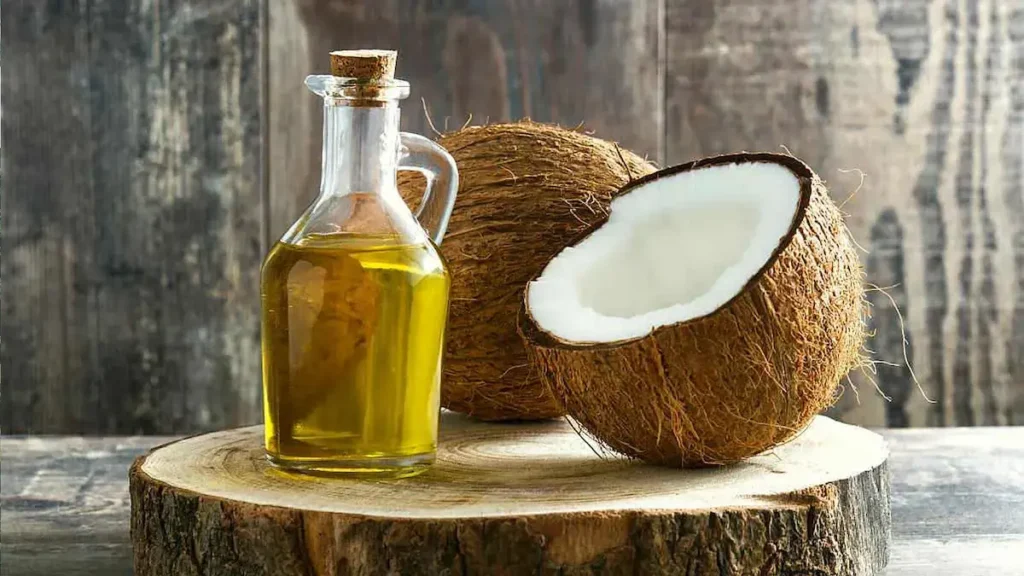
    RBD Coconut Oil

    RBD coconut oil means refined, bleached, and deodorized coconut oil. It is usually made from dried coconut meat called copra, then processed to reduce impurities, color, and strong coconut aroma.

    The result is a coconut oil with a lighter color, neutral smell, neutral taste, and more consistent performance for food manufacturing, bakery, confectionery, frying applications, cosmetics, and personal care products.

    In Indonesian, “RBD coconut oil adalah” minyak kelapa yang melalui proses refining, bleaching, and deodorizing, sehingga aroma dan rasa kelapanya lebih netral dibanding virgin coconut oil.

    What Is Virgin Coconut Oil?
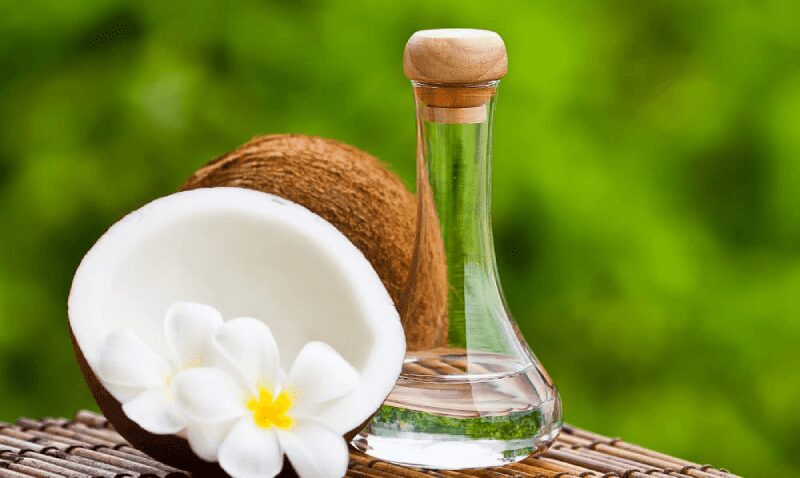
    virgin coconut oil

    Virgin coconut oil, often shortened to VCO, is made from fresh coconut meat. It is commonly produced through cold pressing, wet processing, or other methods designed to preserve the natural coconut aroma and flavor.

    Unlike RBD coconut oil, virgin coconut oil is not deodorized. This makes it more suitable for products where the coconut aroma, ingredient story, and less-refined positioning are part of the value proposition.

    For B2B buyers, the most important checks are not only the product name. Buyers should review the extraction method, color, aroma, free fatty acid level, peroxide value, moisture, packaging, shelf life, certification scope, and COA availability.

    RBD vs Virgin Coconut Oil: Quick Comparison

    FactorVirgin Coconut OilRBD Coconut Oil
    Raw materialFresh coconut meatUsually dried copra
    ProcessingMinimal processing; commonly cold-pressed or wet-processRefined, bleached, and deodorized
    AromaNatural coconut aromaNeutral or very mild aroma
    FlavorCoconut flavorNeutral flavor
    ColorClear to slightly milky depending on temperature and processUsually light and clear
    Heat useBetter for low to medium heat or flavor-focused productsOften preferred for higher-heat and neutral-flavor applications
    Common applicationsPremium food, wellness, cosmetics, personal careFood processing, bakery, confectionery, frying, neutral cosmetic bases
    Buyer checksExtraction method, FFA, peroxide value, aroma, certification, COARefining process, non-hydrogenated status, FFA, peroxide value, packaging, COA

    Note: Exact values for smoke point, fatty acid composition, shelf life, and quality parameters can vary by supplier, refining process, packaging, and final specification. Commercial buyers should confirm details through the supplier specification, COA, and sample approval.

    7 Key Differences Between RBD and Virgin Coconut Oil
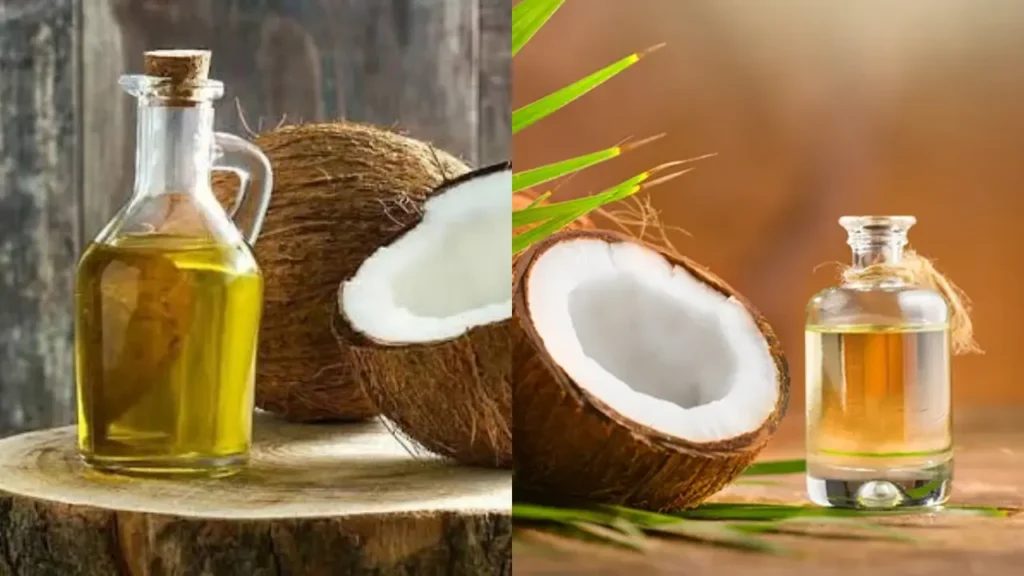
    RBD vs Virgin Coconut Oil

    1. Processing Method

    Virgin coconut oil is made from fresh coconut meat with minimal processing. RBD coconut oil is usually made from copra and goes through refining, bleaching, and deodorizing to create a more neutral oil.

    2. Aroma and Flavor

    Virgin coconut oil usually has a distinct coconut aroma and flavor. RBD coconut oil is designed to have a neutral or very mild aroma and flavor, which makes it easier to use in products where coconut notes are not desired.

    3. Food Manufacturing Applications

    RBD coconut oil is often chosen for bakery, confectionery, snack production, frying applications, coatings, fillings, and processed food formulations that require neutral taste.

    Virgin coconut oil is more suitable when the final product benefits from coconut aroma or premium ingredient positioning.

    4. Cosmetic and Personal Care Applications

    Virgin coconut oil can support a natural or premium positioning in skincare and haircare products. RBD coconut oil can be useful as a neutral base oil when the formulation should not be dominated by coconut aroma.

    5. Heat Stability and Smoke Point

    RBD coconut oil is generally preferred for higher-heat commercial applications because the refining process creates a more neutral and consistent oil for many cooking uses.

    If smoke point is critical, buyers should verify the supplier specification instead of relying only on general online ranges.

    6. Price and Product Positioning

    Virgin coconut oil is usually positioned as a more premium ingredient because of its fresh coconut source and less-refined processing. RBD coconut oil is often more cost-efficient for high-volume production where neutral flavor and consistency matter more than coconut aroma.

    7. Specification and Documentation

    For procurement teams, the buying decision should be based on specification and documentation, not only product names.

    Important parameters may include FFA, peroxide value, moisture, color, odor, fatty acid profile, packaging, shelf life, COA availability, MSDS availability, certification scope, MOQ, and export documents.

    Which Coconut Oil Is Better for Food Manufacturing?

    For large-scale food manufacturing, RBD coconut oil is often the practical choice when the final product needs a neutral taste, neutral aroma, and consistent performance.

    It can be used in bakery, confectionery, snack production, frying applications, fillings, coatings, and other processed food formulations.

    Virgin coconut oil may be a better choice when the brand wants a natural coconut aroma, premium ingredient positioning, or a less-refined coconut oil profile.

    It can be used in granola, spreads, specialty bakery products, wellness foods, and premium private label products.

    The right choice depends on the final application. A biscuit manufacturer may prioritize neutral flavor and cost efficiency, while a wellness food brand may prefer coconut aroma and premium positioning.

    Which Coconut Oil Is Better for Cosmetics and Personal Care?

    Which Coconut Oil Is Better for Cosmetics and Personal Care?

    For cosmetics and personal care, the choice depends on the desired aroma, sensory profile, formulation, and brand positioning.

    Virgin coconut oil is often used when a natural coconut aroma and premium ingredient story are desired.

    RBD coconut oil may be preferred when the formulation needs a neutral base oil that does not affect the fragrance, color, or sensory profile of the finished product.

    Cosmetic buyers should check odor, color, fatty acid profile, peroxide value, packaging, shelf life, COA, MSDS availability, and documentation required by their market.

    Can You Substitute RBD Coconut Oil for Virgin Coconut Oil?

    Yes, RBD coconut oil and virgin coconut oil can sometimes be substituted for each other, but the result may change.

    Replacing virgin coconut oil with RBD coconut oil will reduce coconut aroma and flavor.

    Replacing RBD coconut oil with virgin coconut oil may add coconut aroma and change the sensory profile of the final product.

    For home cooking, the substitution is usually simple. For commercial food, cosmetic, or private label production, buyers should run a sample test before changing the oil type because aroma, flavor, melting behavior, label positioning, and cost may be affected.

    Nutrition and Health Positioning: What Buyers Should Know

    Both RBD and virgin coconut oil are high-fat coconut oils, and their nutrition profile can vary by product specification.

    For general food composition references, buyers can review USDA FoodData Central, but commercial product decisions should rely on the final supplier specification, product label, and COA.

    Because coconut oil is a saturated-fat-rich tropical oil, brands should be careful with broad health claims and follow applicable nutrition and labeling requirements in their target markets.

    For general consumer health context, buyers can also review the American Heart Association guidance on saturated fat.

    For B2B content and product pages, it is safer to position coconut oil based on specification, processing method, application, sensory profile, and documentation readiness rather than making strong medical or therapeutic claims.

    What B2B Buyers Should Check Before Sourcing Coconut Oil

    Before sourcing RBD coconut oil or virgin coconut oil in bulk, buyers should verify the product specification and documentation.

    Important checks include oil type, raw material source, extraction or refining method, free fatty acid level, peroxide value, moisture, color, odor, packaging, shelf life, batch consistency, certification scope, COA availability, MSDS availability, MOQ, and export documentation.

    Food manufacturers should confirm whether the oil is suitable for frying, bakery, confectionery, snack production, fillings, coatings, or private label products.

    Cosmetic and personal care buyers should check odor, color, sensory impact, packaging compatibility, and documentation required for formulation and compliance.

    If your team is evaluating bulk virgin coconut oil from Indonesia, review the product specification and request samples before confirming volume orders.

    For cold-pressed applications, buyers can also read our guide to cold-pressed virgin coconut oil.

    For broader sourcing context, buyers can explore coconut products from Indonesia for related coconut-based ingredients.

    Need RBD coconut oil, virgin coconut oil, or coconut-based ingredients for food, cosmetic, or private label applications? Contact our export team to request specifications, samples, packaging details, or a quotation.

    Final Thoughts

    RBD coconut oil and virgin coconut oil are both valuable coconut-based ingredients, but they are not used for the same purpose.

    RBD coconut oil is usually the better choice when buyers need neutral taste, neutral aroma, and consistent performance for high-volume production.

    Virgin coconut oil is usually better when coconut aroma, less-refined processing, and premium positioning are important.

    For B2B buyers, the best option depends on application, specification, documentation, packaging, MOQ, and sample approval.

    Before confirming a bulk order, review the technical specification and request the right documentation for your food, cosmetic, or private label market.

    FAQ About RBD vs Virgin Coconut Oil

    What is the difference between RBD and virgin coconut oil?

    RBD coconut oil is refined, bleached, and deodorized, giving it a neutral taste and aroma. Virgin coconut oil is minimally processed and usually keeps a natural coconut aroma and flavor.

    What does RBD coconut oil mean?

    RBD means refined, bleached, and deodorized. It refers to coconut oil that has been processed to reduce impurities, color, and strong coconut odor.

    Is RBD coconut oil the same as refined coconut oil?

    Yes, RBD coconut oil is a type of refined coconut oil. It is commonly used in food manufacturing and cosmetic applications where neutral taste and aroma are needed.

    Is virgin coconut oil the same as regular coconut oil?

    Not always. “Regular coconut oil” often refers to refined or RBD coconut oil, while virgin coconut oil is less refined and usually has a stronger coconut aroma.

    Which is better for food manufacturing, RBD or virgin coconut oil?

    RBD coconut oil is often preferred for neutral flavor and large-scale food processing. Virgin coconut oil is better when coconut aroma, premium positioning, or less-refined ingredient positioning matters.

    Which is better for cosmetics, RBD or virgin coconut oil?

    Virgin coconut oil is often used for natural or premium cosmetic positioning, while RBD coconut oil is useful when a neutral base oil is needed.

    Can RBD coconut oil replace virgin coconut oil?

    Yes, but the aroma, flavor, and product positioning may change. Commercial buyers should test samples before replacing one oil with the other.

    Which coconut oil should private label buyers choose?

    Private label buyers should choose based on the target product. RBD coconut oil is useful for neutral taste and cost-efficient production, while virgin coconut oil is better for premium, natural, or coconut-aroma positioning.

  • Virgin Coconut Oil vs. Other Oils: Which Is the Healthiest?

    Virgin Coconut Oil vs. Other Oils: Which Is the Healthiest?

    In the world of nutrition and cooking, oils are more than just a cooking medium—they’re a significant contributor to our overall health. From olive oil to canola oil, sunflower to coconut, consumers are often faced with a multitude of choices, each claiming to be the healthiest. Among these, virgin coconut oil (VCO) has gained substantial popularity for its purported health benefits, ranging from weight management to improved heart and skin health.

    But how does virgin coconut oil stack up against other popular oils in terms of nutritional value, cooking properties, and health impacts? In this article, we’ll take an in-depth look at VCO and compare it to other commonly used oils to help you decide which is the healthiest option for your needs.


    What Is Virgin Coconut Oil?

    Virgin coconut oil is extracted from the fresh milk or meat of mature coconuts without using chemicals or high heat. It retains more of the natural aroma, flavor, and nutrients found in coconut compared to refined coconut oil. Unlike regular coconut oil, which is typically processed and bleached, VCO is unrefined, cold-pressed, and minimally processed.

    Key Nutritional Properties:

    • High in saturated fats (about 90% of total fat content)
    • Rich in medium-chain triglycerides (MCTs) like lauric acid, caprylic acid, and capric acid
    • Contains antioxidants and anti-inflammatory compounds
    • Free of cholesterol and trans fats

    How Does Virgin Coconut Oil Compare to Other Oils?

    To determine the healthiest oil, we must consider three main factors:

    1. Nutritional content
    2. Health benefits and risks
    3. Cooking suitability

    Let’s compare VCO to some of the most commonly used oils.


    1. Virgin Coconut Oil vs. Olive Oil

    Nutritional Highlights:

    • Virgin Coconut Oil: High in saturated fats (~90%), mainly MCTs.
    • Extra Virgin Olive Oil (EVOO): High in monounsaturated fats (~73%), particularly oleic acid.

    Health Benefits:

    • Coconut Oil: MCTs in coconut oil are metabolized quickly, possibly aiding weight loss and boosting energy. Lauric acid has antibacterial and antiviral properties.
    • Olive Oil: Rich in antioxidants and polyphenols; widely studied for cardiovascular benefits. Associated with reduced inflammation, lower LDL (bad cholesterol), and better heart health.

    Cooking Use:

    • Coconut Oil: Stable at high temperatures; ideal for frying and baking.
    • Olive Oil: Best used raw or for low to medium-heat cooking. High heat can degrade its antioxidants.

    Verdict: Olive oil is better for heart health due to its unsaturated fat profile and proven cardiovascular benefits, while coconut oil offers quick energy and antimicrobial effects.


    2. Virgin Coconut Oil vs. Canola Oil

    Nutritional Highlights:

    • VCO: Almost entirely saturated fats.
    • Canola Oil: Low in saturated fat (about 7%), high in monounsaturated fats, and contains omega-3 fatty acids.

    Health Benefits:

    • Canola Oil: May lower bad cholesterol levels and reduce risk of heart disease when used in moderation.
    • Coconut Oil: MCTs may promote satiety and support metabolism, though research on cholesterol effects is mixed.

    Cooking Use:

    • Both oils have a relatively high smoke point (~400°F), making them suitable for frying.

    Verdict: Canola oil wins for heart health and omega-3 content, but VCO is a better choice for those seeking natural, minimally processed options with antimicrobial and digestive benefits.


    3. Virgin Coconut Oil vs. Sunflower Oil

    Nutritional Highlights:

    • Sunflower Oil: High in polyunsaturated fats (especially omega-6).
    • VCO: MCT-rich saturated fats.

    Health Benefits:

    • Sunflower Oil: Contains vitamin E, but excessive omega-6 can promote inflammation if not balanced with omega-3s.
    • Coconut Oil: Provides antimicrobial benefits and may support digestive health.

    Cooking Use:

    • Sunflower Oil: High smoke point, neutral taste—great for deep frying.
    • VCO: Adds a light coconut flavor; ideal for stir-fries, baking, and tropical dishes.

    Verdict: Moderation is key—sunflower oil is versatile but can contribute to inflammation if overused; coconut oil is more beneficial in moderate amounts and less processed.


    4. Virgin Coconut Oil vs. Butter

    Nutritional Highlights:

    • Both are high in saturated fats.
    • Butter contains cholesterol and animal-based fats.
    • Coconut Oil is plant-based, with MCTs and no cholesterol.

    Health Benefits:

    • Butter: Contains fat-soluble vitamins (A, D, E, K), but contributes to cholesterol intake.
    • VCO: May support weight loss and metabolism, with anti-inflammatory effects.

    Cooking Use:

    • Both are excellent for baking and sautéing.

    Verdict: For those avoiding animal products or cholesterol, virgin coconut oil is a healthier alternative to butter.


    The Saturated Fat Controversy

    One of the biggest concerns surrounding coconut oil is its high saturated fat content. Traditionally, saturated fats have been associated with increased LDL (bad cholesterol) and a higher risk of heart disease. However, recent research has begun to differentiate between long-chain saturated fats (found in animal fats) and medium-chain triglycerides (MCTs) found in coconut oil.

    What Studies Show:

    • MCTs are metabolized differently, rapidly used as energy rather than stored as fat.
    • Coconut oil raises both LDL and HDL (good cholesterol), which may balance cardiovascular effects.
    • Long-term human studies are still limited; some experts urge caution until more conclusive evidence is available.

    When Is Virgin Coconut Oil the Healthiest Choice?

    While it may not be the best oil for heart health when compared to olive or canola oil, virgin coconut oil offers unique advantages in certain scenarios:

    ✅ Best For:

    • Quick energy boosts due to MCTs
    • Antimicrobial and skin health benefits
    • Baking and high-heat cooking
    • Paleo, keto, or vegan diets
    • Those seeking natural, minimally processed oils

    ❌ Use in Moderation If:

    • You have high cholesterol or heart disease risk
    • You’re consuming other sources of saturated fat
    • You rely heavily on oil-based cooking daily

    Conclusion: So, Which Oil Is the Healthiest?

    There’s no one-size-fits-all answer when it comes to the healthiest oil. Each has its pros and cons depending on your dietary needs, cooking methods, and health goals.

    • Extra virgin olive oil is widely regarded as the healthiest oil overall due to its heart-protective properties.
    • Canola and avocado oils are good choices for those needing heart-healthy fats and cooking flexibility.
    • Virgin coconut oil stands out for its natural composition, antimicrobial benefits, and suitability in certain diets and high-heat cooking.

    Final Verdict: Virgin coconut oil can be a healthy choice—especially in moderation and when used appropriately—but it’s best combined with other oils in a balanced diet for optimal health outcomes.

  • The Role of Virgin Coconut Oil in Anti-Aging Skincare

    The Role of Virgin Coconut Oil in Anti-Aging Skincare

    In recent years, virgin coconut oil (VCO) has gained massive popularity as a natural solution for skincare. Among its many celebrated benefits, its role in anti-aging skincare has attracted particular attention from dermatologists, natural beauty advocates, and researchers alike. Rich in healthy fats, antioxidants, and skin-nourishing compounds, virgin coconut oil is more than a trendy health product—it’s a versatile, time-tested remedy that can play a meaningful role in maintaining youthful, healthy skin.

    But how exactly does virgin coconut oil help combat signs of aging? Is it really effective in reducing wrinkles, fine lines, and age-related dryness, or is it another skincare myth wrapped in a natural label?

    In this article, we’ll explore the science-backed benefits of virgin coconut oil for anti-aging skincare, how to use it, and what to keep in mind when adding it to your beauty routine.


    What Is Virgin Coconut Oil?

    Virgin coconut oil is extracted from the fresh meat of mature coconuts without the use of heat or chemicals. Unlike refined coconut oil, virgin coconut oil retains its natural aroma, flavor, and most importantly, its full spectrum of nutrients, including:

    • Medium-chain fatty acids (MCFAs) such as lauric acid
    • Antioxidants (including vitamin E and polyphenols)
    • Natural plant compounds with antimicrobial and anti-inflammatory properties

    These properties make VCO particularly attractive for skincare and, more specifically, for targeting the visible signs of skin aging.


    Aging Skin: What Happens Over Time?

    As we age, our skin undergoes several changes, both at the surface and cellular levels:

    • Loss of collagen and elastin leads to sagging and fine lines.
    • Slower skin cell turnover causes dullness and uneven texture.
    • Reduced oil production results in dryness and vulnerability.
    • Oxidative stress from free radicals accelerates skin aging, causing wrinkles, spots, and thinning.
    • Exposure to UV rays, pollution, and lifestyle factors (like stress and diet) further contribute to skin damage over time.

    An effective anti-aging skincare routine aims to counteract these effects through hydration, protection, repair, and nourishment—and this is where virgin coconut oil shines.


    How Virgin Coconut Oil Supports Anti-Aging

    1. Deep Moisturization and Hydration

    Dry skin can make wrinkles and fine lines appear more prominent. Virgin coconut oil is an excellent natural emollient, meaning it helps trap moisture in the skin and prevent water loss. Its rich fatty acid profile penetrates the skin barrier to nourish deeply, leaving skin soft, plump, and supple.

    💧 Why it matters: Well-hydrated skin looks smoother and more youthful, and is better able to repair itself.

    2. Rich Source of Antioxidants

    VCO contains powerful antioxidants, including vitamin E, ferulic acid, and polyphenols, which help neutralize free radicals—unstable molecules that damage skin cells and accelerate aging. Regular use of coconut oil can help reduce oxidative stress, which is a major contributor to fine lines, wrinkles, and uneven skin tone.

    🛡️ Why it matters: Antioxidants help defend your skin against environmental damage and support collagen integrity.

    3. Boosts Skin Barrier Function

    A healthy skin barrier is essential for retaining moisture and keeping out pollutants and irritants. Virgin coconut oil supports the lipid matrix of the skin, reinforcing the natural barrier and helping reduce trans-epidermal water loss (TEWL).

    🔒 Why it matters: A strong skin barrier means fewer irritations, less redness, and more resilient, youthful skin.

    4. Natural Anti-Inflammatory Properties

    Inflammation is a root cause of many skin concerns, including premature aging. Coconut oil contains lauric acid and capric acid, both of which have anti-inflammatory effects that can help calm redness, soothe irritation, and support healing in damaged or aging skin.

    🌿 Why it matters: Reducing inflammation helps slow down the skin’s aging process and promotes a more even, healthy complexion.

    5. Gentle Cleansing and Makeup Removal

    VCO can also be used as a natural oil cleanser, dissolving makeup, sunscreen, and impurities without stripping the skin. Unlike harsh cleansers that can compromise the skin barrier, coconut oil cleanses while also moisturizing and protecting the skin.

    🧼 Why it matters: Proper cleansing keeps pores clear and allows active anti-aging ingredients to absorb better.


    How to Use Virgin Coconut Oil for Anti-Aging

    🌙 As a Night Moisturizer

    After cleansing and applying toner or serum, warm a small amount of virgin coconut oil between your fingers and gently massage it into your face. Let it absorb overnight for intense hydration and skin renewal.

    💆 As a Facial Massage Oil

    Use VCO during facial massage to improve circulation, lymphatic drainage, and skin elasticity. Combine with essential oils like frankincense or rosehip for added anti-aging benefits.

    🧴 As a Base for DIY Masks

    Mix coconut oil with honey, avocado, or oats to create hydrating and antioxidant-rich face masks for weekly rejuvenation.

    🌞 As a Lip and Eye Treatment

    Apply a dab of coconut oil around the eyes or on the lips before bed to minimize fine lines and dryness in these delicate areas.

    ⚠️ Tip: Always patch test first to ensure your skin tolerates it, especially if you’re acne-prone (see next section).


    Coconut Oil and Skin Types: Is It Right for You?

    While VCO is well tolerated by many, it may not suit every skin type. Here’s a breakdown:

    • ✅ Dry or mature skin: Excellent choice due to its intense moisturizing properties.
    • ✅ Sensitive skin: Can be soothing and healing when used correctly.
    • ⚠️ Oily or acne-prone skin: Use with caution. Coconut oil is comedogenic (pore-clogging) for some people and may worsen breakouts.

    If you’re acne-prone, consider applying VCO to less sensitive areas of the body first (like the neck, chest, or hands) or opt for fractionated coconut oil, which has a lighter texture and lower comedogenic risk.


    Virgin Coconut Oil vs. Other Anti-Aging Ingredients

    While VCO is a powerful natural ingredient, it’s not a complete anti-aging solution on its own. It works best in combination with other proven skincare components like:

    • Vitamin C: Brightens skin and stimulates collagen
    • Retinol: Promotes cell turnover and reduces wrinkles
    • Hyaluronic acid: Provides deep hydration
    • Niacinamide: Strengthens the skin barrier and evens skin tone

    You can integrate coconut oil as a moisturizing and barrier-repairing layer after using these actives, helping to lock in benefits and prevent irritation.


    Sustainable and Ethical Considerations

    When choosing virgin coconut oil for skincare, look for:

    • Cold-pressed and unrefined: Retains more nutrients and purity.
    • Organic certification: Ensures it’s free of harmful pesticides.
    • Ethical sourcing: Supports farmers and sustainable harvesting practices, particularly from tropical regions like the Philippines, India, and Sri Lanka.

    Supporting brands that prioritize ethical and eco-friendly practices helps protect the environment and ensures long-term availability of this valuable natural resource.


    Conclusion: A Natural Ally in the Fight Against Aging

    Virgin coconut oil is a versatile, nutrient-rich addition to any anti-aging skincare regimen. From boosting hydration and protecting against environmental damage to soothing inflammation and supporting skin repair, its natural properties make it a powerful ally for aging gracefully.

    While not a miracle cure, VCO offers a gentle, holistic way to care for your skin—especially when paired with a balanced skincare routine, healthy lifestyle, and sun protection.

    In a world filled with complex beauty products and synthetic formulas, sometimes the most effective solutions are the simplest—and virgin coconut oil is a timeless example of just that.


Secret Link