
RBD vs virgin coconut oil is an important comparison for food manufacturers, cosmetic brands, private label buyers, and procurement teams.
Both oils come from coconut, but they differ in processing, aroma, flavor, color, heat application, product positioning, and sourcing requirements.
Virgin coconut oil is usually valued for its natural coconut aroma, fresh coconut source, and minimal processing.
RBD coconut oil, which stands for refined, bleached, and deodorized coconut oil, is usually chosen when buyers need a neutral taste, neutral aroma, and consistent performance in large-scale food or cosmetic production.
This guide compares RBD coconut oil vs virgin coconut oil so buyers can choose the right option for food, cosmetic, personal care, and private label applications.
Quick Answer: What Is the Difference Between RBD and Virgin Coconut Oil?
The main difference between RBD and virgin coconut oil is the processing method.
Virgin coconut oil is made from fresh coconut meat with minimal refining, so it usually keeps a natural coconut aroma and flavor.
RBD coconut oil is refined, bleached, and deodorized, so it has a more neutral taste and aroma.
For food manufacturing, RBD coconut oil is often preferred when a neutral flavor and consistent performance are needed.
Virgin coconut oil is often preferred for products where natural coconut aroma, minimally processed positioning, or premium formulation matters.
What Does RBD Coconut Oil Mean?
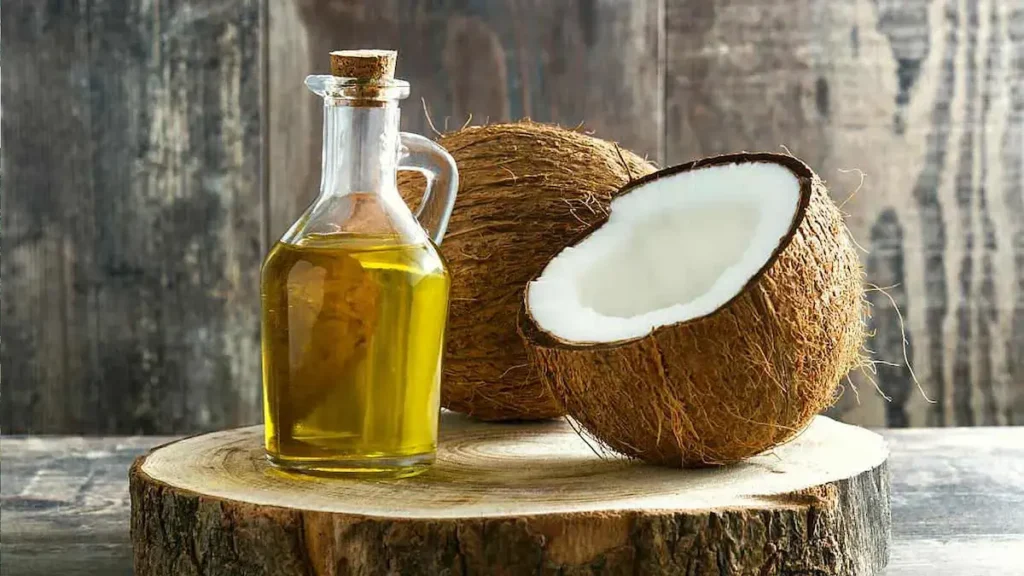
RBD coconut oil means refined, bleached, and deodorized coconut oil. It is usually made from dried coconut meat called copra, then processed to reduce impurities, color, and strong coconut aroma.
The result is a coconut oil with a lighter color, neutral smell, neutral taste, and more consistent performance for food manufacturing, bakery, confectionery, frying applications, cosmetics, and personal care products.
In Indonesian, “RBD coconut oil adalah” minyak kelapa yang melalui proses refining, bleaching, and deodorizing, sehingga aroma dan rasa kelapanya lebih netral dibanding virgin coconut oil.
What Is Virgin Coconut Oil?

Virgin coconut oil, often shortened to VCO, is made from fresh coconut meat. It is commonly produced through cold pressing, wet processing, or other methods designed to preserve the natural coconut aroma and flavor.
Unlike RBD coconut oil, virgin coconut oil is not deodorized. This makes it more suitable for products where the coconut aroma, ingredient story, and less-refined positioning are part of the value proposition.
For B2B buyers, the most important checks are not only the product name. Buyers should review the extraction method, color, aroma, free fatty acid level, peroxide value, moisture, packaging, shelf life, certification scope, and COA availability.
RBD vs Virgin Coconut Oil: Quick Comparison
| Factor | Virgin Coconut Oil | RBD Coconut Oil |
| Raw material | Fresh coconut meat | Usually dried copra |
| Processing | Minimal processing; commonly cold-pressed or wet-process | Refined, bleached, and deodorized |
| Aroma | Natural coconut aroma | Neutral or very mild aroma |
| Flavor | Coconut flavor | Neutral flavor |
| Color | Clear to slightly milky depending on temperature and process | Usually light and clear |
| Heat use | Better for low to medium heat or flavor-focused products | Often preferred for higher-heat and neutral-flavor applications |
| Common applications | Premium food, wellness, cosmetics, personal care | Food processing, bakery, confectionery, frying, neutral cosmetic bases |
| Buyer checks | Extraction method, FFA, peroxide value, aroma, certification, COA | Refining process, non-hydrogenated status, FFA, peroxide value, packaging, COA |
Note: Exact values for smoke point, fatty acid composition, shelf life, and quality parameters can vary by supplier, refining process, packaging, and final specification. Commercial buyers should confirm details through the supplier specification, COA, and sample approval.
7 Key Differences Between RBD and Virgin Coconut Oil
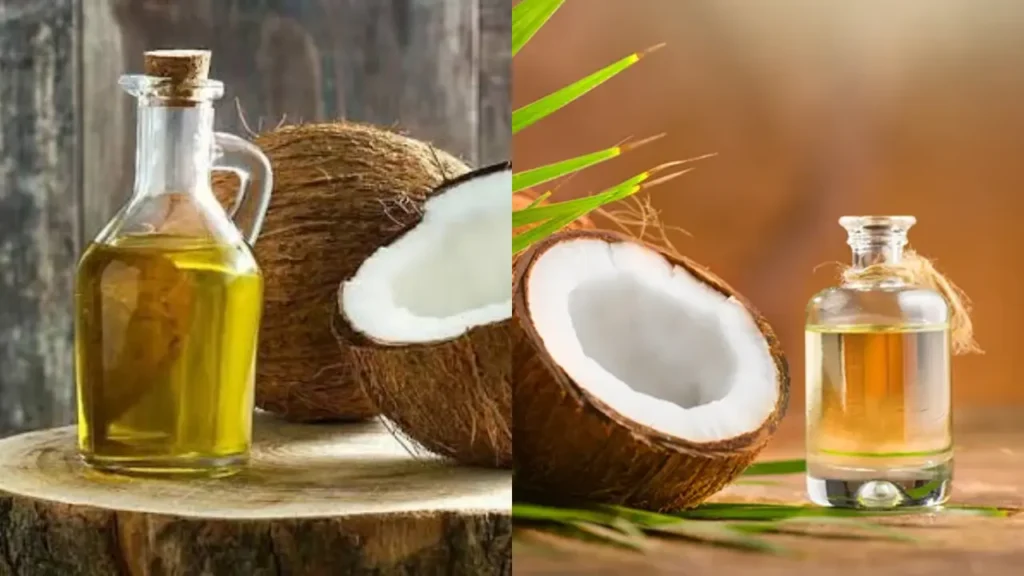
1. Processing Method
Virgin coconut oil is made from fresh coconut meat with minimal processing. RBD coconut oil is usually made from copra and goes through refining, bleaching, and deodorizing to create a more neutral oil.
2. Aroma and Flavor
Virgin coconut oil usually has a distinct coconut aroma and flavor. RBD coconut oil is designed to have a neutral or very mild aroma and flavor, which makes it easier to use in products where coconut notes are not desired.
3. Food Manufacturing Applications
RBD coconut oil is often chosen for bakery, confectionery, snack production, frying applications, coatings, fillings, and processed food formulations that require neutral taste.
Virgin coconut oil is more suitable when the final product benefits from coconut aroma or premium ingredient positioning.
4. Cosmetic and Personal Care Applications
Virgin coconut oil can support a natural or premium positioning in skincare and haircare products. RBD coconut oil can be useful as a neutral base oil when the formulation should not be dominated by coconut aroma.
5. Heat Stability and Smoke Point
RBD coconut oil is generally preferred for higher-heat commercial applications because the refining process creates a more neutral and consistent oil for many cooking uses.
If smoke point is critical, buyers should verify the supplier specification instead of relying only on general online ranges.
6. Price and Product Positioning
Virgin coconut oil is usually positioned as a more premium ingredient because of its fresh coconut source and less-refined processing. RBD coconut oil is often more cost-efficient for high-volume production where neutral flavor and consistency matter more than coconut aroma.
7. Specification and Documentation
For procurement teams, the buying decision should be based on specification and documentation, not only product names.
Important parameters may include FFA, peroxide value, moisture, color, odor, fatty acid profile, packaging, shelf life, COA availability, MSDS availability, certification scope, MOQ, and export documents.
Which Coconut Oil Is Better for Food Manufacturing?
For large-scale food manufacturing, RBD coconut oil is often the practical choice when the final product needs a neutral taste, neutral aroma, and consistent performance.
It can be used in bakery, confectionery, snack production, frying applications, fillings, coatings, and other processed food formulations.
Virgin coconut oil may be a better choice when the brand wants a natural coconut aroma, premium ingredient positioning, or a less-refined coconut oil profile.
It can be used in granola, spreads, specialty bakery products, wellness foods, and premium private label products.
The right choice depends on the final application. A biscuit manufacturer may prioritize neutral flavor and cost efficiency, while a wellness food brand may prefer coconut aroma and premium positioning.
Which Coconut Oil Is Better for Cosmetics and Personal Care?

For cosmetics and personal care, the choice depends on the desired aroma, sensory profile, formulation, and brand positioning.
Virgin coconut oil is often used when a natural coconut aroma and premium ingredient story are desired.
RBD coconut oil may be preferred when the formulation needs a neutral base oil that does not affect the fragrance, color, or sensory profile of the finished product.
Cosmetic buyers should check odor, color, fatty acid profile, peroxide value, packaging, shelf life, COA, MSDS availability, and documentation required by their market.
Can You Substitute RBD Coconut Oil for Virgin Coconut Oil?
Yes, RBD coconut oil and virgin coconut oil can sometimes be substituted for each other, but the result may change.
Replacing virgin coconut oil with RBD coconut oil will reduce coconut aroma and flavor.
Replacing RBD coconut oil with virgin coconut oil may add coconut aroma and change the sensory profile of the final product.
For home cooking, the substitution is usually simple. For commercial food, cosmetic, or private label production, buyers should run a sample test before changing the oil type because aroma, flavor, melting behavior, label positioning, and cost may be affected.
Nutrition and Health Positioning: What Buyers Should Know
Both RBD and virgin coconut oil are high-fat coconut oils, and their nutrition profile can vary by product specification.
For general food composition references, buyers can review USDA FoodData Central, but commercial product decisions should rely on the final supplier specification, product label, and COA.
Because coconut oil is a saturated-fat-rich tropical oil, brands should be careful with broad health claims and follow applicable nutrition and labeling requirements in their target markets.
For general consumer health context, buyers can also review the American Heart Association guidance on saturated fat.
For B2B content and product pages, it is safer to position coconut oil based on specification, processing method, application, sensory profile, and documentation readiness rather than making strong medical or therapeutic claims.
What B2B Buyers Should Check Before Sourcing Coconut Oil
Before sourcing RBD coconut oil or virgin coconut oil in bulk, buyers should verify the product specification and documentation.
Important checks include oil type, raw material source, extraction or refining method, free fatty acid level, peroxide value, moisture, color, odor, packaging, shelf life, batch consistency, certification scope, COA availability, MSDS availability, MOQ, and export documentation.
Food manufacturers should confirm whether the oil is suitable for frying, bakery, confectionery, snack production, fillings, coatings, or private label products.
Cosmetic and personal care buyers should check odor, color, sensory impact, packaging compatibility, and documentation required for formulation and compliance.
If your team is evaluating bulk virgin coconut oil from Indonesia, review the product specification and request samples before confirming volume orders.
For cold-pressed applications, buyers can also read our guide to cold-pressed virgin coconut oil.
For broader sourcing context, buyers can explore coconut products from Indonesia for related coconut-based ingredients.
Need RBD coconut oil, virgin coconut oil, or coconut-based ingredients for food, cosmetic, or private label applications? Contact our export team to request specifications, samples, packaging details, or a quotation.
Final Thoughts
RBD coconut oil and virgin coconut oil are both valuable coconut-based ingredients, but they are not used for the same purpose.
RBD coconut oil is usually the better choice when buyers need neutral taste, neutral aroma, and consistent performance for high-volume production.
Virgin coconut oil is usually better when coconut aroma, less-refined processing, and premium positioning are important.
For B2B buyers, the best option depends on application, specification, documentation, packaging, MOQ, and sample approval.
Before confirming a bulk order, review the technical specification and request the right documentation for your food, cosmetic, or private label market.
FAQ About RBD vs Virgin Coconut Oil
What is the difference between RBD and virgin coconut oil?
RBD coconut oil is refined, bleached, and deodorized, giving it a neutral taste and aroma. Virgin coconut oil is minimally processed and usually keeps a natural coconut aroma and flavor.
What does RBD coconut oil mean?
RBD means refined, bleached, and deodorized. It refers to coconut oil that has been processed to reduce impurities, color, and strong coconut odor.
Is RBD coconut oil the same as refined coconut oil?
Yes, RBD coconut oil is a type of refined coconut oil. It is commonly used in food manufacturing and cosmetic applications where neutral taste and aroma are needed.
Is virgin coconut oil the same as regular coconut oil?
Not always. “Regular coconut oil” often refers to refined or RBD coconut oil, while virgin coconut oil is less refined and usually has a stronger coconut aroma.
Which is better for food manufacturing, RBD or virgin coconut oil?
RBD coconut oil is often preferred for neutral flavor and large-scale food processing. Virgin coconut oil is better when coconut aroma, premium positioning, or less-refined ingredient positioning matters.
Which is better for cosmetics, RBD or virgin coconut oil?
Virgin coconut oil is often used for natural or premium cosmetic positioning, while RBD coconut oil is useful when a neutral base oil is needed.
Can RBD coconut oil replace virgin coconut oil?
Yes, but the aroma, flavor, and product positioning may change. Commercial buyers should test samples before replacing one oil with the other.
Which coconut oil should private label buyers choose?
Private label buyers should choose based on the target product. RBD coconut oil is useful for neutral taste and cost-efficient production, while virgin coconut oil is better for premium, natural, or coconut-aroma positioning.


