Tag: food

  • How to Use Desiccated Coconut in Savory Cooking (With Recipes)

    How to Use Desiccated Coconut in Savory Cooking (With Recipes)

    When most people think of organic desiccated coconut, they picture sweet confections—cakes, cookies, and tropical desserts.

    But this humble ingredient, especially when organic, has far more to offer than just sugar-laced treats.

    Across the globe, chefs and home cooks alike are rediscovering the savory potential of desiccated coconut, incorporating it into soups, salads, main dishes, and condiments that surprise and delight the palate.

    In this article, we’ll explore the versatility of organic desiccated coconut, share innovative savory recipes, and offer tips on how to integrate this ingredient into your everyday cooking in unexpected and delicious ways.

    Why Choose Organic Desiccated Coconut?

    Before diving into the recipes, let’s take a moment to appreciate the organic difference. Organic desiccated coconut is made from fresh, mature coconuts that are grown without synthetic fertilizers or pesticides. The result is a purer, more flavorful product with a natural coconut aroma and texture.

    Compared to fresh coconut, desiccated coconut is shelf-stable, easy to store, and readily available. It contains no added sugar or preservatives, making it a nutrient-dense, high-fiber, and healthy fat-rich option for your savory dishes.

    How to Use Desiccated Coconut in Savory Dishes

    As a coating or crust

    Mix with breadcrumbs or almond flour to coat chicken, fish, tofu, or shrimp before pan-frying or baking. The fine texture adheres well and creates a crispy, golden exterior with natural coconut flavor.

    As a thickener for sauces and curries

    Stir 2–3 tablespoons directly into simmering curry, soup, or stew. The dry coconut absorbs liquid and slowly releases its natural oils, adding body and creaminess without coconut milk.

    As a topping or garnish

    Toast in a dry pan for 2–3 minutes until golden, then sprinkle over salads, noodle dishes, roasted vegetables, or rice bowls for texture and nutty flavor.

    As a spice blend base

    Combine with cumin, coriander, chili, and garlic powder to create a dry rub for meats. This is the technique behind classic South Indian preparations like serundeng (Indonesian spiced coconut) and thoran (Kerala stir-fry).

    How much to use

    As a general rule: 2–4 tbsp per 4 servings in soups and sauces, 3–5 tbsp as a coating for 4 portions of protein, 1–2 tbsp as a topping per serving.

    Unexpected Ways to Use Desiccated Coconut in Savory Recipes
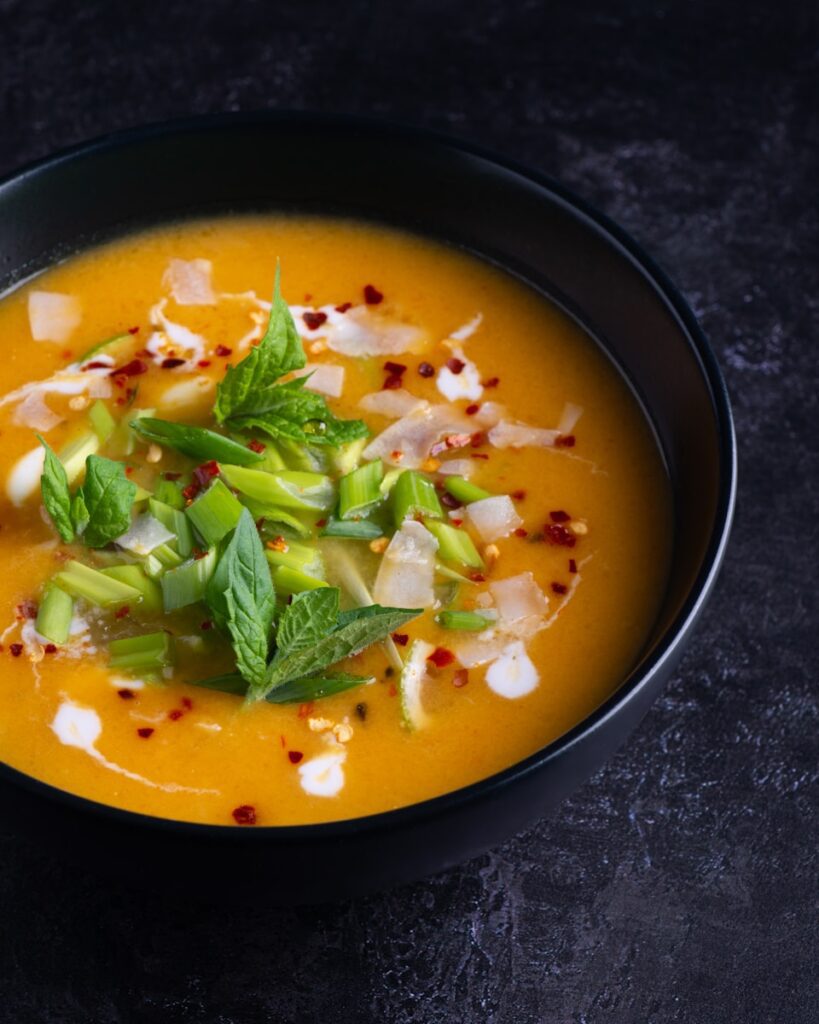
    1. Coconut-Lentil Soup with Spices (inspired by South Indian Dal)

    Aromatic and hearty, this coconut-lentil soup brings together warming spices and the creaminess of desiccated coconut for a comforting dish.

    Ingredients:

    • 1 cup red lentils
    • 1 onion, diced
    • 2 cloves garlic, minced
    • 1 tsp turmeric
    • 1 tsp cumin
    • ½ cup organic desiccated coconut
    • 4 cups vegetable broth
    • Salt and pepper to taste
    • Fresh cilantro for garnish

    Instructions:

    1. Sauté onions and garlic in a pot until soft.
    2. Add turmeric and cumin, then stir in lentils and broth.
    3. Bring to a boil, then simmer for 20 minutes.
    4. Add desiccated coconut and simmer for another 10 minutes.
    5. Blend partially for a creamy texture, garnish with cilantro, and serve.

    Pro tip: Add a squeeze of lime juice to brighten the flavors.

    2. Coconut Crusted Tofu or Chicken

    This dish uses desiccated coconut as a crispy, flavorful coating, offering a tropical twist on a dinner classic.

    Ingredients:

    • 1 block firm tofu (or 2 chicken breasts), sliced
    • ½ cup desiccated coconut
    • ¼ cup breadcrumbs or almond meal
    • 1 tsp garlic powder
    • Salt and pepper
    • 1 egg (or plant-based substitute)
    • Olive oil for frying

    Instructions:

    1. Mix desiccated coconut, breadcrumbs, garlic powder, salt, and pepper in a bowl.
    2. Dip tofu/chicken slices in egg, then coat with the coconut mixture.
    3. Pan-fry until golden brown and crispy, about 4–5 minutes per side.
    4. Serve with a spicy dipping sauce or coconut yogurt.

    3. Southeast Asian Coconut Salad (Thai Yam Mamuang style)
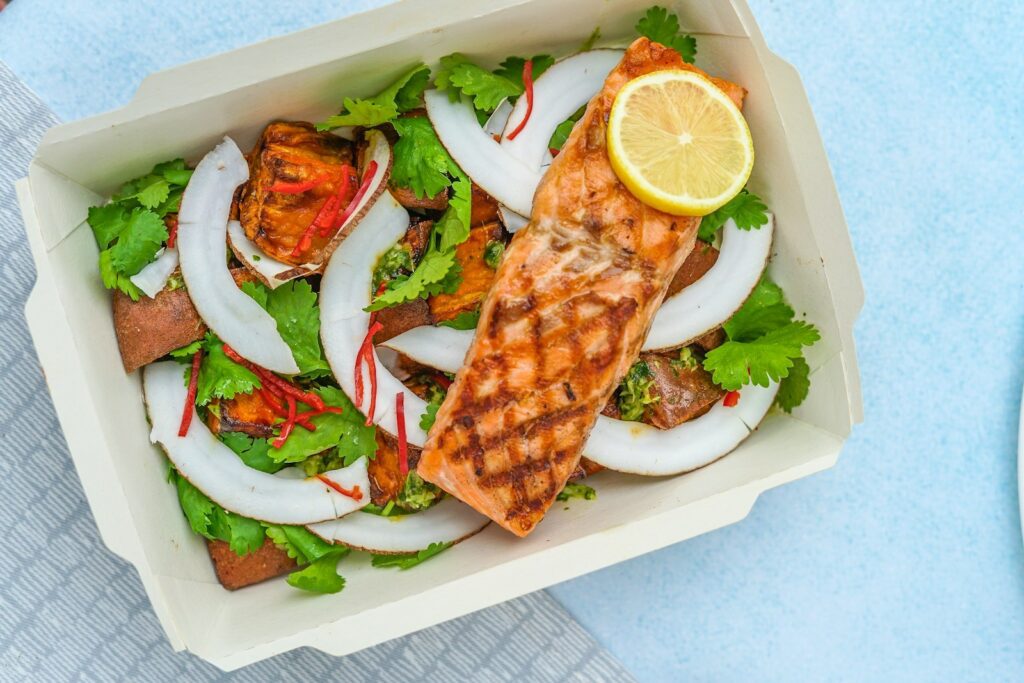
    Inspired by Thai and Indonesian flavors, this salad is refreshing, zesty, and packed with texture.

    Ingredients:

    • 1 cup shredded cabbage
    • 1 grated carrot
    • ¼ cup desiccated coconut, toasted
    • 1 red chili, finely sliced
    • 2 tbsp chopped mint and cilantro
    • 1 tbsp fish sauce or soy sauce
    • 1 tbsp lime juice
    • 1 tsp palm sugar or honey
    • 1 tbsp roasted peanuts (optional)

    Instructions:

    1. Toast desiccated coconut in a dry pan until lightly golden.
    2. Combine all salad ingredients in a bowl.
    3. Mix fish sauce, lime juice, and sugar into a dressing.
    4. Toss and serve chilled or at room temperature.

    4. Coconut Rice Pilaf with Spices

    Desiccated coconut gives a nutty richness to this fragrant rice dish, perfect as a side or base for a curry.

    Ingredients:

    • 1 cup basmati rice
    • 2 tbsp desiccated coconut
    • 1 tsp mustard seeds
    • ½ tsp turmeric
    • 1 small onion, sliced
    • 1 tbsp oil or ghee
    • Salt to taste

    Instructions:

    1. Rinse and cook rice as usual.
    2. In a separate pan, heat oil, add mustard seeds until they pop, then sauté onions and turmeric.
    3. Stir in desiccated coconut and toast until slightly brown.
    4. Mix into the cooked rice and fluff with a fork.

    5. Coconut Chutney – A Savory Dip (South Indian Thenga Chutney)

    Traditionally served with South Indian dishes like dosa and idli, coconut chutney is a vibrant, savory condiment that can elevate any meal.

    Ingredients:

    • ½ cup desiccated coconut
    • 2 tbsp roasted chana dal or peanuts
    • 1 green chili
    • 1 small piece ginger
    • Salt to taste
    • Water (to blend)
    • Mustard seeds and curry leaves (for tempering)

    Instructions:

    1. Blend coconut, dal/peanuts, chili, ginger, and salt with a bit of water to make a thick paste.
    2. Heat oil in a small pan, add mustard seeds and curry leaves.
    3. Pour tempering over the chutney and serve.

    Try it with grilled meats, as a spread on wraps, or as a dip for roasted vegetables.

    6. Coconut-Stuffed Bell Peppers

    Bell peppers take on an exotic character when stuffed with a spiced coconut mixture.

    Ingredients:

    • 4 medium bell peppers
    • 1 cup cooked quinoa or rice
    • ½ cup sautéed onions and garlic
    • ¼ cup desiccated coconut
    • 1 tsp curry powder
    • Salt and pepper
    • Olive oil

    Instructions:

    1. Mix quinoa/rice with coconut, onions, spices, and seasonings.
    2. Cut tops off bell peppers and remove seeds.
    3. Fill with mixture, drizzle with oil, and bake at 375°F (190°C) for 25–30 minutes.

    7. Serundeng (Indonesian Spiced Coconut Floss)

    This traditional Indonesian coconut condiment adds a savory, aromatic crunch to rice dishes, grilled meats, and vegetables.

    Ingredients:

    • 200g desiccated coconut
    • 3 shallots
    • 2 cloves garlic
    • 1 tsp coriander
    • ½ tsp turmeric
    • 1 tbsp coconut sugar or palm sugar
    • 1 lemongrass stalk, sliced
    • 2 kaffir lime leaves
    • Salt to taste

    Instructions:

    1. Blend shallots, garlic, coriander, turmeric, coconut sugar, lemongrass, kaffir lime leaves, and salt into a paste.
    2. Sauté the spice paste over medium heat until fragrant.
    3. Add the desiccated coconut and cook over low heat for 20–25 minutes, stirring continuously.
    4. Continue cooking until the coconut becomes dry and golden brown.
    5. Let cool slightly, then serve as a condiment with rice or as a topping for meat and vegetable dishes.

    Tips for Cooking with Desiccated Coconut in Savory Dishes
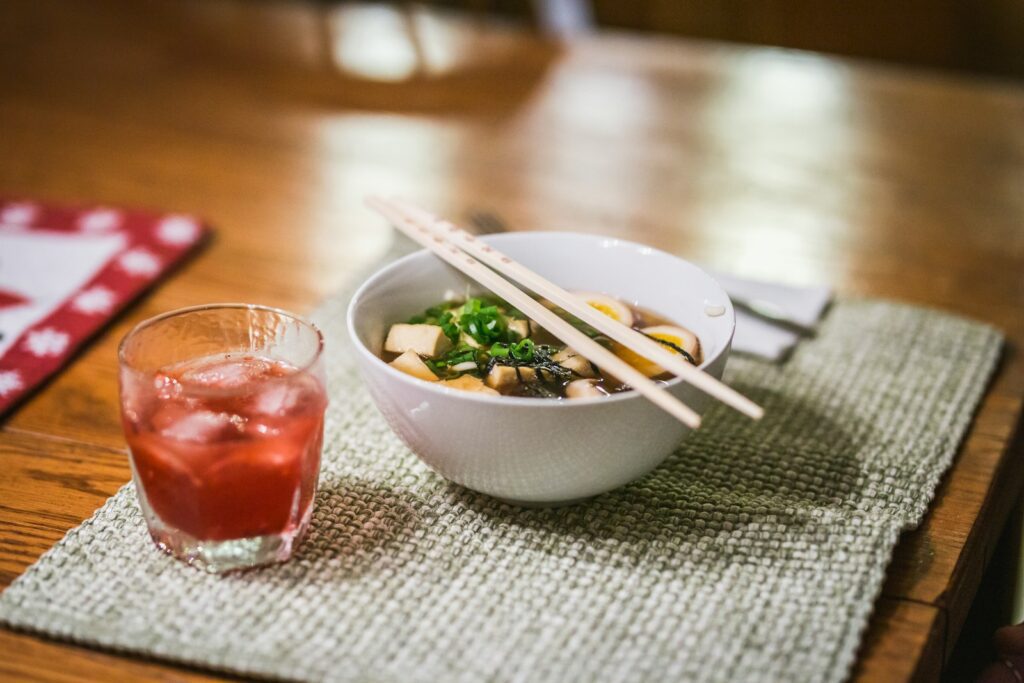
    • Toast it lightly: Dry-toasting in a pan brings out deeper, nutty flavors.
    • Rehydrate as needed: For softer textures in soups or sauces, soak in warm water or broth for a few minutes before use.
    • Balance flavors: Coconut pairs well with sour (lime), salty (soy or fish sauce), spicy (chilies), and umami (miso or mushrooms).
    • Use as a thickener: Ground coconut can thicken curries and stews without the need for cream.

    Global Inspiration

    Different cuisines have been using coconut in savory dishes for centuries:

    • India: Coconut is used in curries, chutneys, and rice dishes.
    • Sri Lanka: Pol sambol, a coconut chili relish, is a staple.
    • Indonesia & Malaysia: Sambal kelapa (spiced coconut) is served with rice and vegetables.
    • Caribbean: Coconut milk and dried coconut appear in rice & peas, soups, and stews.

    By drawing from these traditions and adding modern twists, you can bring new life to your weekly meal plan using a simple pantry ingredient.

    Conclusion

    Organic desiccated coconut is a culinary chameleon—mild yet rich, versatile yet unique. Moving beyond its sweet associations, this ingredient deserves a place in every savory kitchen. Whether you’re whipping up a warming soup, crisping up tofu, or refreshing your salad routine, desiccated coconut brings a touch of depth and authenticity to global cooking styles.

    As more people embrace plant-based, natural, and sustainable eating, this underappreciated ingredient is ripe for discovery in new and exciting ways.

    All recipes above work best with high-quality, organic desiccated coconut that is consistently dry, fine-textured, and free from additives. At Global Coco Sugar, we produce and export certified organic desiccated coconut from Indonesia — available in fine, medium, and coarse grades for both retail and bulk food manufacturing.
    Contact Our Export Team >>>
    Explore our desiccated coconut products >>>
    Our Certifications & Company Profile >>>
  • 5 Mistakes to Avoid When Cooking with Coconut Milk

    5 Mistakes to Avoid When Cooking with Coconut Milk

    Coconut milk has become a kitchen favorite for both home cooks and professional chefs. Its creamy texture, rich flavor, and versatility make it a go-to ingredient for curries, soups, desserts, and even beverages. However, while coconut milk can elevate a dish, it’s also an ingredient that requires careful handling. Many people unknowingly make mistakes when cooking with coconut milk, resulting in curdled sauces, bland flavors, or wasted product.

    If you love cooking with coconut milk or are just getting started, it’s important to understand how to treat it properly. Below are the five most common mistakes to avoid when cooking with coconut milk—along with practical tips to make sure every dish turns out creamy, flavorful, and delicious.


    Mistake 1: Choosing the Wrong Type of Coconut Milk

    One of the biggest mistakes people make is not realizing that not all coconut milk is the same. There are different types available—full-fat, light, canned, carton, and even powdered—and each serves a specific purpose.

    • Full-Fat Coconut Milk (Canned): Thick, creamy, and ideal for curries, desserts, and sauces where richness is desired.
    • Light Coconut Milk: Has reduced fat, making it thinner and less flavorful. It can be used in soups or drinks but may not provide the same creaminess.
    • Carton Coconut Milk: Usually marketed as a dairy alternative for coffee or cereal. It’s often diluted and not suitable for cooking complex dishes.
    • Coconut Cream: Thicker than full-fat coconut milk, best used for desserts, whipped toppings, or very rich curries.
    • Powdered Coconut Milk: A convenient alternative for travel or baking, but may not match the depth of flavor in fresh or canned versions.

    The fix: Always read labels carefully. For cooking, especially in curries or stews, choose unsweetened, full-fat canned coconut milk. If you’re making a lighter dish, dilute full-fat milk with water rather than buying pre-diluted versions, as this gives you more control over texture.


    Mistake 2: Adding Coconut Milk Too Early or Too Late

    Timing matters when using coconut milk in cooking. Many beginners add it at the wrong stage of cooking, which can either dull its flavor or ruin its texture.

    • Adding it too early (especially at high heat) can cause the milk to separate or curdle, leaving behind a grainy texture instead of a silky sauce.
    • Adding it too late might prevent it from blending properly with the other flavors, resulting in a dish that tastes disjointed.

    The fix: Add coconut milk towards the middle to later stages of cooking. For curries and soups, stir it in after your spices, aromatics, and base ingredients are cooked. Allow it to simmer gently so that the flavors meld together. For desserts, incorporate it carefully into batters or mixtures, avoiding rapid boiling.


    Mistake 3: Cooking Coconut Milk on High Heat

    Another common error is cooking coconut milk over very high heat. Since it contains natural fats and proteins, coconut milk is prone to separating when exposed to intense heat. The result? A broken sauce with an oily layer floating on top.

    • High heat damages the delicate balance of fat and water in coconut milk.
    • Boiling coconut milk rapidly not only causes separation but can also dull its fresh, nutty flavor.

    The fix: Cook coconut milk over low to medium heat. Gentle simmering preserves its creamy consistency while still allowing it to infuse with spices and ingredients. If you need to thicken a dish, reduce it slowly rather than cranking up the heat. For desserts like custards or puddings, a double boiler can help maintain even temperatures.


    Mistake 4: Ignoring the Importance of Stirring and Separation

    Coconut milk naturally separates in the can, with thick cream rising to the top and watery liquid settling at the bottom. Some cooks pour it straight into the dish without mixing, which can throw off consistency.

    • Using only the top layer (coconut cream) may make a dish too thick and fatty.
    • Using only the bottom layer can result in a thin, bland dish.

    The fix: Before opening the can, shake it well to combine the layers. Once opened, stir it thoroughly. If your recipe calls for creamier texture (like in Thai curries), scoop out some of the top cream layer first to sauté with spices, then add the liquid part later. This technique enhances flavor and gives a silky consistency.


    Mistake 5: Not Considering the Flavor Balance

    Coconut milk has a distinct, sweet, and nutty flavor. While delicious, it can overpower a dish if not balanced correctly. Many home cooks add too much, expecting it to act like dairy cream, only to end up with overly sweet or cloying results.

    • Using too much coconut milk in savory dishes can drown out spices and herbs.
    • In desserts, relying solely on coconut milk may create an overwhelmingly coconut-forward flavor.

    The fix: Use coconut milk in moderation and balance it with other ingredients. In savory dishes, pair it with tangy elements (like lime, tamarind, or tomatoes), salty notes (like soy sauce or fish sauce), and bold spices (like turmeric, cumin, or chili). In desserts, balance coconut milk with vanilla, chocolate, or fresh fruit to prevent monotony.


    Bonus Tip: Storing Coconut Milk Properly

    Beyond cooking mistakes, many people store coconut milk incorrectly, leading to spoilage.

    • Unopened cans can last for months in the pantry.
    • Opened cans should be transferred to an airtight container (not left in the can) and refrigerated, where they last for 4–7 days.
    • Freezing is an option, but thawed coconut milk may separate, so whisk well before using.

    Proper storage ensures you don’t waste this valuable ingredient.


    Conclusion

    Cooking with coconut milk can transform an ordinary dish into something rich, flavorful, and satisfying. However, to unlock its full potential, it’s important to avoid common pitfalls. By choosing the right type of coconut milk, adding it at the right stage, cooking it gently, stirring it properly, and balancing flavors, you’ll be able to make the most of this versatile ingredient.

    From creamy curries to decadent desserts, coconut milk deserves a place in every kitchen—but only if it’s treated with care. With these tips, you can avoid the five common mistakes and ensure that your dishes always turn out smooth, delicious, and perfectly balanced.


  • Creative Ways to Use Desiccated Coconut in Everyday Cooking

    Creative Ways to Use Desiccated Coconut in Everyday Cooking

    Coconut has long been celebrated as one of the most versatile ingredients in global cuisine. From tropical desserts to savory stews, every part of the coconut can be used in cooking. Among its many forms, desiccated coconut—which is simply finely grated, dried coconut meat—stands out as a pantry staple that combines long shelf life with flavor and texture. Often overlooked in favor of fresh or canned coconut products, desiccated coconut can be a game-changer in everyday cooking, bringing nutty sweetness, chewy texture, and a dose of nutrition to countless dishes.

    This article explores creative and practical ways to use desiccated coconut in everyday cooking, spanning breakfast, savory dishes, baked goods, snacks, and beverages.


    Why Desiccated Coconut?

    Before diving into its culinary uses, it’s worth noting why desiccated coconut deserves more attention:

    1. Long Shelf Life: Unlike fresh coconut, which spoils quickly, desiccated coconut can be stored for months in an airtight container.
    2. Convenience: Ready to use without cracking, grating, or squeezing a fresh coconut.
    3. Nutritional Value: Rich in healthy fats, fiber, iron, and manganese, desiccated coconut adds both texture and nutrients to meals.
    4. Versatility: Works in both sweet and savory applications across diverse cuisines.

    Because of these qualities, desiccated coconut is not just a baking ingredient but a versatile addition to daily cooking.


    Breakfast Boosters

    Breakfast is often called the most important meal of the day, and desiccated coconut can elevate it with ease.

    • Smoothie Bowls and Oatmeal: A sprinkle of desiccated coconut adds crunch and tropical flavor. Pair it with mango, pineapple, or banana for a refreshing breakfast.
    • Granola: Mix desiccated coconut into homemade granola for extra aroma and chewy texture. It toasts beautifully, enhancing the nutty flavor.
    • Pancakes and Waffles: Incorporate desiccated coconut into batter or use it as a topping with honey or maple syrup. Coconut pancakes with lime zest create a tropical morning treat.
    • Energy Bars: Combine desiccated coconut with oats, nut butter, and dried fruits to make no-bake breakfast bars.

    These simple uses make breakfast both nutritious and flavorful, while avoiding the monotony of plain cereals or bread.


    Savory Dishes

    Desiccated coconut is often associated with sweets, but it plays an equally important role in savory dishes.

    • Curries and Stews: In Indian and Southeast Asian cooking, desiccated coconut is used to thicken sauces and add depth. When lightly roasted and ground with spices, it imparts a rich, nutty flavor.
    • Coating for Proteins: Use desiccated coconut mixed with breadcrumbs to coat chicken, fish, or tofu before frying or baking. The result is a crispy, golden crust with a tropical twist.
    • Rice Dishes: Stir a handful into steamed rice along with curry leaves and spices for a fragrant coconut rice, common in South Indian cuisine.
    • Vegetable Stir-Fries: Add to sautéed greens, beans, or carrots for an earthy crunch. Many Sri Lankan recipes use coconut as a key flavor enhancer in vegetable dishes.

    By incorporating desiccated coconut into savory meals, you can create a bridge between familiar comfort foods and exotic flavors.


    Baking Beyond Basics

    One of the most common uses of desiccated coconut is in baking, but it can be applied far beyond standard coconut macaroons.

    • Cakes and Muffins: Fold desiccated coconut into the batter for added texture. A coconut and carrot cake is a healthier spin on the classic carrot cake.
    • Cookies: From coconut chocolate chip to chewy coconut oatmeal cookies, this ingredient enhances both flavor and texture.
    • Pie Crusts: Blend with crushed biscuits and butter for a tropical pie crust base. Perfect for key lime pie or coconut cream pie.
    • Bread: Enrich bread dough with desiccated coconut for a slightly sweet, nutty loaf. It pairs well with curries and soups.

    Its natural sweetness and chewiness make it an excellent addition to almost any baked good.


    Snacks and Nibbles

    Desiccated coconut shines in quick snacks that can be prepared at home with minimal effort.

    • Energy Balls: Blend desiccated coconut with dates, almonds, and cocoa powder to create bite-sized, nutrient-dense snacks.
    • Trail Mix: Toss with nuts, dried fruit, and seeds for a portable and energizing snack.
    • Coconut Chips: Toast desiccated coconut with a touch of salt and chili powder for a crunchy, savory snack.
    • Stuffed Dates: Roll dates stuffed with nut butter in desiccated coconut for a sweet, bite-sized treat.

    These easy snacks are healthier alternatives to processed packaged foods while satisfying sweet and savory cravings.


    Beverages and Smoothies

    Desiccated coconut can also be used to enrich beverages, whether hot, cold, or blended.

    • Smoothies: Add directly to fruit smoothies for texture and flavor. It pairs well with tropical fruits and almond milk.
    • Coconut Milk Substitute: Blend desiccated coconut with warm water and strain to make quick coconut milk for curries, soups, or hot chocolate.
    • Coconut Lattes: Stir into coffee with a touch of cinnamon for a nutty coconut latte.
    • Cocktails: Use as a garnish for piña coladas, mojitos, or rum-based cocktails for an authentic tropical presentation.

    For anyone seeking plant-based options, homemade coconut milk from desiccated coconut is an affordable and sustainable alternative to store-bought cartons.


    Healthy Twists

    Aside from taste, desiccated coconut offers health benefits that align with modern dietary preferences.

    • Keto and Low-Carb Diets: Its high fat and fiber content make it suitable for keto-friendly recipes like fat bombs and coconut bread.
    • Vegan Desserts: Works as a binding agent in no-bake vegan desserts.
    • Gluten-Free Recipes: Naturally gluten-free, it can replace flour in some baking applications.

    This adaptability ensures it fits into various dietary lifestyles while maintaining delicious flavor.


    Cultural Inspirations

    Looking around the world, desiccated coconut plays a role in many beloved dishes:

    • Indian Cuisine: Coconut ladoos (sweet balls made with condensed milk and desiccated coconut).
    • Middle Eastern Cuisine: Coconut basbousa, a semolina cake soaked in syrup.
    • Caribbean Cuisine: Coconut drops—chewy candies made with sugar and ginger.
    • Southeast Asian Cuisine: Coconut pancakes and desserts like kueh, a bite-sized snack made with rice flour and coconut.

    These cultural uses show the ingredient’s timeless appeal and its ability to cross culinary boundaries.


    Tips for Cooking with Desiccated Coconut

    To maximize flavor and texture, here are some tips:

    1. Toast Before Use: Toasting enhances its nuttiness and prevents sogginess in baked goods.
    2. Hydrate When Needed: Soak in warm milk or water if a softer texture is desired, such as for cakes or puddings.
    3. Use Moderately: Its flavor is strong—balance it with other ingredients to avoid overpowering dishes.
    4. Store Properly: Keep in an airtight container in a cool, dry place to avoid rancidity.

    These small techniques help transform desiccated coconut from a simple pantry item into a star ingredient.


    Conclusion

    Desiccated coconut is more than just a baking ingredient—it’s a versatile, nutrient-rich, and flavorful addition to everyday cooking. From breakfast bowls to savory curries, quick snacks to gourmet desserts, it brings texture, taste, and cultural depth to the table. Its long shelf life and ease of use make it a practical staple for home cooks and professional chefs alike.

    By experimenting with desiccated coconut in both traditional and modern recipes, you can unlock a world of creative culinary possibilities. Whether you’re looking to add a tropical flair to your morning oatmeal, craft a crispy coconut-coated chicken, or stir up a batch of chewy cookies, desiccated coconut proves itself time and again as an ingredient worth celebrating in daily cooking.


  • How to Make Desiccated Coconut at Home: Step-by-Step Guide

    How to Make Desiccated Coconut at Home: Step-by-Step Guide

    Desiccated coconut—finely grated, dried, and unsweetened coconut flesh—is a versatile ingredient used in baking, confectionery, and savory dishes around the world. It adds a rich coconut flavor, pleasant texture, and nutritional benefits to everything from cakes and cookies to curries and granola.

    While it’s easy to find in stores, making desiccated coconut at home has several advantages: you can ensure it’s fresh, free from additives, and tailored to the texture you prefer. This guide walks you through the process step-by-step, including tips for the best results and creative ways to use your homemade batch.


    1. Why Make Desiccated Coconut at Home?

    Before jumping into the steps, here’s why making your own can be worth it:

    • Freshness: Store-bought versions may sit on shelves for months; homemade is more fragrant and flavorful.
    • No additives: You can avoid preservatives, sweeteners, or anti-caking agents.
    • Customization: Choose fine, medium, or coarse textures based on your recipes.
    • Sustainability: Reduce packaging waste by making it in bulk at home.

    2. Ingredients and Tools You’ll Need

    Ingredients

    • 1 or more mature coconuts (the brown, hard-shell variety)

    Tools

    • Hammer or mallet (to crack the shell)
    • Butter knife or sturdy spoon (to pry out the flesh)
    • Vegetable peeler (to remove the brown skin, optional)
    • Grater or food processor (for shredding)
    • Oven, dehydrator, or large pan (for drying)
    • Airtight container (for storage)

    3. Step-by-Step Process

    Step 1: Select and Prepare the Coconut

    Choose mature coconuts—they have firm, white meat ideal for desiccation. Shake the coconut; you should hear water sloshing inside, a sign of freshness.

    1. Locate the three “eyes” on the coconut and pierce one with a screwdriver or skewer.
    2. Drain the coconut water into a cup (you can drink it or use it in smoothies).

    Step 2: Crack Open the Shell

    1. Hold the coconut over a bowl and tap it firmly along its circumference with a hammer or mallet.
    2. Rotate as you tap until it splits in half.
    3. Use a butter knife or spoon to pry the white meat from the hard shell.

    Step 3: Peel the Brown Skin (Optional)

    Some recipes call for removing the thin brown layer on the coconut meat to get pure white desiccated coconut. Use a vegetable peeler for this step. However, leaving the skin on adds extra fiber and a slightly nutty flavor.


    Step 4: Grate the Coconut Meat

    • For fine desiccated coconut, use the smallest holes of a box grater or a food processor with a shredding blade.
    • For medium or coarse, use larger holes or a pulse setting in your processor.

    Step 5: Dry the Coconut

    Drying removes moisture to extend shelf life and create that crumbly texture. You can use three main methods:

    Oven Drying

    1. Preheat your oven to 60–80°C (140–175°F).
    2. Spread the grated coconut evenly on a baking sheet lined with parchment paper.
    3. Bake for 45–60 minutes, stirring every 10–15 minutes to ensure even drying.
    4. Remove when the coconut feels dry but not browned.

    Dehydrator

    1. Spread the grated coconut in a thin layer on dehydrator trays.
    2. Set to 55–60°C (130–140°F) and dry for 4–6 hours.

    Pan Drying (Quick Method)

    1. Place grated coconut in a large, dry frying pan over low heat.
    2. Stir constantly for 10–15 minutes until dry and crisp. Be careful not to toast it unless you want toasted coconut.

    Step 6: Cool and Store

    Allow the dried coconut to cool completely before transferring it to an airtight container. Store in a cool, dry place for up to 3 months, or in the freezer for up to 6 months.


    4. Tips for Perfect Desiccated Coconut

    • Don’t rush drying: High heat can brown the coconut and change the flavor.
    • Uniform shredding: Consistent size ensures even drying.
    • Check for moisture: Any dampness can cause mold during storage.
    • Batch size: Work in small batches to maintain quality.

    5. Uses for Homemade Desiccated Coconut

    Once you have your batch ready, the possibilities are endless:

    • Baking: Add to cakes, muffins, cookies, and bread for texture and flavor.
    • Confectionery: Roll chocolate truffles or energy balls in it.
    • Savory dishes: Mix into curries, stir-fries, or rice for a tropical twist.
    • Smoothies: Blend into drinks for creaminess.
    • Breakfast bowls: Sprinkle over oatmeal, granola, or yogurt.

    6. Nutritional Benefits

    Desiccated coconut is more than just a tasty ingredient—it’s nutrient-rich:

    • Healthy fats: Supports energy and satiety.
    • Fiber: Aids digestion.
    • Minerals: Contains manganese, copper, and selenium.

    While it’s calorie-dense, moderate consumption can be part of a balanced diet.


    7. Variations and Flavored Versions

    If you want to get creative, try:

    • Toasted desiccated coconut: Roast lightly in a pan or oven for a nutty flavor.
    • Sweetened version: Toss with a little sugar or honey before drying (for desserts).
    • Spiced coconut: Add cinnamon, vanilla, or cardamom for unique recipes.

    8. Troubleshooting Common Issues

    • Too brown: Oven temperature was too high or dried too long.
    • Clumpy texture: Not fully cooled before storage or residual moisture left.
    • Bland flavor: Coconut was old or not fresh before processing.

    9. Conclusion

    Making desiccated coconut at home is simple, rewarding, and ensures you get the freshest, most flavorful product possible. With just a coconut, some basic kitchen tools, and a little patience, you can prepare a versatile pantry ingredient that enhances both sweet and savory dishes. Once you taste your own homemade version, you may never go back to store-bought again.


  • From Farm to Table: The Journey of Coconut Flakes

    From Farm to Table: The Journey of Coconut Flakes

    Coconut flakes are a beloved ingredient in kitchens worldwide, celebrated for their tropical flavor, versatility, and nutritional value. But behind every bag of coconut flakes lies a fascinating journey—from the lush coconut farms to the shelves of your local store. This article explores each stage of that journey, highlighting the craftsmanship, sustainability, and processes that bring coconut flakes from farm to table.


    1. Cultivating the Coconut Palm

    The journey begins on tropical farms in countries such as the Philippines, Indonesia, Sri Lanka, and India. These regions have the warm, humid climate coconut palms need to thrive. Farmers plant and nurture the trees, which take about 6–10 years to fully mature.
    Coconut palms can produce fruit for decades, making them a sustainable crop. Farmers often interplant them with other crops to preserve soil fertility and promote biodiversity.


    2. Harvesting the Coconuts

    Coconuts are typically harvested every 45–60 days. Skilled harvesters climb the tall palms or use long poles to collect mature nuts. At this stage, the coconuts have hard shells and firm white meat—ideal for flake production.
    In many coconut-growing regions, harvesting remains a manual process, preserving local traditions and providing jobs for rural communities.


    3. Transport and Initial Processing

    Once harvested, coconuts are transported to processing facilities, often located near farms to ensure freshness. The first steps involve husking (removing the fibrous outer layer) and shelling (cracking the hard shell to access the meat).
    The coconut water is drained, and the meat is carefully extracted. Maintaining hygiene and quick processing is crucial to preserving flavor and preventing spoilage.


    4. Washing and Sanitizing

    The coconut meat is thoroughly washed in clean water to remove dirt, husk fibers, and other impurities. In high-quality operations, food-grade sanitizing agents may be used to ensure safety. This step is essential for meeting international food safety standards.


    5. Shredding the Coconut Meat

    The clean coconut meat is shredded into flakes of various sizes—fine, medium, or large—depending on the final product. The size of the flake affects its culinary uses:

    • Fine flakes are ideal for baking.
    • Medium flakes add texture to cereals and desserts.
    • Large flakes are used in decorative garnishes or specialty snacks.

    6. Drying for Preservation

    Fresh coconut has high moisture content, which makes it prone to spoilage. To extend shelf life, the flakes are dried—either through hot-air drying or more traditional sun-drying methods.
    Modern facilities use temperature-controlled dryers to remove moisture without damaging nutrients or flavor. The goal is to achieve a moisture content of about 3%, which prevents microbial growth while retaining the coconut’s natural sweetness.


    7. Quality Control and Packaging

    Before packaging, coconut flakes undergo strict quality control checks to ensure uniform size, color, and purity. Tests are conducted for microbial safety, moisture levels, and absence of contaminants.
    Flakes are then packaged in airtight, moisture-proof bags or containers to maintain freshness. Some are sweetened or toasted for specific markets, while others remain unsweetened for health-conscious consumers.


    8. Shipping and Distribution

    Packaged coconut flakes are shipped globally via sea or air freight. Exporters must comply with international regulations, including labeling requirements and phytosanitary certifications.
    Upon arrival in the destination country, the products pass through customs inspections before being distributed to wholesalers, supermarkets, and specialty stores.


    9. Culinary Uses at the Consumer’s Table

    Once in the hands of consumers, coconut flakes offer endless possibilities. They can be:

    • Baked into cakes, cookies, and muffins.
    • Sprinkled over smoothie bowls or yogurt.
    • Incorporated into savory curries and rice dishes.
    • Toasted for salads and snacks.

    They’re a favorite among home cooks, professional chefs, and health enthusiasts for their taste, texture, and nutritional benefits.


    10. Sustainability and Ethical Considerations

    Many coconut flake producers are embracing sustainable farming and fair-trade practices. This includes:

    • Reducing waste by using every part of the coconut (water, shell, husk).
    • Supporting smallholder farmers with fair wages.
    • Minimizing carbon footprint through eco-friendly processing.

    By choosing ethically sourced coconut flakes, consumers support environmental stewardship and rural livelihoods.


    11. The Future of Coconut Flakes

    Demand for coconut flakes continues to grow due to the global trend toward plant-based, natural, and gluten-free foods. Innovation in packaging, flavoring, and processing will likely expand their culinary applications even further.

    From smoothie toppings to gourmet pastries, coconut flakes will remain a pantry staple for years to come.


    Conclusion

    The journey of coconut flakes—from tropical farms to your kitchen—is a story of nature’s bounty, human skill, and global trade. Understanding this process helps us appreciate not just the taste and nutrition of coconut flakes, but also the hands and communities behind them.
    Next time you enjoy coconut flakes, you’ll know the rich story they carry from farm to table.

  • How to Toast Coconut Flakes for Maximum Flavor

    How to Toast Coconut Flakes for Maximum Flavor

    Coconut flakes add a tropical flair, delightful crunch, and rich nuttiness to both sweet and savory dishes. But if you’ve only used them straight from the bag, you’re missing out on a game-changing step: toasting. Toasting coconut flakes intensifies their flavor, enhances their aroma, and adds a beautiful golden-brown hue that elevates any recipe—whether it’s sprinkled over smoothie bowls, baked into granola, or layered in a coconut cream pie.

    In this guide, we’ll cover everything you need to know about toasting coconut flakes for maximum flavor—from choosing the right type of coconut to various methods, storage tips, and creative ways to use your toasted coconut.


    Why Toast Coconut?

    Raw coconut flakes are mild and slightly chewy. Toasting them transforms their character entirely:

    • Deeper flavor: Toasting brings out the natural oils in the coconut, creating a nuttier, richer taste.
    • Enhanced texture: Toasted coconut is crisp and crunchy, adding a satisfying bite to recipes.
    • Aromatic appeal: As coconut toasts, it releases an irresistible aroma that adds depth to your dishes.
    • Visual enhancement: The golden-brown color adds contrast and appeal, especially as a topping.

    Types of Coconut Flakes

    Before you toast, it’s important to choose the right kind of coconut. The type of flake you use will affect the toasting time and final result.

    1. Sweetened vs. Unsweetened:
      • Sweetened coconut (commonly found in baking aisles) contains added sugar and is more moist. It toasts faster and may brown unevenly.
      • Unsweetened coconut comes in various cuts (shredded, flakes, chips) and has no added sugar—ideal for those wanting to control sweetness.
    2. Shredded vs. Flakes vs. Chips:
      • Shredded coconut is finely grated and has a soft, fluffy texture.
      • Flaked coconut is larger and flat, usually unsweetened.
      • Coconut chips are thick and wide—great for snacks and granola.

    All types can be toasted successfully, but you’ll need to adjust time and temperature accordingly.


    Methods for Toasting Coconut Flakes

    There are several ways to toast coconut flakes, each with its own advantages depending on your kitchen setup and the quantity you need.

    1. Oven Method (Best for Large Batches)

    This is the most even and hands-off method.

    Instructions:

    1. Preheat your oven to 325°F (165°C).
    2. Spread the coconut flakes in a single layer on a baking sheet lined with parchment paper.
    3. Bake for 5–10 minutes, stirring every 2–3 minutes to ensure even toasting.
    4. Watch closely—coconut can go from golden to burnt quickly.
    5. Remove from the oven when flakes are light golden brown and fragrant.

    Best for: Flakes and chips, larger quantities
    Pros: Even toasting, batch-friendly
    Cons: Requires constant attention toward the end


    2. Stovetop Method (Quick and Easy)

    Great for toasting small amounts fast.

    Instructions:

    1. Heat a dry skillet (preferably nonstick) over medium-low heat.
    2. Add a single layer of coconut flakes.
    3. Stir or shake the pan constantly for 3–6 minutes, until evenly golden.
    4. Remove immediately and transfer to a cool plate or bowl.

    Best for: Shredded coconut or flakes
    Pros: Fast, no preheating required
    Cons: Risk of uneven browning if unattended


    3. Microwave Method (Least Common but Effective)

    Ideal when you only need a tablespoon or two.

    Instructions:

    1. Spread coconut in a microwave-safe dish.
    2. Microwave on high in 30-second intervals.
    3. Stir between intervals to prevent hot spots.
    4. Continue until desired color is reached (usually 2–3 minutes).

    Best for: Small portions
    Pros: Fast and convenient
    Cons: Risk of scorching in spots, uneven browning


    Tips for Perfectly Toasted Coconut

    • Keep it thin: Always spread the flakes in a single layer to ensure even toasting.
    • Stay close: Coconut toasts quickly, especially near the end—don’t walk away.
    • Use parchment: In the oven, lining your tray with parchment prevents sticking and promotes even browning.
    • Cool quickly: Transfer toasted coconut immediately to a cool surface or bowl to stop the cooking process.
    • Store it right: Let cool completely, then store in an airtight container at room temperature for up to 1 week or freeze for longer storage.

    Creative Ways to Use Toasted Coconut

    Toasted coconut is incredibly versatile. Once you have a batch ready, try adding it to:

    Sweet Dishes

    • Smoothie bowls and oatmeal: Sprinkle on top for crunch and flavor.
    • Baked goods: Mix into muffin batter or scatter over cakes and cupcakes.
    • Ice cream and frozen yogurt: Use as a topping for added texture.
    • Homemade granola or trail mix: Combine with nuts, seeds, and dried fruit.

    Savory Dishes

    • Curries and stir-fries: Add as a garnish for flavor and texture.
    • Rice dishes: Stir into jasmine or basmati rice for coconut rice.
    • Salads: Use toasted coconut as a nut-free crunchy topping.
    • Soups: Add a sprinkle over Thai-style or pumpkin soups.

    Snacks and Spreads

    • Coconut butter: Blend toasted flakes in a high-speed blender for a nutty, spreadable butter.
    • Energy bites: Mix with dates, oats, and nut butter.
    • Snack on it: Eat it straight from the container as a crunchy treat.

    Common Mistakes to Avoid

    1. Using high heat: This leads to burnt edges before the center is toasted. Moderate heat is key.
    2. Skipping the stir: Without frequent stirring, coconut will toast unevenly.
    3. Toasting wet coconut: If using sweetened or previously frozen coconut, make sure it’s dry before toasting.
    4. Forgetting to cool: Coconut continues to cook after removal. Transfer quickly to prevent burning.

    Storing Toasted Coconut

    Once cooled, toasted coconut should be stored in an airtight container away from moisture and direct light. Properly stored, it remains flavorful and crispy for:

    • 1 week at room temperature
    • Up to 1 month in the refrigerator
    • 3–6 months in the freezer

    Label your container with the toasting date for easy reference. When using from frozen, let it come to room temperature before adding to dishes.


    Final Thoughts

    Toasting coconut flakes is a simple yet transformative technique that can elevate your cooking and baking. Whether you prefer the oven’s even browning, the stovetop’s speed, or the microwave’s convenience, toasted coconut offers a depth of flavor and texture that raw flakes simply can’t match.

    By following these methods and tips, you’ll unlock the full potential of coconut in your kitchen. So go ahead—toast up a batch and let your taste buds travel to the tropics with every bite.

Secret Link