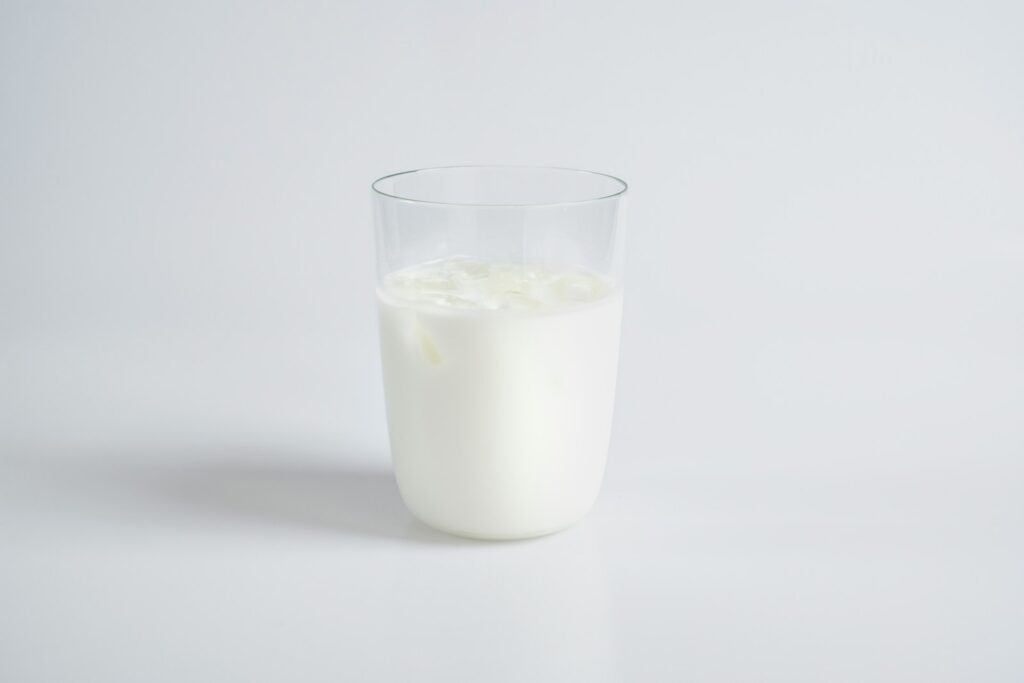
Coconut milk is a creamy, white liquid extracted from the grated pulp of mature coconuts.
Used widely in Southeast Asian, Caribbean, African, and South Indian cuisines, it adds a rich, aromatic flavor to dishes ranging from curries to desserts.
Beyond its culinary appeal, coconut milk is also valued in vegan diets as a dairy substitute and used in cosmetics for its moisturizing properties.
The process of making coconut milk has evolved significantly over time.
While traditional methods emphasize simplicity and manual labor, modern production involves industrial processes for efficiency and consistency.
This article explores how coconut milk is made—comparing traditional techniques with contemporary methods—and examines how each impacts quality, nutrition, and taste.
Understanding Coconut Milk
Before diving into the production process, it’s important to clarify what coconut milk is—not to be confused with coconut water or coconut cream.
- Coconut water is the clear liquid found inside a young, green coconut.
- Coconut milk is made by grating the meat of a mature coconut and mixing it with water, then straining the mixture to obtain a thick, opaque liquid.
- Coconut cream is a thicker version of coconut milk with higher fat content, often rising to the top when coconut milk settles.
Coconut milk contains approximately 17–24% fat, primarily in the form of medium-chain triglycerides (MCTs), which are easier to digest and may offer metabolic benefits.
Official Fat Content Classification (APCC & FAO Standards)
The distinction between coconut milk, cream, and skim milk is more precise than most consumers realize.
The Asian and Pacific Coconut Community (APCC) and the FAO’s Codex Alimentarius have established official fat content classifications used throughout the coconut processing industry:
| Product Classification | Fat Content (% by weight) |
| Concentrated coconut cream | 40–50% |
| High-fat coconut cream | 30–39% |
| Medium-fat coconut cream | 25–29% |
| Low-fat coconut cream | 20–25% |
| High-fat coconut milk | 15–20% |
| Medium-fat coconut milk | 10–15% |
| Low-fat coconut milk | 5–10% |
| Coconut skim milk | 0–1.5% |
It’s worth noting that these standards are not mandatory, and commercial coconut milk sold in Western countries does not always follow this terminology precisely — which is a common source of consumer confusion when comparing brands.
For B2B buyers and food manufacturers, requesting fat content specifications directly from suppliers (rather than relying on label terminology alone) ensures consistency for formulation purposes.
→ See our coconut milk and coconut cream specifications for documented fat content by product line.
The Science Behind Coconut Milk’s Texture and Nutrition
Coconut milk’s rich, opaque appearance comes from its structure as an oil-in-water emulsion: naturally occurring proteins in the coconut meat act as emulsifiers, keeping fat droplets evenly suspended in the water instead of separating.
This is also why coconut milk can separate into a thicker cream layer on top when left undisturbed — the emulsion is stable but not permanent without industrial homogenization.
Roughly half of coconut milk’s fat content is lauric acid — the same medium-chain fatty acid found concentrated in coconut oil and desiccated coconut, known for its rapid metabolism and antimicrobial properties.
→ See: lauric acid and the health benefits of desiccated coconut
Traditional Method of Making Coconut Milk
1. Selection of Mature Coconuts
Traditional coconut milk is made using mature brown coconuts, as they contain a higher oil content and firmer meat than young coconuts.
Farmers or household cooks select coconuts that are fully ripe and free from mold or cracks.
2. Husking and Shelling
The first step involves removing the thick outer husk, either with a machete or by using a pointed metal tool embedded in the ground.
Once husked, the hard brown shell is cracked open using a hammer or blunt instrument, revealing the white coconut meat.
3. Grating the Coconut Meat
The inner meat is then manually grated using a traditional tool called a kudkuran in the Philippines or a similar scraper with sharp edges. This results in fine coconut shavings, ready for milk extraction.
4. Mixing with Warm Water
The grated coconut is placed into a bowl and mixed with warm (not boiling) water to help loosen the fat content and enhance extraction. The usual ratio is about 1:1 or 1:1.5 of coconut to water.
5. Manual Extraction
The mixture is then kneaded and squeezed by hand or wrapped in cheesecloth and pressed to extract the milk. This first extraction is known as “first press” or thick coconut milk, which is richer and creamier.
After the first press, the grated coconut can be mixed with more water and squeezed again to produce thin coconut milk, suitable for soups or less-rich dishes.
6. Filtration
The coconut milk is filtered through a fine mesh or muslin cloth to remove any solid residues, resulting in a smooth liquid ready for cooking or consumption.
Pros of Traditional Method:
- Rich, natural flavor
- No preservatives or additives
- Culturally significant and sustainable on a small scale
Cons:
- Labor-intensive
- Short shelf life
- Inconsistent quality
Cooking Coconut Milk vs. Coconut Milk Beverages
Not all coconut milk on the market serves the same purpose. There are two broad commercial categories:
- Cooking coconut milk: Typically sold in cans, formulated to be rich and high in fat for use in curries, soups, and desserts. Closer to traditional extraction ratios.
- Coconut milk beverages: Sold in cartons in the refrigerated or shelf-stable plant-milk section, formulated to be thinner and lighter for drinking — often fortified with calcium and vitamins to resemble dairy milk nutritionally, and usually lower in fat than cooking coconut milk.
Manufacturers typically adjust the dilution ratio and may add stabilizers differently depending on which category the final product targets.
Modern Methods of Coconut Milk Production

As global demand for coconut milk has increased, commercial producers have adopted industrial methods to streamline production while ensuring safety and consistency.
1. Mechanical Deshelling and Paring
In modern facilities, coconuts are deshelled using mechanical tools, followed by a paring process to remove the brown skin from the white kernel. This yields cleaner and brighter coconut meat.
2. Washing and Sanitizing
The pared coconut meat is thoroughly washed and sanitized to ensure it is free from contaminants and pathogens. This is a critical step in ensuring food safety in mass production.
3. Mechanical Grating and Pressing
Instead of manual grating, the meat is fed into high-speed mechanical graters. The grated coconut is then passed through hydraulic or screw-type extractors to separate the milk from the fiber.
Industrial extractors can apply significant pressure, yielding higher amounts of coconut milk more efficiently than manual methods. Often, two or more pressings are done to obtain thick and thin milk separately.
4. Homogenization
To prevent the fat in coconut milk from separating during storage, the extracted liquid undergoes homogenization—a process that breaks down fat globules and distributes them evenly. This results in a stable, uniform product.
5. Pasteurization or UHT Treatment
To extend shelf life, coconut milk is heat-treated:
- Pasteurization involves heating to about 72–85°C to kill bacteria while preserving taste.
- Ultra-High Temperature (UHT) processing heats the milk to around 135–150°C for a few seconds, allowing for packaging in aseptic cartons with shelf lives of up to 12 months.
6. Packaging
After processing, the coconut milk is packaged into cans, cartons, or aseptic pouches under sterile conditions. Preservatives, stabilizers, or emulsifiers may be added to improve shelf stability and texture.
7. Powdered Coconut Milk
Some facilities also produce powdered coconut milk by spray-drying the liquid form. This is popular for its convenience and longer shelf life.
Pros of Modern Method:
- Consistent quality and safety
- Longer shelf life
- Scalable for mass markets
Cons:
- May contain additives or preservatives
- Slightly altered flavor and texture
- Higher environmental impact from processing and packaging
Making Coconut Milk at Home
If you want to make fresh coconut milk at home without specialized equipment, the process mirrors the traditional method on a smaller scale:
- Crack open a mature brown coconut and remove the meat from the shell
- Cut the meat into small chunks and blend with warm water (ratio of about 1 cup coconut meat to 1.5 cups water) on high speed for 1–2 minutes
- Strain the mixture through a nut milk bag or cheesecloth, squeezing firmly to extract as much liquid as possible
- For a second, thinner batch, repeat the process with the same coconut meat and fresh water
- Store fresh coconut milk in the refrigerator for up to 4–5 days, or freeze for longer storage
Unlike commercial coconut milk, homemade versions have no stabilizers, so natural separation is normal — simply shake or stir before using.
Comparing Traditional and Modern Methods
| Feature | Traditional | Modern |
|---|---|---|
| Flavor | Rich, natural | Neutral or slightly processed |
| Shelf Life | 1–2 days | Up to 12 months (UHT) |
| Labor | Manual, intensive | Automated |
| Additives | None | Often present |
| Scale | Small-scale | Industrial-scale |
| Cost | Low (if local) | Higher due to processing |
Nutritional and Culinary Considerations
While both traditional and modern coconut milk provide similar basic nutrients—healthy fats, small amounts of protein, and vitamins—the fresh traditional version often retains more antioxidants and enzymes. However, for commercial and culinary use, modern coconut milk offers convenience and longer usability.
In cooking, thick coconut milk is often used for stews, curries, and desserts, while thin coconut milk is suitable for soups and lighter sauces. Modern canned coconut milk often separates into cream and liquid, which can be recombined by shaking or stirring.
Conclusion
Coconut milk production has come a long way from simple, traditional methods to advanced industrial processes. Each approach has its own merits.
Traditional methods honor cultural practices, deliver unparalleled flavor, and are ideal for home use.
On the other hand, modern techniques meet the global demand with consistent quality and extended shelf life.
As consumers become more aware of their food sources, there is a growing interest in sustainable and minimally processed coconut milk.
Whether prepared by hand in tropical kitchens or manufactured in state-of-the-art facilities, coconut milk remains a beloved ingredient cherished for its richness, versatility, and cultural importance.
Whether produced traditionally or industrially, the quality of coconut milk ultimately depends on the maturity of the coconuts used, the extraction ratio, and processing hygiene.
For food manufacturers and bulk buyers, requesting documented fat content (per APCC classification), production method, and food safety certifications ensures consistency across orders.
→ Explore our coconut milk products and export specifications
Frequently Asked Questions
How is coconut milk made?
Coconut milk is made by grating the meat of a mature coconut, mixing it with warm water, then straining the mixture to extract a rich, opaque liquid. Traditional methods use manual grating and hand-pressing; commercial production uses mechanical grating, hydraulic extraction, homogenization, and heat treatment for shelf stability.
Where does coconut milk come from?
Coconut milk comes from the white meat (kernel) of mature brown coconuts — not from the clear liquid inside young coconuts, which is coconut water. The meat is grated and combined with water, then strained to produce the milky liquid.
What is the difference between coconut milk and coconut cream?
According to APCC and FAO standards, the difference is fat content: coconut cream contains 20–50% fat, while coconut milk contains 5–20% fat. Coconut cream is typically the result of the first extraction (first press), while coconut milk comes from subsequent, more diluted extractions.
Is coconut milk made from coconut water?
No. Coconut milk is made from the solid white meat of mature coconuts mixed with water — not from coconut water itself, which is the naturally occurring liquid found inside young, green coconuts.
How is commercial coconut milk processed for shelf stability?
Commercial coconut milk typically undergoes homogenization (to prevent fat separation), followed by pasteurization (72–85°C) or UHT processing (135–150°C for a few seconds). UHT-treated coconut milk packaged in aseptic cartons can have a shelf life of up to 12 months without refrigeration.
Can I make coconut milk at home?
Yes. Blend fresh coconut meat with warm water (roughly 1 cup coconut to 1.5 cups water), then strain through a cheesecloth or nut milk bag. Homemade coconut milk lacks stabilizers, so natural separation is normal and the milk should be refrigerated and used within 4–5 days.
What percentage of coconut milk is fat?
Per official APCC standards, coconut milk fat content ranges from 5% to 20% depending on classification (low-fat to high-fat coconut milk), while coconut cream ranges from 20% to 50%. Commercial products vary, and labeling terminology is not always standardized outside producing countries.