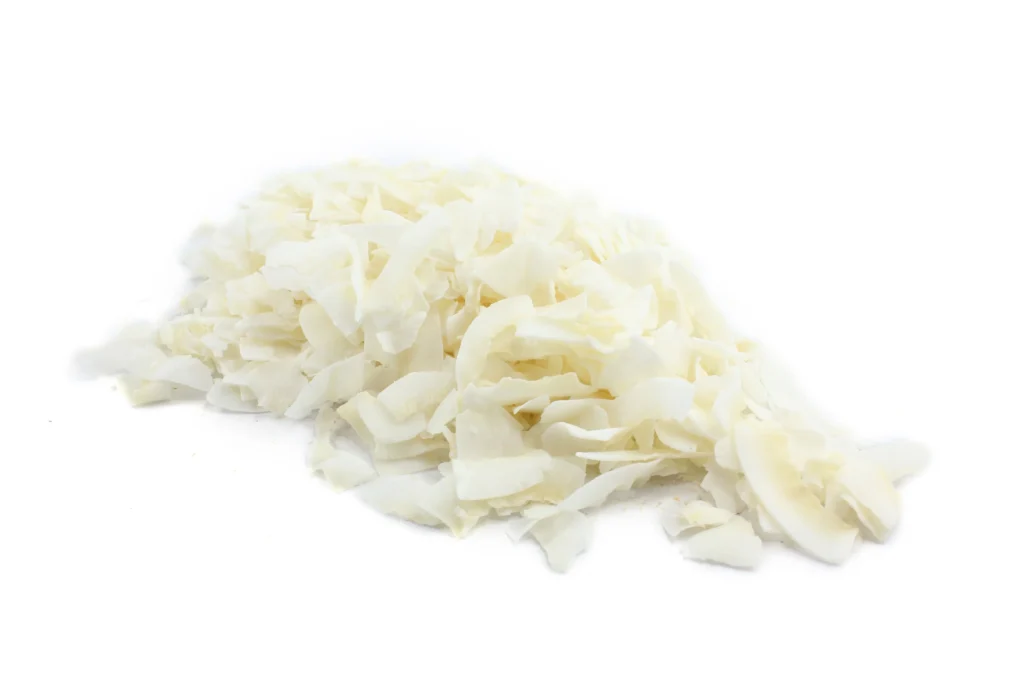
In the age of superfoods and wellness trends, coconut has found itself both praised and questioned in the world of health and nutrition. From coconut oil to coconut water, nearly every part of the coconut is being incorporated into diets—often with bold claims about its ability to boost metabolism, improve digestion, and help shed excess weight. One product frequently featured in this conversation is unsweetened coconut flakes.
But does incorporating unsweetened coconut flakes into your diet actually aid in weight loss? Or is this just another nutrition myth with little scientific backing? Let’s explore the nutritional profile, health benefits, potential drawbacks, and what science really says about unsweetened coconut flakes for weight loss.
| 💡 Quick Answer: Are They Healthy & Good for Weight Loss? Yes, unsweetened coconut flakes are highly nutritious and can support weight loss when eaten in moderation. They are rich in dietary fiber (5g per serving) and metabolism-boosting MCTs. However, they are high in calories (approximately 185 calories per ounce) and saturated fats. They are excellent for Keto and low-carb diets but must be strictly portion-controlled to effectively aid in weight management. |
What Are Unsweetened Coconut Flakes?

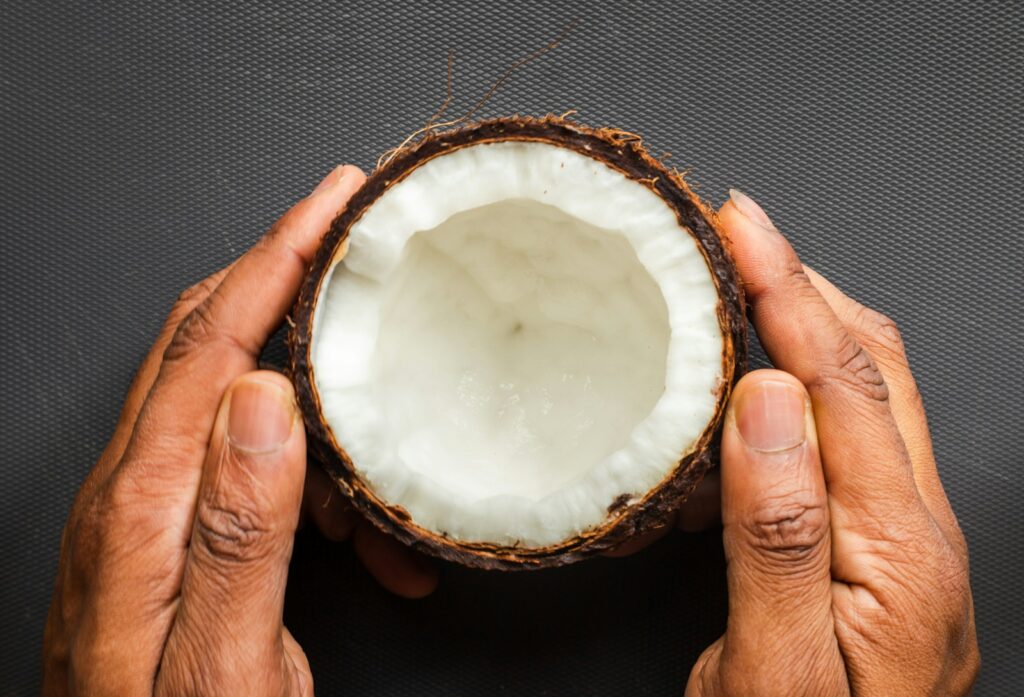
Unsweetened coconut flakes are made by shredding or flaking the white meat of mature coconuts and drying it without adding any sugar or preservatives. These flakes differ from sweetened varieties, which are often loaded with added sugars and used in baking or candy-making.
The unsweetened version is favored by health-conscious eaters because it retains the natural fiber, healthy fats, and micronutrients found in coconut, while avoiding extra calories and sugar.
Nutritional Profile of Unsweetened Coconut Flakes
A typical 28-gram (1-ounce) serving of unsweetened coconut flakes contains:
- Calories: 185
- Fat: 18g (of which ~16g is saturated fat)
- Carbohydrates: 6g
- Fiber: 5g
- Sugar: 2g (naturally occurring)
- Protein: 2g
They also contain trace amounts of iron, zinc, selenium, and manganese—important minerals for energy production, metabolism, and immune function.
The Weight Loss Claim: What’s the Basis?

Proponents of coconut flakes for weight loss usually cite the following reasons:
1. High in Fiber
Fiber is essential for weight management. It slows digestion, keeps you feeling fuller longer, and helps regulate blood sugar levels. With 5 grams of fiber per ounce, coconut flakes can contribute to satiety, potentially reducing overall calorie intake.
2. Healthy Fats and Satiety
Coconut flakes are rich in saturated fat, particularly medium-chain triglycerides (MCTs). MCTs are metabolized differently from long-chain fats—they’re absorbed quickly and converted into energy, rather than stored as fat. Some studies suggest MCTs may modestly boost metabolism and reduce appetite, making them a popular component in keto and low-carb diets.
3. Low in Net Carbs
For those following a ketogenic or low-carb diet, unsweetened coconut flakes are attractive because they contain minimal net carbohydrates (total carbs minus fiber), helping keep insulin levels stable and promoting fat-burning states like ketosis.
This nutritional advantage has made unsweetened coconut flakes a highly sought-after bulk ingredient for commercial healthy snack manufacturers, specifically those formulating certified Keto-friendly granola bars and paleo trail mixes.
What Does the Science Say?
While there is some scientific support for coconut’s role in metabolism and satiety, the evidence is not definitive and should be interpreted with caution.
✅ MCTs and Metabolism
Several small studies have shown that replacing some dietary fat with MCTs can lead to modest increases in energy expenditure and fat oxidation. However, most research uses concentrated MCT oil, not whole coconut or flakes. While coconut contains MCTs, it’s not a pure source, so the effects may not be as strong.
✅ Satiety and Appetite Control
The combination of fat and fiber in coconut can promote fullness. Feeling satisfied after a meal or snack can lead to reduced calorie intake over time. However, coconut flakes are calorie-dense, and portion control is critical.
❌ Weight Loss Outcomes
No major clinical studies show that simply adding unsweetened coconut flakes to your diet leads to significant weight loss. As with any food, total calorie balance still matters—consuming more calories than you burn, even from healthy fats, will result in weight gain.
Potential Benefits Beyond Weight Loss
Even if coconut flakes aren’t a magic bullet for weight loss, they still offer several nutritional benefits:
- Digestive health: High fiber content supports gut regularity and may help with digestion.
- Energy support: Fats, especially MCTs, provide a quick source of fuel, particularly for those on low-carb diets.
- Blood sugar regulation: The low glycemic index of coconut helps prevent blood sugar spikes, which is crucial for appetite control and long-term metabolic health.
Common Pitfalls: Why Coconut Flakes Can Backfire
Despite their health benefits, coconut flakes are not without their risks when it comes to weight management.
1. High Calorie Density
Coconut flakes are very energy-dense. A small handful (just 1 ounce) contains nearly 200 calories. It’s easy to overeat without realizing it, especially if you snack on them straight from the bag.
2. Saturated Fat Content
While MCTs are a healthy fat, most of the fat in coconut is saturated. The role of saturated fat in heart health is still debated, and some experts recommend moderation, particularly for those with cardiovascular risk factors.
3. Portion Confusion
Because coconut flakes are seen as “healthy,” people may assume there’s no need to monitor portion sizes. However, weight loss is about energy balance, and consuming too many calories—regardless of the source—can hinder progress.
How to Incorporate Coconut Flakes for Weight Management
If you enjoy unsweetened coconut flakes and want to include them in a healthy eating plan, here’s how to do so wisely:
✅ Use as a Topping
Sprinkle a small amount (1–2 tablespoons) over oatmeal, smoothie bowls, or yogurt. It adds texture and flavor without too many extra calories.
✅ Incorporate into Energy Balls or Baked Goods
When combined with nuts, seeds, and a natural binder like dates or almond butter, coconut flakes can be part of a balanced, homemade snack.
In the commercial food sector, sourcing bulk coconut flakes ensures healthy food brands can scale up their production of additive-free, low-sugar energy bites without compromising nutritional integrity.
✅ Make Coconut-Crusted Proteins
Use flakes as a coating for chicken or fish for a tropical twist that’s higher in fiber than breadcrumbs.
✅ Practice Mindful Eating
Measure your portions and savor each bite. Coconut is flavorful, so a little goes a long way.
| Bulk Coconut Flakes for Keto & Health Food Manufacturers Are you developing a new line of low-carb, keto, or paleo-friendly food products? Sourcing raw ingredients without hidden sugars or preservatives is critical for your nutritional labels. Global Coco Sugar supplies premium, 100% pure unsweetened coconut flakes in wholesale volumes for the global food and beverage industry. – Specs: Unsweetened, Unsulfured, and rigorously tested for purity. – Certifications: USDA & EU Organic, Halal, and Kosher. – Supply Chain: Reliable global shipping with flexible MOQ for commercial food processing. Partner With Us: Request Specifications and Bulk Pricing Today |
So, Myth or Reality?
Verdict: PARTLY REALITY — with context.
Unsweetened coconut flakes can be part of a healthy, weight-conscious diet, especially due to their fiber, healthy fats, and minimal sugar. However, they are not a miracle food and won’t directly cause weight loss unless used as part of a balanced, calorie-controlled eating plan.
The myth lies in the idea that simply adding coconut flakes to your meals will automatically burn fat or melt pounds away. The reality is more nuanced: they can support weight loss when used in moderation, as a replacement for less healthy ingredients, or when paired with nutrient-dense, whole foods.
Final Thoughts
Like many so-called “superfoods,” unsweetened coconut flakes offer real nutritional value, but they are not a cure-all. Weight loss is complex and influenced by many factors, including lifestyle, exercise, genetics, and overall dietary patterns.
That said, coconut flakes are a delicious, satisfying, and nutrient-rich ingredient worth including—mindfully—in a healthful, well-rounded approach to eating. Focus on quality, quantity, and balance, and let coconut flakes be one flavorful piece of the wellness puzzle.