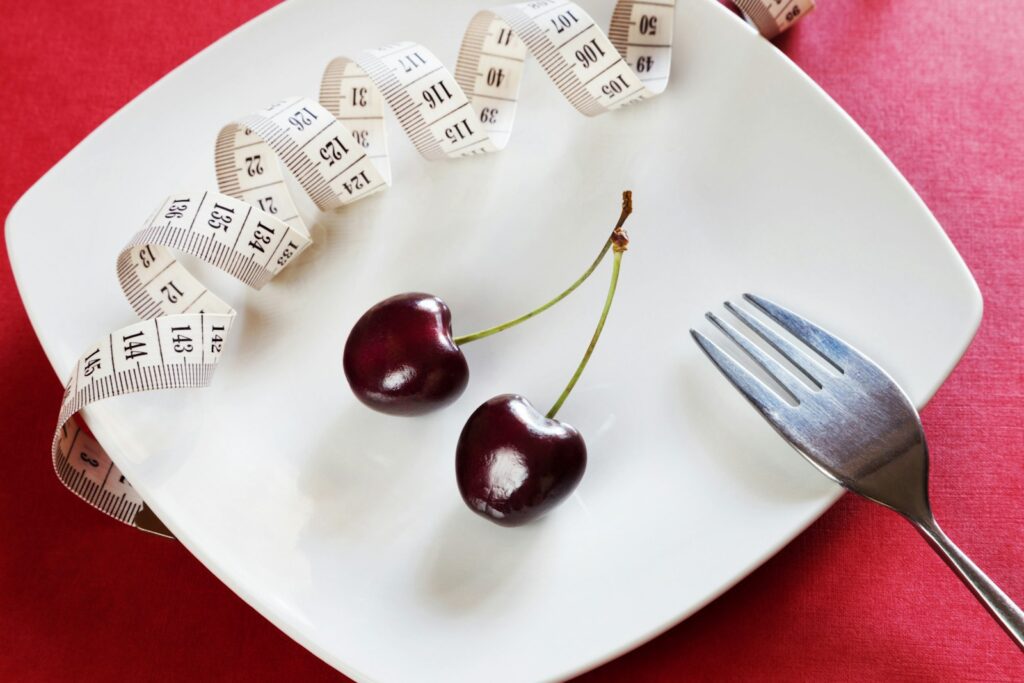
In the vast and often confusing world of health and wellness, virgin coconut oil (VCO) has carved out a prominent niche. Touted as a superfood, it’s been praised for everything from improving brain function to boosting heart health. But one of the most persistent — and controversial — claims is its supposed ability to promote weight loss. So, is virgin coconut oil truly a miracle fat burner, or is it just another overhyped health fad?
Let’s dive into the science, claims, and reality behind this tropical oil.
What Is Virgin Coconut Oil?
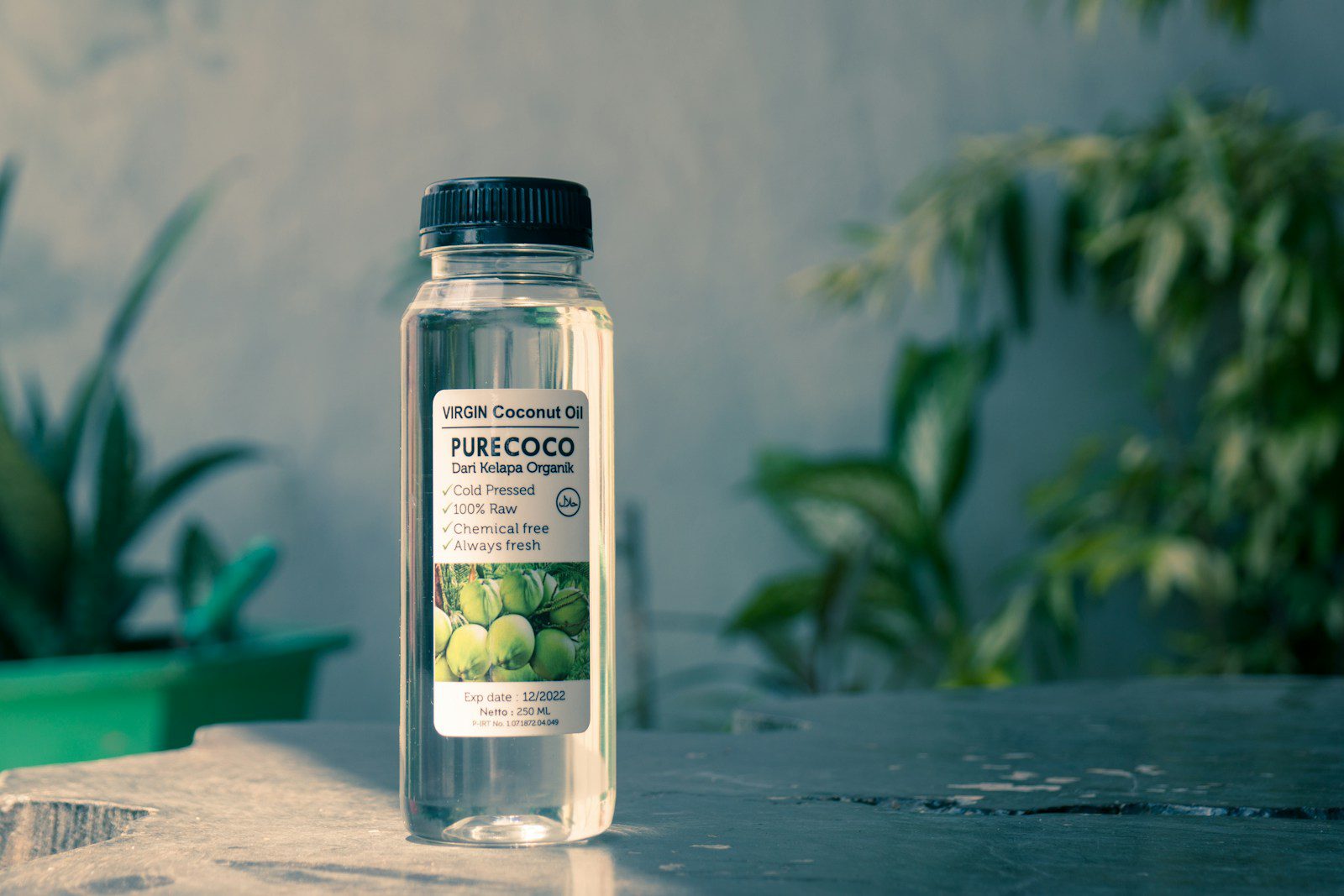
Virgin coconut oil is extracted from the fresh meat of mature coconuts without the use of high heat or chemical processing. Unlike refined coconut oil, VCO retains most of its natural antioxidants, flavor, and aroma. It's rich in saturated fats — particularly medium-chain triglycerides (MCTs) — which are at the center of the weight loss conversation.
MCTs are shorter-chain fatty acids that are digested and metabolized differently from long-chain triglycerides found in most other fats. This difference in structure is what gives rise to the claim that VCO can help with weight management.
The Case for Virgin Coconut Oil and Weight Loss

1. Boosted Metabolism
MCTs are absorbed rapidly and transported directly to the liver, where they are more likely to be burned for energy rather than stored as fat. Several studies suggest that MCTs may increase energy expenditure compared to longer-chain fats.
For instance, a study published in the American Journal of Clinical Nutrition found that people who consumed MCTs burned about 120 more calories per day than those consuming longer-chain fats. Theoretically, this could translate into gradual weight loss over time — provided it’s part of a balanced, calorie-controlled diet.
2. Increased Satiety
Coconut oil may also help you feel fuller for longer. MCTs have been shown to increase the release of satiety hormones like peptide YY and leptin. This could potentially lead to reduced calorie intake throughout the day.
A small study found that people who ate breakfasts rich in MCTs ate less at lunch than those who consumed long-chain fats. However, this effect may be subtle and temporary — and it doesn't mean you can freely drizzle coconut oil over every meal and expect to lose weight.
3. Reduction in Abdominal Fat
Some research has specifically examined the impact of coconut oil on belly fat. In one study, women who consumed two tablespoons of coconut oil daily for 12 weeks experienced a significant reduction in waist circumference, even though their overall body weight didn't change much.
While promising, the study was small and short-term. Larger and longer studies are needed to confirm these effects.
The Case Against: Why Virgin Coconut Oil Might Not Be a Miracle
1. High in Calories
Coconut oil is still a fat — and a very calorie-dense one at that. One tablespoon packs about 120 calories. If you're not mindful, adding coconut oil to your diet could lead to a caloric surplus, not a deficit — the exact opposite of what you want for weight loss.
Replacing less healthy fats with coconut oil may offer some health benefits, but adding it on top of your regular intake without adjusting portion sizes elsewhere could cause weight gain instead.
2. Mixed Scientific Evidence
While MCTs are linked to increased energy expenditure and fat oxidation, most commercial VCO is composed of lauric acid, which behaves somewhat like a long-chain fat in the body. Only a small percentage of VCO is made up of the faster-metabolized MCTs like caprylic and capric acid.
Therefore, the weight loss benefits of MCTs don’t entirely translate to VCO unless it's specifically formulated to be high in those shorter-chain MCTs. Most studies showing dramatic fat loss effects use concentrated MCT oil, not virgin coconut oil.
3. Health Risks of Saturated Fat
Coconut oil is about 90% saturated fat — higher than butter or lard. Although some studies suggest it may raise HDL (good) cholesterol, it can also raise LDL (bad) cholesterol. The American Heart Association recommends limiting saturated fat intake, and coconut oil remains controversial in this regard.
For those focusing on heart health and cholesterol management, moderation is key.
Realistic Use: How to Include VCO in a Healthy Diet
If you're intrigued by the potential benefits of VCO, the key is moderation and smart substitution:
- Use it in place of less healthy fats, such as margarine or hydrogenated oils.
- Avoid consuming it in excess — stick to 1–2 tablespoons per day.
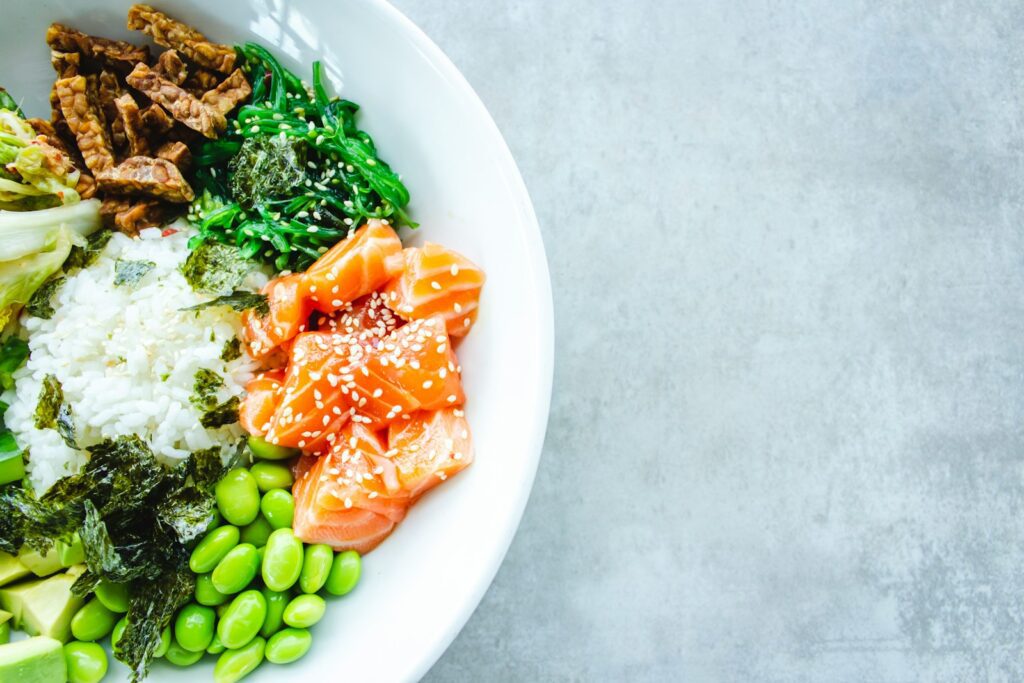
- Pair it with a balanced diet rich in whole foods, fiber, lean protein, and vegetables.
- Don’t rely on it as a weight loss "magic bullet" — focus on total calories, activity levels, and sustainable habits.
Great ways to incorporate VCO include:
- Stirring a small amount into coffee or smoothies
- Using it as a cooking oil for stir-fries or baked goods
- Adding it to homemade energy balls or granola
What the Experts Say
Nutritionists and health experts are largely skeptical of the idea that any single food — coconut oil included — can produce significant weight loss on its own.
According to Dr. Frank Sacks, professor of cardiovascular disease prevention at Harvard, “There’s no evidence that coconut oil has any unique benefits for weight loss compared to other oils.”
Instead, he recommends a diet based on a variety of healthy fats — such as those from olive oil, nuts, seeds, and avocados — as part of an overall lifestyle that supports wellness.
Conclusion: Myth or Miracle?
So, is virgin coconut oil a myth or a miracle for weight loss?
The truth lies somewhere in the middle.
Virgin coconut oil is not a miracle cure. It won’t melt fat off your belly or transform your body overnight. However, it isn't a total myth either. When used smartly and in moderation, it may offer modest benefits — particularly as a substitute for less healthy fats. But expecting dramatic results without addressing other factors like calorie intake, exercise, and overall diet is unrealistic.
In summary: VCO can be a part of a healthy diet, but it's not a magic solution. Think of it as a useful tool — not the toolbox.