In the ever-evolving world of gastronomy, chefs are constantly searching for new ingredients that elevate flavor, enhance nutrition, and support sustainability. One such ingredient gaining momentum in professional kitchens around the globe is coconut nectar. Derived from the sap of coconut blossoms, coconut nectar has long been valued in traditional cuisines across Southeast Asia, but it is now finding a new place in gourmet dining.
From Michelin-starred restaurants to innovative farm-to-table eateries, chefs are embracing coconut nectar not just as a natural sweetener, but as a versatile and sustainable culinary tool. This article explores why coconut nectar has become a staple in gourmet kitchens, covering its production, flavor profile, nutritional benefits, sustainability credentials, and diverse culinary applications.
What Is Coconut Nectar?
Coconut nectar is made by tapping the flower buds of coconut trees to collect their sweet sap, which is then gently heated to produce a rich, amber-colored syrup. Unlike highly refined sweeteners such as white sugar, coconut nectar undergoes minimal processing, retaining more of its natural nutrients and complex flavors.
The result is a sweetener that is less cloying than refined sugar, with subtle notes of caramel, fruit, and even umami. Its layered taste profile makes it especially appealing to chefs looking to add depth to their dishes.
A Flavor Profile Chefs Love
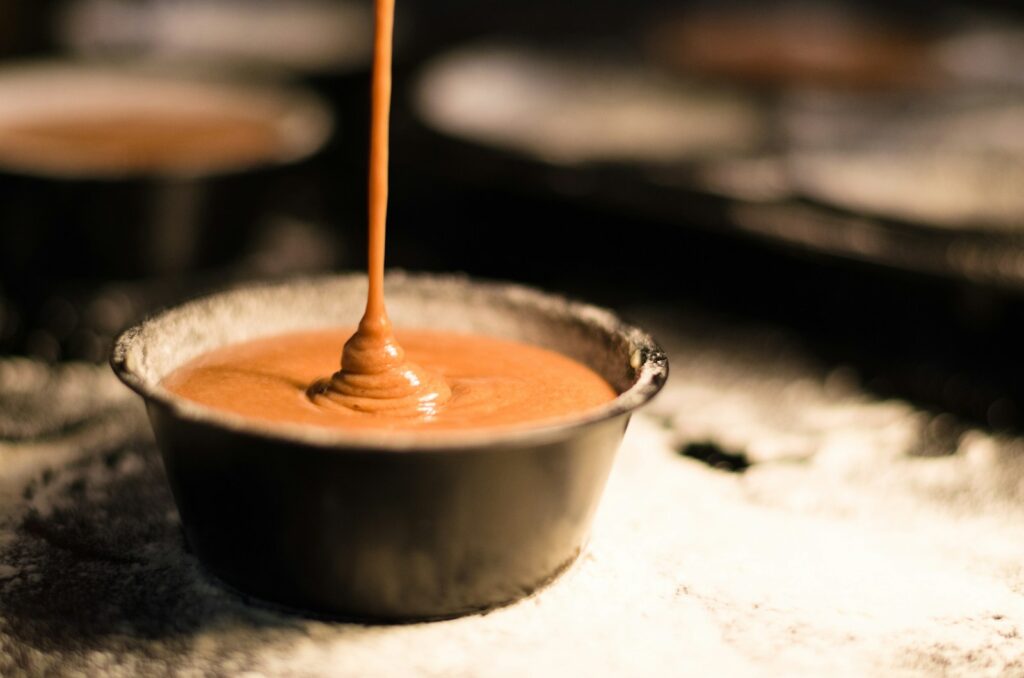
At the heart of coconut nectar’s appeal is its sophisticated flavor complexity. Unlike one-dimensional sweeteners, coconut nectar delivers a nuanced sweetness that chefs can harness in both sweet and savory dishes.
- Caramel-like richness: Similar to molasses but lighter and smoother.
- Slightly fruity undertones: Adding brightness to sauces and dressings.
- Hint of umami: Enhancing savory preparations like marinades or glazes.
This multidimensional flavor allows chefs to experiment creatively, layering sweetness in a way that complements rather than overwhelms other ingredients.
Nutritional and Health Benefits
Modern diners are increasingly health-conscious, and chefs are adapting their menus to meet these demands. Coconut nectar provides several advantages over traditional sweeteners:
- Low Glycemic Index (GI): Coconut nectar has a GI of around 35, which means it causes a slower rise in blood sugar compared to refined sugar. This makes it appealing to health-conscious diners, including those managing blood sugar levels.
- Nutrient-Rich: It contains trace amounts of vitamins (such as vitamin C and B-complex vitamins) and minerals like potassium, magnesium, and zinc.
- Unrefined and Natural: Unlike refined sugars, it is minimally processed, retaining its natural nutrients and avoiding chemical additives.
While chefs prioritize taste first, the added nutritional appeal allows them to offer indulgent dishes that align with consumer demand for wellness-driven dining.
Sustainability and Ethical Sourcing

Another reason chefs are embracing coconut nectar is its sustainability profile. The production of coconut nectar is considered eco-friendly because:
- No trees are cut down: Tapping the blossoms does not harm the coconut tree, which can continue producing coconuts and sap simultaneously.
- Minimal processing: It requires far less energy compared to refining sugar or producing high-fructose corn syrup.
- Support for small farmers: Much of the world’s coconut nectar comes from smallholder farmers in Southeast Asia, especially the Philippines and Indonesia. Choosing coconut nectar supports local communities and fair-trade practices.
For chefs who want their menus to reflect sustainable sourcing and ethical practices, coconut nectar provides an ideal solution. Diners increasingly appreciate transparency and environmental responsibility in restaurants, making coconut nectar a compelling choice.
Coconut Nectar in Gourmet Applications
1. Pastries and Desserts
Coconut nectar is a natural fit for desserts, lending depth and complexity to cakes, mousses, tarts, and ice creams. Its caramel notes pair beautifully with chocolate, nuts, and tropical fruits. Chefs often use it as a replacement for honey or maple syrup in recipes that call for a more subtle sweetness.
2. Glazes and Marinades
The sticky, syrupy texture of coconut nectar makes it excellent for glazes on roasted meats or vegetables. It caramelizes beautifully, creating glossy finishes on duck, pork belly, or even root vegetables. Combined with soy sauce, garlic, and ginger, it becomes a rich marinade that balances savory and sweet flavors.
3. Dressings and Sauces
Chefs incorporate coconut nectar into vinaigrettes and dipping sauces, where its fruity undertones brighten the overall flavor. It is particularly effective in Asian-inspired dressings, balancing acidity from lime or vinegar.
4. Beverages and Mixology
Coconut nectar is increasingly used by bartenders for craft cocktails. Its viscosity makes it a natural sweetener for tropical cocktails like mojitos, margaritas, and tiki-inspired drinks. Its caramel notes also enhance coffee-based drinks, giving lattes and cold brews a unique twist.
5. Fine Dining Plating Techniques
In high-end restaurants, chefs use coconut nectar as a drizzle or reduction for plating, adding both visual appeal and a burst of flavor. Its glossy texture allows it to double as a finishing element in gourmet presentations.
Chef Perspectives

Top chefs around the world are vocal about their appreciation for coconut nectar. Many cite its versatility and ethical sourcing as key reasons for its adoption. For example:
- Chefs in plant-based restaurants embrace it as a natural, vegan-friendly alternative to honey.
- Pastry chefs highlight its ability to add depth to desserts without overpowering delicate flavors.
- Chefs in fusion cuisine find it bridges the gap between sweet and savory dishes, especially in Southeast Asian–inspired menus.
The ingredient’s adaptability across cuisines and styles makes it a powerful addition to a chef’s pantry.
Meeting Consumer Demand for Natural and Exotic Ingredients
Today’s diners are more adventurous, seeking exotic flavors and natural ingredients. Coconut nectar appeals to this trend by offering something both new and traditional:
- New to Western diners: It introduces a fresh flavor profile unfamiliar to many.
- Rooted in tradition: It connects to Southeast Asian culinary heritage, adding authenticity to dishes inspired by the region.
Chefs who use coconut nectar not only enhance flavor but also tell a story about cultural appreciation and sustainability—an increasingly important aspect of modern dining experiences.
Challenges and Considerations
Despite its many benefits, there are challenges in adopting coconut nectar in professional kitchens:
- Cost: It is generally more expensive than refined sugar, which may affect menu pricing.
- Availability: While growing in popularity, coconut nectar is not as widely available in bulk compared to other sweeteners.
- Storage and Shelf Life: As a natural product, it may crystallize or ferment if not stored properly.
Chefs often navigate these challenges by using coconut nectar strategically in high-value dishes or as a specialty ingredient rather than a bulk sweetener.
The Future of Coconut Nectar in Gourmet Dining
The rise of coconut nectar is part of a larger culinary trend toward natural, ethical, and globally inspired ingredients. As consumer awareness grows, more restaurants are likely to incorporate it into their offerings. Additionally, as production scales and distribution improves, costs may decrease, making it more accessible for chefs worldwide.
We can expect to see coconut nectar used not only in traditional applications like desserts but also in cutting-edge gastronomy, where chefs push the boundaries of flavor and texture. With its unique ability to bridge health, sustainability, and taste, coconut nectar seems poised to remain a prominent fixture in the gourmet culinary world.
Conclusion
Chefs are turning to coconut nectar for its complex flavor, health-conscious appeal, and sustainable production methods. From elegant desserts to savory glazes and craft cocktails, this versatile ingredient is redefining how sweetness is expressed in gourmet cuisine.
More than just a sweetener, coconut nectar represents a shift in culinary values—toward authenticity, sustainability, and a deeper appreciation of natural ingredients. For diners, it offers not only a delicious taste but also the assurance that their meal supports both wellness and ethical practices.
As the culinary world continues to evolve, coconut nectar is likely to shine even brighter on the global gourmet stage, becoming a staple in kitchens that celebrate creativity, sustainability, and flavor innovation.