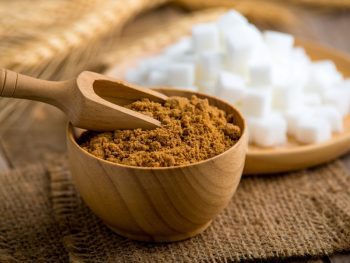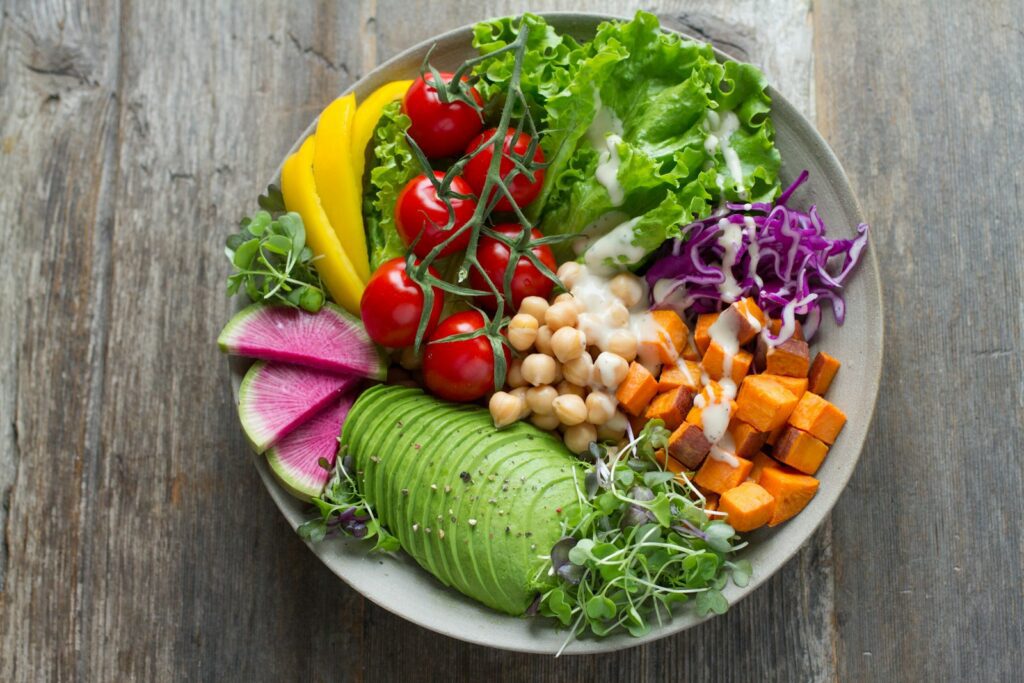
In recent years, China has witnessed a significant transformation in consumer behavior, with an increasing emphasis on health-conscious choices and clean eating. Among the various natural alternatives gaining popularity, natural coconut sugar has emerged as a preferred sweetener, aligning with the nation's growing awareness of nutrition and sustainability
Health Benefits and Nutritional Value of Natural Coconut Sugar
Natural coconut sugar, derived from the sap of coconut palm trees, is minimally processed, retaining essential nutrients such as iron, zinc, calcium, potassium, and antioxidants. Unlike refined sugars, it has a lower glycemic index, making it a favorable option for individuals aiming to manage blood sugar levels and reduce the risk of diabetes.
Rising Demand and Market Growth
The demand for natural coconut sugar in China has been steadily increasing. According to market research, the coconut-based beverage market in China surged from 10.3 billion yuan in 2017 to 14.4 billion yuan in 2021, with projections estimating it to reach 22.4 billion yuan by 2026. This growth is attributed to the rising health awareness among consumers and the popularity of natural, additive-free products.
Integration into Food and Beverage Products
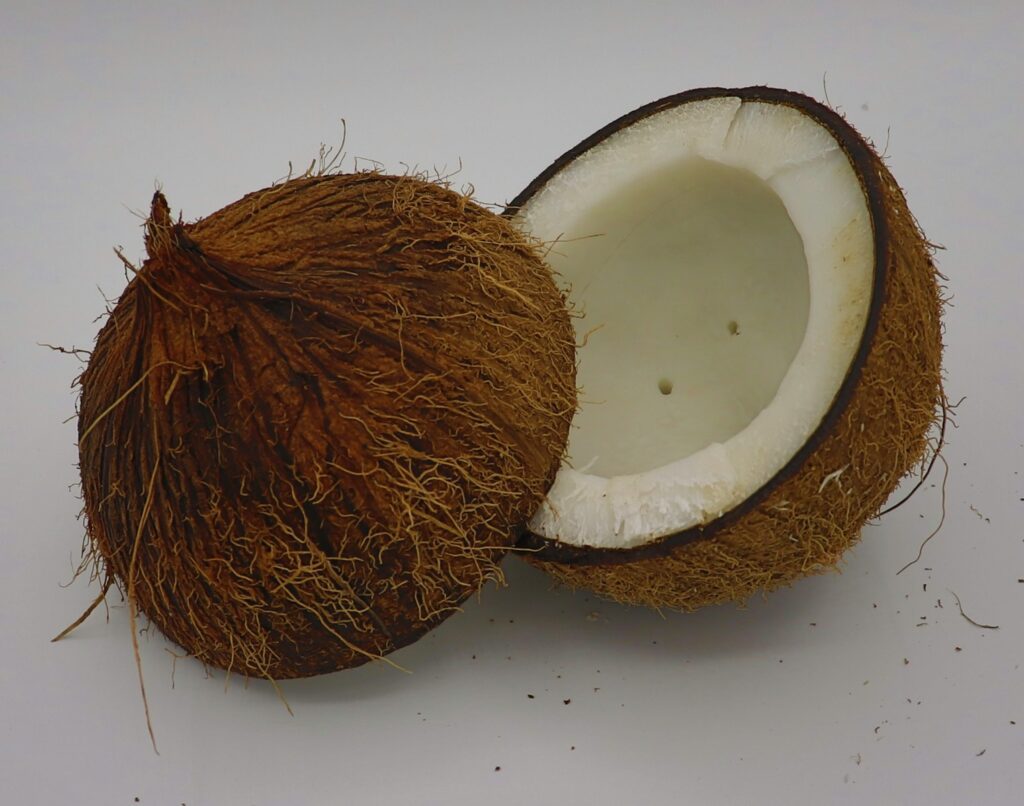
Leading beverage companies in China have recognized the potential of coconut-based ingredients. For instance, FreeNow, a Hangzhou-based coconut beverage provider, introduced coconut milk into coffee and tea products, experiencing a 100% sales growth in both 2021 and 2022. Similarly, Luckin Coffee's raw coconut latte gained immense popularity, selling over 100 million cups within a year of its launch. These products not only cater to the demand for healthier options but also appeal to consumers seeking innovative and flavorful beverages.
Sustainability and Ethical Sourcing
Natural coconut sugar aligns with the global trend toward sustainable and ethical sourcing. The production of coconut sugar has a lower environmental impact compared to traditional sugar production, as coconut trees require fewer resources and have a smaller carbon footprint. This aspect resonates with environmentally conscious consumers in China, further driving the demand for coconut sugar.
Challenges and Future Outlook of Natural Coconut Sugar

Despite its benefits, the adoption of natural coconut sugar faces challenges such as higher production costs and limited domestic supply. However, with increasing imports from Southeast Asia and advancements in processing technologies, these challenges are being addressed. The future of natural coconut sugar in China looks promising, with expectations of continued growth driven by consumer demand for healthier and sustainable alternatives.
In conclusion, the shift toward clean eating in China has paved the way for natural coconut sugar to gain prominence as a healthier, sustainable, and flavorful sweetener. As consumers continue to prioritize health and environmental considerations, natural coconut sugar is poised to become a staple in the Chinese market.
中国在向健康饮食转变中拥抱天然椰子糖
近年来,中国消费者的行为发生了显著变化,越来越注重健康意识和清洁饮食。在各种天然替代品中,天然椰子糖作为一种优选甜味剂,符合国家对营养和可持续性日益增长的关注。
健康益处和营养价值
天然椰子糖由椰子树的树液提取,经过最小加工,保留了铁、锌、钙、钾和抗氧化剂等必需营养素。与精炼糖相比,其血糖生成指数较低,成为那些旨在管理血糖水平和降低糖尿病风险的个人的理想选择。
需求增长和市场发展
中国对天然椰子糖的需求稳步增长。根据市场研究,中国椰子基饮料市场从2017年的103亿元人民币增长到2021年的144亿元人民币,预计到2026年将达到224亿元人民币。这一增长归因于消费者健康意识的提高和对天然、无添加产品的喜爱。
融入食品和饮料产品
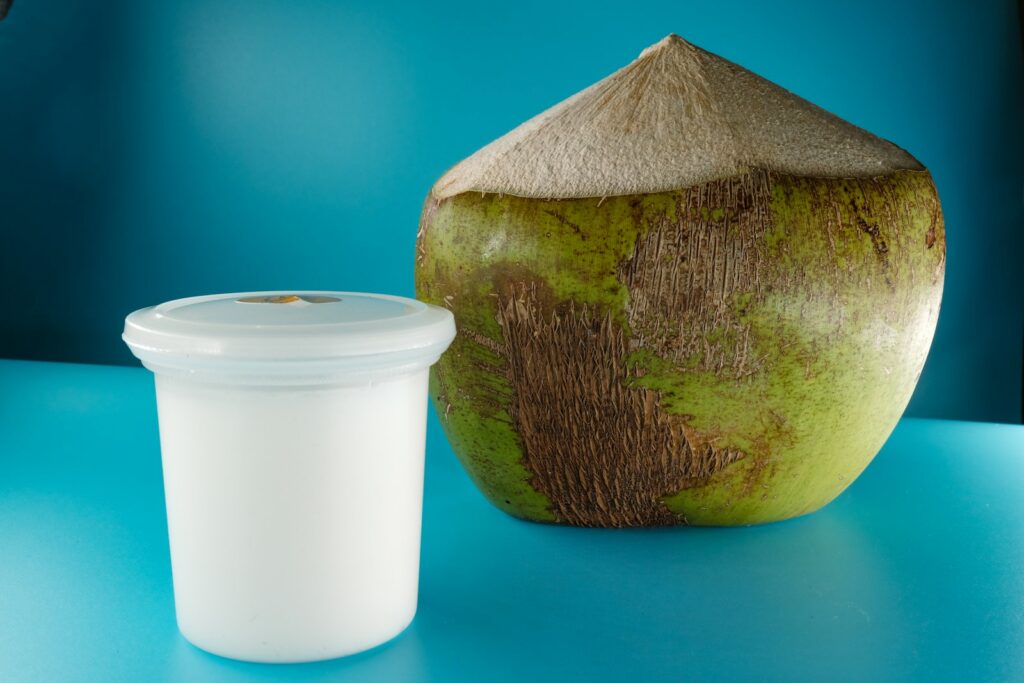
中国领先的饮料公司已认识到椰子基成分的潜力。例如,总部位于杭州的椰子饮料供应商FreeNow将椰奶引入咖啡和茶产品,在2021年和2022年实现了100%的销售增长。同样,瑞幸咖啡的生椰拿铁在推出一年内售出了超过1亿杯。这些产品不仅满足了对更健康选择的需求,还吸引了寻求创新和美味饮品的消费者。
可持续性和道德采购
天然椰子糖符合全球可持续和道德采购的趋势。与传统糖生产相比,椰子糖的生产对环境的影响较小,因为椰子树需要的资源较少,碳足迹也较小。这一方面与中国环保意识强烈的消费者产生共鸣,进一步推动了对椰子糖的需求。
挑战和未来展望
尽管有诸多益处,天然椰子糖的采用面临着生产成本较高和国内供应有限等挑战。然而,随着来自东南亚的进口增加和加工技术的进步,这些挑战正在得到解决。天然椰子糖在中国的未来前景广阔,预计将继续增长,受到消费者对更健康和可持续替代品的需求推动。
总之,中国向健康饮食转变为天然椰子糖作为一种更健康、可持续和美味的甜味剂的崛起铺平了道路。随着消费者继续优先考虑健康和环境因素,天然椰子糖有望成为中国市场的主流产品。