
In recent years, coconut sugar has become a favorite among health-conscious bakers and natural food enthusiasts.
Derived from the sap of the coconut palm tree, this unrefined sweetener has gained attention not only for its rich, caramel-like flavor but also for its lower glycemic index compared to refined white sugar.
But how does it perform in baking? Can it replace white or brown sugar in your favorite cookie, cake, or muffin recipes?
This article dives into everything you need to know about baking with coconut sugar, including practical tips and smart substitution techniques.
Quick Answer: Is Coconut Sugar Good for Baking?
Yes, coconut sugar can be used in many baked goods, especially cookies, muffins, quick breads, brownies, granola, and spice-based cakes. It adds a deeper caramel-like flavor and darker color compared to white sugar.
However, it can also affect texture, moisture, melting, and final appearance, so bakers may need small adjustments depending on the recipe.
For commercial baking, coconut sugar should be tested in trial batches before being used in full-scale production.
What Is Coconut Sugar?
Coconut sugar, also known as coconut palm sugar, is made from the sap of the flower buds of the coconut palm tree.
The sap is heated until the water evaporates, leaving behind granules that resemble brown sugar in appearance and texture.
Unlike highly processed white sugar, coconut sugar retains some of the nutrients found in the coconut palm, including small amounts of iron, zinc, calcium, and potassium.
However, it's worth noting that while coconut sugar may be less refined and have a slightly lower glycemic index (GI ~35 compared to white sugar's GI of ~65), it’s still sugar.
That means it should be used in moderation as part of a balanced diet.
Flavor Profile
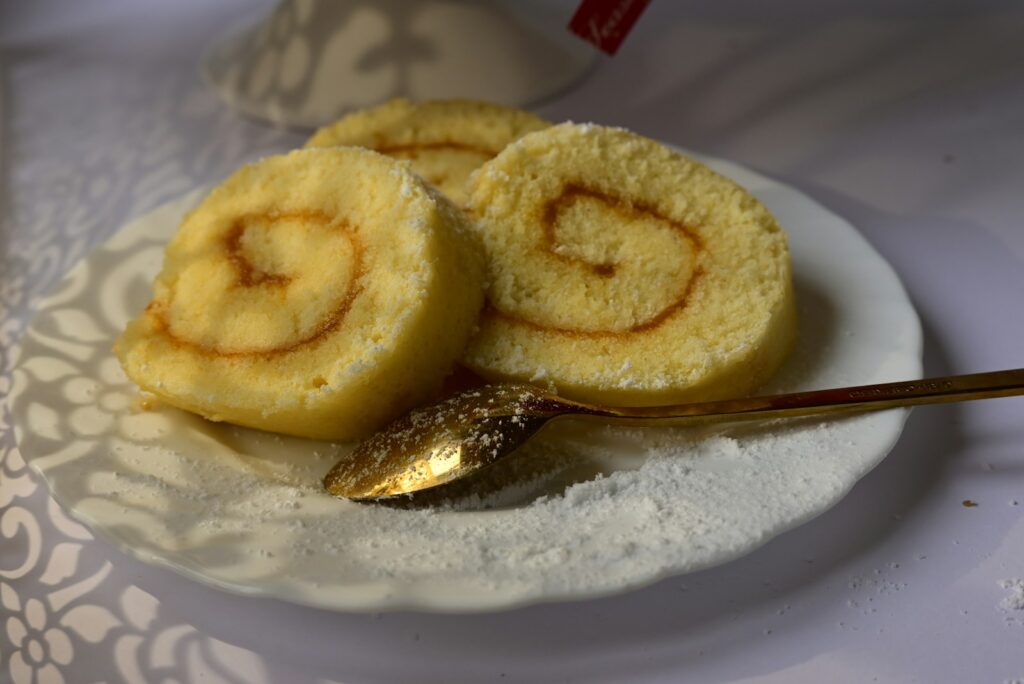
Coconut sugar has a deep, toffee-like taste, often compared to light brown sugar with hints of molasses and caramel.
This unique flavor adds depth and warmth to baked goods and works especially well in recipes with spices, chocolate, nuts, or fruit.
Because of its flavor, coconut sugar may slightly alter the taste of your final product when substituted for white sugar.
This can be a positive change in many cases, adding a more complex sweetness to cookies, cakes, and even frostings.
Coconut Sugar vs. Other Sweeteners
Here’s how coconut sugar compares to common sweeteners in baking:
- White Sugar: Refined, neutral flavor, very sweet. Coconut sugar is less sweet, with a distinct caramel flavor.
- Brown Sugar: Similar in texture and color to coconut sugar, but typically moister and slightly sweeter.
- Honey/Maple Syrup: Liquid sweeteners with distinct flavors; replacing them with coconut sugar requires recipe adjustments for liquid content.
- Agave Nectar/Stevia/Erythritol: Often used in low-calorie or keto baking; not direct replacements for coconut sugar in most traditional recipes.
Substituting Coconut Sugar in Baking

Coconut sugar can generally be used as a 1:1 replacement for white or brown sugar in most recipes. However, there are a few considerations to keep in mind:
1. Sweetness
Coconut sugar is slightly less sweet than white sugar. If your recipe relies heavily on sugar for flavor, you might want to increase the amount slightly (by 1–2 tablespoons per cup) or pair it with another sweetener, such as maple syrup.
2. Moisture
Coconut sugar has a drier texture than brown sugar. If you’re replacing brown sugar, consider adding a teaspoon of molasses or a tablespoon of honey to maintain moisture.
3. Color
Coconut sugar is naturally darker, which can change the appearance of lighter baked goods. While not a problem for chocolate cakes or spice cookies, it might not be ideal for delicate items like angel food cake or vanilla cupcakes.
4. Melting Behavior
Unlike white sugar, coconut sugar doesn’t melt as easily. This may impact the texture of some confections, like meringues or caramels, where melting and crystallization are key to success.
Best Uses for Coconut Sugar
Coconut sugar works beautifully in recipes where its rich flavor and dark color complement the dish.
The table below shows where it performs best in baking and what to expect from each application.
| Baking Application | Suitability | What to Expect |
|---|---|---|
| Cookies | Very good | Adds deeper flavor, darker color, and a slightly softer texture. |
| Muffins and quick breads | Very good | Works well with banana, pumpkin, chocolate, cinnamon, and spice-based recipes. |
| Brownies and chocolate cakes | Good | The darker color and caramel-like flavor usually blend well with cocoa. |
| Light cakes | Use with testing | May darken the color and slightly change the crumb structure. |
| Frostings and glazes | Use carefully | May need dissolving or blending for a smoother texture. |
| Meringues and delicate pastries | Not ideal | White sugar usually performs better for structure, color, and fine texture. |
| Commercial baking | Start with trial batches | Review particle size, moisture, color, flavor impact, and batch consistency before bulk use. |
Tips for Baking with Coconut Sugar
To get the best results, follow these tips:
1. Sift or Blend
Coconut sugar can clump. Sifting or giving it a quick pulse in a blender helps create a smoother batter.
2. Cream with Fat Carefully
Coconut sugar doesn’t cream as well with butter as white sugar. Beat it thoroughly or try using melted butter for better integration.
3. Pair with Warm Flavors
Since it has a deep, earthy flavor, it pairs beautifully with cinnamon, nutmeg, cloves, vanilla, and chocolate.
4. Store Properly
Keep coconut sugar in an airtight container in a cool, dry place. If it hardens, you can soften it with a slice of apple or a piece of bread, much like brown sugar.
Recipe: Coconut Sugar Chocolate Chip Cookies
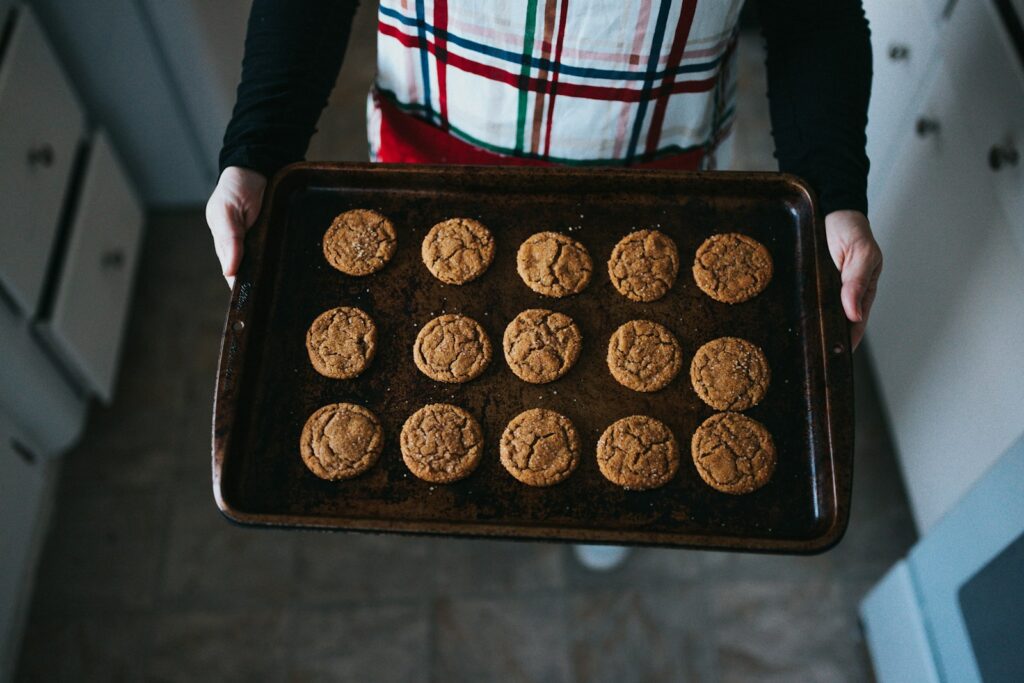
Here’s a delicious cookie recipe that highlights the rich flavor of coconut sugar.
Ingredients:
- 1 cup unsalted butter, melted and cooled slightly
- 1½ cups coconut sugar
- 2 large eggs
- 2 teaspoons vanilla extract
- 2½ cups all-purpose flour
- 1 teaspoon baking soda
- ½ teaspoon salt
- 1½ cups semi-sweet chocolate chips
Instructions:
- Preheat oven to 350°F (175°C). Line baking sheets with parchment paper.
- Mix wet ingredients: In a large bowl, whisk together the melted butter, coconut sugar, eggs, and vanilla until smooth.
- Combine dry ingredients: In another bowl, whisk flour, baking soda, and salt. Add to wet ingredients and stir until just combined.
- Fold in chocolate chips.
- Scoop dough onto prepared baking sheets, spacing 2 inches apart.
- Bake for 10–12 minutes, or until edges are golden brown.
- Cool on the sheet for 5 minutes, then transfer to wire racks to cool completely.
These cookies are slightly chewy, with a rich, caramel flavor thanks to the coconut sugar.
Does Coconut Sugar Melt in Baking?
Coconut sugar can melt and dissolve when exposed to heat and moisture, but it may behave slightly differently from white sugar because of its crystal size, color, and caramel-like flavor.
In cookies, cakes, sauces, and baked goods with enough moisture, it usually blends well.
For smoother applications such as frosting, glaze, or fine-textured cakes, it may help to dissolve, blend, or process the coconut sugar before use.
Using Coconut Sugar in Commercial Baking and Food Manufacturing
For commercial baking, bakery brands, snack manufacturers, beverage producers, and private label buyers, coconut sugar should be evaluated based on product performance, not only sweetness.
Flavor, color, particle size, moisture, flowability, and batch consistency can all affect the final product.
Granulated coconut sugar may work well in cookies, toppings, granola, brownies, and bakery applications where deeper color and caramel-like flavor are acceptable.
Powdered coconut sugar may be more suitable for dry mixes, beverage powders, fillings, or products that need smoother dispersion.
Before using coconut sugar in larger production, buyers should review product specifications, sample performance, packaging, shelf life, and supplier documentation.
Our guide to organic coconut sugar specifications can help procurement and R&D teams check key parameters before trial production.
For broader product development use cases, you can also explore how coconut sugar in the food industry is used across bakery, beverages, snacks, confectionery, sauces, and private label products.
If you are evaluating organic coconut sugar from Indonesia for commercial baking or food manufacturing, Global Coco Sugar can help you discuss product form, packaging options, specifications, and quotation requirements with our export team.
Need coconut sugar for trial production or bulk supply? Contact our export team to request specifications, packaging details, or a quotation.
Final Thoughts
Coconut sugar is an excellent alternative to refined sugar for many baked goods, especially if you're looking for a natural sweetener with a bit more nutritional value and flavor complexity.
While it may not work perfectly in every situation—particularly recipes where precise sugar chemistry is crucial—it can be a great addition to your baking toolkit.
By understanding its properties and how to substitute it effectively, you can enjoy a whole new level of flavor in your baked creations.
Whether you’re making everyday muffins or indulgent cookies, coconut sugar can bring a touch of wholesome sweetness to your kitchen.