

Canned coconut milk, carton coconut milk, and fresh coconut milk are not exactly the same. They can all come from coconut meat and water, but they differ in texture, fat content, flavor, shelf life, packaging, additives, and best uses.
For cooking, canned coconut milk is usually thicker and richer. Carton coconut milk is usually lighter and more suitable for beverages, smoothies, cereal, and barista-style drinks.
Fresh coconut milk can offer a clean coconut flavor, but it has a much shorter shelf life and is less practical for export or large-scale production.
This guide compares canned vs carton vs fresh coconut milk so home cooks, food brands, and B2B buyers can choose the right format for cooking, baking, beverages, and commercial food applications.
If you are comparing coconut milk for dairy-free use, you may also want to read our guide to coconut milk for lactose-intolerant diets.
Quick Answer: Are Canned and Carton Coconut Milk the Same?
No, canned and carton coconut milk are not always the same. Canned coconut milk is usually thicker, richer, and higher in fat, so it works well for curries, soups, sauces, and desserts.
Carton coconut milk is usually lighter, more diluted, and often designed as a beverage for drinking, smoothies, cereal, coffee, or plant-based drinks.
Fresh coconut milk is made from freshly grated coconut meat and water. It can have a clean coconut flavor, but it has a short shelf life and is not as convenient for storage, export, or industrial use.
Understanding Coconut Milk

Coconut milk is made by combining grated mature coconut meat with water and then straining the mixture into a white, creamy liquid.
Depending on the amount of coconut solids, fat content, water, processing method, and packaging, coconut milk can be sold as fresh coconut milk, canned coconut milk, carton coconut milk, UHT coconut milk, or coconut milk beverage.
This is why two products labeled “coconut milk” can perform very differently in recipes. One may be thick enough for curry or dessert, while another may be light enough for drinking or coffee.
If you are comparing thickness and formulation, read our guide to coconut milk vs coconut cream for a more specific explanation of how these two coconut products differ.
What Is Canned Coconut Milk?
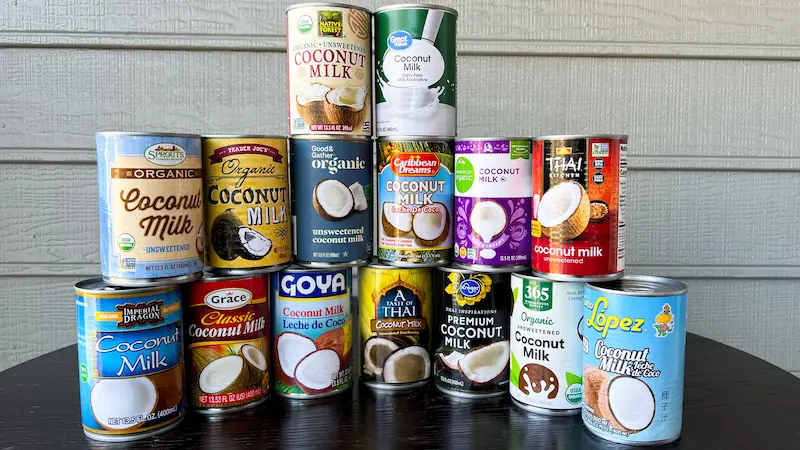
Canned coconut milk is usually made by processing coconut meat with water, standardizing the mixture, and sealing it in cans for long shelf life. It is commonly thicker and richer than carton coconut milk, especially when it is full-fat.
Because of its texture, canned coconut milk is widely used in curries, soups, sauces, stews, desserts, custards, bakery fillings, and foodservice recipes.
It may contain stabilizers such as gums to help control separation and texture, depending on the brand and formulation.
What Is Carton Coconut Milk?
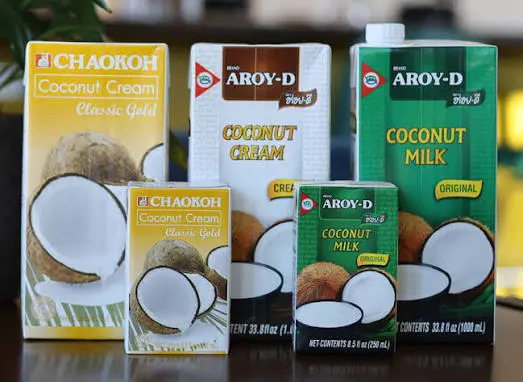
Carton coconut milk is usually lighter than canned coconut milk. Many carton products are made as coconut milk beverages, which means they may contain more water and are designed for drinking, smoothies, cereal, coffee, or barista-style applications.
Some carton coconut milk products use UHT or aseptic processing to support shelf stability. They may also include stabilizers, emulsifiers, fortification, or added sugar, depending on the product.
Because formulations vary, consumers and B2B buyers should always check the ingredient list and product specification.
What Is Fresh Coconut Milk?

Fresh coconut milk is made by blending or pressing freshly grated coconut meat with water and then straining the liquid. The first pressing is usually richer, while later pressings can be thinner.
Fresh coconut milk can offer a clean coconut aroma and traditional flavor, but it has a very short shelf life. It usually needs refrigeration and fast use, which makes it less practical for export, retail distribution, or large-scale manufacturing unless processed further.
Canned vs Carton vs Fresh Coconut Milk: Quick Comparison
| Factor | Canned Coconut Milk | Carton Coconut Milk | Fresh Coconut Milk |
| Texture | Thick, creamy, rich | Lighter, thinner, more drinkable | Can vary from thick to thin |
| Common use | Curries, soups, sauces, desserts, baking | Beverages, smoothies, cereal, coffee, barista use | Traditional cooking, fresh desserts |
| Shelf life | Long when unopened | Medium to long, depending on UHT/aseptic packaging | Very short |
| Flavor | Rich coconut flavor, sometimes with a cooked note | Cleaner or lighter flavor | Fresh coconut aroma |
| Additives | May contain stabilizers such as gums | May contain stabilizers, emulsifiers, fortification, or added sugar | Usually no additives if homemade |
| Substitution | Best for recipes needing richness | Best for drinking and light applications | Best when fresh flavor matters |
| B2B use | Foodservice, sauces, ready meals, desserts | Beverage, barista, retail drink products | Limited for export due to shelf life |
7 Key Differences Between Canned, Carton, and Fresh Coconut Milk
1. Texture and Richness
Canned coconut milk is usually the richest option because it often contains more coconut solids and fat. This makes it better for recipes that need body, creaminess, and a fuller mouthfeel.
Carton coconut milk is usually lighter because it is often formulated as a drink. Fresh coconut milk can vary depending on how much water is used and whether it comes from the first or later pressing.
2. Shelf Life and Storage
Canned coconut milk usually has a long unopened shelf life, making it practical for restaurants, foodservice, and export-oriented supply chains. Carton coconut milk can also have a medium to long shelf life depending on processing and packaging.
Fresh coconut milk has the shortest shelf life and should be used quickly. This makes it ideal for local fresh cooking, but less suitable for long-distance distribution unless it is processed into another stable format.
3. Best Uses in Cooking and Beverages
Canned coconut milk works best in rich recipes such as curries, soups, stews, sauces, custards, desserts, and bakery fillings. Carton coconut milk works better for smoothies, cereal, coffee, tea, plant-based drinks, and barista applications.
Fresh coconut milk is often preferred when traditional flavor and fresh aroma are the main priorities. However, it requires quick handling and consistent preparation.
4. Flavor and Aroma
Fresh coconut milk can have a clean and fragrant coconut aroma. Canned coconut milk usually has a richer coconut flavor, although some products may have a cooked or slightly processed note depending on processing and packaging.
Carton coconut milk is usually lighter and more neutral. This can be useful for beverages or coffee where a strong coconut flavor is not always desired.
5. Additives and Formulation
Some canned and carton coconut milk products include stabilizers, emulsifiers, or other ingredients to control texture and separation. This is not always negative, especially for commercial consistency, but it should be reviewed based on the final application.
For clean-label or minimal-ingredient products, buyers should check the ingredient declaration, formulation, and supplier specification before ordering.
6. Substitution Flexibility
Canned, carton, and fresh coconut milk can sometimes replace each other, but not always with the same result. The main differences are thickness, fat content, water content, and flavor strength.
When replacing one format with another, test the recipe first. You may need to adjust liquid levels, cooking time, thickening agents, or sweetness depending on the final product.
7. B2B Consistency and Export Practicality
For B2B buyers, consistency is often more important than freshness alone. Food manufacturers and beverage brands need predictable texture, fat content, flavor, shelf life, packaging, and documentation.
This is why canned coconut milk and carton or UHT coconut milk are usually more practical for export and industrial use than fresh coconut milk. Fresh coconut milk may deliver excellent flavor, but it is harder to standardize, store, and ship at scale.
Can You Use Carton Coconut Milk Instead of Canned?
You can use carton coconut milk instead of canned coconut milk in some recipes, but the result may be thinner and less creamy. Carton coconut milk usually contains more water and is often designed for drinking rather than cooking.
For curries, soups, sauces, custards, and desserts, canned coconut milk is usually better because it has a richer texture and higher coconut solids. For smoothies, cereal, coffee, and light beverages, carton coconut milk is usually more suitable.
If you only have carton coconut milk but the recipe calls for canned coconut milk, you may need to reduce other liquids, simmer the recipe longer, or add a thickening ingredient depending on the dish.
How to Choose the Right Coconut Milk
| Choose This Format | Best When You Need | Common Applications |
| Canned coconut milk | Richness, creaminess, cooking stability, stronger coconut body | Curries, sauces, soups, desserts, bakery fillings, foodservice |
| Carton coconut milk | A lighter drinkable texture, beverage use, coffee or smoothie applications | Cereal, smoothies, coffee, barista drinks, retail beverages |
| Fresh coconut milk | Fresh coconut aroma and traditional preparation | Traditional dishes, fresh desserts, immediate local use |
B2B Sourcing Considerations for Coconut Milk Products
For food manufacturers, beverage brands, foodservice suppliers, private label buyers, and procurement teams, choosing the right coconut milk format depends on the final application.
Canned coconut milk may be more suitable for sauces, curries, desserts, bakery fillings, and ready meals.
Carton or UHT coconut milk may be more suitable for beverages, smoothies, barista products, and retail drink formats.
Before sourcing coconut milk or other coconut-based ingredients, buyers should verify product form, fat content, coconut solids, ingredient declaration, stabilizers, packaging type, shelf life, MOQ, export documentation, and supplier communication.
For U.S. packaging and nutrition label planning, buyers can review FDA nutrition labeling resources.
For other markets, always check local regulations and customer requirements before using nutrition, dairy-free, clean-label, or formulation claims.
For broader coconut ingredient sourcing, buyers can review available coconut products from Indonesia or explore our guide to top coconut derivative products used in global B2B markets.
Need coconut-based ingredients for food, beverage, or private label applications? Contact our export team to request product details, samples, packaging options, or a quotation.
Final Verdict
Canned, carton, and fresh coconut milk each have different strengths. Canned coconut milk is usually the best choice for rich cooking, sauces, curries, soups, desserts, and foodservice recipes.
Carton coconut milk is usually better for beverages, smoothies, cereal, coffee, and barista-style products.
Fresh coconut milk is best when fresh coconut aroma and traditional preparation matter most, but it requires quick use and careful handling.
For B2B buyers, the right choice depends on product application, texture target, fat content, shelf life, packaging, ingredient declaration, and export requirements.
The safest approach is to test the product in the final formula and review supplier documentation before placing a bulk order.
FAQ About Canned vs Carton Coconut Milk
What is the difference between canned coconut milk and carton coconut milk?
Canned coconut milk is usually thicker, richer, and better for cooking. Carton coconut milk is usually lighter and designed for drinking, smoothies, cereal, coffee, or beverage applications.
Is canned coconut milk the same as carton coconut milk?
No. They may both be made from coconut, but canned coconut milk is generally richer and more concentrated, while carton coconut milk is usually more diluted and beverage-oriented.
Can I use carton coconut milk instead of canned coconut milk?
Yes, but only for some recipes. Carton coconut milk can work in smoothies, cereal, drinks, and lighter recipes. For rich curries, sauces, desserts, or baking, canned coconut milk usually gives better texture.
Is fresh coconut milk better than canned coconut milk?
Fresh coconut milk can have a cleaner coconut aroma, but it has a very short shelf life. Canned coconut milk is more convenient, consistent, and practical for everyday cooking and foodservice use.
Why is canned coconut milk thick or solid?
Canned coconut milk can become thick or separate because coconut fat naturally rises and solidifies, especially in cooler storage conditions. In many cases, shaking or stirring the can helps combine the cream and liquid again.
Which coconut milk is best for cooking?
Canned coconut milk is usually best for cooking because it has a thicker texture and richer coconut flavor. Carton coconut milk is usually better for beverages and lighter uses.
Which coconut milk is best for coffee?
Carton coconut milk or barista-style coconut milk is usually better for coffee because it is designed to mix into beverages. Canned coconut milk may be too thick unless diluted or used intentionally as a rich creamer.


