Coconut has long been a favorite in kitchens around the world. From Southeast Asian curries to tropical desserts and even vegan cooking, coconut in its many forms plays a versatile role. Two of the most commonly used types are coconut flakes and desiccated coconut—both derived from the same fruit, but processed and used in very different ways.
At first glance, they might look similar, but the differences in texture, moisture, processing, and culinary uses can significantly impact your recipe’s outcome. So what exactly sets them apart?
Let’s dive into the key distinctions between coconut flakes and desiccated coconut, how each is made, their nutritional benefits, and when to use one over the other.
| Quick Answer: Are They the Same? No, coconut flakes and desiccated coconut are not the same. While both are made from the dried white meat of mature coconuts, they differ significantly in size, texture, and moisture. Coconut flakes are large, wide strips that retain more moisture and chewiness, making them ideal for garnishes. Desiccated coconut is finely grated, extremely dry (under 3% moisture), and powdery, making it the standard ingredient for blending into commercial baking batters and doughs. |
1. What Are Coconut Flakes?
Coconut flakes are large, thin pieces of coconut meat that have been dried. They’re typically created by shaving the white flesh of mature coconuts into wide, flat strips, which are then dried to remove most of the moisture. Depending on the brand or preparation method, coconut flakes may be sweetened or unsweetened, and toasted or untoasted.
Coconut flakes retain some of their natural coconut oil, which gives them a rich flavor and satisfying crunch, especially when toasted. Their texture is slightly chewy but still crisp, making them ideal for topping dishes or adding visual appeal to baked goods.
2. What Is Desiccated Coconut?
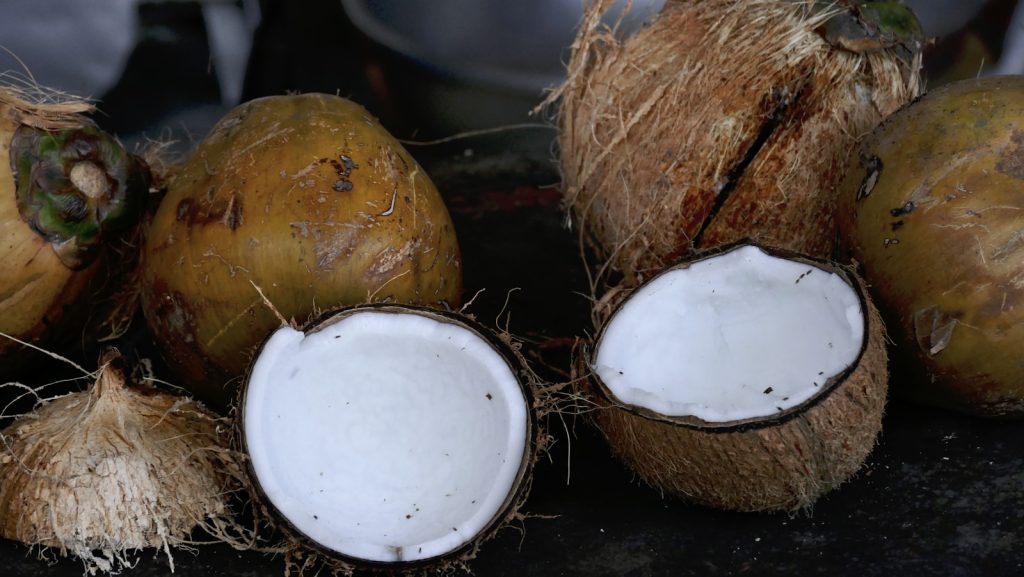
Desiccated coconut, on the other hand, is much finer in texture. It’s made by grating the white meat of mature coconuts and drying it at low temperatures to reduce the moisture content to below 3%. The result is a dry, fine, powdery or finely shredded product.
Unlike coconut flakes, desiccated coconut is rarely sweetened. It can come in different grades—fine, medium, or coarse—but all share a much smaller and drier texture compared to flakes.
Desiccated coconut is often used in baking and cooking where you want coconut flavor without altering the texture too much.
In the global B2B food industry, high-fat and low-fat desiccated coconut is a critical raw material sourced in bulk by biscuit manufacturers, commercial bakeries, and confectionery brands for its long shelf life and consistent texture.
3. Texture and Appearance
The most noticeable difference between coconut flakes and desiccated coconut is their texture:
- Coconut Flakes: Larger, wider, and more irregular in shape. They have a visible “chip” or flake-like appearance. Their texture is crisp and chewy.
- Desiccated Coconut: Much finer, almost like grated cheese or coarse flour. It’s dry, powdery, and light.
This difference in texture means they behave differently in recipes. Using one in place of the other without adjustments can affect moisture levels, texture, and even flavor distribution.
4. Flavor Differences
Both forms of coconut retain the tropical, nutty, and slightly sweet flavor of the fruit, but their processing can lead to subtle taste differences.
- Coconut Flakes usually have a richer, fuller flavor due to their larger size and higher oil content. If toasted, they develop a deeper, nuttier taste.
- Desiccated Coconut has a milder flavor and is more neutral, making it great for blending into recipes without overpowering other ingredients.
Sweetened versions of coconut flakes can be quite sugary, which is something to watch out for if you're managing sugar intake.
5. Culinary Uses
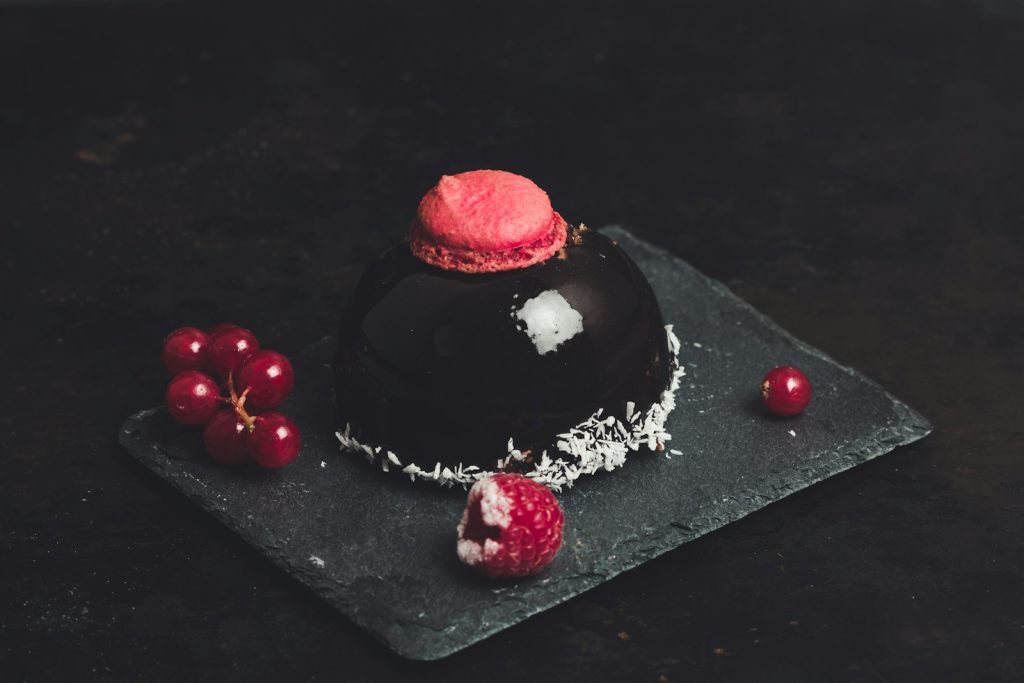
Both coconut flakes and desiccated coconut have wide-ranging uses, but they aren’t always interchangeable. Here's when to use each:
Coconut Flakes: Best For...
- Topping smoothie bowls, oatmeal, or yogurt
- Garnishing cakes, cupcakes, or desserts
- Adding crunch to granola or trail mixes
- Baking into cookies, bars, or macaroons
- Toasting as a snack or salad topping
Desiccated Coconut: Best For...
- Mixing into cake batters or cookie dough
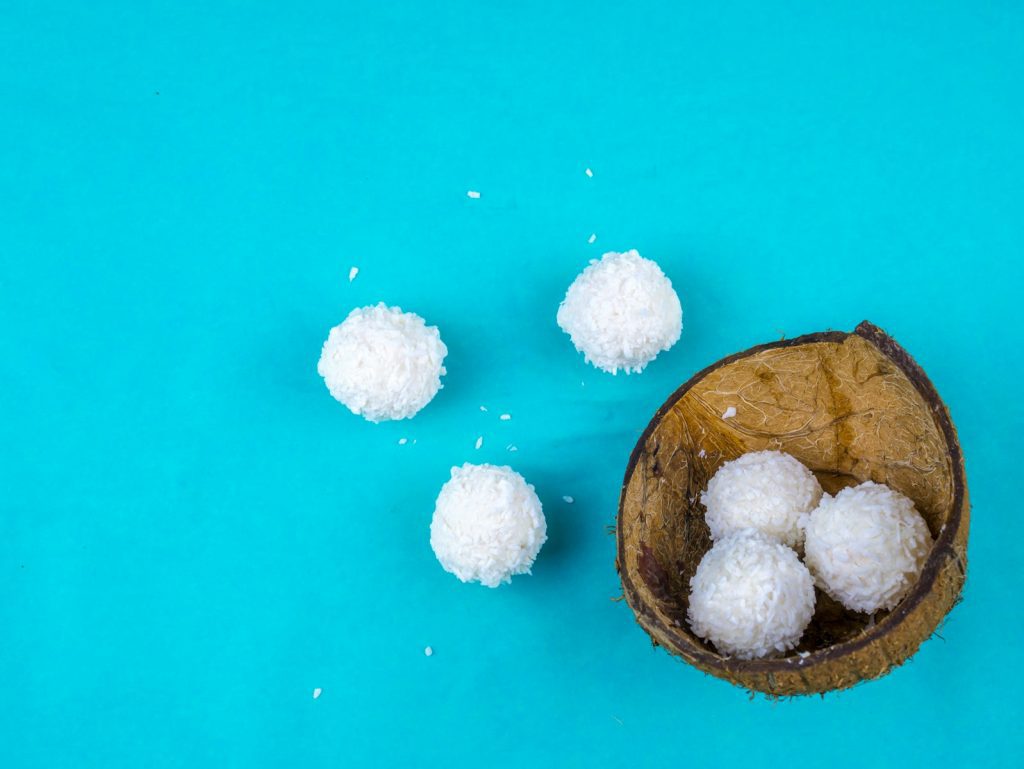
- Making coconut-based truffles or energy balls
- Coating sweets like lamingtons or brigadeiros
- Thickening sauces or curries (in some cuisines)
- Adding to bread, muffin, or pancake mixes
- Commercial food manufacturing: Mass-producing coconut biscuits, macaroons, and industrial snack bars.
When a recipe calls for a specific texture—like chewy coconut chunks vs. fine coconut integrated into batter—it’s best to follow it closely.
6. Moisture and Storage
Because of their different sizes and surface areas, coconut flakes and desiccated coconut differ in moisture content and how they’re stored.
- Coconut flakes retain more natural oils and can go rancid more quickly, especially if not stored properly. Store in an airtight container in a cool, dry place. Refrigeration or freezing can extend shelf life.
- Desiccated coconut is drier and has a longer shelf life when stored in a sealed bag or container in a cool pantry. However, it can absorb moisture from the air and clump if not sealed properly.
7. Can You Substitute One for the Other?
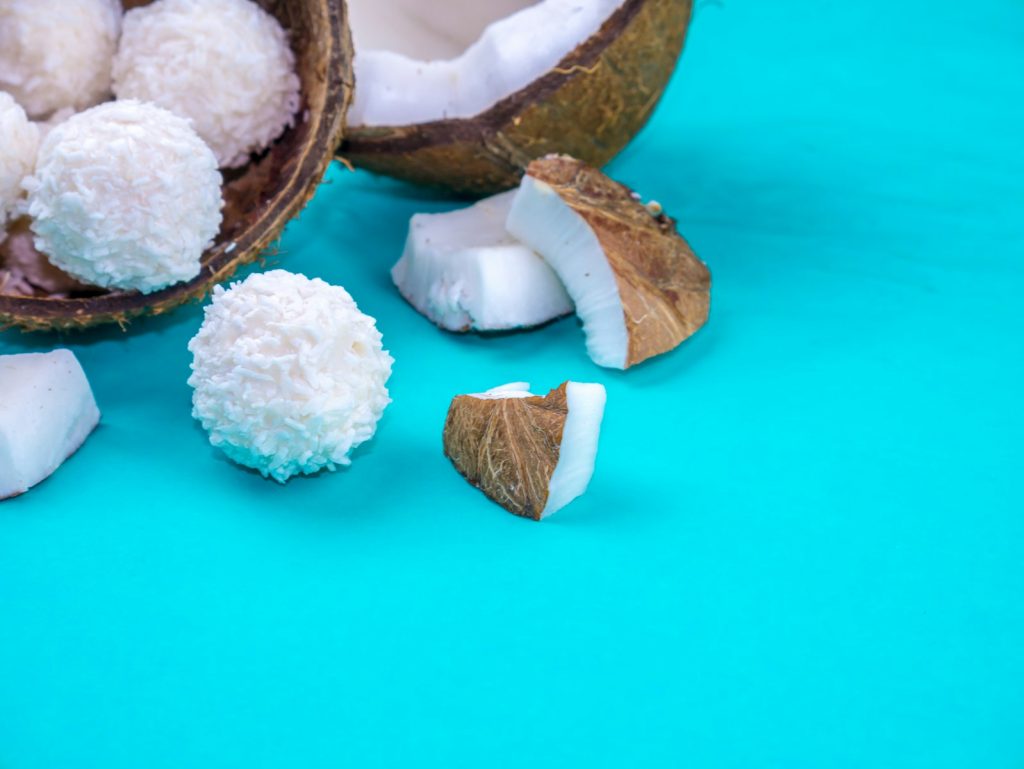
While they both come from the same source, coconut flakes and desiccated coconut aren't always easy substitutes for each other due to their differences in texture, size, and moisture.
That said, you can substitute one for the other with some adjustments:
- If a recipe calls for desiccated coconut and you only have flakes, try pulsing the flakes briefly in a food processor to break them down into smaller pieces.
- If you need flakes but only have desiccated coconut, the texture will be different, but you can try lightly toasting the desiccated coconut to enhance the flavor and give it a bit more bite.
Keep in mind, sweetened vs. unsweetened coconut also plays a role. Using sweetened flakes instead of unsweetened desiccated coconut can significantly change the sweetness of your dish.
8. Nutritional Comparison
Nutritionally, both coconut flakes and desiccated coconut are quite similar:
| Nutrient (per 28g / 1 oz) | Coconut Flakes | Desiccated Coconut |
|---|---|---|
| Calories | ~185 | ~185 |
| Fat | ~18g | ~18g |
| Saturated Fat | ~16g | ~16g |
| Carbohydrates | ~7g | ~7g |
| Fiber | ~5g | ~5g |
| Protein | ~2g | ~2g |
Note: These values vary slightly depending on whether the coconut is sweetened, toasted, or contains added preservatives.
Both are rich in healthy fats, particularly medium-chain triglycerides (MCTs), which are believed to support energy levels and metabolic health.
9. Which One Should You Use?
Ultimately, the choice between coconut flakes and desiccated coconut depends on the recipe and the desired texture:
- Want a crispy, crunchy topping or visual appeal? Go for coconut flakes.
- Need a fine texture that blends smoothly? Choose desiccated coconut.
Both offer unique benefits and flavor profiles that can elevate your cooking and baking. Understanding their differences helps you make better choices in the kitchen and ensures your dishes turn out just right.
| Bulk Sourcing for Coconut Flakes & Desiccated Coconut Scaling up your bakery, confectionery, or healthy snack production? Ensuring a consistent texture and moisture level in your coconut ingredients is vital for your product's success. Global Coco Sugar is a premier Indonesian supplier and exporter of high-quality coconut derivatives. We provide industrial-grade Desiccated Coconut (Fine & Medium grades) and Coconut Flakes in wholesale volumes. - Quality Assurance: 100% pure, sulfite-free options available, Kosher, Halal, and Organic certified. - Global Export: Reliable shipping and bulk packaging tailored to industrial manufacturing needs. Contact Our Sales Team for Bulk Pricing and Specifications! |
Final Thoughts
While coconut flakes and desiccated coconut come from the same source, their differences in texture, flavor, and culinary applications are significant. By knowing when and how to use each, you can enhance everything from baked goods to savory dishes.
Next time you're browsing the baking aisle or working on a tropical recipe, you'll know exactly which coconut product to reach for—and why it matters.