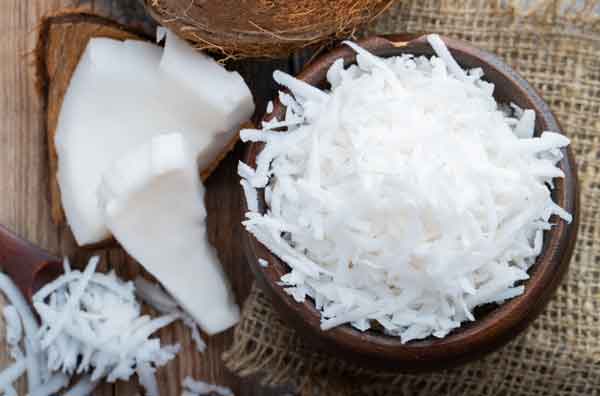
Baking with coconut flakes a taste of the tropics right into your kitchen. From light cakes to chewy cookies, the ingredient adds flavor, texture, and visual appeal. Experienced coconut bakers know that the secret lies not only in choosing the right coconut flakes but also in understanding how to use them.
This article reveals essential techniques, pairing ideas, and nutritional tips to help you bake better with coconut — whether you’re a beginner or a professional pastry lover.
1. Why Every Baker Should Try Coconut Flakes
Coconut flakes are versatile and flavorful. They bring moisture to dry recipes, crispiness to toppings, and aroma to any baked good. The subtle sweetness enhances everything from cupcakes to granola bars.
For those exploring healthier baking options, organic coconut flakes unsweetened offer a clean flavor without additives or refined sugars. You can learn more about the nutritional benefits of coconut.
2. Choosing Between Sweetened and Organic Coconut Flakes Unsweetened
Not all coconut flakes are the same, and the choice can dramatically impact your results:
- Sweetened coconut flakes – Best for desserts like macaroons or lamingtons.
- Unsweetened flakes – Perfect for muffins and breakfast bars.
- Angel flake coconut – Fine-textured, moist, and ideal for creamy fillings.
- Organic coconut flakes unsweetened – All-natural and free from chemicals, perfect for guilt-free indulgence.
If you’d like to compare organic products or buy baking-grade flakes, visit Bob’s Red Mill Organic Coconut Flakes — a reputable brand for quality baking ingredients. (External DoFollow link)
3. Toasting Coconut for Extra Flavor
Toasting enhances coconut’s flavor and color. Here’s a simple method every baker should know:
- Preheat your oven to 325°F (160°C).
- Spread flakes on a lined baking tray.
- Bake for 5–8 minutes, stirring halfway through.
The result? A golden, nutty topping that’s perfect for puddings, cakes, or smoothies.
You can explore more baking techniques and timing adjustments in our Complete Baking Temperature Guide (Internal link suggestion — link to your blog’s baking guide page).
4. Mastering Texture in Coconut Desserts
Coconut can change a dessert’s texture completely:
- Mix into dough for soft, chewy cookies.
- Sprinkle toasted flakes for a crispy topping.
- Blend into frosting for moist, layered cakes.
Remember — moderation is key. Even expert coconut bakers use small amounts to highlight flavor without overpowering the dessert.
5. Best Flavor Pairings
Coconut’s delicate sweetness pairs well with several other ingredients. Try these combinations:
- Chocolate – Creates a rich, indulgent balance.
- Citrus (lime, lemon) – Adds brightness and freshness.
- Tropical fruits (mango, pineapple) – Reinforces the exotic flavor.
- Nuts or caramel – Deepens the dessert’s warmth.
For more pairing inspiration, check out our Guide to Flavor Combinations in Baking (Internal link suggestion).
6. Creative Desserts Featuring Coconut
Here are a few dessert ideas where coconut truly shines:
- Coconut Cream Pie – Creamy custard layered with angel flake coconut.
- Granola Bars – Combine oats, nuts, and organic coconut flakes unsweetened for healthy snacking.
- Coconut Muffins – Add flakes to maintain moisture.
- Coconut Cheesecake – Toasted flakes in the crust for a nutty crunch.
- Cupcakes – Frost and sprinkle for a tropical finish.
You can find a step-by-step version of these recipes in our Coconut Dessert Collection (Internal link suggestion).
7. Storage Tips for Long-Lasting Freshness
Because coconut naturally contains oils, it’s sensitive to air and temperature. Proper storage helps maintain freshness:
- Use airtight containers.
- Keep flakes in a cool, dark place or refrigerate in humid climates.
- Freeze for up to six months to extend shelf life.
For professional storage standards, refer to the USDA Food Storage Guidelines (External DoFollow link).
8. The Nutritional Edge of Organic Coconut
Coconut is more than a tasty addition — it’s full of health benefits. It provides fiber, manganese, iron, and healthy fats, making it a great ingredient for energy-boosting treats.
When you choose organic coconut flakes unsweetened, you get all those nutrients without processed sugars or preservatives. Learn how to incorporate more natural ingredients into your baking in our Healthy Baking Tips Section (Internal link suggestion).
9. Expert Tips for Successful Coconut Baking
To make your desserts shine, keep these professional tips in mind:
- Measure carefully to maintain consistency.
- Adjust sweetness when switching between sweetened and unsweetened coconut.
- Add flakes last to preserve their texture.
- Use multiple textures for visual appeal — try combining fine and large flakes.
Small adjustments like these can make a big difference — even seasoned coconut bakers rely on precision and creativity.
10. Bringing It All Together
Coconut adds flavor, depth, and beauty to every dessert it touches. From rich pies to simple muffins, it offers endless possibilities for creativity. Whether you use angel flakes for softness or organic coconut flakes unsweetened for a natural flavor, this tropical ingredient deserves a permanent place in your pantry.